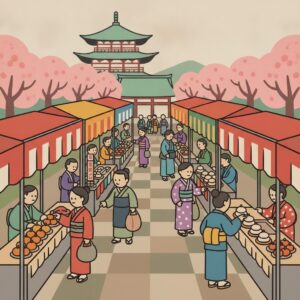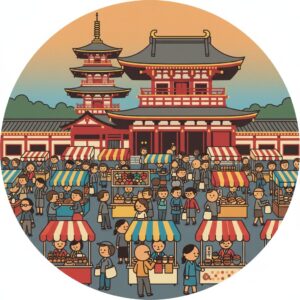
They say Osaka never stops moving. It’s a city of dazzling neon rivers, of tireless energy that floods the streets of Namba and Umeda, a place where the future feels like it’s arriving a minute early. But tucked away, just a heartbeat from the city’s main arteries, is a place that holds its breath. A place where time doesn’t stop, but meanders. Welcome to Karahori Shopping Street, a covered arcade and a sprawling network of quiet alleys where the Showa-era soul of Osaka is not just preserved; it’s alive and well, sipping coffee in the afternoon sun. As a writer who thrives on the kinetic energy of new places, I’ve found that true creativity often blossoms in the spaces in-between—the quiet corners where you can observe the world without being swept away by it. And for the modern remote worker, the digital nomad yearning for a connection deeper than a Wi-Fi signal, Karahori offers an irresistible proposition: a productive workday steeped in nostalgia, powered by meticulously brewed coffee and the gentle hum of a community that has existed for generations. Forget the sterile silence of a co-working space or the anonymous bustle of a chain coffee shop. Today, we’re logging on from the past. We’re trading minimalist decor for dark wood panels, ergonomic chairs for plush velvet seats, and the hiss of an espresso machine for the gentle bubbling of a siphon. This is a guide to finding your perfect traditional café, your kissaten, for a remote workday in a place that feels like a beautiful secret. It’s about more than just finding an outlet for your laptop; it’s about plugging into the very spirit of old Osaka.
For a deeper dive into the unique character of Osaka’s historic neighborhoods, you might enjoy learning about the distinctive Osaka dialect spoken in Shinsekai.
The Living Museum: Understanding the Karahori Atmosphere
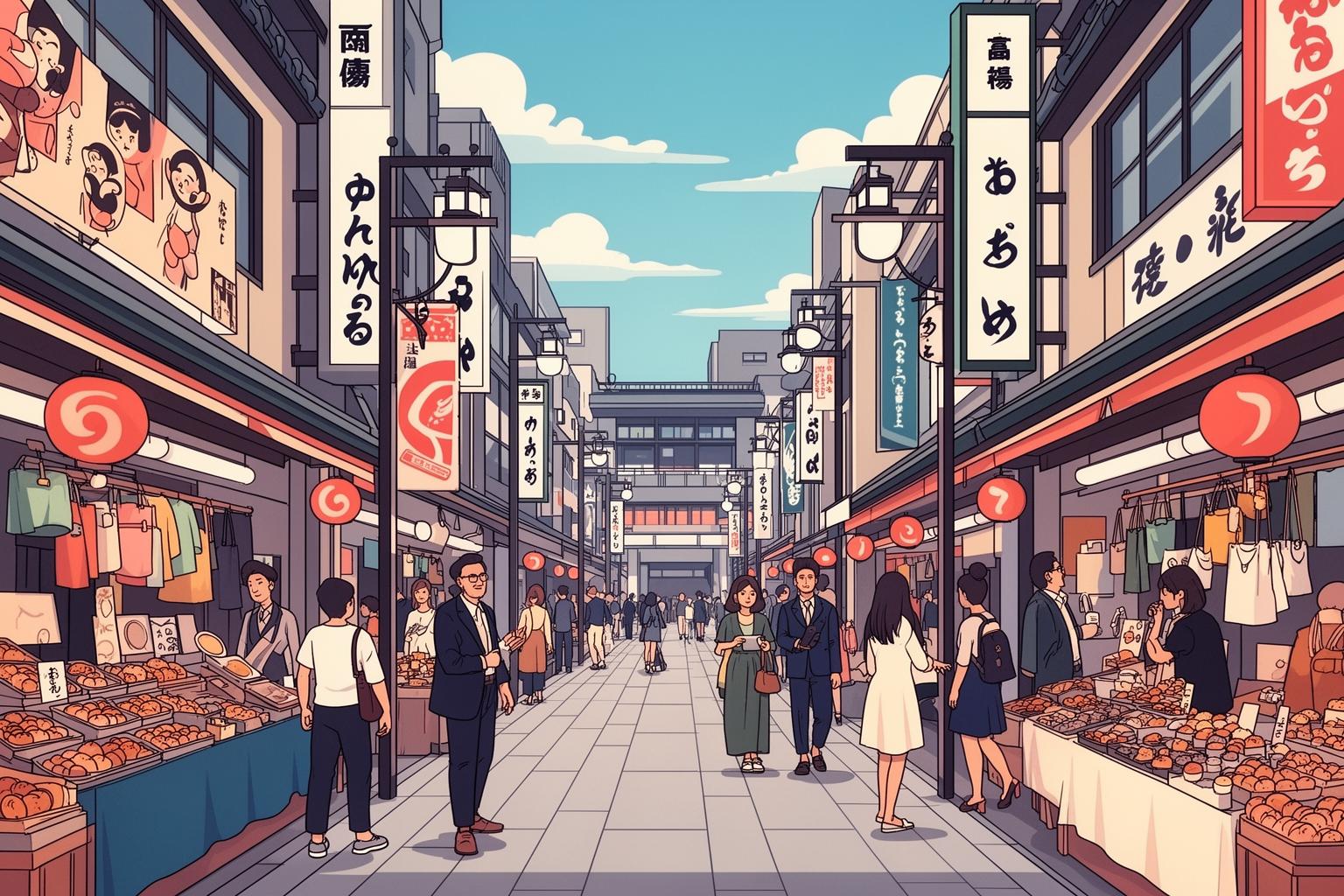
To call Karahori Shopping Street merely a shopping street is like calling a library just a room full of books—it completely misses the essence. The moment you step beneath the arcade’s weathered roof from the busy intersection near Tanimachi 6-chome station, the city’s frenetic pace melts away. The light shifts, becoming softer and more diffused as it passes through the translucent panels overhead. The air itself feels altered, rich with the mingled aromas of freshly ground coffee from a tiny roastery, sweet soy sauce simmering at a local deli, and the crisp, clean scent of produce from a greengrocer who has likely run the stall for generations. This is not a staged tourist attraction; it’s a living, breathing lifeline of the neighborhood, the daily setting for a community that has endured tremendous change. Karahori’s charm lies in its resilience. While much of Osaka was tragically razed during World War II air raids, this district—with its maze of narrow residential alleys—miraculously endured. What you see today isn’t a reconstruction of the past; it is the past, continuing its narrative into the present. The main covered arcade, stretching about 800 meters, forms the area’s backbone. It is lined with a delightfully eclectic array of shops: a traditional tofu maker alongside a trendy modern bakery, a dusty stationery store selling calligraphy brushes next to a boutique offering handcrafted leather goods. Bicycles rest against storefronts, baskets filled with groceries. Elderly residents exchange familiar nods, their soft conversations providing the street’s gentle soundtrack. Unlike the sleek, impersonal corridors of modern malls, Karahori is unapologetically human—slightly worn at the edges, a bit cluttered, and endlessly captivating. Yet the true heart of the area lies in the roji, the winding alleyways branching from the main arcade. Venturing into these alleys is like entering another world. The sounds of the shopping street fade, replaced by a peaceful quiet. Here, you find the nagaya, traditional wooden row houses decorated with potted plants and intricate latticework. Many have been lovingly restored and transformed into art galleries, pottery studios, specialty tea shops, and most importantly for our purpose, hidden gem cafes. Walking through feels like a treasure hunt—you might turn a corner to discover a tiny shrine tucked between two houses, or peer into a workshop where a craftsman meticulously restores furniture. This architectural and cultural mosaic makes Karahori truly inspiring. It’s a place that invites you to slow down, look more closely, and appreciate the beauty in details—the texture of old wood, the play of light on tiled roofs, the unexpected bloom of a flower in a tiny garden. For remote workers, this environment offers a powerful antidote to digital fatigue and creative blocks caused by long hours in front of screens. It serves as a constant source of gentle, analog inspiration.
The Kissaten Philosophy: More Than Just a Coffee Shop
Before exploring specific locations, it’s essential to grasp the concept of the kissaten. The term means “tea-drinking shop,” but its cultural importance extends far beyond that. Originating in the early 20th century as gathering spots for intellectuals, artists, and students, kissaten became sanctuaries for conversation, reflection, and coffee. They stand in stark contrast to today’s quick-service coffee chains. A kissaten is a destination meant for lingering. The atmosphere is vital, often nurtured over decades by a single owner known as the “Master.” The decor typically evokes nostalgia and elegance: dark wood, soft lighting from ornate lamps, plush velvet or leather seats, and a soundtrack of classical or cool jazz playing softly from a vintage sound system. The goal is to craft a serene, almost sanctuary-like space where time seems to slow. For remote workers, this ethos offers both opportunity and obligation. The opportunity lies in working within a deeply calm, focused environment, free from the distractions and pressures of a conventional office. The obligation is to honor the unspoken norms of this special setting. A kissaten is not a coworking space. You are a guest within a carefully curated ambiance. This means speaking quietly, silencing your phone, and being considerate of the space you occupy. While some modern kissaten have adapted to the digital era with Wi-Fi and power outlets, many traditional ones have not. This can be a blessing in disguise, encouraging you to focus on offline tasks or simply disconnect and reflect. The key is to be a patron, not merely a squatter. If you plan to stay awhile, order consistently—a single cup of coffee doesn’t grant you a three-hour table rental. Consider ordering a coffee followed by a slice of cake or their lunch special. Engage with the space as intended: a place for quiet enjoyment. By doing so, you’re not just occupying a table; you’re partaking in a cherished cultural tradition. Choosing a kissaten for your workday is a deliberate decision. It signals that you value ambiance over mere functionality and that you seek inspiration not only from your work but from the world around you. The Karahori area is sprinkled with such gems, each possessing a distinct character, waiting to be uncovered.
Finding Your Nook: A Tale of Three Cafes
To truly experience Karahori’s cafe culture, imagine stepping into three unique establishments. These archetypes represent the wonderful variety you can find, each offering a different tone for remote work.
The Time Capsule: ‘Kohi-sha Toki no Ma’ (Coffee House of Time)
Picture discovering this spot down a narrow, inconspicuous alley, its entrance marked only by a small hand-carved wooden sign and a single amber lamp. Pushing open the heavy wooden door, a small bell chimes, announcing your arrival. You leave behind the bright Osaka daylight and enter a realm of perpetual gentle dusk. This is ‘Toki no Ma’. The air is rich with the intoxicating aroma of dark roast coffee mingled with the subtle scent of old books and polished wood. The master, an elderly man with kind eyes and impeccable posture, offers a slow, deliberate nod from behind a long polished counter. He’s been tending the place for fifty years, evident in his every graceful movement. The space is small and intimate. Dark wood-paneled walls hold shelves brimming with hundreds of mismatched, ornate coffee cups—each a work of art. You sense regulars have their own designated cup. Seating consists of high-backed booths upholstered in deep burgundy velvet, each illuminated by a small, shaded lamp casting a warm glow. The soundtrack features a low, reflective jazz piano solo played from a vinyl record player, crackling softly between tracks. This is the ultimate sanctuary for deep work. Wi-Fi is nonexistent, its very idea almost sacrilegious here. Power outlets are nowhere to be found. This is a place for notebook and pen, for focused, uninterrupted writing or thought rare in today’s hyper-connected world. You come for an hour or two to tackle a single, important task. You order the ‘Morning Set’ (served until 11 AM), a classic kissaten offering. It arrives on a small tray: a thick, fluffy slice of golden toast with melting butter and a small pot of strawberry jam, accompanied by a warm hard-boiled egg and a crisp salad. The star, however, is the coffee. The master prepares it using a glass siphon apparatus resembling a scientific instrument. You watch, captivated, as water defies gravity, bubbling into the top chamber to infuse with the coffee grounds, then dripping back down as a dark, fragrant elixir. This quiet ritual demands patience and precision. The coffee itself is smooth and low in acidity, with a deep, chocolatey flavor coating your tongue. It’s coffee meant to be savored slowly. Working at ‘Toki no Ma’ feels meditative. The absence of digital connectivity turns your focus inward. Your thoughts clear, your prose becomes deliberate. The gentle, constant rhythms—the clink of a spoon on porcelain, the soft rustle of turning pages—fade into a comforting background hum, sharpening your concentration. Although you wouldn’t spend a full eight hours here, for a concentrated burst of creative energy, it is unmatched. This place offers more than a table; it offers a state of mind.
The Renovated Gem: ‘Roji Ruminasu’ (Alley Luminous)
Our next stop embodies a different facet of Karahori’s spirit. Nestled within a beautifully restored nagaya, ‘Roji Ruminasu’ showcases the new generation of entrepreneurs breathing fresh life into historic buildings. Spot it by its minimalist white noren hanging at the entrance of a traditional row house. Inside, the space seamlessly melds old and new. Original dark wooden beams and earthen walls remain exposed but are paired with modern minimalist furniture, brushed-metal light fixtures, and large windows overlooking a meticulously raked moss garden. The atmosphere is bright, airy, and tranquil—a stark contrast to the dim intimacy of a classic kissaten. The clientele blends young creatives, local designers, and international visitors who’ve discovered this hidden gem. The soundtrack is contemporary ambient music: instrumental and unobtrusive. ‘Roji Ruminasu’ caters thoughtfully to modern workers with discreetly placed power outlets at custom wooden tables and fast, reliable Wi-Fi freely available. The young couple owners are friendly and welcoming, fluent in English. They’ve crafted a space that feels both deeply rooted in Japanese aesthetics and thoroughly in tune with global culture. The menu reflects this fusion. You’ll find excellent pour-over coffee made with trendy single-origin beans from a Tokyo roaster, as well as vibrant, frothy matcha lattes and a selection of artisanal Japanese teas. The food menu is light and wholesome. Instead of thick toast, you might enjoy an open-faced avocado and smoked salmon sandwich on rustic house-baked bread or a seasonal soup made from local market vegetables. Their sweets are a highlight. The display case features exquisite creations resembling works of art: yuzu cheesecake with black sesame crust, a delicate roll cake filled with hojicha cream, and glistening fruit tarts. Working here is energizing and inspiring. Natural light and clean design foster clarity and possibility. It’s ideal for longer work sessions requiring online research or meetings. When you take a break, you can watch the Japanese maple leaves tremble gently in the breeze across the serene garden. ‘Roji Ruminasu’ proves that preservation need not mean stagnation. It demonstrates how the past can provide a rich, meaningful foundation for creating a workspace that’s both productive and soul-nourishing.
The Community Hub: ‘Showa Retro Parlor’
Our final destination is right on the main arcade, marked by a colorful, slightly faded awning and plastic food models in the window that haven’t been updated since the 1980s. This is the ‘Showa Retro Parlor,’ less a quiet refuge and more a lively community living room. Stepping inside feels like entering a vintage film set. Seating consists of vinyl booths in mustard yellow and avocado green. Tables feature built-in tabletop arcade games from the Pac-Man era, though most no longer work. The air buzzes with the cheerful chatter of local shoppers taking a break, the sizzle from the open kitchen, and the upbeat beat of kayōkyoku (Showa-era pop) playing on the radio. The proprietress—a vibrant woman in her late sixties with a warm, booming laugh—seems to know everyone who comes in. This isn’t a place for quiet reflection; it’s where you can feel the neighborhood’s pulse. Why would a remote worker come here? Because sometimes, the best antidote to work isolation is a dose of cheerful, ambient humanity. It’s suited for the more administrative parts of your day—answering emails, organizing files—tasks that don’t demand intense focus but benefit from a lively background. You slide into a booth and order a parlor specialty: a cream soda. It arrives in a tall fluted glass, a strikingly vivid green melon soda filled with ice, topped by a perfect scoop of vanilla ice cream and a bright red maraschino cherry. It’s pure nostalgic joy. For lunch, the Napolitan spaghetti is a must-try: soft noodles stir-fried with sausage, onions, and bell peppers in a sweet, tangy tomato ketchup sauce—a comfort dish evoking childhood and simpler times. The Wi-Fi is surprisingly reliable, a nod to modern needs, and you can usually find a booth near a spare power outlet if you look carefully. Working here is fun and unpretentious. The continuous lively hum creates a kind of white noise that helps focus by drowning out distracting thoughts. It’s also a perfect spot for people-watching and observing Karahori’s daily rhythms up close. Here, you’re not an outsider—you’re immersed in the daily life of the community, a temporary participant. The ‘Showa Retro Parlor’ reminds us that work doesn’t always have to be serious or solemn. It can be joyful, colorful, and powered by ice cream floats.
Beyond the Bean: Workday Breaks and Alleyway Adventures
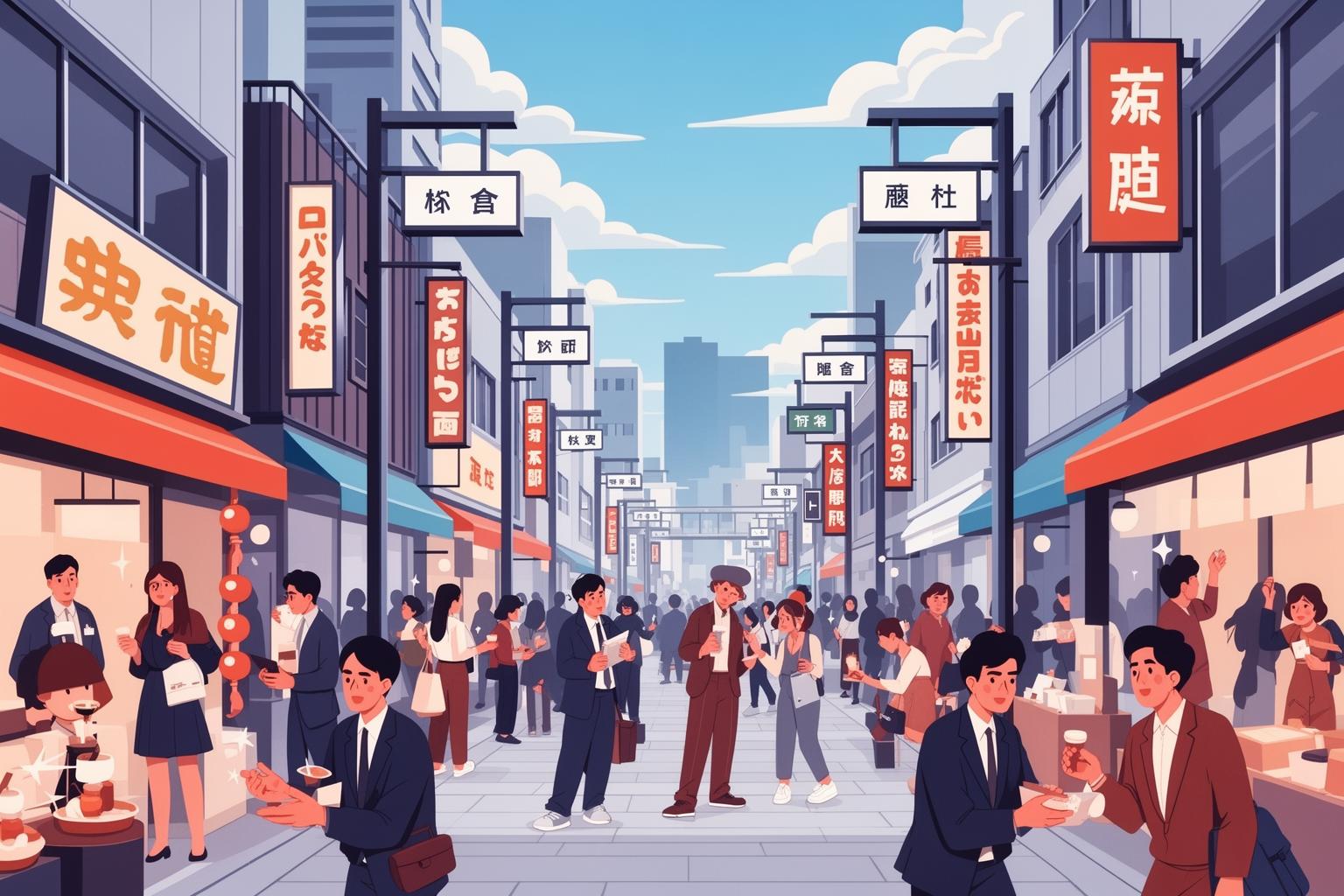
A workday in Karahori shouldn’t be limited to the four walls of a café, no matter how charming it may be. The neighborhood itself becomes your extended office, a playground for breaks, and a continual source of inspiration. When your eyes tire from the screen or your mind needs a refresh, simply close your laptop and step outside. The charm of this area lies in the fact that a five-minute walk can feel like a true adventure. Turn off the main arcade into any side street and allow yourself to get lost. This is where you’ll discover the real soul of Karahori. The alleys form a rich tapestry of residential life and creative ventures. Watch for signs of the nagaya revitalization projects, such as ‘Ren’ (練), ‘So’ (惣), and ‘Ho’ (萌). These are complexes of restored row houses now hosting a delightful blend of independent businesses. At ‘Ren’, you might encounter a shop offering exquisite, hand-dyed tenugui towels, their patterns telling tales of Japanese folklore. A productive fifteen-minute break could be spent admiring the craftsmanship, with the vibrant colors soothing screen-weary eyes. Another door might open to a tiny gallery showcasing photographs by a local artist, capturing the serene beauty of the very streets you’re walking. These encounters serve as powerful creative stimulants, reminding you of the value of craft, passion, and the creation of something tangible and beautiful. These are not merely shops; they are the studios and showrooms of artisans. A conversation with a shop owner can be as refreshing as a cup of coffee—you might learn about traditional pottery techniques or the stories behind vintage kimonos thoughtfully curated. For a touch of history and tranquility, seek out the small shrines tucked away in the neighborhood. Hozenji Temple, while more famous in Namba, has its quiet, moss-covered spiritual cousins here—places of reflection that feel worlds away from your to-do list. Or visit the Uemachi Plateau, the ancient high ground upon which this part of Osaka was built. You can sense the gentle slope of the streets, a physical reminder of the area’s deep history, long predating Osaka Castle’s conception. Even lunch becomes an exploration. Skip the café menu for a day and assemble your own meal from shops in the arcade. Pick up freshly made korokke (croquettes) from the butcher, onigiri (rice balls) from a specialty shop, and some fruit from the greengrocer. Find a small bench or quiet step to enjoy a simple, delicious meal while watching the world go by. This is the ultimate charm of a Karahori workday. Your productivity is intertwined with discovery. Your breaks are not just moments away from your desk; they are steps into a rich, layered world of history, art, and community. It’s a holistic approach to the workday that nourishes your mind and spirit as much as it furthers your career.
A Practical Guide for the Karahori Nomad
Heading to Karahori for a workday is straightforward, but a few practical tips can help make your visit even more enjoyable.
Getting There
The area is conveniently situated and easily reachable via Osaka Metro. The main stations to use are Tanimachi 6-chome (served by the Tanimachi and Nagahori Tsurumi-ryokuchi lines) and Matsuyamachi (on the Nagahori Tsurumi-ryokuchi line). From either station, it’s a brief walk to the entrance of the main covered shopping arcade. I suggest beginning at the Tanimachi 6-chome side, as it leads you directly into the most vibrant section of the street.
Timing is Everything
For the best remote work experience, plan your visit on a weekday. Cafes are quieter, and you’ll have a better chance of securing a prime spot. Mornings are especially peaceful. Most cafes open around 9 or 10 AM, allowing you to enjoy a calm hour or two before the lunchtime crowd arrives. On weekends, the area transforms into a bustling hub for tourists and shoppers, making it livelier but less ideal for focused work. Many smaller, independent shops and cafes close on a specific day of the week (often Tuesday or Wednesday), so a quick online check is worthwhile if you have a preferred place in mind.
The Nomad’s Toolkit
Come prepared. Assume your chosen cafe might lack Wi-Fi or sufficient power outlets. Make sure your laptop is fully charged and bring a portable battery pack if you have one. Using your phone’s data as a tether is also a smart backup plan. Though Japan is extremely safe, it’s still wise to stay aware of your belongings. As a solo female traveler and worker, I always keep my bag looped around my chair leg or in my lap when in public spaces. Karahori is very safe and community-oriented, but good habits never hurt. Lastly, carry cash. While many newer businesses accept credit cards, a good number of older, family-run shops and traditional kissaten only take cash. Having a mix of coins and small bills is recommended.
Cafe Etiquette Revisited
Keep the kissaten mindset in mind. Be a considerate customer. Avoid taking business calls inside quiet cafes—step outside instead. Use headphones if you need to listen to audio and keep the volume low. Most importantly, keep ordering. A good guideline is to buy one item (drink or food) every 60-90 minutes you plan to stay. This shows appreciation for the space and supports these wonderful small businesses, helping ensure they’ll remain there for your next productive visit.
As your day in Karahori winds down, the afternoon sun casts long shadows through the alleys, and the warm glow of lanterns starts to light up storefronts. Packing up your laptop, you don’t feel the typical fatigue of a long workday. Instead, there’s a sense of satisfaction—a feeling of having not only completed your tasks but truly experienced the place. You leave with your work done, your spirit refreshed, and your mind enriched by the sights, sounds, and flavors of a side of Osaka that many visitors—and even some locals—rarely see. Karahori Shopping Street is more than just a charming work backdrop. It actively shapes your creative process, teaching you to find beauty in imperfection, to savor the slow and intentional, and to realize that sometimes, the most productive thing you can do is to log off, look up, and get wonderfully, inspiringly lost.