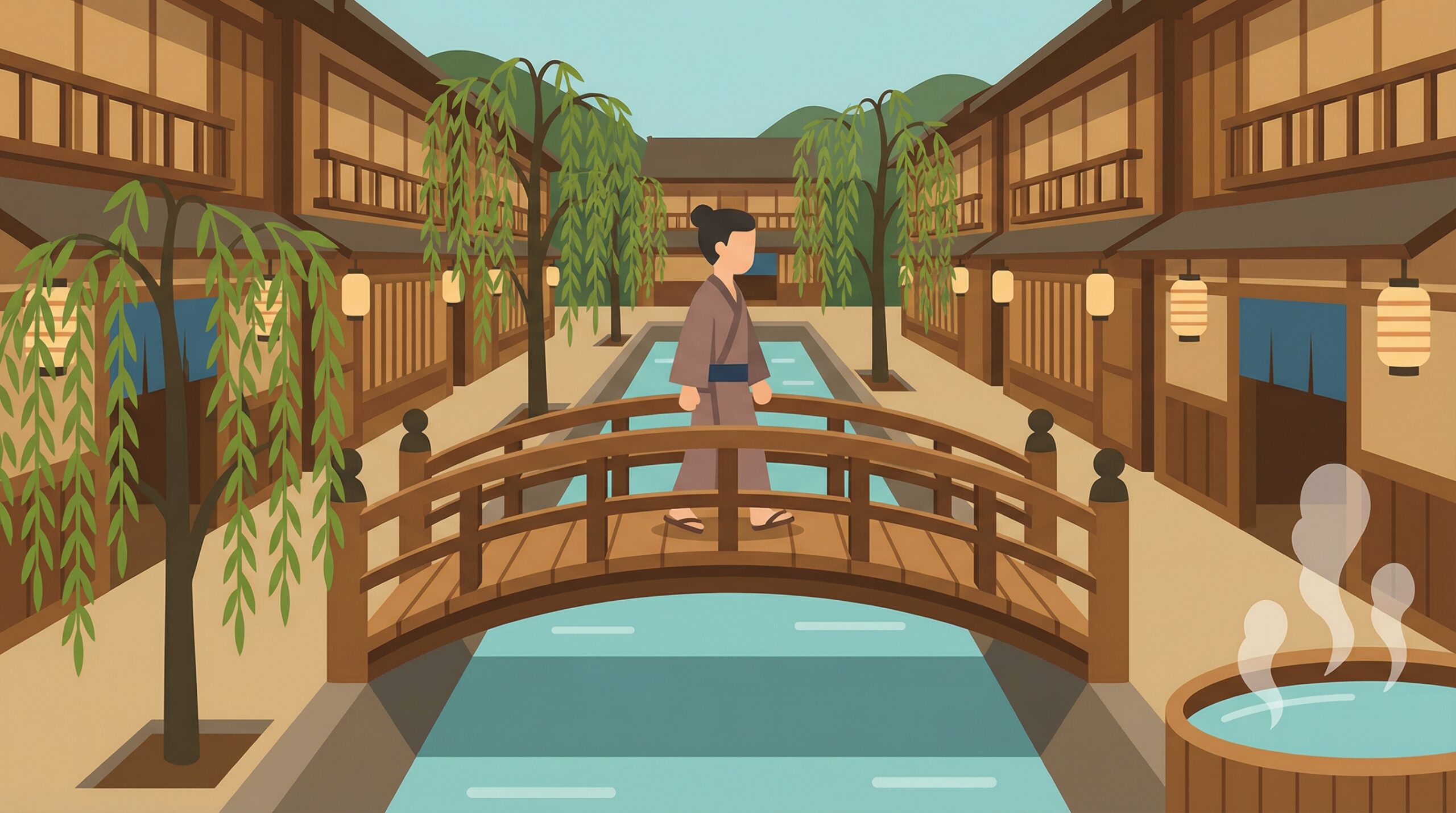
There’s a rhythm to Kinosaki Onsen, a gentle, percussive beat that echoes through its narrow streets. It’s the clip-clop of wooden sandals, or geta, on stone pavement, a sound that serves as the town’s constant, soothing heartbeat. For anyone living in the electric rush of Osaka, the melody of this ancient hot spring town, nestled in a lush valley in northern Hyogo Prefecture, is a siren song of pure, unadulterated relaxation. This isn’t just a place with hot springs; it’s a town that is a hot spring. The entire community is built around the sacred ritual of bathing, a concept so deeply ingrained that the streets themselves feel like the hallways of one enormous, open-air spa. Forget your daily wardrobe; here, the uniform is a comfortable cotton yukata, a light robe provided by your inn, which you wear from morning till night, from your tatami room to the ramen shop, and most importantly, on your pilgrimage to the town’s seven public bathhouses. This tradition, known as soto-yu meguri, or the touring of outside hot springs, is the very soul of a Kinosaki visit. It transforms a simple weekend getaway into an immersive cultural experience, a journey back to a simpler, more mindful way of life where the primary goal of the day is to walk, soak, eat, and repeat. It’s a place to shed the stresses of city life along with your clothes, and to find a profound sense of peace in the steam rising from its healing waters.
After finding peace in the hot springs, you might crave a different kind of energy back in the city, which you can experience in the vibrant live music scene of Osaka.
The Heart of the Experience: Soto-yu Meguri
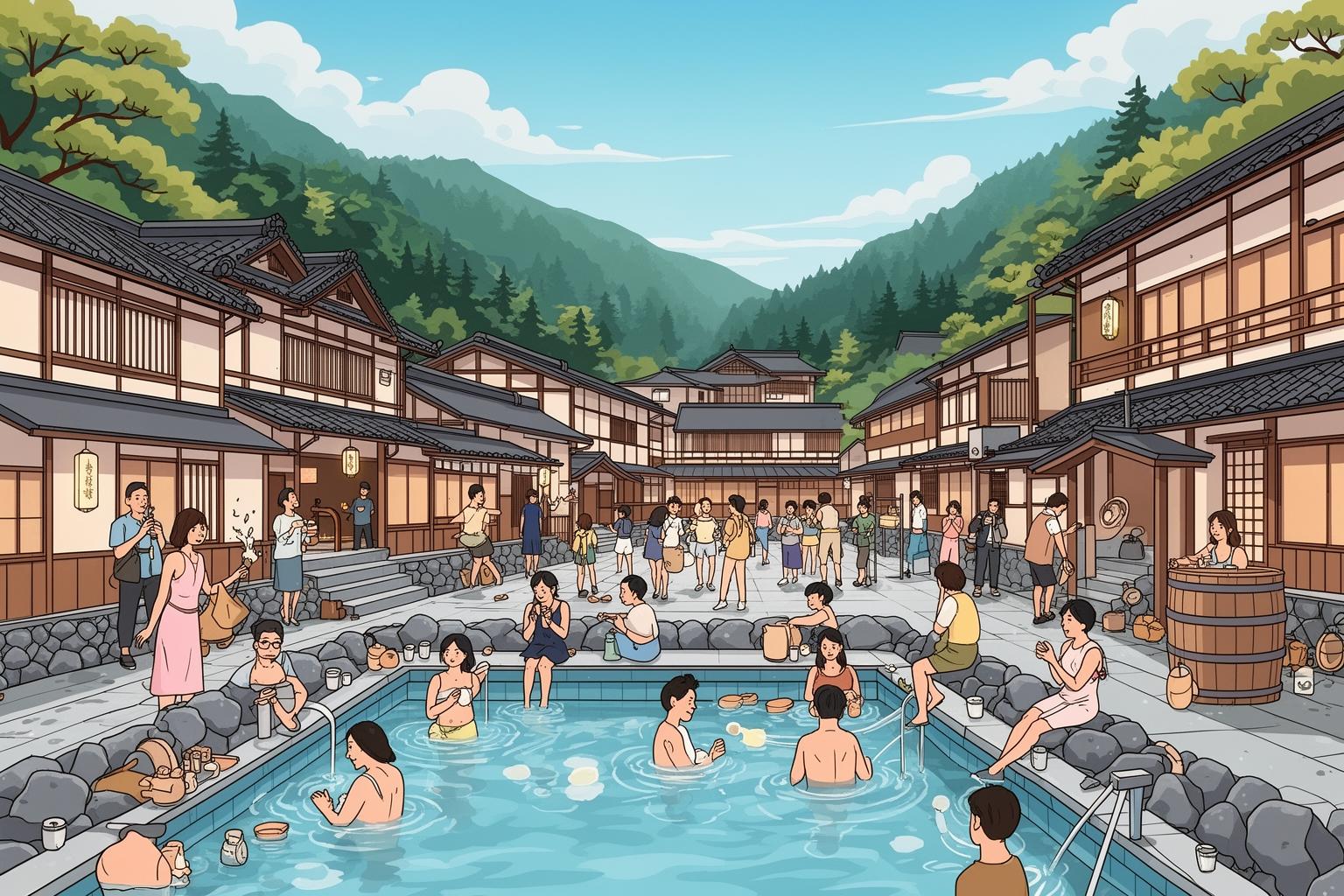
The magic of Kinosaki truly begins when you check into your ryokan, a traditional Japanese inn. Upon arrival, you’ll receive your key, your room, and most importantly, your passport to paradise: the YUMEPA pass. This digital pass, scanned at the entrance of each bathhouse, grants you unlimited access to all seven of the town’s public onsen throughout your stay. Paired with the yukata and geta provided by your ryokan, you are instantly transformed from a tourist into a participant in a centuries-old tradition. The soto-yu meguri is more than just a spa crawl; it’s a meditative journey. Each of the seven bathhouses has its own unique story, distinct architecture, and special blessing, inviting you to craft your own path to wellness. The strolls between them, along the willow-draped Otani River, are as therapeutic as the mineral-rich waters themselves.
Goshono-yu: The Imperial Bath of Beauty
Often regarded as the grandest of the seven, Goshono-yu, or the “Palace Bath,” is an architectural marvel. Inspired by the Kyoto Imperial Palace, its soaring cypress-beamed ceilings, intricate lattice work, and elegant foyer evoke a regal tranquility. This onsen is said to bring luck in love and protection against fires. The true highlight is the open-air bath, set against a sheer rock face where a powerful waterfall cascades into the pool, creating a dynamic, misty ambiance. Soaking here feels cinematic; you can recline on smooth stones, feel the waterfall’s spray on your face, and gaze up at the sky through a canopy of autumn-blazing maple trees. The indoor bath is equally impressive, with massive glass panels that bring the outdoors inside, ensuring you remain connected to the natural beauty surrounding you. Visiting Goshono-yu first often sets a high standard for the rest of your tour, immersing you immediately in the aesthetic and spiritual luxury that defines Kinosaki.
Kouno-yu: The Stork’s Healing Spring
Step into Kouno-yu, and you enter Kinosaki’s origin story. Believed to be the oldest hot spring in town, it was discovered when an Oriental white stork was seen healing its injured leg in the marshy waters. Because of this legend, the bath is associated with marital bliss and longevity. The atmosphere here is quieter and more contemplative than Goshono-yu. Situated at the far end of town, it requires a slightly longer, more meditative walk to reach. The bathhouse is serene, featuring a peaceful outdoor stone bath surrounded by a lush, manicured garden. The feeling is timeless, connecting you with nature. Immersed in these ancient waters, you can almost sense the weight of centuries and the countless pilgrims who sought solace and healing here. It’s ideal for a quiet morning soak—a place to reflect and absorb the deep history of the land.
Satono-yu: The Panoramic Welcome
Located adjacent to Kinosaki Onsen Station, Satono-yu is often the first or last onsen visitors experience. It is the largest and most modern of the seven, offering a different kind of onsen luxury. Its name means “Hometown Bath,” serving as a grand welcome to all who arrive. The facility boasts a wide range of amenities, including a sauna and jacuzzi. The standout feature is the third-floor panoramic open-air bath, where you can gaze out over the town and surrounding mountains, watching trains glide through the station. This vantage point uniquely connects the tranquil onsen world with the outside. One side of the bath has an exotic, almost Arabian design (for men or women, depending on the day), while the other showcases traditional Japanese aesthetics, with the sides switching daily so everyone can enjoy both. It’s an excellent spot to watch the sunset paint the sky over the Maruyama River.
Ichino-yu: The Cave of Fortune
Ichino-yu, the “Number One Bath,” earned its name from an Edo-period doctor who, after experiencing its waters, declared it the best in Japan. Its distinctive facade resembles a classic kabuki theater, making it a central town landmark. The real charm lies inside: a dynamic, semi-open-air bath set within a natural cave. Soaking in this grotto, surrounded by rugged rock and the echoing sound of water, is a primal and deeply grounding experience. Steam thickly hangs in the air, creating an otherworldly atmosphere. It is said to bring success and good fortune to bathers. For many, this is the most memorable and unique of the seven baths, offering a rustic and powerful contrast to the polished elegance of Goshono-yu. It’s a must-visit for those seeking an unforgettable onsen experience.
Mandara-yu: The Saint’s Sacred Bath
Mandara-yu’s origins are linked to the Buddhist saint Dochi Shonin, who, according to legend, prayed for 1,000 days to bring forth spring waters to save the local people. The bathhouse’s name and design reflect this spiritual heritage. Its exterior features a striking Buddhist-style entrance, and the interior exudes calm reverence. The highlight is the outdoor ceramic barrel baths, or oke-buro. Submerging yourself in one of these individual tubs offers a uniquely personal experience. You can sit and meditate quietly, surrounded by a tranquil garden, feeling a deep connection to the onsen’s sacred history. Mandara-yu is believed to bring prosperity in business and agriculture. Its smaller size contributes to an intimate, peaceful atmosphere, making it an excellent spot for quiet contemplation.
Yanagi-yu: The Willow Bath’s Gentle Embrace
Named for the willow trees lining the Otani River in front of it, Yanagi-yu is the smallest and perhaps the most charmingly traditional of the seven bathhouses. Its rustic wooden structure feels like a scene from a classic Japanese film. The interior is cozy and intimate, featuring a deep central bath crafted from cypress wood. The heat and aroma of the cypress are deeply therapeutic, and the water here is believed to promote fertility and safe childbirth. Its smaller size gives it the feel of a private neighborhood bathhouse, offering a glimpse into the daily life of the local community. It provides a wonderfully authentic experience. A quick, hot dip in Yanagi-yu before dinner is a classic Kinosaki ritual, a simple pleasure that perfectly captures the town’s unpretentious charm.
Jizou-yu: The Lantern-Lit Local Favorite
Situated in the heart of town, Jizou-yu is a favorite among locals and families. Its name comes from a stone statue of Jizo, the guardian deity of children, said to have been discovered near the spring’s source. The building’s design is inspired by Japanese lanterns, featuring large hexagonal windows that create a bright, welcoming atmosphere. While it lacks an outdoor bath, its spacious indoor pool offers a straightforward, no-frills onsen experience. It is known as a place that brings safety and prosperity to families. The vibe is lively and communal, filled with neighbors’ chatter and children’s splashing. Visiting Jizou-yu provides a wonderful glimpse into local life, a reminder that these onsen are not just for tourists but are the vital, beating heart of the community itself.
Beyond the Baths: Soaking Up the Town’s Charm
While the soto-yu meguri remains the main attraction, the town of Kinosaki itself is a charming destination well worth exploring. The true delight lies in the moments between hot spring soaks. Designed for leisurely strolling, wearing your yukata and geta is not only allowed but expected. This breaks down the barriers between visitors and locals, fostering a wonderful sense of shared experience. The central Otani River, bordered by weeping willows and spanned by elegant stone taiko bridges, forms the town’s picturesque backbone. Following its course is a journey of discovery.
You’ll come across quaint shops offering local crafts like mugiwara zaiku (straw craft), a tradition over 300 years old. Skilled artisans create intricate boxes, figurines, and pictures from colored straw, providing unique and beautiful souvenirs. Other shops feature local sake, craft beer from Kinosaki Beer, and a variety of delicious sweets. A classic Kinosaki treat is the onsen tamago, eggs slow-cooked in the hot spring water until the yolk is firm and the white silky soft. You can purchase a net of fresh eggs and cook them yourself in designated public steamers, a simple yet rewarding culinary experience.
For a taste of history and a stunning vista, make the pilgrimage to Onsenji Temple. This sacred site, located halfway up Mount Daishi, honors Dochi Shonin, the Buddhist monk who founded Kinosaki Onsen. It’s a tranquil and spiritual place that has watched over the town’s hot springs for centuries. From there, take the Kinosaki Onsen Ropeway to the summit of Mount Daishi. The seven-minute ride offers breathtaking aerial views of the town, the Maruyama River, and, on clear days, the Sea of Japan. At the peak, a cafe provides a perfect spot to relax and enjoy the panoramic scenery. It’s a lovely way to appreciate the town’s idyllic setting and understand its place within the broader landscape.
In the evenings, the town glows with a magical light. Lanterns illuminate the riverside, their reflections shimmering in the water, and the clip-clop of geta grows more distinct in the cool night air. You might try your luck at one of the traditional shooting galleries or simply find a bench by the river and watch the world go by. This is the essence of Kinosaki: the art of simply being.
A Taste of Kinosaki: Culinary Delights
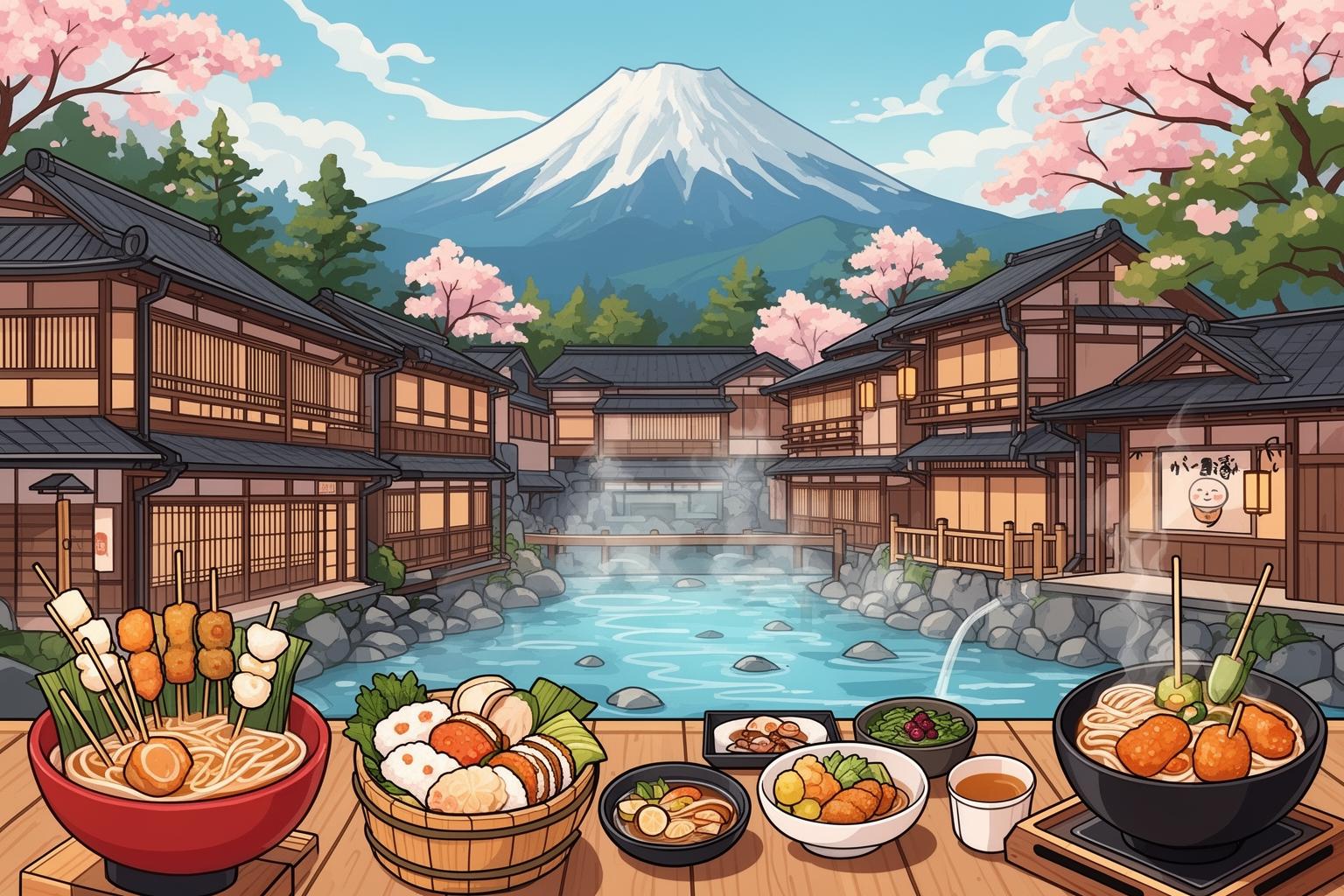
A trip to Kinosaki delights both the stomach and the soul. The culinary experience, especially when staying at a ryokan, forms a vital part of the journey. The highlight is the kaiseki dinner, an intricate, multi-course meal that represents the pinnacle of Japanese haute cuisine. This is more than just food; it’s edible art. Each dish is carefully prepared using the freshest seasonal ingredients, served on thoughtfully selected ceramics that enhance its visual appeal. A typical kaiseki meal is a harmonious blend of flavors and textures, presented over several courses. It may begin with a delicate appetizer (sakizuke) and a clear, flavorful soup (suimono), followed by a platter of exquisite sashimi (mukozuke). Next might come a grilled dish (yakimono), such as a perfectly cooked piece of local fish, and a simmered dish (nimono) featuring vegetables and tofu in a savory broth. The meal continues with fried items (agemono), steamed dishes (mushimono), and concludes with rice, miso soup, and pickles (shokuji), finishing with a light, seasonal dessert (mizumono).
If you visit from early November to late March, you’ll be treated to a legendary delicacy: Matsuba crab. This is the local name for male snow crab caught in the icy waters of the Sea of Japan and is regarded as one of Japan’s finest winter specialties. The meat is incredibly sweet, delicate, and full of umami. Ryokans and restaurants throughout Kinosaki serve dedicated crab kaiseki courses that showcase this prized ingredient in every possible way. You might enjoy it as pristine crab sashimi, its sweetness melting on your tongue. It can also be served boiled whole with a vinegar dipping sauce, grilled over charcoal to heighten its aroma, or presented as the centerpiece of a steaming hot pot (kani nabe). The rich, miso-like innards (kani miso) are a delicacy for the adventurous, and the meal often ends with kani zosui, a comforting rice porridge made from the crab-infused broth left in the hot pot. Savoring Matsuba crab in Kinosaki is a must for any serious foodie.
Beyond the crab, the region is known for Tajima beef, the legendary strain from which the world-famous Kobe beef is derived. This richly marbled, exceptionally tender beef can be enjoyed as steak, in a sukiyaki hot pot, or as shabu-shabu. The local restaurants and izakayas also offer excellent, more casual food. You’ll find superb soba noodle shops, cozy cafes, and lively pubs serving Kinosaki’s own craft beer, which pairs excellently with local snacks. Don’t leave without trying the local soft-serve ice cream, especially the black bean or sake-flavored varieties.
Planning Your Perfect Getaway: Practical Tips
Reaching Kinosaki Onsen from Osaka is refreshingly easy, making it a perfect weekend getaway. The most convenient option is a direct Limited Express train from Osaka Station. The Hamakaze or Konotori trains will get you there in about two and a half to three hours. This scenic route transitions from the bustling Kansai urban area to the rolling hills and charming countryside of northern Hyogo. Just sit back, enjoy a bento box, and watch the scenery change.
Choosing accommodation is the key decision for your trip, as the ryokan experience lies at the heart of Kinosaki’s appeal. The town offers dozens of inns, from historic, family-run places operating for generations to larger, more modern hotels with ryokan-style features. A traditional ryokan stay includes your yukata, the YUMEPA onsen pass, and often a spectacular kaiseki dinner along with a traditional Japanese breakfast. When selecting where to stay, consider the ambiance you desire. Do you want a classic room with tatami floors and garden views, or a room with a private open-air bath for ultimate luxury? Reading reviews and browsing photos can help you find the ideal match for your preferences and budget.
Kinosaki is a destination worth visiting year-round, each season bringing its own distinct appeal. Winter is the peak season, thanks to the attraction of Matsuba crab and the enchanting sight of the town covered in snow. Spring showcases delicate cherry blossoms that line the Otani River, forming a tunnel of pink petals. Summer is marked by lush greenery and lively local festivals, though it can be hot and humid. Autumn may be the most comfortable season, with crisp, pleasant weather and stunning fall colors on the surrounding mountains.
For first-time visitors, a few simple tips can make your trip smoother. Pack light; your ryokan will supply everything you need for bathing, including towels, soap, and your yukata. Learn the basics of onsen etiquette: wash thoroughly at the shower stations before entering the baths, never put towels in the water, and swimsuits are not allowed. Don’t feel obliged to visit all seven onsen; choose three or four that interest you and take your time. The goal is to relax, not to check off a list. Lastly, while credit cards are generally accepted at ryokans and larger restaurants, it’s wise to carry some cash for small shops, snacks, and shooting galleries.
The Art of Doing Nothing
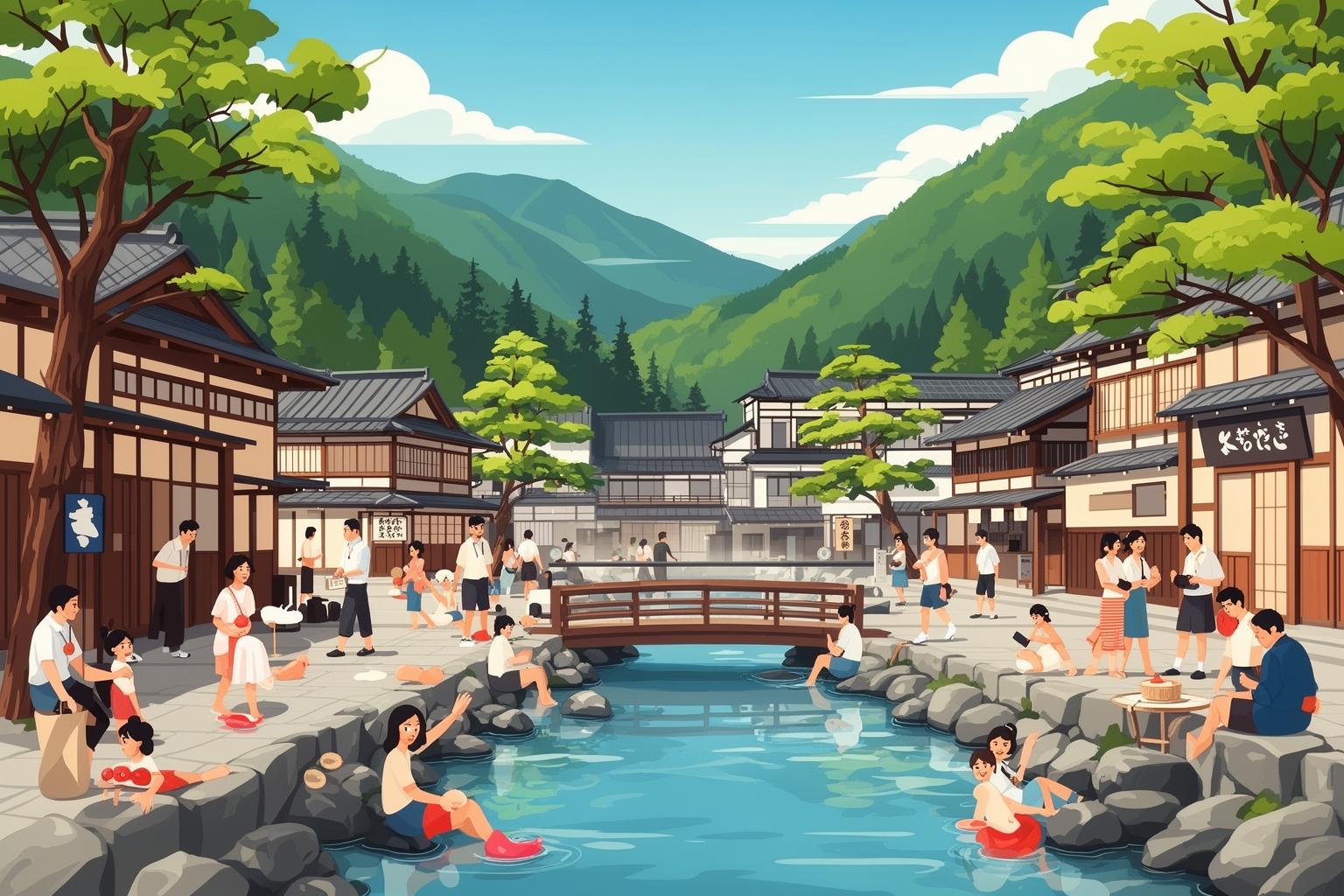
In our hyper-connected, productivity-driven world, the greatest luxury can be the freedom to do absolutely nothing. This is Kinosaki Onsen’s most profound gift. The entire rhythm of the town invites you to slow down, disconnect from your devices, and reconnect with yourself. The itinerary here is wonderfully simple: wake up, enjoy a nourishing breakfast, take a leisurely walk to a morning bath, perhaps read by the river, savor a long lunch, soak in a different onsen in the afternoon, browse local shops, return for an exceptional dinner, and end the day with an evening stroll and one last dip under the stars. It is a routine that is both restorative and deeply human. The focus shifts from seeing and doing to feeling and being. You begin to notice the small details: the way steam fogs your glasses as you enter a bathhouse, the sound of the flowing river, the taste of freshly brewed tea in your room, the comfort of the warm kotatsu table in winter. It’s a destination that gently compels you to be present in the moment. The true therapy of Kinosaki lies not only in its mineral-rich waters but in its power to quiet the mind and soothe the soul, offering a rare and precious respite from the relentless pace of modern life.
A Restorative Echo
Leaving Kinosaki Onsen feels like awakening from a warm, comforting dream. As the train departs from the station, you carry more than just souvenirs; you carry a deep sense of tranquility. The rhythmic clip-clop of the geta lingers in your memory, a reminder of a place where time flows at its own pace. Kinosaki is more than just a collection of hot springs; it is a living, breathing tribute to the Japanese art of hospitality and the enduring power of ritual. It’s a place that cleanses not only the grime of the city but also the clutter of the mind, leaving you refreshed, revitalized, and with a renewed appreciation for the simple, beautiful act of slowing down. For anyone seeking a genuine escape, a journey into a realm of tradition, calm, and unmatched relaxation, the willow-lined canals and steaming waters of Kinosaki Onsen are ready to welcome you home.