Welcome to Osaka, a city that beats with a heart of glorious, unapologetic flavor. It’s a place where the steam from a takoyaki stand dances on the night air and the clatter of chopsticks is a constant, comforting rhythm. But living in this urban sprawl, this culinary paradise, comes with a universal challenge: the budget. How do you fuel your adventures in a city that tempts you at every corner without watching your yen evaporate? For those in the know, the answer isn’t found in a Michelin guide or a trendy food blog. It’s whispered in student dorms, shared between struggling artists, and known by every savvy local. The answer flashes in brilliant, chaotic yellow under the Osaka sky. The answer is Super Tamade.
This isn’t just a supermarket. Oh no, that would be far too simple. Super Tamade is an institution, a neon-drenched legend, a rite of passage for anyone looking to truly live and breathe the city’s practical, vibrant soul. Imagine a pachinko parlor decided to have a baby with a grocery store, and you’re getting close. With its gaudy, 24-hour illuminated signs and a promise of prices so low they seem to defy economic reality, Tamade is a beacon of hope for the hungry and the frugal. It’s where you go not just to buy food, but to embark on a treasure hunt, a daily quest to conquer the cost of living. It’s a place that proves a full belly and a happy heart don’t have to cost a fortune. So, grab your wallet (with a 500-yen coin ready), take a deep breath, and prepare to dive into the electric, edible wonderland that is Super Tamade. Your culinary expedition starts here.
Once you’ve mastered the art of budget-friendly shopping, you’ll want to ensure your new lifestyle is sustainable, which includes understanding the city’s complex waste separation system.
The Electric Kingdom of Eats: Stepping into Super Tamade

Your first encounter with a Super Tamade is a sensory experience in itself. Even before you step inside, you notice it—the bold, almost aggressive yellow and red branding. The storefront bursts with a chaotic mix of flashing LED lights, large katakana slogans shouting unbeatable deals, and often, a giant, slightly eerie portrait of the store’s founder. It doesn’t gently invite you in; it pulls you in with the powerful, vibrant energy that pulses from it. As the automatic doors slide open, you’re immediately overwhelmed by a wave of sensations that are uniquely, unmistakably Tamade.
A Symphony of Sights and Sounds
Inside continues the promise of vibrant chaos from the exterior. Forget the calming, minimalist style of upscale department store food halls. Tamade is the haven of maximalism. Fluorescent lights shine stark and bright, reflecting off simple linoleum floors. Hanging from the ceiling are hundreds of hand-written signs, each boldly advertising prices in thick black marker, often punctuated with exclamation marks. There’s no curated background of soft jazz here. Instead, your soundtrack is the store’s own catchy, endlessly looping jingle that will stick with you for days. This is layered with the rhythmic beeping of checkout scanners, the rumble of slightly uneven shopping carts, and the soft murmur of conversation from a wide cross-section of Osaka society. You’ll spot elderly grandmothers moving with practiced efficiency alongside young university students wearing headphones, as well as foreigners whose expressions are a mix of confusion and delight. It’s a place alive with energy, buzzing with the thrill of the hunt.
The Philosophy of Frugality
To truly grasp Tamade, you must understand its fundamental philosophy: price is everything. This belief shapes every detail of the shopping experience. The presentation is as straightforward as possible. Produce is often left in the cardboard boxes it arrived in. Meat and fish are packed in plain styrofoam trays covered with cling film. There’s no elaborate display, no mood lighting, no illusion of luxury. Tamade’s charm lies in its raw, unpolished honesty. It stands as a temple dedicated to the god of bargains.
This is made possible by a keen business model. The store purchases products in massive bulk to secure lower prices. It focuses on items nearing their sell-by dates, rescuing perfectly good food and selling it at a deep discount. They also run their own food processing facilities, enabling them to produce bento boxes, side dishes, and baked goods at a fraction of the cost of outsourcing. Every shortcut taken, every decorative element omitted, translates into savings passed directly to you, the shopper. This isn’t just about being inexpensive; it’s a deep-rooted part of Osaka’s merchant culture—a spirit of practicality and hunting for the best deal that has shaped the city for centuries.
The Treasure Hunt Begins: Navigating the Aisles for Your 500-Yen Feast
With a 500-yen coin heavy with potential in your pocket, it’s time to plan your strategy. Creating a full meal here isn’t just a matter of ticking off items on a list; it’s an improvisational dance, a game of seizing opportunities and quick calculations. The store is your playground, and the possibilities are limitless. Let’s break down the quest into its essential parts: the main course, the crucial side dishes, and the final touches that transform a collection of inexpensive items into a satisfying meal.
The Foundation: Securing Your Main Course
Every great meal requires a hero, a centerpiece to build around. At Tamade, you have two main options for securing this key element: the instant gratification of the prepared foods section or the creative freedom of the fresh ingredients aisle.
The Bento and Donburi Section: The Instant Win
For those short on time, energy, or cooking resources, the bento and donburi (rice bowl) section is a haven. Often the first stop for many shoppers, it offers a colorful array of pre-made meals that provide exceptional value. The variety is impressive. You’ll find classics such as Tonkatsu Bento, featuring a breaded and fried pork cutlet atop rice, usually accompanied by shredded cabbage and a dollop of thick, sweet sauce. Other options include Chicken Katsu, the Karaage Bento (heaped with Japanese fried chicken), and hearty rice bowls like Oyakodon (chicken and egg) or Gyudon (beef and onion). Prices for these complete meals start as low as 250 yen and rarely exceed 400 yen. Portions are generous, designed to satisfy without draining your wallet. Though not gourmet, the quality is reliably pleasing: the rice is well-cooked, the proteins flavorful, providing a balanced, hearty meal in a box. This section exemplifies Japan’s convenience culture, democratized and made accessible to all by Tamade.
The Fresh Meat and Fish Aisle: The DIY Approach
For those who enjoy cooking or want to stretch their yen further, the fresh meat and fish aisle is where the real magic unfolds. Here you can find the building blocks of a meal for mere pennies. Don’t expect premium wagyu cuts, but incredible bargains on everyday proteins are plentiful. Look for small packs of thinly sliced pork (buta no komagire), ideal for quick stir-fries, often priced under 200 yen. A single large chicken thigh, bone-in or boneless, can be had for a similar price. Small packs of minced pork or chicken offer opportunities to make your own meatballs or simple mapo tofu. The fish selection varies daily, but affordable options like horse mackerel (aji), mackerel (saba), or salmon off-cuts often appear, perfect for pan-frying or flaking into rice. With a bit of creativity, a 150-yen pack of meat can become the star of a meal that feels far more luxurious than its cost suggests. This path demands more effort but rewards you with significant savings and satisfaction.
Building the Supporting Cast: Side Dishes and Vegetables
A meal is more than just its main course. It needs supporting players — dishes that add texture, flavor, and nutrients. Tamade’s brilliance lies in how it enables you to assemble this ensemble for just pocket change.
The Prepared 惣菜 (Sozai) Corner
Next to the bento boxes is the 惣菜 (sozai) section, a treasure trove of Japanese side dishes sold individually or in small portions. Here you can truly customize your meal. The choices showcase Japanese home-style cooking: classics like kinpira gobo, a savory-sweet dish of braised burdock root and carrot; hijiki no nimono, a nutritious black seaweed salad simmered with soybeans and carrots; and creamy, comforting Japanese potato salad. The deep-fried selection is a highlight, offering single korokke (potato croquettes) for just 30 or 40 yen, golden karaage pieces, and crispy vegetable tempura. Picking a few of these items is the secret to crafting a varied and balanced meal. A 298-yen bento can be elevated to a feast with an 80-yen portion of kinpira gobo and a 50-yen korokke. This modular meal-building approach epitomizes the Tamade strategy.
The Fresh Produce Section: A Wild Ride
Tamade’s produce section is an adventure of its own. It offers incredible highs and occasional lows. You won’t always spot perfectly shaped, pristine vegetables, but you will find astonishing bargains. A massive bag of bean sprouts (moyashi), the undisputed king of budget cooking, often goes for under 20 yen. A single onion might be 25 yen, a head of cabbage under 100 yen, and a pack of mushrooms around 80 yen. These ingredients can bulk out your stir-fry, form the base of a soup, or create a simple, refreshing side salad. The key is flexibility and attentiveness. Notice what looks fresh and is on sale that day. The produce might need to be used quickly, but for a home-cooked meal planned for that evening, it’s ideal. Inspect items carefully, embrace the slightly bruised apple or imperfectly shaped carrot, and you’ll reap unbelievable savings.
The Carb Load: Rice and Noodles
No meal is complete without a solid carbohydrate base, and Tamade offers the cheapest options to secure it.
The Rice Equation
Most bento boxes and donburi include rice, making them a one-stop solution. If you build your meal from scratch, you have options. Single-serving, microwaveable packs of steamed rice (gohan) are available for about 100 yen. For the truly budget-conscious, buying a small bag of uncooked rice at Tamade is the most economical long-term plan, but for our 500-yen single-meal challenge, relying on the rice included in a bento or grabbing a pre-cooked pack is best. Freshly made onigiri (rice balls) with various fillings are also under 100 yen, making a fantastic, filling carb component for your meal.
Noodle Nirvana
Perhaps the greatest budget hack in any Japanese supermarket is the noodle aisle, and Tamade’s is a hall of fame. A single block of fresh udon or soba noodles can cost as little as 19 yen. That’s no typo. For less than the price of a piece of candy, you get the base for a hearty noodle soup or stir-fry. Packs of yakisoba, complete with seasoning packets, often sell for under 100 yen for three servings. Combined with cheap cabbage, bean sprouts, and slices of pork, you can create a large, delicious plate of yakisoba for well under 300 yen. The noodle aisle is your secret weapon against hunger and a shrinking wallet.
Assembling the Masterpiece: Three Sample 500-Yen Meal Combos
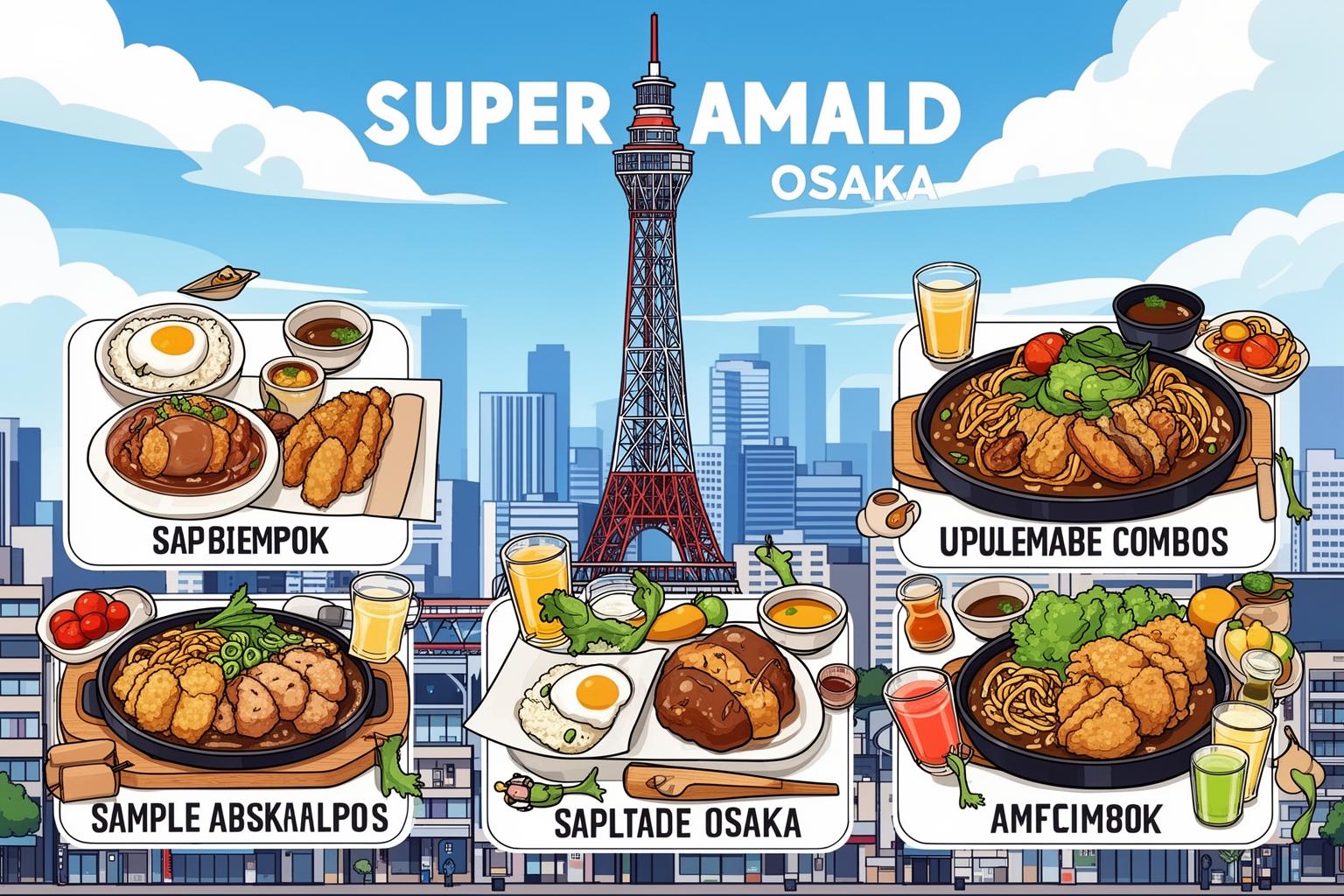
Now, let’s put theory into action. To demonstrate just how far 500 yen can stretch, here are three sample meal combinations you can easily put together any day at Super Tamade. Prices are approximate and may vary, but this provides a practical blueprint for your own culinary creations.
Combo 1: The “Classic Bento” Option (Simple & Balanced)
This is an ideal choice for a busy day when you want a reliable, satisfying meal without any hassle. It offers a balanced, traditional Japanese set meal experience with minimal effort and maximum value.
- Main: Chicken Nanban Bento (~298 yen): This generous bento box features crispy fried chicken coated in a sweet and sour sauce, topped with tartar sauce. It rests on a bed of fluffy white rice and includes a small portion of spaghetti (a typical bento filler) and bright yellow pickled radish (`takuan`) for a crunchy, tangy contrast.
- Side: Spinach Ohitashi (~88 yen): For a touch of green and a fresh flavor, grab a small pack of boiled spinach seasoned with soy sauce and topped with bonito flakes. It’s a simple, healthy, and tasty complement to the richness of the fried chicken.
- Drink: Tamade’s Own Brand Mugicha (Barley Tea) (~58 yen): Stay hydrated by choosing the store’s own brand of refreshing, zero-calorie barley tea instead of name-brand sodas. It’s a classic Japanese mealtime drink.
- Total: Approximately 444 yen. For this price, you get a complete, multi-component meal that is filling, texturally varied, and nutritionally balanced—a perfect example of Tamade’s convenience and value.
Combo 2: The “DIY Stir-fry” Experience (Creative & Filling)
This combo is perfect for home cooks who enjoy the sizzle of a hot pan. It shows how you can prepare a large, steaming meal from scratch at an incredibly low cost. It feels personal, a creation born from your own ingredient hunt.
- Protein: Small pack of thinly sliced pork (`buta koma`) (~150 yen): The flavor base of the dish, providing savory depth.
- Veggies: One bag of bean sprouts (~19 yen) + one onion (~25 yen): A budget-friendly veggie duo that adds bulk, crunch, and sweetness.
- Carb/Sauce: One serving from a 3-pack of Yakisoba noodles with sauce powder (~40 yen): The meal’s staple, providing chewiness with a tangy, savory yakisoba flavor from the sauce packet.
- Drink: Can of Strong Zero Chu-hi (~98 yen): For an authentic Osakan end-of-day touch, choose a canned cocktail. The fizzy, potent `chu-hi` is popular and sold cheaper here than at convenience stores.
- Total: Approximately 332 yen. For this bargain, you enjoy a freshly cooked, hot plate that you made yourself. The portion is generous, likely enough for two smaller meals, showcasing Tamade’s support for budget-conscious home cooks.
Combo 3: The “Deep-Fried Delight” (Indulgent & Satisfying)
Sometimes you crave comfort rather than balance. You want the warm, crispy, salty goodness of fried food. This combo celebrates Osaka’s love for all things `ageru` (deep-fried), assembled piece by piece from the vibrant sozai section.
- Carb: One Salmon Onigiri (~88 yen): A solid base—this rice ball is packed with savory salted salmon flakes.
- Side 1: One large Menchi Katsu (ground meat cutlet) (~90 yen): A step up from korokke, it’s a juicy minced meat patty, breaded and fried until golden. Rich, savory, and deeply satisfying.
- Side 2: Two pieces of Karaage (~70 yen): No fried feast is complete without Japan’s beloved fried chicken—two crispy, juicy thigh meat nuggets.
- Side 3: Small pack of potato salad (~90 yen): To balance the richness, a creamy, slightly tangy Japanese potato salad made with mashed potatoes, cucumber, carrot, and Kewpie mayo.
- Drink: A carton of rich Hokkaido milk (~85 yen): An unusual but surprisingly tasty pairing—the creamy milk complements the savory fried foods wonderfully.
- Total: Approximately 423 yen. This combo delivers pure comfort food—the kind you enjoy on a park bench after a long day, an affordable and delicious reward that feels like a small victory.
Beyond the Basics: Pro-Tips for Mastering Super Tamade
Becoming a true Tamade expert takes more than simply knowing what to buy. It involves learning the store’s rhythms, uncovering its secrets, and embracing its distinctive culture. These tips will transform you from a casual shopper into a seasoned bargain hunter.
Timing is Key: Mastering the Discount Sticker
Though Tamade’s prices are always low, they reach another level of cheapness at specific times of the day thanks to the magic of the `waribiki` (discount) stickers. As the day progresses, staff armed with sticker guns patrol the perishable goods aisles—bento, sozai, sushi, meat, and fish—applying discounts of 10%, 20%, and 30%. But the ultimate prize for bargain hunters is the `hangaku` (半額) sticker, meaning half price. A 298-yen bento suddenly drops to 149 yen. A pack of sushi priced at 400 yen becomes just 200 yen. This spectacle usually takes place in the late evening, a few hours before closing. There, you’ll spot a quiet crowd lingering around the bento section, seemingly browsing but really waiting. Once the staff appear, a polite yet determined rush begins as shoppers move to claim the freshest discounted items. Mastering the art of the discount sticker chase is the pinnacle of Tamade shopping.
Reading the Signs and Spotting Deals
The seemingly chaotic signage at Tamade can be overwhelming, but hidden within are legendary deals. The most notable is the `1-yen sale` (1円セール). Yes, you read that right. On certain days or during special promotions, the store offers specific items for just one yen—sometimes a single egg, a pack of tissues, a small bag of candy, or a can of coffee. There is usually a catch, such as a minimum purchase requirement (around 1,000 yen) to qualify. Still, it’s a genuine, almost theatrical promotion that reflects the store’s unique sales style. Be sure to watch for these signs, along with daily specials (`higawari`) that may feature exceptional deals on produce or meat available only for that day.
What to Buy and What to Approach with Caution
An honest guide must also sound a note of caution. Tamade is a treasure trove, but smart shopping is essential. Certain items are nearly always excellent buys—bento boxes, sozai, noodles, drinks, and basic pantry staples like soy sauce and oil deliver unbeatable value. Processed foods and snacks are also generally much cheaper here than elsewhere. Where caution is advised is with fresh produce and meat. Always check expiration dates and the condition of items. The bargains often come because these products have a shorter shelf life. This isn’t an issue if you plan to cook them that same day, but it’s not the place to stock up on vegetables for the week. And sushi? Tamade’s sushi sets are incredibly inexpensive and offer a decent option if you have a craving and a tight budget. Just keep your expectations in check—it’s budget sushi that will satisfy a craving, but won’t rival a dedicated sushi restaurant. Still, it’s an experience every Tamade shopper should try at least once.
The Cultural Significance of Super Tamade

To dismiss Super Tamade as merely a cheap supermarket is to completely miss its significance. This flashing, noisy, chaotic store is a cultural landmark that reflects the very soul of Osaka. It is a living, breathing embodiment of the city’s distinctive character and values.
A Reflection of Osaka’s Spirit
Osaka has always been a city of merchants, defined by a pragmatic, no-nonsense attitude towards life and business. The typical greeting here isn’t “How are you?” but “`Moukarimakka?`” (“Are you making a profit?”). This commercial mindset, this obsession with value, is ingrained in Tamade’s essence. The store stands as the opposite of the refined, elegant aesthetic found in nearby Kyoto. It cares little for subtlety, empty space, or understated beauty. Instead, it is loud, bold, efficient, and somewhat gaudy. Its focus is on the bottom line: delivering the most food for the least amount of money. In doing so, it perfectly mirrors the spirit of its home city—a place that is unpretentious, humorous, and deeply committed to the art of the deal.
More Than a Supermarket: A Community Hub
Beyond its cultural symbolism, Super Tamade serves a crucial role in the social fabric of the neighborhoods it supports. It is a lifeline for students surviving on limited part-time wages, elderly residents living on fixed pensions, young families trying to stretch their budgets, and new immigrants finding their place in the city. It acts as a great equalizer. Within its yellow walls, everyone shares the same quest for value. It cultivates a sense of shared experience—a community united by the collective joy of discovering a great bargain. In a world of rising costs and economic uncertainty, Tamade stands as a resilient, shining symbol of accessibility, guaranteeing that everyone in the community can enjoy a full and satisfying meal.
Practical Information for Your First Expedition
Feeling ready to take the plunge? Here are a few final tips to make sure your first visit to Super Tamade is a complete success.
Locations and Access
Super Tamade is an Osaka-focused chain, with numerous locations scattered throughout the city and its suburbs. You won’t find them in the most polished, tourist-heavy shopping areas. Instead, they’re usually found in residential neighborhoods or places with a more local vibe, often within a short walk of a train station. Some of the most popular and accessible branches for visitors are in areas like Nipponbashi (in the heart of Den Den Town), Tengachaya, and near Shin-Imamiya station. The easiest way to locate one is simply to open Google Maps on your phone and search for “スーパー玉出”. You’re probably closer to one than you realize.
What to Bring
While many large supermarkets in Japan accept cashless payments, some older Tamade stores tend to be more traditional. It’s always a good idea to bring cash. If you’re aiming for a 500-yen meal, having a 500-yen coin on hand is ideal. More importantly, bring your own reusable bag (`my baggu`). Japan now charges for plastic bags, and a savvy shopper, in tune with the Tamade spirit, wouldn’t pay for something they can bring from home. It’s both cost-effective and environmentally responsible.
Mind Your Manners
The atmosphere inside Tamade can feel chaotic, but it flows with an undercurrent of Japanese social etiquette. The aisles are often narrow and crowded, so be conscious of your cart and avoid blocking traffic. If you’re waiting for discount stickers, do so patiently and without pushing. The checkout lines can be long, but they move quickly. Have your payment ready and be courteous to the staff working hard to keep this incredible operation running smoothly. Even in the midst of chaos, politeness reigns supreme.
A Final Taste of Osaka’s Authentic Flavor

A trip to Super Tamade is far more than a simple grocery run. It’s an urban safari, a cultural experience, and a fascinating lesson in economics. It’s a place that awakens your senses and rewards your curiosity. Here, you learn that a memorable meal doesn’t need to come with a hefty price tag and that the true soul of a city is often found not in its towering skyscrapers or ancient temples, but in the everyday places where people live, eat, and connect.
So step forward and embrace the vibrant, fluorescent-lit chaos. Let the store’s jingle become your anthem. Marvel at the 19-yen udon. Plan your bento-and-sozai combination carefully. Hunt for that elusive half-price sticker. Creating a full meal for under 500 yen at Super Tamade is more than a clever budget trick; it’s a celebration of Osaka’s resilient, resourceful, and delightfully unpretentious spirit. It’s a taste of the real city, and a flavor you won’t soon forget.