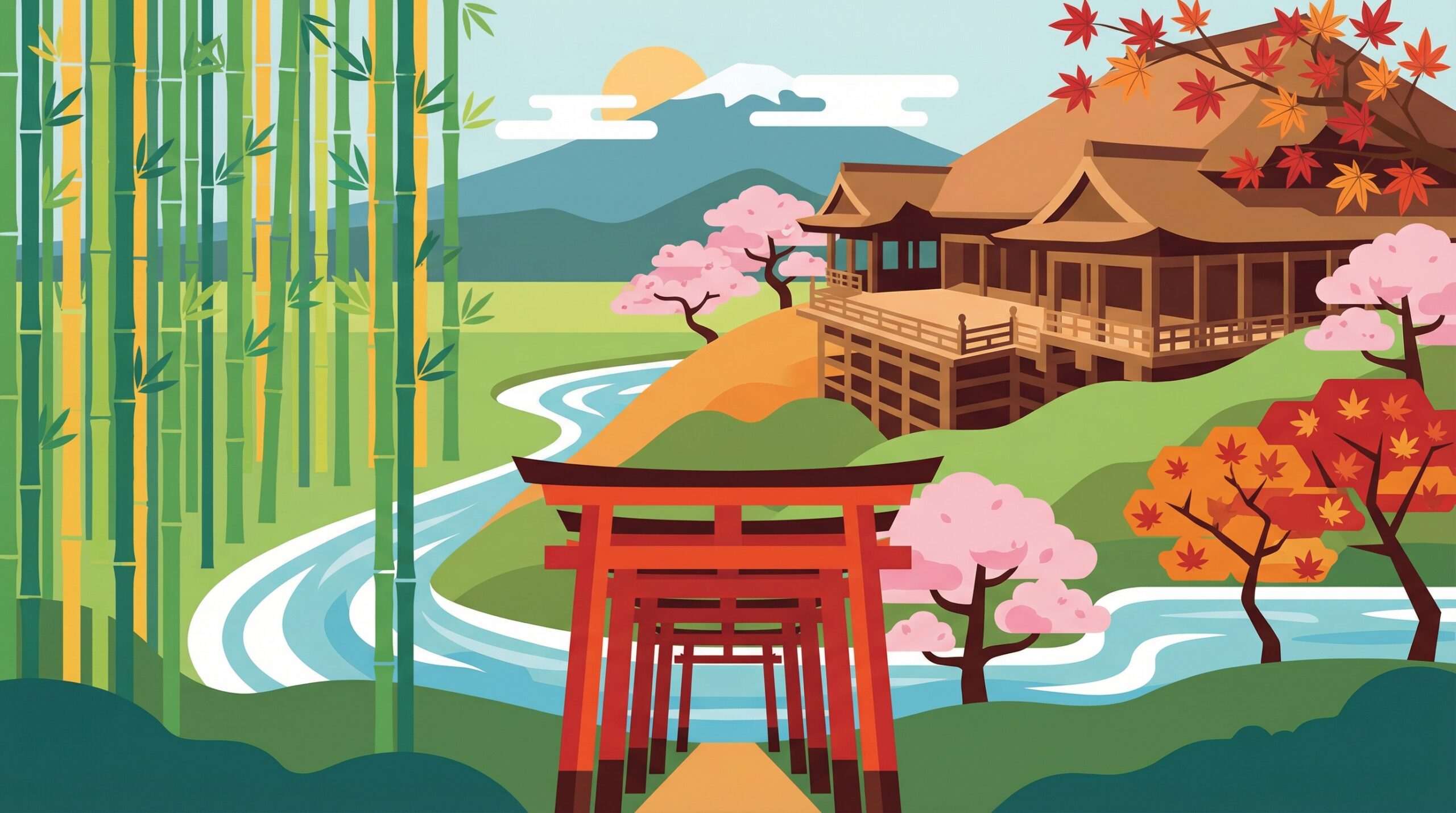
Living in Osaka is a thrill, a non-stop current of energy, neon, and the most incredible street food you’ll ever taste. It’s a city that grabs you and doesn’t let go. But sometimes, even the most dedicated city slicker needs a change of pace, a breath of something different. And just a short, smooth train ride away lies Kyoto, Osaka’s elegant, soulful sibling. It’s not just another city; it’s another world. A world where time seems to stretch and bend, where ancient traditions whisper from every wooden machiya and moss-covered stone. For those of us who call the vibrant chaos of Osaka home, a weekend in Kyoto is the perfect reset button. It’s a chance to trade the beat of the city for the chime of a temple bell, to swap the towering skyscrapers for the gentle sway of a bamboo grove. This isn’t just a travel guide; it’s your personal invitation to step through the looking glass, to spend 48 hours immersed in the heart of old Japan, and to return to Osaka refreshed, inspired, and with a deeper appreciation for the incredible cultural tapestry of Kansai. Let’s embark on a journey that feels a world away, yet is right on our doorstep.
If you’re looking for another perfect weekend getaway from the city, consider planning a relaxing onsen-hopping trip to Kinosaki Onsen.
Day One: Echoes of the Imperial East
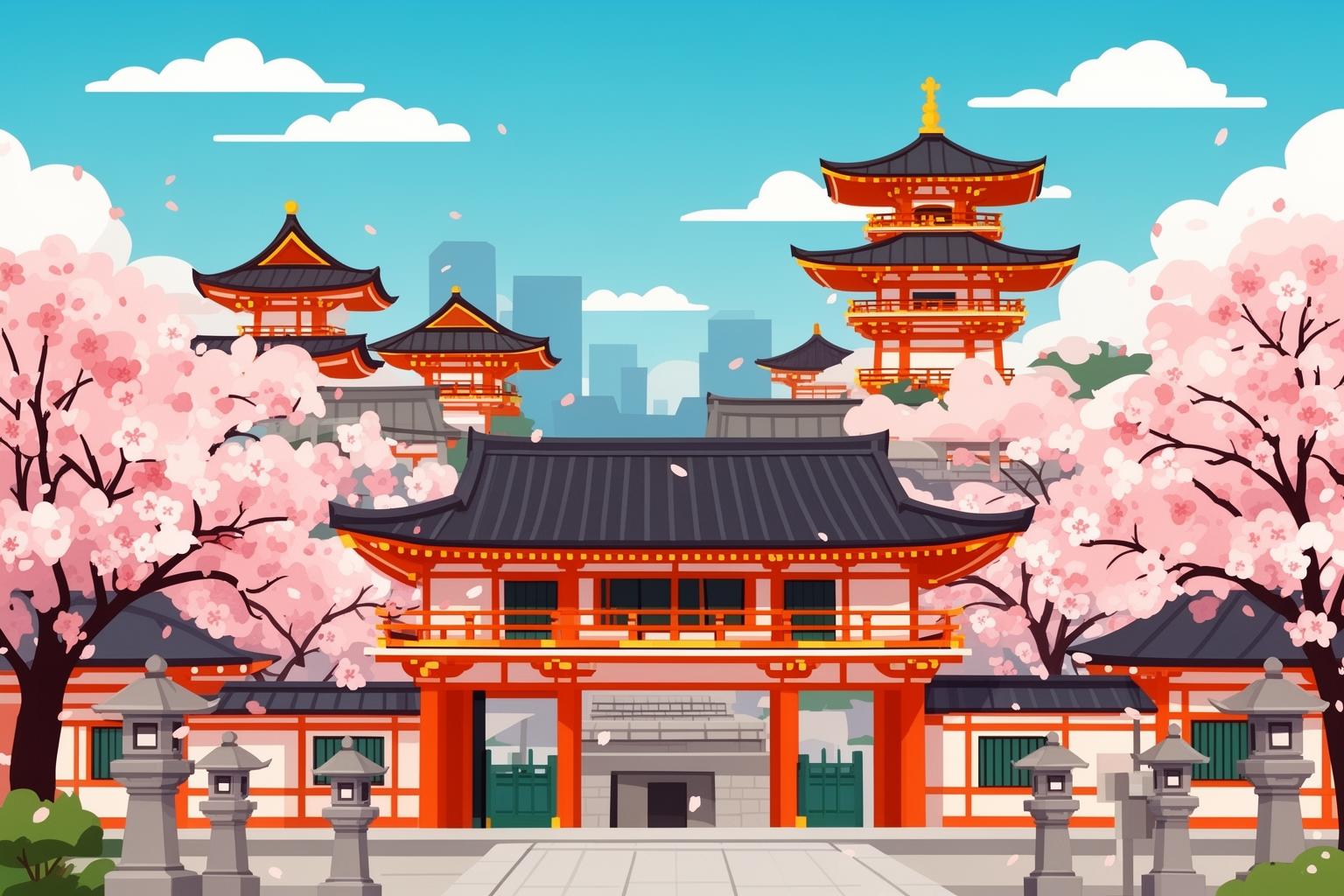
Morning: Ascending to a Clearer View
Our Kyoto journey doesn’t start quietly but unfolds through an adventure. Leaving from central Osaka, the transition is smooth. You have several options, each with its own pace. The Shinkansen from Shin-Osaka is a bullet train—a 15-minute flash like teleportation—ideal if you want to make the most of every moment. For a more local vibe, I love the Special Rapid Service on the JR line from Osaka Station. It’s a calm 30-minute ride through suburban areas that gradually reveal the traditional architecture on Kyoto’s outskirts, offering a chance to unwind and mentally prepare for the serenity to come. Another great option is the Hankyu line from Umeda, which conveniently brings you closer to Kyoto’s main shopping and dining areas, such as Karasuma and Kawaramachi. Alternatively, the Keihan line from Yodoyabashi is your direct route to the Gion and Higashiyama districts, tracing the Kamo River along the way.
For this itinerary, let’s take the JR line directly to the impressive Kyoto Station. Stepping into the station’s grand hall is an experience on its own. A cathedral of glass and steel, it’s a modern masterpiece designed by Hiroshi Hara. Don’t rush out—pause to admire the soaring skywalk, the intricate network of escalators, and the vastness of the space. It signals that Kyoto is not stuck in time but skillfully unites the ancient with the cutting-edge.
Our first stop is one of Japan’s most famed temples: Kiyomizu-dera. The best way to reach it is by bus from the main terminal just outside the station. Navigating Kyoto’s bus system can feel like a rite of passage. My tip: grab a day pass for ease and locate the platform for routes 100 or 206. The bus ride offers a wonderful introduction to the city, winding through streets where modern shops coexist with temple roofs peeking over walls.
Disembark at the Gojo-zaka or Kiyomizu-michi stop, and the true pilgrimage starts. The walk uphill to the temple is a sensory feast. The stone-paved paths of Sannenzaka and Ninenzaka are lined with beautifully preserved wooden buildings. These aren’t simply historical artifacts; they pulse with life. Shops sell delicate Kiyomizu-yaki pottery, fragrant yatsuhashi cinnamon sweets (many with free samples!), and stalls offer everything from intricate hairpins to freshly baked rice crackers. The air is rich with the aroma of roasting tea and sweet dango. It’s crowded, yes, but with a joyful, lively crowd of international visitors, Japanese school groups, and couples in rental kimonos adding bright splashes of color to the historic streets.
Next comes the temple gate. Kiyomizu-dera, meaning “Pure Water Temple,” perches on Mount Otowa. Its iconic wooden stage juts 13 meters out from the main hall over the hillside, crafted without a single nail—a testament to the extraordinary skill of traditional carpenters. From this veranda, you get a breathtaking view of Kyoto: a sea of rooftops punctuated by temple silhouettes and, on clear days, distant mountains. In spring, cherry blossoms frame the scene, while autumn offers a fiery display of red and orange maples.
Below the main hall is the Otowa Waterfall, where three streams pour into a pond. Each is said to grant a different blessing: longevity, academic success, or good romance. You’ll find a line of visitors patiently using long-handled ladles to drink the water—a beautiful, simple ritual connecting you to centuries of pilgrims. Take your time here—find a quiet spot away from the main platform to soak in the atmosphere, the rustling trees, and the distant hum of the city you just admired.
Afternoon: Wandering Through Geisha Dreams
After descending from Kiyomizu-dera, it’s time to lose yourself in the heart of Higashiyama. The afternoon is best spent wandering. The network of narrow lanes around Sannenzaka and Ninenzaka is a photographer’s paradise. Every corner reveals a new scene: a weeping willow dipping into a canal, an old teahouse glowing under a red paper lantern, or a hidden shrine tucked behind a curtain of lush greenery. This is the Kyoto from postcards—just as magical in reality.
For lunch, the area offers many options. You could savor a multi-course yudofu meal—Kyoto’s famous simmered tofu—in a tranquil restaurant with a private garden. Or grab quick, delicious soba or udon noodles from a small, family-run shop. The trick is to peek behind the noren curtains and trust what draws you.
As you head north, you’ll naturally arrive at Yasaka Shrine, a lively and significant Shinto site at the eastern end of Shijo Avenue. Unlike the calm Buddhist temples, Yasaka Shrine radiates a festive vibe. Hundreds of lanterns adorn its main stage, each bearing a local business sponsor’s name. At night, these lanterns are lit, creating a dazzling spectacle. The shrine honors Susanoo-no-Mikoto, god of the sea and storms, and it serves as the spiritual home of the famous Gion Matsuri festival—one of Japan’s greatest.
From Yasaka Shrine, you step into Gion, Kyoto’s renowned geisha district. Gion is a realm of subtle charm and unspoken rules. The area is filled with well-preserved machiya townhouses, many transformed into exclusive ochaya (teahouses) where geiko (Kyoto geisha) and maiko (apprentices) entertain guests. The most picturesque street is Hanamikoji, the “Flower Viewing Lane.” Walking its stone-paved length, with dark wooden facades and bamboo blinds, feels like stepping back into the Edo period.
Your best chance to spot a geiko or maiko is early evening, between 5:30 and 6:00 PM, when they hurry between appointments. If you’re lucky enough to see one, it’s a fleeting, beautiful moment. Remember, they are professionals on their way to work—be respectful, keep your distance, don’t block their path, and avoid flash photography. The magic lies in catching a glimpse: the rustle of silk, intricate hairstyle, and graceful, swift movements.
Explore the quieter, narrower lanes branching off the main streets. Shirakawa Lane, beside a small canal lined with willow trees, is especially enchanting. It’s more peaceful than Hanamikoji and offers a tranquil setting, with upscale restaurants and teahouses tucked discreetly along its banks. This is a place to slow down, notice details—the carefully trimmed pine tree in a tiny garden, the gentle sound of flowing water, and the way light filters through wooden lattices.
Evening: A Riverside Culinary Story
As dusk falls over Kyoto, the city changes. Lanterns flicker to life, casting a warm, inviting glow on the ancient streets. For dinner, we head to Pontocho Alley, one of Kyoto’s most atmospheric dining spots. This narrow alley runs alongside the Kamo River and is lined from end to end with eateries ranging from budget-friendly yakitori stands to upscale kaiseki restaurants.
Strolling down Pontocho is an unforgettable experience. The alley is so narrow you can almost touch both sides at once. The air is filled with mouthwatering aromas of grilled meats and savory broths, punctuated by laughter and the clinking of glasses behind sliding doors. It feels intimate and electric—a secret world of culinary delights.
If you visit between May and September, you can experience kawayuka—a uniquely Kyoto tradition where restaurants build temporary wooden platforms over the Kamo River, allowing diners to enjoy meals outdoors with the cool river breeze. It’s an incredibly romantic and memorable way to dine. Reservations are highly recommended, especially on weekends.
What to order? The choice is yours. You might opt for a refined kaiseki dinner, a traditional multi-course meal crafted to reflect the season’s best ingredients. Or choose something more casual, like obanzai, Kyoto-style home cooking featuring seasonal vegetables. Or savor perfectly grilled kushiage (skewered fried morsels) at a counter seat where you can watch chefs work their magic. Whatever you pick, dining in Pontocho is as much about the ambiance as the food—a perfect finale to a day exploring Kyoto’s historic soul, an immersive blend of elegance and warmth before resting up for another day of discovery.
Day Two: Golden Glades and Vermilion Gates
Morning: Reflections of Gold and Zen
After a restful night, our second day in Kyoto starts with a trip to the northern part of the city to see an icon so renowned it hardly needs an introduction: Kinkaku-ji, the Temple of the Golden Pavilion. The easiest way to get there from the city center is by direct bus, such as routes 12, 59, 101, or 205. The ride can be a bit lengthy, making it a perfect chance to watch the city come to life.
Approaching Kinkaku-ji, you walk through a beautifully maintained garden along a path until, suddenly, the pavilion appears. The sight is truly breathtaking, no matter how many photos you’ve seen. The top two floors are entirely covered in gold leaf, shimmering in the morning light and casting a flawless, stunning reflection in the mirror pond it overlooks. The effect is captivating—a vision of pure, unspoiled beauty, a perfect harmony of architecture, water, and nature.
Originally built as a retirement villa for the shogun Ashikaga Yoshimitsu, it was converted into a Zen temple after his death, according to his wishes. The current pavilion is a faithful reconstruction, as the original burned down tragically by a novice monk in 1950. That event adds a layer of poignant history to the site. Each floor represents a distinct architectural style—palace, samurai house, and Zen temple—blending various facets of Japanese culture into one harmonious whole.
While entry to the pavilion itself is not allowed, visitors follow a designated path around the pond, offering multiple perspectives of the structure. Along the way, you’ll notice the small islands in the pond designed to represent the Japanese isles and the carefully positioned rocks. After viewing the pavilion, the path winds up through the gardens behind it, passing a small waterfall and a traditional teahouse where you can pause for a bowl of matcha and a sweet treat. It’s a peaceful moment following the visual splendor of the pavilion, a chance to sit and reflect on the beauty you’ve just experienced.
From Kinkaku-ji’s golden glow, we head west to a completely different, yet equally iconic, Kyoto locale: Arashiyama. You can reach it by bus or a combination of bus and train. The journey itself is part of the experience, transitioning from one distinct district to another.
Arashiyama feels like a mountain resort town. Our first stop is the site that draws millions: the Arashiyama Bamboo Grove. Walking into the grove is an immersive experience. The path winds amid towering bamboo stalks that seem to stretch endlessly skyward. When the wind stirs, the bamboo sways and creaks, producing a unique rustling sound, while the leaves filter sunlight, casting dappled, ethereal green light onto the path below. It feels otherworldly, peaceful, and profoundly calming. To enjoy it best, try to arrive before the crowds build. Though the path isn’t long, moving through it slowly—taking time to look up and listen—is essential. It’s a moment of natural Zen.
Afternoon: Garden Views and River Crossings
The bamboo grove’s path leads directly to the north gate of Tenryu-ji Temple, a UNESCO World Heritage site and one of Kyoto’s most significant Zen temples. While the temple buildings are beautiful, the true masterpiece is the Sogenchi Teien (garden). Created by the famous garden designer Muso Soseki in the 14th century, it is among Japan’s oldest gardens to remain in its original form. The garden features a large central pond surrounded by rocks, pine trees, and the forested Arashiyama mountains, which are incorporated as “borrowed scenery” (shakkei). It exemplifies Japanese landscape design and is stunning in every season. You can sit on the veranda of the main hall and simply admire the garden—an ideal spot for quiet contemplation.
After exploring Tenryu-ji, it’s time for lunch. Arashiyama’s main street is lined with restaurants and food stalls, perfect for sampling local specialties. You might try yuba (tofu skin), another Kyoto delicacy, or enjoy a meal overlooking the Hozugawa River. The street also offers plenty of shops selling bamboo crafts and souvenirs.
After lunch, take a leisurely walk across Togetsukyo Bridge, the “Moon Crossing Bridge,” Arashiyama’s central landmark. The view from the bridge, gazing up at the forested mountainside, is quintessential Kyoto. The scenery dazzles year-round—from spring’s cherry blossoms to summer’s lush greenery and autumn’s vibrant foliage.
For those with extra energy, especially families with children, a hike up to Iwatayama Monkey Park is a fun detour. The climb is somewhat steep, but at the summit, you’re rewarded with panoramic city views and the chance to see Japanese macaques freely roaming their natural habitat. It reveals a wilder side to Kyoto’s refined beauty.
Late Afternoon & Evening: A Thousand Gates to a Sacred Mountain
Our last stop is in southern Kyoto for a truly unforgettable experience as the day fades: Fushimi Inari Shrine. From Arashiyama, take the JR Sagano Line back to Kyoto Station, then switch to the JR Nara Line for a short two-stop ride to Inari Station. The shrine’s main gate is directly opposite the station entrance.
Fushimi Inari is the head shrine to Inari, the Shinto god of rice, sake, and business prosperity. It is famous for its thousands of vibrant vermilion torii gates that snake up sacred Mount Inari. Each gate has been donated by an individual or business seeking good fortune. The path starts with two dense, parallel rows of gates called the Senbon Torii (“one thousand torii”). Walking through this tunnel of color is a surreal, magical experience, especially in the late afternoon. As the sun lowers, the light filters through gaps between the gates, casting long shadows and making the vermilion glow with fiery intensity. The effect is simply stunning.
Most visitors explore only the first section, but the path continues four kilometers to the summit. I highly recommend hiking farther. The deeper you go, the fewer people you meet, and the more mystical the atmosphere becomes. The trail is dotted with smaller sub-shrines, moss-covered stone altars, and statues of foxes (kitsune), Inari’s messengers. Along the way, occasional breaks in the trees provide glimpses of the city below.
The full hike takes two to three hours, but you don’t need to reach the top. A good goal is Yotsutsuji intersection, about halfway up, where you’ll find a stunning panoramic view of Kyoto—a perfect place to rest, watch the sunset, and reflect on your day.
As night falls, lanterns along the path are lit, and the shrine takes on a mysterious, otherworldly character. Descending in twilight, guided by the glowing lanterns, is a deeply spiritual experience—a fitting conclusion to a weekend of exploration.
After descending, return to Kyoto Station. For a simple, final dinner, the station offers numerous options. The 10th floor hosts “Kyoto Ramen Koji” (Ramen Street), featuring regional ramen styles from across Japan, or you can explore the Porta underground shopping mall with a variety of restaurants, from tonkatsu to sushi.
With a full stomach and a heart full of memories, it’s time to board the train back to Osaka. As you glide back to the familiar energy of your home city, you carry with you the peace and beauty of Kyoto. This is the magic of Kansai—two very different, yet equally incredible worlds coexisting side by side. Their contrast only deepens your appreciation for each. Your 48-hour escape has ended, but the echoes of temple bells, the flavor of matcha, and the sight of a thousand glowing gates will linger long after you return home.