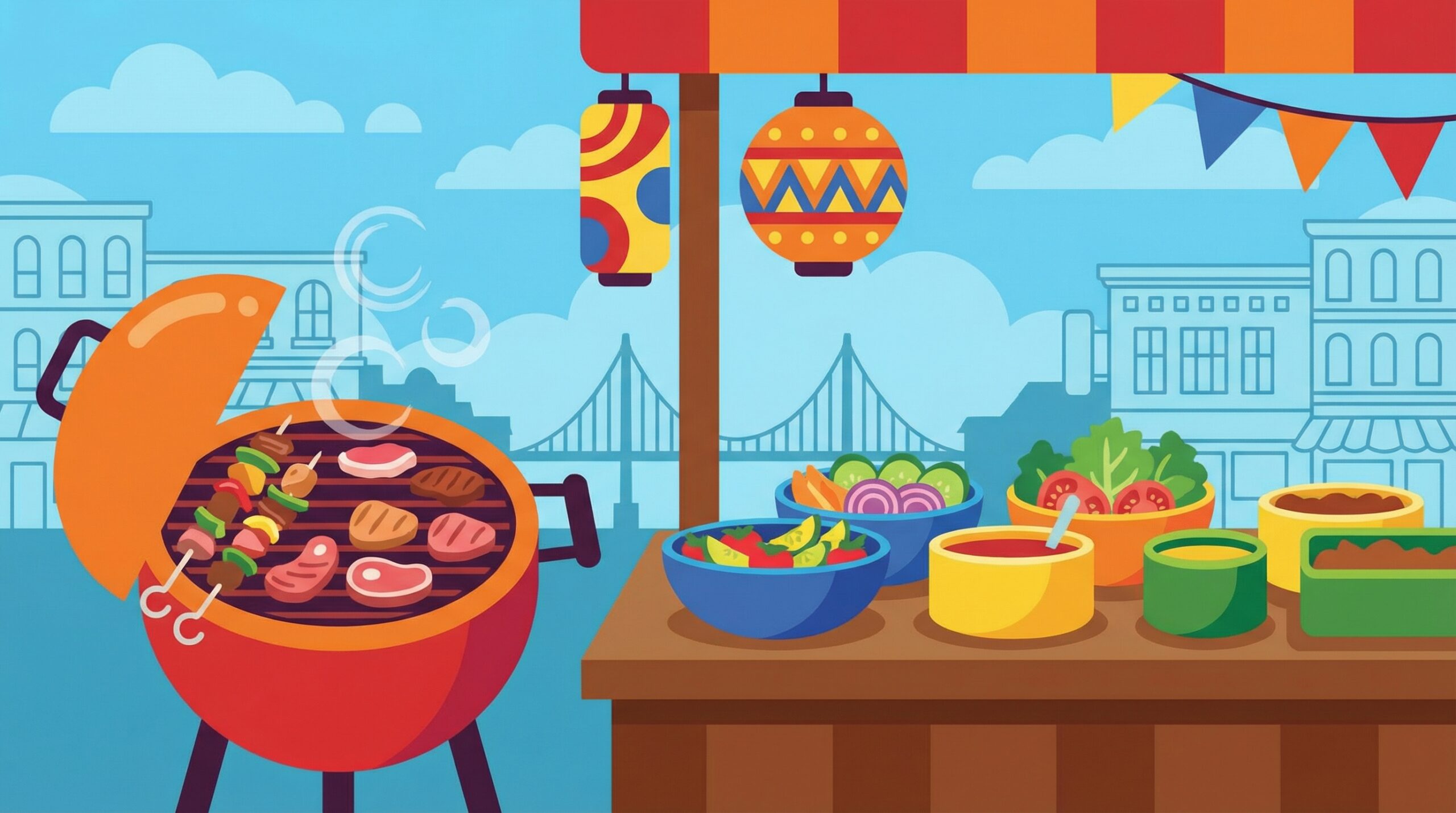
Step off the train at Tsuruhashi Station, and Osaka hits you with a full-sensory wallop. It’s not the sleek, sterile hum of a Tokyo transit hub. It’s a riot of life. The air, thick and hazy, carries a distinct aroma—a primal, intoxicating blend of sizzling fat, sweet and savory barbecue sauce, garlic, and fermented kimchi. This isn’t just the smell of food; it’s the smell of a community’s history being grilled over live coals, 24/7. For the uninitiated, it can be overwhelming. For those who live here, it’s the smell of home. This is the gateway to Osaka’s horumon-yaki scene, the city’s legendary offal barbecue, and understanding it is fundamental to understanding the unfiltered soul of this city. Forget what you think you know about Japanese cuisine—the delicate presentation, the subtle flavors, the quiet reverence. Tsuruhashi is loud, proud, and unapologetically delicious. It’s here, in these smoky, labyrinthine alleyways, that you’ll find the heart of Osaka’s culinary philosophy: nothing is wasted, everything can be made delicious, and a great meal is defined by an abundance of flavor and laughter, not a hefty price tag. We’re not just talking about a different dish; we’re talking about a different mindset, one forged in the scrappy, resourceful post-war era that continues to define Osaka’s character today. This isn’t a tourist trail; it’s a deep dive into the daily life and rhythm of a city that values substance over style, and flavor over formality.
If you’re interested in exploring more of Osaka’s rich history beyond its culinary scene, consider planning a visit to the historic Tondabayashi Jinaimachi merchant town.
The Tsuruhashi Trinity: Smoke, Sound, and Soul

To truly understand Tsuruhashi, you need to soak in the atmosphere before you even take your first bite. It’s a place that engages all your senses, demanding your full focus. The experience is a blend of smoke, sound, and soul—each element sharing a chapter of Osaka’s story. It stands in stark contrast to the polished perfection of a Ginza department store basement or the quiet reverence of a Kyoto temple. This is life in its rawest form, vibrant and full of energy.
Decoding the Aroma: Beyond Just Grilled Meat
The smoke is the first thing that hits you. It billows out of tiny, closet-sized eateries, clinging to the awnings of the shotengai (covered shopping arcade) and casting a permanent, savory haze. This isn’t the clean, wood-fired smoke of a refined American barbecue pit. This is the scent of generations of culinary heritage, a rich and complex perfume with distinct layers. You catch the caramelizing sugar and soy from the tare sauce, the sharp zing of garlic hitting a hot grill, the deep, pungent aroma of kimchi and other Korean side dishes, all underlined by the unmistakable fragrance of sizzling meat and fat. In Osaka, this isn’t pollution; it’s an invitation. A promise of what awaits inside. It’s a sensory guide winding you through the narrow alleys. This unapologetic cloud of flavor perfectly captures Osaka’s spirit: straightforward, bold, and unconcerned with airs. There’s no pretense here. What you smell is exactly what you get—and it’s damn good.
Why Tsuruhashi? A Microcosm of Osaka’s History
The sounds of Tsuruhashi form the rhythm to the smoke’s melody. It’s a chaotic harmony that somehow blends into the soundtrack of urban life. You hear the constant sizzle and pop from countless grills, a sound both thrilling and reassuring. You catch the boisterous laughter of locals, speaking in the quick, melodic Osaka-ben dialect. Mixed with Japanese, you’ll hear Korean spoken by shopkeepers and diners alike, a steady reminder of the neighborhood’s roots. The clatter of tongs on metal grills, the clink of heavy glass beer mugs, the calls of market vendors—all merge into one. This soundscape is vital because it echoes the history that shaped Tsuruhashi. This area is the heart of Osaka’s Zainichi Korean community, ethnic Koreans who have lived in Japan for generations. In the harsh years following World War II, when food was scarce and resources tight, this community salvaged discarded parts of the cow—the offal—and, through their rich culinary traditions, turned it into a cheap, nourishing, and deeply flavorful sustenance. Horumon-yaki was born from necessity, a fusion of Japanese grilling and Korean flavors. Tsuruhashi became the center of this cuisine, once home to black markets and a place where resourcefulness mattered more than money. Eating here means engaging with living history. It stands as a testament to Osaka’s identity as a port city—a cultural melting pot far more diverse and complex than Japan’s usual stereotype. Tsuruhashi is a powerful reminder that some of Japan’s finest cultural elements emerged from the contributions of its immigrant communities.
Horumon 101: A Crash Course in “Things Thrown Away”
Before sitting down to enjoy a grill, it’s essential to grasp the philosophy behind the food you’re about to eat. The term “horumon” itself provides insight into the Osaka mindset. It’s not merely a food category; it’s an attitude and a proud expression of the city’s core values.
The Philosophy of “Horu Mono”
The most widely accepted origin of the name is from the Osaka dialect phrase horu mono (放る物), which literally means “things to be discarded.” While some scholars debate its precise etymology, Osakans have embraced this interpretation so fully that it has become a cultural truth. The name is a badge of honor—a story of culinary transformation, turning unwanted leftovers and innards into something valuable. This philosophy embodies Osaka itself. The city has always been one of merchants, not samurai. The driving force here isn’t honor or rigid tradition; it’s shoubai (商売), or business. Good business means finding value where others see none. It’s about being clever, pragmatic, and unsentimental. You don’t discard a perfectly good cow stomach just because Tokyo aristocrats prefer tenderloin. Instead, you find a way to make it delicious, sell it at a fair price, and nourish the people. This mindset goes far beyond the kitchen. It’s in the famously frugal nature of the Osakan shopper, the self-deprecating humor of its comedians, and the relentless innovation of its small businesses. While Tokyo’s culinary greatness often focuses on sourcing the most perfect, pristine, and expensive ingredients, Osaka values the skill of the chef—the ability to transform humble, challenging ingredients into something sublime through technique, seasoning, and a deep understanding of flavor.
Your First Horumon Menu: Beyond the Mystery Meat
Facing a horumon menu for the first time can be daunting. It lists names unfamiliar as meat cuts, written in angular Katakana script. But don’t worry. Each item has its own character, with specific textures and flavor profiles that, once understood, open up a new world of taste. Here’s a detailed guide to some of the stars, and what they reveal about the culture.
The Starters
- Techan (テッチャン) – Large Intestine: This is often the entry point horumon for beginners. It’s the wide, fatty part of the intestine. When grilled, the fat melts and crisps on the outside, while the inside remains deliciously chewy. Its capacity to absorb the sweet and savory tare sauce is unmatched. Techan symbolizes the mainstream appeal of horumon—it’s fatty, flavorful, and deeply satisfying, the perfect companion to a cold beer. It’s a crowd favorite.
- Mino (ミノ) – First Stomach (Rumen): If Techan focuses on flavor, Mino emphasizes texture. It’s thick and boasts a unique, almost crunchy texture when cooked properly. The flavor is clean and mild, making it an excellent canvas for salt or sauce. It’s often served with deep cuts on its surface to ensure even cooking and to hold seasoning. Appreciating Mino signals you’re beginning to understand the Japanese culinary passion for mouthfeel and texture, aspects as important as taste.
The Adventurous Middle
- Senmai (センマイ) – Third Stomach (Omasum): This one often causes a double take. Raw, Senmai is dark grey with a strange, frilly texture that resembles a shaggy towel. It can be visually startling but teaches the Osakan principle of not judging a book by its cover. Usually pre-boiled and then lightly grilled to warm, its texture is the highlight: uniquely slightly rough but pleasantly chewy. It’s typically served with a spicy, vinegared miso sauce (chogochujang). Eating Senmai feels like unlocking a new level in a game.
- Akasen (アカセン) – Fourth Stomach (Abomasum): Also called Giyara (ギヤラ). This cut is cherished by horumon enthusiasts for its perfect balance. It has a layer of meat and a generous layer of fat, making it juicy and rich when grilled. It’s more springy and flavorful than Techan. Ordering Akasen shows you’re beyond the basics and seeking that perfect, juicy bite overflowing with flavor.
The Meaty Classics
- Hatsu (ハツ) – Heart: Don’t let its organ status mislead you; beef heart is lean and muscular. Its texture is closer to tender steak than other horumon cuts. It’s neither chewy nor fatty, with a clean, slightly iron-rich flavor that shines with simple salt and pepper. Hatsu proves the incredible variety within offal, challenging the notion that horumon is all odd and gelatinous.
- Reba (レバー) – Liver: Liver is familiar in many cultures, but Japanese horumon-ya treat it with special care. Freshness is key. Good Reba is creamy, rich, and melts in your mouth. Often served medium-rare (though regulations are tightening), it’s packed with iron and has a deep mineral flavor that some love and others avoid. In Osaka, it’s a staple and a source of quick, affordable energy.
The Connoisseur’s Cuts
- Tsurami (ツラミ) – Cheek Meat: A hidden treasure, as the name suggests, it comes from the cow’s face. This muscle works hard in chewing, so it’s dense and rich with beefy flavor, somewhat like brisket. Slightly sinewy at first, it becomes tender and flavorful when grilled slowly. Tsurami exemplifies the “nose-to-tail” philosophy at the heart of horumon culture—every part valued and purposed.
- Korikori (コリコリ) – Aorta: The name is Japanese onomatopoeia for “crunchy-crunchy.” This main artery from the heart delivers exactly that: an intensely crunchy, cartilaginous texture. The flavor is very mild, focusing on mouthfeel. Korikori reflects the playful, texture-focused side of Japanese dining, where the sounds of food in your mouth add to the enjoyment.
Sauce vs. Salt: The Great Flavor Debate
When ordering, you’ll almost always be asked: Tare desu ka? Shio desu ka? (Sauce or salt?). This choice sets the mood for your meal.
- Tare (タレ): The quintessential Osaka flavor. Each restaurant has its own secret recipe, but it’s typically a sweet, thick, savory blend of soy sauce, mirin, sake, sugar, garlic, ginger, and sometimes fruits like apples or pears. The sauce caramelizes on the grill, creating a smoky, irresistible crust. Tare is bold, straightforward, and immediately enjoyable. It embodies Osaka’s preference for wakariyasui aji—an “easy-to-understand flavor.” It doesn’t invite subtle contemplation; it simply asks you to savor it.
- Shio (塩): The purist’s option, usually a simple mix of salt, pepper, and perhaps a touch of sesame oil or garlic. Choosing shio lets the inherent flavors of the meat shine. It’s the best way to appreciate the clean taste of Mino or the beefiness of Hatsu. Selecting shio can be seen as a more tsuu (connoisseur-like) gesture, signaling you’re here to honor the ingredient in its natural state. A well-balanced meal often combines both, starting with lighter shio items and moving on to richer tare cuts.
The Unspoken Rules of the Yakiniku Table
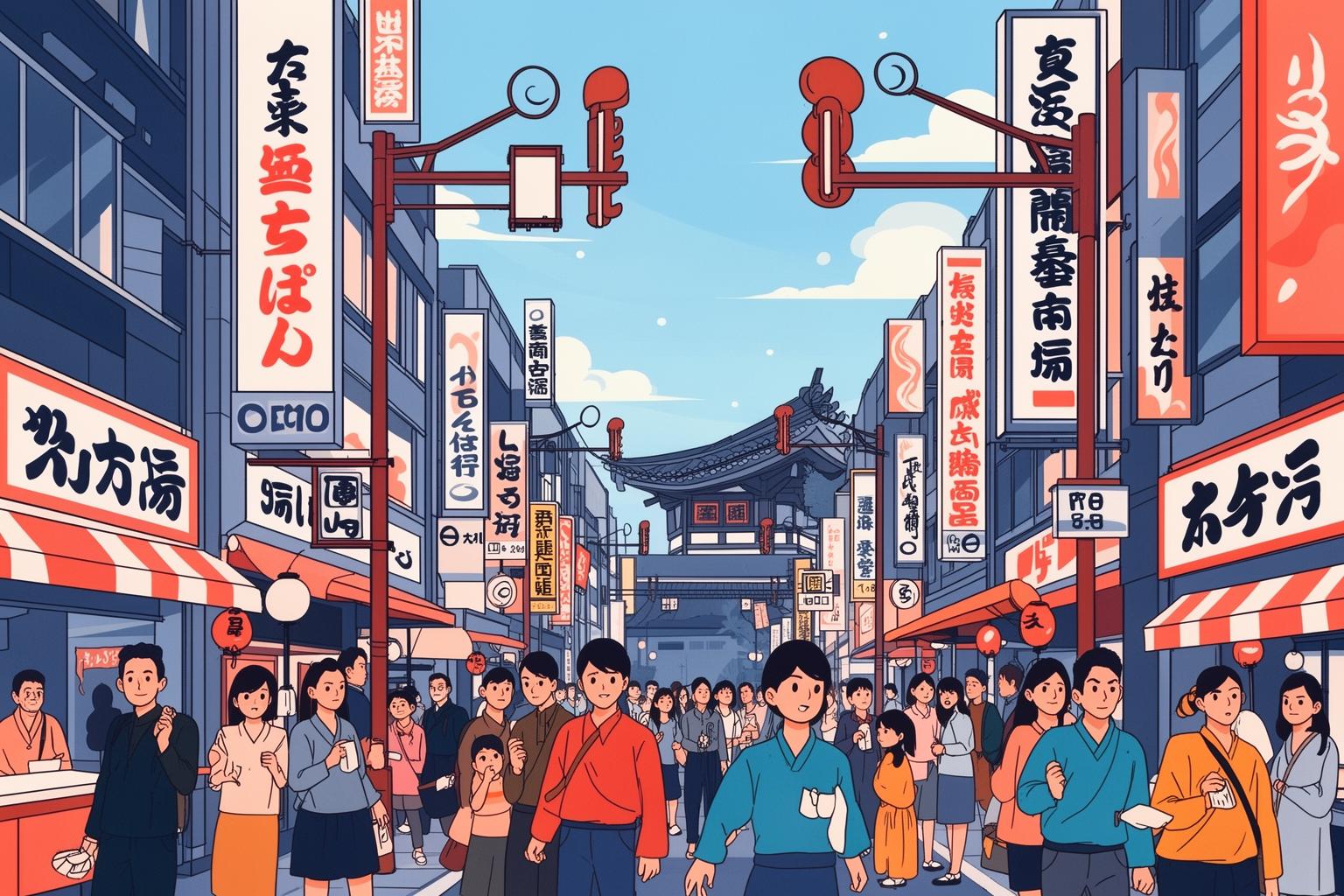
Walking into a horumon-ya is about more than just ordering food; it’s about engaging in a social ritual. Like any ritual, it comes with its own unspoken rules and etiquette. Mastering these will not only make your experience more enjoyable but also deepen your connection to the local culture.
Navigating the Restaurant: From Standing Bars to Sit-Down Diners
Horumon restaurants in Tsuruhashi vary widely in style, each offering a unique experience.
- Tachinomi (立ち飲み) – Standing Bars: These offer the most raw and immediate experiences. Typically just a counter with a grill and space for a few people standing closely together, tachinomi are quick, affordable, and deeply local. You’re there for a few quick plates, a couple of beers, and then on your way. There’s a strong sense of community; you’ll likely find yourself chatting with the salaryman next to you whether you want to or not. It’s the horumon equivalent of a shot of espresso.
- Showa-era Diners: These spots are the heart and soul of Tsuruhashi. Small, family-run places whose decor hasn’t changed since the 1960s. The walls bear decades of smoke stains, the stools might wobble, and ventilation is often lacking. But here you’ll find the most authentic flavors and warmest hospitality, even if it seems gruff. These establishments thrive on regular customers and loyalty, serving as living museums of Osaka’s culinary heritage.
- Modern Yakiniku Joints: Recently, newer, cleaner, and more spacious horumon restaurants have emerged. They usually feature better ventilation, sleeker menus (sometimes with English), and appeal more to younger crowds and families. Although they might lack some old-world grit, they offer a less intimidating introduction for beginners and show that horumon culture continues to evolve.
The Art of the Grill: You Are the Chef
At a horumon-ya, you take charge. Your table comes equipped with a small clay pot filled with glowing charcoal (shichirin) or a gas grill, along with metal tongs (tongu). This is your sphere of control. Here’s how to manage it.
- One Piece at a Time: The golden rule is to respect the grill. Don’t overwhelm it by placing your entire plate of meat at once, as this cools the surface, causing the meat to steam rather than sear. Cook a few pieces per person at a time, ensuring perfect cooking and turning the meal into a relaxed, ongoing activity instead of a rushed effort.
- The Social Centerpiece: The grill acts like a campfire where social connections are made. Cooking together is a shared experience—you might grill a piece for a friend or have someone warn you when your techan is about to burn. This interactive approach breaks down barriers and encourages engagement, the opposite of being glued to your phone while eating.
- Respect the Rhythm: There’s a natural flow to a good yakiniku meal, an unspoken concept called ikioi (勢い), or momentum. Begin with lighter, salt-seasoned items like Mino or tongue (tan), then progress to richer, fattier cuts glazed in tare sauce. Balance the richness with bites of kimchi or crisp bean sprouts (namul). It’s a journey through escalating flavors and textures.
What to Drink: The Perfect Pairing
Drinking isn’t just a side activity at a horumon-ya—it’s an essential part of the experience. The richness of the meat and sauce calls for a refreshing counterpart.
- Nama Biru (生ビール) – Draft Beer: The reigning champion. The phrase toriaezu biru (“beer for now”) typically kicks off nearly every social gathering in Osaka. The cold, crisp carbonation of a Japanese lager like Asahi or Kirin cuts through the fatty richness, cleansing your palate and prepping you for the next bite.
- Chuhai / Sour (チューハイ/サワー): Shochu highballs that are dangerously easy to drink. The classic remon sawa (lemon sour) is a tart, refreshing blend of shochu, soda water, and lemon. These drinks effectively quell both the heat of the grill and the punch of garlic-heavy sauces.
- Makgeolli (マッコリ): Honoring the Korean roots of the cuisine, this unfiltered Korean rice wine is another excellent choice. Milky, slightly sweet, tangy, and lightly sparkling, it offers a soothing balance to the bold flavors. Drinking makgeolli in Tsuruhashi feels like paying homage to the area’s history.
Beyond the Food: Horumon and the Osaka Mindset
If you leave Tsuruhashi focusing solely on the food, you’ve missed the essence. Horumon serves as a lens to understand the core values of the Osaka spirit. The city’s entire character—its practicality, humor, and warmth—is sizzling right there on the grill.
“Mottainai” and “Shimatsu”: The Spirit of No Waste
Two key words are crucial to grasping the philosophy behind horumon: mottainai (勿体無い) and shimatsu (始末). Mottainai is a uniquely Japanese concept expressing a deep regret over waste—what you feel when discarding food or something still usable. Shimatsu represents the active, positive application of that idea. It’s not merely about avoiding waste; it’s about the skill and creativity needed to maximize every resource. Horumon is the most delicious expression of shimatsu imaginable. It is the culinary art of transforming society’s leftovers into a cherished feast. This goes beyond poverty; it’s a deeply rooted cultural value. You see it in the way Osaka merchants haggle over every last yen, in intricate recycling systems, and in an overriding attitude that functionality and value outweigh aesthetics. This sharply contrasts with Tokyo, where appearance and branding often carry premium value. In Osaka, the question is always: “Does it work? Is it a good value?” Horumon answers that question with a flavorful, resounding “yes.”
The Definition of “Gochisou”: A Feast for the People
Ask someone in Tokyo to describe gochisou (ご馳走), meaning a feast or special meal, and they might imagine an elegant multi-course kaiseki dinner, a platter of rare, expensive otoro (fatty tuna) sushi, or a perfectly marbled Kobe beef steak—meals defined by rarity, cost, and refined presentation. In Osaka, a gochisou looks very different. Picture a small table barely visible beneath a mountain of plates filled with various types of horumon. The air is thick with smoke. Friends crowd the table, shouting to be heard over the grill’s sizzle and laughter from the neighboring seats. Beer mugs are constantly being refilled. This, to an Osakan, is a true feast. Luxury is redefined here. It’s not about exclusivity or price; it’s about abundance, bold flavors, and most importantly, shared experience. Horumon-yaki acts as the great equalizer. A company president and a construction worker might sit side-by-side at the same counter, enjoying the same delicious meal for a few thousand yen. It’s a democratic style of dining reflecting the city’s historically merchant-class, anti-authoritarian spirit.
Communication at the Counter: Breaking the Ice, Osaka-Style
The service style in an old-school Tsuruhashi joint can be surprising to foreigners used to Japan’s famously formal politeness. Don’t expect deep bows or honorific language. The obachan (older woman) or oyaji (older man) running the place may seem gruff, even intimidating. They might shout your order across the room or drop your drink on the counter without a word. This is not rudeness—it’s intimacy. It shows you are treated not as a formal customer (o-kyaku-sama) but as a regular, part of the neighborhood fabric. This direct, no-nonsense communication is valued for its honesty and efficiency. Instead of deferential small talk, expect playful teasing. If you struggle with the tongs, the owner might grin and yell, “You’re gonna burn it!” Order a bold cut, and they might ask, “You sure you can handle that?” This is how bonds are formed. What can be mistaken for hostility is actually the opposite: a way to break down formal barriers and welcome you into their world.
Your First Tsuruhashi Horumon Mission: A Practical Guide
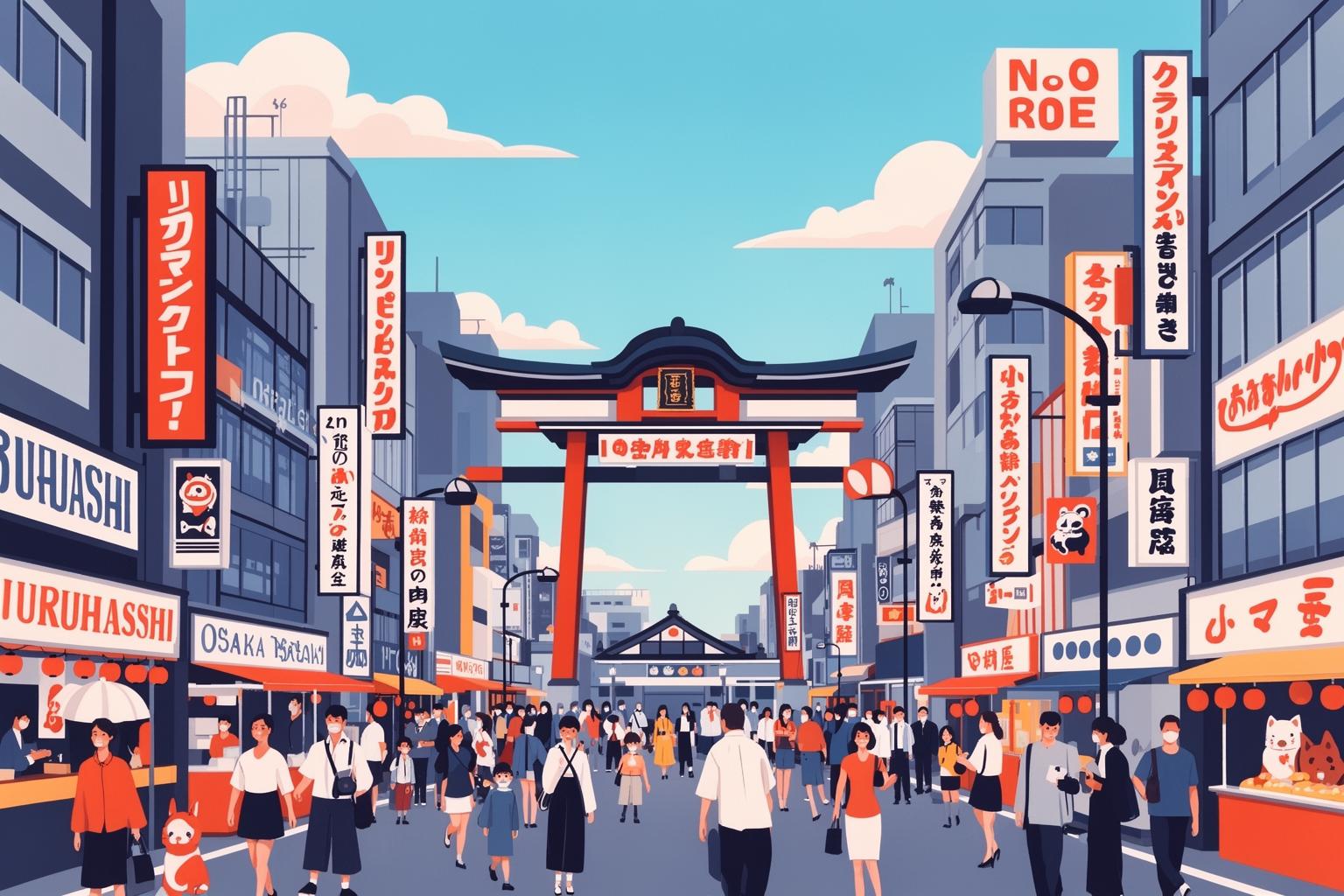
Armed with this cultural insight, you’re ready to embark on your own horumon adventure. Here’s a simple, step-by-step guide to ensure your first visit is a great success.
Step 1: Getting There and Finding Your Way
Tsuruhashi is a major transit hub and is very easy to reach. The JR Osaka Loop Line, the Kintetsu Nara Line, and the Sennichimae Subway Line all connect here. Once you exit, just follow your instincts. The main covered shotengai is a perfect starting point, but the true charm often lies in the smaller, unnamed alleys branching off from it. Don’t hesitate to wander a bit. Around every corner, you’ll find another tiny restaurant, a butcher shop, or a kimchi vendor.
Step 2: Picking Your Spot
The restaurant you choose will shape your experience. As a beginner, look for a place that feels lively but not too overwhelming. Peek inside. Are there picture menus? That’s a good sign. Is there a mix of people—young, old, men, women? Another positive sign. If you’re feeling adventurous, find a small spot with a red lantern outside, smoke billowing, and laughter ringing out. A handy rule: if it’s packed with locals at 6 PM on a Tuesday, it’s likely excellent.
Step 3: Ordering Like a Pro
Once seated, time moves quickly. The easiest way to begin is by ordering a moriawase (盛り合わせ), an assorted platter. This takes the guesswork out and lets you sample five or six different horumon cuts selected by the chef. Don’t forget some essential side dishes. Kimuchi moriawase (kimchi platter) and namuru (seasoned vegetables) are must-haves as they provide acidic, spicy, and fresh contrasts. Here’s a simple phrase for two people:
“Sumimasen! Toriaezu, nama futatsu. Ato, horumon no moriawase wo hitotsu to, kimuchi moriawase kudasai.” (Excuse me! To start, two draft beers. Also, one horumon platter and one kimchi platter, please.)
This phrase will get your feast off to a great start.
Final Pro-Tips: Embrace the Smoke
- Dress Down: Avoid wearing your favorite coat or delicate fabrics. You’ll leave smelling strongly of grilled meat. That’s not a drawback; it’s a badge of honor and a souvenir of your adventure.
- Cash is Best: Many smaller, older establishments accept cash only. Bring enough so you won’t have to rush to an ATM after your meal.
- Pace Yourself: Horumon is richly flavored. Think of it as a marathon, not a sprint. Take your time, drink plenty of beer, and enjoy the company.
- Forget Perfection: Don’t stress about grilling every piece perfectly or knowing the name of every cut. The goal is to engage, have fun, and experience a slice of authentic Osaka life. Relax, laugh at your mistakes, and savor the moment. You’re not just having dinner; you’re taking part in a living, breathing piece of Osaka culture.