You feel it first as a silence. Not a literal silence, of course—Japanese cities are never truly quiet. But it’s a social silence. You’ve just moved to Osaka, maybe from abroad, or maybe after a few years in the sterile, efficient bubble of Tokyo. You go to the supermarket. You pick your items. You scan them at a self-checkout machine. You pay with a tap of your phone. You might exchange a formulaic, almost whispered, “arigato gozaimasu” with a staff member, but you could just as easily have been a ghost. You go to the convenience store. The transaction is a masterpiece of minimalist choreography: a flurry of crisp phrases, precise movements, and the beep of a scanner. Efficient. Clean. Anonymous. You could live this way for a decade and feel like you’ve never truly met anyone.
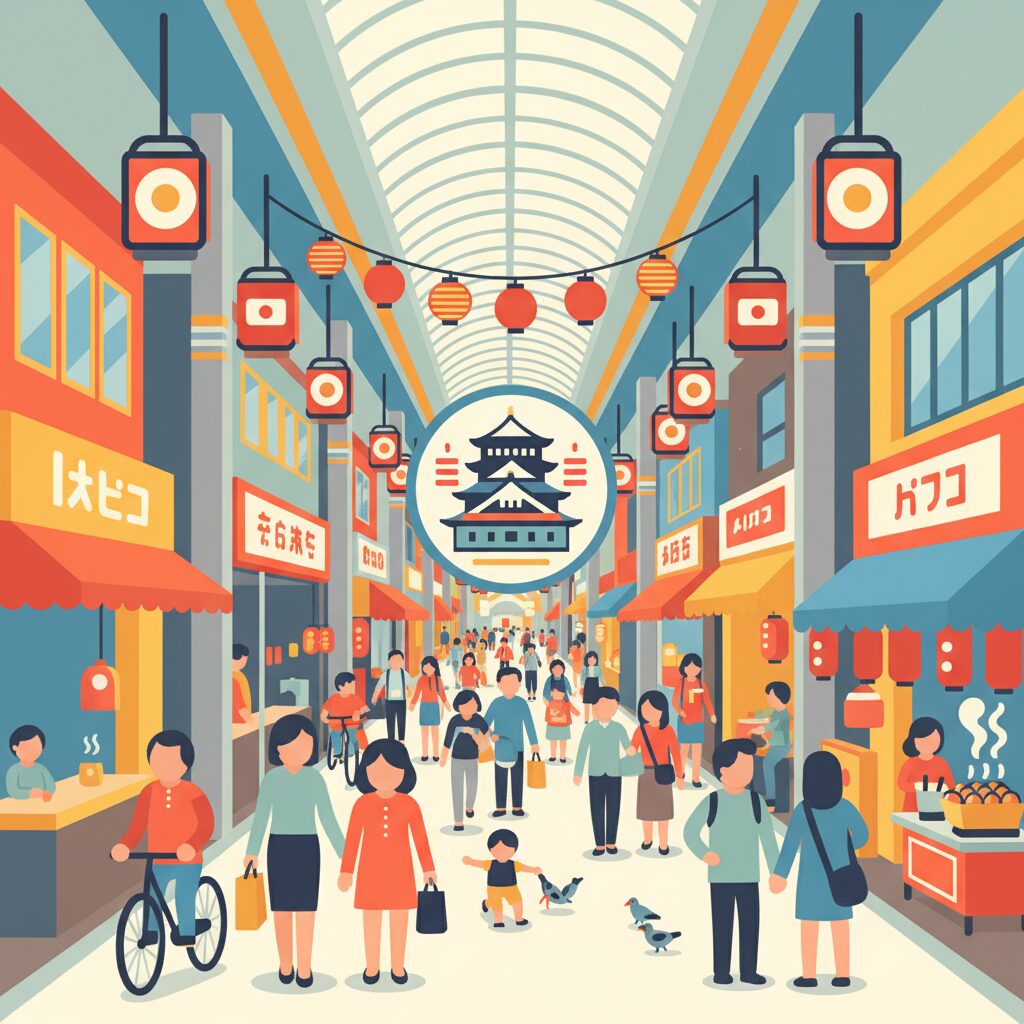
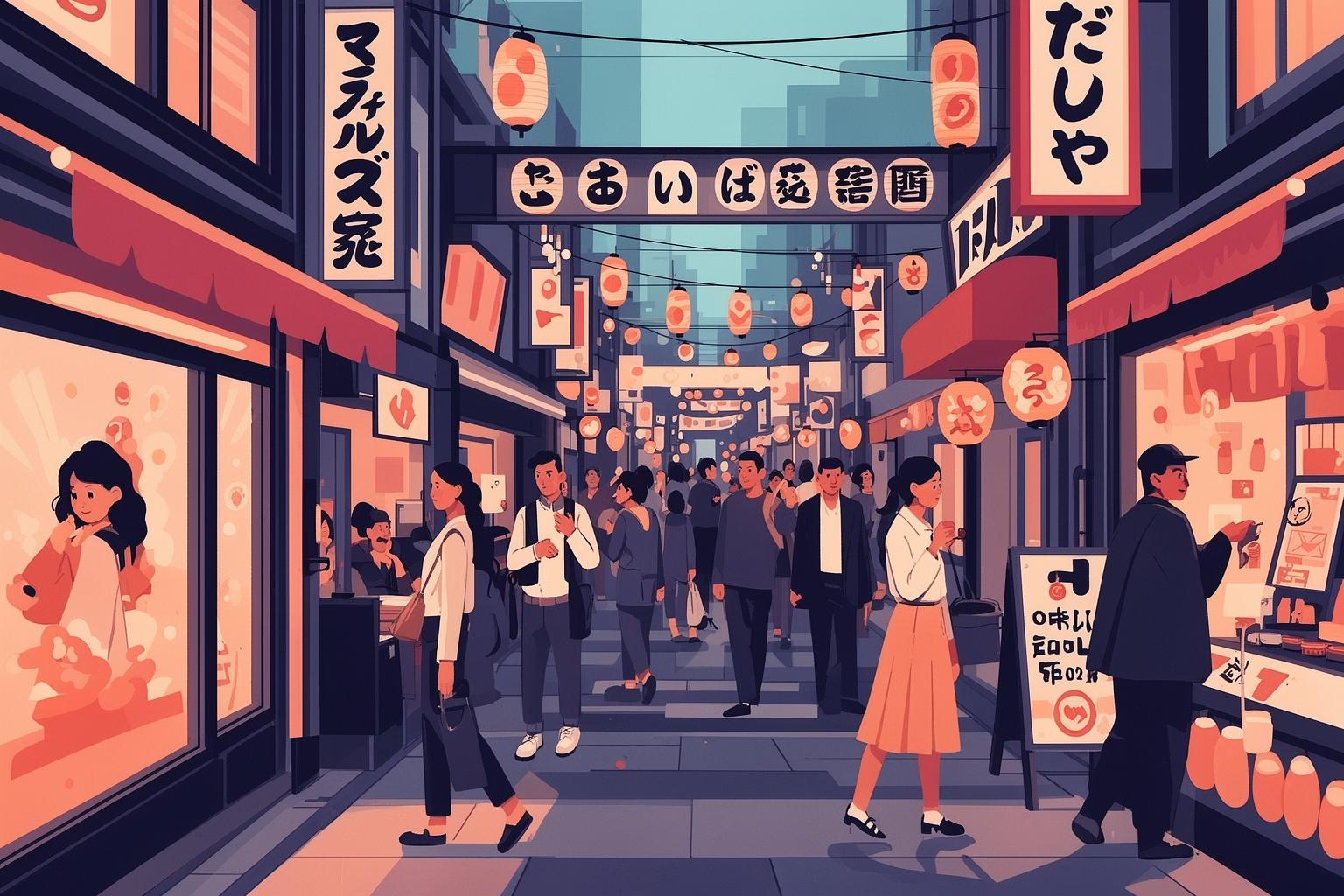
Then you step into an Osaka shotengai, a covered shopping arcade, and the silence is shattered. It’s a sensory assault. The roar of vendors hawking their wares, the sizzle of oil from a tempura shop, the clatter of bicycles, the boisterous laughter of shoppers greeting each other. It’s loud, it’s chaotic, it can feel overwhelming. The initial foreign resident’s reaction is often to see it as background noise, a colorful but ultimately impenetrable cultural performance. You might buy a takoyaki, snap a photo, and retreat to the comfortable anonymity of your apartment. But what if that noise isn’t just noise? What if it’s an invitation? What if this chaotic, human-scaled marketplace holds the key to unlocking a genuine sense of belonging in this city? The truth of Osaka life isn’t found in its gleaming skyscrapers or manicured parks; it’s woven into the very fabric of these aging, bustling, profoundly human arcades. The question is, how do you move from being a spectator in the crowd to a recognized face, a part of the daily rhythm? The answer is simpler, and more profound, than you think. You have to become a regular.
This vibrant local culture is a key reason why Osaka’s tourism is experiencing a strong economic revival.
The Shotengai as a Social Ecosystem, Not Just a Shopping Street
To truly grasp the concept of the shotengai, you must first let go of the mental image of a Western-style shopping mall or even a Tokyo-style high street. It’s not mainly a commercial space; it’s a community hub. Commerce serves as the activity that supports the community. Each shop—the butcher, tofu maker, fishmonger, greengrocer, tea merchant—is an autonomous node within a complex social network. The owners are not mere employees; they are proprietors and stakeholders invested in the neighborhood’s well-being. They’ve often inherited their shops from their parents, and their children play alongside the children of their customers. This is not just a job—it’s their life, and the arcade acts as their public living room.
Deconstructing the “Friendly” Cliché
Every travel guide and blog mentions that “Osaka people are friendly.” This cliché is both accurate and unhelpful without further explanation. What does it actually signify in practice? It isn’t about the saccharine, impeccably polished customer service typical of Tokyo department stores, where polite distance creates an unbridgeable gap between staff and customers. Osaka friendliness is something quite different. It’s abrasive, curious, and ultimately inclusive. It’s the butcher, noticing your hesitation, who doesn’t wait for you to ask a question but shouts, “What’re you making for dinner tonight, eh?” It’s the elderly woman at the pickle stand who, upon hearing your broken Japanese, doesn’t simply smile politely but launches into a rapid-fire, loud explanation of which pickle pairs best with white rice, grabbing your arm to ensure you’re paying attention. In Tokyo, such unsolicited interaction would be considered a serious breach of etiquette. The prevailing mindset there respects the customer’s space, remaining silent unless addressed. Efficiency and non-intrusion define the highest standard of service. In Osaka, direct engagement is a mark of respect. It acknowledges you as a person, not merely a source of income. However, this attention is not automatic. It isn’t extended to every tourist who passes through. It’s an invitation you must earn.
The Currency of Consistency
This is the most crucial rule for understanding the shotengai: consistency is key. This is how you move from being invisible to recognizable. Shopkeepers are keenly attuned to tourists and passing strangers. They see thousands of faces. To them, you remain invisible until you aren’t. How do you become visible? By showing up regularly. Not once a month for a big shopping trip—that won’t work. Show up three, four, or five times a week. You don’t need to buy much; in fact, it’s better if you don’t. Pick up two tomatoes for tonight’s salad. Buy a single piece of fried mackerel for lunch. Purchase a small block of tofu. The monetary value is minimal, but your repeated presence carries immeasurable worth. It sends a clear message: “I live here. I belong to this neighborhood. This isn’t a spectacle; this is my everyday life.” This consistency builds a quiet but powerful trust. The shopkeeper’s internal calculus changes. You are no longer a random customer; you become a familiar part of their daily surroundings. You become a joren-san, a regular.
The Unspoken Rules of Engagement
As you establish this consistency, you must also learn the local mode of interaction. This goes beyond language to include timing and demeanor. The shotengai follows its own rhythm—not the hurried pace of a hyper-efficient city. Rushing marks you as an outsider. The goal is to slow down. Don’t just point at what you want, pay, and leave. Make eye contact. Offer a small nod. At first, you might receive only a gruff “Maido!” (a common Osaka business greeting meaning “Thanks for your continued patronage”) in response. Keep at it. Soon, that greeting will be accompanied by a sparkle of recognition. Then comes the brief, ritualistic exchange: “Kyo, atsui ne?” (Hot today, huh?). It’s not really a question, but a social handshake. Your reply, “Honma ni, atsui na,” (It really is hot) returns the handshake. You’re now joining the social rhythm. You’ve moved beyond mere observation. Patience is also expected. If the fishmonger is engrossed in a ten-minute gossip with another regular about a neighbor’s new grandchild, you wait. Don’t tap your foot or clear your throat. Listen, smile, and simply be present. Your turn will come. Interrupting this flow is a serious social faux pas. It signals that your time is more important than the community’s—an attitude that has no place here.
Your Role in the Performance: From Spectator to Participant
After a few weeks of consistent, patient presence, you’ll notice a subtle change. Interactions become less transactional. You are no longer just a customer buying potatoes; you are the foreigner from down the street who regularly buys two potatoes and a carrot on Tuesdays and Fridays. You have an identity. Your role now evolves—you’re expected to participate more actively in the daily rhythm of shotengai life.
Mastering the Art of Small Talk (Even with Limited Japanese)
Many foreigners hesitate to engage because they feel self-conscious about their Japanese skills. This is a fundamental misconception of the goal. In the shotengai, linguistic perfection doesn’t matter. Effort is everything. Shopkeepers aren’t language teachers grading your grammar; they’re people who appreciate the gesture of connection. Arm yourself with a few simple, observational phrases. Comment on the weather. Point at an unusual-looking vegetable and ask, “Kore, nan desu ka?” (What’s this?). When you buy something, offer a simple, sincere comment: “Kono sakana, itsumo oishii desu ne.” (This fish is always so delicious). These small efforts are conversational keys that open the door to a deeper bond. The shopkeeper will probably respond with a flood of fast, heavily accented Osaka-ben that you might only understand 20% of. It doesn’t matter. Nod, smile, and pick out the key words. They aren’t testing you. They’re including you. They speak to you as they would anyone else, which is a powerful sign of acceptance. They’re complimenting you by not altering their behavior for the foreigner. They’re treating you like a local.
The Ritual of the Recommendation
This is a pivotal moment in your journey to becoming a regular. One day, instead of picking your own items, you will defer to their expertise. You’ll ask the magic question: “Kyo no osusume wa, nani?” (What’s your recommendation for today?). This is an important act of vulnerability and trust. You’re surrendering control, saying, “I believe you’re an expert in your craft, and I trust your judgment more than my own.” The effect is transformative. The dynamic shifts instantly. The butcher is no longer just a vendor; he becomes your culinary advisor. He’ll look into his display case, not searching for what he wants to get rid of, but for what’s genuinely best that day. He might ask what you plan to cook and suggest a different cut of meat that would suit better. The woman at the vegetable stand will point you to spinach that arrived this morning from a farm in Nara, explaining it’s sweeter than the other batch. This is no longer a simple transaction—it’s a collaboration. You’re building your dinner together. You’ll receive cooking tips, serving suggestions, and a wealth of knowledge you’d never find in a vacuum-sealed package at the supermarket. You’ve shown respect for their skill, and they will repay you with quality and care.
Graduating to Nicknames and Teasing
You’ll know you’ve truly arrived, that you’re fully accepted, on the day you get teased. Osaka’s communication style is based on humor, banter, and light-hearted ribbing. It contrasts sharply with the formal, face-saving politeness typical in many other parts of Japan. In Tokyo, a joke from a shopkeeper to a customer would be almost unthinkable. In Osaka, it’s a sign of deep affection. It means they feel comfortable with you. They see you. The fruit stand owner might see you approaching and shout, “Ah, it’s the American who only buys the expensive melons! Must have won the lottery!” The woman at the croquette shop might say, “Only one today? Are you on a diet or something?” This isn’t rudeness. It’s love, Osaka-style. The right response isn’t offense, but playing along. Laugh and fire back a gentle retort: “Only because your melons are the best!” or “I have to save room for your amazing tonkatsu later!” This is the verbal dance of the tsukkomi (the straight man/retort) and the boke (the funny man/fool). By joining in, you show you understand the local culture on a level that goes far beyond language. You get the joke. And by getting the joke, you get Osaka.
The Tangible Benefits of Being a Regular
This process of becoming part of the shotengai community isn’t just about feeling welcomed and making friends. It brings real, tangible benefits that can significantly improve your quality of life in the city. It offers a support system that a sterile urban existence in a high-rise apartment building simply cannot provide.
The “Omake” Culture: More Than Just a Freebie
Once you become a regular, you’ll begin to experience the charm of omake. Omake roughly means “a little something extra,” but it’s neither a discount nor a loyalty program. It’s a gift—a physical expression of the shopkeeper’s gratitude for your patronage. It’s the greengrocer adding an extra handful of green onions to your bag, the butcher slipping in a small piece of fat for cooking, or the baker including a small pastry with your order, saying, “Here, try this new one.” While the economic value of omake is minimal, its social and emotional significance is immense. It’s the shopkeeper explicitly saying, “Our relationship isn’t merely transactional. I see you, I value you, and this is a token of our connection.” This rarely occurs in Tokyo’s highly standardized, rule-bound retail environment. The omake is a quintessentially Osakan gesture, symbolizing a community economy rooted in relationships rather than just profit margins.
Your Neighborhood Watch and Support System
In the anonymity of a big city, the shotengai serves as your village. The network of shopkeepers acts as an informal neighborhood watch and an invaluable source of information. They know your routines. They see you walking by every morning on your way to the station and returning home each evening. If you don’t appear for several days, they’ll notice. It’s common for a concerned shopkeeper to check with a mutual acquaintance or neighbor to make sure all is well. This creates a profound sense of security unattainable in a faceless apartment complex. Moreover, they are the ultimate hub of local knowledge. If your air conditioner breaks, don’t search online; ask the man at the rice shop—he’ll know the most reliable repairman within three blocks. Need a good clinic for your child’s cold? The woman at the pharmacy will recommend the doctor with the best reputation among local families. This network functions like a living, breathing, analog internet built on decades of trust and real experience. Its value is priceless.
An Invitation to a Deeper Community
Ultimately, the bonds you form with the vendors open the door to the broader community. You’re no longer just engaging with shopkeepers individually. You begin to recognize other regulars, all sharing the same daily routine. A nod while waiting for your fish to be cleaned turns into a brief conversation about the weather. The shopkeeper acts as a social connector, making introductions: “Ah, Sato-san, this is Mike-san, the American I told you about who loves my potato salad!” Suddenly, you’re not just Mike the foreigner; you’re Mike who lives upstairs and appreciates good potato salad. You start seeing these familiar faces at the local park, summer festivals, and the train station. Familiarity fosters comfort, and comfort fosters friendship. The shotengai nurtures these organic relationships. It’s where you transition from being a resident to becoming a neighbor. This is how a vast, sprawling city begins to feel intimate. It’s how you find your village right in the heart of the metropolis.
Navigating the Challenges and Misunderstandings
While the shotengai offers a pathway to a richer life in Osaka, it does come with potential challenges. Foreigners, often coming from different cultural backgrounds, can easily make mistakes that impede their integration. Recognizing these points of friction is essential.
It’s Not a Theme Park: Honoring the Pace and Purpose
A frequent error, especially for newcomers to Japan, is treating the shotengai as a quaint tourist spot. People stroll slowly down the center of the arcade, stopping abruptly to photograph fish heads and barrels of pickles, treating vendors and shoppers like actors in a historical play. This behavior is deeply disrespectful. The shotengai is first and foremost a place of business and a vital community hub. People are there to do their daily shopping, commute to work, and go about their lives. Blocking the flow of foot traffic, pointing a camera at shopkeepers without permission, and generally acting like a tourist in a museum will immediately label you as an outsider. The goal is to blend in. Be aware of your surroundings. Stay to the side. Follow the flow. Your aim is to become part of the background, not the focus of attention.
The Initial Barrier: When “Friendly” Doesn’t Feel Friendly
The famed Osaka “friendliness” may not be obvious at first. Your initial visits to a shotengai shop might be met with what feels like curt indifference. The Osaka dialect can sound harsh to the unaccustomed ear, the speech quick, and the interactions intensely efficient, especially when it’s busy. It’s easy to misread this as unfriendliness and withdraw. This is usually a mistake. What you’re likely witnessing isn’t hostility but practicality. The shopkeeper is busy. They don’t know you yet. Their attention is on serving the many regular customers they already know well. Don’t be discouraged. This early coldness is a test of your intentions. Are you a passing curiosity, or are you here to stay? The key is not to take it personally and to keep returning. Your steady, polite presence will eventually dismantle that barrier. The warmth you find beyond it is far more genuine and enduring than the performative, often shallow politeness you might experience elsewhere. In Osaka, warmth must be earned, not freely given.
Finding “Your” Shotengai
It’s important to realize not all shotengai are the same. Some, like Kuromon Ichiba in Namba, have become so well-known that they function mainly as tourist spots. While enjoyable to visit, these places aren’t ideal for building a true community connection. The shops cater to visitors, prices are steeper, and relationships tend to be more temporary by necessity. The real charm lies in the countless smaller, modest shotengai winding through residential neighborhoods across the city. The one nearest your home is your best bet. It may be short and unremarkable—a covered street with a butcher, a vegetable stand, and a tofu shop—but that’s precisely its strength. It is entirely local. This is where your neighbors are. This is where your consistency will be noticed first. Don’t chase after famous arcades. Embrace the one that belongs to you. That small, ordinary shotengai is the genuine heart of your neighborhood.
The Shotengai as a Window into the Osaka Soul
To spend time in the shotengai and truly immerse yourself in its daily life is to grasp the essence of Osaka’s identity. This arcade serves as a small-scale reflection of the city’s history, values, and its fundamental contrast to its eastern counterpart, Tokyo.
Pragmatism and an Entrepreneurial Spirit
Tokyo is a city shaped by samurai and bureaucrats, with centralized power and a hierarchical culture. In contrast, Osaka has long been a city of merchants, characterized by an entrepreneurial, pragmatic, and fiercely independent spirit. The shotengai embodies this spirit perfectly. It is a gathering of small business owners, skilled artisans who thrive not on corporate orders but through their intelligence, dedication, and the quality of their goods. There is a deep-rooted appreciation for value and a rejection of pretension. Shoppers in Osaka seek a “honma ni ee mon”—something genuinely good. They care less about fancy packaging or prestigious brand names and more about whether the fish is fresh, the tofu is firm, and the price is fair. The relationships formed here rest on mutual respect: you honor the vendor’s expertise, and they appreciate your loyalty. It’s a direct, honest exchange free from the layers of formality often found in Tokyo life.
A Community Built on Human-Sized Interactions
In an age when daily life is increasingly dominated by screens and automation, the shotengai stands as a vibrant, unrefined, and joyful celebration of human connection. It operates on the bold belief that who sells your food truly matters. It holds that the small talk exchanged while weighing your vegetables is not wasted time but the essence of the experience. This marks perhaps the clearest distinction between daily life in Osaka and Tokyo. Tokyo embraces modernity, efficiency, and the convenience of anonymity. While it functions well, it can also feel isolating. Osaka, through its steadfast dedication to the shotengai, has preserved a model of urban life on a human scale. It offers a public life among familiar faces, where running errands doubles as the main form of social interaction. It suggests that community is not a club you join, but something you build daily, one conversation, one radish, one shared laugh at a time.
So next time you walk through your local arcade, don’t just pass through. Stop. Buy something, even if it’s small. Make eye contact. Exchange a simple greeting. And then repeat this the next day and the day after. It may feel awkward at first. You might feel like an outsider. But if you keep at it, something magical will occur. The noise will become distinct voices, the crowded scene will transform into familiar faces. And one day, as you stroll through the arcade, you’ll hear a chorus of greetings—“Maido!” and “Konnichiwa!”—directed at you. In that moment, you’ll realize you are no longer just a foreigner in Osaka. You have become a neighbor. You are known. You are, in the truest sense, home.