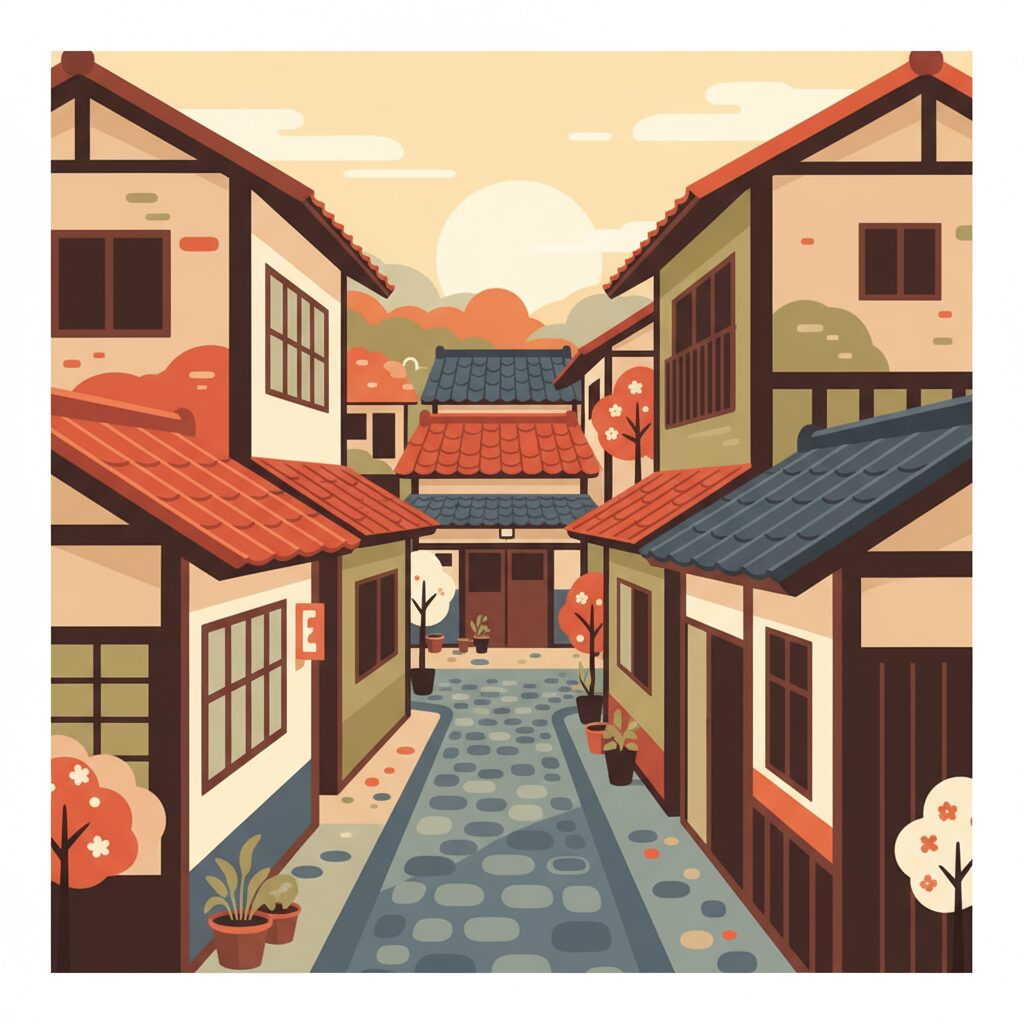
So you’re in Osaka. You’ve walked away from the neon glare of Dotonbori, you’ve seen the castle, and you’ve navigated the human currents of Umeda Station. But then you find yourself in a different kind of current, a slow-moving eddy of time just a ten-minute walk from that frantic transit hub. You’re in Nakazakicho. The streets get narrow, the buildings shrink, and the air grows quiet, punctuated only by the rumble of a distant train and the chime of a shop door. You see these old wooden houses, their lattices showing the wear of decades, but with a stylish new cafe sign hanging out front, or a sleek, modern window set into a weathered wall. A thought flickers: “Could I actually live here?” This isn’t just a question about real estate. It’s a question that cuts to the very heart of Osaka, a city that wears its history not like a precious heirloom locked away in a museum, but like a favorite old jacket—patched, worn, comfortable, and still perfectly useful. In Tokyo or Kyoto, a neighborhood like this might feel like a carefully curated theme park of ‘old Japan.’ In Osaka, it feels like an accident that just kept working. Nakazakicho is a living lesson in the Osakan psyche, a place built on practicality, resilience, and a stubborn refusal to throw anything useful away. Understanding why these old houses, or kominka, are being renovated and rented out, and what it’s like to live in one, is to understand the fundamental rhythm of this city. It’s about seeing history not as a static monument, but as a dynamic, ongoing conversation between the past and the present, a conversation that echoes in every creaking floorboard and sun-drenched alley. This isn’t a guide to finding the cheapest rent; it’s a map to a mindset, a way of living that is quintessentially, unapologetically Osaka.
For those considering a move to this dynamic city, exploring options like an ideal co-living space in Osaka can be another way to engage with its unique rhythm.
The Soul of Scrap and Build: Osaka’s Unsentimental Love for the Past
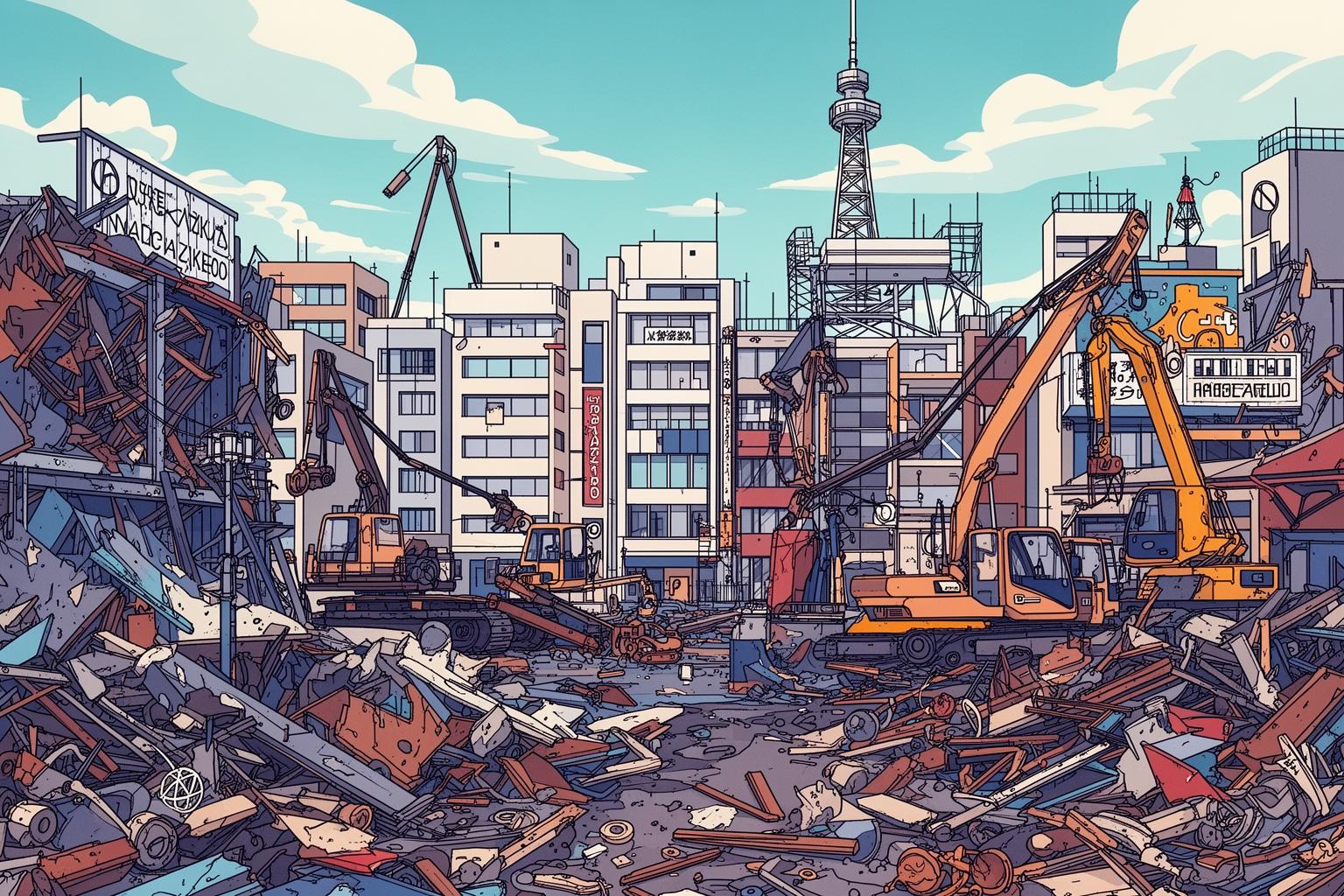
To truly understand Nakazakicho, you first need to grasp what is absent. What’s missing is the widespread, indiscriminate destruction that flattened much of Osaka during the World War II air raids. While areas near major train stations and industrial hubs were reduced to ashes, this small enclave of residential streets was astonishingly spared. It wasn’t saved through any grand historical intent; it was simply fortunate. This quirk of history forms the foundation of the neighborhood’s entire identity. In a city like Tokyo, repeatedly leveled and rebuilt due to earthquakes and war, the norm is to demolish and start anew. The relentless ‘scrap and build’ cycle reflects a forward-looking obsession with the new. Osaka shares this impulse but balances it with a pragmatic merchant ethos, a philosophy known as mottainai, which values avoiding waste. This isn’t a nostalgic clinging to the past, but a practical, almost strict reasoning: if the foundation is solid and the main beams sturdy, why spend a fortune tearing everything down? This is the fundamental difference. Kyoto might preserve a building for its imperial heritage or artistic value. Tokyo may demolish a two-decade-old building to maximize property value with a skyscraper. Osaka looks at an old house and thinks, “It still works. Let’s patch it up and turn it into a coffee shop.” This unsentimental, practical approach to history is what makes Nakazakicho possible.
The Anatomy of a Kominka: More Than Just Four Walls
When discussing kominka in Nakazakicho, we’re mainly referring to machiya (traditional townhouses) or, more commonly, nagaya (longhouses). A nagaya is essentially a long wooden apartment building, often two stories, with individual units sharing walls. Picture a row of narrow, deep houses connected together. This architecture prioritizes density and community over privacy. Entering one for the first time is a sensory reset. The entrance, or genkan, is small. The corridors are dark and narrow—an immediate contrast to the bright, open-plan living areas of modern Japanese apartments. Light doesn’t flood in but filters softly through a paper shoji screen or falls into a tiny central courtyard, the tsuboniwa, which originally provided the home’s light and air. The wood is darkened with age, the air smells of tatami mats and old timber, and sound travels—oh, how sound travels. You hear your own footsteps creaking on the steep, narrow staircase, the neighbor’s muffled television through the wall, and the clatter of dishes from the ramen shop down the alley. This isn’t the sterile silence of a concrete tower. It’s a living, breathing building that insists you recognize you are not alone. This physical closeness mirrors Osakan social culture. In Tokyo, anonymity is a kind of currency—you can live in a vast apartment complex for years without knowing your neighbor’s name. In a Nakazakicho nagaya, that’s nearly impossible. The architecture fosters a casual intimacy. You come to know your neighbors’ rhythms through sounds traveling through the walls. This may unsettle someone accustomed to modern soundproofing and personal space, but it’s the cost of admission for a genuine sense of place.
Why Nakazakicho Survived and Thrived
Building survival is only half the story; the survival of its community is the other half. After the war, as Japan’s economic miracle took off, neighborhoods like this were seen as outdated, inconvenient, and ripe for redevelopment. But Osaka’s growth followed the money, focusing on major commercial centers like Umeda in the north and Namba in the south. Nakazakicho, tucked away without major commercial streets, was simply overlooked. Many landowners were families who had lived there for generations, lacking the capital or desire to demolish their ancestral homes to build parking lots or bland apartment blocks—a ‘mansion’ in Japanese real estate terms. For decades, it remained a quiet, somewhat forgotten residential area. This period of benign neglect became its salvation. It wasn’t until the late 1990s and early 2000s that a new generation—artists, designers, and young entrepreneurs priced out of more expensive areas—began recognizing the potential of these old, affordable buildings. They weren’t preservationists in the academic sense but pragmatists. They saw strong bones, low rent, and a blank canvas. They opened cafes, vintage clothing shops, art galleries, and hair salons not by tearing down the old structures but by working within them. This organic, grassroots revival is central to Nakazakicho’s character. It wasn’t a top-down urban renewal project planned by a corporation but a slow, cumulative effort by individuals valuing character over convenience and authenticity over polish. This reflects a distinctly Osakan entrepreneurial spirit: find an undervalued asset, apply ingenuity, and create something cool without overspending.
The Renovation Revolution: Osaka’s Pragmatic Artistry
The way these kominka are renovated reveals a great deal about the local aesthetic. It’s a far cry from the meticulous and often prohibitively expensive restoration work typical of Kyoto’s Gion district. In Nakazakicho, the aim is not to perfectly replicate the past but to make it livable and usable in the present. This approach results in a distinctive design language, an architectural collage where old and new coexist, often in unexpected ways.
The ‘Good Enough’ Philosophy of Design
Step into a renovated cafe in Nakazakicho and glance upward. You’ll probably notice the original massive, dark wooden roof beams, left exposed and celebrated. Meanwhile, the adjacent wall might feature clean, white plasterboard, and the lighting could be industrial-style track lights. An original earthen wall might remain partially exposed in one area, using a technique called arakabe, not for strict historical accuracy, but to add texture. Floors are often a patchwork of aged wooden planks and fresh concrete. Nothing is quite flawless. Floors may slope slightly, and a doorway might be unexpectedly low, requiring you to duck. These ‘imperfections’ aren’t seen as defects to be fixed but as integral parts of the building’s story. This aesthetic values texture, history, and character above all else. It’s a marked departure from Japan’s mainstream obsession with newness and perfection. In Tokyo, a new apartment is sold on its flawlessness: pristine walls, high-tech features, and complete newness. In Nakazakicho, a renovated kominka is marketed on its story, quirks, and soul. There’s an Osakan term, ee kagen, which can mean ‘irresponsible’ or ‘half-hearted,’ but also carries a sense of ‘not sweating the small stuff’ or ‘good enough.’ Nakazakicho’s design philosophy embraces the positive side of ee kagen. It aims for a great outcome without falling into an obsessive pursuit of perfection. It’s practical artistry. The analogy is apt: Kyoto places an antique tea bowl under glass in a museum. Tokyo mass-produces a flawless ceramic replica. Osaka uses the antique bowl daily, chips and all, because that’s what it was made for.
Meet the People Behind the Walls
The ecosystem of landlords, renovators, and tenants in Nakazakicho is as distinctive as the buildings themselves. Landlords are often not large corporations but elderly individuals or families who inherited the properties. They might live next door or even upstairs, drastically altering the renting dynamic. Your landlord is not a faceless voice on the phone but someone you see regularly when taking out the trash. This creates a more personal, human relationship. This is classic Osaka, where business is rarely just business—it’s about relationships. A good rapport with your landlord can lead to flexibility on certain rules or quick fixes like repairing a leaky pipe with just a brief conversation on the street. Conversely, a poor relationship can make life uncomfortable, requiring different social skills compared to dealing with a corporate rental agency. Tenants here form a self-selecting group, actively seeking something different. They’re artists needing combined studio and living spaces, chefs opening tiny twelve-seat restaurants, freelance designers working from home, and increasingly, foreigners tired of cookie-cutter apartments who want a deeper, more textured experience of life in Japan. This mix fosters a vibrant, creative, and slightly bohemian community. It’s a neighborhood of small business owners and independent spirits, reinforcing the area’s unique vibe. Everyone strives to create something interesting on a small scale, nurturing a sense of mutual support and shared identity—a stark contrast to the competitive, individualistic energy common in many Tokyo neighborhoods.
The Practical Realities: Navigating the Kominka Rental Market
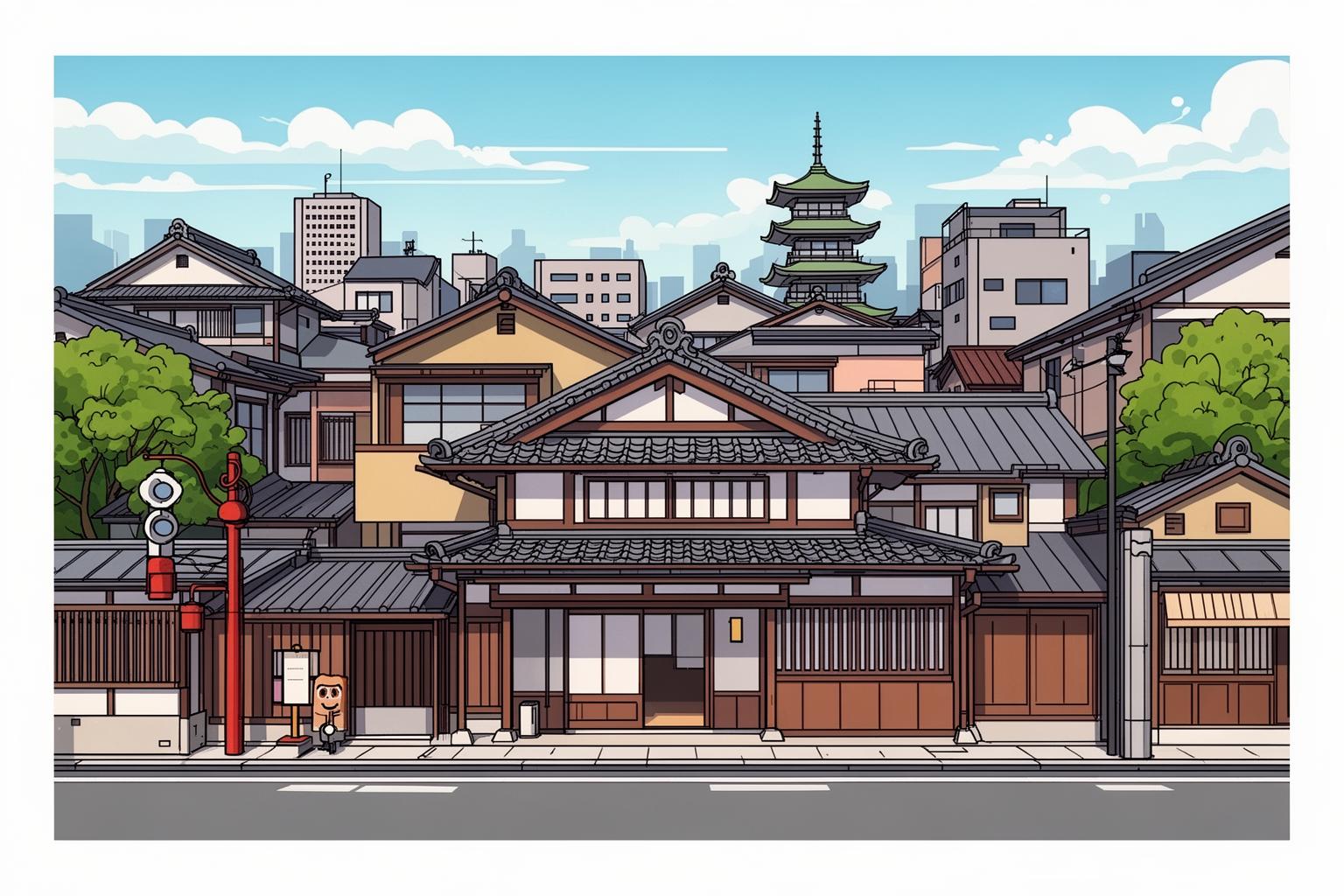
Falling in love with the idea of living in a renovated kominka is easy; actually renting one, however, is a different story. It demands patience, flexibility, and an understanding of a rental market that operates according to its own set of unwritten rules. This is where the romantic ideal meets the Osakan reality check, and you must be prepared for the quirks and challenges that come with living in a piece of history.
Finding the Hidden Gems
You’re unlikely to find the best Nakazakicho properties on major, English-language real estate websites. The most interesting listings often never appear online. They are rented through a network of small, local real estate agents, the fudosan-ya, whose offices are tucked away on the neighborhood’s side streets. Walking into one of these offices feels like stepping back in time. There’s no slick corporate branding; the office is probably cluttered, with yellowing maps taped to the walls. The agent is likely a middle-aged or elderly man who has worked in this neighborhood his entire life. He knows every building, every landlord, and every leaky roof on the block. He is the gatekeeper. Building rapport with this person is essential. You can’t just walk in with a list of demands. You need to have a conversation. You need to drink the tea he offers. You have to explain what you’re looking for, but also be open to his suggestions. He might show you a place that seems wrong on paper but has a secret rooftop terrace or a landlord who loves renting to foreigners. This process is a classic example of how much life in Osaka depends on personal connections, or kone. It’s not about what you find in a database; it’s about who you know and the relationships you build. Some properties are rented through kuchikomi, or word-of-mouth. The owner of your favorite café might mention that the apartment above his shop is becoming available. This is why becoming a regular and integrating into the neighborhood is so important—the best opportunities are often invisible to outsiders.
The Unspoken Rules and Uncomfortable Truths of Kominka Living
Living in a hundred-year-old wooden house is not like living in a modern apartment. There are fundamental trade-offs you must be willing to accept. Foreigners who move in expecting modern comforts often face a rude awakening.
The Cold is Your Constant Companion
Let’s be blunt: traditional Japanese houses were not built with insulation in mind. In winter, they are cold—not just a little chilly, but profoundly bone-deep cold. The single-pane glass windows and wooden frames provide little protection from the elements. The wind can literally whistle through gaps in the walls. You don’t heat the house; you heat yourself. This means becoming intimately familiar with a whole ecosystem of Japanese heating solutions. The kotatsu—a low table with a heater underneath and a heavy blanket draped over it—becomes the center of your universe. You will master the art of layering clothing indoors. You will own multiple space heaters and use them strategically, all while watching your electricity bill with a sense of dread. This is not a uniquely Osakan problem, but it is amplified in these old, drafty structures. Complaining about the cold to your neighbors will be met with a shrug and a smile. It’s just the way it is. You adapt. This shared experience of enduring winter creates a kind of seasonal camaraderie. It’s a reminder that comfort is a modern luxury, not a basic right.
The Symphony of the Neighborhood
Soundproofing is a modern invention. In a nagaya with shared walls, privacy is an illusion. You’ll hear your neighbor’s alarm going off in the morning. You’ll hear them cooking dinner. You’ll hear their arguments and their laughter. And they, in turn, will hear everything you do. This requires a fundamental shift in mindset. In a modern Tokyo building, silence is the ideal, and any noise might lead to a complaint. In a Nakazakicho kominka, tolerance is the ideal. A certain level of ambient, human noise is part of the agreement. It’s okay if your baby cries. It’s okay if you have friends over for dinner. The line is crossed only when noise becomes deliberately disruptive or continues late into the night. There’s an unspoken “live and let live” agreement. This fosters a different kind of social responsibility. You’re constantly aware of your neighbors not as annoyances but as fellow inhabitants of a shared space. You learn to modulate your own noise out of respect and accept theirs as a sign of life.
Nature Finds a Way In
An old wooden house is not a hermetically sealed box. It is part of the natural environment, and the natural environment will sometimes invite itself inside. You will encounter spiders. You’ll find centipedes (mukade) in your shoe. Most charmingly, you’ll likely have house geckos, or yamori, on your walls and ceilings. A common reaction for newcomers is panic, but the local response is entirely different. Yamori are considered good luck. Their name can be written with characters meaning “house-protector.” They eat mosquitoes and other insects. Seeing one is a good sign. Learning to coexist with this small-scale wildlife is part of the experience. It’s about letting go of the Western obsession with sterilizing living spaces and accepting that we are part of a larger ecosystem. It’s a small, daily lesson in the philosophy of wabi-sabi—finding beauty in imperfection and accepting the transient nature of things, even when those “things” include a spider in the bathtub.
Nakazakicho as a Microcosm of Osaka Culture
Ultimately, living in Nakazakicho is about much more than just architecture and real estate. The neighborhood serves as a concentrated, miniature reflection of Osaka itself. The ways in which people interact, conduct business, and live daily life here reveal the essential values of the city’s culture—values that often contrast sharply with those of its eastern rival, Tokyo.
The Merchant’s Logic: Where Life and Business Merge
Many of the machiya in this area were originally constructed as shokunin-juutaku—buildings combining a workshop or storefront on the ground floor with living quarters above. This design directly reflects Osaka’s history as a city of merchants and artisans. For centuries, there was no clear separation between work and home life. Your business was part of your home, and your home was part of your business. Your personal reputation was inseparable from your identity as a merchant. This tradition remains alive in Nakazakicho today. The neighborhood is dominated by small, independent businesses: cafes, bakeries, vintage shops, galleries. The owner is almost always present, working behind the counter, often living nearby or even above the shop. This creates a strong sense of accountability and community. You’re not buying coffee from a faceless corporation; you’re buying it from Tanaka-san, whom you see walking his dog every morning. This blending of commerce and community is fundamental to Osaka. Business is built on relationships and trust, not just transactions. This is why the area has resisted the encroachment of major chain stores. A Starbucks here would feel profoundly out of place—not only aesthetically, but culturally. The neighborhood’s economy operates on a human scale, a principle Osakans intuitively understand and protect. This stands in stark contrast to Tokyo, where efficiency and branding frequently take precedence over personal connection, and small independent shops struggle to compete against corporate giants.
Tokyo Efficiency vs. Osaka’s ‘Human’ Rhythm
Spend a weekday afternoon in Nakazakicho, and you’ll notice a distinct tempo. Shopkeepers chat on the street. A delivery driver pauses for a cigarette and a lengthy conversation with a local resident. The pace is slower, more leisurely. This isn’t laziness; it’s a different value system. In Tokyo, time is a commodity to be maximized. Efficiency is the highest virtue. The objective is to get from point A to point B as swiftly as possible, processing as many customers as possible. In Osaka, especially in neighborhoods like Nakazakicho, time is more flexible. Space is made for casual conversation and human interaction. Building relationships with customers or neighbors is regarded as a valuable use of time, not a distraction from “real work.” This “human” rhythm can be misunderstood by outsiders as inefficiency or unprofessionalism, but it is the social glue that binds the community together. Living in this environment changes your internal clock. You begin to budget time not only for errands but also for the conversations that inevitably arise during those errands. You learn to appreciate detours. You become part of a community fabric rather than just a consumer passing through a commercial space. This is one of the most significant—and subtle—contrasts between daily life in Osaka and Tokyo. Tokyo optimizes for the system; Osaka optimizes for the human.
The ‘Ame-chan’ Mentality and the Architecture of Interaction
There’s a stereotype that Osakan grandmothers (obachan) always carry candy (ame-chan) in their purses to give to others. While this is a cliché, it points to a deeper truth about the city’s social code: a tendency toward proactive, friendly, and sometimes slightly intrusive communication. It’s about breaking down barriers and making connections, whether you want to or not. The architecture of Nakazakicho physically embodies this mentality. Narrow streets bring strangers into close proximity. The absence of sidewalks means pedestrians and cyclists share the same space, requiring constant, non-verbal negotiation. The thin walls of the nagaya keep you continuously aware of your neighbors. You cannot be an anonymous ghost here. The environment itself compels interaction. You have to say hello (konnichiwa). You have to nod to shop owners as you pass. You have to engage. The design of the neighborhood fosters the very social behaviors that define the city. It’s a feedback loop: culture shaped the architecture, and the architecture now sustains the culture. For foreigners, this can be both a blessing and a challenge. If you seek solitude and anonymity, it may feel overwhelming. But if you seek connection and a genuine sense of community, this environment acts as a powerful catalyst, pushing you out of your shell and into the heart of city life.
The Future of the Past: Is Nakazakicho an Anomaly or a Model?
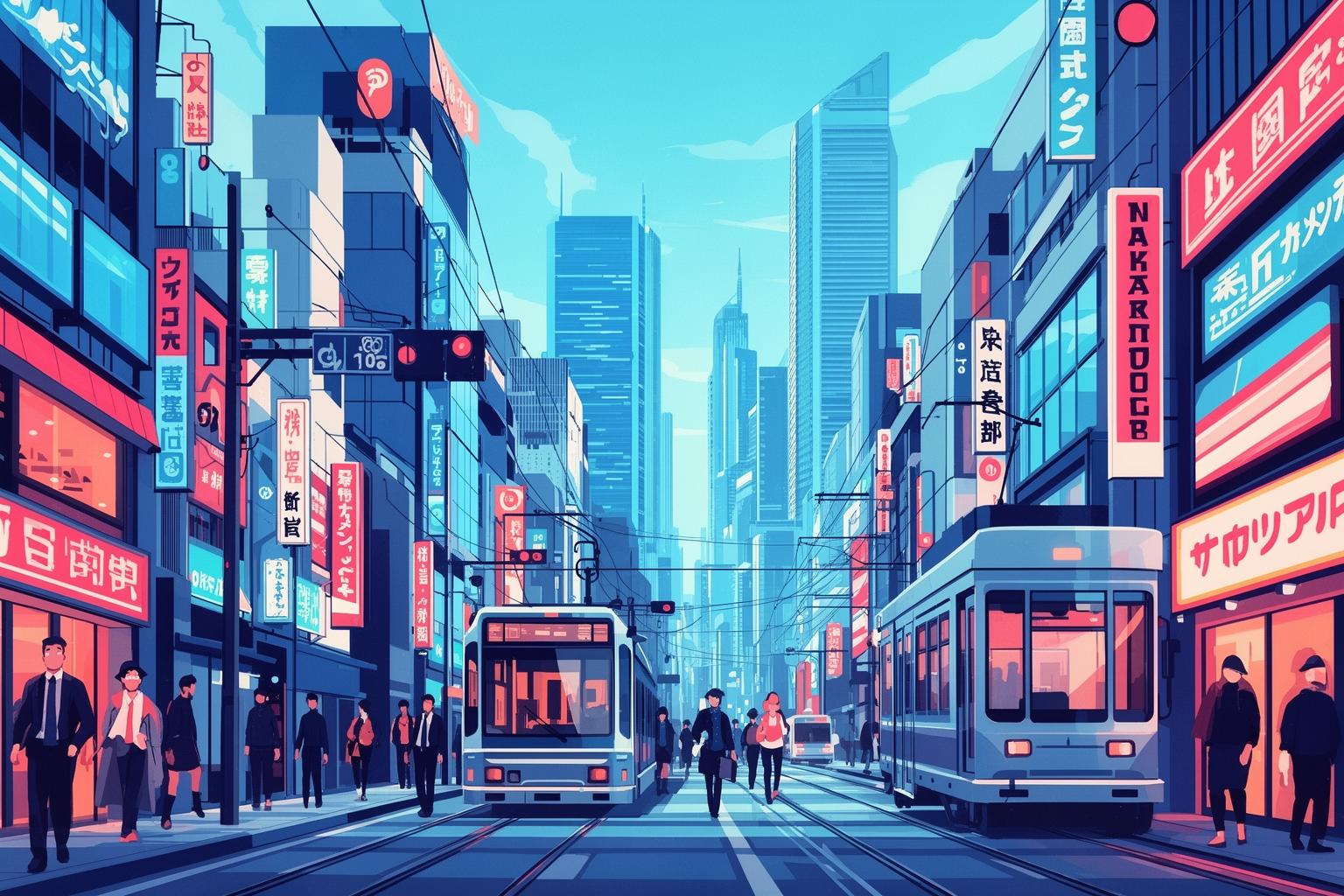
As Nakazakicho’s profile has grown, it has become a favored spot for tourists from both within Japan and abroad. The once quiet alleyways now hum with the clicks of camera shutters and the lively chatter of visitors hunting for the perfect ‘retro Japan’ shot to share on social media. This surge in popularity brings both opportunities and challenges. The key question for Nakazakicho, and for Osaka overall, is how to navigate this transformation without losing the very essence that makes the neighborhood unique.
The Double-Edged Sword of Gentrification
As popularity rises, so do rents and property values. The very factors that made this area a sanctuary for artists and small business owners could ultimately push them out. There is an ever-present tension between leveraging the neighborhood’s appeal and preserving its character. New, polished cafes spring up alongside older, more worn establishments. Landlords recognize they can demand higher prices for refurbished properties. This classic story of gentrification unfolds here with a distinctly Osakan flavor. Long-time residents and business owners exhibit a strong, protective stance. They fear turning into a caricature—a tourist trap that has lost its original meaning. The community remains small and close-knit enough to apply social pressure. Ongoing discussions, in casual talks and community meetings, focus on what kind of growth is acceptable. This encapsulates a broader challenge for Osaka: how to evolve and compete on a global scale without becoming a pale copy of Tokyo. Nakazakicho serves as a test case for whether Osaka’s unique, human-scaled urbanism can survive the pressures of global capitalism.
What Living Here Really Teaches You
Renting a kominka in Nakazakicho is more than a housing choice; it’s a conscious decision to enter a different flow of time and embrace a different set of values. It’s a pledge to a community that is messier, louder, and more demanding than modern, impersonal city life. It’s a vote for the small, the local, and the independent. Living here teaches you to accept imperfection—in both your home and yourself. It reveals that the creak in the floor isn’t a flaw, but a voice. It shows that the noise of your neighbors isn’t an intrusion, but a sign of life. It teaches you that a city’s history isn’t found in museums but is something you live within and contribute to each day you spend in its walls. You learn to appreciate the immense value in things that aren’t new, shiny, or efficient. You come to understand that Osaka’s soul isn’t in its grand monuments or gleaming skyscrapers, but in the quiet resilience of its back alleys, the practical artistry of its people, and the enduring belief that an old house, like an old friend, is something to be cherished and kept alive—patches and all.