The laptop glows, the Slack notifications ping, and the line between your living room and your office dissolves into a single, caffeine-fueled haze. This is the global reality of remote work. You’ve escaped the commute, but you’re tethered to your desk, which also happens to be your dining table. The biggest question of the day, aside from hitting your deadlines, becomes a familiar, nagging whisper: “What’s for lunch?” The temptation is to grab a sad, plastic-wrapped sandwich from the nearest convenience store, a decision that feeds the body but starves the soul. You could scroll endlessly through delivery apps, a digital parade of options that somehow all feel the same. This is the modern paradox: infinite choice, zero satisfaction. You’re working from home, but you feel disconnected from the very neighborhood you’re living in.
In Tokyo, this problem is often solved with brutal efficiency. You might dash out to a sleek, minimalist chain restaurant for a quick bowl of ramen, eaten in silence, before returning to the grind. Or you’ll navigate the dazzling, overwhelming basement food halls of a department store, the depachika, where a single artisanal bento can cost as much as a nice dinner. It’s a transaction, clean and impersonal. But in Osaka, there’s a different answer, a solution that’s messier, louder, more human, and infinitely more satisfying. It’s not a high-tech app or a chic co-working cafe. It’s the neighborhood shotengai—the covered shopping arcade that beats like the city’s true heart.
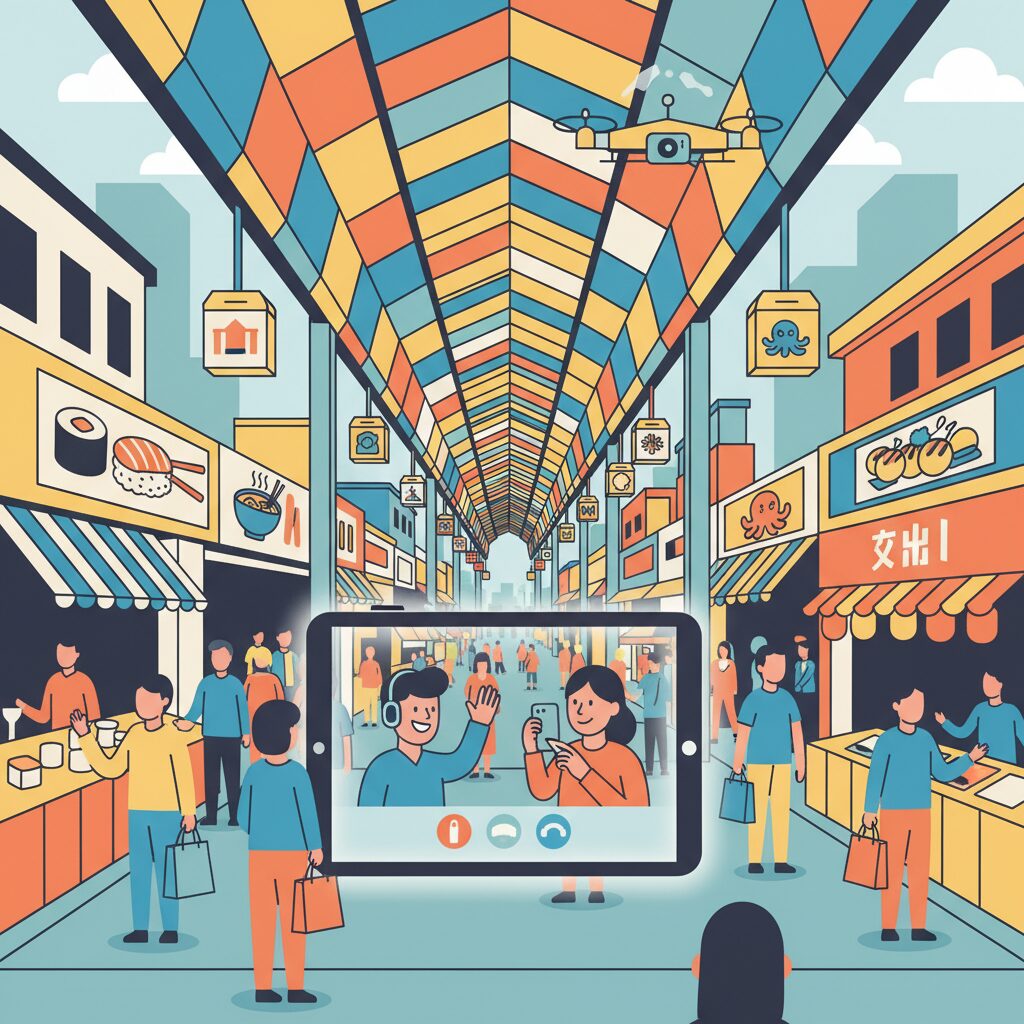
For the remote worker in Osaka, the shotengai is not merely a place to buy groceries. It is your canteen, your water cooler, your walking track, and your community center all rolled into one. It’s the secret weapon for mastering the ‘work-life-lunch’ balance, a daily ritual that draws a firm, delicious line between your professional and personal life. It’s where you rediscover the joy of a proper lunch break, a 20-minute journey that recharges your batteries and reconnects you to the vibrant, pragmatic, and food-obsessed spirit of Osaka. This isn’t about sightseeing; it’s about survival and, more importantly, about thriving. It’s about understanding that in this city, a good life is built on a foundation of good, affordable, and joyfully-procured lunches.
To truly immerse yourself in the local community spirit that defines Osaka, consider exploring the charming, retro atmosphere of Nakazakicho, a neighborhood that perfectly complements the daily rhythm of the shotengai.
The Shotengai: Osaka’s Living Room and Your New Third Place
Deconstructing the “Third Place” Concept in an Osaka Context
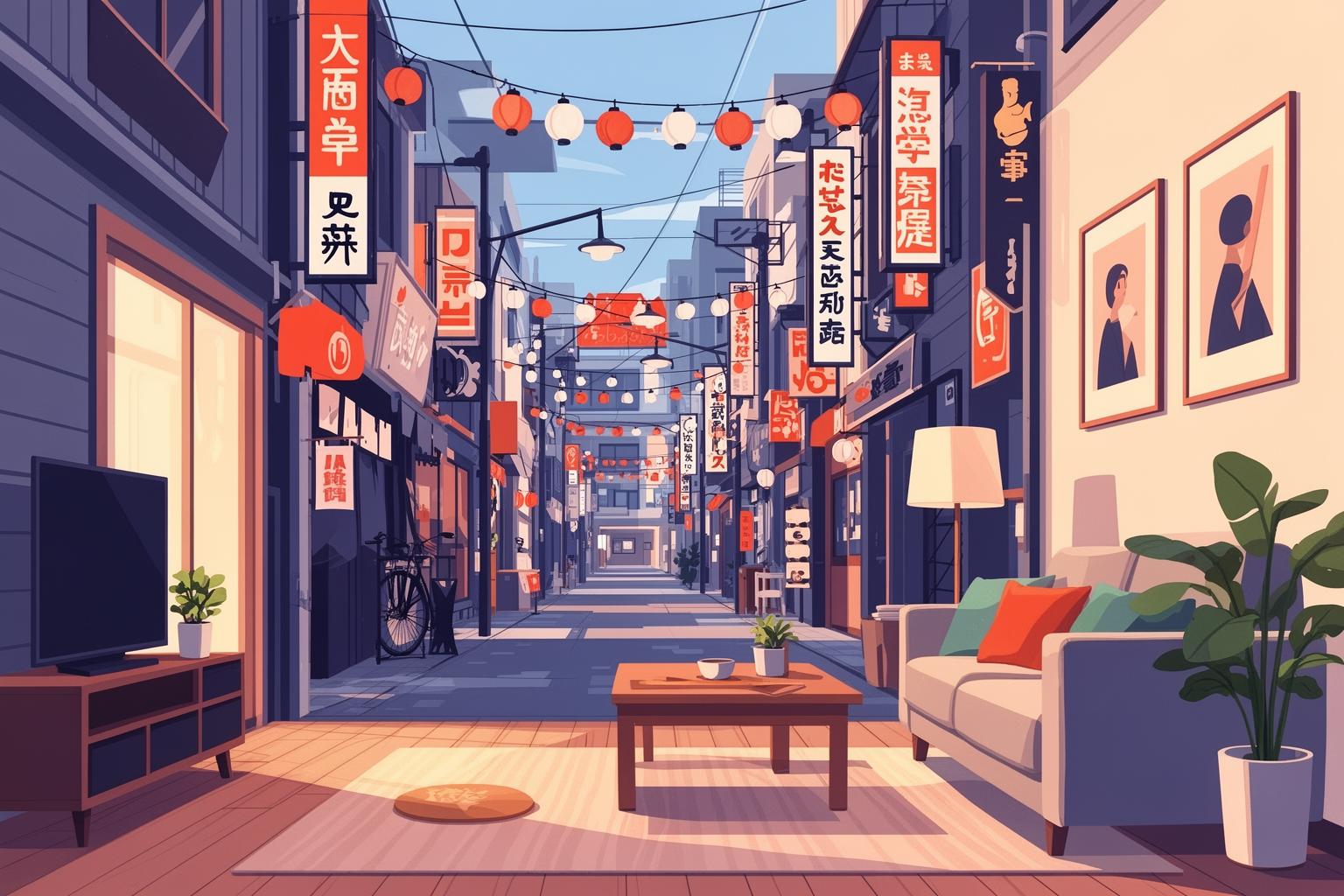
Sociologists refer to the “third place” as an essential social environment distinct from the two usual settings of home (the first place) and workplace (the second place). Think of cafes, pubs, libraries—spaces where you can relax, connect, and simply be. For remote workers, this idea becomes more complex. Your home is your workplace. The first and second places have merged into one unavoidable zone. This is where burnout begins. You need an outlet, a destination that isn’t about work or chores. You need a genuine third place.
This is precisely the role the shotengai was created to fulfill. It’s much more than a shopping street; it serves as the city’s communal living room. Walking beneath its protective arcade roof feels like entering a different mindset. The atmosphere shifts. The sterile quiet of your apartment is replaced by a lively symphony. You hear the rhythmic chopping of a butcher’s cleaver, cheerful, slightly nasal shouts of “Irasshai, irasshai!” (Welcome!), the sizzle of croquettes frying, the clatter of bicycles, and neighbors chatting about local news. It’s a sensory experience that instantly melts away screen fatigue.
This isn’t the polished, curated vibe of a trendy Tokyo neighborhood. It’s raw, practical, and unapologetically authentic. The lighting might be harsh, the signs faded, the floor scuffed. But it pulses with an energy that minimalist cafes or sterile co-working spaces can’t match. For a remote worker, a ten-minute stroll through the shotengai offers a powerful mental reset. You’re surrounded by people who are neither colleagues nor family. You become an anonymous observer, immersed in daily life, and this simple reengagement with the physical world can be deeply rejuvenating. It reminds you there’s a world beyond your Slack channels and to-do lists.
Why the Shotengai Trumps the Tokyo “Depachika” for Daily Life
Visitors to Japan often marvel at the depachika, the expansive, pristine food halls found in the basements of major department stores like Isetan or Mitsukoshi in Tokyo. They are gastronomic temples, featuring everything from perfectly marbled wagyu to exquisite French pastries and jewel-like bento boxes. Undeniably impressive, they are, however, mostly irrelevant for everyday living. The depachika is a stage for gourmet display. Prices are high, the atmosphere hushed and somewhat formal, and the experience caters to special occasions or affluent shoppers.
The Osaka shotengai couldn’t be more different. It operates on a philosophy rooted in fudan (普段), meaning ‘ordinary’ or ‘everyday.’ The shotengai is not about spectacle; it’s about daily life. Its principle is not luxury, but practicality. This marks a fundamental mindset difference between Osaka and Tokyo. Tokyo often prioritizes presentation and status; Osaka values substance and affordability. You don’t need to dress up to visit the shotengai. In many neighborhood arcades, it’s common to see people casually walking in house slippers and comfortable clothes. There’s no pretense.
This makes the shotengai an incredibly accessible and low-stress place. You’re not there to be dazzled; you’re there to grab lunch. Vendors aren’t distant artisans; they are your neighbors. Food isn’t packaged in elaborate boxes; it comes to you in a simple paper bag, still warm from the fryer. For remote workers seeking a sustainable daily routine, the shotengai offers reliability and affordability that the glamorous but demanding depachika simply can’t provide. It’s the difference between a high-maintenance friend you see once a year and a dependable best friend you can count on every day.
The Economics of the Osaka Lunch: More Than Just Takoyaki
The “One-Coin” Lunch Philosophy: Where Value Reigns
To truly understand Osaka, you need to grasp its unique relationship with money. It’s not about being cheap; it’s about spending wisely and intelligently. There is a strong cultural reverence for kosupa, a shortened term for “cost performance.” Scoring a good deal is more than luck—it’s a sign of cleverness. This mindset forms the foundation of the shotengai lunch culture.
For many years, the benchmark was the “one-coin lunch,” a hearty meal affordable with a single 500-yen coin. Although inflation has made this exact price point rarer, the essence of the one-coin lunch remains vibrant. The key question for Osakans is not just “Is this tasty?” but “Is this tasty for the price?” There’s an ingrained distrust of anything that feels overpriced. Why pay 1,800 yen for an upscale quinoa salad in a trendy café when you can put together a perfectly balanced, delicious, and more filling meal from the shotengai for under 700 yen? For an Osakan, paying extra for branding and decor instead of food quality is simply foolish.
This outlook is a boon for budget-conscious remote workers. It means you can enjoy good, diverse meals without overspending. The shotengai thrives with vendors fiercely competing on quality and price. This rivalry benefits customers directly. You receive better food at lower costs. This focus on value liberates you from costly, mediocre lunch choices, turning your daily meal into a source of delight and exploration rather than financial strain or culinary sacrifice. It reflects the city’s merchant spirit: give people what they desire, make it well, and don’t overcharge.
The Shotengai Lunch Trinity: Souzai-ya, Niku-ya, and Tofu-ya
Mastering the ideal remote work lunch means understanding the key players of the shotengai ecosystem. It’s not about finding a single perfect restaurant but about learning to craft your meal from several specialized shops. This is the art of the shotengai lunch run, built on three pillars: the souzai-ya (delicatessen), the niku-ya (butcher), and the tofu-ya (tofu shop).
The Souzai-ya (Delicatessen): Your Personal Chef
The souzai-ya is perhaps the ultimate life hack for anyone living in Japan, especially time-strapped remote workers. These shops specialize in souzai, a broad range of pre-made side dishes that are essential to a traditional Japanese meal. Approaching a souzai-ya is like stepping up to a home-cooked buffet. Behind a glass counter, a dazzling selection of dishes sits in large trays, sold by weight or piece.
The offerings showcase the best of Japanese home cooking. Classics such as kinpira gobo (braised burdock root and carrot), hijiki no nimono (simmered hijiki seaweed with soybeans and carrots), creamy Japanese potato salad, glistening sweet and sour pork (subuta), and perfectly simmered pumpkin in dashi are common. Fried favorites like aji furai (fried horse mackerel) or vegetable tempura often join the lineup. The beauty of a souzai-ya is that it enables you to effortlessly assemble a balanced meal—the ichiju-sansai (one soup, three sides) ideal—requiring only that you cook a pot of rice. For a remote worker spent from hours of screen time, having a nutritious, varied, and comforting meal ready in minutes feels like having a Japanese grandmother next door who always stocks your fridge with your favorite dishes.
The Niku-ya (Butcher Shop): More Than Just Raw Meat
Worldwide, butcher shops are often just places to buy raw meat, but in an Osaka shotengai, the local niku-ya can be a lunch destination itself. The secret is found at the hot food counter, usually near the shop’s entrance. Using the same high-quality meat they sell raw, these butchers craft some of the city’s most delicious, filling, and affordable hot dishes.
The undisputed favorite is the korokke (croquette), typically a simple blend of mashed potatoes and minced meat, coated with panko breadcrumbs and deep-fried to golden crispness. A piping hot korokke fresh from the fryer, priced around 100 yen, is one of Osaka’s simplest delights. Another classic is menchi-katsu, a breaded and fried minced meat patty that’s juicier and more flavorful than its potato-based cousin. Many shops also offer yakitori skewers or tonkatsu (pork cutlet) slabs.
This approach reflects the Osakan ethos of minimizing waste and maximizing value. Why not turn trimmings and unsold cuts into tasty, value-added dishes? This direct-from-source method makes the butcher’s fried foods exceptional. You’re not getting a factory-made, pre-frozen product—you’re getting something fresh made by the meat expert. This enriches the bond of trust. You don’t just go to any butcher; you go to your butcher, the one who crafts the perfect korokke just for you.
The Tofu-ya (Tofu Shop): The Quiet Champion
The modest tofu shop is one of the shotengai’s hidden treasures. For many Westerners, tofu tends to be a bland, uniform white block seen as a meat substitute. But visiting a proper tofu-ya reveals a world of variety and nuance. These small, often steamy shops are run by artisans committed to perfecting the soybean.
They offer many kinds of tofu—from silky kinugoshi (silken tofu) to firm momendofu (cotton tofu). Yet the real gems go beyond the standard blocks. Look for atsuage (thick, deep-fried tofu) with a crispy outside and creamy inside, ideal for simmering in dashi. There’s ganmodoki, a tofu fritter mixed with chopped vegetables and seaweed, a meal itself. You might find fresh yuba (tofu skin), a delicate treat, or ready-to-eat dishes like agedashi-dofu.
For the health-conscious remote worker, the tofu-ya is a nutritional powerhouse, offering an affordable source of premium protein. A block of fresh tofu can form the base of a quick, healthy lunch, whether served cold with ginger and soy sauce (hiyayakko) or warmed in a hot pot. The shopkeeper, a true expert, can always guide you on the best ways to prepare their products. The tofu-ya embodies a slower, more mindful culinary approach—a welcome contrast to the fast pace of digital work life.
The Rhythm of the Shotengai: Timing Your Break for Maximum Efficiency and Sanity
The 11:30 AM Recon Mission
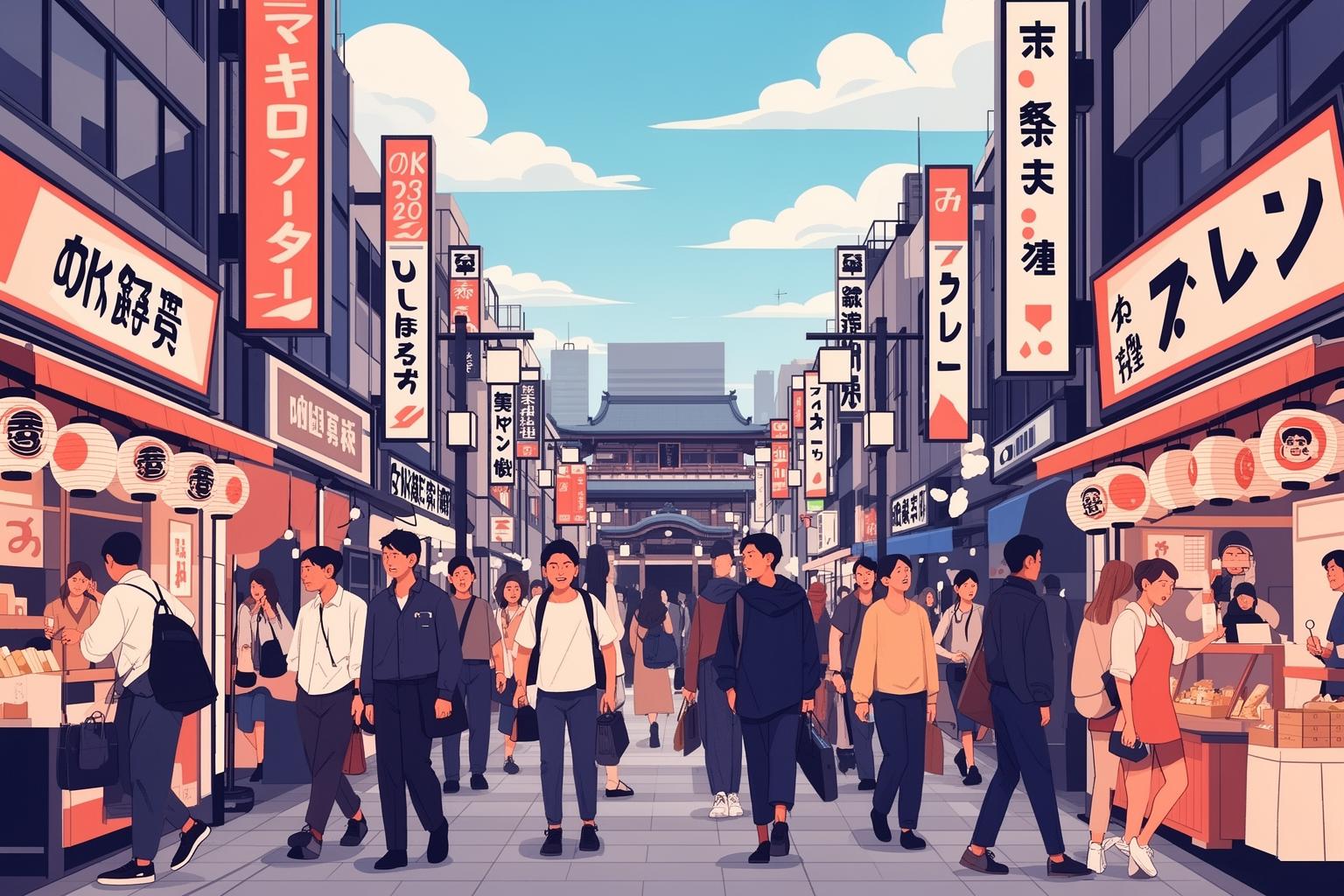
As a remote worker, your greatest advantage is flexibility. You aren’t restricted by the conventional 12:00 PM to 1:00 PM lunch hour that sends office employees flooding the streets. You can—and should—use this to your benefit. The ideal time for a shotengai lunch run is around 11:30 AM. This is the golden hour.
At this moment, the shops are bustling, preparing for the midday rush. The day’s bentos are freshly made, their lids still warm. The first batches of korokke and tempura come straight from the hot oil, at their absolute peak of crispiness. The souzai trays are full and pristine. You get the best selection, the freshest items, and you avoid the crowds. By the time noon arrives and local office workers and housewives pour in, you’re already back at your desk, unwrapping your delicious, hard-earned prize.
This is more than a simple logistical trick; it’s a shift in mindset. Your lunch break becomes a proactive mission, not a reactive rush. You have time to browse, spot what looks good, and maybe even chat with a shopkeeper. There’s a certain smug satisfaction in leisurely strolling through the arcade while others anxiously watch the clock. This small act of controlling your schedule and optimizing your routine is a way to reclaim your day from work’s demands. It transforms your lunch break from a frantic obligation into a moment of peaceful, strategic indulgence.
The “Standing While Eating” Culture: A Lesson in Osakan Efficiency
One of the first things you might notice in a shotengai is the seemingly casual approach to dining. You’ll see people buy a single korokke or a skewer of takoyaki and eat it right there, standing just outside the shop. In some cultures, this might be considered uncivilized. But in Osaka, it’s a perfectly normal and deeply rooted part of food culture. This is the world of tachigui (standing while eating) and kuidouraku (the joy of eating while walking).
This practice stems from a blend of pragmatism and a profound respect for food. The practicality is clear: it’s fast and efficient. There’s no need to find a table or wait for service. But the reverence for food runs deeper. An Osakan knows that a freshly fried item is at its peak of deliciousness within the first few minutes after leaving the fryer. The steam still rises, the coating remains shatteringly crisp. Waiting, carrying it home, or letting it cool would diminish its perfection. So, the natural choice is to eat it immediately, right there, to savor it as the cook intended.
This teaches a lesson in prioritizing what truly matters. It emphasizes the essence—the taste, the texture, the temperature—over the formality of a sit-down meal. For a remote worker on a short break, this culture is liberating. You can enjoy a quick, incredibly satisfying hot snack without the commitment of a full restaurant experience. It’s the ultimate micro-break: a five-minute burst of flavor and texture that can transform your afternoon. Many small tachigui udon and soba shops, often found in or near shotengai, follow the same principle: get in, enjoy an excellent bowl of noodles for a few hundred yen, and get out. It’s maximum satisfaction in minimum time—the Osakan formula for a successful lunch.
The Language of the Transaction: Building Relationships, Not Just Buying Lunch
Beyond “Kore Kudasai”: How to Truly Engage with Shopkeepers
In a Tokyo convenience store, your interaction tends to be a quiet, efficient exchange of goods for money. You point, pay with your electronic card, and leave. It’s a transaction devoid of any human connection. The shotengai operates by an entirely different set of social rules. Here, a transaction becomes an opportunity to connect, and the language you use can turn you from a faceless customer into a neighborhood regular.
Certainly, “Kore o kudasai” (I’ll have this, please) works just fine. But to unlock the real shotengai experience, you need to broaden your vocabulary. Try asking, “Kyou no osusume wa nan desu ka?” (What do you recommend today?). This simple question shifts the dynamic. You’re no longer just a buyer; you’re seeking the shopkeeper’s expert advice. They will light up with pride as they point out the freshest fish or the most popular side dish of the day. You might inquire about a particular item: “Kono korokke, agetate?” (Are these croquettes freshly fried?). This shows you care about quality, a sentiment every Osakan vendor respects.
Using a bit of the local dialect, Osaka-ben, makes a big difference. Instead of the formal “Arigatou gozaimasu” (Thank you), try a cheerful “Ookini!” It feels warmer, friendlier, and immediately signals that you’re making an effort. The most powerful word is “Maido!” Literally meaning “every time,” it’s used as a friendly greeting that conveys “Thanks for your continued patronage.” When a shopkeeper starts greeting you with “Maido!,” it means you’ve arrived. You’re no longer just a customer; you’re part of the community. These small linguistic efforts pay off daily, bringing smiles, better service, and a genuine sense of belonging.
The Unspoken Agreement: Loyalty and the “Omake”
As you become a familiar face in the shotengai, you may begin to notice something special. The butcher might toss an extra piece of fried chicken into your bag. The vegetable vendor might add a couple of extra potatoes to your order. The souzai lady might give you a slightly larger portion. This is the magic of omake (おまけ), a small gift or bonus given as a token of appreciation.
Importantly, omake is never something you request. There’s no loyalty card to fill. It’s not a formal discount program. It’s part of an unspoken social contract—a reward for being a jouren-san (a regular customer). It’s a tangible expression of the relationship you’ve built. The vendor is acknowledging your loyalty and saying, “I see you. I appreciate you.” This gesture works entirely outside the cold logic of capitalism. In a world of shrinkflation and automated checkouts, receiving a little something extra, given freely and with a smile, feels almost revolutionary.
This is the vibrant heart of Osaka’s merchant culture. Business is personal. Relationships matter. Your loyalty is a valued currency, repaid in kind. For a remote worker, who might spend much of their day feeling like just a username on a screen, this tangible recognition can be profoundly meaningful. It roots you in your community and turns the simple act of buying lunch into a genuine social connection. The omake is more than just a free potato; it’s a sign that you belong.
Case Studies: A Tour of Osaka’s Most “Workable” Shotengai
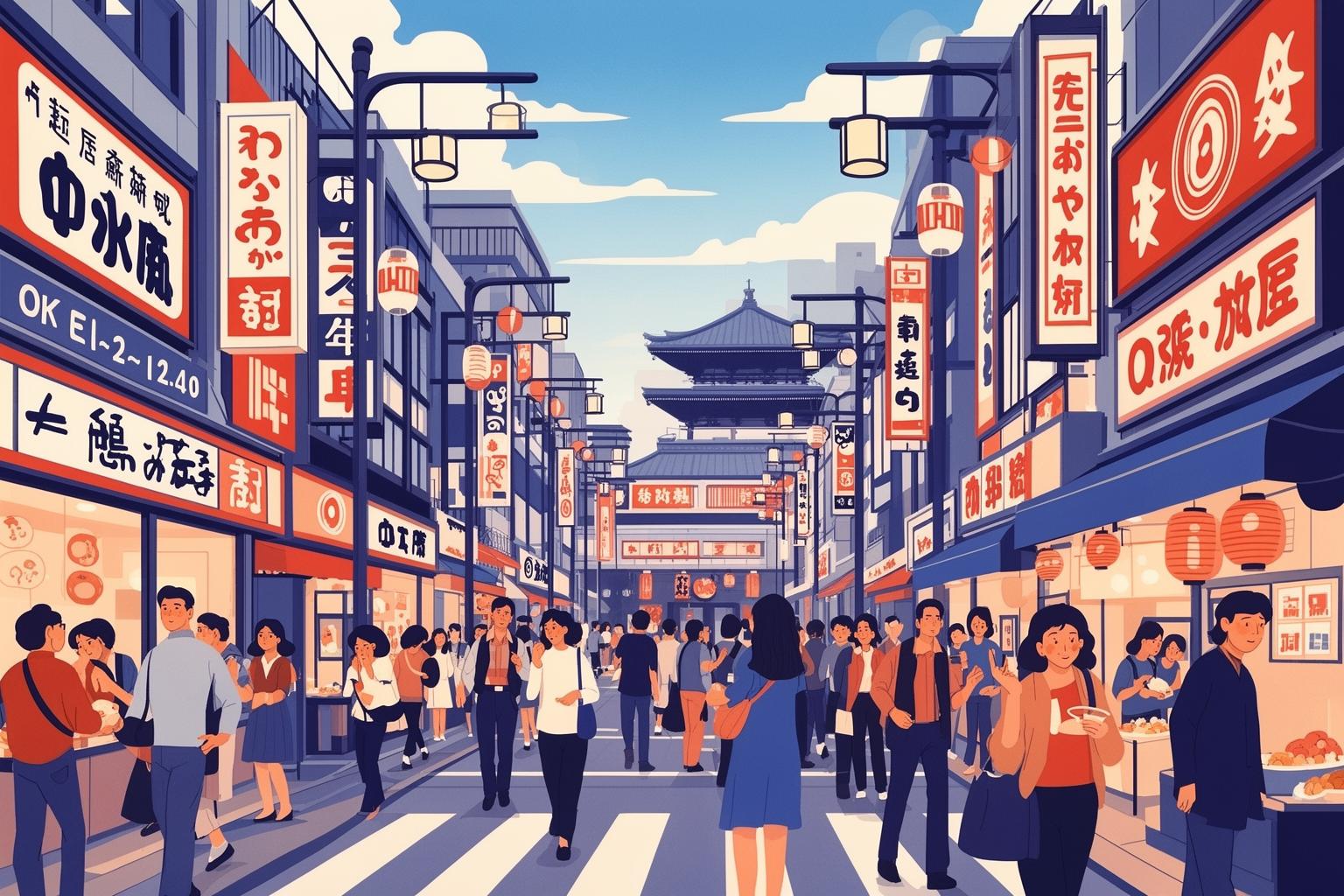
While the spirit of the shotengai is shared throughout Osaka, each one possesses its own unique character and pace. Exploring them isn’t just about grabbing lunch; it’s about uncovering the many layers of the city itself. Here’s a glimpse of some notable examples and what they offer the discerning remote worker.
Tenjinbashisuji Shotengai: The Marathon Runner
Extending an impressive 2.6 kilometers, Tenjinbashisuji proudly holds the title of Japan’s longest shopping arcade. Walking its entire length is no small feat. Rather than a single entity, it’s a vast, ever-evolving network of shops, eateries, and entertainment venues. Here, you’ll find everything—from time-honored tea shops and kimono artisans to lively pachinko parlors and bargain supermarkets.
For the remote worker, Tenjinbashisuji’s immense scale is its greatest advantage. The endless variety guarantees you won’t fall into a lunch routine. One day you might savor a famed croquette from Nakamura-ya; the next, pick up a bento from a local supermarket; and the following day, enjoy a quick bowl of udon standing at the counter. The arcade’s length also makes it perfect for a genuine mental and physical break. A brisk stroll through its many sections offers a great way to stretch your legs, refresh your mind, and reach your daily step goal. It’s a microcosm of Osaka itself: slightly chaotic, remarkably diverse, and always full of new discoveries.
Kuromon Ichiba Market: The Tourist Trap with a Local Soul (If You Know Where to Look)
Recently, Kuromon Ichiba has become a major tourist hotspot, renowned for its fresh seafood and premium fruit. The main street can be overwhelmingly crowded, and prices are often inflated for tourists. It would be easy to write it off as a place to avoid.
However, that would be a mistake. The key to Kuromon is learning to see it through local eyes. This means bypassing the flashy stalls selling grilled scallops on a stick for 1,000 yen and seeking out the long-standing shops that have served the neighborhood for generations. It means visiting early morning or late afternoon to dodge peak tourist hours. You’ll still find excellent fishmongers offering amazing sashimi at a fraction of restaurant prices and old-school souzai shops tucked away along the edges. The takeaway for remote workers from Kuromon is one of discernment. It teaches you to tune out the noise and uncover the genuine value remaining in even the most commercialized spaces. It’s a training ground for becoming a truly savvy Osaka resident.
Sennichimae Doguyasuji Shotengai: The Kitchenware Paradise for the Home Cook
Doguyasuji isn’t where you come to buy lunch; it’s where you go to elevate your entire lunchtime experience. Known as Osaka’s “Kitchen Town,” this arcade specializes in all things cooking and dining. You’ll find shops selling professional-grade knives, beautiful ceramic bowls, sturdy bento boxes, whimsical chopsticks, and even the iconic plastic food models displayed outside restaurants.
For the remote worker, who by nature cooks more meals at home, Doguyasuji is a revelation. Investing in quality tools can transform cooking from a chore into a genuine pleasure. A beautifully handcrafted ramen bowl makes instant noodles feel gourmet. A sharp, well-balanced knife makes vegetable prep effortless. A thoughtfully designed bento box can make leftovers look and taste better. Doguyasuji embodies the Osakan philosophy of investing in quality, practical items that enhance everyday life. A lunch break spent browsing here isn’t just a pause; it’s an investment in your future work-life-lunch harmony.
A Deeper Dive into Neighborhood Gems: Karahori and Shinsaibashi
Beyond the well-known arcades, Osaka boasts smaller, more intimate shotengai. Karahori Shotengai, for example, has a distinctly retro and artistic atmosphere. It’s quieter than the major arcades, blending old shops with new, independent boutiques and cafes housed in beautifully preserved traditional wooden houses (machiya). A lunch break here invites a slower pace and a chance to appreciate a different aspect of the city’s character. It’s ideal for the remote worker seeking to escape the bustle and find a quiet moment of inspiration.
In contrast, Shinsaibashi-suji is a vast, modern arcade serving as the city’s premier retail destination. Dominated by major fashion brands and department stores, it might seem the last place to discover an authentic lunch spot. Yet even here, the shotengai spirit endures. Venture down the side streets and alleys branching off the main boulevard, and you’ll find tiny, family-run eateries, standing-only curry shops, and food stalls that have been feeding shoppers for decades. The lesson from Shinsaibashi is that in Osaka, the practical, delicious local food spirit remains unstoppable. It thrives in the shadows of commercialized landscapes, waiting to be uncovered by those willing to seek it out.
The Psychological Benefits: How a 20-Minute Lunch Run Reboots Your Brain
Escaping the Algorithm: The Joy of Analog Discovery
In the digital age, our decisions are increasingly influenced by algorithms. Your delivery app recommends what to eat based on previous orders. Your social media feed curates what it assumes you want to see. Life turns into a predictable feedback loop. The shotengai offers the perfect antidote to this algorithmic rule.
There are no algorithms in the arcade. Your choices are directed by your senses. Instead of scrolling through images, you are engaging with reality. You catch the aroma of sweet soy sauce grilling eel and decide that’s what you want. You notice the vibrant hues of a seasonal vegetable dish at a souzai-ya and feel compelled to try it. You hear the crisp sizzle of a freshly fried cutlet, and your choice is made. This is the joy of analog discovery—serendipity, the excitement of encountering something delightful you weren’t seeking. This simple act of making a spontaneous, sense-driven choice is a powerful way to break free from the digital cage and reconnect with your instincts. It’s a reminder that you are a human being, not just a data point.
The Power of Weak Ties: Micro-Interactions That Fight Loneliness
One of the greatest challenges of remote work is social isolation. You miss the casual, spontaneous interactions common in an office—the chat by the coffee machine, the quick hello in the hallway. These seemingly trivial moments are what sociologists refer to as “weak ties.” They aren’t your close friends but acquaintances and familiar faces who foster a sense of community and belonging. Losing these weak ties can lead to deep feelings of loneliness.
The daily shotengai lunch run serves as a powerful way to rebuild these vital weak ties. The nod exchanged with the fruit stand owner, a brief comment about the weather with the tofu vendor, the butcher’s smile as he hands you your korokke—these micro-interactions weave you into the social fabric of your neighborhood. They require little effort and carry low stakes, yet offer great rewards. They remind you that you are part of a physical community, existing in a particular place and time. For a remote worker who spends hours communicating through screens, these brief moments of real-world human connection are not merely enjoyable; they are crucial for mental well-being. They provide an anchor in reality, a daily dose of connection that helps keep loneliness at bay.
Conclusion: The Shotengai Isn’t Just Lunch, It’s a Lifestyle
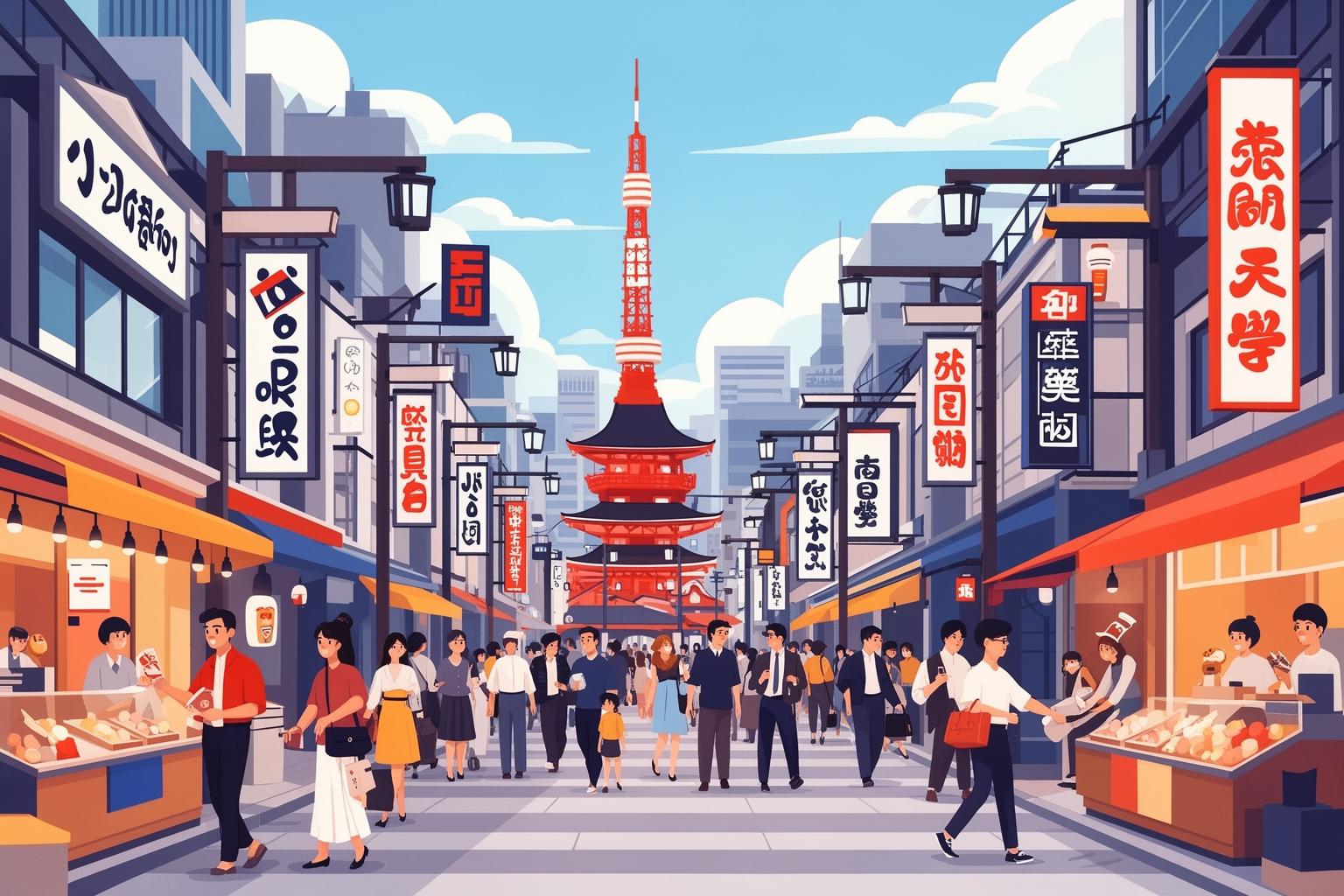
The challenge of remote work lies in setting boundaries. It involves learning to close your laptop and step away, reclaiming both your time and your space. In Osaka, the remedy for this very modern issue is wonderfully and beautifully old-fashioned. It can be found in the covered arcades that weave through the city, providing a daily ritual that nurtures both body and soul.
The shotengai serves as your third place, a refuge from the blended worlds of home and office. It’s your personal food court, fueled by Osaka’s passion for kosupa, ensuring you eat exceptionally well without financial worry. It’s your social center, a place to practice your Japanese, build connections, and experience the strong sense of belonging that comes with being a jouren-san. And it acts as your psychological reset button, offering a 20-minute sensory escape that breaks the screen’s spell and reconnects you with the real, analog world.
Ultimately, mastering the ‘work-life-lunch’ balance in Osaka isn’t about productivity tricks or digital tools. It’s about embracing the city’s core ethos: a profound appreciation for the practical, the valuable, the communal, and the delicious. It’s about recognizing that a well-lived life is shaped not by grand gestures, but by the quality of its everyday rituals. So, when midday comes and the usual question arises, the answer isn’t on your phone. It’s just outside your door. A short walk under the arcade roof awaits, where a hot croquette and a friendly “Maido!” greet you. That is the true Osakan life hack.