When I first moved to Osaka from Australia, a city where a private backyard and a personal shower are practically constitutional rights, the idea of the neighborhood sento, or public bath, felt deeply alien. Why would anyone, in a modern apartment equipped with a perfectly functional bathroom, choose to walk down the street, pay a few hundred yen, and bathe with a roomful of strangers? It seemed like a relic, a black-and-white photo from a bygone era stubbornly existing in a high-definition world. My Western mind immediately jumped to conclusions about a lack of privacy, a forced and awkward intimacy. But living here, watching my neighbors head out each evening with their little plastic baskets in hand, I realized I was missing the point entirely. The sento isn’t about a lack of plumbing at home. It’s about a presence of community in the neighborhood. It’s not a place you go because you have to wash; it’s a place you go because you need to connect. In Osaka, a city that prides itself on its down-to-earth, human-centric culture, the sento is not just a place to get clean. It’s the city’s living room, its unofficial community center, its therapist’s office, and its comedy club, all rolled into one steamy, tile-walled package. It’s where the unspoken, unvarnished truth of Osaka life unfolds, one naked conversation at a time.
To truly understand the city’s unique social fabric, you might also explore the quiet, contemplative world of Osaka’s traditional kissaten cafes.
The Sento is Not an Onsen: Decoding the Social Code
One of the initial challenges for any foreigner in Japan is learning to distinguish between a sento and an onsen. At first glance, they appear similar: both are public bathing facilities. However, their purpose and essence are vastly different. An onsen is a destination, a spa experience centered on natural volcanic spring water, scenic mountain views, and luxurious ryokan inns. Visiting an onsen is a planned trip—a special occasion, a treat, a form of therapy rooted in nature and tranquility. In contrast, the sento serves a purely practical role, integral to daily life. You don’t plan a visit to the sento; you simply go. It’s embedded in your weekly routine, as regular as grocery shopping or taking out the trash. Understanding this distinction unlocks the sento’s social significance, especially in a city like Osaka.
A Community Living Room, Not a Spa Retreat
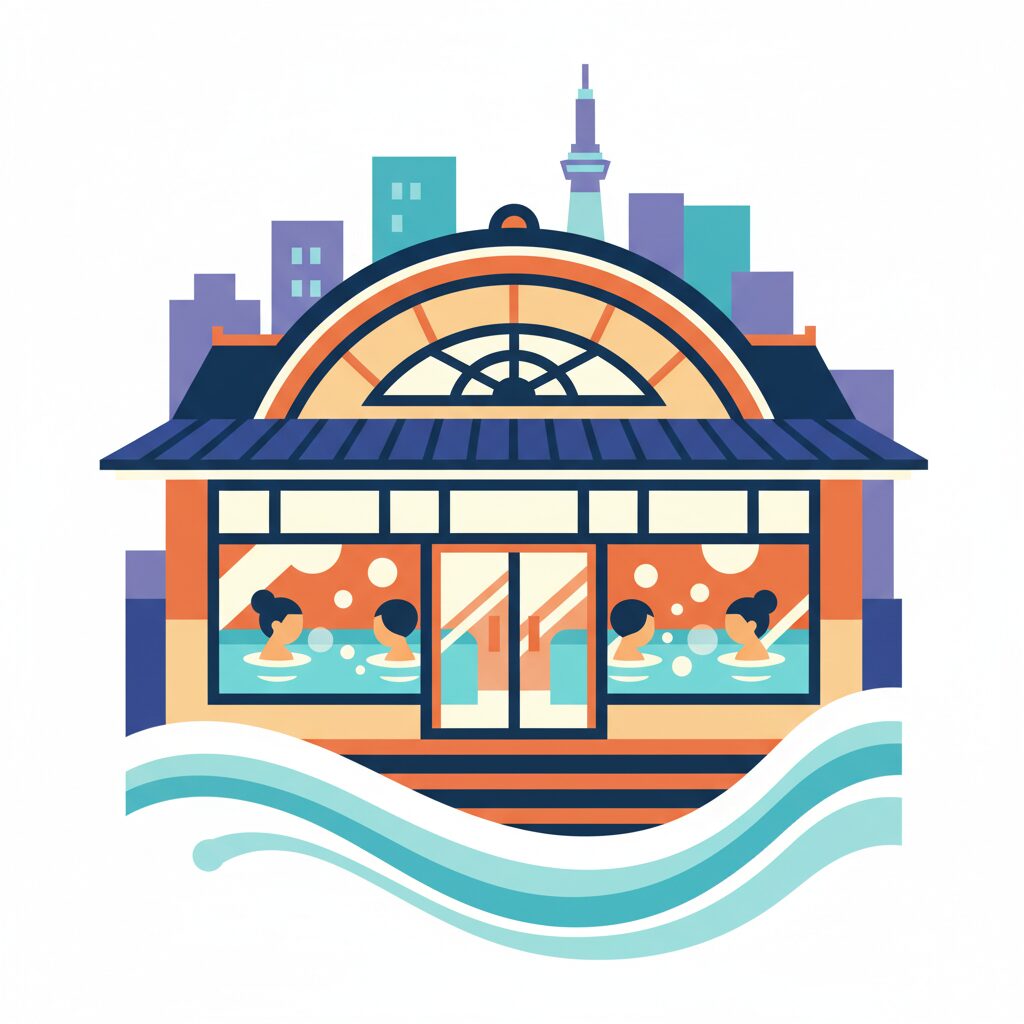
Step into a typical Osaka sento, and you won’t find tranquil Zen gardens or minimalist design. Instead, you’ll encounter vibrancy and life. The building itself often showcases splendid Showa-era architecture, featuring a grand, temple-like karahafu roof that signals its importance to the neighborhood. Inside, the changing room, or datsuijo, exudes functional nostalgia: worn wooden lockers, old wicker baskets for clothing, a vintage massage chair gently humming in the corner, and a large TV, almost always tuned to a Hanshin Tigers baseball game or a lively comedy show. The atmosphere buzzes not with soothing music, but with neighbors chatting and the hum of electric fans. The price is another clear indicator of its everyday role. While an onsen can cost thousands of yen, sento fees are regulated by the prefectural government, keeping them remarkably affordable—typically about the price of a cup of coffee. This standardized low cost acts as a powerful social equalizer, ensuring that the sento remains accessible to everyone, regardless of income: students in tiny apartments, young families, pensioners on fixed incomes, and local business owners alike. It is a democratized space, a warm refuge that belongs to the entire community, not just those who can afford luxury getaways.
“Hadaka no Tsukiai”: The Great Equalizer
A Japanese phrase that perfectly captures the social nature of the sento is hadaka no tsukiai, roughly translated as “naked communication” or “naked fellowship.” This concept may feel unfamiliar or even intimidating to those from cultures that emphasize privacy, but it lies at the heart of the sento experience. Once clothes are off and stored away, so too are external signs of status, profession, and wealth. The company president and the day laborer, the professor and the shopkeeper—all are simply people sitting on identical plastic stools, scrubbing their backs. This is where the renowned Osaka directness and lack of pretense are formed and reinforced. Amid Japan’s formal, hierarchical society, the sento offers a vital space of release, where social structures dissolve in the steam. I recall watching an elderly man, who later revealed himself as the owner of a major local factory, engage in a lively, passionate debate with a young man dusty from a worksite about the best way to make okonomiyaki. There was no deference, no show of status—just two people enthusiastically sharing opinions. This is the magic of hadaka no tsukiai: it removes superficial barriers and fosters sincere, honest communication. It’s a powerful reminder that underneath uniforms, suits, and designer clothes, we are all fundamentally the same. While social interactions in Tokyo often feel more reserved and defined by rank, in an Osaka sento, your social position is simply sitting on a stool, with a small towel and a bar of soap. That’s it. And from this shared ground, genuine connection can flourish.
The Rhythm of Daily Life: Who Goes and Why?
The clientele of a neighborhood sento perfectly represents the community it serves. It functions as a living, breathing demographic snapshot of the area, and watching who comes and goes reveals more about a neighborhood’s social health than any census data ever could. It embodies a rhythm of life—a daily pilgrimage to a communal gathering spot, motivated by needs that extend well beyond mere hygiene.
The Regulars: Pillars of the Neighborhood
At the core of every sento are the regulars, the jo-ren, who are largely elderly patrons frequenting the same bathhouse for decades. For them, the sento is a vital part of their daily routine, a ritual that offers structure, comfort, and essential social interaction. They typically have their own designated locker or basket, favorite washing station, and an in-depth knowledge of local happenings. These regulars serve as the guardians of sento etiquette, gently guiding newcomers—whether foreign or Japanese—who may forget the rules, always with a sense of communal care rather than frustration. For many elderly individuals, especially those living alone, the daily sento visit acts as a lifeline. It is a safety check; if a regular misses a day or two, others take notice and follow up. This informal, grassroots social safety net functions far more effectively than many official programs. Conversations among the regulars flow with local news: a new baby born on the corner, a daikon radish sale at the grocer, the latest antics of a neighborhood cat. This network of Oba-chans creates a potent exchange of information that keeps the community tightly connected.
Families and the Next Generation
Taking my own young children to the sento for the first time was an exercise in parental nerves. Would they be too loud? Would they splash others? Would my clumsy attempts to manage them in the wet, slippery setting draw disapproving looks? I was completely mistaken. The moment we entered, the older women—the neighborhood grandmothers—brightened. My children were cooed over, gently guided, and embraced as the community’s own. An Oba-chan would softly remind my son, “Wash your bottom properly before you get in the tub!” not as criticism but as grandmotherly advice. Another would hand him a small plastic tub to play with, diverting what might have been a splash war. The sento remains one of the few places where parenting feels like a communal effort. It serves as an intergenerational classroom where children learn crucial social rules through observation and kindly collective guidance. They learn to respect others’ space, clean up after themselves, and interact courteously with elders. In a time of increasingly isolated family units, the sento offers casual, everyday cross-generational interactions that are becoming tragically rare elsewhere. Here, my children discover that community means people looking out for one another, even when everyone is in the nude.
Young People and the Sento Revival
Although the sento’s primary demographic is older, the institution is far from fading away. A remarkable revival is taking place, driven by younger generations seeking authentic, analog experiences in a digitally saturated world. Young university students find the large, hot baths a welcome luxury compared to the cramped unit baths of their tiny apartments. One emerging trend is the “sento runner”—groups of friends who use the sento as a base, storing belongings in lockers, running around the neighborhood, then returning for a relaxing soak and a cold beer. This dynamic transforms the bathhouse from a quiet refuge into a lively social hub. Additionally, a new wave of “designer sento” or “renewal sento” is appearing across Osaka. These are classic bathhouses renovated by younger owners who preserve traditional charm while adding modern features such as craft beer on tap, art installations, live music, and stylish lounges. These innovations confirm that the fundamental need for a communal “third space”—a place neither home nor work—remains strong. The sento continues to evolve, demonstrating its timeless appeal by discovering fresh ways to meet the community’s desire for connection.
The Unspoken Rules: Sento Etiquette for Foreigners
For a newcomer, the sento can feel like a maze of unspoken rules. However, the etiquette is rooted in one simple, universal principle: consideration for others. Master a few essential steps, and you’ll not only avoid embarrassment but also gain the quiet respect of the regulars. This isn’t about strict formality; it’s about everyone working together to keep the space clean, comfortable, and relaxing for all.
Before You Even Enter the Water
Your experience starts at the entrance. You’ll either pay at a traditional front desk called a bandai, where an attendant sits on an elevated platform with a view of both the men’s and women’s changing areas (a classic setup that might seem surprising at first but is completely non-voyeuristic), or you’ll buy a ticket from a vending machine. Once inside the appropriate changing room (otoko for men, onna for women), find a locker or basket for your belongings. Here, the first rule of sento comes into play: get completely naked. It might feel unusual, but being shy and trying to wear a swimsuit draws more attention. Everyone is in the same situation, and honestly, no one is staring. The general rule is to look away and respect each other’s personal space. You’ll be given two towels or can bring your own: a large one for drying off after you’re done, which stays in the changing area, and a small, washcloth-sized towel to take with you into the bathing area. This small towel is a multi-purpose tool of great importance. You can use it to scrub your body and to cover your private parts for modesty while moving from the washing area to the tubs. But its most important rule comes later.
The Washing Area: The Most Crucial Step
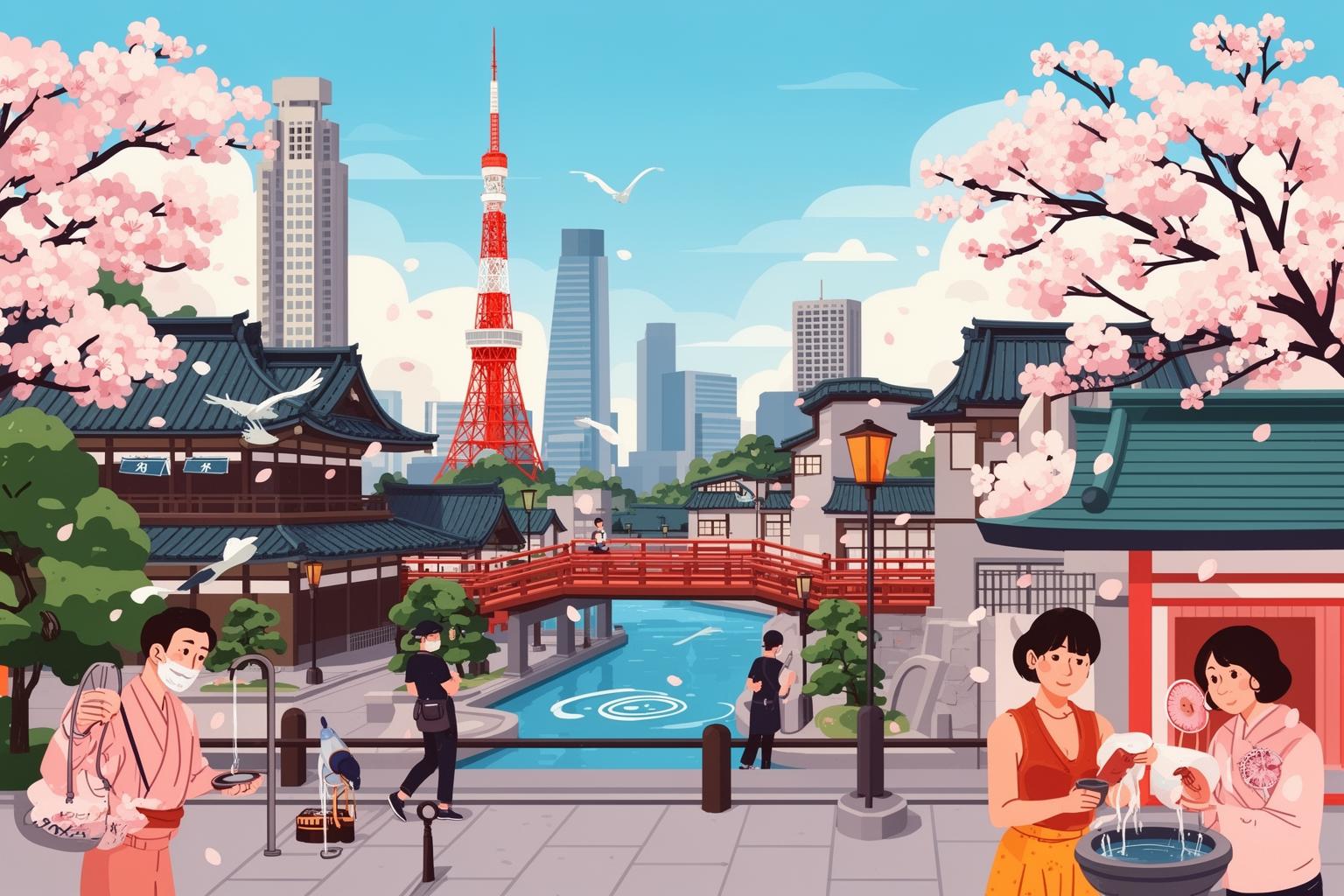
This is the absolute, non-negotiable, most important rule of sento: you must thoroughly wash your entire body before entering the tubs. The baths are for soaking, not cleaning. The water is shared by everyone, so entering it with soap or dirt on your body is a serious breach of etiquette. Find an empty washing station, which includes a faucet, a shower head, a small plastic stool, and a bucket. Sit on the stool—washing while standing is considered rude as you might splash others. Use the bucket to scoop water from the faucet to rinse yourself, or use the shower head carefully to avoid spraying neighbors. Scrub well with soap and your small towel. Once completely clean and rinsed of all suds, you’re ready for the tubs. As a final act of consideration, it’s good practice to rinse off your stool and the area around you before leaving, ensuring it’s clean for the next person. This simple gesture beautifully reflects Japanese social awareness.
Soaking and Socializing (Or Not)
Now comes the reward. Sento usually feature several tubs with different temperatures and functions. There’s often a main, very hot tub, a cooler one, and specialty baths like a jetto-basu (jet bath) with strong water streams for a DIY massage. You may also encounter the infamous denki-buro, or electric bath. This tub uses a low-voltage electric current between two plates, creating a tingling sensation said to ease muscle aches. Approach with caution—it’s a strange and intense experience! When entering any tub, do so slowly and gently to avoid splashing. And here’s the final, key rule about the small towel: it must never, ever touch the bathwater. It’s considered unclean. You can fold it neatly and place it on your head, as many regulars do, or leave it beside the tub. Regarding socializing, follow the vibe. In Osaka, it’s common for an Oba-chan to start a conversation, asking where you’re from or commenting on the weather. Feel free to chat, but it’s also perfectly fine to soak quietly and enjoy the warmth. One last practical note for foreigners involves tattoos. Traditionally, tattoos were linked to the yakuza (Japanese mafia) and banned in many public baths. This is gradually changing. Many neighborhood sento, especially in cosmopolitan cities like Osaka, are becoming more tolerant, particularly with foreigners. Some may ask you to cover tattoos with a waterproof patch, while others won’t mind at all. The best approach is to check their website or ask at the front desk. Being honest and polite will serve you well.
The Osaka Flavor: What Makes the Sento Here Different?
Although the fundamental principles of sento are consistent throughout Japan, the atmosphere can vary greatly from region to region. A sento in a tranquil Kyoto neighborhood might seem like a silent, meditative sanctuary. In Tokyo, one might be efficient and anonymous. In contrast, an Osaka sento is a completely different experience. It is a place filled with vibrant, unapologetic, and joyful noise—reflecting the city’s spirit: loud, friendly, and deeply communal.
Loud, Proud, and Full of Chatter
The most noticeable difference in an Osaka sento is its volume. The high-ceilinged, tiled room naturally amplifies echoes, and Osakans fill this space with lively conversation. People don’t just speak to the person beside them; they’ll call out to friends across the room. Laughter is frequent and uninhibited. The subjects reflect Osaka life perfectly. You’ll overhear passionate debates about the latest Hanshin Tigers game, detailed discussions about the price of vegetables at different supermarkets, and humorous, theatrical gripes about local politics. There’s a performative element to the storytelling, a desire to entertain everyone present. This contrasts sharply with the more reserved style of communication typical elsewhere in Japan. Being boisterous is not seen as rude; rather, it signals a healthy, engaged community. For foreigners, it’s the best language lesson imaginable—a chance to hear raw, unfiltered Kansai-ben in its natural setting. This open and candid communication style is a hallmark of Osaka culture, and the sento is its birthplace.
The Post-Bath Ritual: The Other Half of the Experience
The sento experience doesn’t end once you step out of the water. The second part unfolds in the changing room, which serves as a neighborhood lounge. After drying off, people don’t just get dressed and leave—they stay. They sit on vinyl benches, sometimes in just their underwear, fanning themselves with uchiwa fans, watching whatever is on the television. This crucial cool-down period is both physical and social. At the heart of this ritual is a vintage glass-doored refrigerator stocked with a variety of classic post-bath drinks in old-fashioned glass bottles. The holy trinity includes furutsu gyunyu (a sweet, mixed-fruit flavored milk), kohi gyunyu (sweet coffee milk), and naturally, ice-cold beer. Drinking one of these while chatting with neighbors is as much a part of the sento tradition as bathing itself. Conversations that began in the tub continue here, and new ones start. It’s a time of unhurried social grace, a buffer between the bath’s relaxation and the demands of the outside world. This culture of lingering, of making time for casual, unscheduled social interaction, feels quintessentially Osaka—a city that understands the value of the pause, the chat, and the shared moment of doing nothing in particular.
Beyond the Water: The Sento’s Role in a Changing City
Despite their deep cultural significance, neighborhood sento face an uncertain future. Across Japan, hundreds of bathhouses close each year, casualties of an aging population, rising fuel costs, and the simple reality that their dedicated owners are retiring without successors to continue the family business. Each closure represents a tear in the social fabric of the neighborhood, a loss felt far more deeply than just the disappearance of a place to bathe.
An Anchor Amid the Ever-Changing Urban Landscape
In a city constantly modernizing, where old wooden houses are replaced by sterile apartment blocks, the sento often serves as a physical and spiritual anchor. These buildings are often the most distinctive in a residential area—beautiful architectural relics that have stood as landmarks for generations. They hold local history and collective memory. When a sento closes, the neighborhood loses more than a service; it loses a piece of its identity. Regular patrons disperse, daily visits stop, and the casual, multi-generational mingling that once happened effortlessly vanishes. The battle to keep sento open is a fight to preserve the connective tissue of these communities, a push against the anonymity and isolation that often seep into modern urban life.
A Place for Intergenerational Bonding
Perhaps the sento’s most essential and endangered role is as a space for intergenerational connection. In today’s age-segregated society, where else can a toddler, a new parent, a middle-aged worker, and a great-grandparent comfortably coexist and interact so naturally and informally? It’s at the sento that advice is handed down—not through lectures, but through casual comments. It’s where children learn respect for their elders through repeated, positive interactions. It’s where the elderly feel seen, valued, and connected to younger generations. This informal mixing fosters a sense of shared identity and mutual responsibility that’s hard to replicate elsewhere. The sento serves as an antidote to ageism, a living library where the stories and wisdom of older generations remain accessible to all. Its survival is a testament to a community’s belief that people of all ages have something to offer one another.
So, why do people still go to the sento? They come for the impossibly hot water that warms you to the bone on a winter’s night. They come for the powerful jets that ease a week’s worth of stress from their shoulders. But most of all, they come for each other. They come to be seen, to be heard, and to be reminded they are part of something greater than themselves. The sento is a perfect microcosm of Osaka itself—perhaps a little worn around the edges, but unpretentious, full of heart, a bit noisy, and fundamentally built on the warm, steamy foundation of human connection. To truly understand this city, you must look beyond the dazzling neon of Dotonbori and the grandeur of its castle. You need to grab a small towel, find a neighborhood bathhouse with a grand temple roof, and simply listen. Listen to the clatter of plastic buckets, the roar of the water, and the rise and fall of conversation. It’s there, in the steam, that you’ll discover Osaka’s warm, beating heart.