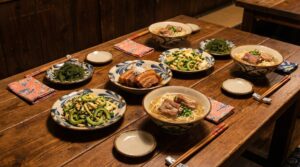
Osaka, a city that pulses with a vibrant, almost electric energy, is a labyrinth of culinary wonders. Its reputation, built on the hallowed grounds of takoyaki stands, secretive kushikatsu joints, and steaming bowls of udon, is well-earned. Yet, beneath this celebrated surface of classic Japanese fare lies a deeper, more complex gastronomic tapestry, one woven with threads from across the globe. To truly understand the soul of this metropolis, one must venture beyond the dazzling lights of Dotonbori and the commercial canyons of Umeda. One must ride the rhythmic clatter of the Osaka Loop Line to a place like Bentencho, a district in the city’s Minato Ward where the true international heart of this port city reveals itself, not in grand monuments, but in the quiet, profound satisfaction of a shared meal. It is here, amidst the hum of daily life and the shadows of waterfront industry, that a remarkable and welcoming culinary scene has blossomed, offering some of the most authentic and soul-stirring Halal Indian cuisine in the entire Kansai region. This isn’t just about finding food that meets a dietary need; it’s about discovering a community, a story of migration and adaptation, a taste of home for some and a delightful revelation for others. Bentencho serves as a powerful reminder that a city’s identity is constantly evolving, enriched by the new flavors and faces that choose to call it home. It offers a journey not just through the streets of Osaka, but through the rich, aromatic landscapes of the Indian subcontinent, all accessible from a single train station.
For those interested in exploring more of Osaka’s vibrant South Asian food scene, the journey continues with the authentic Pakistani cuisine found just a short distance away in Dekijima.
The Unseen Tapestry: Understanding Bentencho’s Soul
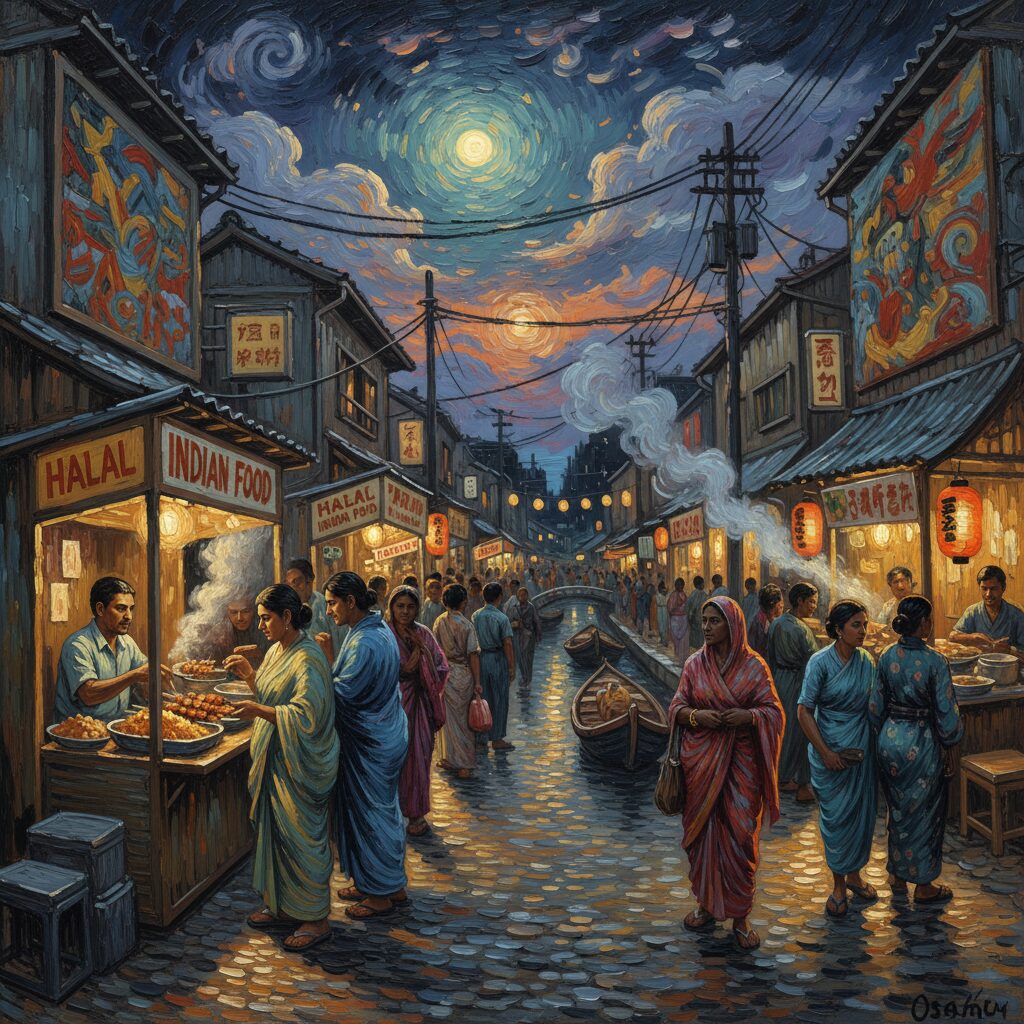
To truly appreciate the culinary treasures of Bentencho, one must first grasp the nature of the district itself. It is not, by any usual standard, a tourist hotspot. It lacks the manicured gardens of Osaka Castle or the trendy boutiques of Shinsaibashi. Instead, its character is shaped by its proximity to the vast Port of Osaka, a gateway that has connected Japan to the world for centuries. The atmosphere here is distinct—it carries a subtle, saline hint of the sea, a whisper of industry, and the steady, humble rhythm of a working neighborhood. The architecture is a practical blend of mid-century apartment buildings, small family homes, and the imposing cylindrical structure of the Osaka Bay Tower, a landmark offering breathtaking panoramic views of the city’s vast expanse.
Historically, Minato Ward has been the powerhouse of Osaka. Its docks and warehouses were, and remain, vital channels of commerce. This enduring link to international trade and shipping has naturally nurtured a more diverse population than in other parts of the city. For generations, sailors, traders, and laborers from across Asia and beyond have passed through or settled in these neighborhoods. This influx created international communities long before Japan became a popular tourist destination. From this fertile ground of cultural exchange arose the demand for authentic, Halal-compliant cuisine—not as a novelty for visitors, but as a necessity for residents. The Indian restaurants here are not a recent fad; they are well-established, integral parts of the local landscape, run by families who have made this corner of Osaka their home. They serve a discerning clientele: local Japanese residents with adventurous tastes, South Asian expatriates seeking a true taste of home, and increasingly, informed travelers drawn by whispers of Bentencho’s culinary secret.
Strolling the streets around Bentencho Station, you experience this blend of the local and the global. A traditional Japanese sento (public bath) stands next to a small grocery store selling imported spices and lentils. Children in school uniforms chatter in the crisp Osaka dialect as the scent of freshly baked naan wafts from a nearby doorway. This is the magic of the place—it feels genuine, lived-in. It offers a deeper, more nuanced insight into modern Japan, a nation navigating its identity amid growing global connections. The quest for Halal food here becomes more than a simple search for nourishment; it turns into an act of urban exploration, a way to peel back the city’s layers and discover the vibrant, multicultural heart beating just beneath the surface.
The Promise of the Plate: Navigating the Halal Landscape
For Muslim travelers in Japan, the culinary scene can sometimes feel like a beautiful yet challenging maze. The widespread use of pork-based broths, mirin (sweet rice wine) in sauces, and non-Halal meat can turn dining out into a source of anxiety. Nonetheless, the situation has been steadily and wonderfully improving. There is growing awareness and a genuine spirit of hospitality, or ‘omotenashi,’ extended to Muslim visitors. This is where neighborhoods like Bentencho truly stand out. The restaurants here often do more than just offer ‘pork-free’ options. Many are run by Muslims themselves, possessing a profound, firsthand understanding of Halal principles—from sourcing meat from certified suppliers to meticulously avoiding cross-contamination in the kitchen.
The term ‘Halal-friendly’ can carry different meanings, making it a distinction worth recognizing. Some establishments hold official Halal certification from a recognized Japanese body, offering a clear and reassuring signal for diners. Others operate based on trust and transparency, clearly stating they use only Halal-certified meats and do not include alcohol in their cooking, even if they haven’t undergone formal certification. This is often true for smaller, family-run businesses. The charm of the Bentencho scene is that owners are typically present, approachable, and happy to discuss their ingredients and preparation methods. A simple, polite conversation can provide all the reassurance needed. Many display their Halal meat certificates proudly, testifying to their commitment to serving their community. In some cases, you might even find a small designated prayer space, a thoughtful touch that speaks volumes about their hospitality. This commitment transforms a simple meal into an experience of comfort, trust, and welcome, allowing diners to relax fully and savor the intricate dance of flavors before them.
A Symphony of Spice: The Ganges Delta Dining Experience
Imagine stepping off a quiet Bentencho side street, the grey pavement still damp from a passing shower, and pushing open a simple wooden door. The moment you cross the threshold of a place we shall call ‘Ganges Delta Dining,’ you are transported. The air inside is warm, thick with the intoxicating aroma of toasted cumin, simmering ginger, and fragrant basmati rice. The space is intimate, with perhaps no more than a dozen tables draped in rich, saffron-colored cloths. The walls are adorned with intricate tapestries depicting Hindu mythology scenes and brass plates polished to a warm glow, reflecting the soft light from lantern-style fixtures. The gentle, hypnotic rhythm of a sitar plays softly in the background, soothing against the city’s hum outside. This is not merely a restaurant; it is a sanctuary.
The proprietor, a gentleman with a kind smile and eyes seasoned by decades of service, welcomes you not as a customer but as a guest in his home. He understands ‘Halal’ not as a dietary restriction but a sacred trust. He might lead you to your table and, without prompting, quietly explain with pride that all their chicken and mutton come from a certified supplier in Kobe, gesturing toward the framed certificate near the kitchen pass-through. The menu he presents is not an endless, laminated list but a thoughtfully curated selection of dishes celebrating the culinary traditions of Bengal and the greater Gangetic plain.
To start, one must try the vegetable samosas. These are not the pale, greasy triangles found in lesser places. Here, they are plump, perfectly golden pyramids with a delicate, flaky crust that shatters at the touch of a fork. The filling is a masterful blend of spiced potatoes and sweet peas, with a hint of green chili that provides gentle warmth rather than aggressive heat. They come with two chutneys: a cooling mint-yogurt and a sweet-and-sour tamarind, each a perfect counterpart to the savory pastry. For the main course, skip the familiar and dive into the house specialty: Kosha Mangsho, a slow-cooked mutton curry. The dish arrives in a traditional earthenware pot, steam billowing from its opening. The mutton is impossibly tender, falling away from the bone with minimal effort. The gravy is the star—a deep, dark, complex concoction, rich with caramelized onions, garlic, ginger, and a secret blend of whole spices dry-roasted to release their essential oils. It’s a dish that speaks of patience, with flavors coaxed out over hours rather than minutes. You savor it with a mound of fluffy, long-grain basmati rice, each grain separate and fragrant, or better yet, with a piece of luchi, a light, puffy deep-fried bread that is a Bengali delicacy. The airy, soft bread is the perfect vehicle for scooping up every last drop of the magnificent sauce. To drink, a salted lassi, cool and refreshing, cleanses the palate and tempers the curry’s richness, preparing you for the next blissful bite. It’s a meal that nurtures both body and soul, a testament to the power of authentic, lovingly prepared food.
The Tandoor’s Roar: Finding a Quick Bite at Spice of the Silk Road
Not every meal requires a long, contemplative experience. Sometimes, the pace of travel calls for something quicker but no less satisfying. For this, another type of establishment thrives in Bentencho, which we might call ‘Spice of the Silk Road.’ This place has a different energy—brighter, more bustling, situated on a slightly busier street closer to the station. The clientele is a vibrant mix of office workers on lunch breaks, local families grabbing takeout, and students from a nearby technical college. The centerpiece is an open kitchen dominated by the formidable presence of a clay tandoor oven. The air crackles with the sound of sizzling skewers and the rhythmic slap of naan dough against the oven’s searing hot walls. The aroma here is smokier, more primal, focused on the char and spice of grilled meats.
The owner, a younger, more energetic man, manages the lunch rush with practiced ease. He points to the lunch set menu, a great value proposition common in Japan. For a very reasonable price, you get a choice of two curries from a daily selection, a large, freshly baked naan or a serving of saffron rice, a small salad, and a drink. The efficiency is Japanese, but the flavors are purely subcontinental. The Halal chicken tikka is a must-try. The chicken chunks are marinated overnight in a yogurt and spice blend that makes them succulent and flavorful. Blasted with the intense heat of the tandoor, the exterior gains a beautiful char while the inside stays juicy and tender. Each bite bursts with smoky, tangy, and spicy notes. Another excellent choice is dal makhani, a creamy, slow-cooked black lentil curry. Though vegetarian, its richness and depth make it as satisfying as any meat dish. It’s earthy, buttery, and utterly comforting.
The naan bread served with the meal is a spectacle itself. Pulled fresh from the tandoor, it arrives impossibly puffy and blistered, glistening with melted ghee. Tearing into it releases a cloud of steam. It is both crispy and chewy, perfect for soaking up every last trace of curry on your plate. For first-time visitors, a practical tip is to observe local custom. The lunch sets are designed for individual diners, but the portions are generous. Don’t hesitate to ask for a refill of naan or rice; some places offer this free or at a small charge during lunch. ‘Spice of the Silk Road’ represents the everyday face of Halal Indian dining in Bentencho—fast, affordable, consistently delicious, and deeply woven into the neighborhood’s daily rhythm.
A Feast for the Family: The Grandeur of The Minato Mughal
For special occasions, group dinners, or simply a wish to indulge, a third type of restaurant awaits in the quieter residential streets of Bentencho. Let’s call it ‘The Minato Mughal.’ The ambiance here is one of refined comfort. Warm, subdued lighting casts a welcoming glow on dark wood furniture and plush, cushioned seating. The décor pays homage to the opulent artistic traditions of the Mughal Empire, with intricate geometric wall patterns and arched doorways evoking the architecture of a bygone era. This is a place designed for lingering, conversation, sharing large platters, and creating memories.
‘The Minato Mughal’ specializes in the rich, aristocratic cuisine of Northern India and Pakistan. This is celebratory food. The menu is extensive, but clear highlights are mixed grill platters and biryanis. Ordering the Mughal’s Grand Platter is an event. A large, sizzling hotplate arrives piled high with a stunning assortment of tandoori treasures. There are seekh kebabs made from finely minced Halal lamb, seasoned with herbs and spices, grilled to perfection. Malai tikkas, boneless chicken pieces marinated in a mild but flavorful cream cheese and cardamom mix that melts in your mouth. Large, succulent tandoori prawns, their shells charred and smoky, meat sweet and tender. Accompanied by grilled onions, bell peppers, and dipping sauces, it’s a communal feast inviting everyone to partake.
The crowning glory, however, is the Hyderabadi Mutton Biryani. This is not merely rice mixed with curry; it is a complex, layered masterpiece. Fragrant long-grain basmati rice and tender Halal mutton are cooked together using the ‘dum’ method, where the pot is sealed with dough and cooked over low heat. This allows steam to build inside, infusing every grain of rice with the aromas of meat, fried onions, fresh mint, and whole spices like saffron, cloves, and cinnamon. When the seal is broken at the table, a cloud of aromatic steam rises, a prelude to the magnificent flavors within. Each spoonful reveals new combinations of textures and tastes—the tender meat, fluffy rice, sweet caramelized onions, fresh bursts of herbs. It is a dish requiring skill, patience, and a deep spice knowledge, and ‘The Minato Mughal’ executes it flawlessly. Visiting here is more than a meal; it’s a culinary occasion, the perfect way to end a day exploring Osaka, surrounded by friends or family in a warm, hospitable setting.
Beyond the Fork: Embracing the Bentencho Locale
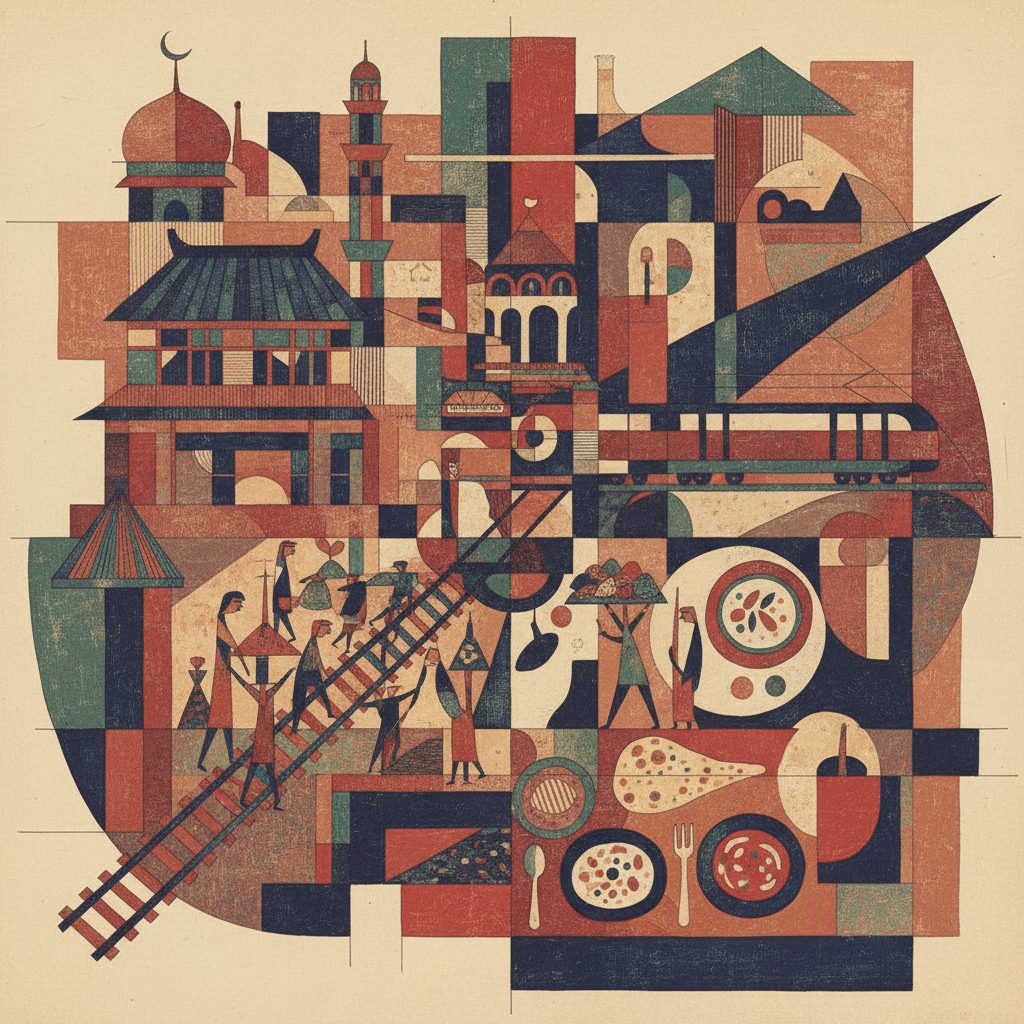
A visit to Bentencho for a meal should be viewed as a chance to discover a fascinating and often overlooked part of Osaka. The district centers around JR Bentencho Station on the Osaka Loop Line and the Osaka Metro Chuo Line, making it an exceptionally convenient transportation hub. This connectivity serves as your gateway to the broader Bay Area. Before your dinner reservation, consider taking the elevator up to the Art Hotel Osaka Bay Tower, located right next to the station. The views from the 51st floor are truly spectacular, offering a 360-degree panorama that spans from the downtown skyscrapers to the distant mountains of Kobe and the iconic red arcs of the Minato Bridge. Watching the sunset from this viewpoint, as the city lights begin to twinkle below, is a genuinely magical experience.
For sports enthusiasts or concert attendees, Kyocera Dome is just one stop away on the Loop Line or an enjoyable walk from the district. Bentencho’s Indian restaurants provide an ideal pre-game or post-concert meal—far more interesting and satisfying than typical stadium food. The area’s location on the Chuo Line also puts you directly in line with some of Osaka’s premier attractions. Traveling west, the line ends at Cosmosquare, your access point to the bay’s islands. Heading east, it’s a direct route to the Osaka Castle area (Tanimachi Yonchome Station) and further into the city center. Universal Studios Japan is also easily reached with a quick transfer from Bentencho to the JR Yumesaki Line.
Perhaps the best way to experience Bentencho is simply to allow time for wandering. Stroll beneath the elevated train tracks, explore the small shopping arcades, and observe the everyday rhythms of the neighborhood. Here, you’ll discover the essence of Osaka—not in a polished tourist attraction, but in the genuine, unscripted moments of a community at ease with itself. This area rewards curiosity. First-time visitors can feel comfortable; although it isn’t tourist-focused, the locals are friendly, and the environment is safe and welcoming. Carrying some cash is wise for smaller shops, but most restaurants accept credit cards. Don’t hesitate to enter a place that catches your eye; a smile and a gesture can overcome any language barrier, often leading to a delicious and memorable experience.
A Lasting Flavor
The journey to Bentencho in search of Halal Indian food is ultimately a journey into the heart of contemporary Osaka. It uncovers a city that is far more diverse, cosmopolitan, and welcoming than its popular image might imply. This experience shows that the most meaningful travel moments often lie not in famous landmarks, but in the quiet side streets where communities come together and share the flavors of their heritage. The aromas of cardamom and cumin wafting through Bentencho are more than just a sign of a great meal; they represent a city confidently embracing its place in the world. So, when you visit Osaka, by all means, enjoy the takoyaki, visit the castle, and marvel at the neon-lit streets of Namba. But then, hop on the Loop Line. Let the rhythmic hum of the train carry you to Bentencho, and allow your senses to lead you to a meal that will not only satisfy your hunger but also deepen your understanding of this remarkable, multifaceted city. It is a detour that offers not just flavor, but a genuine and heartfelt connection to the true spirit of Osaka.