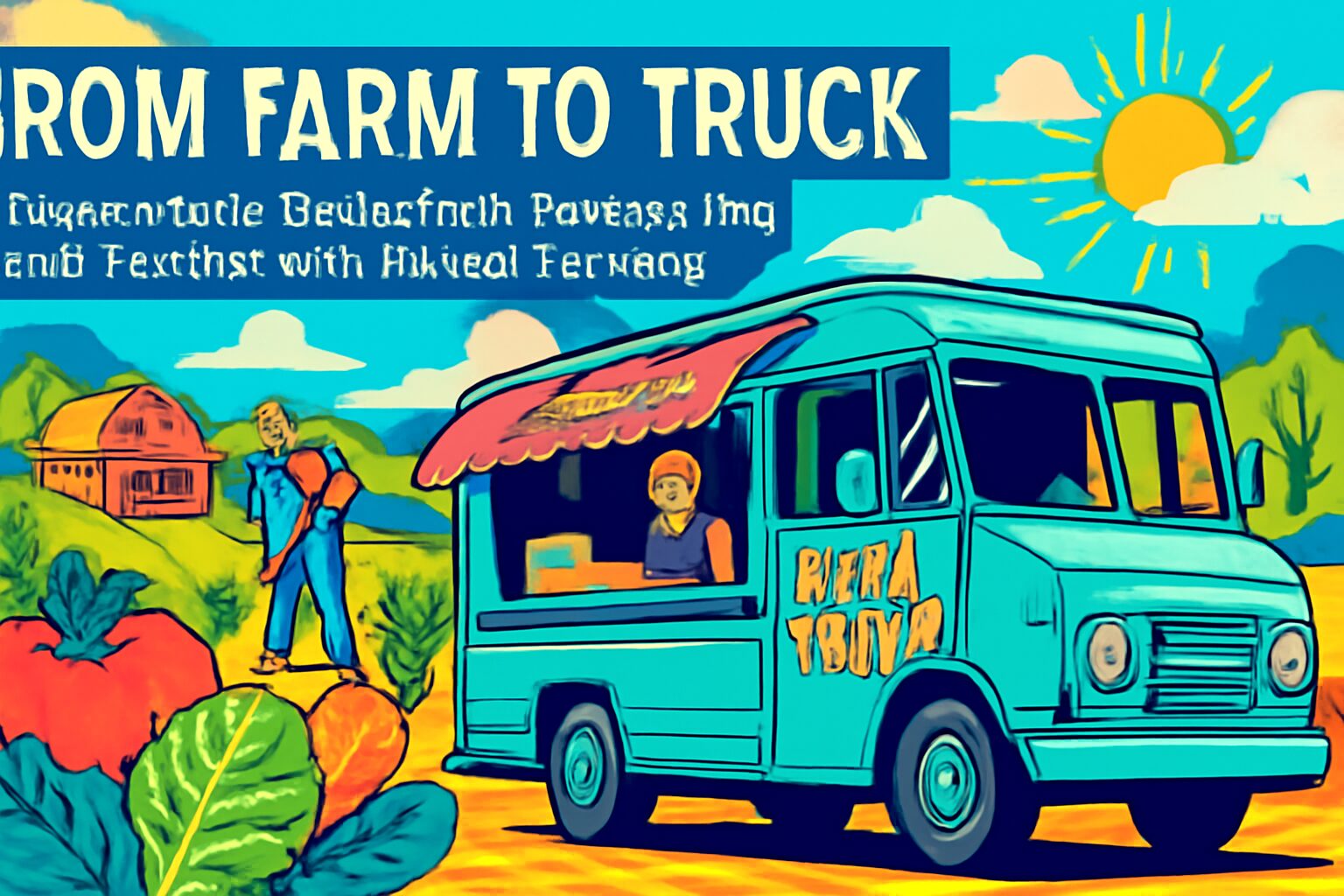
A new culinary venture is taking root in the Kansai region, aiming to transform a quiet, scenic area into a must-visit destination for food lovers. ‘Ruta Truck,’ a kitchen car business, has officially launched in the Tabara district of Shijonawate, a city nestled on the eastern edge of Osaka Prefecture. This initiative is more than just a new place to eat; it’s a strategic move to spotlight local agriculture, stimulate the regional economy, and redefine tourism in an often-overlooked part of Kansai.
Background: A Scenic Bypass Seeks a New Identity
Shijonawate, a city with a population of approximately 55,000, is strategically located on the route connecting the bustling metropolis of Osaka and the ancient capital of Nara. Its Tabara district, in particular, is blessed with rich nature and a tranquil atmosphere. However, for many travelers, this area has long been a mere transit point rather than a destination in itself.
This project emerges amidst a growing trend in Japan: the rise of the kitchen car. The food truck industry has seen a significant boom, particularly since 2020. Data from the Japan Finance Corporation (JFC) revealed that in 2021, nearly 60% of kitchen car entrepreneurs had started their business during the pandemic. This model offers flexibility and lower startup costs, making it an attractive option for innovative culinary concepts that can bring unique experiences directly to consumers, even in rural areas.
Ruta Truck leverages this trend to tackle a local challenge: how to capture the attention of passersby and create a reason for them to stop, stay, and explore. By focusing on hyper-local ingredients, the business aims to create an authentic taste of the region that cannot be found anywhere else.
The ‘Ruta Truck’ Strategy: Hyper-Local and Hyper-Fresh
The core of Ruta Truck’s appeal lies in its commitment to the “farm-to-truck” philosophy. The menu is a celebration of Shijonawate’s agricultural bounty, featuring ingredients sourced directly from local farmers.
A Taste of Tabara
Key items on their menu include dishes and drinks made with locally harvested honey, seasonal fruits, and fresh vegetables. This approach not only guarantees exceptional freshness and flavor but also provides a direct economic benefit to local producers. By creating a new, consistent sales channel for their produce, Ruta Truck supports the sustainability of local agriculture. The goal is to create a symbiotic relationship where the success of the food truck is directly linked to the prosperity of the community’s farmers.
More Than Just Food
Ruta Truck’s vision extends beyond its menu. The operators aim to make the kitchen car a hub for local information and interaction. It serves as a delicious introduction to the Tabara district, encouraging visitors to explore nearby attractions, hiking trails, and farms. The mission is clear: to convert a quick meal stop into a memorable local experience.
Future Outlook and Projected Impact
The launch of Ruta Truck is poised to have a multifaceted impact on Shijonawate and the wider Kansai region.
Economic Revitalization
On a local level, the most immediate impact will be on the economy. By prioritizing local sourcing, the venture directly injects revenue into the community’s agricultural sector. If successful, it could inspire similar small-scale, locally-focused enterprises, creating a micro-economy centered around food and tourism.
A New Model for Regional Tourism
Ruta Truck could become a blueprint for other rural or suburban areas in Kansai that are struggling to attract tourists. It demonstrates that large-scale infrastructure is not always necessary to create a compelling destination. Authentic, high-quality, and Instagrammable culinary experiences can be powerful drivers of micro-tourism, attracting visitors who seek unique stories and flavors off the beaten path.
Changing Perceptions
This initiative has the potential to permanently alter the perception of Shijonawate. By creating a strong association with delicious, fresh, and local food, the city can build a new brand identity. Instead of being a green space on a map between two major cities, it can become known as a culinary waypoint, a place worth detouring for.
As Ruta Truck begins its journey, it carries with it the hopes of a community. It’s a small truck with a big mission: to prove that with fresh ideas and even fresher ingredients, any place can become a destination. For travelers in Kansai, it offers a new and compelling reason to slow down and savor the local flavor.