
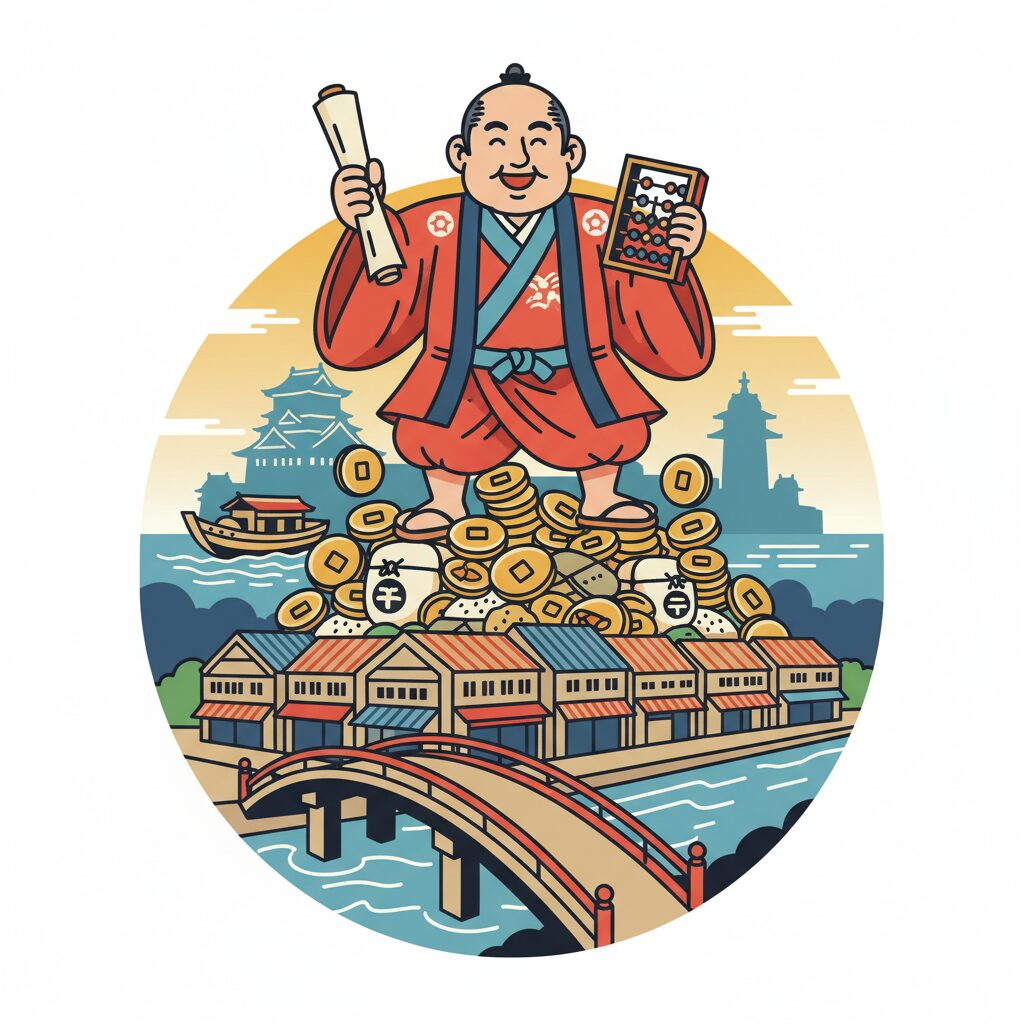
The first time you hear it, it’s a little jarring. You’re standing in a bustling, covered shopping arcade, the air thick with the scent of grilled eel and sweet soy sauce. An elderly woman, her back bent with a lifetime of hard work, picks up a daikon radish. She looks the shopkeeper dead in the eye, her voice not a whisper but a confident declaration, and asks, “Nambo?” How much? But the tone isn’t just a simple query. It’s an opening gambit, the first move in a time-honored dance. In Tokyo, you might see a polite nod, a quiet acceptance of the price tag. Here, in the heart of Osaka, the price tag is merely a suggestion, a starting point for a conversation about value. This is your first lesson in the city’s economic soul. For a foreigner, especially one coming from a culture of fixed prices and quiet consumption, this world can feel abrasive, confusing, even a bit aggressive. You see people arguing over a few yen for a bundle of green onions and then, an hour later, dropping a small fortune on a multi-course blowfish dinner without batting an eye. It’s a city of contradictions that all point back to one central, guiding principle: the unshakeable, all-encompassing spirit of the merchant, the shōnin damashii.
This isn’t about being cheap. That’s the most common, and most shallow, misunderstanding of Osaka. This is about a deep, almost spiritual dedication to the concept of value. For centuries, while Tokyo was the seat of samurai and bureaucrats, a city of rigid hierarchies and performative appearances, Osaka was the nation’s kitchen, its warehouse, its bank. It was a city built not by warriors or politicians, but by merchants who lived and died by their ability to discern quality, negotiate terms, and maximize the return on every single coin. That DNA runs through the veins of the city today, shaping everything from how people buy their groceries to how they make friends, from the layout of the neighborhoods to the rhythm of the local dialect. Forget the tourist clichés of glittering signboards and friendly locals for a moment. To truly understand life in Osaka, to navigate its social currents and feel at home in its vibrant chaos, you have to understand how its people think about their money. It’s a mindset that will challenge you, change you, and ultimately, teach you the profound difference between a price and its worth.
This mindset is also evident in how the city is adapting to external economic pressures, such as the recent plunge in Chinese visitors reshaping Kansai’s tourism industry.
The Soul of the Deal: More Than Just Haggling
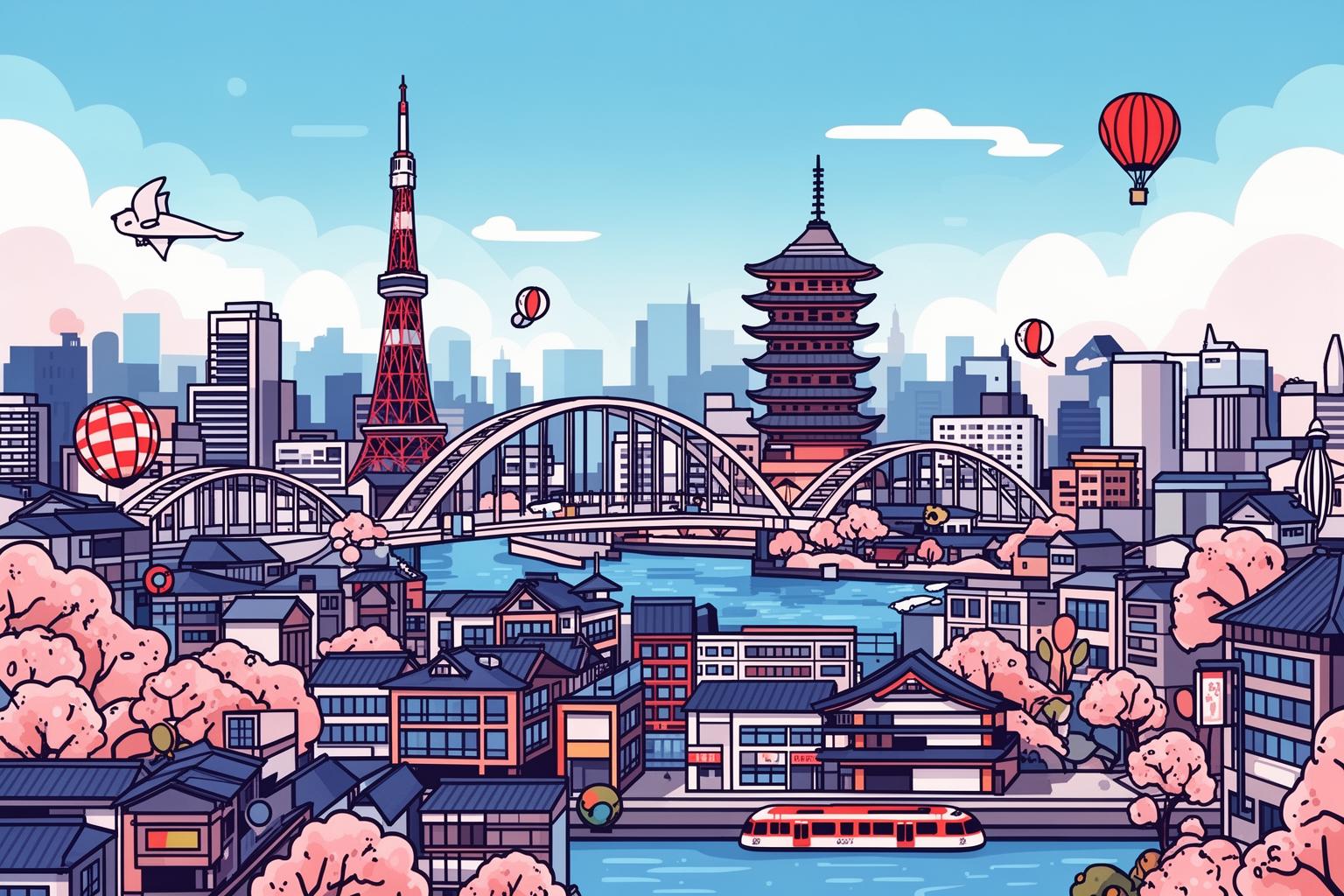
Step into any of Osaka’s extensive shotengai, the covered shopping arcades that serve as the city’s lifeblood, and you enter a stage where the daily drama of commerce unfolds. These arcades differ greatly from the sterile, climate-controlled malls found elsewhere. Places like Tenjinbashisuji, the longest in Japan, are vibrant, living ecosystems. The air buzzes with vendors’ calls, the sizzling of takoyaki grills, and the rumble of bicycles weaving through crowded paths. Here, the essence of Osakan values is most raw and visible.
“Nambo?” – The Opening Line of Commerce and Connection
The classic Osaka phrase, “Nambo?” (“How much?”), is often spoken with a lilting, almost teasing tone. It stands in stark contrast to the polite, standardized “Ikura desu ka?” commonly used throughout Japan. This difference in phrasing carries great significance. Whereas “Ikura desu ka?” is a passive request for information, “Nambo?” is an assertive engagement. It declares, “I’m here, I’m a savvy buyer, and I’m ready to negotiate the real value of this item.” For foreigners, this straightforwardness can be daunting. It may feel like being put on the spot, but in fact, it’s an invitation. Shopkeepers expect it and even welcome it. Their reply often goes beyond a price—it’s a story about where the fish was caught that morning or why these particular strawberries are especially sweet this season. A skilled Osakan shopkeeper is simultaneously a performer, an educator, and a negotiator.
What follows is a masterful dance of human interaction. A customer might point out a small blemish on an apple, not as a complaint but as a light-hearted reason to ask for a slight discount. The vendor might laugh, add an apple as omake (a little extra), and say, “Okay, for you, special price!” This exchange isn’t a contest but a way of building a relationship. The customer leaves feeling victorious, proud of their keen eye, while the shopkeeper secures not just a sale but a loyal patron who will return tomorrow. This daily ritual, repeated countless times across the city, reinforces a fundamental belief: commerce should be personal, dynamic, and mutually rewarding. It sharply contrasts with the impersonal, transactional nature of a Tokyo convenience store, where interactions are designed to be brief and frictionless.
The Art of “Mekiru” – Discerning True Value
Bargaining, or negiru, is only one tool in the Osakan shopper’s toolkit. The key skill is mekiru: having a discerning eye for quality and value. Osakans take pride not in merely buying the cheapest item, but in acquiring the best item at the lowest possible price. This is an important distinction. They are connoisseurs of cost-performance. Achieving this requires knowledge and effort. You must understand the seasons, know which butcher offers the best cuts on Tuesdays, and which fishmonger gets deliveries at 3 p.m. It’s an active, engaged form of consumerism.
Take buying clothes as an example. In Tokyo, status is often signaled by brand names and shopping in fashionable areas like Ginza or Omotesando, where a high price is part of the allure, symbolizing success. In Osaka, especially in neighborhoods like Amerikamura or Shinsaibashi, a vibrant culture of secondhand and vintage shops thrives. Pride comes from finding a high-quality, branded jacket for a fraction of the original price. The thrill of the hunt and the story behind the find are as valuable as the item itself. The wearer isn’t just showing off a jacket—they’re boasting their intelligence, resourcefulness, and mekiru ability. This mindset extends to everything. Osakans might spend hours researching a new microwave’s specs, comparing prices between big-box electronics stores in Den Den Town and local shops, all to save a few thousand yen. It’s not about the money saved—it’s about winning the game of value.
Kuidaore and Kechi: The Two Sides of Osaka’s Coin
To an outsider, Osaka’s financial behavior may appear schizophrenic. The same individual who is willing to walk an extra ten minutes to use a vending machine selling drinks for 100 yen instead of 120 yen won’t hesitate to spend 10,000 yen on an evening of eating and drinking with friends. This seeming contradiction is fully explained by two local concepts: Kuidaore and Kechi. They are not opposing tendencies but rather two expressions of the same value-driven philosophy.
Kuidaore: Eating Until You Drop (and Go Broke)
Osaka’s most renowned motto is Kuidaore, which means “eat until you drop” or, more dramatically, “eat yourself into bankruptcy.” This isn’t about indulging in Michelin-starred temples of haute cuisine—though Osaka certainly has those. Kuidaore focuses on joyful, enthusiastic, and generous spending on good, honest, and high-value food. Osakans see food as one of the few things always worth paying for, provided the quality and experience justify the expense.
The city’s culinary scene is rooted in this idea. Streets are filled with stalls selling takoyaki (octopus balls) and okonomiyaki (savory pancakes), where you can enjoy a hot, delicious, and satisfying meal for less than 1,000 yen. The culture of tachinomi (standing bars) is deeply embedded here. These small, often crowded spots offer beer and skillfully prepared dishes for a fraction of the price of a sit-down meal. People from all walks of life—salarymen, students, shopkeepers—stand side by side, sharing food and conversation. The value lies not only in the food but in the communal experience. Spending money facilitates connection. In Osaka, inviting someone out to eat is the highest form of social currency. People willingly spend on food because the return on investment—in satisfaction, joy, and social bonding—is incredibly high. It’s a rational use of resources, not an extravagant expense.
Kechi: The Unapologetic Frugality
On the flip side is kechi. Elsewhere in Japan, being called kechi is an insult, suggesting stinginess or miserliness. In Osaka, it can be a term of affection, acknowledging financial savvy. The Osakan version of kechi isn’t about hoarding money; it’s an almost militant opposition to wasting it. Osakans despise paying for things they believe should be free or could be obtained more cheaply with some effort. This feeds into their obsession with point cards, coupons, and discount stickers.
Watching a shopper in an Osaka supermarket around 7 p.m. is a lesson in strategic frugality. They linger near the deli and prepared food sections, waiting for staff to place red-and-yellow waribiki (discount) stickers. Snatching a 50% off sticker on a pork cutlet is a moment of pure triumph—a small victory in the daily fight against wastefulness. This mindset explains why Osaka is the realm of 100-yen vending machines and discount ticket shops (kin-ken shops), where you can purchase everything from train tickets to postage stamps for a few percent below face value. Why pay full price when a smarter option is available? An Osakan might refuse to pay for a plastic shopping bag, carefully folding and bringing their own, yet use the 5 yen saved to buy a premium soy sauce, believing its quality elevates the meal. It’s a constant, subconscious calculation of value: spend on what matters and ruthlessly cut costs on what doesn’t. It’s not stinginess; it’s efficiency.
How the Merchant Spirit Impacts Foreign Residents
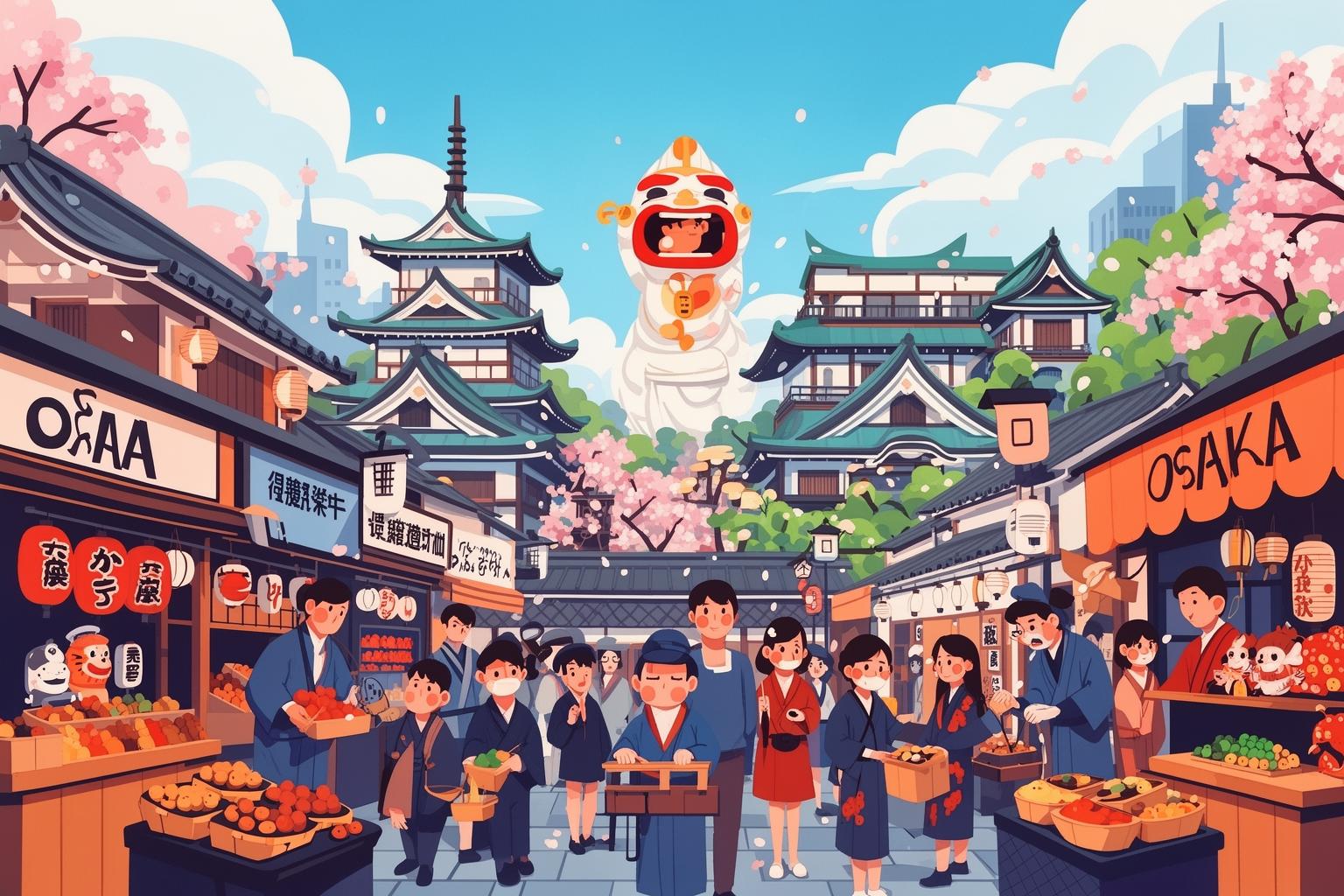
For a foreign resident, immersing yourself in this culture can be a transformative experience. It involves unlearning certain social norms and adopting a more direct, pragmatic approach to everyday life. Initially, this may cause a constant, low-level anxiety, but over time, it often feels liberating.
Navigating the Social Landscape: “Wari-kan” and Generosity
When going out with friends or colleagues in Osaka, the default expectation is almost always wari-kan, or splitting the bill evenly. There’s very little of the awkward maneuvering common in other cultures (and even in Tokyo), where people insist on paying for the entire group. To an Osakan, wari-kan is simply the most logical and fair way to manage the situation. It keeps relationships clear and avoids any sense of obligation. It’s a beautifully practical system that eliminates social friction.
That said, this pragmatism is balanced by an unexpected generosity. When an Osakan does decide to treat you, it’s a meaningful and sincere gesture. But they won’t do it with a quiet, subtle nod to the waiter. Instead, they’re more likely to clap you on the back and say, “Don’t worry, it’s on me tonight! I found this amazing all-you-can-drink deal!” They share the enjoyment of the value they discovered with you. The act of treating someone is combined with the pride of having secured a good bargain. As a foreigner, the best way to navigate this is to embrace the practicality: always assume you will pay your own share, but when someone offers to treat you, accept with genuine appreciation. And if you’re the one treating, don’t hesitate to mention that you used a coupon—they’ll respect you more for it.
Shopping and Daily Life: Learning to “Think Osakan”
To thrive in Osaka, you need to shop like an Osakan. This means letting go of the comfort of large, one-stop supermarkets and embracing the vibrant chaos of the local shotengai. This is where the true value lies. Get to know the local shopkeepers—the man at the tofu shop, the woman at the fruit stand, the family running the butcher shop. At first, you might be just another anonymous face. But if you come regularly and make an effort to chat, you become part of the neighborhood fabric. Before long, you’ll find an extra piece of fried chicken in your bag or a few extra potatoes in your sack. This is the omake culture in action: a reward for loyalty and a cornerstone of community commerce.
This mindset also applies to furnishing your home. Osaka has an extensive network of “Recycle Shops” full of high-quality used furniture, electronics, and housewares. In many cultures, buying secondhand carries a stigma. In Osaka, it’s celebrated as a sign of smart living. Why pay 50,000 yen for a new washing machine when you can get a perfectly good, two-year-old model for 15,000 yen? The money saved can then be spent on experiences that bring more joy, like a weekend trip or a fantastic dinner. Learning to recognize the potential in pre-owned items and the value in shopping local is key to building an affordable and rewarding life in Osaka.
Misunderstandings and Realities: It’s Not Rude, It’s Rational
One of the biggest challenges for foreigners is understanding Osaka’s directness. A conversation about money, which might be considered impolite or vulgar in Tokyo or many Western cultures, is totally normal here. People will openly ask how much you pay for rent or a new coat. They’re not being intrusive; they’re gathering information. They’re genuinely curious about market conditions and whether you got a good deal. This is a form of information sharing within the community.
This bluntness reflects a culture of transparency. In a city of merchants, ambiguity is the enemy. Clear prices and a clear understanding of value are essential for trust. This sharply contrasts with the culture of tatemae (public face) and honne (true feelings) that often complicates communication elsewhere in Japan. In Osaka, what you see is largely what you get. The perceived rudeness is often just a firm commitment to rationality. They aren’t trying to offend, but rather aiming for honest conversation. Grasping this distinction is vital to avoiding misunderstandings and appreciating the refreshing honesty of Osakan communication.
The Architecture of Value: How the City is Built for Smart Spending
The merchant spirit is not merely an abstract concept; it is tangibly embedded in the urban environment. The city itself is crafted to support and encourage the quest for value. From its extensive shopping arcades to its iconic supermarkets, Osaka is a city shaped by and for the savvy shopper.
The Kingdom of the Shotengai
In contrast to Tokyo, where much of life centers around major train stations and their attached department stores, life in Osaka revolves around the shotengai. These covered shopping streets serve as the economic and social hubs of their communities. They are designed as pedestrian-friendly, weather-protected spaces where small, independent shops can prosper. The high concentration of stores fuels intense competition. If one fruit stand sells apples for 120 yen, another just ten meters away might offer them for 110 yen to draw customers. This natural market force keeps prices affordable and quality high for locals.
These arcades form complete ecosystems. You can purchase groceries, get a haircut, visit a doctor, buy a book, and enjoy a coffee all within a few hundred meters. This clustering of services saves both time and money and builds a strong sense of community. Shopkeepers know their customers by name. These are not anonymous transactions; they are daily encounters that weave people’s lives together. The shotengai physically embodies Osaka’s commitment to local, personal, and value-driven commerce.
Super Tamade and the Gospel of Cheap
No exploration of Osaka’s money culture is complete without mentioning Super Tamade. This supermarket chain is an Osaka icon, perfectly capturing the city’s unabashed love of bargains. From the outside, a Tamade store is a sensory overload—a burst of flashing neon lights, loud yellow and red signs, and oddly cheerful music spilling into the street. Inside, it’s chaotic but organized. Narrow aisles, towering stacks of goods, and handwritten signs loudly advertise the day’s deals.
Tamade is famous for its legendary 1 yen sales. Spend over 1,000 yen, and you often get the chance to buy certain items—a carton of eggs, a block of tofu, a head of lettuce—for just one yen. It’s a marketing ploy, yet one that Osakans enthusiastically embrace. Shopping at Tamade is an adventure. It’s a treasure hunt. You might find top-quality wagyu beef alongside piles of inexpensive snacks. Quality varies, so shoppers use their mekiru skills to pick out the best. Super Tamade stands in stark contrast to Tokyo’s pristine, curated, and costly supermarkets like Kinokuniya or Seijo Ishii. It’s loud, chaotic, and proudly, wonderfully cheap. It embodies the belief that saving money doesn’t have to be dull or joyless—in Osaka, it can be a form of entertainment.
Conclusion: Embracing the Osakan Way of Value
Living in Osaka is a continual lesson in the philosophy of value. You come to understand that a price tag is merely a number, while true worth is a complex formula involving quality, experience, and personal satisfaction. You realize that saving money on the ordinary allows you to spend generously on what truly matters. You discover that discussing the cost of something can serve as a bridge to human connection rather than a social faux pas. The merchant spirit, born centuries ago in bustling ports and markets, is not a thing of the past; it remains the city’s vibrant, living foundation.
For a foreigner, embracing this spirit is the key to experiencing the real Osaka. It involves learning to look beyond appearances, to question prices, and to seek out good deals. It means frequenting the local shotengai instead of anonymous malls. It means recognizing that the person who carefully counts their change is the same one who will share a feast with you without hesitation. This mindset rewards effort, values intelligence, and finds joy in practicality. Living here teaches you that managing money is not just a task; it’s a skill, an art, and an essential part of a rich and fulfilling life. Ultimately, Osaka’s greatest lesson is this: a well-lived life is measured not by how much you have, but by how wisely and joyfully you use it.








