In the electric heart of Osaka, where the neon pulse of Dotonbori fades into a rhythm altogether different, lies a neighborhood that wears its soul on its sleeve. This is Amerikamura, or ‘Amemura’ as it’s affectionately known, a vibrant, chaotic symphony of youth culture, street fashion, and unapologetic creativity. For decades, it has been the undisputed epicenter of Osaka’s counter-culture, a concrete canvas where trends are born and buried in the span of a season. Visitors flock here to witness the spectacle, to browse the racks of vintage stores overflowing with denim and leather, and to feel the rebellious energy that crackles in the air. But beneath the layers of avant-garde fashion and the thumping basslines spilling from basement clubs, a quieter, more delicious revolution is taking place. It’s a revolution served in a bowl, steaming and complex, a story told in broth and noodles. Amerikamura, the bastion of visual expression, is also a hidden paradise for ramen aficionados, a place where chefs, much like the designers and musicians who are their neighbors, are pushing the boundaries of tradition. They are the alchemists of Amemura, transforming a classic comfort food into an art form. This isn’t just about finding a good bowl of ramen; it’s about discovering a culinary reflection of the neighborhood itself—bold, innovative, and utterly unforgettable. Forget what you think you know about this iconic district. We’re going on a journey beyond the storefronts and into the steamy kitchens, down the narrow alleys where the true flavor of Amerikamura simmers, waiting to be discovered. It’s a side of the village that tantalizes the palate as much as its fashion sense dazzles the eye, a testament to the idea that true creativity nourishes both the body and the spirit.
For those seeking plant-based alternatives in the area, you can also explore the growing scene of vegan ramen in Namba.
The Soul of the Village: More Than Just a Name
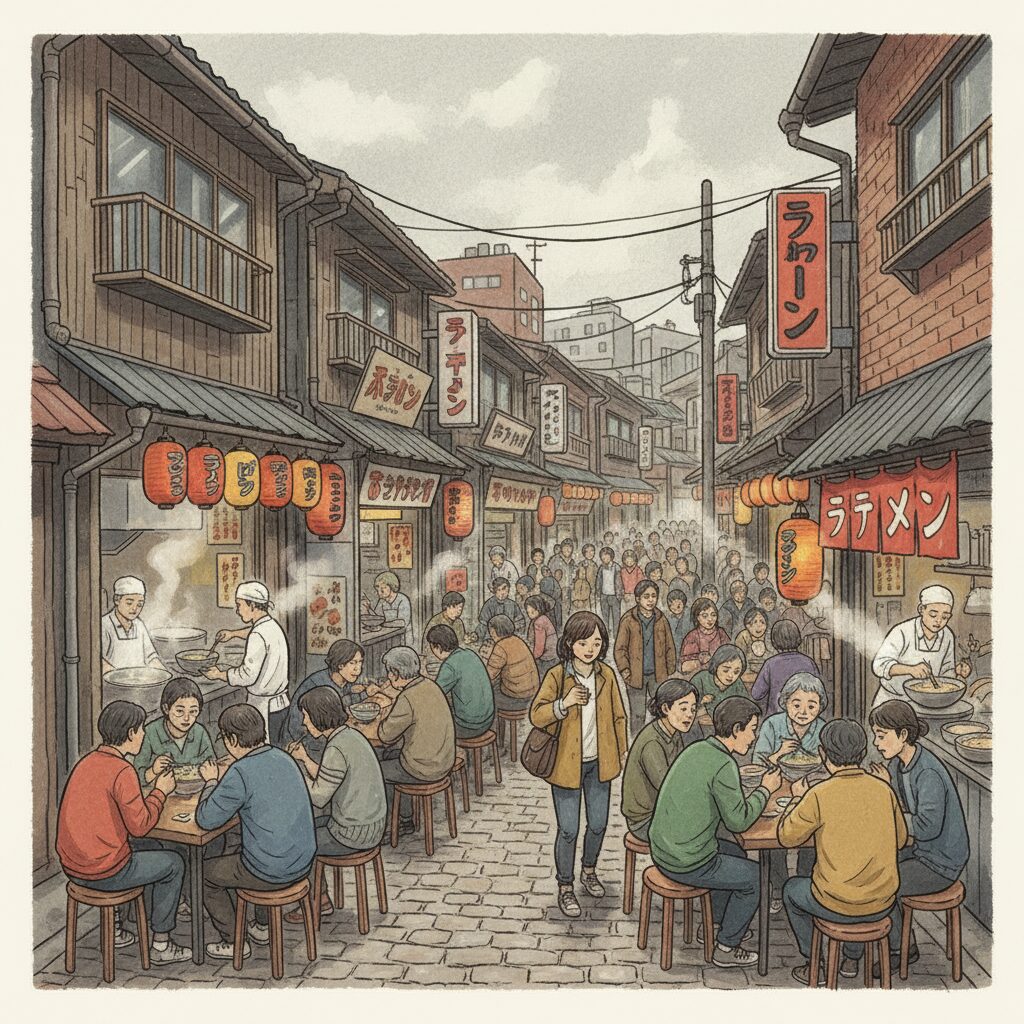
To truly grasp the ramen of Amerikamura, one must first appreciate the spirit of the place itself. The name, ‘America Village,’ is more than a quirky label; it directly reflects its origins. In the late 1960s and early 1970s, this area, located just west of the polished Shinsaibashi shopping arcade, was a cluster of warehouses and quiet streets. It was then that a few pioneering entrepreneurs began importing and selling American goods—vintage clothing, vinyl records, jeans, and surf culture items. They converted their warehouses into storefronts, attracting Osaka’s youth eager for a taste of Western cool. The area flourished into a hub of self-expression, defined by its rejection of the mainstream. The architecture itself tells this story: buildings adorned with bold murals, lampposts playfully sculpted into human figures, and the iconic Sankaku Koen, or Triangle Park, serving as an open-air stage for impromptu performances, fashion parades, and quiet moments of people-watching. This history of cultural importing and reinterpretation is the rich soil from which Amemura’s creative ramen scene has emerged. The chefs here are not simply cooks; they are curators and artists, much like the original shop owners. They take ramen’s foundational elements—the meticulous broths, perfectly crafted noodles, and savory toppings—and infuse them with global influences and a punk-rock spirit. The essence of Amerikamura encourages experimentation, granting chefs the freedom to deconstruct and reinvent. Why not add Italian truffle oil to a chicken broth? Why not incorporate Central American chilies into a spicy miso? Why not craft a vegan ramen that satisfies even the most devoted tonkotsu lover? Elsewhere in Osaka, such culinary departures might be met with skepticism, but here, in the heart of Amemura, they are embraced. The ramen shops are a natural extension of the neighborhood’s DNA: a fusion of Japanese precision and a freewheeling, global sensibility. Eating ramen in Amerikamura is an act of joining this ongoing cultural exchange. Each bowl is a statement—a delicious fragment of the vibrant, ever-evolving mosaic that defines this unique corner of Osaka.
The Alchemists of Amemura: A Tour of Unconventional Bowls
Exploring the labyrinthine streets of Amerikamura in search of ramen is an adventure in itself. The most outstanding shops are rarely those with giant signs or flashy entrances. Instead, they are tucked away, hidden in plain sight, waiting for the curious and hungry. These small sanctuaries of flavor each have a unique personality and are run by masters dedicated to their craft. These are not merely restaurants; they are culinary studios where the art of ramen is reinvented daily. Let us unveil a few of these temples of taste that embody the Amemura spirit.
Tori Paitan Elysium
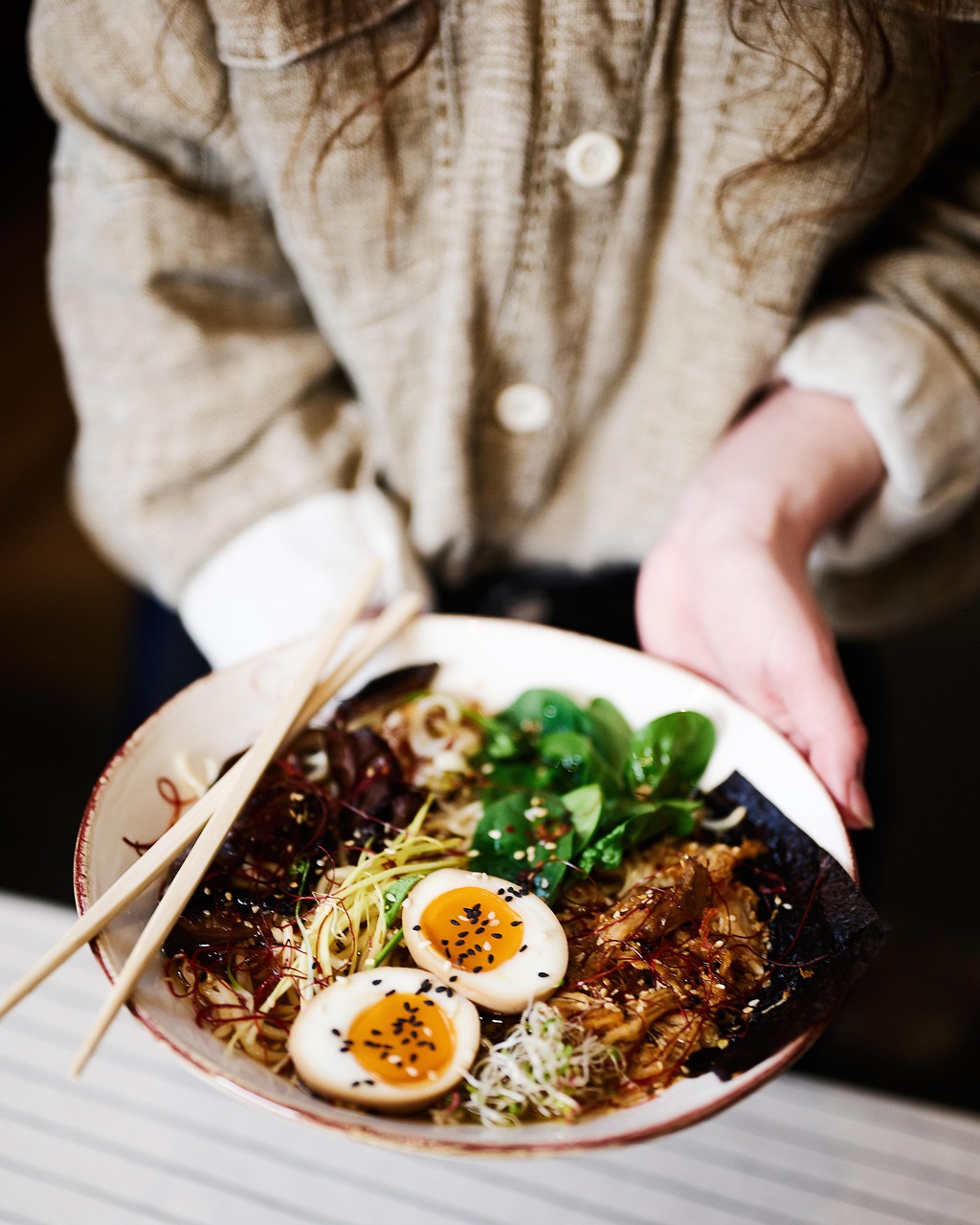
Down a narrow alley, marked only by a simple white lantern and a modest wooden sign, you’ll discover a haven of calm amid the urban buzz. This is the domain of a chef who treats chicken broth with the reverence of a master painter. The dish is Tori Paitan, a creamy, rich ramen made by slowly simmering chicken bones until they dissolve into a velvety, opaque soup. But here, it transcends tradition. The moment you slide open the door, the chaos of Amemura fades away. The interior is minimalist and serene, featuring a long polished light wood counter, soft jazz playing from hidden speakers, and the quiet, focused murmur of satisfied diners. The air carries a clean, deeply savory aroma—not the heavy scent of pork, but something lighter and more refined. You order from a sleek, modern ticket machine, and as you take your seat, you watch the master at work. He moves with quiet, deliberate grace, entirely focused on the bowl before him. When it arrives, it is a masterpiece. The broth is pale ivory, thick enough to coat a spoon yet seemingly light. Resting on the perfectly folded noodles are slices of sous-vide chicken breast, so tender they almost melt on the tongue. A single bright orange marinated egg yolk sits in the center, accompanied by vibrant green scallions and a surprising touch: crispy fried burdock root for texture and a delicate swirl of black truffle oil. The first sip is a revelation. It’s intensely chicken-flavored yet layered with an elusive complexity. It has the comforting richness of a classic Western cream soup combined with the profound umami backbone of Japanese dashi. The truffle oil doesn’t overpower; it enhances, adding an earthy, luxurious note that elevates the experience. This is fusion at its most elegant—a testament to the idea that innovation need not be loud to be revolutionary.
Miso Inferno
If the previous shop was a tranquil temple, this next one is a raucous punk rock show in a bowl. Situated on the second floor of a graffiti-covered building, up a steep flight of metal stairs, this spot pulses with the raw energy of Amerikamura. Loud J-rock blasts from the speakers, the walls are a chaotic collage of concert posters and stickers, and staff greet you with enthusiastic shouts. This place is for the bold, specializing in a fiery, face-melting spicy miso ramen. The menu is straightforward, offering heat levels from ‘A Little Tingle’ to ‘Inferno’s Embrace’. The air seems to shimmer with spice; you can smell roasted chilies, fermented soybean paste, and smoky charred pork. The chef here is the polar opposite of the quiet Tori Paitan master—a whirlwind of motion, laughing with customers while slinging noodles and ladling a broth that looks like molten lava. The bowl set before you is an intimidating, beautiful chaos: thick, wavy noodles designed to absorb every drop of potent soup, submerged in crimson broth. It’s topped with a massive, wobbling chunk of braised pork belly, a mountain of crunchy bean sprouts, and at the summit, a sinister scoop of their secret spice blend. Eating this ramen is a journey. The first taste explodes with flavor: deep, funky miso saltiness, sweet mirin, rich pork fat, and then the heat. It’s not a simple burn but a complex wave of spice that builds, recedes, and transforms, revealing citrus, smoke, and fruit notes from a blend of peppers. Your senses sharpen, your brow begins to sweat, and each slurp makes you feel more alive. It’s a challenge—yes—but one that is immensely rewarding. This bowl is Amerikamura’s rebellious spirit made edible—loud, confrontational, and utterly addictive.
Seabreeze Shio
Just around a corner from the main thoroughfare, this small shop with a sun-bleached blue curtain and a simple wave sign might easily be missed. Step inside, and you’re transported from the heart of the city to a quiet coastal town. The decor features whites and blues, smooth driftwood accents, and fishing nets artfully draped on the walls. The air smells clean and briny, like a fresh ocean breeze. This shop is a tribute to the sea, specializing in Shio ramen, a salt-based broth that’s deceptively simple and notoriously difficult to perfect. The broth’s clarity leaves no room for flaws. The master here is a quiet man who rises before dawn daily to visit the Osaka Central Fish Market, personally selecting his dashi ingredients. His broth is a symphony of ocean flavors, a carefully balanced infusion of various dried fish, kelp, and shellfish. The final bowl is a study in subtlety and grace: the soup is crystal clear, shimmering like liquid gold. Thin, straight noodles offer a firm, delightful bite, while the toppings pay homage to the sea—perfectly grilled scallops still warm with flame scent, plump clams steamed open in sake, a tender slice of sea bream, and a sheet of premium nori. The flavor is clean, delicate, yet profoundly deep. You taste the scallops’ sweetness, the clams’ salty liquor, and the subtle umami from the fish-infused broth. This ramen doesn’t cry out for attention; it whispers. It cleanses the palate and soothes the soul. In a neighborhood known for bold statements, this bowl is a quiet poem—a reminder that sometimes the most powerful expression is one crafted with restraint. It provides a perfect contrast to the area’s intensity, offering a moment of pure, unadulterated flavor that connects you to the waters surrounding the island nation.
Vegan Vanguard
Amerikamura has always been a pioneer of change, so it’s no surprise to find a ramen shop here redefining what a bowl of ramen can be. Catering to a growing demand for plant-based cuisine, this bright, airy spot has achieved the seemingly impossible: rich, satisfying, and complex ramen made without any animal products. The atmosphere is warm and inviting, filled with natural light, hanging plants, and tables made from reclaimed wood. It feels more like a modern café than a traditional ramen-ya. The staff are passionate advocates of their food, eager to share the magic behind their creations. The star is their signature creamy vegan broth—a marvel of culinary engineering blending several nut varieties, soy milk, and a carefully guarded mix of vegetable purees that yield a soup with the body and richness to rival any tonkotsu. The noodles themselves are often infused with vegetables like spinach or paprika, adding extra color and flavor. The toppings showcase the kitchen’s creativity: in place of chashu pork, you might find a hearty slab of grilled king oyster mushroom, seared to bring out a meaty texture and smoky flavor. Other bowls feature crispy fried tofu, tender bamboo shoots, black garlic oil, and a sprinkle of nutritional yeast for a cheesy, savory note. The first sip invites disbelief. How can something entirely plant-based be this creamy, flavorful, and unmistakably ramen? It hits all the right notes—savory, rich, and deeply satisfying. This shop is more than just a destination for vegans; it’s a must-visit for any adventurous eater. It embodies the future-forward, inclusive spirit of Amerikamura, proving that tradition is not a rigid rulebook but a foundation on which to create something new, exciting, and delicious for everyone.
The Amemura Gauntlet: How to Navigate Your Ramen Quest
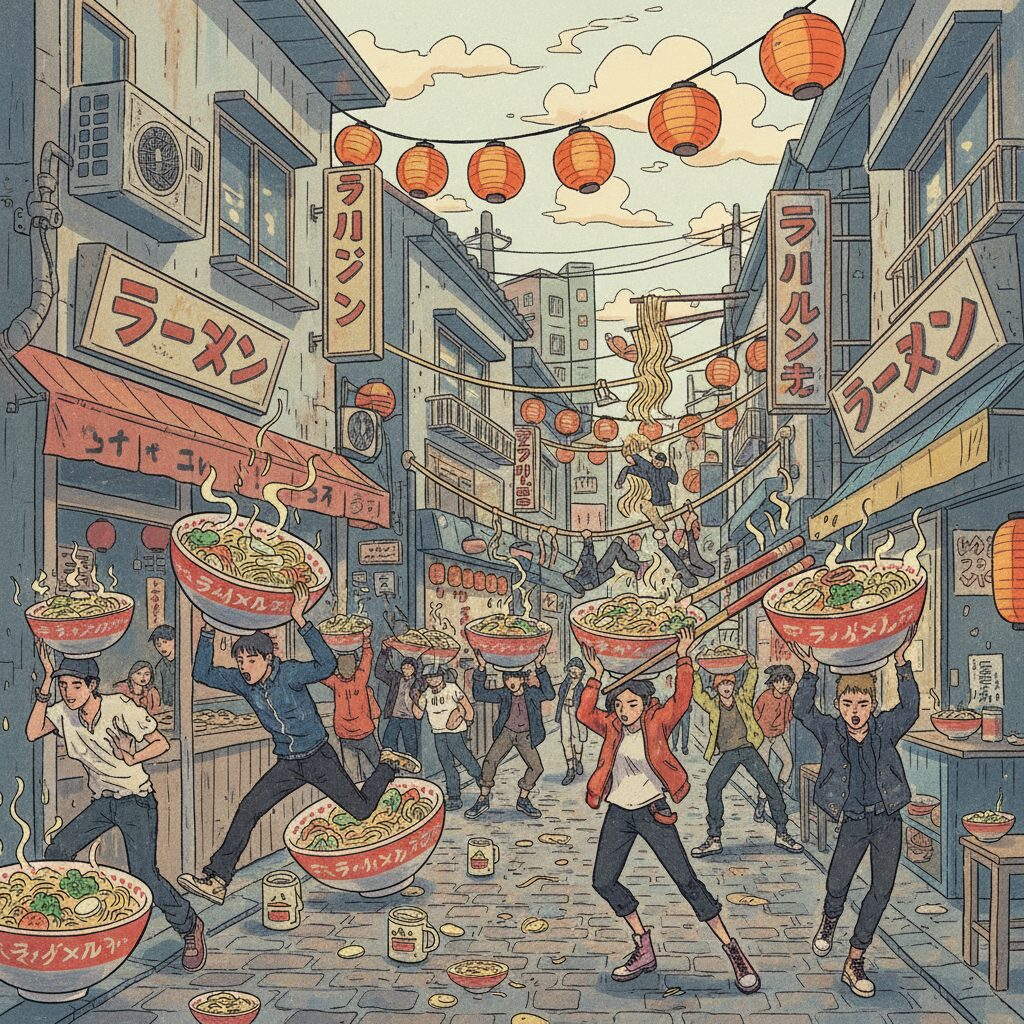
Embarking on a ramen tour of Amerikamura is an exciting experience, but it can be a bit intimidating for newcomers. Japanese ramen shops have their own unique pace and set of customs. Knowing these can elevate a good meal into a great one. Think of this as a friendly guide to blending into the local rhythm and making the most of every bowl. First, let’s discuss timing. Ramen is a quick meal, and the best shops are often small with limited seating. This means that during peak lunch hours (noon to 1:30 PM) and dinner hours (6:30 PM to 8:00 PM), you will almost inevitably face a line. Don’t be discouraged. A queue often signals a quality establishment. The key is to be patient and prepared. Many shops provide benches outside for waiting customers. Turnover tends to be fast, so you won’t wait forever. If time is tight, consider visiting during off-peak hours, such as a late lunch around 2:30 PM or an early dinner before 6:00 PM. Upon entering many of these spots, your first interaction might not be with a person but with a machine. This is the 券売機 (kenbaiki), or ticket vending machine. It’s an efficient system designed to simplify ordering. Most machines in places like Amemura feature English translations or at least pictures of the dishes. You insert your money, then press the button for your chosen ramen, any extra toppings like an egg or additional pork, and sides like gyoza or rice. A small ticket will print out, which you give to the chef or staff when seated. It may seem impersonal at first, but it allows the kitchen to focus solely on preparing the food without handling cash. Once seated, you’ll often be asked about your preferences. This is your chance to customize your bowl like a pro. Common questions include noodle firmness (men no katasa), ranging from very firm (barikata) to soft (yawarakame). Many locals prefer firmer noodles, as they continue to cook in the hot broth. You might also be asked about the broth’s richness (aji no kosa) or the amount of oil (abura no ryo). Don’t hesitate to experiment to find your ideal combination. Now, the most important part: eating. In Western culture, making noise while eating is often seen as rude. In a Japanese ramen shop, the opposite applies. Slurping your noodles is not only acceptable; it’s encouraged. There are two practical reasons for this. First, it cools the hot noodles as you bring them to your mouth, preventing burns. Second, and more importantly, it aerates the noodles and broth, enhancing both aroma and flavor. So, set aside any reservations and slurp confidently—it shows enjoyment and respect for the chef’s work. Finally, remember that ramen is considered a quick meal. While you should never feel rushed, it’s customary to eat at a reasonable pace and then leave, allowing the next hungry customer to take your seat. It’s a rhythm of efficiency and shared appreciation that keeps the spirit of these small, wonderful shops alive.
Beyond the Bowl: Digesting the Amerikamura Experience
A truly exceptional bowl of ramen is both deeply satisfying and invigorating. After your meal, you’ll feel energized and ready to plunge back into the vibrant sensory playground that is Amerikamura. The neighborhood is best explored on foot, without a specific destination in mind. Allow yourself to wander and get lost in its lively ecosystem. One of Amemura’s main attractions is its vintage and second-hand clothing scene. The streets are packed with shops, ranging from tiny, carefully curated boutiques to expansive multi-level stores, each offering a treasure trove of fashion history. You could easily spend hours browsing through racks of perfectly worn denim, rare band t-shirts, leather jackets, and unique accessories. Shopping here is sustainable and offers a chance to discover one-of-a-kind pieces that tell a story. As you stroll, take note of the surrounding walls. Amerikamura serves as a living art gallery. Building facades, security shutters, and utility boxes are adorned with a constantly changing array of murals, graffiti, and intricate sticker bombs. This street art forms the neighborhood’s visual language—a raw, immediate expression that captures its creative energy. The artistic spirit extends to the infrastructure itself, most notably with the ‘Peace on Earth’ lamppost designed by local artist Shohji Yamagami, depicting a human figure holding up the light. When you need a break from the visual feast, stop by one of the area’s many independent coffee shops. Like the ramen chefs, Amemura’s baristas are artisans dedicated to perfecting their craft. These cafes offer a peaceful refuge from the crowds, a chance to recharge with a carefully prepared pour-over or latte while watching the world go by. The undeniable heart of the neighborhood is Sankaku Koen, or Triangle Park. This small concrete plaza serves as Amemura’s social hub. During the day, it’s a spot for skaters to practice tricks, for friends to gather, and for a constant parade of street style to unfold before your eyes. It’s the best place for people-watching in Osaka, providing an unfiltered look into the subcultures that define the area. Grab a drink from a nearby convenience store, settle on the steps, and soak in the atmosphere. As night falls, Amerikamura transforms once more. Neon signs flicker on, and the sounds of live music spill out from basement venues and cozy bars. The neighborhood boasts a vibrant nightlife scene, with countless spots to catch local bands, enjoy craft beers, or sip Japanese whisky. Exploring Amemura after your ramen is more than just passing time—it completes the experience. Food, fashion, art, and people are all intertwined, each enriching the others. It’s a neighborhood that engages every one of your senses, leaving you with memories as rich and layered as the bowls of ramen it so skillfully serves.
A Photographer’s Eye: Capturing the Flavor of Amerikamura
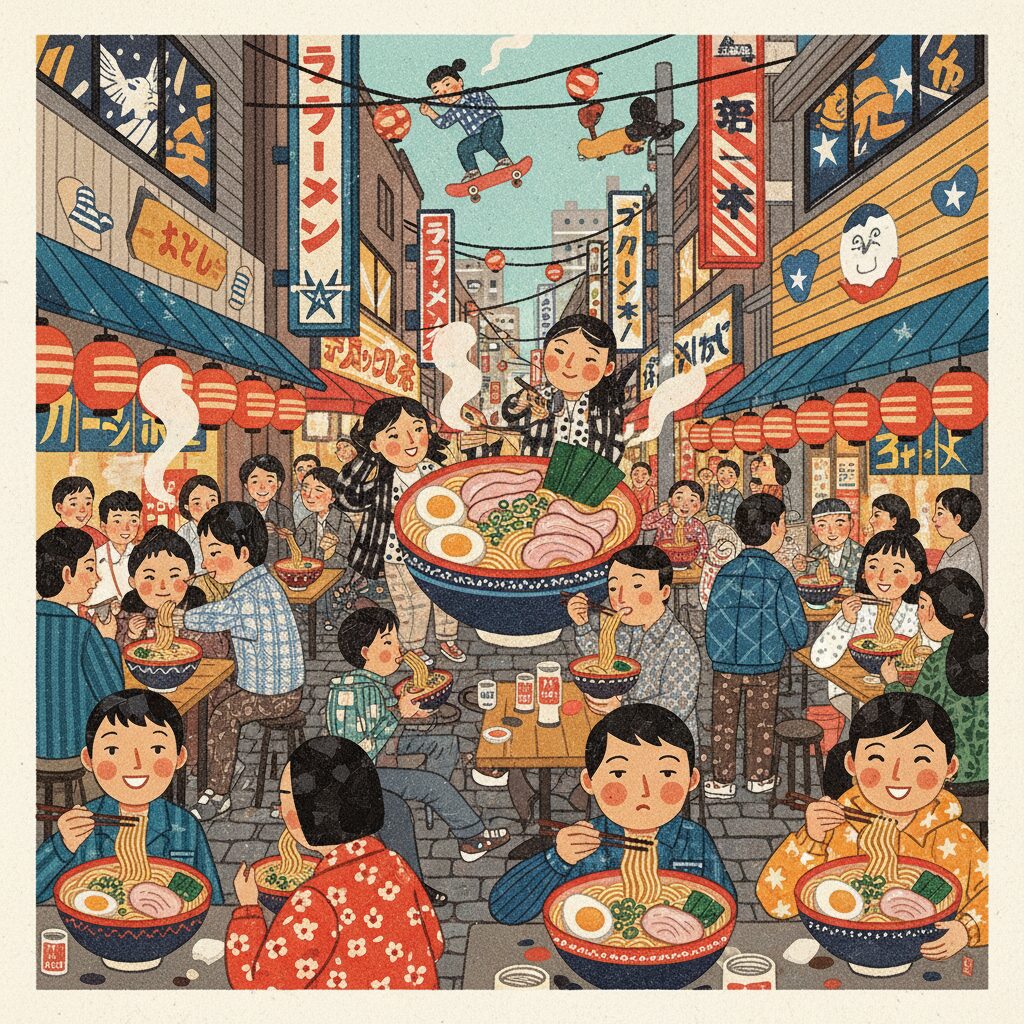
As a photographer, Amerikamura is a place of endless intrigue. It’s a district that practically invites you to capture it—not only through wide, establishing shots but also in the intimate details that reveal its true essence. The challenge and joy of photographing here lie in seeing beyond the apparent chaos to uncover quiet moments of beauty, subtle interactions, and textures that tell a richer story. Light is your essential tool. The narrow alleyways form dramatic corridors of shadow and light, especially during the golden hours of late afternoon. A single sunbeam can illuminate the steam rising from a ramen stall or catch the glint in a street performer’s eye, turning an ordinary scene into something magical. The neon glow after dusk bathes the streets in vibrant pink, blue, and green hues, creating a moody, cinematic atmosphere perfect for capturing the area’s nighttime energy. Rather than focusing solely on flamboyant outfits, aim to capture the details: the intricate stitching on a vintage jacket, a collection of silver rings on a musician’s fingers, the worn grip tape on a skateboard. These small elements speak volumes about the culture and the people who live here. The ramen shops themselves make fantastic subjects. Respect is essential. These are small, intimate spaces where chefs work as focused artists. Always ask permission before taking photos, and avoid using flash, which can disturb the atmosphere. The most captivating shots often focus on the process: the chef’s hands skillfully arranging toppings, the mesmerizing lift of noodles from boiling water, steam fogging a window on a cool day. And of course, the ramen itself deserves attention. Get down low, at bowl level. Capture the glistening broth, the textures of various toppings, the way light reflects off the surface of the oil. A well-composed photo of a bowl of ramen can be as evocative as a portrait, telling a story of craft, care, and culinary passion. The true spirit of Amerikamura is found in its people. Capturing candid moments in Triangle Park—a shared laugh between friends, a solitary skater lost in thought, a couple sharing takoyaki—can yield some of the most powerful images. Be discreet, use a longer lens if needed, and always shoot with empathy. The aim is to document the neighborhood’s life honestly and respectfully. Amerikamura is a visual feast, where every corner reveals a new composition, a new story. By approaching it with curiosity and patience, you can capture images that go beyond the surface, reflecting the vibrant, creative, and delicious soul of this remarkable Osaka neighborhood.
The Echo of a Slurp: Final Thoughts on an Osaka Gem
An echo lingers long after you leave the vibrant streets of Amerikamura. It’s not just the memory of a unique jacket discovered in a thrift store or the rhythm of a band found in a basement club. It’s the soul-warming, resonant memory of a perfect bowl of ramen. The ghost of a rich, creamy broth on your palate, the satisfying texture of impeccably cooked noodles, and the intricate blend of flavors that both surprised and delighted you. To explore Amerikamura’s ramen is to uncover the true heart of the neighborhood. It reveals that beneath the surface of youthful rebellion and fleeting trends lies a deep respect for craft, a commitment to quality, and an endless capacity for creative reinvention. The chefs in these hidden kitchens are as much a part of Amemura’s identity as the fashion designers and street artists. They are storytellers, using broth and toppings as their medium, with each bowl narrating a tale of passion and precision. Visiting this corner of Osaka and only experiencing its fashion is like reading a single chapter of an intriguing book. The full story invites you to follow your senses, to wander down an unmarked alley, to slide open an unassuming door, and to take a seat at the counter. It asks you to trust the process, embrace the slurp, and allow yourself to be nourished by a creativity you can taste. Amerikamura reminds us that the most profound cultural experiences often lie in the simplest pleasures. It’s a place that feeds not just the stomach, but also the imagination, leaving you with a warmth that endures long after the meal, and a yearning to return again and again to discover what new flavors its restless, brilliant spirit has crafted next.