
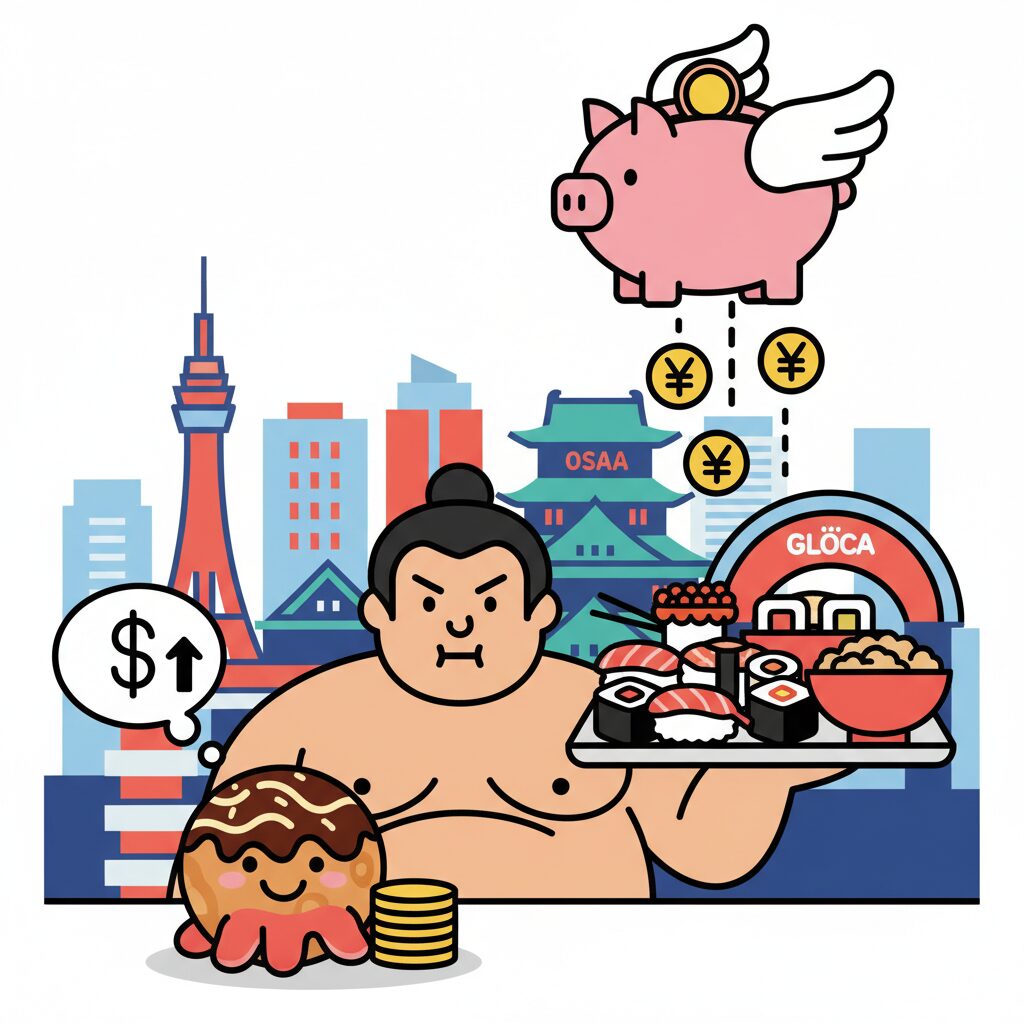
Ever been out with a friend from Osaka? You show up in a new pair of sneakers, and before they even say, “Those look great,” they hit you with, “Ikura shitan?” How much did it cost? You show them your new apartment, and the first question isn’t about the view, it’s about the rent. In Tokyo, talking about money so directly might feel a little crass, a bit intrusive. But here in Osaka, it’s not just normal; it’s a vital piece of social information. It’s a handshake, a sign of respect, and a friendly challenge all rolled into one. This isn’t nosiness. It’s the sound of Osaka’s heart beating. It’s the echo of centuries of commerce, a philosophy baked into the city’s concrete and soul. It’s the Akinaido Spirit—the merchant’s mentality—and if you want to understand what makes this city tick, you need to understand its obsession with a good deal. This isn’t about being cheap. It’s about being smart. It’s about winning the daily game of value, and that game defines everything from the food you eat to the roof over your head. Welcome to the real Osaka, where the price tag is just the beginning of the conversation.
To truly see this spirit in action, look no further than the bustling, bargain-filled world of Osaka’s local shotengai shopping arcades.
The Soul of the Deal: What is the ‘Akinaido Spirit’?
To understand Osaka, you need to rewind time. During the Edo Period, while Tokyo (then Edo) served as the shogun’s seat and the domain of the samurai elite—a city defined by strict hierarchy and formal rituals—Osaka earned its nickname: Tenka no Daidokoro, the Nation’s Kitchen. This title wasn’t just about food; it represented the country’s economic powerhouse. Rice, sake, textiles, and products from across Japan flowed into Osaka’s warehouses to be traded, priced, and redistributed. The city wasn’t shaped by warriors or nobles but by merchants, the akindo. Their world was ruled not by swords or lineage but by the abacus. It was a realm of pragmatism, risk and reward, savvy negotiation, and cold, hard numbers. Money wasn’t a taboo subject; it was the common language spoken by all. This legacy is vital. It fostered a culture where status derived not from family name but from business skill. Being a sharp, successful merchant was the highest accolade. This spirit still runs strong in the heart of every Osakan today. You can hear it in the city’s informal motto—a greeting exchanged among traditional business owners: “Mokari makka?” meaning “Are you making a profit?” The usual response isn’t a straightforward yes or no, but a wry, modest “Bochi bochi denna”—“Well, so-so.” It’s a playful evasion, a verbal dance that reflects their shared hustle. This entire exchange offers a glimpse into the Osaka mindset. Life is business, and business is about achieving good results. Wasting money is not just a personal loss; it’s a strategic failure. It means letting the other side win. This outlook sharply contrasts with the more formal, face-saving culture often found in Tokyo, where appearance and decorum can outweigh practical value.
‘Kosupa’ is King: The Modern Religion
If the Akinaido Spirit represents the old testament, then kosupa is its new counterpart. Kosupa is the Japanized abbreviation of “cost-performance,” and in Osaka, it’s more than just one factor in a decision; it’s often the only factor. However, this is where foreigners and even many Japanese from other regions misunderstand: kosupa does not mean “cheap.” This distinction is crucial. Being cheap, or kechi, means spending as little as possible, regardless of quality. Kosupa, on the other hand, focuses on maximizing value. It’s an artful balance of quality versus price. An incredible bowl of ramen costing 800 yen but tasting like it should be 1,500? That’s outstanding kosupa. A bland, unsatisfying convenience store bento for 400 yen? That’s poor kosupa. An Osakan will gladly spend 20,000 yen on a spectacular crab dinner if they believe they’re receiving 30,000 yen worth of quality and experience. The issue isn’t about spending money; it’s about overpaying. It’s the feeling of being duped. This mindset turns consumption from a passive act into an active, intellectual endeavor. Shopping is research. Dining out is an investigation. Every purchase tests your judgment, and discovering something with excellent kosupa is a personal triumph you’re eager to share with friends. It’s a point of pride, a skill refined over a lifetime living in a city that demands savvy consumers. In Osaka, you’re not simply buying a product; you’re buying a deal, and the deal is part of the product itself.
The Rent Game: Finding a Home in a ‘Kosupa’ City
The impact of the Akinaido Spirit is most evident to new residents in the housing market. If you’ve ever searched for an apartment in Tokyo, you understand the frustration: exorbitant prices, tiny living spaces, and unavoidable fees. Osaka, however, moves to a different beat. The city’s practical, value-focused mindset creates a rental market that is refreshingly reasonable and, in many ways, more humane.
Why Osaka Seems More Affordable Than Tokyo
The data speaks for itself. On average, rent for a comparable apartment in central Osaka can be 30-40% cheaper than in central Tokyo. A small one-room apartment near a major station like Umeda or Namba might cost between 60,000 and 80,000 yen. In contrast, a similar unit in Shibuya or Shinjuku could easily cost 100,000 to 130,000 yen or more. But why is this? It’s not just about land costs. It’s about the renter’s mentality. In Osaka, there’s less emphasis on living in a prestigious “brand name” neighborhood. While some areas are more sought-after, people are less inclined to pay a hefty premium simply for a trendy location. What they seek is good kosupa (cost performance). They carefully weigh the value: How many minutes to the station? How large is the kitchen? Is the balcony south-facing? Is a supermarket close by? Landlords and real estate agents understand this audience. They can’t rely solely on a famous postcode; they must compete on tangible qualities. This fierce competition, driven by discerning renters, keeps prices fair and grounded. The market is compelled to reflect the Akinaido Spirit. Renters expect a reasonable deal, and the market largely delivers.
The Unspoken Rules of Apartment Hunting
Beyond the base rent, Osaka’s negotiation culture, though less overt than in the past, still subtly persists. When touring an apartment, there’s an unspoken understanding that you’re a savvy customer seeking the best deal. This is especially true for older, independently owned buildings. While you likely can’t lower the monthly rent, there is often room to negotiate upfront costs. The biggest target is reikin, or “key money”—that non-refundable “gift” to the landlord that remains a painful post-war tradition. In Tokyo, it’s typically a non-negotiable one or two months’ rent. In Osaka, however, you’ll find many “zero reikin” properties, and even when it’s required, a skilled real estate agent may be able to reduce or waive it, especially if the unit has been vacant for some time. The key is to ask. A phrase like, “Mō chotto dōka narimasen ka?” (“Can you do a little something about the price?”) is a classic Osaka opener. The worst response is no. But in a city shaped by deal-making, asking is part of the process. It signals you’re a serious, knowledgeable participant who understands local customs. This practical, informal approach makes the challenging task of finding a home feel less like a strict ritual and more like a straightforward business negotiation—exactly how an Osakan prefers it.
The Thrill of the Hunt: Shopping, Bargaining, and ‘Omake’
The daily marketplace is where the Akinaido Spirit genuinely comes to life. It’s a stage of commerce unfolding within the city’s extensive shotengai (covered shopping arcades), lively local markets, and even electronics stores. Shopping here isn’t merely a chore; it’s a sport.
The Art of ‘Negiri’ (Bargaining)
Let’s be clear: you don’t haggle at a Uniqlo or an upscale department store. But once you step into places like Tenjinbashisuji Shotengai, Japan’s longest shopping arcade, or a family-operated appliance shop in Den Den Town, the rules shift. The price tag often serves as a suggestion, a starting point for negotiation. This practice of bargaining, known as negiri, is a subtle dance. It’s not about aggressively lowballing and offending someone. It’s a performance infused with humor and humanity. It begins with showing genuine interest in a product. You engage with the shop owner, the oyaji (old man) or obachan (auntie). You build rapport. Then, with a friendly, almost apologetic smile, you might ask, “Chotto dake makete kureru?” (“Could you give me a little discount?”). The shopkeeper will likely pretend to be shocked, clutch their chest, and launch into a story about their razor-thin margins. You laugh. They laugh. And more often than not, they’ll knock a few hundred yen off or throw in something extra. The victory isn’t just in the money saved. It’s in the interaction. It’s the story you’ll share with friends later. It’s the human connection you’ve forged. This ritual affirms your status as a local, someone who understands the city’s rhythm, not just a passing tourist.
The Joy of ‘Omake’: The Little Something Extra
Even more treasured than a discount is the omake—the freebie, the bonus, the little extra treat the seller slips into your bag. Omake is the heart of Osaka commerce. It’s a gesture that says, “Thank you for your business. Please come again.” It transforms a simple transaction into a relationship. Buy three tomatoes, and the vegetable vendor might toss in a fourth, slightly imperfect one for free. Buy a shirt, and the owner might add a complimentary handkerchief. This isn’t a calculated corporate marketing tactic; it’s a spontaneous act of goodwill. A shop generous with its omake earns a reputation for great value, for offering excellent kosupa. Customers will go out of their way to support such stores. The omake tradition is a beautiful, informal economy of kindness and loyalty. It’s the merchant’s way of investing in the community and the customer’s reward for being part of it. It embodies the idea that a good deal is about more than just the lowest price; it’s about feeling genuinely well treated.
“How Much Was It?”: The Social Currency of a Good Deal
This all brings us back to the quintessential Osaka question: “How much did you pay?” In a culture that celebrates a good deal, sharing the details of your successful purchase is a social responsibility. It’s not materialistic bragging; it’s sharing valuable information. If you found a shop selling high-quality leather bags at a huge discount, you tell your friends. You’re not just showing off your bag; you’re demonstrating your consumer savvy and helping your community take advantage as well. Conversations are filled with stories of retail triumphs: “I got this coat for 70% off at the end-of-season sale in Namba Parks!” or “Can you believe these fish? Only 500 yen for the whole pack at the market in Tsuruhashi!” This continual exchange of price and value details creates a highly informed consumer base. Everyone is armed with knowledge. Everyone knows the benchmark price for good takoyaki or a decent bicycle. This collective expertise keeps businesses honest and competition strong, generating a positive cycle of ever-improving kosupa that benefits all. Talking about money isn’t just accepted here; it’s a vital part of the city’s social fabric.
‘Kuidaore’: Eating Well Without Breaking the Bank
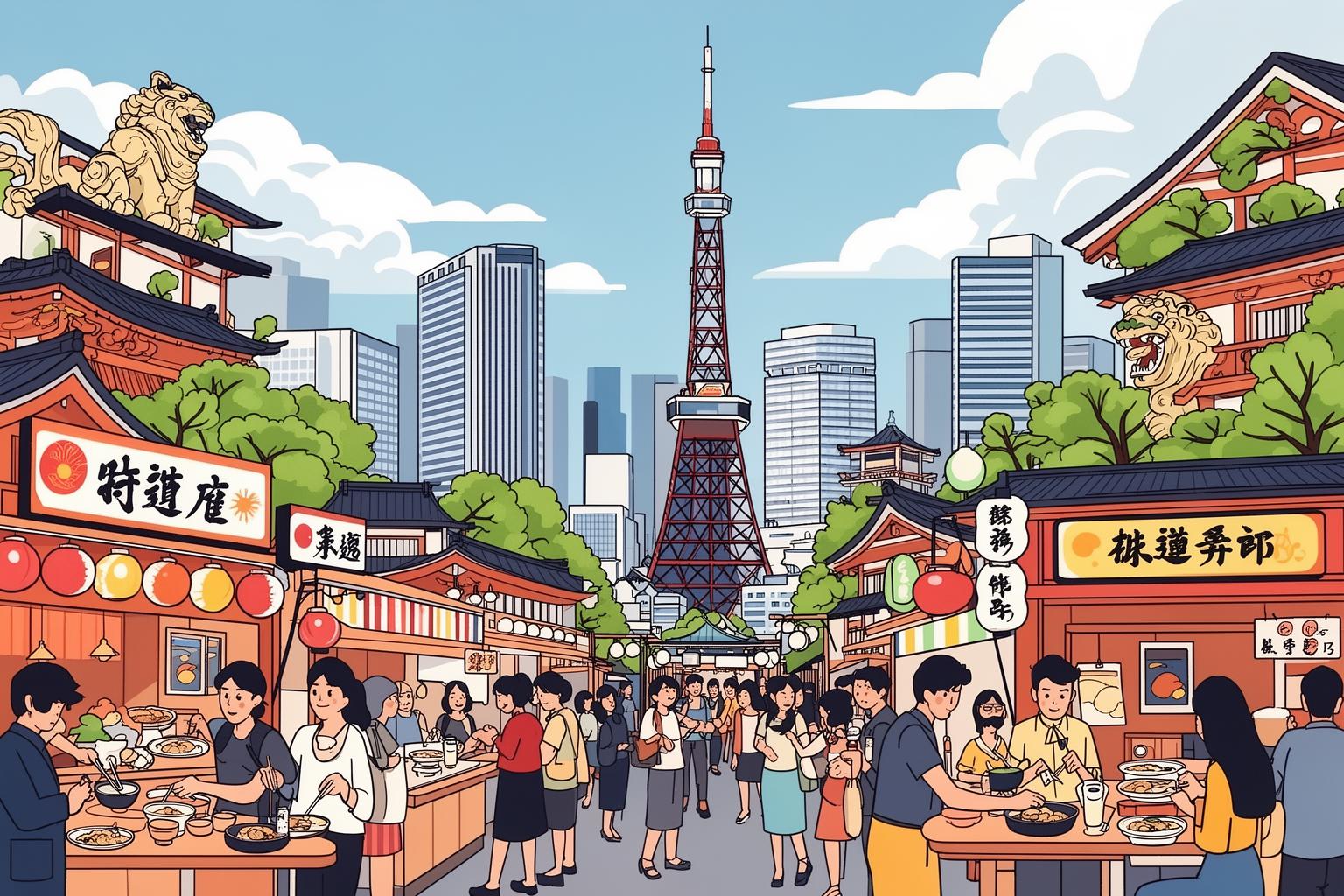
The most famous phrase associated with Osaka is kuidaore, commonly translated as “eat until you drop.” A more literal and revealing translation is “to eat oneself into bankruptcy.” The beautiful irony is that in Osaka, actually going bankrupt from eating is nearly impossible, thanks to the city’s culinary scene embodying the kosupa philosophy. The idea of kuidaore isn’t about indulging in costly Michelin-starred meals; it’s about the freedom to enjoy a vast array of delicious, high-quality food at incredibly reasonable prices. It’s about getting the most culinary value for each yen.
B-kyu Gourmet as the Ultimate Expression
The core of Osaka’s food culture isn’t upscale kaiseki dining; it’s what the Japanese call B-kyu gurume (B-rank gourmet). This includes casual, unpretentious, and affordable dishes like okonomiyaki (savory pancakes), takoyaki (octopus balls), and kushikatsu (deep-fried skewers). In most other cities, these would be seen as simple street snacks. In Osaka, they are culinary masterpieces, and competition is fierce. Every takoyaki stand silently battles the one down the street, competing over the batter’s crispiness, the octopus’s freshness, the creaminess inside, and, of course, the price. An eight-piece serving of takoyaki serves as a crucial economic benchmark. If a shop dares to raise its price by 50 yen without visibly improving quality, locals will notice, talk, and likely take their business elsewhere. The standard is outrageously high for the price. This is the essence. You can enjoy a world-class meal—a truly satisfying and delicious experience—for the cost of a coffee in many other major cities.
The Lunchtime Battleground
The daily pursuit of kosupa is most apparent during the weekday lunch rush. For office workers, lunch is more than a midday break; it’s a strategic mission to find the best possible value. The ultimate prize is the “one-coin lunch,” a complete meal set for a single 500 yen coin. Restaurants throughout the city compete to offer the most impressive one-coin special. It may be a teishoku (set meal) featuring a main dish, rice, miso soup, and pickles. Value is assessed on many factors. Does the restaurant offer free rice refills? Is there a complimentary coffee after the meal? Are the portions generous? People don’t just settle for the nearest eatery. They maintain a mental map of the best lunch deals nearby. They’ll walk an extra five minutes to reach the place with a slightly larger piece of grilled fish. This isn’t about being cheap; it’s the Akinaido Spirit in action—a rational, daily market analysis ensuring they get the very best return on their 500 yen investment. It’s a game, and in Osaka, everyone loves to play it.
Beyond the Stereotype: It’s Not Cheap, It’s Smart
It’s easy to hear all this and revert to the old stereotype that people from Osaka are kechi—stingy or tight-fisted. However, this is a fundamental misunderstanding of the culture. The Akinaido Spirit isn’t about hoarding money; it’s about respecting it. It’s about despising waste in all its forms. Spending money on an overpriced, low-quality product is considered foolish. It’s an insult to the hard work behind earning that money in the first place. An Osakan will readily spend a small fortune on something they believe has true, lasting value—a beautifully crafted kitchen knife from Doguyasuji, a high-performance bicycle, or a family vacation. Such a purchase is justified by its quality, durability, and kosupa. The real cultural mistake is being a fool. It’s paying the “Tokyo price” for something when you know better. It’s valuing brand logos over genuine substance. The merchant’s mindset is, at its core, a philosophy of radical pragmatism. It values resourcefulness, intelligence, and a clear-eyed evaluation of the world as it is. It’s about making the most of life with the resources you have.
Living the Akinaido Life

So what does this all mean for someone living here? It means you’re in a city that fundamentally supports you. Osaka’s culture of kosupa shapes a city that is livable, straightforward, and deeply human. The constant buzz of commerce, the never-ending hunt for a good deal, the open conversations about prices—it all nurtures a sense of shared community. You’re all in this together, striving to live well and live wisely. My advice to anyone moving to Osaka is to embrace it. Don’t hold back. When your friend shows you their new purchase, ask how much it cost. When you discover an amazing lunch deal, share it with everyone at the office. Try your hand at some friendly bargaining at the local market. Understand that this isn’t just about money. It’s the city’s language. It’s how you show you’re paying attention, that you respect the local wisdom. Taking part in this culture is your initiation, your sign that you’re not just a temporary visitor but someone beginning to grasp the shrewd, practical, and deeply rewarding soul of Osaka.








