There’s a different kind of pulse in Osaka, far from the neon-soaked rush of Dotonbori and the towering commerce of Umeda. It’s a rhythmic, industrial heartbeat that echoes down wide, quiet streets, where the ghosts of shipyards and factories now whisper tales of creative rebirth. This is Kitakagaya, a district in Suminoe Ward that has traded its heavy machinery for paintbrushes, its factory floors for gallery spaces, and its utilitarian canteens for some of the most soul-stirring cafes and eateries in the city. To wander through Kitakagaya is to witness a conversation between past and present, where rust-colored steel walls become canvases for vibrant murals and cavernous warehouses cradle delicate works of art. This transformation isn’t just visual; it’s deeply embedded in the area’s culinary soul. The creative energy that fuels the artists here spills directly into the kitchens, turning a simple cup of coffee or a midday meal into an extension of the district’s artistic philosophy. Forget what you think you know about cafe culture. In Kitakagaya, every sip and every bite is part of a larger, more inspiring story. It’s a place to refuel not just your body, but your imagination, where the line between gallery and diner blurs into a beautiful, delicious whole.
While this area offers a completely different vibe, those looking for the city’s famous high-energy attractions should check out this expert guide to Super Nintendo World.
The Echoes of Industry: Dining in Repurposed Sanctuaries
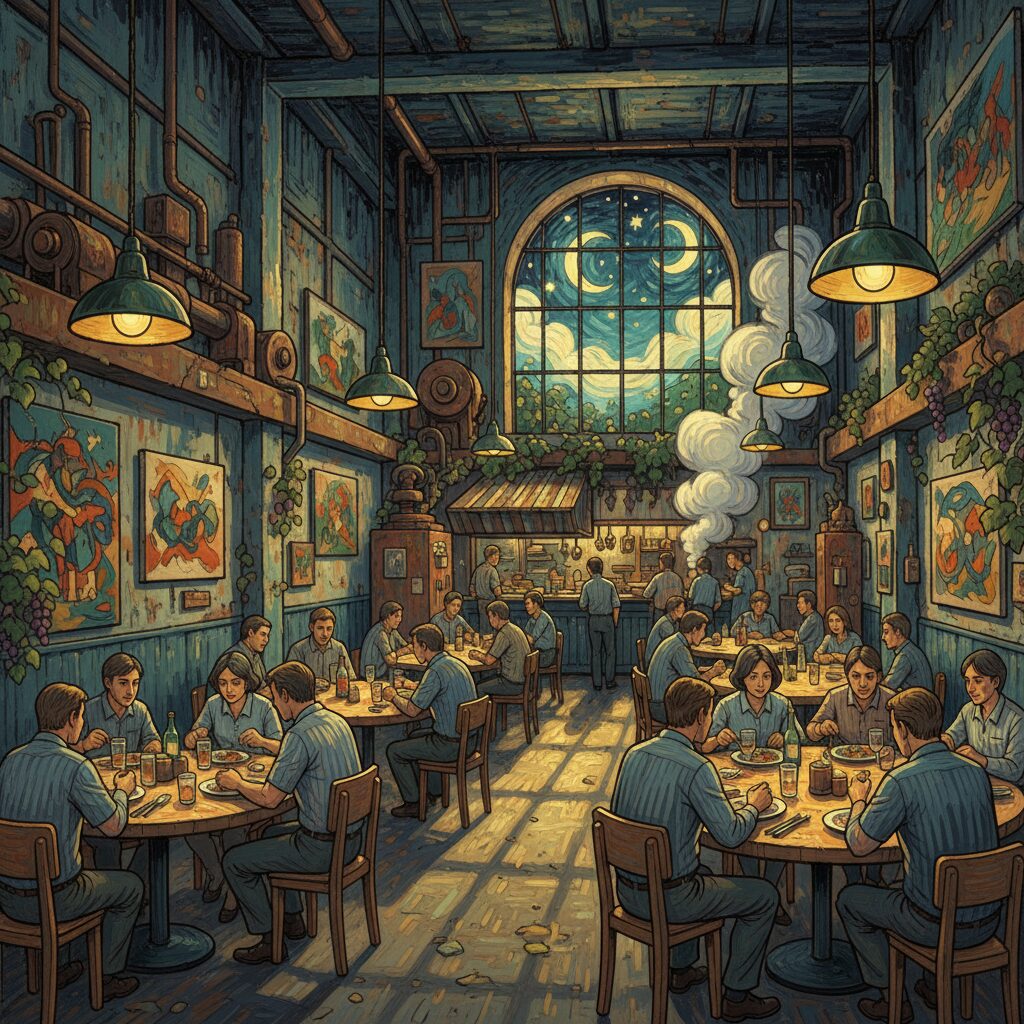
The true magic of Kitakagaya’s food scene is rooted in its deep sense of place. These aren’t merely restaurants situated in an arts district; they are spaces forged from the very fabric of the area’s industrial heritage. Entering one means feeling the weight of history alongside the vibrant energy of contemporary creativity all at once. The experience is architectural, historical, and culinary—a trio that makes dining here genuinely unique. You sense the stories in the exposed ceiling beams, the worn concrete floors, and the large factory windows that now bathe the renovated spaces in soft, inspiring light.
Chidori Bunka: A Living Museum of Time and Taste
Few places embody this spirit as fully as Chidori Bunka. Finding it is an adventure itself. You walk down a residential street, past humble homes and small workshops, and might doubt your direction. Then you spot it: a sprawling, character-rich complex of old wooden buildings connected by a maze of walkways. This is not a single structure but a community—a former cluster of Showa-era dormitories and bathhouses lovingly preserved and repurposed. The air feels different here, heavy with the scent of aged wood, damp earth, and freshly brewed coffee. The main café is a marvel of wabi-sabi design. The original wooden framework remains intact, dark and polished with age. Mismatched vintage furniture—from plush velvet armchairs to simple school stools—invites you to relax. Every surface tells a tale, every creak of the floorboards echoes whispers from the past. Light filters through old, wavy glass, creating dancing patterns on the walls, which are a collage of peeling paint, exposed plaster, and thoughtfully curated contemporary art. The counter is a hub of quiet activity, where baristas carefully craft pour-over coffee—the aroma blending with the sweet scent of baked goods from the small kitchen. Ordering coffee here is a ritual, watching hot water poured with surgical precision over freshly ground beans, the dark brew dripping slowly into a delicate ceramic cup likely made by a local artist. The food menu is simple, thoughtful, and delicious: a hearty keema curry, its spices warming you from within, or a dense, moist cheesecake perfectly balancing the bold coffee. Dining at Chidori Bunka feels less transactional and more like being embraced by a living art installation. Surrounding workshops and small creative businesses share this complex, and you might hear the faint hum of a potter’s wheel or the clinking of a metalsmith’s tools—a constant, gentle reminder of the creative ecosystem here. It’s a place to linger for hours, with a book or journal, letting the contemplative atmosphere soak into your bones. It is the complete opposite of a rushed modern café; it is a sanctuary for slowing down.
The Buggy: Where High Fashion Meets Street Art
If Chidori Bunka offers a quiet reflection on the past, The Buggy delivers a loud, vibrant, and utterly glamorous celebration of the present. Set in a vast, high-ceilinged warehouse, this café and gallery space is an electrifying blend of pop art, street culture, and high fashion. The moment you push open the heavy industrial door, your senses are overwhelmed. The space is dominated by the bold, instantly recognizable art of the namesake artist Buggy. Walls are covered with massive canvases featuring iconic figures like Audrey Hepburn and Jean-Michel Basquiat, their faces playfully obscured by dripping paint or layered with other cultural symbols. The aesthetic is raw, rebellious, and unapologetically cool. Neon signs cast colorful glows on polished concrete floors, and the furniture is a curated mix of industrial-chic pieces and designer oddities. A DJ booth in one corner often spins smooth mixes of soul, funk, and lo-fi hip-hop, providing the perfect soundtrack for the visual spectacle. The sheer scale of the warehouse is breathtaking—you feel wonderfully small, engulfed by soaring ceilings and powerful art. The café runs along a long, sleek counter, serving excellent coffee, inventive lattes, and a selection of stylish cocktails. The food menu is as bold as the décor: expect vibrant beet hummus platters, spicy jerk chicken sandwiches, or decadent chocolate lava cakes oozing onto plates splattered with artistic sauces. Each dish is presented with a photographer’s eye, almost too beautiful to eat. Almost. The Buggy draws a fashionable crowd of artists, designers, and creatives who come not only for the coffee but for inspiration. It serves as a social hub, a place to see and be seen—yet without the usual pretension. The atmosphere is surprisingly relaxed and welcoming. You can sink into a cozy sofa, savor a perfectly crafted flat white, and feel the creative energy buzzing around you. It’s the kind of place that makes you want to head home and create something bold and beautiful yourself.
More Than a Meal: Spaces for Community and Creation
In Kitakagaya, a cafe is seldom just a cafe. Many venues serve multiple roles as galleries, community hubs, workshop spaces, or retail outlets for local artisans. This multi-purpose approach is key to the district’s collaborative ethos. It dissolves the barrier between creator and consumer, encouraging visitors to actively engage with the local culture. These are spaces where conversations begin, ideas emerge, and the simple act of sharing a meal can foster unexpected connections and discoveries. They act as the neighborhood’s living rooms, providing both the energy and the platform for Kitakagaya’s ongoing artistic conversations.
COOP KITAKAGAYA: A Collaborative Hub of Flavor and Creativity
Situated within Kagaya Plaza, a community shopping arcade that retains a nostalgic charm from the Showa era, COOP KITAKAGAYA shines as a bright, inviting symbol of community spirit. Rather than a single establishment, it is a shared cooperative space housing a cafe, bookstore, record shop, and gallery all under one roof. The underlying philosophy is one of collaboration and mutual support, and this warm, inclusive vibe is felt as soon as you enter. The cafe, often central to the space, offers simple, wholesome dishes prepared with care. The menu frequently highlights locally sourced vegetables, homemade baked goods, and expertly brewed coffee. The food feels as comforting and nourishing as if made by a friend. You might enjoy a daily lunch set with a harmoniously balanced combination of rice, soup, and several small vegetable sides, or perhaps a slice of seasonal fruit tart bursting with sunshine. What truly makes dining here special is the atmosphere. As you savor your meal, you’re surrounded by thoughtfully curated art books and niche magazines, crates of vintage vinyl waiting to be explored, and rotating exhibitions by emerging local artists. The tables often fill with a diverse crowd: students sketching, elderly locals enjoying tea, and artists collaborating on projects. The soundtrack ranges from ambient electronic to classic jazz, depending on who’s spinning records. COOP KITAKAGAYA functions as an essential neighborhood hub, regularly hosting events such as live music, poetry readings, artist talks, and small craft markets. It’s a place to immerse yourself in the local scene and grasp the grassroots pulse of Kitakagaya. Having lunch here is more than just eating; it’s supporting a whole ecosystem of independent creators and a reminder that the richest culture often grows from shared passion and community spirit.
DOT SUITE: Where Art, Agriculture, and Hospitality Converge
Pushing the limits of what a creative space can be, DOT SUITE presents a truly innovative concept. Calling itself a “cultural farm,” it is a captivating fusion of an urban farm, art gallery, cafe, and guest accommodation. The project centers around a hydroponic farm on-site, producing a variety of fresh greens and herbs. This dedication to urban agriculture lies at the core of their philosophy and menu. The cafe is minimalist and modern, with clean lines, natural wood accents, and large windows framing the surrounding industrial scenery, creating a striking contrast between the lush interior and the urban exterior. The menu is fresh and vibrant, as you might expect. Salads stand out, featuring greens likely harvested just hours—or even minutes—before reaching your plate. They also serve inventive sandwiches, smoothies, and light meals that showcase the flavor and quality of their homegrown produce. The flavors are clean, bright, and revitalizing. Dining here feels inherently healthy, a genuine farm-to-fork experience. But DOT SUITE goes beyond being merely a farm-to-table cafe. The space frequently hosts art exhibitions, installations, and performances, often exploring themes that connect nature, technology, and urban life. It functions as a think tank and laboratory for innovative ideas. Staying overnight in one of their guest rooms offers a fully immersive experience, allowing you to live within the creative, forward-looking ambiance of Kitakagaya. It’s a destination for the curious, those passionate about sustainability, art, and the future of city living. A meal at DOT SUITE is both delicious and intellectually stimulating, perfectly exemplifying how Kitakagaya’s creative spirit continually pushes the boundaries of what a neighborhood space can be.
Charting Your Course: A Practical Guide to Kitakagaya’s Culinary Art
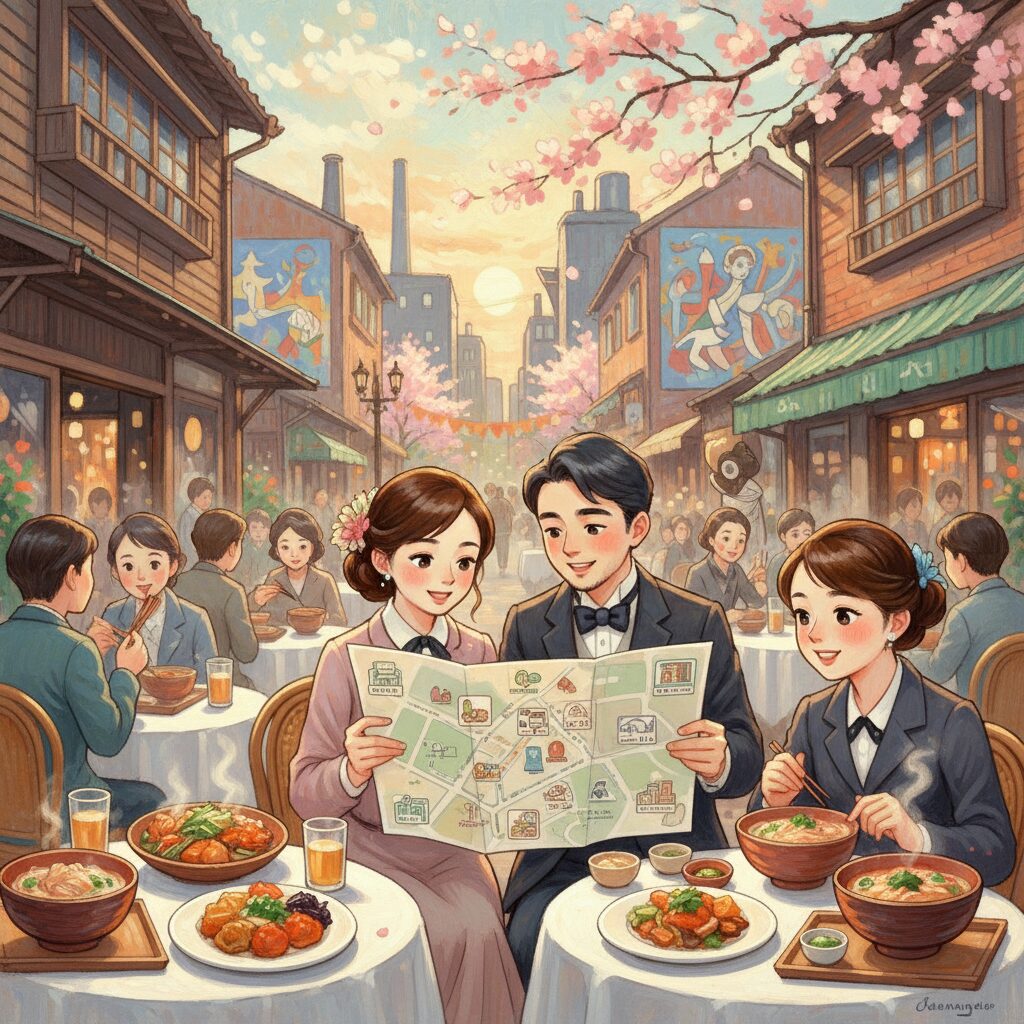
Exploring Kitakagaya is a journey of delightful discovery. The neighborhood is best enjoyed on foot or by bicycle, allowing you to wander freely without a set plan and follow your curiosity. The grid-like streets of this former industrial area are dotted with surprising bursts of creativity, and the best cafes often lie hidden where you least expect them. A sense of adventure is your most valuable companion here.
Finding Your Way
The easiest access point is Kitakagaya Station on the Osaka Metro Yotsubashi Line. From there, the main artistic sites and surrounding cafes are spread across a fairly large area. Don’t be put off by the quiet, almost sleepy, residential and industrial atmosphere at first—it’s part of the charm. The magic of Kitakagaya unfolds gradually. If you can find a local art map at a gallery or cafe, grab one, but also enjoy the freedom of getting a little lost. That’s often how you discover the huge murals of the “Super Wall” or stumble upon a tiny, unmarked studio with its door ajar. Walking is truly the best way to soak in the neighborhood’s fine details—the variety of factory architecture, the small community gardens tucked into overlooked corners, and how the sky seems to open up in this low-rise part of the city.
Pace and Timing
Kitakagaya follows a different rhythm than much of Osaka. It’s not an early morning district; many cafes and galleries open closer to noon and stay open until early evening. Weekdays tend to be very quiet, offering a peaceful, reflective experience—ideal for solo travelers who want to wander, write, or simply take in the atmosphere without crowds. Weekends, especially Saturdays, bring a livelier vibe. The streets fill with art enthusiasts, families, and friends exploring together. This is when the neighborhood feels most vibrant, with a lively buzz spilling out from the open-fronted cafes. Keep in mind that many small businesses, run by artists or compact teams, may have irregular hours or close unexpectedly. Checking their official social media pages (Instagram is a favorite) before you go is always wise. This isn’t unprofessional but reflects the district’s independent, artist-led spirit.
Suggested Day Plan: Art and Appetite
For an ideal day, start your exploration in the early afternoon. Head north from the station toward the Kounan area, watching for street art along the way. Visit the Chishima Art Center, a key local gallery hub, to get a feel for the scene. Then wander to The Buggy for a visually engaging late lunch and a cocktail, soaking up the energetic atmosphere. Afterward, stroll slowly toward the waterfront, exploring quieter industrial streets. As the afternoon light softens, find your way to Chidori Bunka. Settle into a cozy chair with a pour-over coffee and a book, letting the historic ambiance envelop you. This offers a beautiful contrast—from bold, contemporary art to tranquil, historic charm. As evening approaches, check if local spots like COOP KITAKAGAYA are hosting events, or simply enjoy a final walk as streetlights flicker on, casting long shadows that transform the industrial landscape once more.
Tips for First-Time Visitors
Navigating Kitakagaya is deeply rewarding, with a few small tips to make it easier. First, wear your most comfortable walking shoes—you’ll cover more ground than you might expect, and the journey itself is part of the beauty. Second, while many places accept credit cards, it’s smart to carry some cash for smaller, independent shops or pop-up stalls. Lastly, stay observant. Kitakagaya’s art goes beyond gallery walls: look up at the murals, down at artist-designed manhole covers, and peek into alleyways. The entire district serves as a canvas, with a culinary scene that is both vibrant and essential. Approach it with an open mind and a healthy appetite, and you’ll be richly rewarded. Let the serendipity of the streets lead you—the best discoveries are often the unexpected ones. This spirit of exploration is exactly what Kitakagaya embodies: a treasure hunt where every corner turned reveals new art or a perfect cup of coffee.
As the day concludes and the setting sun bathes the industrial silhouettes in shades of orange and purple, you’ll feel a deep sense of satisfaction. You haven’t just eaten or had coffee—you’ve connected with a community. You’ve sat in spaces where history breathes and the future is imagined, where the passion of artists and chefs is evident in every detail. This is the unique essence of Kitakagaya—a blend of grit and grace, industry and inspiration, history and hope. It’s a corner of Osaka that nurtures both soul and stomach, leaving you with a lingering taste of creativity and the profound feeling that you’ve experienced something truly special—a place where art is not just seen, but genuinely savored.