Osaka. The name itself crackles with energy, a city of neon-drenched canals, sizzling street food, and an irrepressible spirit that thrums through its concrete canyons. It’s a place where the future feels bright, loud, and deliciously chaotic. But tucked away from the dazzling rush of Dotonbori and the endless arcades of Shinsaibashi, lies a different kind of pulse, a deeper, more resonant heartbeat. This is the world of Bunraku, traditional Japanese puppet theater, and its grandest stage is right here, at the National Bunraku Theatre. To step inside is to leave the modern metropolis behind and enter a realm of profound emotion, meticulous artistry, and stories that have echoed through the centuries. This isn’t merely a show; it’s a living, breathing piece of Japan’s cultural soul, a UNESCO Intangible Cultural Heritage that finds its most vibrant expression in the city that helped birth it. Here, intricately carved wooden figures, guided by masters in black, weep, rage, and love with an intensity that rivals any human actor, their silent dramas given voice by a single, powerful chanter and the soulful lament of the three-stringed shamisen. It is an experience that transcends language, a captivating spectacle that offers a true glimpse into the heart of Japanese artistic tradition.
After experiencing the profound artistry of Bunraku, you can continue your cultural journey by exploring Osaka’s vibrant street food scene, including the quest for the city’s most outrageous takoyaki.
The Heartbeat of an Ancient Art Form
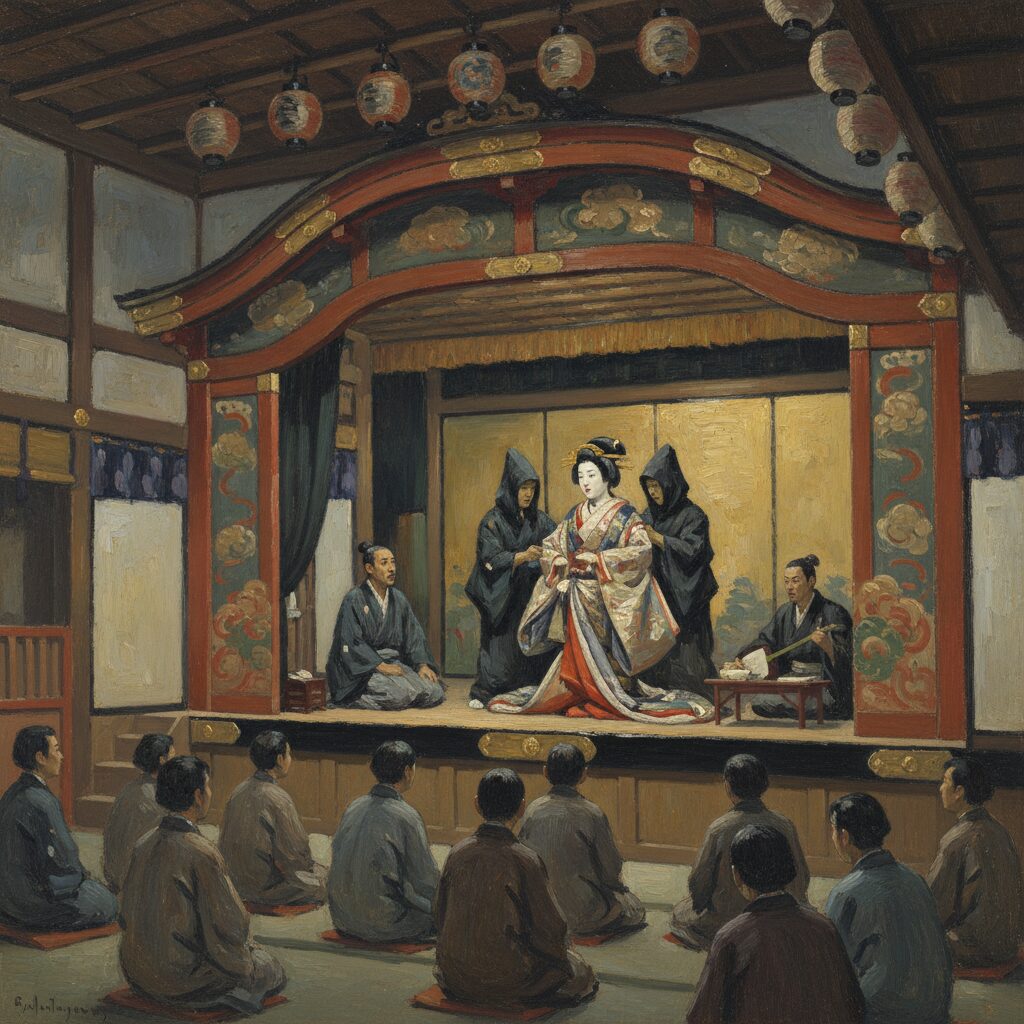
To truly understand the National Bunraku Theatre, one must first grasp the trinity at its heart—the three distinct arts that merge to form a single, seamless performance. This is far from the simple puppet show of childhood memory. Bunraku is a complex and highly refined dramatic art, a delicate interplay between puppeteers, chanter, and musician, each a master in their own domain. Their synergy breathes life into the wooden figures on stage, transforming them from inanimate objects into vessels of profound human emotion. At the center are the puppets, the ningyō. These are no ordinary marionettes. Often standing at two-thirds life-size, each puppet is a crafted masterpiece. Their heads, carved from cypress wood, are remarkably expressive, featuring mechanisms that allow for subtle eyelid movement, the raising of an eyebrow, or the sorrowful downturn of a mouth. The costumes are intricate, miniature kimonos made from exquisite fabrics, layered and tied with the same care as those of a human actor. These figures carry weight and presence, their silent, painted faces conveying a universe of feeling even before they move.
Then there is the voice of the performance, the tayū. Seated on a revolving platform to the stage’s side known as the yuka, the tayū is the ultimate storyteller. This extends far beyond mere narration. The tayū embodies every character, shifting effortlessly from the delicate whisper of a heartbroken princess to the guttural roar of a vengeful samurai in a single breath. It demands extraordinary vocal and physical endurance. Kneeling at a lacquered lectern with a thick script book before them, the tayū pours every bit of their soul into the story. They do more than recite the text; they live it, their expressions twisted by grief, joy, or rage. This chanting, called gidayū-bushi, is a powerful rhythmic form of musical storytelling that fuels the emotional core of the entire play. The immense power radiating from this lone performer can fill the whole theater, delivering a raw, primal expression of the story’s spirit.
Beside the tayū sits the third pillar of the art: the shamisen player. The shamisen used in Bunraku is a larger, deeper-toned instrument, featuring a thick neck and a sound that ranges from haunting melancholy to sharp percussive strikes. The musician does not merely provide background music; they act as a co-narrator. Every note, every strum, every sharp pluck of the strings is meticulously synchronized with the tayū‘s chanting and the puppets’ movements. The shamisen sculpts the emotional atmosphere of the scene. It can mimic falling snow, the clash of swords, the frantic beating of a heart, or the deep silent sorrow of farewell. The interaction between the tayū‘s voice and the shamisen’s melody creates a rich, layered soundscape, as essential to the drama as the action unfolding on stage. Together, these three elements—puppet, chanter, and shamisen—combine to create an immersive experience where the whole is magnificently greater than the sum of its parts.
A Glimpse Behind the Curtain: The Three-Man Operation
The magic of Bunraku truly comes to life when you realize the extraordinary human effort behind moving a single puppet. Each principal puppet on stage is not operated by just one person, but by three highly skilled puppeteers called ningyōtsukai. Their coordination is a silent, instinctive ballet, reflecting decades of rigorous training and a shared sense of purpose. This method, known as the sannin-zukai, is what grants the puppets their remarkable, lifelike fluidity. The puppeteers perform within a strict hierarchy shaped by a lengthy and challenging apprenticeship. The senior most is the omozukai, or main puppeteer. Wearing formal clothing, their face is often the only one visible to the audience, a symbol of their expertise. They control the puppet’s head with their left hand, using complex levers inside to move the eyes, mouth, and eyebrows, while their right hand operates the puppet’s right arm. This is the core of the puppet’s expression, the source of its personality and emotional depth.
Assisting the omozukai are two others dressed head-to-toe in black robes and hoods called kurogo. This traditional costume makes them effectively invisible, keeping the audience’s attention entirely on the puppet. The second puppeteer, known as the hidarizukai, stands on the left and controls the puppet’s left arm. This demands great skill, as they must flawlessly mirror the intent and timing of the omozukai without any verbal communication. The third and most junior puppeteer, the ashizukai, crouches low to manage the puppet’s feet. For female puppets, who usually wear long kimonos, the ashizukai instead manipulates the robe’s hem to imply the subtle, elegant motions of walking or kneeling. Mastery takes time: an aspiring puppeteer spends about ten years learning to operate the feet, another decade mastering the left arm, and only after two decades of dedicated practice can they qualify to control the head and become an omozukai. This demanding path builds a deep, unspoken bond among the three operators. They breathe as one, move as one, anticipating each other’s slightest gesture. It is this total surrender of individual ego into a collective effort that allows the soul of a character to emerge from a block of wood and silk.
The National Bunraku Theatre: A Modern Home for a Classic Tradition
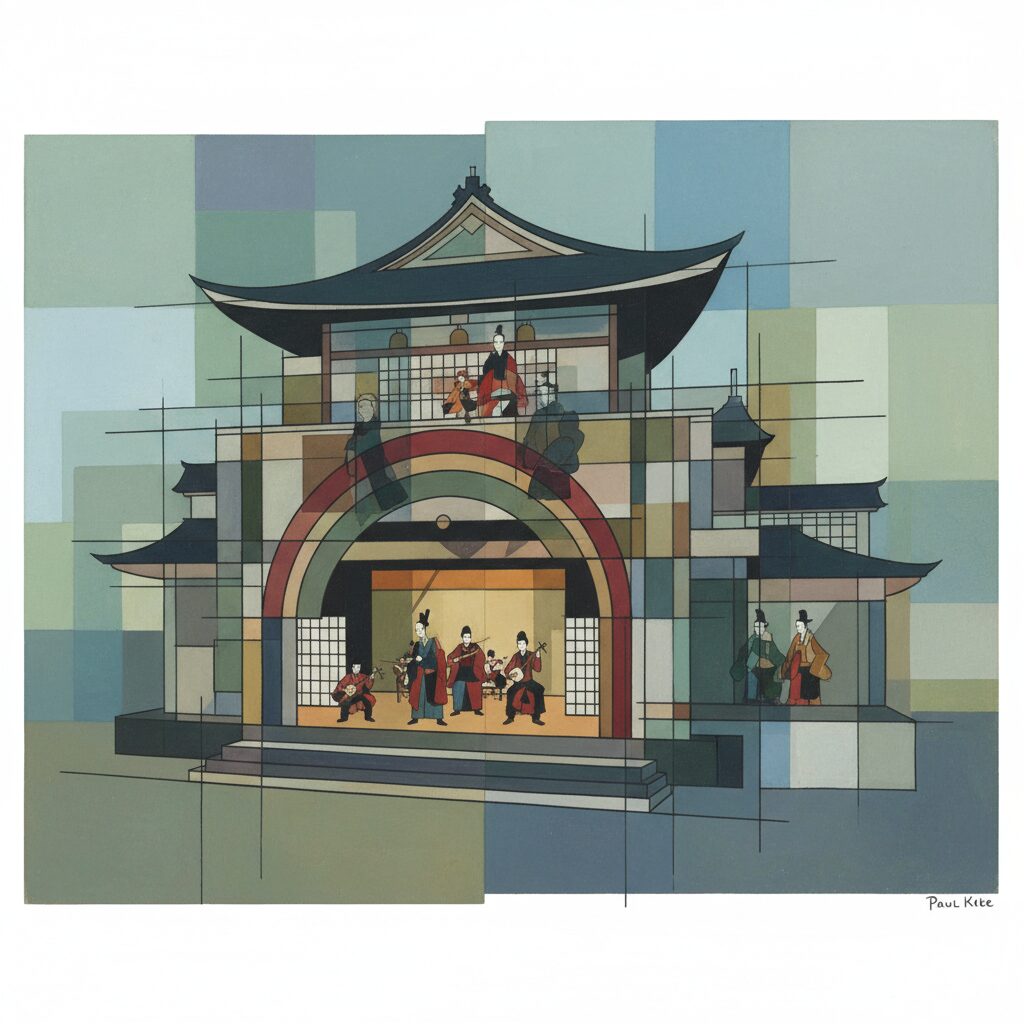
Though Bunraku is an art form with centuries of history, its premier venue in Osaka stands as a striking example of contemporary Japanese architecture. Opened in 1984, the National Bunraku Theatre was specifically designed to both preserve and showcase this distinctive cultural treasure. From the exterior, the building is sleek and modern, yet it incorporates traditional design elements that offer a glimpse into the world inside. The gentle curve of the roof and the use of natural materials evoke a sense of harmony with the art form it houses. Upon entering the spacious lobby, a calm reverence envelops you. The air is cool and quiet, providing a stark contrast to the bustling streets of the surrounding Nippombashi neighborhood. This space is crafted for focus and appreciation. You may observe patrons adorned in elegant kimonos, enhancing the sense of occasion. Large display cases often showcase magnificent puppet heads or elaborate costumes, allowing you to admire the intricate craftsmanship up close even before the performance begins.
The main auditorium is a marvel of theatrical design, seamlessly blending traditional aesthetics with modern functionality. The seating is comfortable, with excellent sightlines from nearly every angle. The stage incorporates features unique to Japanese theater, such as the hanamichi, a long walkway extending from the stage into the audience used for dramatic entrances and exits. To the right of the stage, the prominent yuka platform for the tayū and shamisen player is positioned, ready to revolve and introduce the next performers. The acoustics are flawless, designed to carry the unamplified voice of the chanter and the rich tones of the shamisen throughout the hall. The theater also includes a smaller hall, an exhibition room offering deeper insights into the history and mechanics of Bunraku, and a well-stocked gift shop where visitors can find books, recordings, and unique souvenirs related to the art. The entire building feels like a sanctuary, a place where time slows and you can fully immerse yourself in the profound beauty of the performance.
Understanding the Story: Navigating Your First Bunraku Performance
For many international visitors, the idea of watching a multi-hour performance in classical Japanese can feel overwhelming. This is a natural concern, but the National Bunraku Theatre has skillfully addressed it, making the experience remarkably accessible and rewarding for a global audience. The most valuable resource available to you is the English earphone guide. Offered for a modest rental fee in the lobby, this device is your gateway to fully appreciating the richness of the narrative. It’s not a simple, dry translation; rather, it provides a real-time, scene-by-scene commentary that explains the plot, introduces the characters, clarifies cultural nuances, and translates key lines of dialogue. The narration is perfectly synchronized with the action on stage, ensuring you follow the story without ever feeling lost. Hearing the powerful, emotive chant of the tayū while understanding the context through the guide creates a wonderfully layered experience. You can enjoy the raw musicality of the Japanese performance while fully comprehending the intricate drama unfolding before you.
Another great tip for first-time viewers is to arrive a bit early and purchase an English-language program. These beautifully crafted booklets offer a detailed synopsis of the play, character descriptions, and fascinating background on the story’s historical and cultural context. Reading through this in advance will provide a solid foundation, allowing you to focus on the artistry of the performance when the curtain rises. Additionally, you don’t have to commit to a full four-hour epic. The theater often sells special single-act tickets called hitomaku-miseki. This is an excellent choice if you’re short on time or simply want a sampling of the Bunraku experience without the full commitment. You can opt to see just one dynamic or well-known act from a longer play, offering a concentrated dose of drama at a lower price. It’s the perfect way to dip your toes into this captivating art form, and you may find yourself so captivated that you decide to book a full performance on your next visit.
The Soul of Osaka on Stage: Classic Tales and Timeless Themes
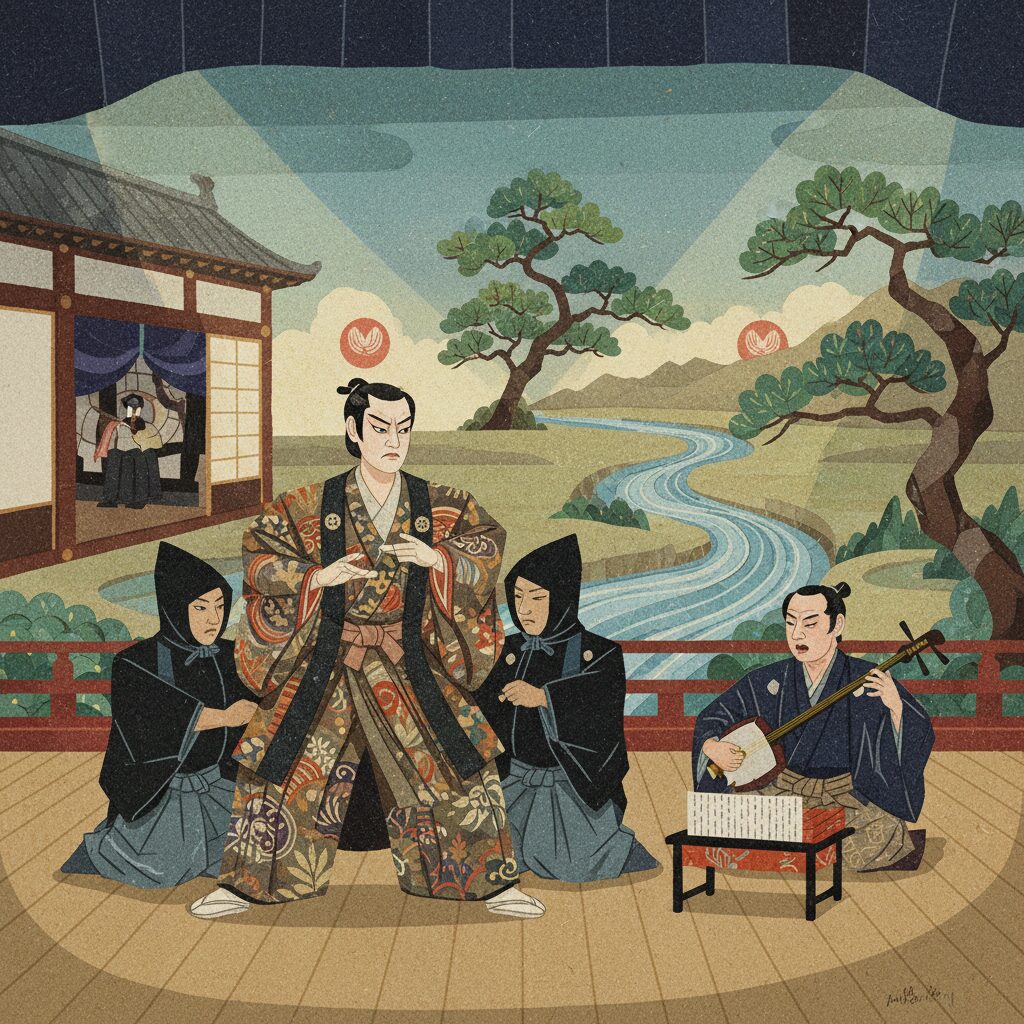
The stories performed in Bunraku originate from a rich reservoir of Japanese history, legend, and literature. They are generally divided into two categories. Jidaimono are historical epics—grand narratives of samurai warriors, noble lords, and court intrigue set in the centuries before the Edo period. These plays are filled with battles, political scheming, and heroic sacrifices, exploring themes of honor, loyalty, and duty. In contrast, sewamono are domestic dramas centered on the lives of ordinary people—merchants, artisans, couriers, and courtesans—during the Edo period. These stories were hugely popular at the time, as audiences in cities like Osaka saw their own lives and struggles reflected on stage. These plays often focus on the poignant conflict between giri, the strict social obligations and duties one must honor, and ninjō, the natural, deeply personal human emotions of love and desire.
Perhaps the most renowned Bunraku playwright is Chikamatsu Monzaemon, frequently called the “Shakespeare of Japan.” Writing in Osaka during the late 17th and early 18th centuries, he created numerous masterpieces that remain staples of the repertoire today. His most famous work, Sonezaki Shinjū (The Love Suicides at Sonezaki), is a quintessential sewamono. It tells the tragic true story of a young soy sauce clerk and a beautiful courtesan who, trapped by debt and obligation, choose to die together rather than be separated. This tale of doomed love struck a powerful chord with Osaka’s merchant class and inspired a wave of real-life copycat suicides, leading authorities to temporarily ban the play. Watching a performance like this at the National Bunraku Theatre offers a direct connection to the history and emotional essence of Osaka itself. The universal themes of love, loss, sacrifice, and the struggle against unyielding fate are what make these centuries-old stories feel so immediate and deeply moving, even to a modern, international audience.
Practicalities and Planning Your Visit
Attending a performance at the National Bunraku Theatre is surprisingly simple. The theater is conveniently situated in the heart of Osaka, making it easy to fit into a day of sightseeing. The nearest subway station is Nippombashi Station, served by both the Sakaisuji and Sennichimae lines. From the station, it’s only a one-minute walk to the theater’s entrance, which is very well signposted. It is also within comfortable walking distance of the major hubs of Namba and Dotonbori, roughly 10-15 minutes on foot. This prime location allows you to easily combine a matinee show with an afternoon visit to the nearby Kuromon Market or an evening performance with a lively night out in Dotonbori.
One key point to note is that Bunraku is not performed year-round. The theater follows a fixed schedule with major runs generally lasting about three weeks during specific months, usually January, April, June, July/August, and November. It is crucial to check the official schedule on the National Theatre of Japan website well ahead of your visit. Tickets for popular shows frequently sell out, so booking in advance is strongly advised. The website features an English interface for browsing schedules and purchasing tickets online with a credit card. Tickets can also be bought at the box office if you are in Osaka, but online booking is the most reliable way to secure a seat. Upon arrival, be sure to collect your pre-booked earphone guide, and don’t hesitate to ask the friendly, often English-speaking staff if you have any questions. In terms of etiquette, it is similar to Western theaters: arrive promptly, silence your phone, and avoid talking during the performance. Applause is encouraged at the end of an act or the final curtain call. The show begins and ends with the crisp, rhythmic clacking of wooden blocks, a traditional signal that enhances the unique atmosphere.
Beyond the Stage: Exploring the Neighborhood
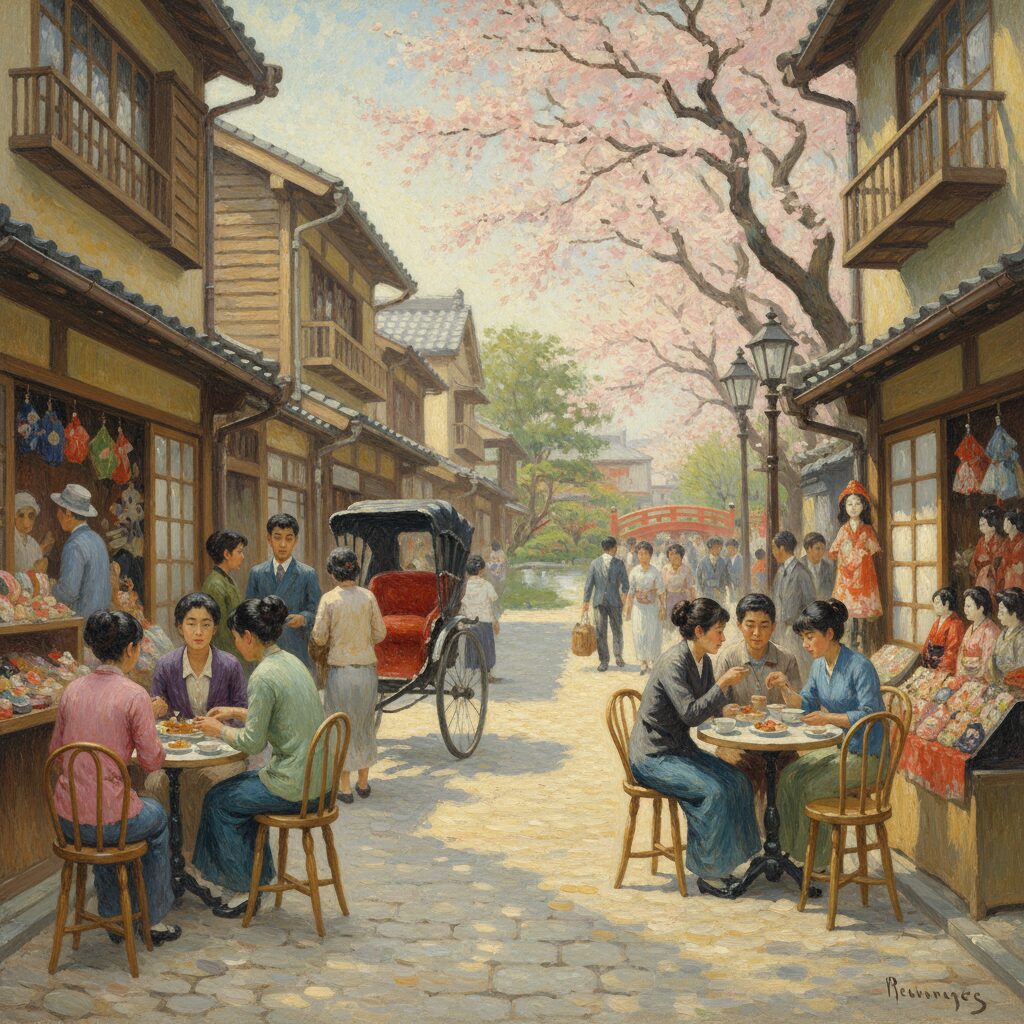
The experience of the National Bunraku Theatre is enriched by the vibrant and diverse neighborhood that surrounds it. Before or after the show, a visit to Kuromon Ichiba Market is an absolute must. Just a five-minute walk from the theater, this lively covered market, known as “Osaka’s Kitchen,” offers a sensory feast in the best way possible. The air is filled with the aroma of grilled scallops, sweet tamagoyaki, and fresh seafood. You can stroll through the bustling aisles, sampling everything from giant grilled prawns and fatty tuna sashimi to fresh strawberries and mochi. It’s the ideal spot to grab a quick, delicious, and authentically local meal. Watching the skilled vendors slice fish or grill octopus is a performance in itself, providing a wonderful, energetic contrast to the refined drama of Bunraku.
If you head in the opposite direction from the theater, you will arrive in Nippombashi Den Den Town, Osaka’s renowned district for electronics, anime, and manga. Here, the traditional world of Bunraku gives way to the hyper-modern realm of Japanese pop culture. The streets are lined with multi-story buildings packed with video games, character figurines, collectible card shops, and maid cafes. The striking contrast is fascinating—a testament to Osaka’s ability to blend its rich history with cutting-edge subcultures within just a few city blocks. For a perfect evening, consider attending a late afternoon performance of Bunraku and then walking to nearby Dotonbori as dusk falls. A leisurely fifteen-minute stroll will bring you to the iconic canal, where the famous Glico Running Man and countless other neon signs light up, reflecting in the dark water. You can enjoy a fantastic dinner at one of the area’s numerous restaurants, capping off a day of profound cultural immersion with the thrilling, modern energy that makes Osaka unforgettable.
A Lasting Impression: Why Bunraku is an Essential Osaka Experience
A visit to the National Bunraku Theatre is far more than just a box to tick on a tourist itinerary. It is an invitation to experience a rare and precious art form, a discipline of breathtaking skill and dedication handed down through generations. Sitting in the dimly lit hall, you can feel the weight of that history. Though the stories depict samurai and courtesans from a distant past, the emotions they convey are timeless and universal. You don’t merely watch a puppet; you witness the embodiment of sorrow in a slumped shoulder, defiance in a tilted head, and agony in the clenching of a wooden fist.
The experience stays with you long after the final curtain drops. You will remember the raw, gut-wrenching power of the tayū‘s voice, a sound that seems to rise from the very earth. You will recall the haunting, evocative tones of the shamisen, a melody that speaks of both cherry blossoms and bloodshed. Most of all, you will be amazed by the silent, selfless artistry of the three puppeteers, moving in perfect harmony to bring a single, fluid life to the stage. In a city known for its forward-looking dynamism, taking the time to engage with Bunraku offers a profound connection to Japan’s deep cultural roots. It is a quiet, powerful, and deeply moving experience that reveals the true, multi-layered soul of Osaka.