

The night is winding down. The last round of highballs has been drained, the final piece of yakitori devoured, and the bill settled with a chorus of slightly slurred ‘gochisousama deshita’. Laughter spills out from the warm glow of the izakaya into the cool, electric hum of the Osaka night. Now comes the critical question, the one that defines the final act of any proper Japanese night out: What’s for ‘shime’? The ‘shime’ (締め), or ‘the closer’, is that last, satisfying meal meant to absorb the evening’s libations and put a definitive, comforting full stop on the festivities. For most of Japan, and certainly for anyone whose image of the country is shaped by Tokyo-centric media, the answer is a foregone conclusion: ramen. A thick, fatty, salt-heavy bowl of tonkotsu ramen is the undisputed champion of the post-drinking munchies. But here in Osaka, things work differently. You’ll see the ramen shops, of course, their signs blazing and their queues occasionally long. But if you watch where the locals go, the groups of salarymen loosening their ties, the friends recapping the night’s gossip, you’ll see them peel off, ducking under the short noren curtains of unassuming, steam-filled eateries. Their target isn’t ramen. It’s udon. Specifically, a hyper-local, deeply savory, and criminally underrated dish called Kasu Udon. This choice isn’t just a matter of taste; it’s a quiet declaration of identity. It’s a bowl of noodles that tells you everything you need to know about Osaka’s pragmatic soul, its culinary philosophy, and its gentle, stubborn resistance to the Tokyo way of doing things. To understand why an Osakan’s stomach growls for the warm, gentle embrace of dashi over the aggressive punch of pork broth is to understand the city itself. It’s a lesson in local pride, working-class history, and the simple, profound joy of a smarter, more soulful ‘shime’.
The allure of kasu udon may define Osaka’s nighttime culinary rituals, yet exploring the everyday resilience of middle-aged women in Osaka adds another layer to the city’s authentic, multifaceted character.
The National Champion: Tokyo’s Ramen Ritual
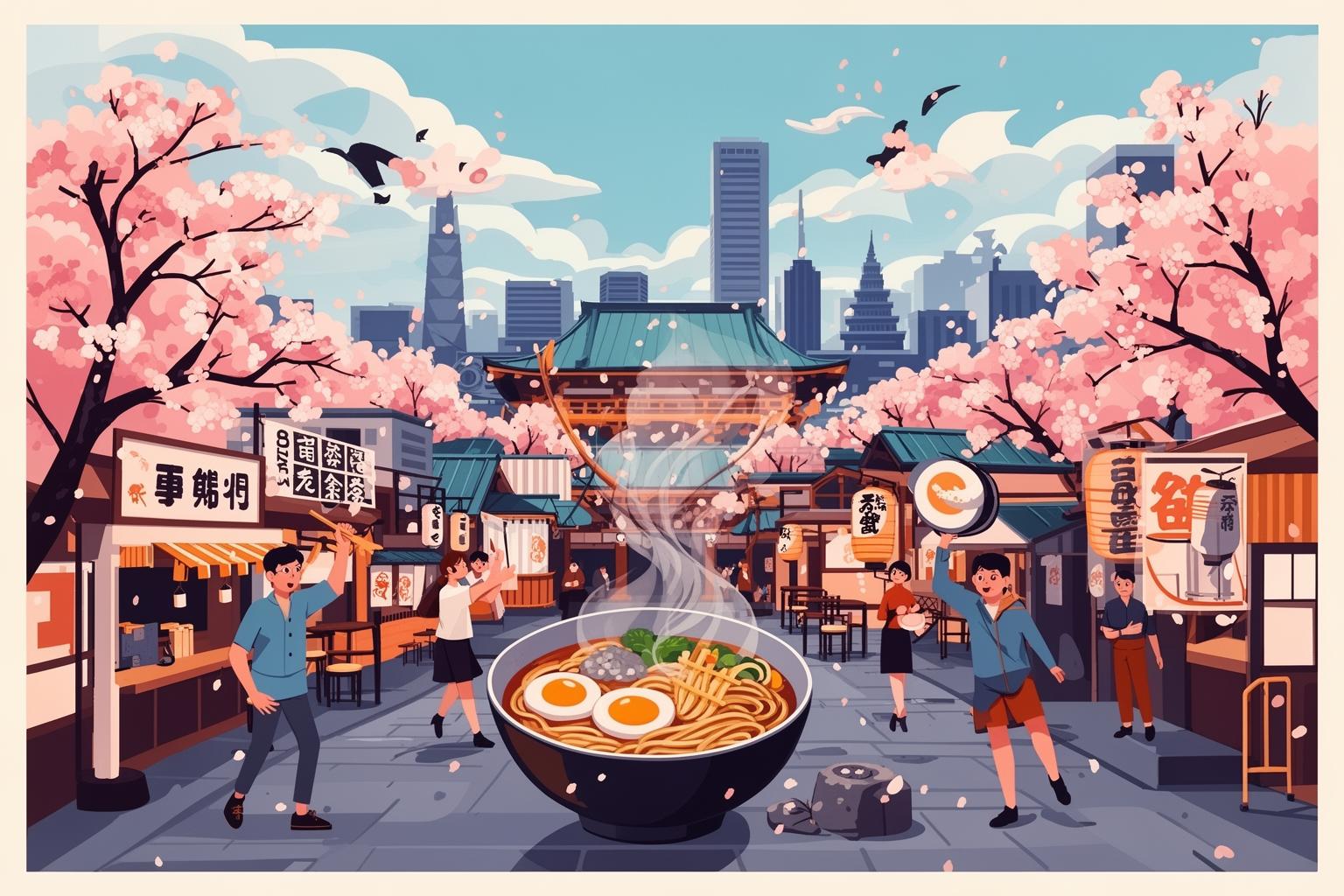
Before exploring Osaka’s distinctive preference, it’s important to recognize the overwhelming cultural dominance of ramen as the ‘shime’ meal throughout most of Japan. In Tokyo, the late-night ramen shop stands as an institution, a secular cathedral for both the city’s exhausted and celebratory crowds. The ritual is almost ritualistic. After drinks, you head, single-mindedly, to the nearest vendor of pork-bone nirvana. You’ll probably find yourself in a line stretching down the block, a silent, shuffling queue of people united by a shared goal. Inside, the air is heavy with the aroma of simmering pork and the sound of noodles being strained. The experience is intense, focused, and often solitary, even when accompanied by friends. You lean over your bowl, a barrier between you and the world, and savor it deeply.
Tokyo’s typical ‘shime’ is usually a heavyweight. Consider Iekei-style, a robust blend of tonkotsu (pork bone) and shoyu (soy sauce) broth, or the classic, rich Hakata-style tonkotsu. The broth is opaque, creamy with emulsified fat, and unapologetically salty. The noodles are thin and firm, topped with generous slices of fatty chashu pork, a soy-marinated egg, and perhaps a heap of green onions or bean sprouts. It’s a meal that feels like a delicious act of self-punishment. It’s a flavor explosion designed to pierce through the alcohol-induced haze, a heavy anchor dropped into your stomach. The logic is elemental: soak up the booze with fat and salt. It’s a final, glorious assault on the senses before stumbling home to crash.
This isn’t a criticism; it’s a cultural observation. Tokyo’s ‘shime’ ramen experience mirrors the city’s own energy: intense, fast-paced, and competitive. It’s about conquering the night, about one last moment of overwhelming sensation. It’s a meal that shouts. It’s delicious, iconic, and for millions, it’s the definitive way to end an evening. This strong, nationwide image is what makes Osaka’s subtle deviation so intriguing. It’s a city that heard the national ramen anthem and chose, collectively, to hum a different tune.
Osaka’s Soulful Answer: Kasu Udon Explained
So, what exactly is this enchanting dish that captivates the Osakan palate? At first sight, Kasu Udon appears deceptively straightforward. It’s a bowl of thick, chewy udon noodles submerged in a clear, amber-hued broth, often garnished with a cluster of green onions and occasionally a slice of kamaboko fish cake. It looks light, almost fragile. However, the secret—the component that elevates it from a simple noodle soup to a ‘shime’ powerhouse—is the ‘kasu.’
The Magic Ingredient: Aburakasu
Let’s clarify one thing: the ‘kasu’ in Kasu Udon is not related to ‘tenkasu,’ the crunchy bits of tempura batter commonly used as a udon topping. This is ‘aburakasu’ (油かす), a distinctive local delicacy from the Minami-Kawachi area in southern Osaka. ‘Aburakasu’ is made from beef intestines, or horumon. The intestines are slow-cooked in fat for hours, a process that extracts most of the oil and dehydrates the meat until it turns intensely concentrated, hard, and brittle. The final product is a block of pure, unadulterated umami.
Before being incorporated into the udon, these brittle chunks of aburakasu are chopped up. When they meet the hot dashi broth, a remarkable transformation takes place. The crispy, tough exterior softens slightly, while the interior rehydrates into a chewy, gelatinous texture rich in collagen. They release their profound, savory, beefy essence into the broth, infusing the entire bowl with a depth you wouldn’t expect from its clear look. The taste is complex—deeply meaty, slightly sweet, and incredibly savory. It delivers all the richness you desire after a few drinks, but without the heavy weight of a fatty pork broth. It’s flavor without the fat, richness without remorse.
The Foundation: Osaka’s Dashi Culture
The other star of the dish is the broth itself: the dashi. To truly grasp the soul of Kansai cuisine, understanding dashi is essential. While Kanto (the region around Tokyo) cuisine often emphasizes bold, strong notes from dark soy sauce, Kansai food is founded upon dashi. This carefully crafted broth, usually made from kombu (kelp) and katsuobushi (dried, smoked bonito flakes), is the lifeblood of Osaka’s culinary heritage. The aim of good dashi is not to overshadow but to enhance. It’s a subtle, clear, yet deeply flavorful liquid that brings out the natural taste of the ingredients it surrounds.
In Kasu Udon, this philosophy shines clearly. The light, refined dashi provides the ideal backdrop for the aburakasu to shine. It doesn’t compete with the rich beefiness; it complements it, carrying its flavor while adding its own gentle, smoky, sea-kissed notes. This broth is hydrating and gentle on the stomach, a stark contrast to the dense, often dehydrating saltiness of tonkotsu ramen broth. It’s a soup that comforts rather than overwhelms. This perfect harmony of a rich, complex topping paired with a light, sophisticated broth makes Kasu Udon the ultimate ‘shime’ for discerning Osakans. It’s a dish embodying beautiful, delicious contradictions.
The Psychology of a ‘Shime’: What the Choice Reveals

The choice to favor Kasu Udon over ramen is more than just a matter of taste; it offers insight into the Osaka mindset. It embodies values such as practicality, historical awareness, and a strong sense of culinary pride that distinguish this city from its eastern counterpart.
A Culture of Pragmatism
Above all, Osakans are practical people. This is a city of merchants, where shrewdness and common sense are highly valued. Their pragmatism extends into their food preferences. While a bowl of tonkotsu ramen might feel like a rich, indulgent finale to a night of excess, Kasu Udon feels like a wise choice. It stems from a desire for true comfort and recuperation rather than mere sensory overload. The dashi is warming and replenishing. The aburakasu offers that desired savory richness but in a form that’s gentler on a tired body. There’s a widely shared belief, expressed with a knowing smile, that the abundant collagen in aburakasu benefits your skin, helping you look fresh the next day despite the previous night’s indulgences. Is this scientifically proven? Perhaps not. But it’s a perfectly Osakan rationale: a ‘shime’ that is both indulgent and somewhat restorative. It’s a choice that says, “I want to enjoy myself, but I also have to face work in the morning.” It’s the sensible treat, the delicious compromise—an idea Osaka understands perfectly.
A Taste of History
Osaka has always been a city grounded in reality. It was built by workers and merchants, not samurai or aristocrats. Its food culture mirrors this legacy. Aburakasu perfectly exemplifies the city’s straightforward, nose-to-tail philosophy. It originated from the necessity to utilize every part of the animal in the meat-processing communities of southern Osaka. It was humble fare, a method to preserve and concentrate flavor from less-desirable cuts. This history is infused into the taste. Eating Kasu Udon connects you to a tradition that is authentically local and deeply rooted in the city’s working-class past. It’s not a trendy creation designed for food bloggers; it’s a flavor passed down through generations. For an Osakan, opting for Kasu Udon is a subtle homage to this heritage. It affirms a local identity that values resourcefulness and substance over passing fads. While ramen has become a worldwide phenomenon with endless variations and celebrity chefs, Kasu Udon remains wonderfully and stubbornly local. It’s Osaka’s secret handshake in a bowl.
Dashi vs. Shoyu: A Regional Showdown
The preference for Kasu Udon also serves as the most delicious expression of the longstanding culinary rivalry between Kansai and Kanto. As noted, Kanto cuisine favors a bold shoyu and miso base, producing strong, salty, robust flavors. Kansai cuisine, centered in Osaka, is the realm of dashi. Osakans take great pride in their dashi culture, believing it reflects a more refined, sophisticated culinary approach that requires a delicate touch and profound respect for foundational ingredients. To the Osakan palate, a heavy tonkotsu or shoyu ramen broth can sometimes seem clumsy—a brute-force method of flavor that obscures subtlety. Kasu Udon, with its clear, elegant dashi serving as the perfect backdrop for the savory hit of aburakasu, epitomizes this Kansai philosophy. It shows that flavor can arise from balance and depth, rather than merely salt and fat. Choosing it is a quiet endorsement of the home team, a statement that the Osaka way—the dashi way—is the superior route to culinary fulfillment.
The Scene: A Late Night in Minami
Picture this: It’s 1 a.m. in the tangled, neon-lit backstreets of Namba, the heart of Osaka’s ‘Minami’ entertainment district. The energy remains electric. You’ve just left a lively tachinomi (standing bar), your head buzzing from good conversation and cheap chu-hai. Hunger suddenly strikes. You spot the glowing red lanterns of a well-known ramen chain, a small crowd of tourists and university students gathered outside. But your Osakan friend grabs your arm and shakes their head. “Not that,” they say. “I know a better place.”
They guide you down a narrower, darker alley to a spot you’d never have discovered on your own. It’s a tiny udon shop, its windows fogged with steam. Inside, it’s bright, warm, and filled with an incredible aroma—not of pork, but something deeper, sweeter, and more savory. The space is cramped, with a single wooden counter seating about ten people. The patrons reflect a cross-section of Osaka nightlife: a couple of salarymen with their ties draped over their shoulders, two women in their fifties laughing loudly, a young couple sharing a bowl. There’s no hushed, reverent silence as in some Tokyo ramen bars. Instead, it’s lively, buzzing with the easy chatter of the Kansai dialect.
The master, an elderly man with a towel tied around his head, moves with the practiced efficiency of someone who has honed this craft for fifty years. He scoops a mound of freshly boiled udon into a bowl, ladles shimmering dashi over it, then sprinkles a generous spoonful of chopped aburakasu on top, finishing with a flourish of green onions. The bowl is placed before you, steaming and fragrant. Your first sip of the broth is a revelation—so light yet incredibly flavorful. Then you bite into a piece of the kasu: chewy, rich, flooding your mouth with a deeply satisfying savory beefiness. The thick udon noodles are the perfect complement, soft and comforting. It’s a meal that warms you from the inside out. It doesn’t weigh you down; it lifts you up. Looking around at the other happy, slurping customers, you realize this is more than just a meal. It’s a communal ritual, a shared moment of comfort that is quintessentially Osaka.
Beyond the Stereotypes
For many foreigners, their perception of Osaka is often shaped by a handful of familiar clichés. It’s the city of bright lights, boisterous people, and a diet seemingly limited to takoyaki, okonomiyaki, and kushikatsu. While these elements are a delightful part of the city’s character, they only scratch the surface.
Misunderstanding: Osaka’s food scene is just street food.
Reality: The essence of Osaka’s culinary identity is found in its dashi, its kappo restaurants, and its humble, historically rich dishes like Kasu Udon. Street food represents the city’s lively, exuberant side, but dishes like Kasu Udon are its heartbeat. To truly grasp why Osaka is known as ‘Tenka no Daidokoro’ (The Nation’s Kitchen), one must look beyond the grilled octopus balls and discover the flavors that have been nurtured in the city’s backstreet kitchens for generations. Kasu Udon serves as a direct connection to that deeper, more intricate culinary heritage.
Misunderstanding: All of Japan shares the same late-night customs.
Reality: Japan is far more regionally diverse than many outsiders realize. The choice of ‘shime’ perfectly illustrates this. The belief that everyone craves ramen after drinking is a Tokyo-centric perspective that disregards the distinct, proud cultures of other regions. Osaka’s preference for Kasu Udon is a strong reminder that the city has its own pace, its own history, and its own idea of comfort. It’s a city that has never aimed to be a replica of Tokyo, and its ‘shime’ culture is just one more way it showcases its unique identity.
Ultimately, that steaming bowl of Kasu Udon is more than just an ideal way to end a night out. It’s a lesson in what drives Osaka. It symbolizes a city that values simple, unpretentious solutions; a city that honors its working-class origins; and a city that has built its world-renowned culinary reputation on the subtle, profound art of dashi. It’s a ‘shime’ that satisfies not only your hunger but also tells a story. So, the next time you find yourself late at night and hungry in this magnificent, maddening, and wonderful city, skip the ramen line. Follow the locals into that steamy udon shop. You’ll be rewarded with more than just a tasty meal—you’ll experience the true spirit of Osaka.








