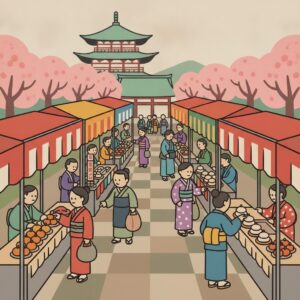
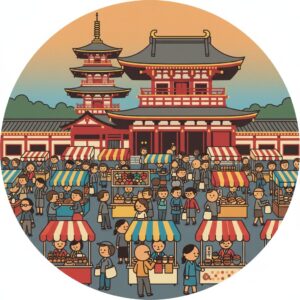
In the heart of Osaka, a city that pulses with a vibrant, modern energy, there are pockets of profound stillness where history breathes. Down a quiet street in the Tennoji district, nestled away from the soaring height of Abeno Harukas and the bustling energy of the station, you’ll find a sanctuary painted in vermilion and steeped in legend. This is Shoman-in Aizendo Temple, a place known affectionately to locals as “Aizen-san.” At first glance, it might seem like just another beautiful Buddhist temple, with its elegant pagoda and gracefully curved roofs. But to those who know, this is hallowed ground, the spiritual home of Japan’s most revered deity of matchmaking, love, and human connection. It’s a place where centuries of hopes and whispered prayers for companionship have settled into the very grain of its ancient wooden beams. People don’t just come here to see a piece of history; they come seeking a piece of their future, hoping for a thread of fate to be tied or a bond to be strengthened. The temple’s story is not one of grand battles or political intrigue, but of something far more universal: the enduring, passionate, and sometimes challenging journey of the human heart. It is a legacy that begins with a benevolent prince, centers on a fierce-looking god of compassion, and culminates every summer in one of Osaka’s most joyous festivals. To visit Shoman-in Aizendo is to step into a living narrative where the divine and the deeply human have been intertwined for over fourteen hundred years.
While exploring the spiritual side of Tennoji, you might also be drawn to the vibrant culinary adventures nearby, such as the unique experience of finding omakase sushi in the heart of Tsuruhashi.
The Heartbeat of Aizen-do: The Deity Aizen Myoo

The central figure of worship at Shoman-in Aizendo is Aizen Myoo, one of the Wisdom Kings (Myoo) in Esoteric Buddhism. For those unfamiliar, his appearance can be strikingly different from the calm and gentle expressions seen in many Buddhist statues. Aizen Myoo is portrayed with a burning crimson body, multiple arms holding symbolic weapons, and a fierce, intense expression topped with a lion’s head. This image conveys immense power, but not the kind of destructive power; rather, it represents the overwhelming, passionate force of compassion, a divine energy so potent that it takes on a fierce form to overcome the worldly desires and attachments that cause suffering. His name, “Aizen,” means “Indigo Love” or “Dyed in Love,” suggesting a love so deep it saturates one’s entire being.
More Than a Fierce Face: Understanding a Wisdom King
The iconography of Aizen Myoo is rich with spiritual symbolism. His red skin represents the passionate energy of love and the suppression of base desires. In one hand, he holds a vajra bell, whose sound awakens beings from the sleep of ignorance. In another, he grips a five-pronged vajra, a ritual object symbolizing the indestructible nature of enlightenment. Most famously, he often carries a bow and arrow, not for warfare, but to shoot down misguided affections and help a person reach the true target of destined love. The true paradox and beauty of Aizen Myoo lie in his purpose. He is a deity who helps mortals transcend lust and earthly cravings, yet he has become the patron of those very human emotions. The philosophical insight is that Aizen Myoo does not destroy passion; instead, he purifies and redirects it. He transforms selfish desire into selfless, compassionate love—the kind that underpins enduring partnerships, harmonious families, and even successful artistic endeavors. His fierce expression promises to sever any obstacle, internal or external, that stands in the way of achieving this pure connection.
From Buddhist Canon to Matters of the Heart
The transformation of Aizen Myoo from a complex esoteric figure to a beloved deity of matchmaking is a captivating episode in Japanese religious history. His worship was initially limited to monastic circles, serving as a powerful guardian for practitioners of Shingon and Tendai Buddhism. However, as these teachings spread through society, certain figures captured the public’s imagination. During the Heian period, with its refined court culture focused on romance and aesthetics, Aizen Myoo’s themes of passion and purified love began to resonate. Later, in the Edo period, his appeal widened significantly. Courtesans in pleasure quarters, merchants seeking prosperous business relationships, and common people hoping for successful marriages all turned to him. They saw in his powerful imagery a divine force capable of intervening in their daily lives. Temples like Shoman-in Aizendo became centers where abstract Buddhist doctrine met the tangible, heartfelt needs of the people. They prayed to Aizen Myoo not only for a partner (en-musubi) but also for marital harmony (fuufu-enman) and success in the arts and entertainment (geido-shoju), recognizing that the same passionate energy fuels love, creativity, and connection in all its forms.
A Legacy Carved by a Prince: The Temple’s Ancient Origins
The story of Shoman-in Aizendo traces back to the very beginning of Buddhism in Japan, closely connected to one of the most revered figures in the nation’s history: Prince Shotoku. A devoted Buddhist and regent to Empress Suiko, Prince Shotoku was a visionary leader who, in the late 6th and early 7th centuries, laid the groundwork for a centralized Japanese state and promoted the new faith brought from the Asian continent. His legacy is prominent across the Kansai region but is most concentrated in Osaka’s Tennoji area.
The Vision of Prince Shotoku
In 593, after a military victory he credited to the protection of the Four Heavenly Kings (the Shitenno), Prince Shotoku founded Shitennoji Temple, Japan’s first officially administered Buddhist temple. It was a monumental project, designed as a grand spiritual center for the nation. However, the prince’s vision of Buddhism extended beyond prayer and scripture; it was a comprehensive philosophy aimed at the welfare of the people. To this end, he established four institutions within the Shitennoji grounds to serve the community: the Keiden-in (for religious practice), the Hiden-in (a welfare center for the elderly and abandoned), the Ryobyo-in (a hospital), and the Seyaku-in (a pharmacy or dispensary for medicinal herbs). Shoman-in Aizendo Temple originated from this Seyaku-in, the institution devoted to healing, with the primary goal of relieving physical suffering through the natural world’s resources to restore health and balance. This compassionate foundation became the deep root for its later development into a place focused on healing the heart.
From Healing the Body to Mending the Heart
The evolution from a dispensary of medicinal herbs to a temple dedicated to the god of love unfolded gradually over centuries. As devotion to Aizen Myoo increased, a hall honoring him was built on the temple grounds, and his prominence eventually surpassed the temple’s original purpose. This shift is not as drastic as it may appear, since the temple’s core philosophy has always centered on restoration and harmony—initially of the body, and subsequently of the emotional and spiritual self. The main hall, or Kondo, housing the principal image of Aizen Myoo, stands as a symbol of the temple’s resilience. While the current structure was rebuilt in 1615 by Tokugawa Ieyasu, the second shogun of the Edo period, the sacred mission of the site remains uninterrupted since Prince Shotoku’s era. Also standing proudly on the grounds is the magnificent Tahoto Pagoda. This two-storied vermilion-lacquered tower, with its characteristic round upper story and square lower story, is a designated National Important Cultural Property. Originally constructed in 1594 by Toyotomi Hideyoshi, it is one of Osaka’s oldest wooden buildings, silently witnessing centuries of change and symbolizing the temple’s profound historical importance.
The Spirit of the Festival: Experiencing the Aizen Matsuri

For most of the year, Shoman-in Aizendo remains a peaceful retreat. However, for three days from June 30th to July 2nd, the temple grounds burst into a vibrant celebration filled with color and sound for the Aizen Matsuri. This festival, one of Osaka’s three major summer events alongside Tenjin Matsuri and Sumiyoshi Matsuri, officially marks the start of the city’s summer festival season. During this time, the temple’s usual quiet reverence transforms into lively energy, attracting large crowds from across the region who come to join the festivities and pray for a bit of luck in love.
A Summer Spectacle of Love and Luck
The atmosphere at the Aizen Matsuri is electric. The summer humidity mingles with the rhythmic pounding of taiko drums, the cheerful shouts of vendors, and the aroma of takoyaki and grilled squid drifting from dozens of yatai food stalls lining the streets. Visitors in colorful yukata (light summer kimonos) wander the grounds, their wooden geta sandals tapping on the pavement. The festival is a sensory feast, a vibrant celebration of community and tradition. It’s when the sacred blessings of Aizen Myoo feel most present, carried on the festive summer breeze. Attendees purchase special charms, inscribe their wishes on wooden ema plaques, and offer heartfelt prayers at the main hall, their hopes amplified by the collective spirit of the event.
The Aizen Musume Procession
The festival’s unmistakable highlight is the Hoekago (palanquin) procession, featuring the Aizen Musume, or “Aizen Daughters.” Each year, these young women are chosen as the festival’s representatives, dressed in striking, matching yukata. On the first day, they are carried through nearby streets in ornate, brightly decorated palanquins, lifted on the shoulders of lively bearers. As they proceed, they chant “Aizen-san, hoekago!” setting a lively, contagious rhythm. Watching this procession is like seeing a scene from a historical scroll come alive. The Aizen Musume symbolize beauty, grace, and good fortune, and their parade is a cherished tradition that officially heralds the arrival of summer while spreading the temple’s blessings of love and happiness throughout the neighborhood.
Charms and Fortunes: Seeking a Blessing
During the festival, the temple offers a range of special omamori, or protective charms, that are highly prized. The most well-known is a small bow and arrow set, symbolizing Aizen Myoo’s power to help one find their ideal partner. Couples often purchase charms for marital harmony, while artists and performers seek amulets for success in their craft. It is also a favored occasion to draw an omikuji, a paper fortune offering guidance on various life aspects, with particular emphasis on love and relationships. Whether the fortune is positive or not, receiving it is part of the hopeful and interactive festival experience, a personal moment of connection with the temple’s divine spirit amid the joyful crowds.
A Walk Through Sacred Grounds: What to See and Feel
Visiting Shoman-in Aizendo on a quiet weekday, away from the lively festival atmosphere, provides a completely different yet equally profound experience. The compact grounds encourage a slow, reflective exploration, allowing the subtle details and deep tranquility to envelop you. It’s a spiritual urban hike, a brief journey from the city’s concrete to the temple’s sacred woods.
The Path to Devotion: Entering the Temple
Your visit begins as you leave the main street and pass through the Sanmon gate. Immediately, the city’s noise fades away, replaced by the soft crunch of gravel beneath your feet and the gentle rustling of leaves in the ancient trees. Nearby, you’ll find the chozuya, a water pavilion for ritual purification. For first-time visitors, this offers a beautiful introduction to local customs. Take one of the bamboo ladles, fill it with fresh, cool water, and rinse your left hand, then your right. Pour some water into your cupped left hand to rinse your mouth—mind not to drink directly from the ladle—and rinse your left hand once more. Finally, tip the ladle so the remaining water runs down the handle, cleansing it for the next visitor. This simple ritual symbolizes the cleansing of body and spirit, preparing you to enter the sacred space with a clear mind and heart.
Whispers in the Wood: The Main Hall and Tahoto Pagoda
The Kondo, or Main Hall, stands as the temple’s spiritual heart. Its dark, polished wood and intricate carvings reflect its Edo-period origins. As you approach, the faint, sweet aroma of incense lingers in the air. You may stand before the altar, ring the thick rope to sound the gong and announce your presence to the deity, offer a coin, bow, and offer a silent prayer. It’s a moment of quiet connection, a personal conversation in a place that has witnessed countless prayers. Nearby, the Tahoto Pagoda commands attention. Circling it, you can admire its remarkable architecture, a style rare in Osaka’s city center. Its survival through the turbulent 20th century, including the devastating World War II air raids, gives it an extraordinary sense of resilience. It feels less like a building and more like an ancient guardian, anchoring the entire temple complex.
The Well of Wisdom and the Sacred Tree
Beyond the main buildings are smaller sites of special significance. Seek out the “Reitoku no Mizu,” or Well of Spiritual Virtue. The water from this well is believed to grant wisdom and clarity—a fitting blessing in a place devoted to the often-complex matters of the heart. Even more well-known is the sacred Noh-zen-kazura tree (a Trumpet Creeper vine). In summer, it bursts into vibrant trumpet-shaped orange flowers. Legend says that if you find these blossoms and make a wish, your romantic hopes will be realized. This charming folklore adds an extra touch of magic to the grounds. Couples can often be seen standing before the tree, a touching reminder of the temple’s enduring purpose. These natural elements—the well water and the flowering vine—serve as a beautiful connection to the temple’s origins as a place of healing through nature.
Practical Guidance for the Modern Pilgrim
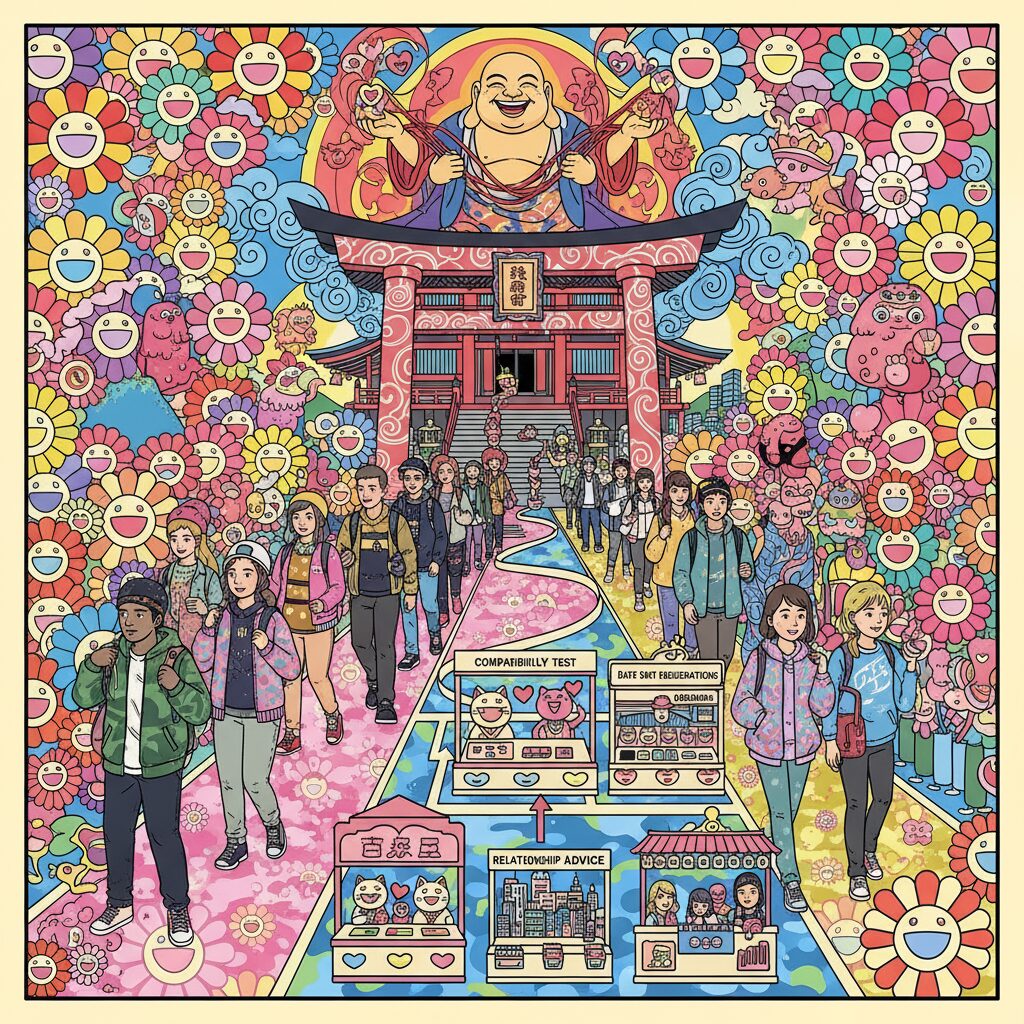
While Shoman-in Aizendo feels like a world apart from modern Osaka, it is surprisingly easy to reach. With a bit of planning, your visit will be smooth, respectful, and deeply fulfilling.
Finding Your Way to Aizen-do
Your journey to this peaceful sanctuary starts in the lively Tennoji district. The most convenient access point is Shitennoji-mae Yuhigaoka Station on the Osaka Metro Tanimachi Line. From Exit 5, it’s a pleasant and simple two-minute walk. Alternatively, if you’re coming via Japan Railways (JR), the large JR Tennoji Station is about a 10-15 minute walk away. The walk from Tennoji Station is a unique experience, taking you along the edge of the expansive Shitennoji Temple complex and allowing you to slowly shift from the bustling city to the tranquil temple area. Since the temple is nestled on a side street, having a map app handy is advisable for first-time visitors.
The Best Times to Visit
To fully experience the temple’s lively atmosphere, plan your visit during the Aizen Matsuri (June 30 – July 2). However, this is also the busiest period. If you prefer peace and quiet for reflection, consider visiting on a weekday morning. The grounds are usually open and calm, giving you the freedom to explore without crowds. The temple is especially beautiful in early summer when the sacred Noh-zen-kazura tree blooms, its orange flowers offering a striking contrast against the dark wooden temple structures. The crisp, clear light of an autumn afternoon also bathes the vermilion pagoda in a stunning glow, making it an ideal time for photography.
Tips for a Respectful and Meaningful Visit
Japanese temples remain active places of worship, so showing respect is essential for a rewarding experience. Think of it not as following strict rules, but as a way to engage with and honor the local culture. A simple bow upon passing through the main gate expresses respect. When praying at the main hall, it is customary to toss a coin into the offering box beforehand—a five-yen coin is considered lucky due to its name, “go-en,” which is a homonym for “good fortune” or “fateful connection.” While photography is generally allowed on the grounds, be considerate of others who are praying and avoid using flash, especially inside or near the main altar. Bringing some cash is also recommended, as you’ll need it to purchase charms, fortunes, and make offerings. By approaching your visit with a quiet, open heart, you’ll connect more deeply with the temple’s serene and powerful ambiance.
Beyond the Temple Gates: Exploring the Tennoji Neighborhood
A visit to Shoman-in Aizendo is perfectly enhanced by exploring the rich historical and cultural fabric of the surrounding Tennoji area. The temple is not an isolated landmark; it forms part of a broader sacred landscape that reveals the story of Osaka’s past and present.
Just a Stone’s Throw from Shitennoji Temple
You cannot visit Aizen-do without also wandering through the expansive grounds of Shitennoji Temple, located mere steps away. The contrast between the two is both striking and enlightening. If Aizen-do is an intimate poem dedicated to the heart, Shitennoji stands as a grand epic of Japanese Buddhism. As Japan’s first state-sponsored temple, its perfectly symmetrical design—with a central gate, a five-story pagoda, a main hall (Kondo), and a lecture hall (Kodo) aligned along a straight north-south axis—exemplifies early temple architecture. Though its structures have been destroyed by fire and war many times over the centuries and meticulously rebuilt each time, the complex still radiates an aura of ancient authority and profound spiritual significance. Visiting both temples in one trip offers a chance to appreciate the varied ways Buddhism has influenced Japanese culture—from monumental national institutions to intimate places of personal devotion.
Parks, Museums, and Modern Marvels
The Tennoji area presents a captivating mix of tradition and modernity. Adjacent to Shitennoji is Tennoji Park, a large urban green space that houses the Osaka City Museum of Fine Arts, featuring an impressive collection of Japanese and Chinese art, along with the serene Keitakuen Garden, a traditional Japanese strolling garden. After delving into history, you can leap into the 21st century by ascending the Abeno Harukas skyscraper. As Japan’s tallest building, its observation deck provides a stunning panoramic view of the entire Osaka plain. From that remarkable vantage point, you can look down and spot the ancient temple roofs you just explored, gaining a powerful perspective on how this city has managed to preserve its sacred past while ambitiously shaping its future.
The Enduring Power of Connection
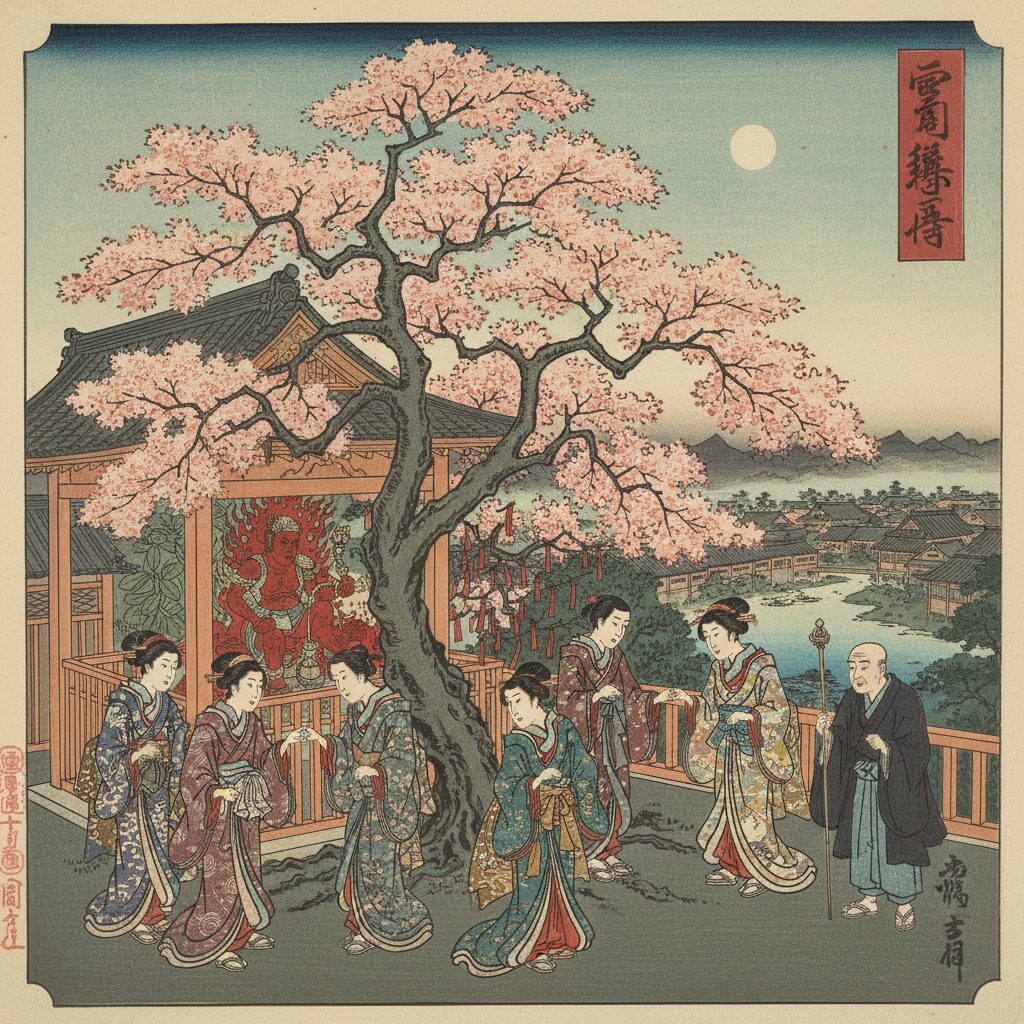
In a world that often feels fragmented and fast-moving, the lasting charm of a place like Shoman-in Aizendo Temple is truly remarkable. For more than 1,400 years, it has quietly stood as a testament to a basic human need: the longing for meaningful connection. The deity it enshrines, Aizen Myoo, with his fierce gaze and compassionate spirit, reminds us that love is not a passive feeling but an active, potent force that demands courage and passion. Visiting this small temple in Osaka is more than a cultural outing; it offers a chance to contemplate the relationships in our own lives—not only romantic ones but also the bonds we share with family, friends, and even our creative endeavors. It is a sanctuary that assures us the hope for love, in all its beautiful forms, remains a timeless and sacred prayer, still whispered today, just as it was centuries ago, beneath the elegant roof of Aizen-do.