
Osaka. The name itself conjures images of electric energy, of neon-drenched canals in Dotonbori, of steam rising from takoyaki stalls, and of a city that pulses with an unapologetically modern rhythm. It’s a place of commerce, of laughter, of forward momentum. But what if I told you there’s another Osaka, a whisper from the past tucked away on a gentle slope, a place where the city’s frantic heartbeat slows to a quiet, steady drum? This is Karahori, a neighborhood that feels less like a destination and more like a discovery. It’s a living, breathing testament to a time before the gleaming skyscrapers and bullet trains, a pocket of the city that miraculously sidestepped the devastating air raids of World War II. While much of Osaka was rebuilt from ash and rubble, Karahori held onto its wooden bones, its winding alleyways, and its stories. To walk here is to peel back the layers of the metropolis and find the warm, beating heart of the old town, known as a shitamachi. It’s here, along the covered arcade of the Karahori Shopping Street and its labyrinthine side streets, that you can experience an Osaka preserved in amber, a place where the Showa-era atmosphere isn’t a theme, but a beautiful, enduring reality. It’s a journey not just through streets, but through time itself, offering a profound connection to the city’s resilient soul.
For a different kind of evening adventure, consider exploring the vibrant standing bar scene in nearby Uranamba.
Echoes of a Bygone Era: The Soul of the Shopping Street
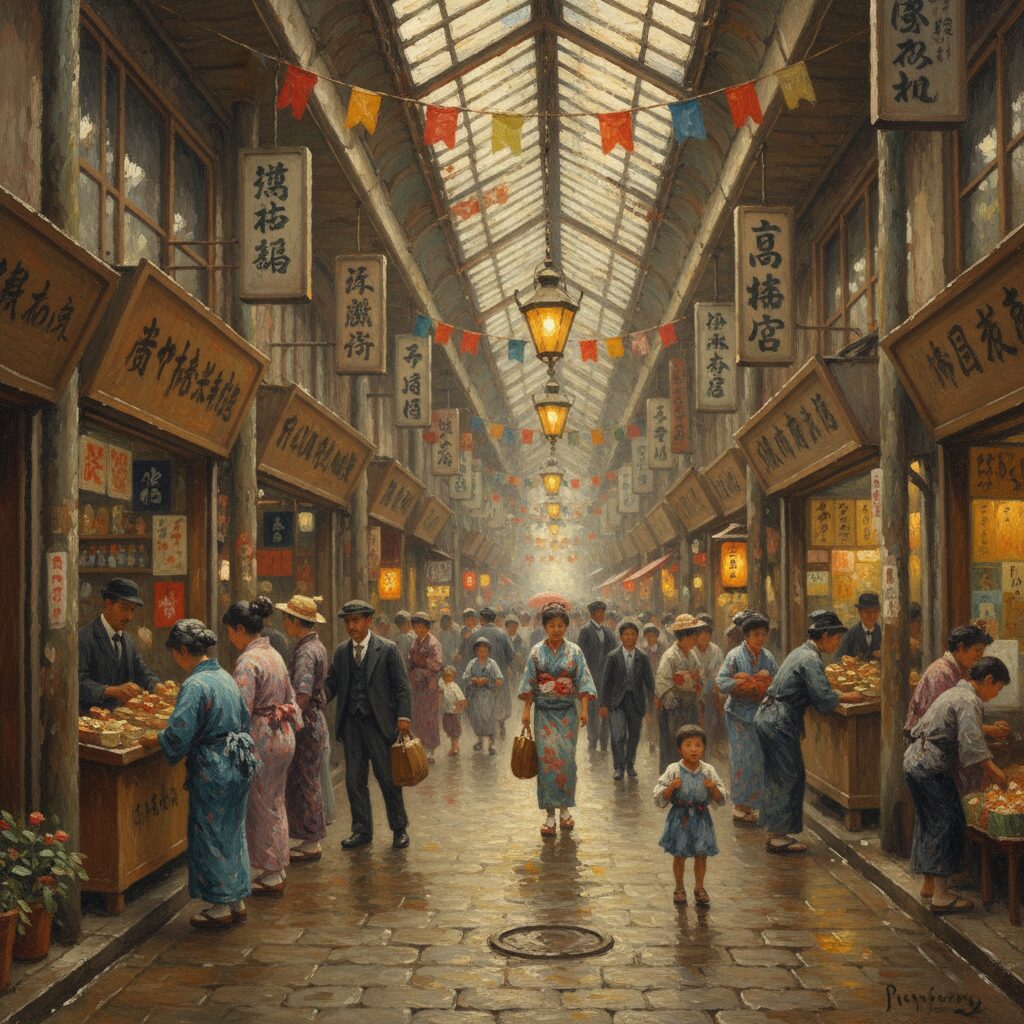
The adventure begins the moment you step beneath the modest archway of the Karahori Shopping Street, or shotengai. This is not the wide, brightly lit arcade of Shinsaibashi, crowded with international brands and bustling tourists. Instead, it offers something far more intimate and genuine. The covered street extends for about 800 meters, a gentle artery pulsing with the rhythms of daily life. The light filtering through the translucent roof is soft, casting a nostalgic glow over everything below. It highlights the faces of elderly shopkeepers arranging their wares, the vivid colors of seasonal vegetables at a greengrocer, and the polished wood of storefronts that have stood for generations. The air itself weaves a tapestry of scents: the savory aroma of freshly fried croquettes from a butcher shop, the earthy sweetness of roasted tea leaves from a specialty store, and the clean, subtle fragrance of soap from a classic sundry shop. There are no loud advertisements or competing soundtracks here. Instead, the music of Karahori consists of cheerful greetings exchanged between neighbors, the gentle rumble of a delivery bicycle over the tiled floor, and the soft shuffling of shoppers taking their time.
Here, you will find businesses that form the bedrock of the community. A tofu maker, whose family has perfected their craft for decades, works amid clouds of steam, their movements precise and economical. A fishmonger calls out the day’s freshest catch, his voice a familiar and reassuring presence in the neighborhood. You might spot a tiny stationery shop filled to the brim with notebooks and pens, a space seemingly untouched since the 1960s. These legacy stores coexist comfortably alongside newer, creative ventures drawn to Karahori’s unique charm. A stylish bakery might offer artisanal bread just a few doors down from a shop selling traditional rice crackers. A modern coffee stand, run by a young barista, might nestle next to a pharmacy with vintage glass cabinets. This seamless blend of old and new is the magic of the shotengai. It’s a place that honors its past without being confined by it, where tradition forms the foundation upon which new stories are built. It feels real, unpretentious, and deeply welcoming—a place where you are not just a consumer, but a temporary member of a vibrant, living community.
Beyond the Arcade: A Labyrinth of Wooden Memories
As captivating as the main shopping street is, the true essence of Karahori emerges when you dare to explore the narrow alleyways branching off from the main path. These tiny side streets, known as roji, are where the neighborhood’s history is most tangible. Here, the world contracts to a human scale. The lanes are often too narrow for cars, creating a pedestrian haven where the only traffic consists of the occasional cat slinking by or a resident tending to their potted plants. This is the domain of the nagaya, traditional wooden row houses that once formed the standard urban housing in Japan. These two-story structures, with their tiled roofs, latticed windows, and shared walls, represent the architectural heartbeat of Karahori. Many endured the war, their dark, weathered wood bearing the marks of time. Walking here feels like stepping onto a film set, but laundry hanging from second-floor balconies and bicycles resting against walls serve as steady reminders that these are cherished homes for many.
Exploring this labyrinth is an experience of constant discovery. An alley may twist unexpectedly, revealing a tiny, hidden courtyard you would never have guessed existed. You might stumble upon a small, unmarked shrine nestled between two houses, a quiet space for local reflection. It’s in these serene corners that you truly grasp why Karahori is so special. Preservation here isn’t static; it is dynamic. Visionary architects and artisans have breathed new life into these old buildings, transforming them into unique spaces while carefully preserving their historic character. This revitalization has produced several beautiful complexes, each a unique world waiting to be explored. These are not modern shopping malls; they are organic extensions of the neighborhood’s fabric, places where commerce, art, and community interweave.
Ren: The Rebirth of a Community Space
One of the most celebrated examples of this beautiful regeneration is a complex called “Ren,” which means “to knead” or “to refine.” The name fits perfectly, as the space feels thoughtfully crafted, a harmonious blend of past and present. To find it, you must step away from the main arcade and follow a discreet sign down a narrow path. Suddenly, the alley opens into a stunning courtyard centered around an old well, a relic from when neighbors gathered here for water and conversation. The complex is a collection of beautifully restored nagaya, their dark wooden beams and plaster walls fully preserved. The original structures have been lovingly maintained but now house a curated selection of independent shops and cafes. You might discover a boutique selling exquisite handmade paper goods, each sheet a work of art. Nearby could be a leather craftsman’s workshop, filled with the scent of tanned hides. There’s a quiet gallery showcasing local artists and a cozy café where you can relax with coffee and a pastry, soaking in the peaceful atmosphere of the courtyard. Ren is more than just a cluster of shops; it’s a destination. A place to slow down, appreciate craftsmanship, and feel the profound connection between the building’s history and its vibrant present. It stands as a perfect example of how historic architecture can be adapted for modern life without losing its soul.
So and Hoju: Pockets of Serenity and Craft
In the spirit of discovery, you might find other similar gems. “So” is another such complex, a multi-level maze of interconnected row houses that feels even more like a secret hideaway. Climbing its steep, narrow wooden staircases is an adventure in itself, leading you to tiny shops tucked into hidden corners. One floor might house an antique store filled with treasures from the Showa period, while another could host a small restaurant serving home-style meals. The layout is delightfully disorienting, inviting you to get lost and explore every nook and cranny. The air is rich with the scent of old wood and incense, and the light filtering through the paper screens of the windows feels soft and warm. It seems less like a commercial space and more like entering someone’s sprawling, eclectic home.
Nearby, you might encounter “Hoju,” a smaller but equally enchanting space. This complex often leans more toward artisanal crafts. You might see a potter at their wheel, hands covered in clay, or a textile artist weaving intricate patterns on a loom. Hoju is a tribute to the maker spirit thriving in Karahori. It’s a place where you can not only purchase beautiful handmade objects but also witness the creative process and connect with the artists who pour their passion into their work. These complexes—Ren, So, Hoju, and others scattered throughout the neighborhood—are the jewels of Karahori’s crown. They reflect a conscious community effort to protect their heritage while keeping it relevant and alive for future generations. They transform a simple stroll into a treasure hunt where the reward is a deeper appreciation of Japanese aesthetics, craftsmanship, and the enduring strength of community.
The Story Written in the Slopes: Understanding Karahori’s Name
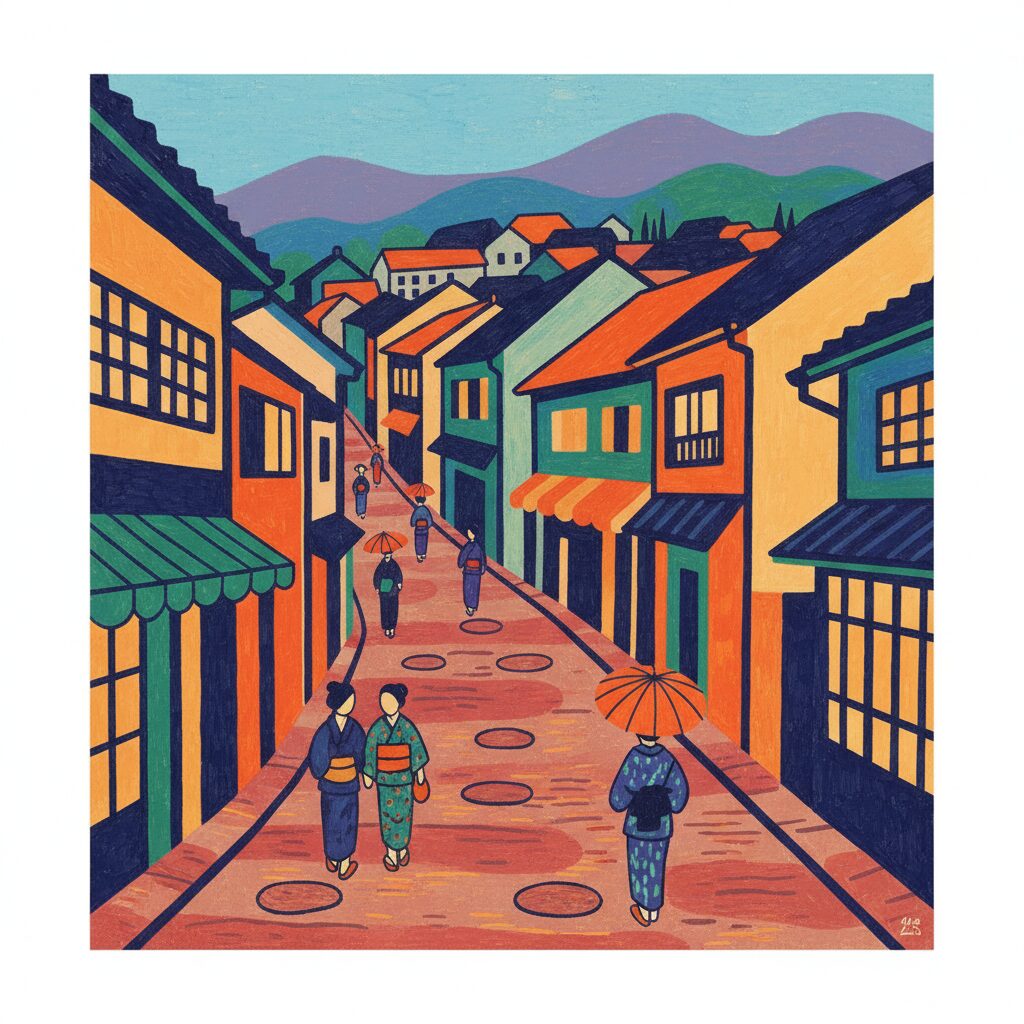
To truly appreciate the neighborhood, understanding the meaning of its name is helpful. “Karahori” literally means “dry moat,” directly connecting to the area’s rich history dating back more than 400 years to the Sengoku period, an era of warring states. The neighborhood lies on the southern edge of the Uemachi Daichi, a natural plateau where Osaka Castle was constructed. Under the rule of Toyotomi Hideyoshi, the great unifier who made Osaka his stronghold, this area formed a vital part of the castle’s southern defenses. A large dry moat was excavated here to guard the fortress from attack. Although the moat itself has long been filled in, its legacy remains in the neighborhood’s name and subtly in its landscape. Walking through the area, you’ll observe gentle but persistent slopes and winding streets—modern-day traces of that ancient defensive earthwork. The roads curve and dip, following the ghostly contours of the long-vanished moat, silently testifying to the area’s strategic significance centuries ago.
This geographical and historical background also helps explain how Karahori miraculously survived World War II. While Osaka’s industrial and military centers were prime targets for Allied bombing, the predominantly residential, hilly Karahori avoided much of the destruction. It was not a strategic target, and its intricate maze of narrow streets made it a more difficult area to attack from the air. Consequently, while large parts of the city were reduced to rubble, Karahori’s wooden nagaya and pre-war buildings largely remained intact. This is why strolling here feels so distinctly different from exploring other parts of Osaka. You are not witnessing a reconstruction of history; you are seeing history itself, quietly enduring into the 21st century. Every weathered beam, tiled roof, and crooked alley is a survivor, a guardian of memories in a city that has otherwise changed almost beyond recognition. It is this continuous link to the past that grants Karahori its unique and invaluable character.
A Taste of Local Life: Savoring the Karahori Experience
Visiting Karahori engages all the senses and presents countless chances to connect deeply with local culture. This is not a spot for a quick photo; it’s a place to linger, savor, observe, and soak it all in. The food scene mirrors the neighborhood itself: genuine, unpretentious, and profoundly satisfying. Instead of flashy eateries, you’ll discover small, family-run restaurants serving time-honored recipes passed down through generations. You might stop by a tiny udon shop for a steaming bowl of noodle soup, with broth perfected over years of expertise. Or you may be drawn to an okonomiyaki place, where the savory pancake is grilled right before your eyes, filling the air with an irresistible fragrance. For something sweet, seek out a traditional wagashi shop, offering beautiful, handcrafted Japanese confections that delight both the eyes and the palate. These sweets, often made with bean paste and inspired by the season, provide a delicate and perfect taste of Japanese culinary artistry.
Shopping in Karahori is just as rewarding. This is where you’ll find unique, meaningful souvenirs that tell a story. Forget mass-produced trinkets; here, you can buy items directly from the artisans who crafted them. It might be a hand-dyed tenugui towel, a piece of intricate pottery, or a custom leather wallet. Many shops specialize in antiques and vintage items, especially from the Showa period (1926–1989). Exploring these stores feels like uncovering a treasure trove of recent history, with old posters, glassware, kimonos, and furniture that evoke a strong sense of Japanese nostalgia. The best way to savor it all is to let yourself get lost. Set aside the map for a while and follow your curiosity. Chase a cat down an alley, peek through an open door, and let the neighborhood disclose its secrets at its own unhurried pace. This is where you’ll have the most unforgettable experiences and create the most treasured memories.
Your Guide to Navigating this Timeless Quarter
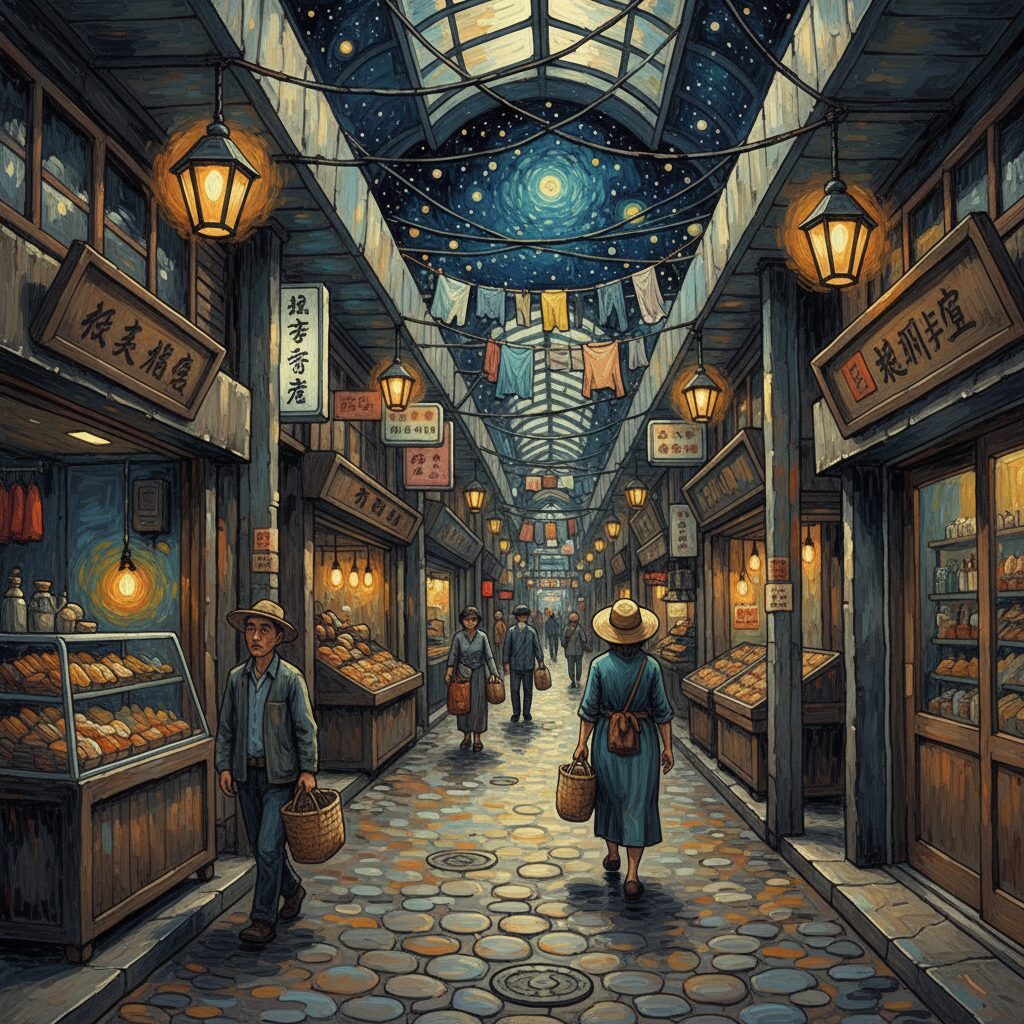
Reaching Karahori is surprisingly straightforward, even though it feels like a world apart from the urban hustle. The most convenient access point is Tanimachi Rokuchome Station, served by two subway lines: the Tanimachi Line (Purple) and the Nagahori Tsurumi-ryokuchi Line (Light Green). From major hubs like Umeda or Higashi-Umeda, the Tanimachi Line offers a direct and easy ride. Upon arriving at the station, head for Exit 4, which brings you to street level just a short walk from the entrance to the main shopping arcade, making it an ideal starting point for your exploration.
To truly experience the local atmosphere, the best time to visit is a weekday afternoon. This is when the shotengai is lively with local shoppers but not overwhelmingly crowded. You can observe the daily rhythm of community life and browse the shops at a relaxed pace. Keep in mind that, like many traditional neighborhoods in Japan, many small, independent shops in Karahori close one day a week, often on Wednesday, so it’s wise to consider this when planning your visit. A few tips can enhance your experience. First, wear comfortable shoes. The charm of Karahori lies in its slopes, uneven stone pavements, and winding alleys, so be prepared for plenty of walking. Second, although more places accept cards, it’s always advisable to carry some cash, as many small family-run shops and eateries remain cash-only. Finally, and most importantly, remember you are a guest in a living, breathing residential neighborhood. Respect people’s privacy, keep your voice down in the quiet alleyways, and avoid photographing private homes or residents without permission. A respectful and gentle approach will be warmly appreciated and will deepen your connection with the spirit of this special place.
A Final Thought from the Heart of Old Osaka
In a city as vibrant and forward-thinking as Osaka, Karahori serves as a gentle, essential reminder of the beauty found in endurance. This neighborhood shows that progress doesn’t have to mean erasure and that the past can be a source of strength and inspiration for the present. A day spent here soothes the soul, offering a chance to disconnect from the digital world and reconnect with something more tangible and more human. It’s in the texture of old wood, the flavor of a home-cooked meal, the sound of friendly conversation, and the sight of a community flourishing in harmony with its history. Karahori doesn’t demand your attention; it softly invites you to slow down, look closer, and listen to the stories held within its walls. When you leave its gently sloping streets and return to the glittering city, you carry a piece of its tranquility with you, along with a richer, deeper understanding of what Osaka truly is: a city with not just one, but many beautiful and resilient hearts.