

You hear the word before you even arrive. Kuidaore. It’s whispered in guidebooks and shouted in travel blogs, a neat, exotic label for Osaka. The translation usually offered is “to eat oneself into bankruptcy,” a phrase that conjures images of hedonistic, non-stop feasting, of people so obsessed with takoyaki and okonomiyaki that they’d trade their last yen for one more bite. It sounds wild, a little dangerous, and quintessentially Osakan. But this translation, like so many simple explanations of a complex culture, misses the point entirely. It captures the action but completely fumbles the philosophy. Living here, you quickly realize that kuidaore isn’t about gluttony. It’s not about mindless consumption or lavish spending. It’s about value. It’s a deeply ingrained, city-wide obsession with getting the absolute most out of every single yen, a mindset that extends far beyond the dinner plate and into every transaction, every conversation, and every aspect of daily life. This isn’t a culture of indulgence; it’s a culture of intense, joyful scrutiny. It’s the art of living richly on a foundation of shrewdness, and understanding it is the key to understanding Osaka itself.
Exploring how residents channel value into every facet of life also involves understanding Osaka’s unique social currency.
More Than a Meal: Deconstructing the ‘Kuidaore’ Myth
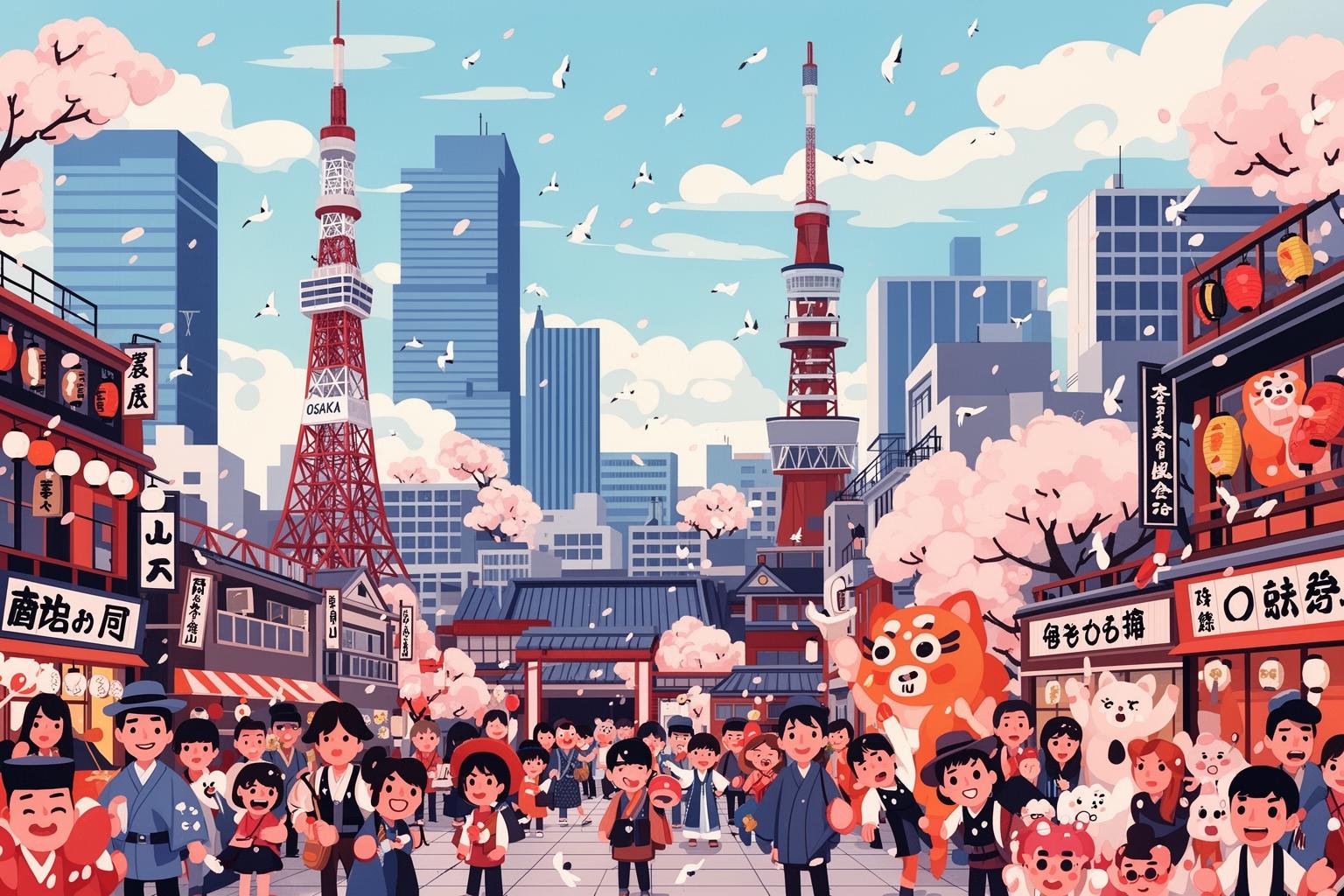
The literal characters of kuidaore (食い倒れ) break down into kui (eat) and daore (to fall down, to go bankrupt). So, while the translation isn’t technically incorrect, it can be culturally misleading. The essence of the phrase isn’t about financial ruin; rather, it reflects a dedication to the pursuit of great food so deep that one would theoretically spend all their money on it. But here’s the key Osakan twist: no self-respecting local would actually go bankrupt from eating, as that would be a terrible bargain—inefficient and poor value. The true aim of the kuidaore mindset is to eat exceptionally well, satisfyingly, and cleverly, giving the feeling of having outsmarted the system. You’re not spending until you’re broke; you’re spending until you’re fully satisfied, having extracted every bit of deliciousness and enjoyment from your money. It’s a philosophy of strategic culinary investment. It’s about finding the hidden, little back-alley spot serving divine ramen for 700 yen, rather than the flashy chain restaurant charging 1,500 yen for a mediocre bowl. The pride lies in the discovery, the smart choice, the feeling of beating the system. An Osakan doesn’t boast about how much was spent on a meal—they boast about how little they spent for such incredible quality. That’s the win. That’s the heart of kuidaore.
The Merchant’s DNA: Where Value Became King
To understand why this city thinks the way it does, you need to look back. Osaka wasn’t founded by samurai or emperors; it was established by merchants. During the Edo period, it was known as Tenka no Daidokoro—the Nation’s Kitchen. Rice, sake, soy sauce, and goods from across Japan flowed into its ports and were stored in warehouses before being distributed nationwide. This was the country’s economic engine, a place where fortunes were made and lost on the price of rice. Commerce wasn’t merely a job; it defined the city’s identity. This shaped a population that was inherently pragmatic, numerate, and unsentimental about transactions. They had to be. Survival and prosperity relied on a sharp eye for quality, a keen mind for numbers, and healthy skepticism toward anything overpriced or purely ornamental. This sharply contrasts with Tokyo, the former Edo, which was the seat of the samurai government. There, culture was shaped by a warrior aristocracy that prized hierarchy, formality, and appearances. Status was everything. In Osaka, the only status that truly counted was whether you were turning a profit—mokkari-makka? (“Are you making money?”) remains a casual greeting among business owners. This merchant DNA is the blueprint for the kuidaore mindset. It’s a pragmatic worldview that evaluates everything—food, clothes, relationships—by intrinsic value, not flashy packaging. A good deal is a good deal, whether found in a gleaming department store or a dusty old shop in a covered arcade.
The ‘Kosupa’ Calculus: Osaka’s Unspoken Rule
If there is one word that unlocks the modern Osakan psyche, it’s kosupa. It’s a contraction of “cost performance,” and serves as the central, unwavering measure by which almost everything is judged. Kosupa isn’t about being cheap. This is the single most important distinction. Being cheap means buying the lowest-priced item regardless of quality. Kosupa is an elegant, almost scientific calculation of the balance between price and satisfaction. Something with high kosupa delivers an experience that far exceeds its price tag. Conversely, something with low kosupa is a rip-off, an insult to the consumer’s intelligence, and a cardinal sin in Osaka’s commercial landscape. This calculus runs constantly in the background of daily life. When choosing a lunch spot, the question isn’t “What do I want to eat?” but “Where can I get the best meal for around 800 yen?” An Osakan will walk an extra ten minutes, past dozens of other restaurants, to reach the spot known for its phenomenal value. The long line snaking out of an unassuming eatery at noon isn’t hype; it’s a public declaration of peak kosupa.
A Tale of Two Lunches
Imagine two scenarios. In one, you visit a newly opened, stylish cafe in a trendy neighborhood. You pay 1,600 yen for a small pasta dish and a coffee. The decor is perfect for Instagram, but the portion is small and the flavor forgettable. In the second scenario, you slip into a cluttered, somewhat noisy eatery under the train tracks. For 750 yen, you get a teishoku, a set meal with a perfectly grilled piece of fish, a bowl of flawless rice, savory miso soup, pickles, and a small dish of simmered vegetables. It’s not pretty, but it’s deeply, soul-satisfyingly delicious and leaves you completely full. Someone from Tokyo might appreciate the ambiance and branding of the first option. For an Osakan, it’s no contest. The cafe is a failure, an example of terrible kosupa. The eatery under the tracks is a champion, a hero of the people. They will tell their friends about it. They will become a regular. They will defend its honor. Price isn’t the main issue; it’s the return on investment. The cafe took their 1,600 yen and gave back little. The eatery took their 750 yen and gave them the world.
The Crime of Being ‘Mazui’
In Osaka’s fiercely competitive food scene, there is one unforgivable sin: being mazui (tasting bad). You can be expensive, but you must be exceptionally good. You can be off the beaten path, but the trip must be worthwhile. But if your food is bad, you’re doomed. Word spreads fast. The collective judgment of the kosupa-driven public is swift and merciless. Businesses that fail to deliver adequate value disappear quickly. This relentless pressure is exactly why food quality—even at the lowest price points—is astonishingly high here. Every takoyaki stand is engaged in a silent, ongoing battle with the stand down the street. They compete on the crispiness of the batter, the tenderness of the octopus, the quality of the sauce, and the price. This fierce, value-driven rivalry benefits everyone. It guarantees that excellence is the baseline, because mediocrity doesn’t survive.
Beyond the Dinner Plate: Kuidaore in Shopping and Daily Life
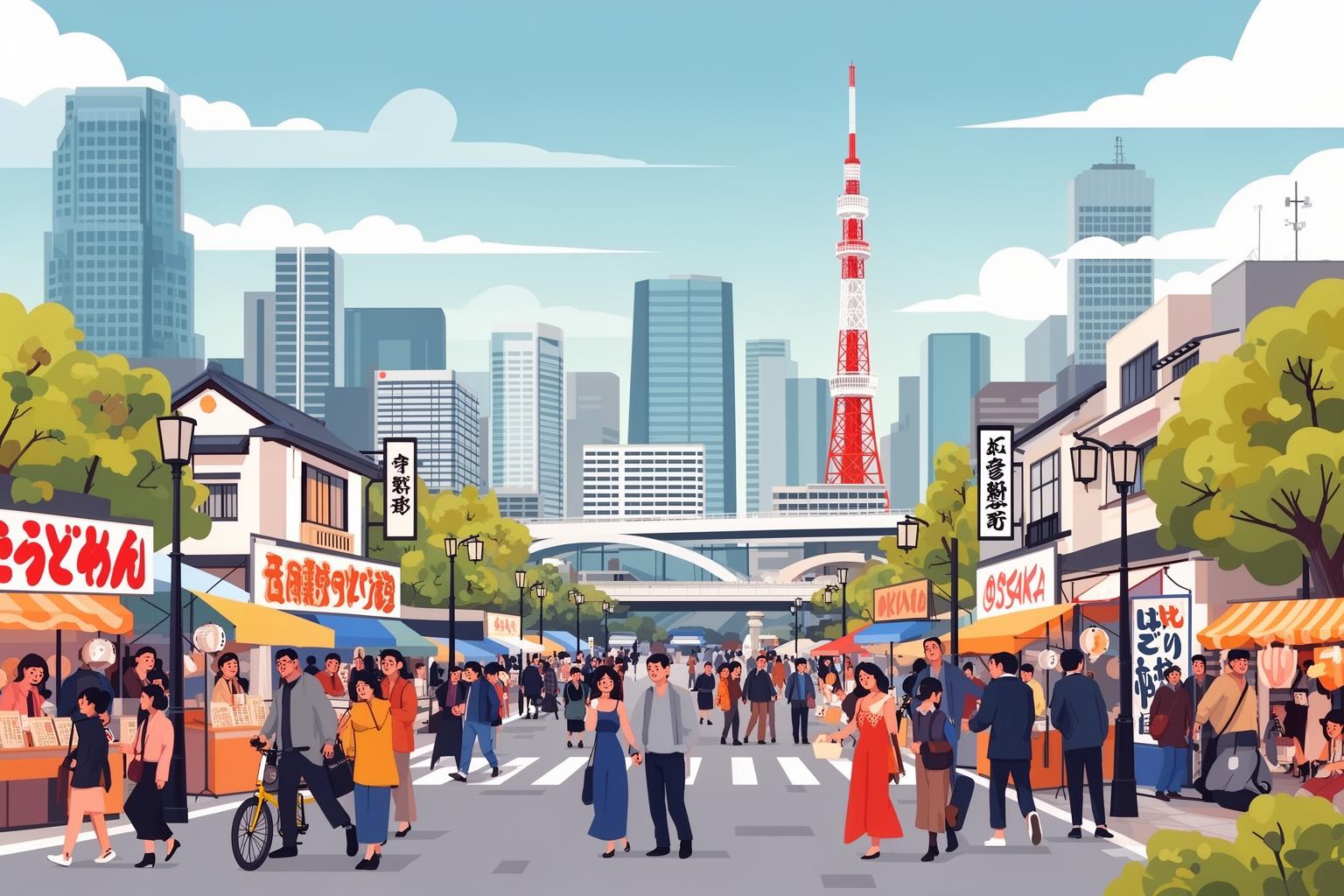
The obsession with value extends far beyond restaurants. It infuses the entire commercial fabric of the city, turning everyday shopping into a strategic game. To witness it firsthand, simply step into a shotengai, one of Osaka’s iconic covered shopping arcades like Tenjinbashisuji, the longest in Japan. This is the natural environment for the kuidaore mindset. Here, the sterile, fixed-price atmosphere of a modern supermarket gives way to a lively marketplace filled with human interaction.
The Art of the Deal: Haggling in a Cashless Age
Though Japan is generally not a haggling culture, Osaka stands out as the exception that proves the rule. In the shotengai, a bit of friendly negotiation is often part of the experience. It’s not an aggressive or confrontational act. It’s a dance. You might smile and ask the fruit vendor, “Chotto makete-?” (“Can you give me a little discount?”) as a way to start a conversation. It signals that you are an engaged, savvy customer, not merely a passive buyer. Sometimes you’ll receive a discount; other times you won’t, but the interaction itself builds a connection. It turns a simple transaction into a human experience. This gesture is less about saving 50 yen and more about engaging in the culture of negotiation. It’s the satisfaction of knowing you didn’t just accept the first price offered; you explored the chance for better value.
‘Omake’ Culture: The Joy of a Little Something Extra
Even more common than haggling is the culture of omake, which means a small gift or a little something extra given for free. It’s a fundamental part of Osakan business practice. Buy three tomatoes, and the shopkeeper might toss a fourth into your bag. Purchase a shirt, and they might include a complimentary handkerchief. This isn’t a calculated corporate marketing tactic; it’s a gesture of goodwill, a way to say “thank you for your business” in a tangible form. It’s pure, unfiltered value. Customers leave feeling they received more than they paid for, fostering strong loyalty. An Osakan will remember the shop that gave them a free onion and will return. The omake deepens the relationship and reinforces the idea that this is a place where you are cared for, where your business is valued, and where good value is always guaranteed.
How Kuidaore Shapes the Osaka Personality
This unwavering emphasis on tangible value and substance over style profoundly shapes the character of the people. It cultivates a certain straightforwardness and practicality that can feel striking if you’re used to the more reserved, formal culture of Tokyo. However, once you grasp the underlying philosophy, it becomes perfectly clear.
Direct Talk and No-Nonsense Attitudes
Throughout much of Japan, communication is known for its indirectness, relying on subtle cues and unspoken understanding (tatemae and honne). In Osaka, it’s different. People tend to be more direct, open, and expressive. Why? Because from a value-driven standpoint, ambiguity is inefficient. Beating around the bush wastes time and energy. It’s bad kosupa. It’s better to say what you mean, have a laugh, and move on. Outsiders may sometimes misinterpret this as blunt or even rude, but it rarely stems from malice. It arises from a culture that values authenticity and efficiency over performative politeness. The worth lies in the honesty of the exchange, not in the elegance of its delivery. The famously loud, boisterous, and joke-filled conversations you overhear on the subway aren’t a sign of poor decorum; they are a public display of this genuine, no-frills style of social interaction.
A Different Kind of Pride
Tokyo’s pride is often linked to its status as a global capital of finance, fashion, and technology. It’s a city of sleek surfaces and international brands. Osaka’s pride is more grounded, more inward. It’s a deep, fierce pride in the city’s ability to live well without pretense. It’s the pride of knowing where to find the best meal for the best price, of being a savvy consumer, and of being able to laugh at oneself and at life’s absurdities. It’s not about what you own, but how smartly you live. It rejects the notion that expensive means better. An Osakan might view a 50,000 yen designer handbag from Tokyo as a foolish splurge, while feeling immense pride in a durable, stylish, and practical 5,000 yen bag they discovered at a local shop after careful thought. The pride is not in the object itself, but in the wisdom of the choice.
What This Means for You, the Resident
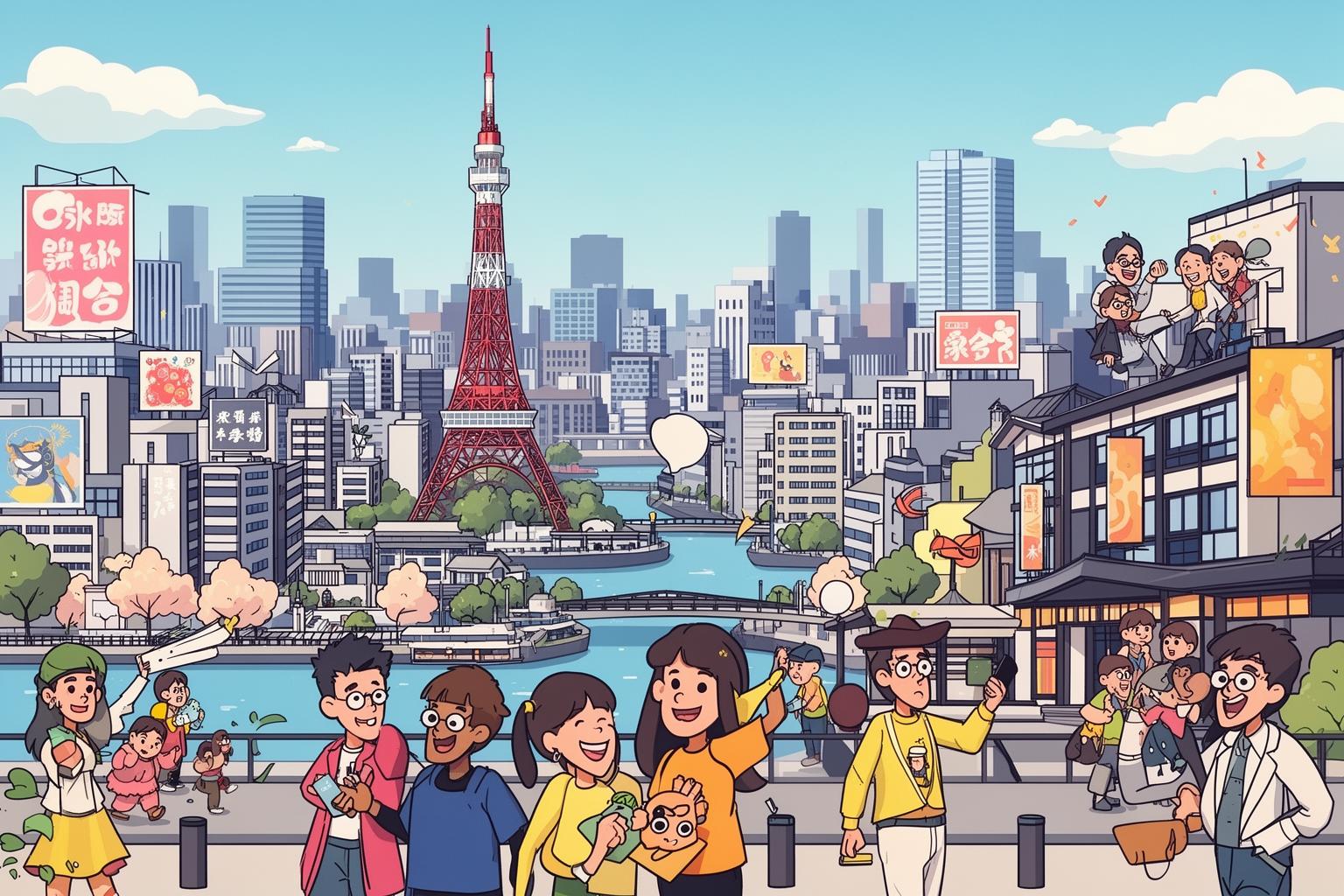
Living in Osaka is about more than simply enjoying its cuisine and nightlife; it involves learning to view the world through a value-driven perspective. For a foreigner, this shift in mindset can be incredibly freeing and rewarding. It’s about connecting with the city on its own terms.
Embrace the ‘Why’
When you notice a line outside a restaurant, don’t just see it as a popular spot. Ask yourself why it attracts such attention. Examine the menu. Observe the diners. You are witnessing a live example of the kosupa principle. Begin applying this approach to your own choices. Instead of heading to the nearest supermarket, explore the local shotengai. Compare the prices and quality of the vegetables. Sense the difference. Life becomes richer when you move from passive consumption to active participation in the search for value. This isn’t about saving pennies; it’s about recognizing the skill and effort behind delivering genuine quality at a fair price.
Engage, Don’t Just Observe
The kuidaore mindset isn’t just for spectators. The best way to understand it is to immerse yourself. Chat with the person behind the counter. Ask the butcher for his favorite picks. Compliment the chef on your meal. In Osaka, business is personal. Your involvement adds value to the transaction. Don’t be put off by the modest-looking tachinomi (standing bar) or the old restaurant run by a grandmother. These establishments have endured for decades, not due to flashy marketing, but because of the steadfast loyalty of customers who know they’re getting the genuine article. These spots are the city’s heartbeat, and by stepping inside, you’re doing more than just eating; you’re connecting directly with the spirit of Osaka.
Conclusion
Kuidaore is one of Japan’s most commonly misunderstood concepts. It’s not simply an encouragement to overindulge. Rather, it is Osaka’s way of life—an operating system shaped by a merchant heritage and refined through centuries of fierce competition. It represents a philosophy that transforms cost-performance into an art and finds profound, lasting joy in the pursuit of true value. It’s found in the exceptional taste of a 150-yen croquette, the friendly exchanges while negotiating the price of fish, and the shared laughter in a bustling, no-frills bar. It embodies a mindset that removes superficiality and assesses things based on their genuine worth. Living in Osaka teaches you that the best things in life aren’t necessarily the priciest or most elegant, but those that bring the greatest satisfaction, joy, and honest-to-goodness value for your hard-earned yen. It’s about eating, shopping, and living until you’re full—not of food, but of contentment.








