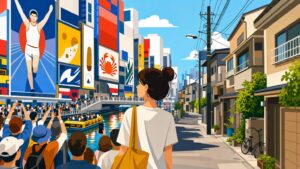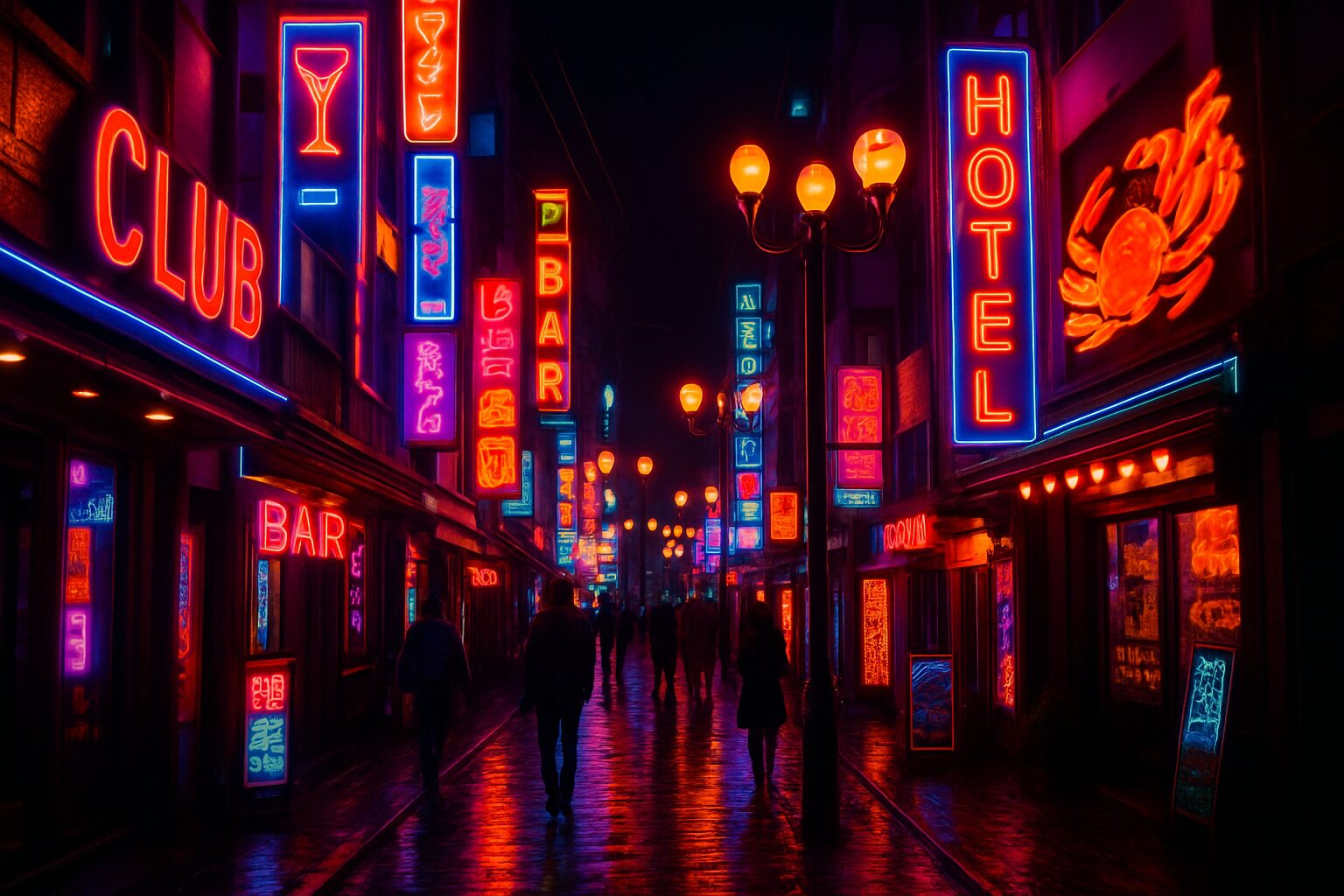
Osaka. The name itself crackles with an irrepressible energy. By day, it’s Japan’s kitchen, a city of commerce and sensational street food, where the Shinsaibashi-suji Shopping Arcade hums with a determined, rhythmic pulse. It’s a river of humanity flowing under a protective canopy, a mile-long stretch of retail dreams where shoppers hunt for the latest trends, timeless crafts, and tax-free treasures. You can spend an entire day lost in this consumerist wonderland, emerging blinking into the late afternoon sun, bags in hand, feeling you’ve conquered a significant part of the city. But to leave as the sun dips below the horizon is to miss the true performance. It’s like leaving a concert after the opening act. Because when the shutters of the department stores and mainstream boutiques roll down, Shinsaibashi doesn’t go to sleep. It awakens. The energy doesn’t fade; it transforms, shedding its daytime skin to reveal a glittering, electric soul. The river of shoppers thins, replaced by a current of night owls, style mavens, and thrill-seekers, all drawn to the magnetic hum of the city after dark. This is Shinsaibashi’s second act, a nocturnal epic of glowing signs, subterranean clubs, hidden cocktail dens, and the relentless, liberating beat of Osaka’s heart. This is where the city truly lets its hair down, and you’re invited to the party. Let’s dive into the neon-drenched world that awaits when the clock strikes night.
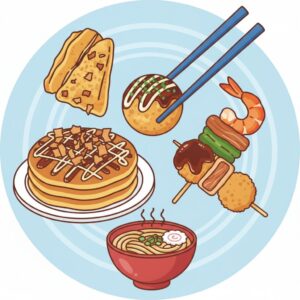
For a taste of Osaka’s iconic street food that fuels the city’s vibrant energy, consider mastering the art of making authentic takoyaki.
The Electric Metamorphosis: From Shopper’s Paradise to Nocturnal Playground
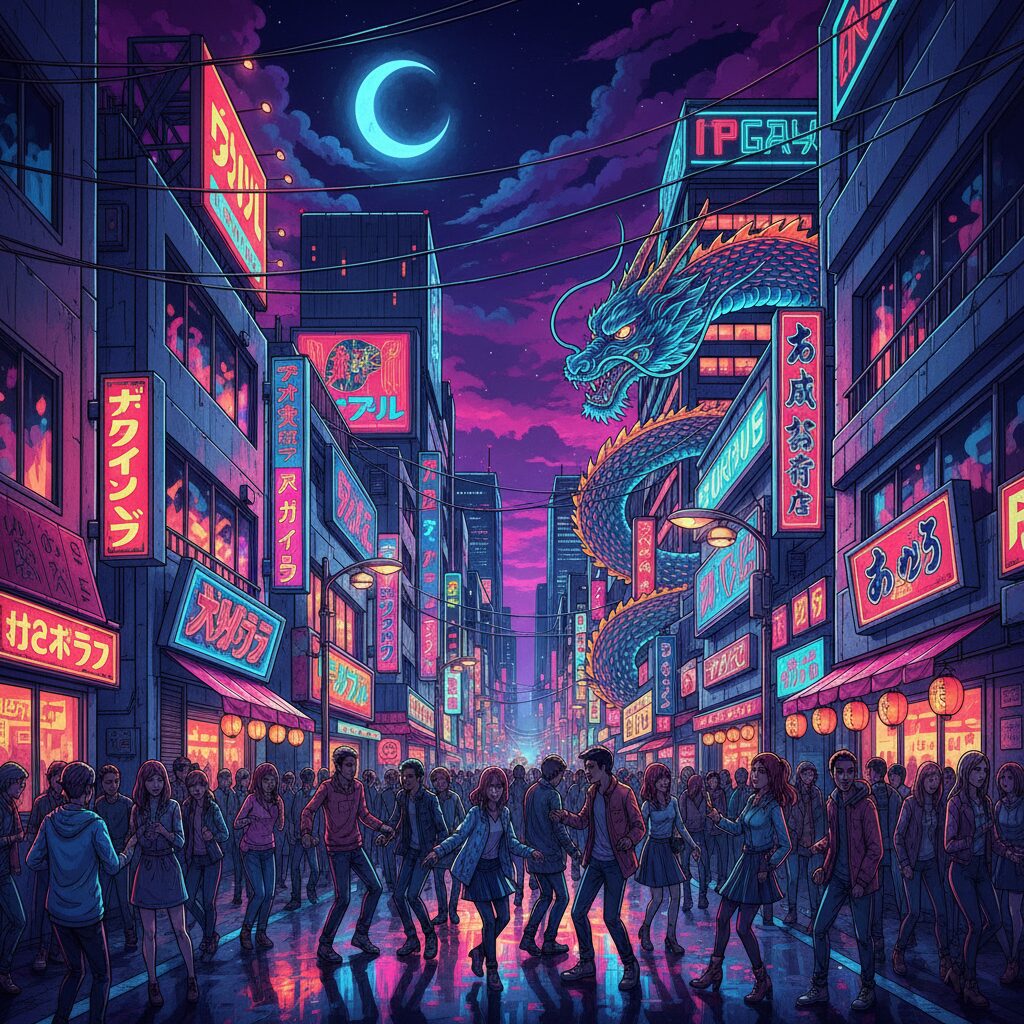
The change is tangible, a shift in the very atmosphere you breathe. As twilight deepens, the steady glow of the arcade’s ceiling lights yields to a more vibrant, chaotic brilliance. The towering building facades transform into canvases for a burst of neon. Kanji characters flicker in electric reds and blues, animated figures move across giant LED screens, and spotlights pierce the deepening darkness, signaling the entrance to a club or karaoke bar. The district’s soundtrack evolves as well. The polite ‘irasshaimase’ (welcome) from shopkeepers gives way to the deep, pulsing bass seeping from basement bars and the distant, synthesized tunes of video game arcades that never seem to close. The steady shuffle of shoppers shifts to the more purposeful, energetic pace of people heading out for the evening. Laughter rings out, clearer and louder in the cool night air. The scent of freshly baked melon pan from daytime stalls is overtaken by the savory, irresistible aroma of grilled takoyaki and the faint, sweet fragrance of cocktails being mixed in nearby lounges. This transformation is the city’s heartbeat quickening, a collective exhale after a long day’s work and an eager inhale of the night’s possibilities. It’s an invitation to shed the day’s identity and embrace a more adventurous, nocturnal self. Walking through the arcade now feels less like a shopping trip and more like stepping onto a sprawling, vibrant movie set where you are the main character in your own Osaka story.
The Final Call for Fashion: Late-Night Retail in the Heart of the City
While many high-end boutiques and department stores close at standard hours, shopping in Shinsaibashi is far from finished. In fact, for a certain type of shopper, the true adventure is only just beginning. This is the domain of the 24-hour megastore, the all-night drugstore, and souvenir shops that cater to those who prefer to browse under the moonlight. The undisputed ruler of this nocturnal retail world is Don Quijote. Fondly called ‘Donki,’ this multi-level emporium is a dizzying, chaotic, and utterly delightful maze filled with everything imaginable—and much more that you wouldn’t expect. From luxury watches and designer handbags to quirky Japanese snacks, amusing costumes, high-tech gadgets, and an entire cosmos of skincare products, Donki offers a treasure hunt with no guide. Shopping here at 1 AM is a quintessential Japanese experience, a sensory overload of J-pop blasting from speakers, packed aisles, and the excitement of discovering the perfect, unusual souvenir. Beyond Donki, local drugstores like Daikoku Drug and Matsumoto Kiyoshi often remain open late, showcasing a sparkling range of Japanese cosmetics, skincare remedies, and health supplements. It’s the ideal place to stock up on cult-favorite face masks or that eyeliner brand trending across social media. As a fashion writer, I find unique inspiration in the energy of late-night shopping; it’s less about necessity and more about discovery—a playful indulgence that feels like a secret shared between you and the city.
Amerikamura: Where Concrete Canvases and Counter-Culture Reign
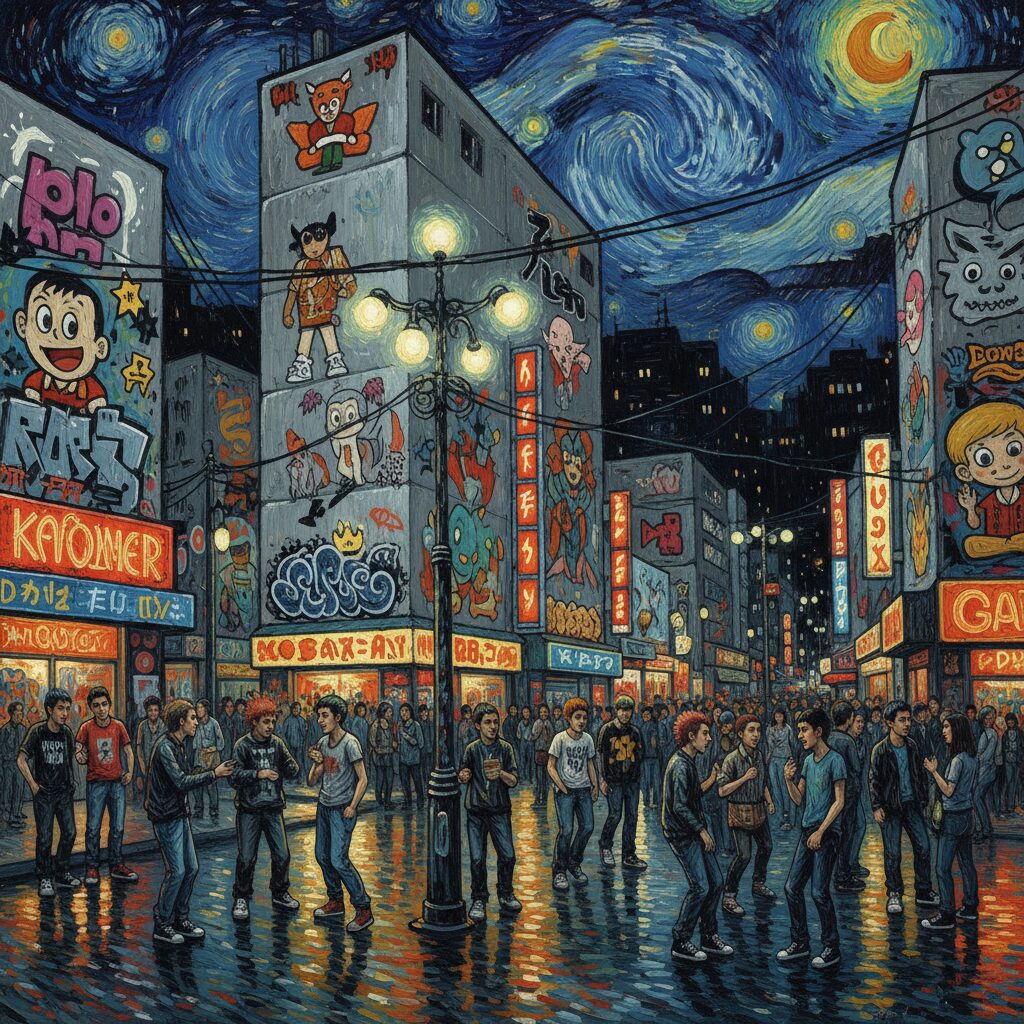
Just west of the main Shinsaibashi thoroughfare lies a district that serves as the undeniable epicenter of Osaka’s youth culture and alternative scene: Amerikamura, or ‘Amemura’ as locals call it. If Shinsaibashi-suji is the city’s polished main artery, Amemura is its wild, creative, and pulsating heart. By day, it’s a center for vintage shopping and street style photography, but by night, it truly comes alive, transforming into a playground for artists, musicians, and those who color outside the lines. The core of Amemura is Sankaku Koen, or Triangle Park, a small concrete plaza that serves as both a meeting point and an informal stage for impromptu street performances, skateboarders, and fashionistas showing off their latest looks. The entire neighborhood is a living art gallery. Building walls are covered in vibrant, large-scale murals and graffiti art. Lampposts are decorated with quirky sculptures, and even the streetlights are crafted to resemble stylized human figures. This is where you’ll find Osaka’s most daring fashion. It’s a captivating mix of punk, goth, vintage, and avant-garde styles—a place where self-expression is the only rule. The shops embody that spirit, with numerous independent boutiques offering curated vintage clothing, rare band t-shirts, handmade jewelry, and vinyl records. Strolling through Amemura at night feels like entering another world, one that is grittier, more expressive, and alive with a raw, creative energy that’s utterly infectious.
The Soul of Amemura’s Night: Dive Bars and Hidden Dens
As the vintage shops close, the metal gates of Amemura’s bars and live houses lift, revealing a different side of its character. The nightlife here is less about glitz and glamour and more about authenticity and community. The district is dotted with tiny, character-filled bars, many hidden on upper floors of nondescript buildings or down narrow staircases. These are not places you find by accident; they are destinations you seek out. You might encounter a punk rock dive bar where the walls are plastered with old concert flyers and the bartender spins classic vinyl. Or discover a cozy video game bar where you can sip a beer while challenging locals to Street Fighter on a vintage arcade machine. There are “live houses” where rising local bands perform with ferocious energy before passionate crowds in intimate settings. The beauty of Amemura’s bar scene lies in its specificity. Each small spot has its own unique tribe, its own distinct vibe. Starting a conversation is easy; people are drawn together by a shared passion for a music genre, a particular subculture, or simply the joy of being in a place that celebrates individuality. It’s worlds away from the refined cocktail lounges just a few blocks east, offering a more grounded, raw, and deeply personal way to experience Osaka’s nightlife.
A Toast to Osaka: Navigating the Shinsaibashi Bar Scene
Beyond the raw energy of Amemura, the broader Shinsaibashi area presents an impressive array of drinking experiences, catering to every mood and taste. It’s a liquid landscape spanning from remarkably efficient spots to exquisitely artistic venues, each providing a distinctive glimpse into Japanese culture.
The Art of the Standing Drink: Embracing Tachinomi Culture
For an authentic local experience, one must embrace the ‘tachinomi,’ or standing bar. These are usually small, no-frills places where patrons stand shoulder-to-shoulder at the counter, enjoying quick, affordable drinks and simple snacks. The tachinomi exemplifies Japanese efficiency and social interaction. It’s ideal for a quick drink after work, a pre-dinner aperitif, or a single beer before heading to a club. There’s no table charge, no hassle—you order, drink, pay, and leave. Yet within this straightforward routine lies a wonderful social lubricant. The close proximity encourages conversation, and it’s common to strike up a chat with the salaryman next to you or receive recommendations from the bartender. It’s a democratic space where everyone is equal, making it the perfect way to connect with the city’s daily rhythm. For visitors, it offers a low-risk, high-reward introduction to the local scene before diving deeper into the night.
Liquid Artistry: The Sanctum of the Japanese Cocktail Bar
At the other end of the spectrum from the lively tachinomi lies the serene, almost sacred realm of the Japanese cocktail bar. Discovering these bars often feels like a quest; they tend to be hidden, marked only by a discreet sign or located on upper floors of office buildings. Stepping inside feels like entering another world. The atmosphere is quiet, lighting dim, with complete focus on the bartender, who is regarded less as a server and more as a master craftsman. Japanese bartending is an art, defined by ‘kodawari’—an unwavering, passionate pursuit of perfection. Every movement is precise and graceful: hand-carving the perfect ice sphere, meticulously measuring spirits, or the elegant flick of the wrist in a firm shake. The cocktails frequently feature local ingredients like yuzu citrus, matcha green tea, or rare Japanese whiskies. This is not a place for loud chatter or quick shots. It’s a space for quiet reflection and appreciation of the dedication that goes into crafting a single, perfect drink. A meditative pause amid the city’s chaos.
The Izakaya Crawl: A Symphony of Smoke, Sake, and Shared Plates
Sitting perfectly between the speed of a tachinomi and the solemnity of a cocktail bar is the beloved izakaya. Often described as a Japanese gastropub, an izakaya is the ideal spot for a lively night out with friends. The moment you push open the door, you’re greeted by a wave of energy: the buzz of conversation, the sizzle of food on the grill, and a warm welcome from the staff. The menu offers a delightful array of Japanese comfort foods, served on small plates designed for sharing. Think succulent grilled chicken skewers (yakitori), crispy fried chicken (karaage), savory pancakes (okonomiyaki), and salty, addictive edamame. The drinks menu is equally extensive, featuring draft beer, sake, shochu, and highballs. An evening spent hopping between different izakayas is a fantastic way to sample a wide variety of food and drink while soaking in the city’s vibrant spirit. It’s loud, delicious, and the social heart of Japanese nightlife—a place where food and drink foster connection and celebration.
Surrender to the Rhythm: Inside Shinsaibashi’s Legendary Club Scene
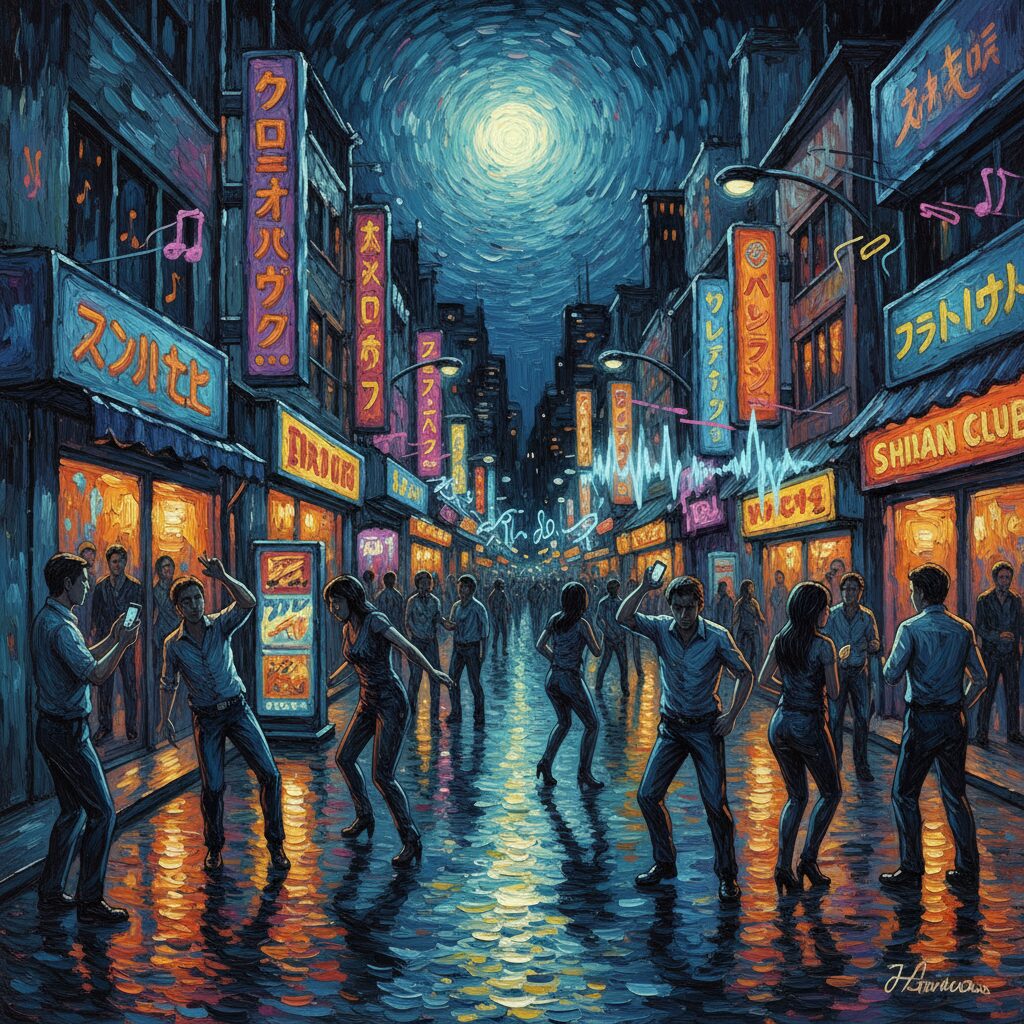
When the bars have set the mood for the evening and the energy reaches its peak, it’s time to plunge into the vibrant heart of Shinsaibashi’s nightlife: the clubs. This area, along with its southern neighbor Namba, stands as the undisputed hub of Osaka’s clubbing scene. The streets are packed with venues, ranging from sprawling multi-story superclubs to more intimate, genre-specific spots, each promising an unforgettable night filled with music and movement.
Choosing Your Beat: A Spectrum of Sound
Osaka’s club scene is remarkably diverse. Whatever your musical preference, you’re sure to find a place that feels like home. Large clubs such as Giraffe, Ghost, or Ammona often boast multiple floors, each focused on a different genre. You might spend one hour dancing to high-energy EDM amid dazzling laser displays, the next grooving to the latest hip-hop and R&B in a laid-back lounge, and then diving into deep house and techno in a darker, more intense setting. Many clubs also feature J-pop or K-pop nights, which are lively and draw enthusiastic crowds. Before heading out, it’s a good idea to check the clubs’ social media pages for the evening’s event schedule, DJ lineup, and genre focus to ensure you find the perfect rhythm for your mood.
The Anatomy of an Osaka Superclub
The scale of the major clubs in Shinsaibashi can be awe-inspiring. These are not merely rooms with speakers; they are immersive entertainment complexes. Expect top-tier sound systems that resonate through your chest, elaborate lighting setups, and giant LED screens showing mind-blowing visuals synced seamlessly with the music. The production quality is exceptionally high. Many clubs feature intricate interior designs, VIP sections with bottle service, and multiple bars to minimize waiting times. Dance floors are typically packed with a vibrant mix of locals, expatriates, and tourists, creating an energetic, international vibe. The atmosphere is contagious—a collective release of tension and a celebration of pure, unfiltered fun. It’s a place to lose yourself in the music and connect with hundreds of others doing the same.
The Nightlife Playbook: Essential Tips for Clubbing in Japan
Navigating Japan’s club scene is generally straightforward, but there are some important things to keep in mind. First and foremost, you must have your ID with you. For foreign visitors, this means your passport—not a driver’s license from your home country, and not a photo of your passport. Bouncers are very strict about this due to legal requirements—no passport, no entry. Second, be aware of costs. Entry fees vary, but many clubs offer discounts to foreign passport holders or hold ‘ladies’ nights’ with reduced or free entry for women. Drinks inside can be expensive, so many people prefer to have a few drinks at an izakaya or bar beforehand. Third, dress codes are common but usually not overly strict. Generally, men should avoid sandals, shorts, and tank tops. A smart-casual outfit—jeans, a nice shirt, and clean shoes—is almost always a safe choice. Lastly, social etiquette is relaxed and friendly, but as in any club, be respectful of personal space and those around you.
The Alleys Whisper: Finding Magic Beyond the Main Arcade
While the main Shinsaibashi arcade and the lively streets of Amemura remain the area’s top attractions, some of its greatest charm is tucked away in the myriad narrow alleys, or ‘yokocho,’ branching off the main roads. To truly grasp the spirit of Osaka, you need to let yourself get a little lost. Duck beneath a low-hanging red lantern and step away from the brightly lit street into another world. Here, the scale feels more personal. The alleys are just wide enough for a few people to pass, lined with tiny, family-run restaurants and bars, some with only a handful of seats. The air is thick with steam from ramen broth and the aroma of grilled meats. You hear the soft murmur of conversation and the clinking of glasses coming from behind sliding wooden doors. Discovering a tiny, unmarked bar and being welcomed by the elderly owner, or finding the best bowl of ramen you’ve ever tasted in a shop seating only five people—these are the moments that turn a good trip into an unforgettable experience. These alleys are the city’s veins, carrying a quieter, more intimate story—a beautiful contrast to the roaring energy of the main streets.
Fueling the Fire: The Indispensable Joy of Late-Night Osaka Eats
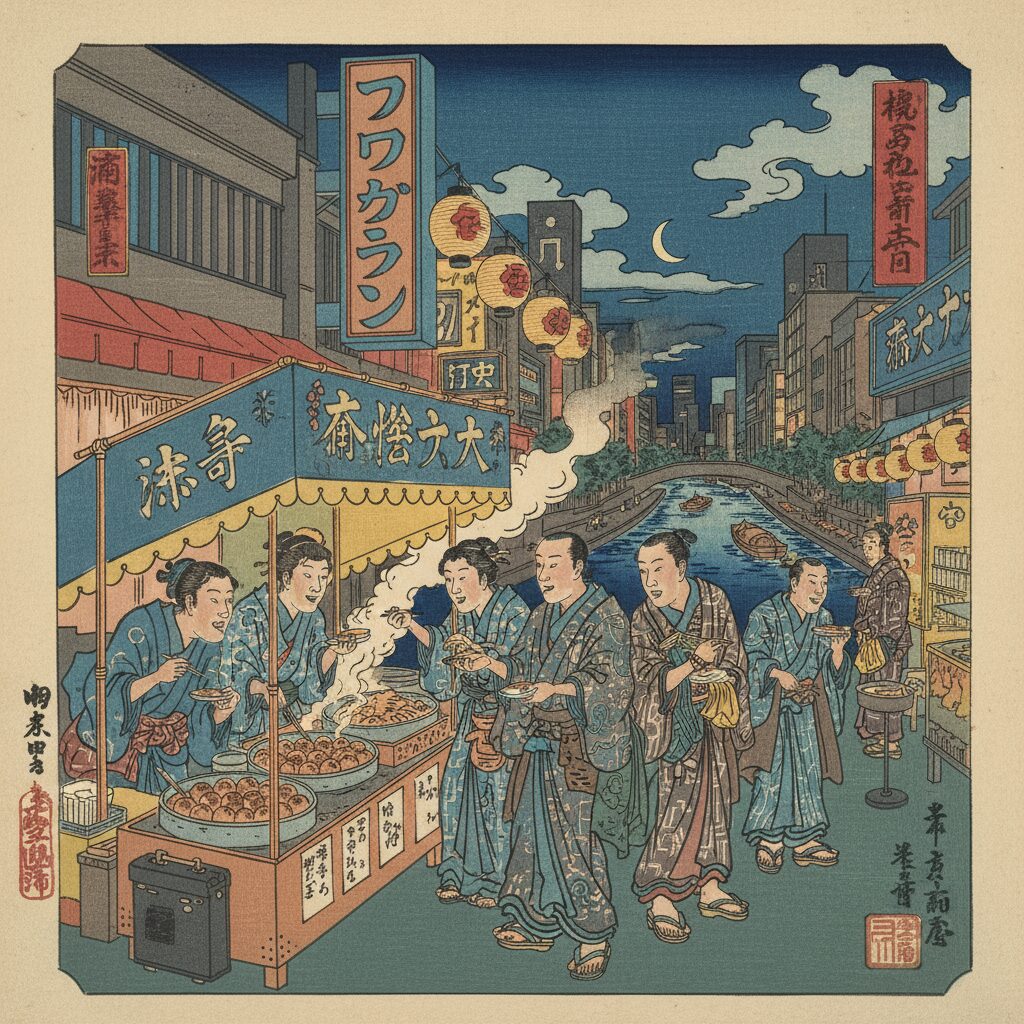
An unforgettable night out in Osaka is deeply intertwined with its renowned food culture. The city, famous for its concept of ‘kuidaore’—eating until you drop—keeps serving food well into the late hours. In fact, some of the most memorable culinary experiences occur in the early morning. After a few hours of dancing or bar-hopping, nothing beats a steaming bowl of ramen. Throughout Shinsaibashi, ramen shops stay open until dawn, offering their rich, savory broths and perfectly chewy noodles. This is a restorative ritual, a chance to refuel and reflect on the night’s excitement. Naturally, being Osaka, takoyaki stands are everywhere. Watching skilled vendors expertly flip the octopus-filled batter balls, then savoring them hot and smothered in sauce and mayonnaise, is pure delight. Okonomiyaki and yakisoba restaurants also serve the late-night crowd, providing hearty, satisfying dishes ideal for sharing. And we mustn’t forget the unsung hero of late-night dining: the konbini, or convenience store. Japanese convenience stores are remarkable for their quality and variety, offering everything from delicious fried chicken and steamed buns to gourmet sandwiches and chilled alcoholic drinks, all available 24 hours. They are a dependable, affordable, and indispensable part of any night out in Japan.
An Insider’s Guide to a Seamless Shinsaibashi Night
To fully enjoy your nocturnal adventure, a bit of practical knowledge can make all the difference. This area buzzes with activity, but with a few helpful tips, you can navigate it like a pro and focus on having an unforgettable experience.
Getting Your Bearings: Access and Transportation
Shinsaibashi is extremely accessible. The main hub is Shinsaibashi Station on the Midosuji Line, one of Osaka’s key subway routes. This line provides direct connections to other major hubs like Umeda (Osaka Station) and Namba. Once you exit the station, you’ll find yourself right in the midst of the excitement. The area is also very pedestrian-friendly, and exploring on foot is the best way to uncover its hidden gems. The main Shinsaibashi-suji arcade, Amerikamura, and the Dotonbori canal area are all within a short walking distance of each other, creating a large, interconnected nightlife district.
The Golden Rule: Respecting the Last Train
This is perhaps the most crucial piece of practical advice for anyone enjoying a night out in Japan: be aware of the time of your last train, or ‘shuden.’ Japan’s public transportation system is renowned for being efficient and punctual, but it does not operate 24/7. Most subway and train lines cease service between midnight and 1 AM. Missing your last train leaves you with two choices: taking a taxi, which can be very costly, especially for longer trips, or staying out until the first train resumes, usually around 5 AM. Many locals and tourists choose the latter, spending the early morning hours in a late-night café, karaoke box, or continuing the party. Always check the train schedule beforehand and have a plan. It’s a common experience, but better to be prepared.
A Note on Safety and Savvy from a Solo Traveler
As a woman who often travels alone, safety is always a priority for me. I can confidently say that Osaka, like most of Japan, is an exceptionally safe city, even at night. However, it’s wise to follow basic safety precautions. Stay in well-lit areas, remain aware of your surroundings, and know your limits when it comes to alcohol. One thing to watch out for in nightlife districts like Shinsaibashi are the touts, known as ‘kyacchi.’ These individuals try to persuade you to enter their bar or club. It’s usually best to politely decline and walk away, as most reputable and popular venues don’t need aggressive touting. While Japan’s overall safety is reassuring, the most important thing is to trust your instincts. If a situation or place feels off, simply leave. By staying alert and aware, you can confidently immerse yourself in the vibrant energy of the night.
The Unforgettable Echo of a Night in Shinsaibashi
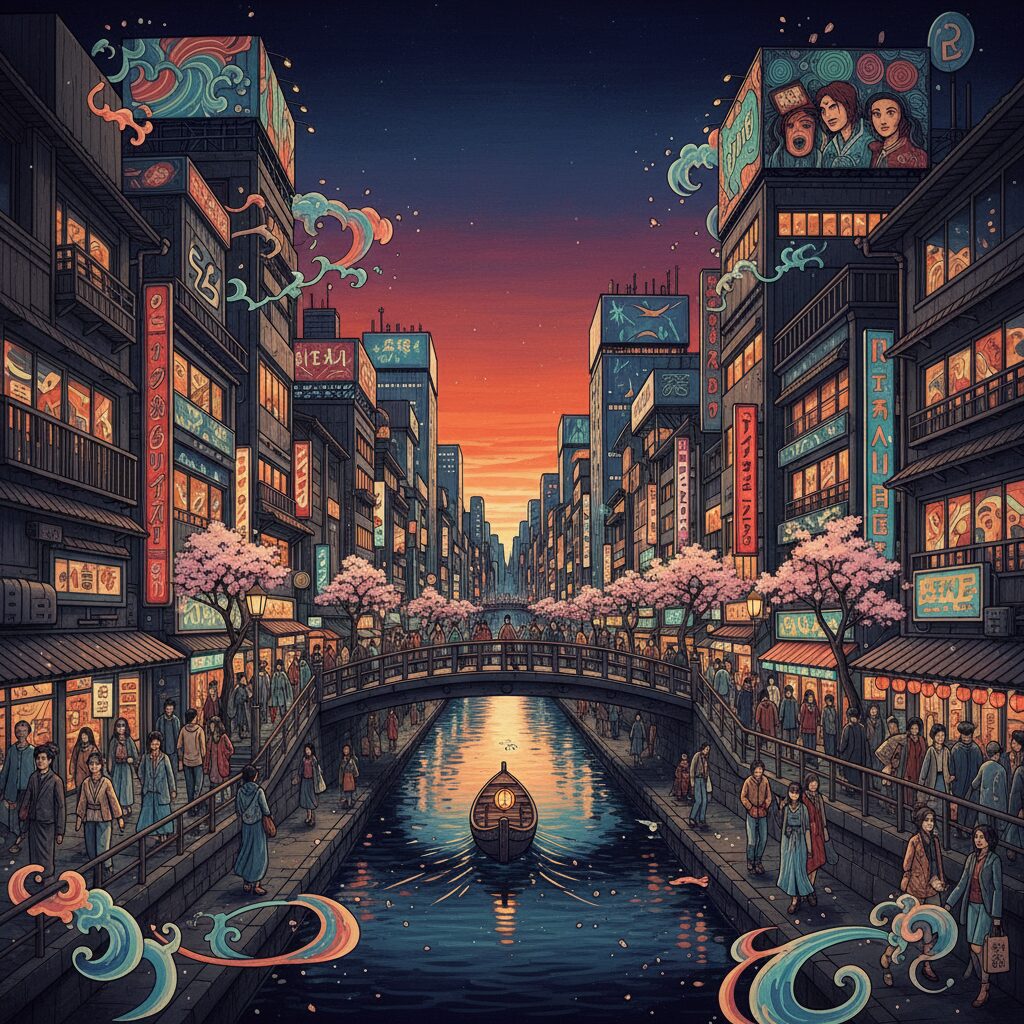
A night in Shinsaibashi is more than just a sequence of events; it’s a full immersion into the vibrant, unapologetic spirit of Osaka. It takes you from the sleek, consumer-driven energy of a world-class shopping street to the raw, creative beat of a counter-culture sanctuary. It’s a story expressed in the quiet reverence of a perfectly crafted cocktail and the joyful clamor of a bustling izakaya. It’s the sensation of collective euphoria on a crowded dance floor, the soothing warmth of a late-night bowl of ramen, and the subtle magic of a hidden alleyway. Shinsaibashi after dark is a dazzling paradox: a vast place that flourishes through intimate moments, a center of modern trends deeply anchored in social traditions. It’s a spot to see and be seen, but also a place to get lost and discover a part of the city—and perhaps yourself—that you never knew existed. So when you find yourself in Osaka, don’t let nightfall signal your departure. Let it be your invitation to stay, explore, and listen to the powerful, electric rhythm of Shinsaibashi’s heart beating in the dark.