There’s a rhythm to Osaka that starts long before the neon signs of Dotonbori flicker to life. It’s a low hum that builds with the rising sun, a pulse that beats strongest not in the glittering shopping arcades, but in the city’s stomach—its legendary kitchens. As an event planner from Tokyo, I’m obsessed with experiences that capture the true essence of a place, the moments that are unscripted, raw, and utterly authentic. And in Osaka, that quest inevitably leads you to the hallowed grounds of a wholesale market. Forget the polished tourist traps; we’re going somewhere real. We’re heading to the Kizu Wholesale Market, or Kizu Oroshiuri Ichiba, a sprawling, three-hundred-year-old institution that serves as the culinary heart of the Naniwa region. This isn’t just a place to eat; it’s a living, breathing testament to Osaka’s undying love affair with food, a culture famously summed up in the word kuidaore—to eat until you drop. Here, in the early morning light, amidst the controlled chaos of professionals at work, you can find what is arguably the most soul-satisfying, freshest, and most profound seafood breakfast of your life. It’s a pilgrimage for the senses, a direct line to the ocean’s bounty, and a journey into the very soul of this incredible city.
For a completely different but equally essential Osaka experience after your market visit, explore the vibrant nightlife in Shinsaibashi.
The Dawn Chorus of Osaka’s Kitchen
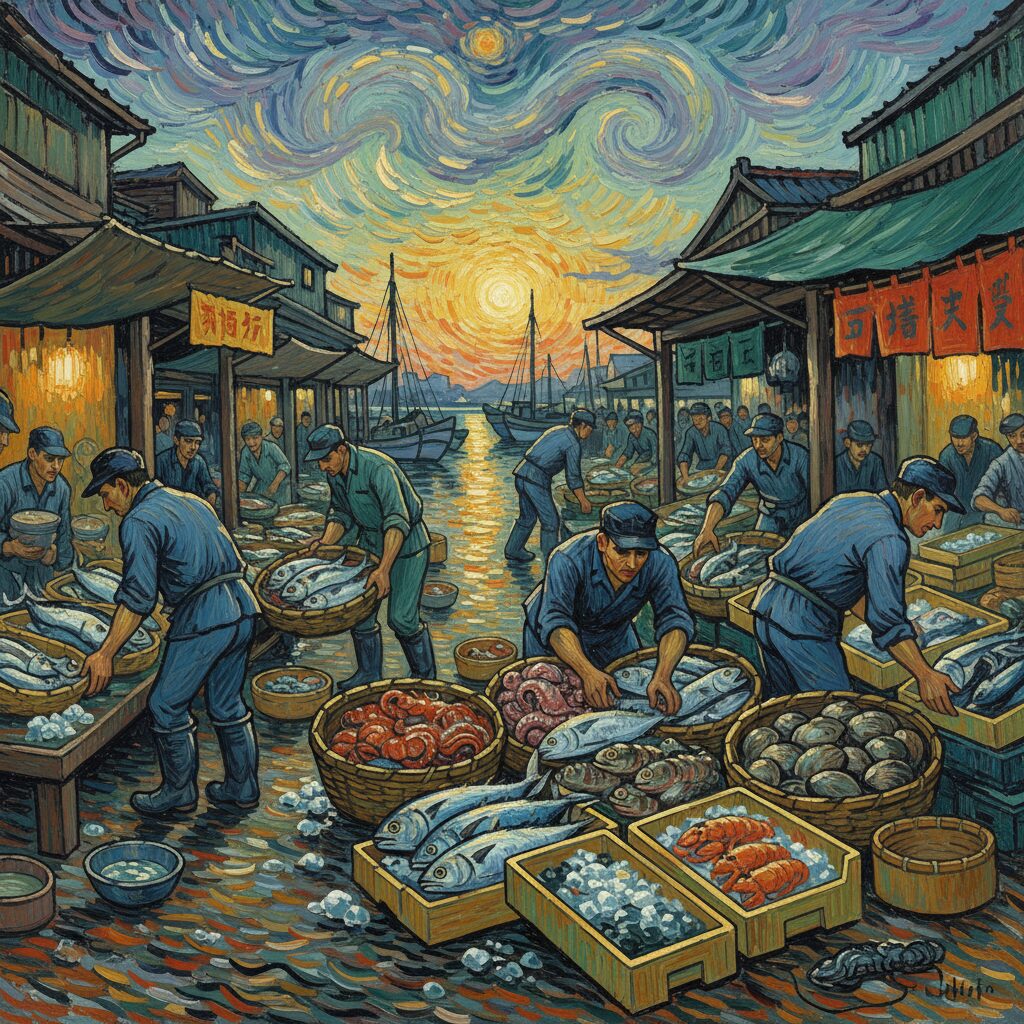
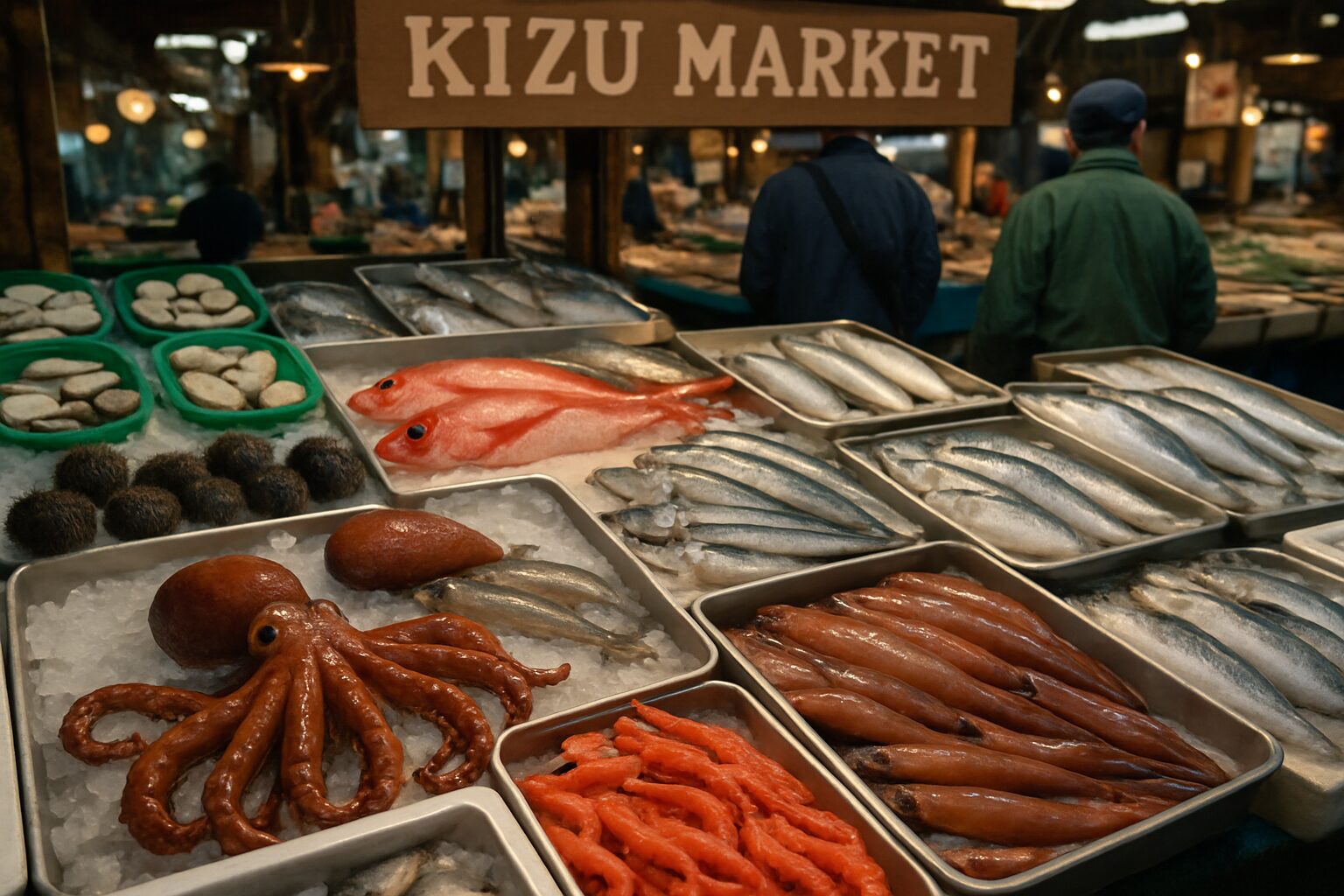
The air in Kizu Market pulses with energy. It’s a palpable force—a blend of sounds, sights, and smells that strikes you the moment you step beneath its expansive roof. The best time to arrive is when the sky is still a soft indigo, between 6:00 and 8:00 AM. This is the golden hour, when the market is at its liveliest. The first thing you’ll hear is a percussive rhythm of organized chaos: the high-pitched buzz of electric turret trucks darting through the aisles, their drivers maneuvering with astonishing skill; the steady thud of cleavers striking massive tuna on thick wooden blocks; the gravelly calls of vendors, a unique market language of prices and greetings shouted across stalls; and the gentle sizzle of something savory grilling over charcoal, its aroma promising immediate delight. This isn’t a show for tourists—it’s the raw, unfiltered everyday life of those who supply Osaka’s top chefs and local eateries. You are a privileged observer, a guest in their world. The floors are wet, evidence of the constant cleaning of fresh fish and produce. The light combines stark fluorescent bulbs with the soft morning sun filtering through high windows, illuminating crates of seafood that seem to glow with an ethereal freshness. You’ll see shimmering silver-skinned aji (horse mackerel), deep crimson slices of maguro (tuna), and trays of glistening, jewel-like ikura (salmon roe). A salty, clean ocean scent blends with the earthy aroma of mushrooms, the sweet fragrance of seasonal fruits, and the sharp tang of freshly made pickles. It’s overwhelming, intoxicating, and utterly wonderful.
A History Carved in Commerce and Community
Walking through Kizu is like walking through time. This market’s history goes back more than 300 years to the Edo period, when Osaka was establishing itself as the “Nation’s Kitchen.” It has endured fires, wars, and the relentless advance of modernity, all while maintaining its core character. Kizu is more than just a marketplace; it’s a community. Generations of families have worked these stalls, passing down not only their businesses but also their knowledge, skills, and passion. You can witness this in the way a fishmonger expertly fillets a flounder with fluid, dancer-like movements, a craft perfected over decades. You see it in the friendly banter between a vegetable seller and a regular customer, a bond built on trust and a shared appreciation for quality. This deep-rooted history is what distinguishes Kizu. While other markets may feel like polished food halls, Kizu remains fundamentally a professional hub. The auction areas, where the day’s most serious business takes place, are a whirlwind of coded language and intense bidding. Although tourists are generally not allowed in the most restricted auction zones, the energy there resonates throughout the entire complex. The market’s resilience and dedication to tradition are tangible. It’s a place that honors its past while nourishing the present, a living museum of Osaka’s gastronomic spirit where every transaction, every shout, and every perfectly sliced piece of fish continues a centuries-old story. This connection to history gives every bite a deep sense of place and tradition. You aren’t just eating breakfast; you’re savoring a taste of Osaka’s legacy.
The Holy Grail: Crafting Your Perfect Seafood Breakfast
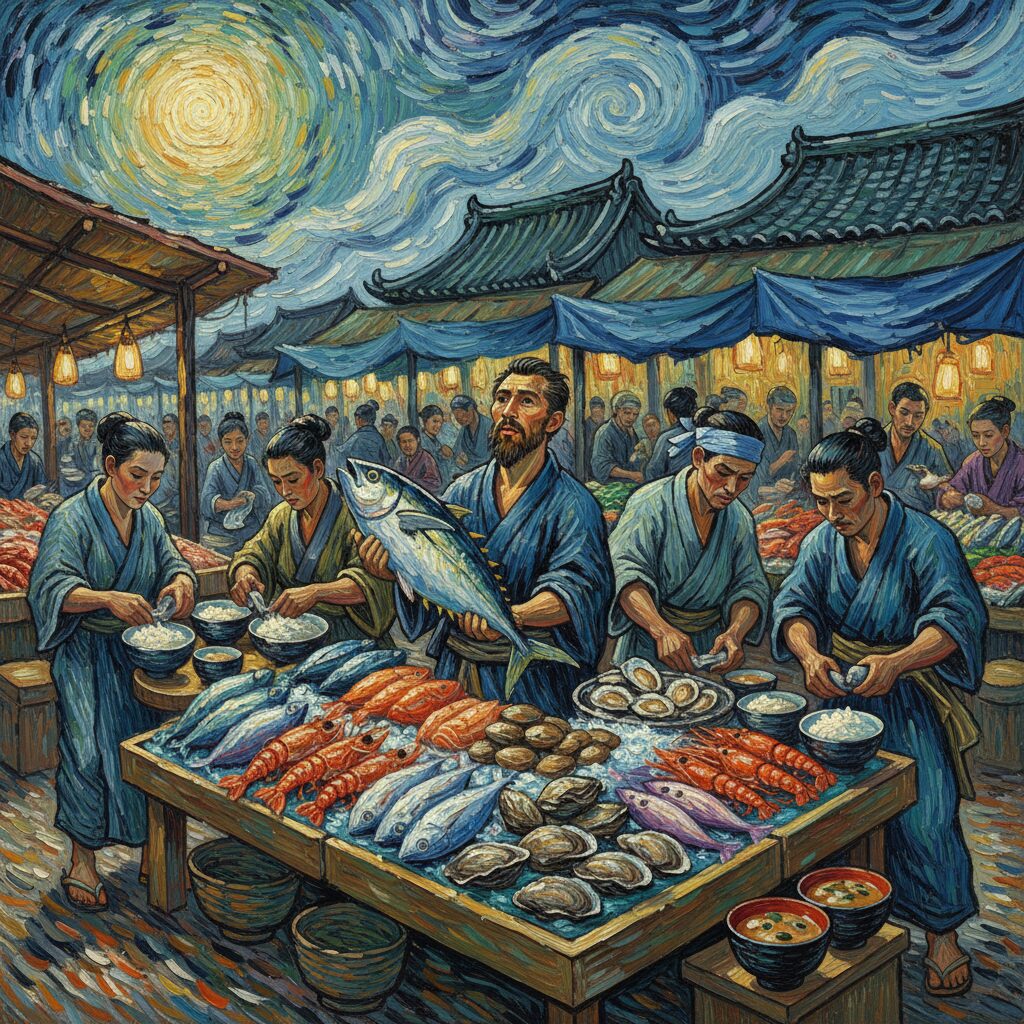
Now, for the highlight of the day: the reason you rose before the birds and braved the city’s early morning transit. The breakfast. The choices are dazzling, and the quality is simply unparalleled. This is where “fresh” is truly redefined. We’re talking about fish that was swimming in the ocean just hours ago. The small eateries and food stalls nestled within the market are modest, often little more than a simple counter with a few stools, yet they serve dishes worthy of royalty.
The Kaisendon Experience
The quintessential Kizu breakfast is the kaisendon, a stunning bowl of seasoned sushi rice topped with a lavish assortment of sashimi. This is no ordinary seafood bowl; it’s an edible masterpiece. As you approach vendors like Maruhiro or Daiko, you’ll see chefs working with intense concentration. They assemble each bowl with artistic precision, reflecting their deep respect for the ingredients. Imagine a bed of warm, perfectly vinegared rice. On top, the chef arranges slices of fatty toro that literally melt in your mouth, translucent pieces of tai (sea bream) with a clean, delicate flavor, and vibrant orange ribbons of salmon. Perhaps there’s a creamy, briny dollop of uni (sea urchin), its texture like a custard of the sea, along with a generous spoonful of ikura, each orb bursting with salty goodness. A sweet, plump shrimp (amaebi) might be elegantly placed on the side, while a few shiso leaf slivers add a fresh, herbaceous note. Every ingredient is at its absolute peak. The harmony of textures and flavors is breathtaking. The warmth of the rice gently tempers the cool fish, releasing its oils and deepening the taste. A light dip in soy sauce, a touch of wasabi, and you have a bite that is both simple and complex, rustic and refined. It is, without hyperbole, a life-changing bowl of food.
Sushi at Sunrise
For purists, there is nothing quite like market sushi. The experience differs from that of a high-end sushiya. It’s faster, more direct, and entirely focused on the pristine quality of the fish. You might sit at a small counter, point to the seafood that catches your eye in the display case, and watch as the master behind the counter shapes the nigiri with swift, practiced hands. The rice is often served slightly warm, a traditional style that enhances the flavor of the topping. The fish cuts are generous, practically enveloping the small mound of rice beneath. A piece of chu-toro (medium fatty tuna) is so marbled and tender it dissolves the moment it touches your tongue. A piece of ika (squid) is carefully scored, giving it a sublime texture that is both firm and creamy. Eating sushi here feels like a direct conversation with the ocean. There’s no pretense, no needless embellishments—just the pure, unadulterated taste of the sea, prepared with skill and pride.
Beyond the Raw: Grilled and Simmered Treasures
While raw fish takes center stage, the cooked dishes at Kizu are equally remarkable. The air is often filled with the inviting aroma of grilling eel, or unagi. The rich, savory scent of eel being glazed with a sweet and smoky soy-based tare sauce is irresistible. Served over rice in a dish called unadon, the eel is crispy on the outside, tender and flaky inside—a deeply comforting and indulgent meal. You’ll also find vendors grilling massive scallops in their shells with a pat of butter and a splash of soy sauce, the sound of sizzling drawing in passersby. Or perhaps you’ll be lured by a simple but perfect piece of salt-grilled mackerel (shioyaki), with crispy skin and oily, flavorful flesh. For a taste of classic Osaka comfort food, seek out a stall serving doteyaki, beef sinew slow-cooked in a rich miso and mirin broth until unbelievably tender. This is the kind of food that warms you from within, ideal for a cool morning. Exploring these cooked options adds another dimension to the Kizu experience, highlighting the market’s versatile bounty.
More Than Seafood: The Market’s Hidden Gems
While the enticing allure of fresh fish is what attracts most visitors, focusing solely on the seafood means missing the full scope of Kizu’s remarkable variety. This market is a rich source of all kinds of Japanese culinary ingredients, and taking time to explore the other stalls proves to be a rewarding experience on its own.
A Cornucopia of Produce
The fruit and vegetable section bursts with vibrant colors. Depending on the season, you might encounter towering piles of giant, flawless strawberries, each bursting with sweetness. In summer, fragrant peaches and melons command impressive prices but offer an even more impressive flavor. The vegetable stalls are equally remarkable, presenting everything from common staples to rare and unusual mountain vegetables (sansai). You’ll find pristine bunches of spring onions, knobby roots of ginger and wasabi, alongside a dizzying variety of mushrooms. The vendors, experts in their field, are often eager to share preparation tips. Additionally, there’s an excellent selection of tsukemono, or Japanese pickles—far from the simple cucumber pickles you might expect. Here, barrels of salt-cured plums (umeboshi), crisp pickled daikon radish, and bright pink pickled ginger, all crafted using traditional methods, await you. Buying a small bag of these pickles is a perfect way to bring a taste of the market home.
The Pantry of Professionals
Kizu is also the place where chefs fill their pantries, offering some of the highest quality staples. Shops specializing in katsuobushi (dried, smoked bonito flakes), the essential base of dashi—the fundamental Japanese soup stock—can be found here. You can purchase it pre-shaved or as a whole, wood-like block to shave yourself. Other stores focus on seaweed, featuring a wide variety of nori, kombu, and wakame. You’ll discover artisanal soy sauces, misos aged for years, and premium rice vinegars. Exploring these stalls provides a fascinating insight into the foundations of Japanese cuisine. Even if you don’t buy anything, it’s an enriching experience. For a break from shopping and tasting, there’s often a small, old-fashioned coffee shop (kissaten) tucked away in the market, serving strong, hot coffee and offering a quiet spot to relax and absorb the atmosphere.
Practical Wisdom for Your Market Morning
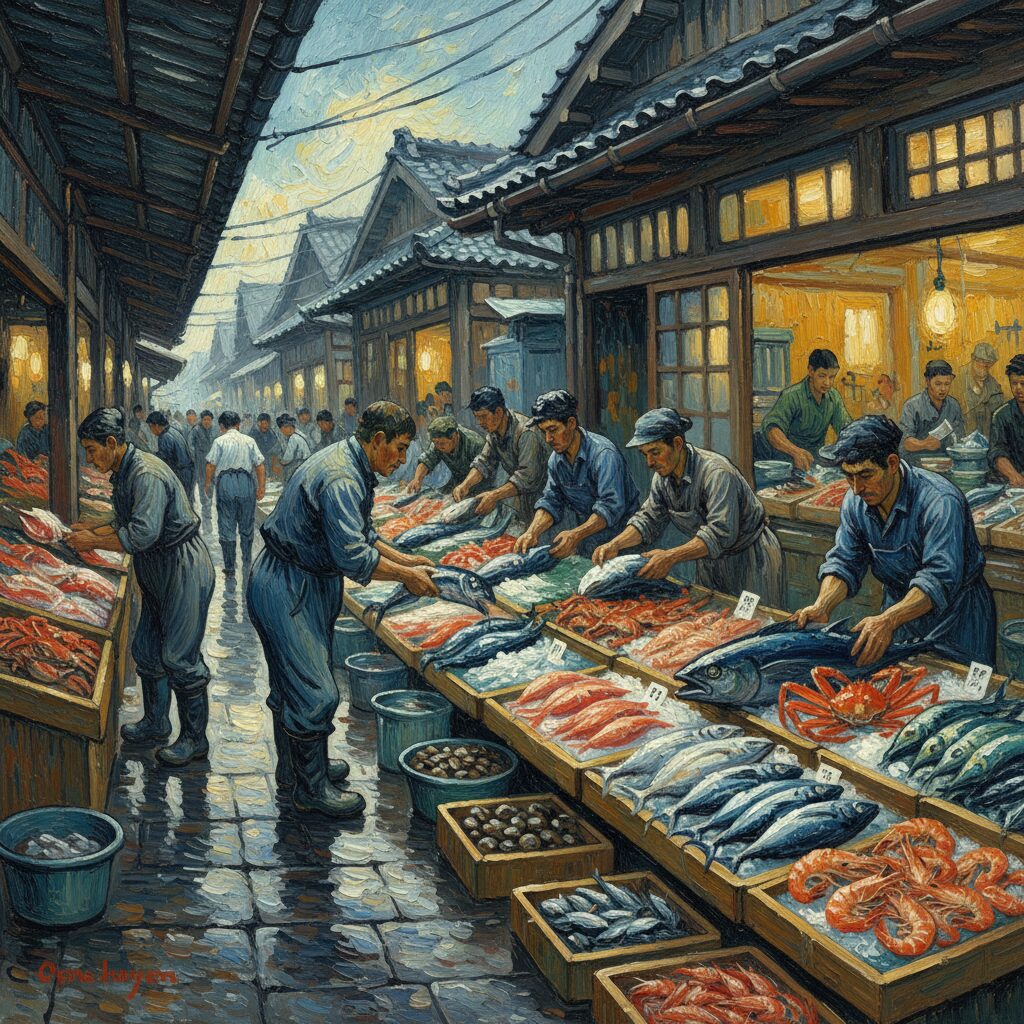
Navigating a bustling wholesale market for the first time can feel a bit overwhelming, but with some simple tips, you’ll soon feel like an experienced regular. The key is to be respectful and attentive to your surroundings.
Getting There and When to Go
Kizu Market is conveniently situated within walking distance of several major stations, making it easily accessible. The nearest subway station is Daikokucho on the Midosuji and Yotsubashi lines, just a brief five-minute walk away. It’s also about a ten-minute walk from Namba Station, a major transportation hub. This convenient location allows you to easily combine a morning visit to the market with an afternoon exploring Namba, Shinsaibashi, or Den Den Town. As noted, the best time to visit is early in the morning, between 6:00 AM and 10:00 AM on a weekday, when the market is at its liveliest and the restaurants have the freshest selection of the day’s catch. The market is typically closed on Sundays and some Wednesdays, so it’s wise to check the official online calendar before you go. On the second Saturday of each month, the market holds a special event called the “Kizu Asaichi,” or Morning Market Fair. This event brings even more energy, with special sales, food stalls, and a festive atmosphere, making it an especially enjoyable time to visit.
Market Manners and Insider Tips
Keep in mind that Kizu is primarily a place of business, and the workers operate on a tight schedule. The most important rule is to be aware of your surroundings. Avoid blocking the path of turret trucks and workers moving heavy carts. Since the aisles can be narrow and crowded, stay to the side and allow the professionals to carry out their work. While it may be tempting to touch the fresh produce and fish, it’s best to keep your hands to yourself unless you plan to make a purchase. Always ask for permission before taking photos, especially of the vendors. A simple gesture and a smile can make a big difference. Another important tip is to bring cash. Although Japan is becoming more credit-card friendly, many of the small stalls and restaurants in the market still operate on a cash-only basis. Having enough yen on hand will make your visit much smoother. Lastly, wear comfortable, closed-toe shoes that you don’t mind getting a little wet. The floors can be slippery, and it’s a working environment, so dress for practicality and comfort rather than fashion.
A Final Taste of Authenticity
A visit to Kizu Wholesale Market is far more than just a meal. It’s an immersive experience. It offers a chance to connect with the very source of Osaka’s culinary excellence, witnessing the passion and dedication behind every dish served in this food-loving city. It’s a place where you can sense the heartbeat of local life, raw and unapologetically genuine. Standing at a simple counter, savoring a bowl of seafood so fresh it carries the essence of the morning tide, you’ll grasp the true meaning of kuidaore. It’s not merely about indulgence; it’s about a profound appreciation for ingredients, craftsmanship, and the simple delight of a flawless meal. As you leave the market, with the taste of the sea lingering on your tongue and the morning sun warming your face, you’ll take with you more than just a satisfied appetite. You’ll carry a memory of Osaka at its most authentic, a flavor of its history, and a piece of its vibrant, delicious spirit.