Hello, beautiful people! Sofia here, ready to whisk you away on another vibrant journey. This time, we’re diving deep into the electric heart of Osaka, a city that pulses with a rhythm all its own. Picture this: you’re navigating the dazzling neon canyons of Dotonbori, the air thick with the irresistible scent of sizzling takoyaki, the roar of a thousand conversations washing over you. It’s a glorious, sensory overload, a whirlwind of modern energy that defines this incredible city. But what if I told you that just steps from this exhilarating chaos lies a quiet sanctuary, a time capsule that holds the very soul of old Osaka? Tucked away in a tiny, unassuming building is the Kamigata Ukiyoe Museum, a place that doesn’t just display art but tells the passionate, dramatic, and intensely human story of a bygone era. This isn’t just another museum; it’s a portal to the world of Kamigata-e, the unique style of woodblock prints that flourished right here in the commercial and cultural heart of Japan. Forget what you think you know about ukiyo-e from Tokyo; Osaka’s version is a whole different kind of wonderful—raw, real, and bursting with personality. It’s here, in this intimate space, that you can truly feel the pulse of the city’s artistic heritage, a rhythm that still beats strong beneath the modern pavement. So, let’s leave the neon glow behind for a moment and step into the world of Kabuki stars, passionate fans, and the incredible artistry they inspired.
If you’re captivated by the vibrant, modern energy that defines Osaka’s entertainment districts, you might also be fascinated by the city’s underground music scene in Shinsaibashi.
A Different Kind of Drama: The Soul of Kamigata-e
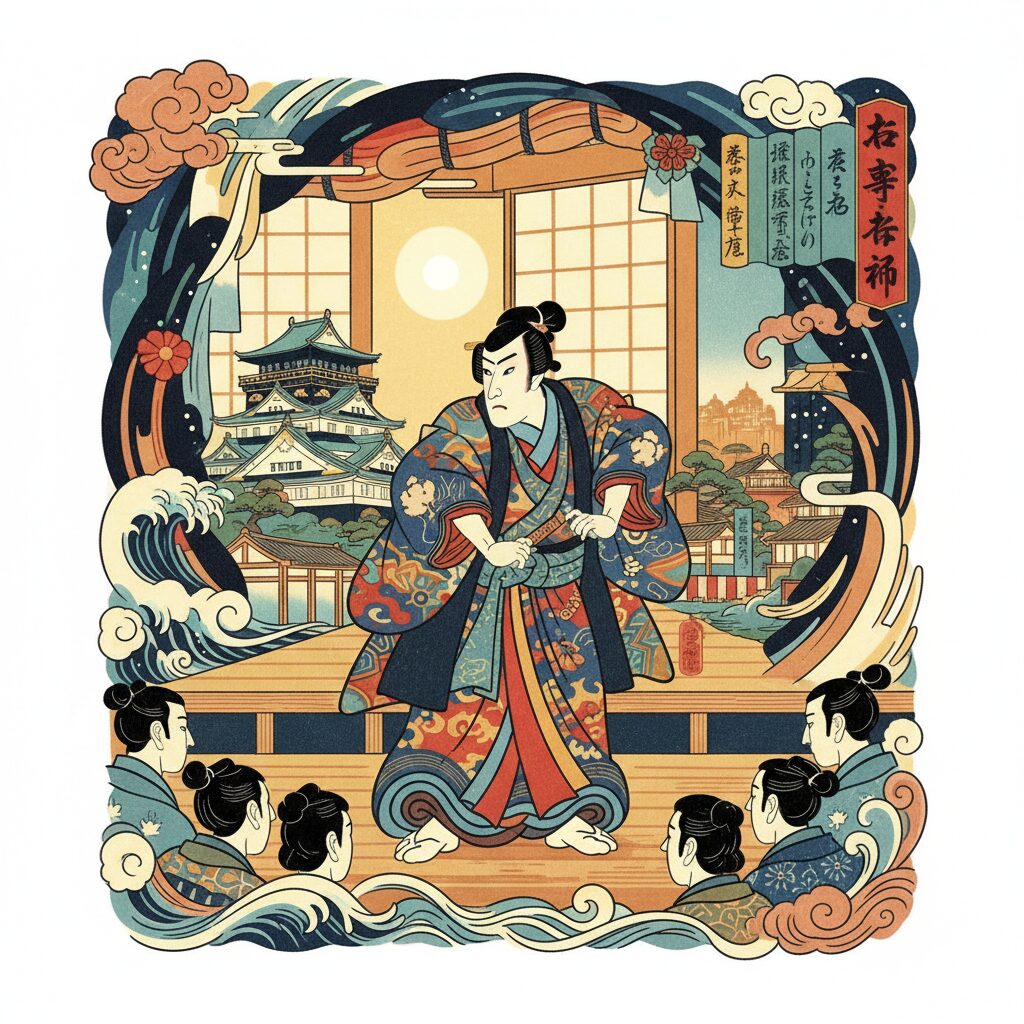
To fully appreciate the treasures housed within the Kamigata Ukiyoe Museum, we first need to grasp what makes its collection so remarkably unique. The term ukiyo-e, or “pictures of the floating world,” often evokes images of elegant courtesans, tranquil landscapes such as Mount Fuji, and stylized heroes crafted by masters like Hokusai and Hiroshige. This art, magnificent as it is, comes from Edo, known today as Tokyo. Edo was the political and military hub of samurai Japan, and its art frequently reflected a polished idealism, manifesting refined and sometimes detached beauty. In contrast, Osaka, or Kamigata as the region was called, followed a different rhythm. This city, known as the nation’s kitchen, was home to merchants, rice brokers, and financiers. Life there was pragmatic, vibrant, and fueled by the passions of ordinary people—above all, a deep love for Kabuki theater.
This passion is the key to understanding Kamigata-e. Unlike the varied themes of Edo prints, Kamigata prints focused almost exclusively on one subject: Kabuki actors. These prints functioned as the celebrity posters of their time, made for devoted fans who flocked to the theaters in Dotonbori. However, Kamigata artists weren’t interested in crafting flawless, idealized icons. They specialized in a style called nigao-e, or “likeness pictures,” aiming for realism, warts and all. Their intent was to capture raw emotion, intense energy, and the true character of the actor both on and off stage. The portraits produced are strikingly human—you’ll notice exaggerated features, contorted expressions of fury or sorrow, and a psychological depth that feels surprisingly modern. While an Edo artist might flatter a renowned actor, a Kamigata artist revealed the sweat on his brow, the strain in his neck—the very essence of his dramatic performance. This artistic honesty is what gives Kamigata-e its power. It’s gritty, theatrical, and embodies Osaka’s grounded spirit—a city that has always prized substance and personality over superficial perfection.
Unlike their Edo counterparts, these prints were not mass-produced on an industrial scale. They were typically made in smaller editions, commissioned by dedicated fan clubs or affluent patrons, which allowed for greater artistic experimentation and quality. The artists, including figures like Ryukosai Jokei and Shokosai Hanbei, were local legends deeply intertwined with the theater world they depicted. They knew the actors personally, understood the plays intimately, and poured that knowledge into every carved line. Viewing their work, you feel less like a distant spectator and more as if you’re right there in the audience, swept up in the unfolding drama. This style sprang from pure passion—a visual love letter to the spectacular world of Kabuki—and the Kamigata Ukiyoe Museum is the only institution worldwide devoted solely to preserving and celebrating this distinctively Osakan art form.
Stepping into a Time Capsule: The Kamigata Ukiyoe Museum Experience
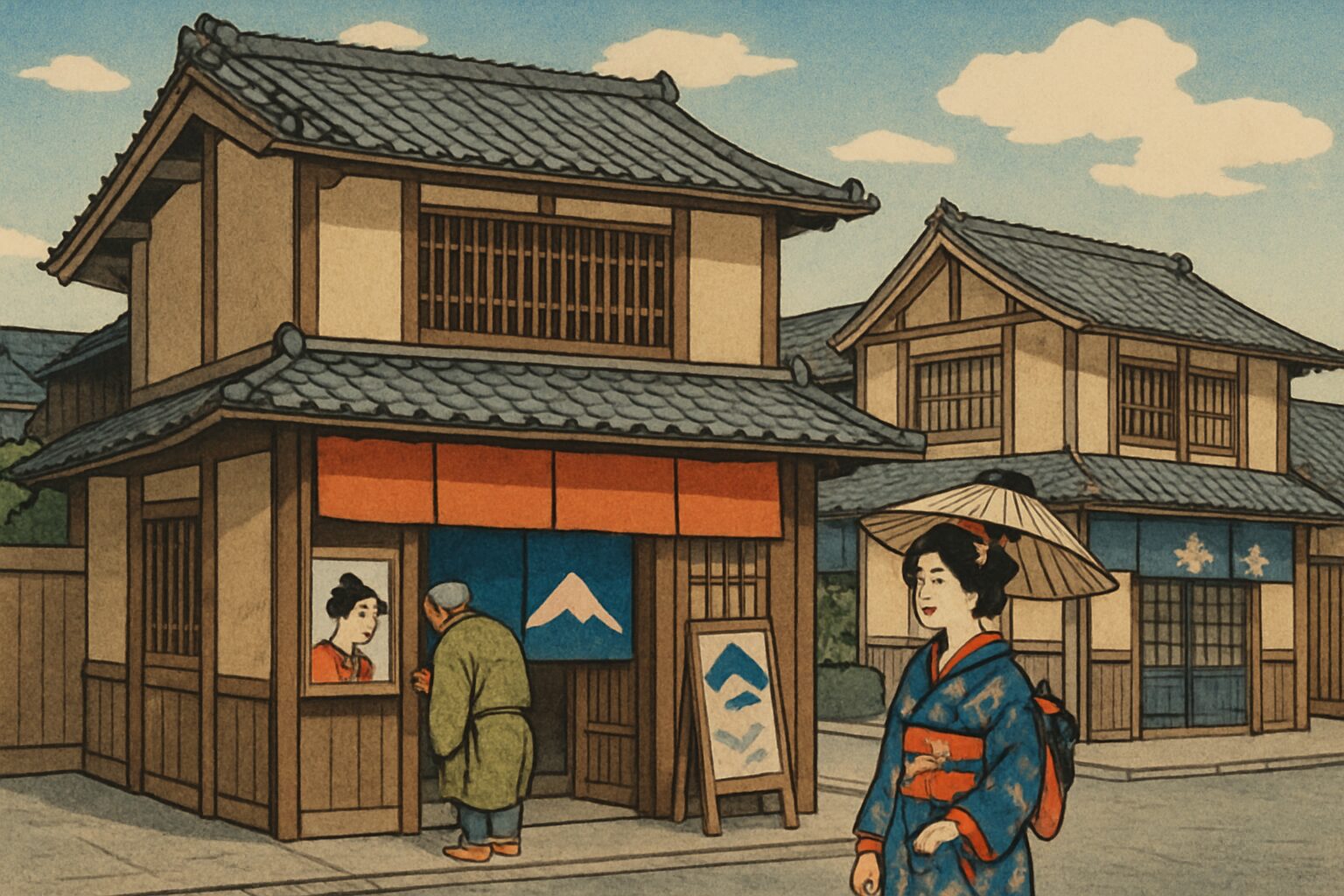
Locating the Kamigata Ukiyoe Museum is an adventure itself, a charming play of contrasts. You’ll find yourself wandering through the vibrant heart of Namba, a district pulsing with 21st-century vitality, until you turn a corner right beside the entrance of the ancient, moss-covered Hozenji Temple. There it stands: a sleek yet traditionally styled building, its wooden facade a gentle murmur amid the lively surroundings. Upon stepping inside, the city’s hectic pace fades away, replaced by a deep sense of calm and history. The air is still, the lighting soft, and you’re instantly immersed in the realm of woodblock prints.
The museum is wonderfully cozy, spread over three small floors linked by a narrow staircase. This isn’t a vast, overwhelming space where you drift aimlessly for hours. Instead, it feels intimate, as if you’ve been welcomed into a private collector’s home. The ground floor often functions as a reception and an excellent museum shop, offering beautiful reproductions, postcards, and unique souvenirs inspired by the art displayed above. It’s an ideal spot to find a piece of Osaka’s artistic spirit to bring home.
As you climb to the exhibition floors, you’ll find the museum’s collection showcased through rotating exhibits. This clever method ensures each visit reveals something new. One show might highlight the work of a single master artist, another focus on a specific Kabuki play, and yet another explore themes like villains or heroes. The prints are beautifully displayed, allowing close inspection of exquisite details: the delicate embossing on a kimono, vibrant mineral pigments that have retained their brilliance for centuries, and, of course, the strikingly expressive faces characteristic of the Kamigata style. Take your time with each piece. The English descriptions offer fascinating insights into the actors, their roles, and the stories behind them. You’ll begin to recognize famed actors of the era, like Nakamura Utaemon III, fostering a real connection with these figures who were the superstars of their time. The top floor often holds a special surprise—a small tatami mat room that recreates the atmosphere of a traditional space, letting you appreciate the art in an authentic setting. The entire visit becomes a meditative journey, a quiet dialogue with the spirits of Osaka’s theatrical past.
More Than Just a Museum: Hands-On Art and Culture
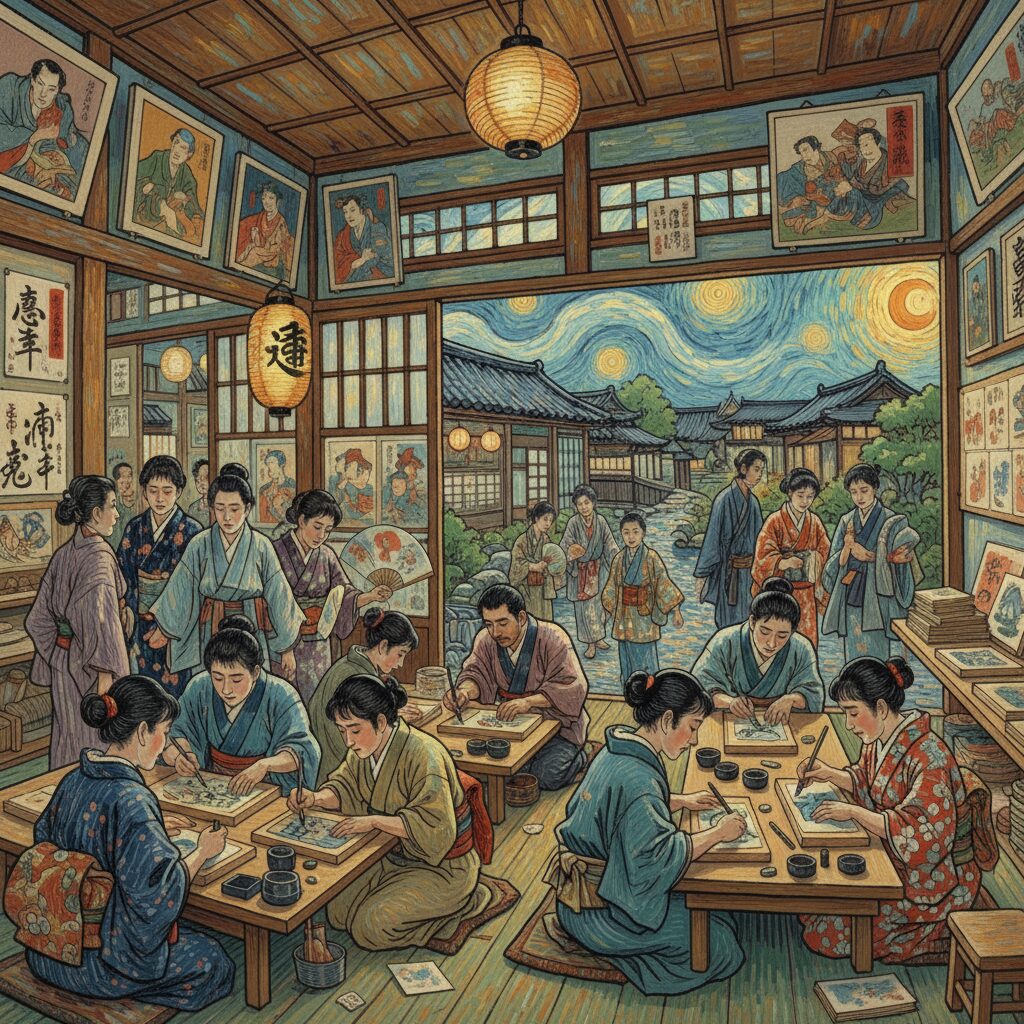
Now, here’s what I consider one of the most magical aspects of the Kamigata Ukiyoe Museum experience—something that transforms it from simply a great museum into an unforgettable travel memory. On the fourth floor, the museum offers a hands-on ukiyo-e printing workshop! This is your opportunity to shift from observer to creator and to engage with this ancient art form in a truly tactile way. It’s an incredibly enjoyable and accessible activity, perfect for everyone, no matter your level of artistic skill.
The friendly staff will guide you through the straightforward yet fascinating process. You’ll select from several designs, often classic motifs drawn from famous prints in their collection. They provide the carved woodblocks, special washi paper, and vibrant inks. The process involves a multi-step rhythm of applying color to a block, carefully aligning the paper, and then using a tool called a baren to rub the back of the paper, transferring the ink. You repeat this for each color, building the image layer by layer. There’s a wonderful sense of anticipation at every stage. The texture of the paper, the earthy scent of the ink, the satisfying pressure of the baren—it’s a sensory experience that connects you directly to the artisans of old Osaka.
The best moment, naturally, is when you peel the paper off the final woodblock to reveal your completed, multi-colored print. It feels like a bit of magic! You’ve created a beautiful piece of art with your own hands, a souvenir that’s far more meaningful than any purchased item. It also deepens your appreciation for the skill of the original masters, who worked with far more intricate designs and numerous color blocks. The workshop usually lasts about 30-45 minutes, and you can often join without a reservation, making it an easy and spontaneous addition to your visit. It’s truly a must-do. You’ll leave not only with a richer understanding of ukiyo-e but also with a beautiful, personal memento of your artistic journey in Osaka.
The Neighborhood Vibe: Namba, Dotonbori, and Hozenji Yokocho
The Kamigata Ukiyoe Museum’s location is no coincidence; it sits ideally at the intersection of Osaka’s history and modernity, serving as the perfect starting point for exploring the broader Namba area. Just outside the museum lies Hozenji Yokocho, one of Japan’s most enchanting alleyways. Entering this narrow, stone-paved lane feels like stepping back in time. The air is filled with the scent of incense from Hozenji Temple and the tempting aromas from tiny, traditional eateries that have thrived here for generations. Lanterns cast a warm, golden light, highlighting the alley’s centerpiece: the Mizukake Fudo-san, a Buddhist statue blanketed in lush green moss. Both locals and visitors pour water over the statue in a prayer for good fortune, a simple yet beautiful ritual practiced for centuries. Spending a few moments here after your museum visit is an ideal way to continue your journey into old Osaka.
Exiting the calm of Hozenji Yokocho, you’ll find yourself just a minute’s walk from the dazzling sensory explosion of Dotonbori. Suddenly, you’re thrust into the 21st century, surrounded by bustling crowds, massive animated signs like the iconic Glico Running Man and the enormous moving crab, and the constant buzz of street food vendors. The contrast is thrilling. You can spend an afternoon immersed in the quiet artistry of the 18th century and then enjoy an evening in the vibrant, high-energy district that has defined this area for centuries. This is Osaka in essence—a city where history and modernity coexist as lively neighbors, always in dialogue.
I highly suggest planning your day around this captivating duality. Begin at the Kamigata Ukiyoe Museum in the early afternoon. Take your time, join the printing workshop, and fully absorb the atmosphere. Then, as dusk falls and the lanterns light up, stroll through Hozenji Yokocho. Find a cozy spot for an early dinner to sample local favorites like okonomiyaki or kushikatsu. Finally, as night deepens, lose yourself in the spectacle of Dotonbori—walk along the canal, capture countless photos, and enjoy all the street food you can. It’s a perfect itinerary that offers a deep, authentic experience of what makes this part of Osaka so irresistibly enchanting.
Practical Pointers for Your Artistic Adventure
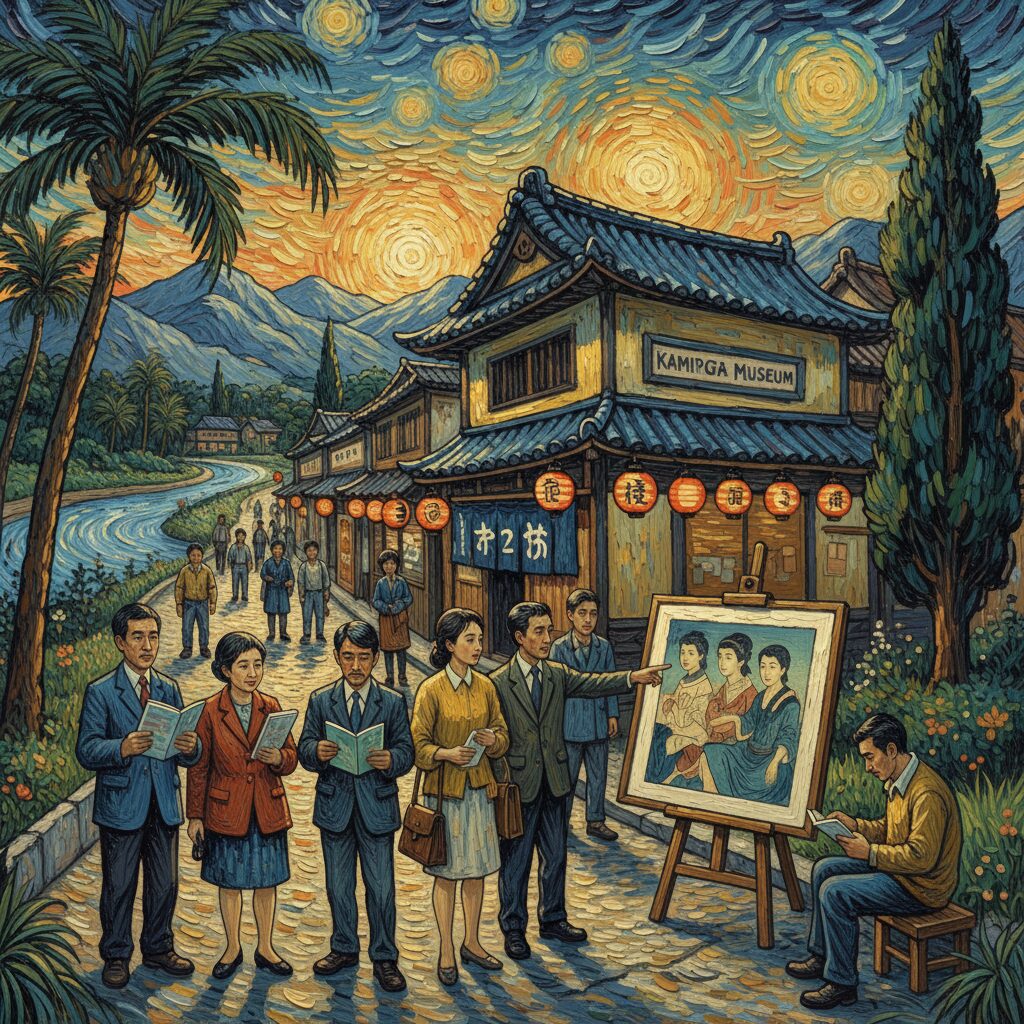
Reaching the Kamigata Ukiyoe Museum is wonderfully simple since it’s situated right in the heart of the lively Namba district, one of Osaka’s key transportation centers. No matter where you’re coming from, you’ll find it very accessible. The nearest subway stop is Namba Station, served by the Midosuji, Yotsubashi, and Sennichimae lines. It’s also just a short walk from Osaka-Namba Station (serving the Kintetsu and Hanshin lines) and JR Namba Station. Upon arriving at any of these major stations, follow the signs toward Dotonbori or Hozenji Temple. The museum is a bit of a hidden treasure, so having a map app handy for the last few turns is helpful, though its proximity to the famous temple makes it an easy landmark to locate.
When planning your visit, timing can enhance your experience. The museum is generally open from 11:00 AM to 6:00 PM, but it’s always best to check the official website for the latest hours and any unexpected closures. Like many museums in Japan, it is closed on Mondays. Weekday afternoons often offer the quietest atmosphere, giving you a chance to enjoy the art at your own pace. A full visit, including the engaging printing workshop, typically takes about 90 minutes to two hours. This allows you plenty of time to explore the surrounding area without dedicating an entire day. Its compact size is one of its greatest advantages, making it a convenient and rewarding addition to any Namba itinerary.
For first-time visitors, here are a few tips to ensure a smooth visit. The museum is small, with narrow stairs, so it’s best to travel light and leave large bags or luggage at your hotel or in a station locker. Photography is generally prohibited in the exhibition areas to protect the delicate, light-sensitive prints, so be ready to appreciate the art with your eyes rather than your camera. However, photos are usually allowed during the ukiyo-e workshop, giving you a chance to capture your creative process! The staff are very friendly and passionate about the art, so don’t hesitate to ask questions. While extensive English isn’t always spoken, their enthusiasm transcends language barriers. Finally, be sure to save some time and budget for the museum shop; it’s one of the best places in Osaka to find unique, high-quality souvenirs that truly reflect the city’s artistic culture.
A Farewell to the Faces of Old Osaka
Exiting the Kamigata Ukiyoe Museum and stepping back onto the lively streets of Namba feels like emerging from a beautiful dream. The expressions of the Kabuki actors, captured in moments of intense emotion, linger long after you’ve departed. This remarkable museum offers more than just a collection of historic images; it provides a deep connection to the spirit of the city. It unveils a side of Osaka that is passionate, dramatic, unapologetically human, and deeply devoted to its culture. It serves as a reminder that beneath the shimmering skyscrapers and neon lights, the heart of this merchant city—the city of theater, commerce, and genuine people and feelings—continues to beat strong.
In a world dominated by vast, blockbuster museums, there is a unique kind of magic in a place like this—one with a focused, singular passion. The commitment to preserving and sharing the unique story of Kamigata-e is a gift to every visitor. You won’t find this art or this perspective anywhere else. It is Osaka’s story, told through the faces of its most celebrated stars. So, when you visit this amazing city, I encourage you to look beyond the famous landmarks and delectable cuisine. Seek out this small, quiet building nestled beside a temple. Give yourself the gift of time, step inside, and allow the dramatic world of Kamigata-e to capture your imagination. You’ll leave with a deeper appreciation for this incredible city and a gallery of unforgettable faces etched into your memory.