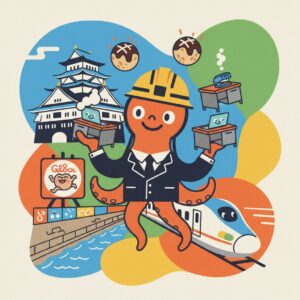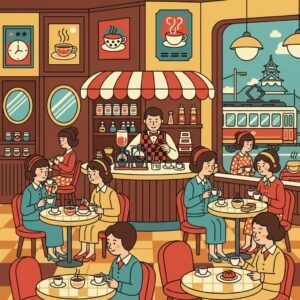
So you’ve heard the whispers. You’ve seen the jokes on TV, the knowing glances when you say you’re moving to Osaka instead of Tokyo. You’ve probably even encountered the word itself, spat out with a mix of derision and grudging respect: ‘kechi’. It’s often translated as cheap, stingy, or tight-fisted. And on the surface, you’ll see evidence everywhere that seems to confirm this. A middle-aged woman in a leopard print blouse arguing passionately over the price of a single mackerel. A salaryman walking an extra ten minutes just to save thirty yen on a bowl of udon. An entire city that seems to run on a complex, unwritten calculus of discounts, point cards, and cost-performance ratios. It’s easy to arrive here and think, “Wow, everyone is obsessed with money.” You wouldn’t be entirely wrong, but you’d be missing the whole beautiful, brilliant point. That reputation, that ‘kechi’ label, isn’t a character flaw. It’s Osaka’s soul. It’s a philosophy of life, a cultural inheritance born from centuries of commerce, and for anyone looking to build a life here, it’s not a barrier—it’s your single greatest advantage for managing living costs and truly understanding what makes this city tick. Forget stingy. Think smart. Forget cheap. Think value-obsessed. This isn’t about hoarding yen; it’s about refusing to be ripped off, about demanding that every single coin you spend pulls its weight. In a world where costs are always rising, Osaka’s deep-rooted culture of thrift is a masterclass in living well, and you’re about to get a front-row seat. It’s a mindset that transforms the daily chore of budgeting into a game, a treasure hunt played out in the city’s sprawling shopping arcades and neon-drenched supermarkets. This is the art of value, Osaka-style.
Embracing Osaka’s art of value also means appreciating how local business culture blends thrift with wit, as seen in the humor and directness in the Osaka workplace that underpins daily interactions.
Deconstructing ‘Kechi’: It’s Not Cheap, It’s Smart
The first step to unleashing Osaka’s energy is to rethink your concept of what ‘kechi’ really means. In Tokyo, the culture often centers on paying for a certain standard, brand prestige, impeccable presentation, and flawless service. The price is fixed, and challenging it can be considered impolite. Value frequently takes a backseat to status or appearance. In Osaka, this entire dynamic is completely reversed. Status is derived from getting the best possible item at the lowest possible cost. It’s a mark of pride. This isn’t about being unable to afford things; it’s rooted in the firm belief that overpaying for something is, to put it bluntly, foolish. An Osakan would sooner brag about scoring top-quality leather shoes at half price during a clearance than owning a full-priced pair from a renowned department store. The story, the negotiation, the triumph of the deal—that’s where the true value lies, not just in the product itself.
The Philosophy of ‘Nēdan Sōdan’ (Price Negotiation)
Step into a large electronics store in Tokyo’s Akihabara and attempt to bargain. You’ll probably be met with a courteous yet firm smile and a gesture toward the price tag. The price is the price. Now, try the same in Osaka’s Den Den Town. The atmosphere shifts immediately. The initial price is often regarded as a starting point, an invitation to negotiate. This is ‘nēdan sōdan’—price consultation. It’s not the aggressive, high-pressure haggling found in other places; it’s more of a dialogue, a ritual. You might ask, “Is this your best offer?” or “If I purchase the display model, could you reduce the price a bit?” The salesperson might then tap on a calculator, sigh theatrically, and say they have to “consult with the manager.” This entire exchange is part of the experience. It signals you’re a serious, savvy buyer who knows the local way. The unspoken rule is to be fair and respectful. You’re not trying to bankrupt the store; rather, you’re seeking a mutually acceptable price. This approach extends beyond big-ticket items. In local markets, a regular customer might receive a few extra onions as a bonus, a custom called ‘omake’. It’s all part of a flexible, human-centered commerce style that feels a world apart from rigid pricing elsewhere.
‘Mottainai’ on a City-Wide Scale
The Japanese idea of ‘mottainai’—a profound regret about waste—is found throughout the country, but Osaka elevates it to another level. Here, it acts as an economic driver. The city is overflowing with second-hand shops, not only for niche vintage clothing but for virtually everything: furniture, electronics, books, kitchenware, and more. Areas like Amerikamura boast a thriving vintage clothing scene, where individuality is valued far above wearing the season’s latest trends. This isn’t just a student budget phenomenon; it’s mainstream lifestyle. Why buy a new microwave when a perfectly good, tested, and cleaned one is available for a third of the price? Why discard a perfectly usable table when it can be sold to a recycle shop? This citywide reuse ecosystem significantly lowers the cost of setting up a home. You can furnish an entire apartment comfortably and stylishly at a fraction of what it would cost in Tokyo, where the focus tends to be on the new and immaculate. This culture actively resists disposable consumerism prevalent elsewhere, making ‘living in Osaka’ a far more sustainable and cost-effective choice.
The Cost-Performance Obsession: ‘Cosupa’ is King
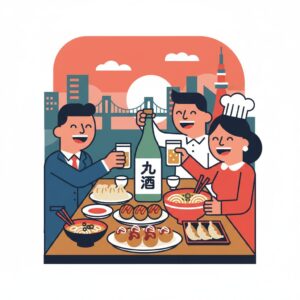
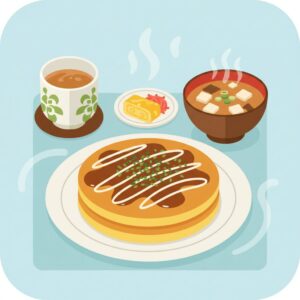
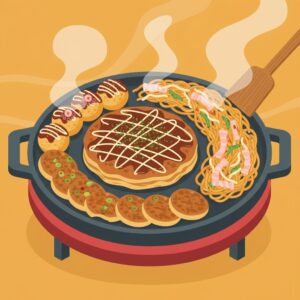
If you learn just one word to grasp Osaka’s economy, let it be ‘cosupa’ (コスパ), a blend of ‘cost-performance’. This is the key standard by which nearly everything is evaluated. Is the food delicious? Great. But is it delicious for the price? That’s the true measure. A ramen place charging 1,500 yen better offer a transcendent, life-changing experience. On the other hand, a 700-yen bowl that’s hearty, flavorful, and served quickly will have a line stretching out the door. This is why Osaka is celebrated as a food lover’s paradise. Fierce competition and a discerning, cosupa-focused clientele mean that restaurants cannot survive without delivering exceptional value. A steep price with mediocre quality is a sure path to failure. This reality results in an outstanding quality of life for locals. Dining out often and very well is affordable. Lunch sets priced between 500-800 yen aren’t skimpy; they’re often generous multi-course meals including rice, soup, pickles, and a substantial main dish. The street food—from takoyaki to okonomiyaki—is crafted with pride and offered at seemingly unbelievable prices. This relentless emphasis on cosupa ensures your food budget stretches farther here than almost anywhere else in Japan.
Your Daily Life on a ‘Kechi’ Budget: Practical Applications
Grasping the philosophy is one thing, but putting it into practice in your everyday life is where the real magic unfolds. The ‘kechi’ culture is not merely an abstract concept; it is woven into the very fabric of the city, from its extensive shopping arcades to its wonderfully chaotic supermarkets. Learning to navigate these environments is your gateway to experiencing a more affordable and authentic Osaka.
Mastering the Shotengai (Shopping Arcade)
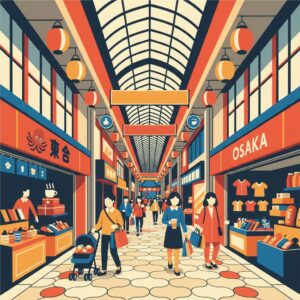
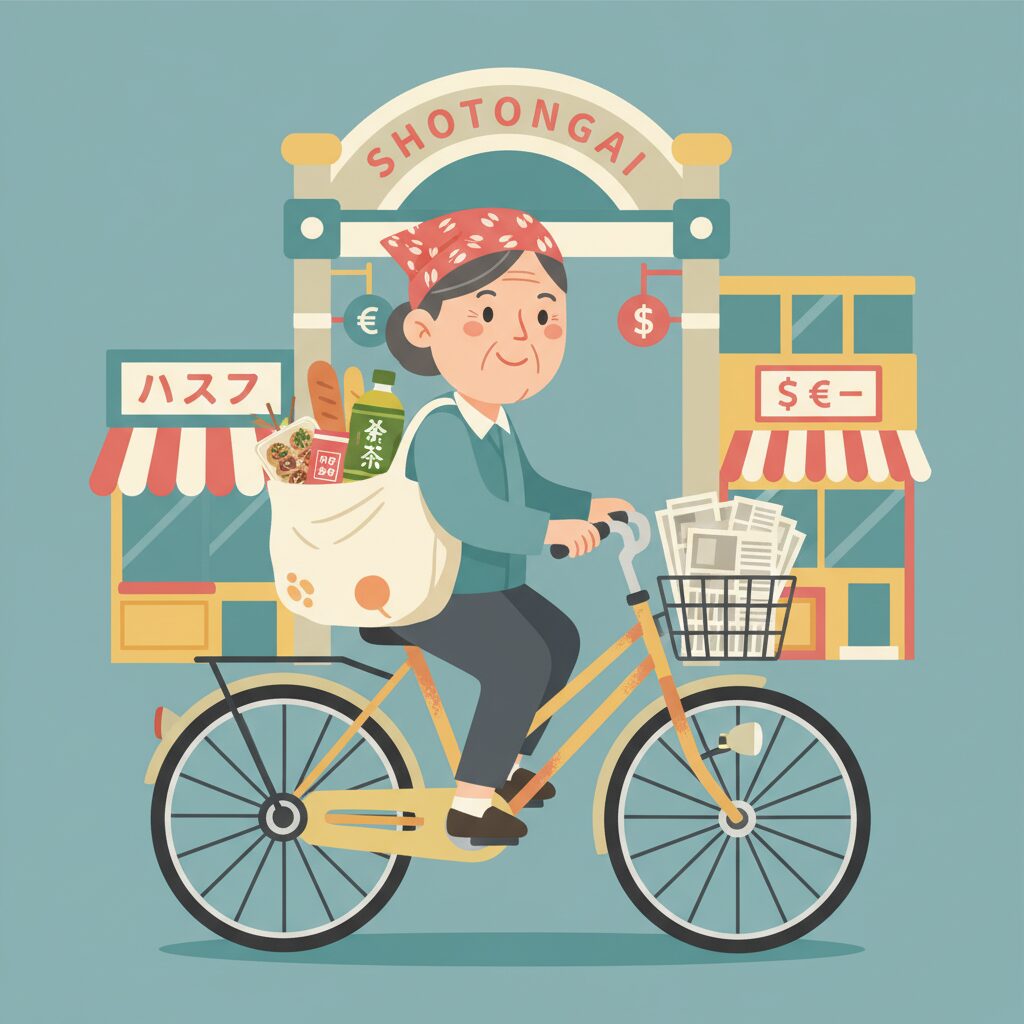
While the modern, air-conditioned supermarket has its place, the true heart of Osaka’s local commerce lies in the ‘shotengai’. These covered shopping arcades, such as the amazing Tenjinbashi-suji (the longest in Japan), are lively, linear hubs of value. Forget about pre-packaged, plastic-wrapped vegetables. Here, you can approach a greengrocer’s stall, stacked high with fresh produce, and buy just a single onion or a couple of potatoes. The vendor, likely the long-time owner, will weigh your items and you’ll pay in cash. This reduces food waste and is often cheaper than a supermarket. As you stroll through, you’ll hear vendors calling out their daily specials—a sight rarely seen in a quiet Tokyo grocery store. They’re not just shouting; they’re vying for your attention and your business. The fishmonger will tell you what’s freshest that morning, while the butcher offers deals on ground meat. As you become a familiar face, you start building relationships, which might earn you a little ‘omake’—a tip on when the best meat cuts will be available. The shotengai offers a personal, interactive shopping experience that helps you control your budget and connects you to the community.
Supermarket Strategies: Beyond the Big Chains
When you do need a supermarket, Osaka offers a wide range of options, and none is more notorious or more representative of the ‘kechi’ spirit than Super Tamade. To outsiders, Tamade is overwhelming—a sensory overload of blinking neon lights, loud J-pop blasting from speakers, and handwritten signs shouting about 1-yen deals. It can feel chaotic, even startling, compared to the calm, orderly aisles of upscale Tokyo supermarkets. But this is where the treasure hunt starts. Tamade is known for its loss-leader sales, selling specific items at absurdly low prices (sometimes just 1 yen) to lure customers in. Their prepared foods, or ‘sozai’, are a blessing for budget-conscious shoppers. The real excitement kicks in as closing time nears. Employees armed with sticker guns mark down perishables. You’ll see bento boxes, sushi, and fried foods offered at initial discounts, maybe 20% off. Wait a bit longer, and the prized ‘hangaku’ (半額) or half-price sticker appears. A crowd gathers—a silent, savvy group of shoppers who have mastered the timing. Snagging a half-price katsu-don becomes a small daily triumph capturing the Osaka spirit. It’s not just about saving money; it’s a shared ritual, a communal understanding of how to work the system for the best results.
Deciphering the Discount Lingo
To truly excel at scoring deals, you need to understand the language. Keep an eye out for these key characters on price tags and stickers. ‘Wari-biki’ (割引) is the general term for discount. You might find ‘ichi-wari-biki’ (1割引) meaning 10% off or ‘ni-wari-biki’ (2割引) for 20% off. The ultimate prize is ‘hangaku’ (半額), meaning half-price. You’ll also see ‘mi-kiri-hin’ (見切り品), which refers to clearance items, often products close to their expiration date but still good to use. Knowing these terms lets you scan shelves and instantly spot the best deals, turning a routine shopping trip into a strategic mission. Once mastered, this skill will fundamentally transform how you manage your living expenses in Osaka.
The Social Side of Saving: How ‘Kechi’ Shapes Community
Perhaps the most notable difference for anyone arriving from other parts of Japan—or many Western cultures—is how openly money and savings are discussed in Osaka. It’s not treated as a private, taboo topic wrapped in politeness. Instead, it’s a public, celebrated, and deeply communal practice. This openness influences social interactions and creates a unique community bound by a shared passion for scoring a good deal.
It’s a Conversation Starter, Not a Taboo
In many cultures, bragging about how little you paid for something might be considered rude. In Osaka, it’s a way to connect. You’ll often hear complete strangers—especially the formidable middle-aged women known as ‘obachan’—comparing their bargains. “I got this daikon radish for 80 yen at the market on the corner!” one might say proudly. The other will respond not with envy, but with admiration or a retort: “Eighty yen? That’s amazing! I paid 95, but they gave me an extra spring onion.” This constant, casual exchange about prices creates a dynamic network of market intelligence. Talking about a great deal is not mere boasting; it’s sharing useful information with the community. It’s a way of saying, “We’re all in this together, and here’s how we can all save more.” This pragmatic, open dialogue about everyday finances is a defining feature of ‘what Osaka people are like’—they are practical, straightforward, and take pleasure in the shared skill of savvy living.
The ‘Obachan’ Network: Your Information Superhighway
Never underestimate the influence of the Osaka ‘obachan’. Often dressed in vibrant colors and possessing an energy that defies their age, these women are the leaders in the daily battle against high prices. They hold the city’s collective ‘kechi’ wisdom. They know which butcher has the best mince on Tuesdays, which fruit stand offers the sweetest watermelons, and the exact time local supermarkets begin discounting bread. They are living, breathing databases of ‘cosupa’. For a foreigner navigating the city, befriending the ‘obachan’ in your neighborhood is like receiving a cheat code for life in Osaka. It might begin with a simple ‘konnichiwa’ at the local sento or a comment about the weather in the shotengai. But if you show genuine interest and respect, you could soon become part of this incredible information network. They’ll direct you to a hidden tofu shop, warn you to avoid another store because its quality has declined, and celebrate with you when you score a great bargain. This social fabric is built on shared pragmatism, turning the city from an anonymous metropolis into a collection of connected villages.
Osaka vs. Tokyo: A Tale of Two Economies
The cultural divide between Osaka and Tokyo is significant, and much of it stems from their fundamental origins. Grasping this history is essential to understanding why the ‘kechi’ mindset is deeply embedded in Osaka’s identity and why everyday life there feels so distinctly different from that of the capital.
Merchant City vs. Samurai Capital
Tokyo, formerly Edo, was the shogun’s seat—a city dominated by samurai, bureaucrats, and aristocrats. Its economy depended on stipends, official posts, and a strict social hierarchy. Form, propriety, and maintaining appearances (‘tatemae’) were critical. While money mattered, openly pursuing it was often viewed as beneath the honorable ruling class. In contrast, Osaka was known as the ‘tenka no daidokoro’—the nation’s kitchen. It was a city of merchants, artisans, and traders, where commerce was the lifeblood. Status came not from birthright but from business skill. Making shrewd deals, turning profits, and providing value were more than business practices; they were a source of civic pride. This merchant spirit is ingrained in the city’s character. Osakans tend to be direct, pragmatic, and less concerned with rigid formalities because, in business, clear communication and good deals are what truly matter. This historical background offers a deeper answer to the ‘Osaka vs. Tokyo’ question. The differing attitudes toward money are not merely modern quirks but the outcome of centuries of distinct social and economic development.
What Foreigners Often Misunderstand
This is where many newcomers misunderstand. The greatest misconception is equating ‘kechi’ with stinginess. Nothing could be further from the truth. An Osakan who might jokingly haggle over a 50-yen discount on vegetables will, without hesitation, treat a friend to an extravagant dinner or rounds of drinks. The ‘kechi’ mindset applies to commercial transactions, the impersonal realm of buying and selling. It’s about ensuring fair value within a system. But when it comes to personal relationships, generosity is a source of pride. The idea is: “I save money on things that don’t matter so I can be generous with those who do.” Another misunderstanding is viewing the transactional nature of conversations as rude. The directness, the questions about prices, the banter—it’s not intrusive; it’s a form of engagement. It’s a way of treating you not as a faceless customer but as a fellow participant in the game of life. By recognizing this distinction between commercial shrewdness and personal generosity, you begin to appreciate the true warmth and complexity of the Osaka character.
Embracing the ‘Kechi’ Lifestyle: Your Key to Thriving in Osaka
So, how do you transform all this cultural knowledge into your secret weapon for a better life in Osaka? It begins with a simple shift in mindset. You are not merely a consumer; you are an active participant in a dynamic, value-driven economy. By embracing the local ethos, you not only save a considerable amount of money but also become more deeply woven into the city’s fabric.
Shift Your Mindset from ‘Price’ to ‘Value’
Stop seeing a price tag as a fixed, absolute figure. Start asking questions. Is this good ‘cosupa’? Could I find similar or better quality for less somewhere else? Is there a story behind this price? Start to explore. Instead of automatically going to the convenience store, take a stroll through your local shotengai. Try the small, family-run restaurant with the handwritten menu rather than the polished chain. Don’t hesitate to pick the slightly bruised apple being sold at a discount—it’s a small act of ‘mottainai’ that the city appreciates. This shift in mindset turns every purchase into a deliberate choice rather than a passive one. It empowers you, putting you in control of your budget and decisions. It makes you a connoisseur of value, a title highly respected in this city.
Learning the Language of Value
You don’t need to be fluent in Japanese, but knowing a few key phrases in the Osaka dialect can open doors and show you’re part of the local culture. A simple “Meccha yasui!” (めっちゃ安い! – “Super cheap!”) when spotting a good deal often earns a laugh and a nod of approval. A playful “Chotto makete kureru?” (ちょっとまけてくれる? – “Can you give me a little discount?”) in the right setting—like at a flea market or independent shop—demonstrates you understand the negotiation culture. Even a simple “Maido!” (毎度!), a classic Osaka merchant greeting meaning something like “Thanks for your continued patronage,” shows you’re paying attention. Using this language signals respect for local culture and indicates you’re not just a passing tourist but someone trying to grasp what makes this city unique.
The Ultimate Freedom: Living Well on Less
Ultimately, embracing Osaka’s ‘kechi’ culture is an act of liberation. In many other major global cities, constant financial pressure influences your choices and limits your experiences. In Osaka, the culture actively equips you to resist that pressure. It’s a system that rewards cleverness, observation, and participation rather than passive consumption. By mastering the art of value, you free up your resources. The money saved on groceries by shopping at the shotengai might fund a weekend trip to a nearby mountain. The budget conserved by eating delicious, affordable food can be redirected toward hobbies, savings, or investments. This is the true answer to the question, ‘Is Osaka a good place to live?’ Yes, because it offers a blueprint for life defined not by how much you earn but by how well you live. By adopting the savvy, value-seeking perspective of an Osakan, you won’t just survive—you will thrive, discovering a city that is richer, deeper, and more rewarding than you ever imagined.