You think you know Osaka. You’ve seen the pictures, maybe even walked the streets. The glittering Glico Man, a runner frozen in eternal victory over a canal packed with tourist boats. The steamy, chaotic alleys of Namba, where the scent of takoyaki and grilled crab legs hangs thick in the air. The sheer, overwhelming energy of a city that never seems to take a breath. It’s a place of commerce, of comedy, of eating until you physically cannot move—the famed spirit of kuidaore. And for many, that’s where the story ends. Osaka is the concrete jungle, the merchant’s playground, the loud counterpoint to Tokyo’s sleek sophistication or Kyoto’s serene elegance. But what happens on a quiet Saturday morning, when the city finally exhales? Where do the people who power this metropolis go to recharge their own batteries? The answer isn’t always a bullet train to another famous city. Often, it’s a short drive north, to a place most tourists have never heard of: Nose. Ask a local what’s in Nose, and they might just shrug and say, “Nothing, really. And that’s why we go.” This isn’t a self-deprecating joke; it’s a profound statement about the Osaka mindset. The escape isn’t about finding a new spectacle. It’s about finding a rhythm that connects back to the very basics of life—good soil, fresh air, and a satisfying meal. This is the world of the satoyama, the borderland between mountain foothills and arable plains, a landscape managed by human hands for centuries. It’s Osaka’s backyard, its pantry, and in many ways, its soul. It’s where the city’s famous pragmatism and obsession with quality ingredients are born. To understand Nose is to understand the unspoken, everyday philosophy of the Osaka people. Forget the guidebooks for a moment. Let’s take a drive.
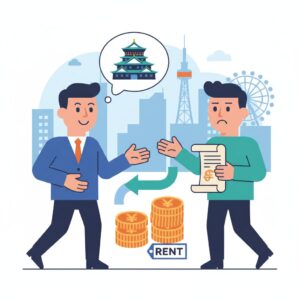
The journey into Nose’s rustic charm also unveils a side of Osaka where locals master the practical art of negotiating rent in Osaka, reflecting the city’s resourceful spirit.
The “Just Enough” Nature of Osaka Escapes

There’s a clear contrast in how Tokyo and Osaka approach a weekend getaway. In Tokyo, the escape often feels like an extension of the city’s culture of branding and consumption. It might be a visit to a chic café in Karuizawa or a stylish ryokan in Hakone with a famous view of Mount Fuji. The destination is a brand, a place to check into, an experience that’s carefully curated and packaged. It’s wonderful, but part of a certain aspirational lifestyle. The Osaka approach, exemplified by a trip to Nose, is fundamentally different. It’s grounded in practical simplicity. The journey itself is an exercise in efficiency. You hop on the Hanshin Expressway, and within forty-five minutes, the dense clusters of apartments and elevated train lines give way to green hills and terraced fields. There’s no grand arrival, no fanfare. You just exit the highway—and you’re there. The cars on the winding country roads tell the story. They aren’t luxury sedans or sporty convertibles. They’re boxy family vans, packed with picnic coolers, foldable chairs, and rubber boots for the kids. This isn’t about performance or image; it’s about utility. The goal isn’t to be seen at a destination; it’s to do something. This idea of “just enough” is central to the Osaka mindset. Why drive three hours when everything you need is right here? Why pay for a five-star view when a simple clearing in the woods offers fresh air and space for your kids to run around? This isn’t about being cheap—a common, lazy stereotype about Osaka. It’s about being exceptionally smart with resources, whether time, money, or energy. The local term kiraku perfectly captures this feeling. It means easy-going, carefree, without hassle. A trip to Nose is the very definition of kiraku. It doesn’t require weeks of planning or a big budget. It’s a spontaneous, repeatable ritual that delivers maximum refreshment with minimal fuss. It’s the smart, sensible choice, and in Osaka, there’s no higher praise.
Satoyama: The Backyard You Didn’t Know Osaka Had
To fully understand what Nose embodies, you need to grasp the concept of satoyama. This term has no straightforward English translation. It’s neither wilderness nor a manicured park. Instead, it describes a landscape where human life and nature coexist—a patchwork of rice paddies, vegetable gardens, bamboo groves, and reservoirs, all managed and cared for by the local community. It’s a functional landscape, which is exactly what makes it beautiful from an Osaka viewpoint. Driving through Nose, you won’t encounter the picture-perfect, almost sterile beauty found in places like Arashiyama in Kyoto. The bamboo groves here aren’t primarily for peaceful strolls; they’re cultivated to harvest tender bamboo shoots in the spring. The fields aren’t just backdrops for idyllic photos; you’ll see weathered K-trucks parked at the edges, rolls of plastic sheeting ready to cover seedlings, and hand-painted wooden signs selling daikon or cabbage for a hundred yen. This is nature as both partner and provider. This practical aesthetic is central to the Osaka identity. While Kyoto fostered an aristocratic culture focused on form and ritual, Osaka developed as a city of merchants and artisans who valued substance, utility, and quality above all. A beautiful object was one that functioned perfectly; a beautiful landscape was one that yielded delicious food. That mindset thrives in Nose today. The beauty isn’t found in a single dramatic waterfall or ancient sacred tree, but in the changing colors of fields through the seasons, the careful tending of eggplants by an elderly farmer, and the clever irrigation channels nourishing the rice paddies. From an East Asian cultural perspective, this deeply resonates with an agrarian heritage where aesthetics and sustenance have always been intertwined. The most beautiful poem could celebrate the simple joy of a good harvest. In Nose, this connection is palpable. It reminds you that the hyper-modern city of Osaka, with its towering skyscrapers and bustling markets, remains fundamentally tied to the land. Nose is the city’s backyard pantry, nourishing both its body and soul—a place where the logic of nature and the pragmatism of the merchant class converge.
Farm-to-Table Isn’t a Trend, It’s Just Lunch
In many cities worldwide, “farm-to-table” is a trendy marketing phrase, a premium concept signaling a certain lifestyle dining experience. In Nose, it’s simply called lunch. Osaka’s obsession with food, embodied by the culture of kuidaore, isn’t about extravagant or costly meals. It’s about an uncompromising commitment to freshness and flavor. And what better way to guarantee that than eating just steps away from where the ingredients were harvested? The area is scattered with small eateries, often housed in converted farmhouses or humble wooden buildings. You won’t find slick branding or polished interiors; instead, there are mismatched chairs, calendars from the local agricultural co-op hanging on walls, and menus that may change daily depending on what the owner picked that morning. This is where Osaka’s value system truly shines. An Osakan will happily pay 1,800 yen for a lunch set here—not for fame or reputation, but because the value is undeniable. That meal might feature tempura made from mountain vegetables foraged nearby, their slight bitterness a sign of their wild origin. It might include a block of handmade tofu so fresh and creamy it hardly needs soy sauce. The rice will be from a local paddy, each grain separate and fragrant. This is what a good deal means in Osaka: paying a fair price for unparalleled quality. It’s merchant logic applied to food. Why pay for marketing, décor, or a prestigious location when you can pay directly for the quality of the ingredients? The experience is stripped of all pretense, with the focus solely on the plate. Conversations overheard at other tables aren’t about business or gossip but lively, straightforward discussions about the food itself: “This eggplant is amazing.” “The sweetness is different, isn’t it?” “They must have picked it this morning.” This is the heart of kuidaore: an active, engaged, and deeply knowledgeable appreciation for food. A visit to Nose is a pilgrimage to the source, a reaffirmation of the simple truth that good food comes from good land—a foundational belief underlying all of Osaka’s culinary culture.
Hiking for Regular People, Not Mountaineers
Just as food in Nose is free of affectation, so is the approach to outdoor activities. The word “hiking” might evoke images of high-tech gear, exhausting climbs, and elite athletes, but hiking in Nose is quite the opposite. It’s hiking for everyone. The trails that weave through the hills are accessible, well-maintained, and designed for enjoyment rather than challenge. A popular route might be a gentle ascent to Myoken-san temple, a walk through quiet cedar forests offering sweeping views of the valleys below. The people you’ll meet on these paths represent a broad cross-section of Osaka’s population. Young families appear, with fathers carrying toddlers in backpacks. Energetic seniors power-walk in groups, chatting as they go. Couples enjoy leisurely strolls. What you won’t see much of is expensive, brand-name gear or a competitive attitude. People dress in comfortable, practical clothes: sneakers, track pants, simple daypacks. This reflects the same pragmatic spirit found in Osaka. What’s the goal? To breathe fresh air, get light exercise, and appreciate the scenery. Why complicate or overcharge it? The atmosphere is casual and communal. Passersby nod and offer a quiet “Konnichiwa.” An unspoken understanding prevails: everyone is here for the same simple reason—to enjoy nature without fuss. This stands in contrast to some more rigid or formal social customs found elsewhere. The focus is on the activity itself, not how one performs it. It’s a physical expression of the kiraku spirit—easygoing and approachable. This outlook ensures that nature isn’t a playground reserved for the young, fit, or wealthy, but a shared resource for all, a place to unwind and reconnect, reinforcing the belief that a healthy life involves a straightforward, direct relationship with the natural world.
The Unspoken Social Code of the Countryside Retreat

Watching the people of Osaka in Nose offers a captivating view of a different facet of their character. The loud, fast-speaking, joke-telling image usually linked to the city center mellows here. The energy remains straightforward and genuine but is toned down, replaced by a calm, confident demeanor. Social interactions are refreshingly simple. At a roadside vegetable stand—often just a few crates with an honesty box for payment—you might witness a brief, efficient exchange between a customer and the farmer. There’s no elaborate bowing or formal speech. It’s a casual, “How are the cucumbers this year?” followed by a practical reply, “Good, but the rain last week made them a bit large.” It’s a conversation between equals, founded on mutual respect for the product and process. This is where the typical description of Osaka people as “friendly” truly resonates. It’s not the polished, service-oriented friendliness found in a Tokyo department store. Instead, it’s a more grounded, peer-to-peer friendliness arising from a lack of social hierarchy and a preference for directness. In Nose, families spread out their small picnic sheets near one another, but not so close as to invade personal space. There’s a comfortable sense of shared territory. Children might play nearby another family’s spot without raising concern. It’s a relaxed, communal atmosphere rooted in unspoken trust and a common purpose. Everyone is there to unwind, with no need for strict rules to control behavior. This differs from the more clearly drawn social boundaries seen in other parts of Japan. The frankness of Osaka communication and the fluidity of their social spaces foster a more natural and less stressful communal experience. It’s a community in motion, focused on collective enjoyment rather than strict adherence to social etiquette.
Why Nose Explains the Real Osaka vs. Tokyo Debate
Ultimately, a weekend trip to Nose offers more than just a pleasant getaway. It serves as a key that reveals the fundamental differences between the cultural operating systems of Osaka and Tokyo, touching the core of their historical rivalry. If Tokyo represents Japan’s brain—the center of government, media, and finance—then Osaka is its stomach, the nation’s kitchen, rooted in the practical world of making, selling, and eating. A Tokyoite’s ideal weekend might be captured on Instagram, featuring a trendy glamping site, a designer coffee shop, or an art installation. This experience often revolves around consumption and curation—joining a trend and projecting a certain image. It’s a lifestyle aligned with a brand. Conversely, the Osaka experience in Nose is quite the opposite. A social media post, if posted at all, is more likely to show a close-up of an oddly shaped carrot bought from an unmanned stand, captioned with a question about the best way to cook it. The emphasis is on production, not presentation. It values the raw ingredient, not the finished, branded product. This perspective reflects a worldview shaped by centuries of merchant culture. An Osaka merchant understands the entire supply chain, respecting the farmer who grows the rice as much as the chef who perfects the final dish. They appreciate the thing itself, not the story told about it. A trip to Nose is an act of reconnecting with that supply chain, of returning to the source. It affirms that true value lies in substance, not style. So, when foreigners ask what Osaka is really like, the answer isn’t found only in the bright lights of Dotonbori. It’s in the quiet, productive fields of Nose. It’s in the taste of a sun-warmed tomato eaten straight from the vine. It’s in the practical, no-nonsense pleasure of a family sharing a simple meal outdoors. This is the foundation on which the city’s chaotic, vibrant, and deeply human culture rests. It’s not an escape from Osaka; it’s a journey to its very heart.