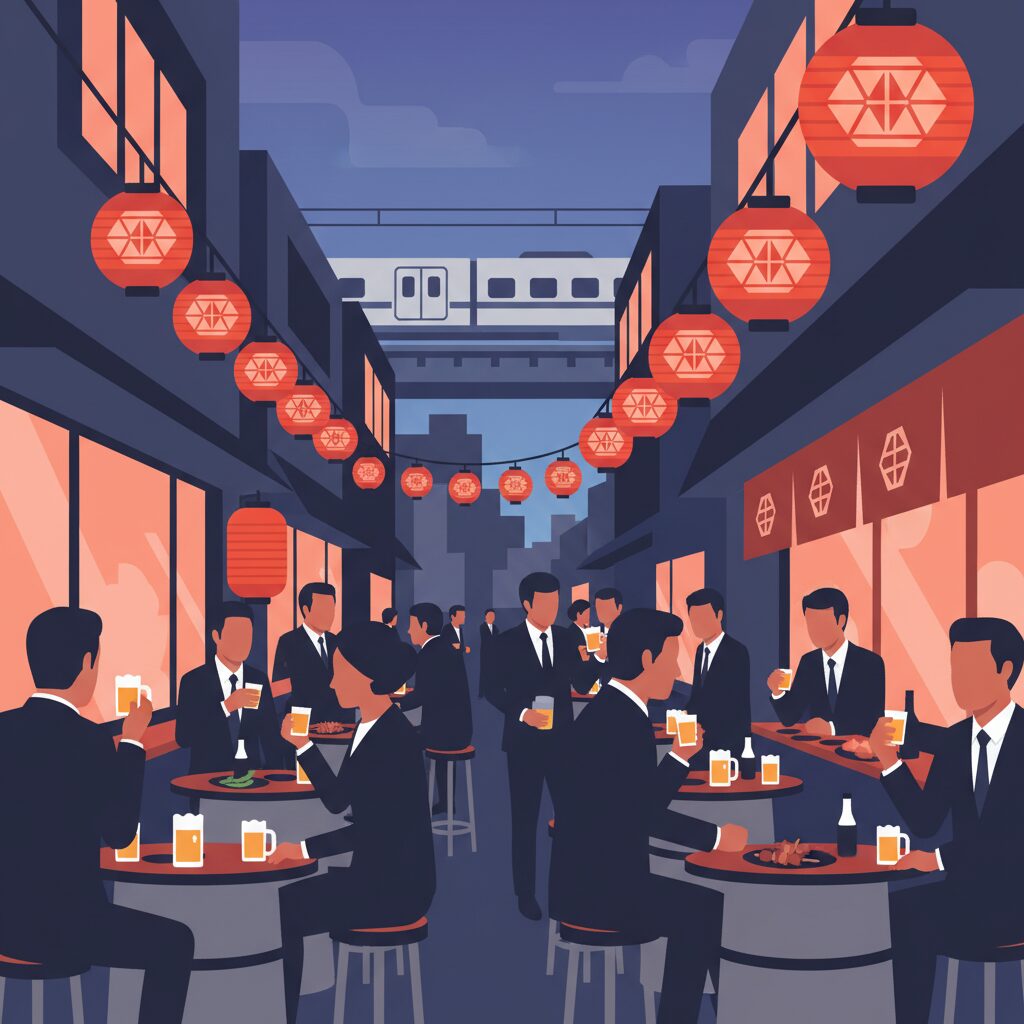
The train doors hiss open at Kyobashi Station, and a human river floods the platform. It’s the 6 PM crush, a city-wide exhale after a day spent in office towers and boardrooms. You’re swept along in the current, a sea of dark suits and tired faces, everyone marching toward their next connection, their final stop: home. But then you notice it. A small faction breaks away from the main flow. They peel off into the narrow, glowing shotengai arcades and smoky side streets that cling to the station like barnacles. They aren’t heading home, not yet. They’re disappearing into tiny, brightly lit doorways, spaces so packed you can’t see the back wall. Inside, steam fogs the windows and the low rumble of chatter spills onto the pavement. This is the world of the tachinomi, the standing bar, and for many Osakans, it’s the most crucial stop of their day.
For an outsider, the logic feels backward. Why escape the crowded train just to squeeze into an even more crowded bar? Why stand when you’ve been on your feet all day? This isn’t a leisurely night out; you see people come and go in the time it takes to drink a single beer. It’s not a pre-game for a bigger event, either. It’s something else entirely. This is the 30-minute social reset, a cultural buffer zone between the professional and the personal, and it’s one of the most potent, practical expressions of the Osaka mindset you’ll ever find. It’s a ritual that transforms the daily commute from a simple journey into a moment of genuine human connection, a pressure valve that keeps the city’s spirit humming. Forget what you think you know about “going for a drink” in Japan. This is different. This is a system, a tool, and a performance, all rolled into one.
Amid the evening’s rapid social resets, many find that an oba-chan experience offers a lively counterpoint, capturing Osaka’s unique blend of extroverted flair and introspective charm.
The Unspoken Rules of the Standing Bar
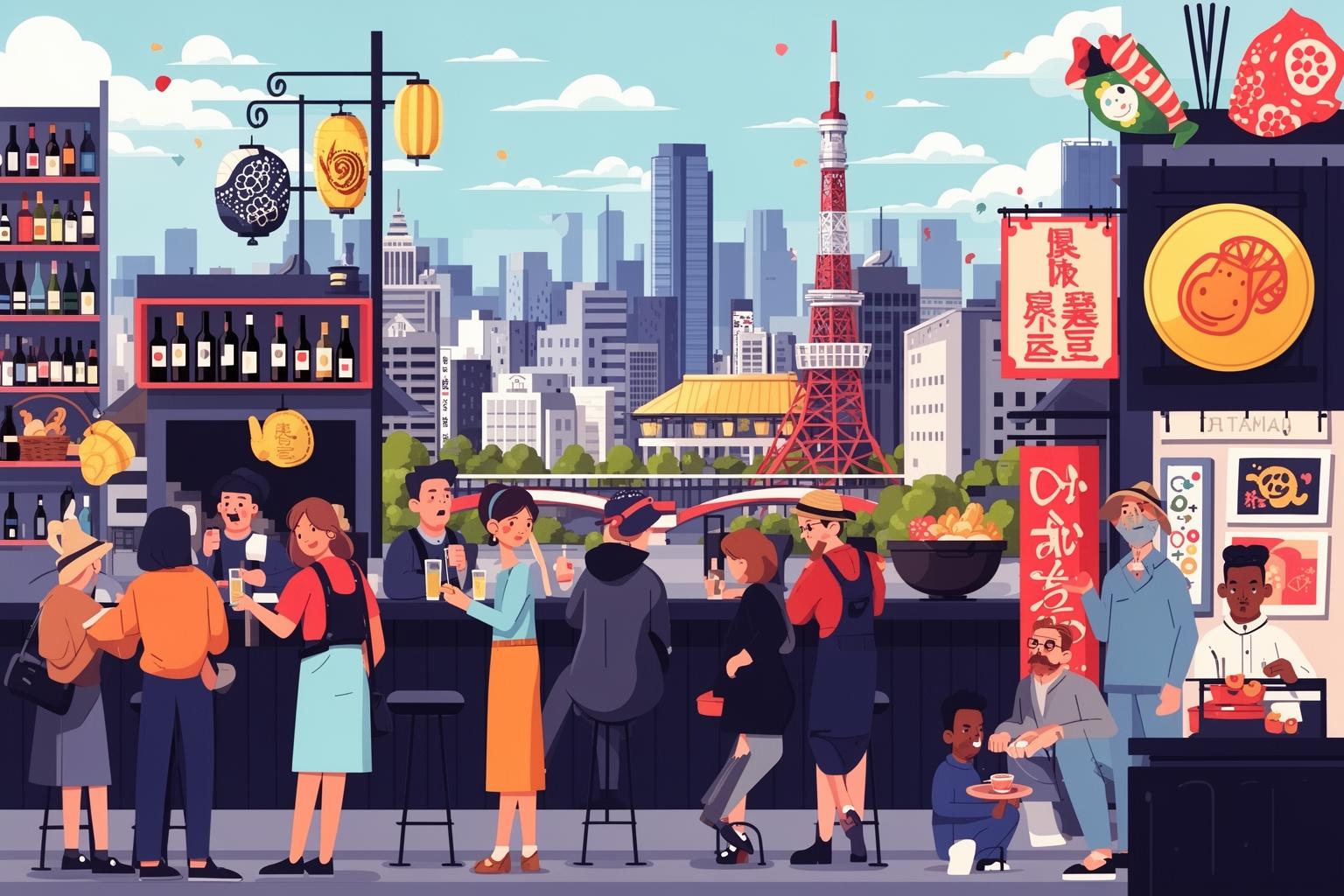
Step into your first tachinomi and you’ll immediately sense a unique kind of gravity. There are no hosts to welcome you, no menus formally handed over, no assigned seats to retreat to. It’s a fluid, self-regulated environment governed by a set of unspoken rules. Grasping these principles is the first step to appreciating the Osakan focus on practicality and efficiency. This is more than just a bar; it’s a precisely engineered social machine, where every detail is designed for speed and ease.
It’s a Pit Stop, Not a Destination
The key rule here is time. The tachinomi serves as a transitional spot. You’re there to break up your day, not to end it. The entire setup encourages a visit lasting about 15 to 45 minutes. You arrive, order, drink, chat, and leave. There’s an unspoken social agreement: don’t hog the limited counter space. If you notice others waiting, it signals you to finish your drink and move along. This isn’t rude; it’s the system functioning perfectly. In Tokyo, you might see people lingering over a book or their phone at a trendy standing bar. In Osaka, that behavior would feel odd. The energy is always in motion. The aim is a quick, powerful burst of socializing and refreshment before you rejoin the commuter flow, feeling lighter than when you arrived.
Cash on the Counter, Zero Friction
Forget splitting bills or waiting for your check. Most traditional tachinomi run on a cash-on-delivery system, known as kyasshu on. Often, you’ll find a small tray or bowl on the counter. You put a 1,000 yen bill in it, and as you order, the staff subtracts your costs and returns your change. This represents peak Osaka efficiency. It cuts out the entire process of requesting the bill, waiting for the credit card machine, and figuring out who pays what. The transaction is smooth, clear, and immediate, allowing for a quick exit. When you’re ready to leave, you simply do. This straightforward approach to payment reflects a broader Osaka cultural value: get straight to the point, be direct, and avoid wasting time on unnecessary formalities.
The Art of Squeezing In
Personal space is a luxury the tachinomi can’t afford. These spots are often tiny, and a full crowd means standing shoulder-to-shoulder with strangers. In many cultures, this might cause tension. In an Osaka tachinomi, it’s the very point. Close physical proximity acts as an icebreaker. It encourages interaction. You can’t help but overhear the conversation beside you, comment on someone’s order, or share a laugh with the person whose elbow is practically in your ribs. You find your place, offer a slight nod or a quick “excuse me” (sumimasen), and you’re part of it. This shared, cozy experience creates an immediate, albeit temporary, sense of camaraderie. It’s a physical embodiment of the city’s open, barrier-free spirit.
More Than a Drink: The Tachinomi as a Social Tool
Once you understand how it works, you begin to recognize the tachinomi for what it really is: a powerful social tool cleverly disguised as a simple bar. It serves a vital, practical role in the daily lives of its patrons. It’s not about escaping reality or indulging oneself like a fancy cocktail lounge might be. Instead, it’s about maintaining your mood, your social connections, and your sense of self beyond the strict confines of the workplace. It’s where the city’s social fabric is rewoven, one quick beer at a time.
The Great Equalizer
Step up to the counter, and the rigid hierarchies of the Japanese workplace start to dissolve. The department manager (bucho) might be standing beside a new hire, a construction worker next to a graphic designer. In the formal, seated environment of an izakaya, seating arrangements carry heavy meaning, indicating who interacts with whom. At a standing bar, everyone is on equal footing, both literally and figuratively. Your title, your company, your status—all fade into the background. Conversations revolve around the baseball game on the small TV, the quality of the tuna, or a shared gripe about the humidity. This temporary leveling of social structures offers a deep relief for many, providing a space where they can engage as individuals rather than as parts of a corporate machine.
Your Neighborhood’s Third Place
Sociologists refer to the “third place” as a spot distinct from the pressures of home (first place) and the stresses of work (second place). For countless Osakans, the local tachinomi serves as this essential anchor. It is a low-stakes, low-commitment social hub. The bar master, or taisho, often becomes a pivotal figure in this micro-community. They know your usual drink, check in on your day, and help spark conversations among regulars. There’s no need to plan a meetup with friends; you simply show up and will likely encounter a familiar face. It offers a vital sense of belonging and recognition in a vast, anonymous city—all for the price of a 400-yen beer.
How Osaka’s Tachinomi Culture Feels Different
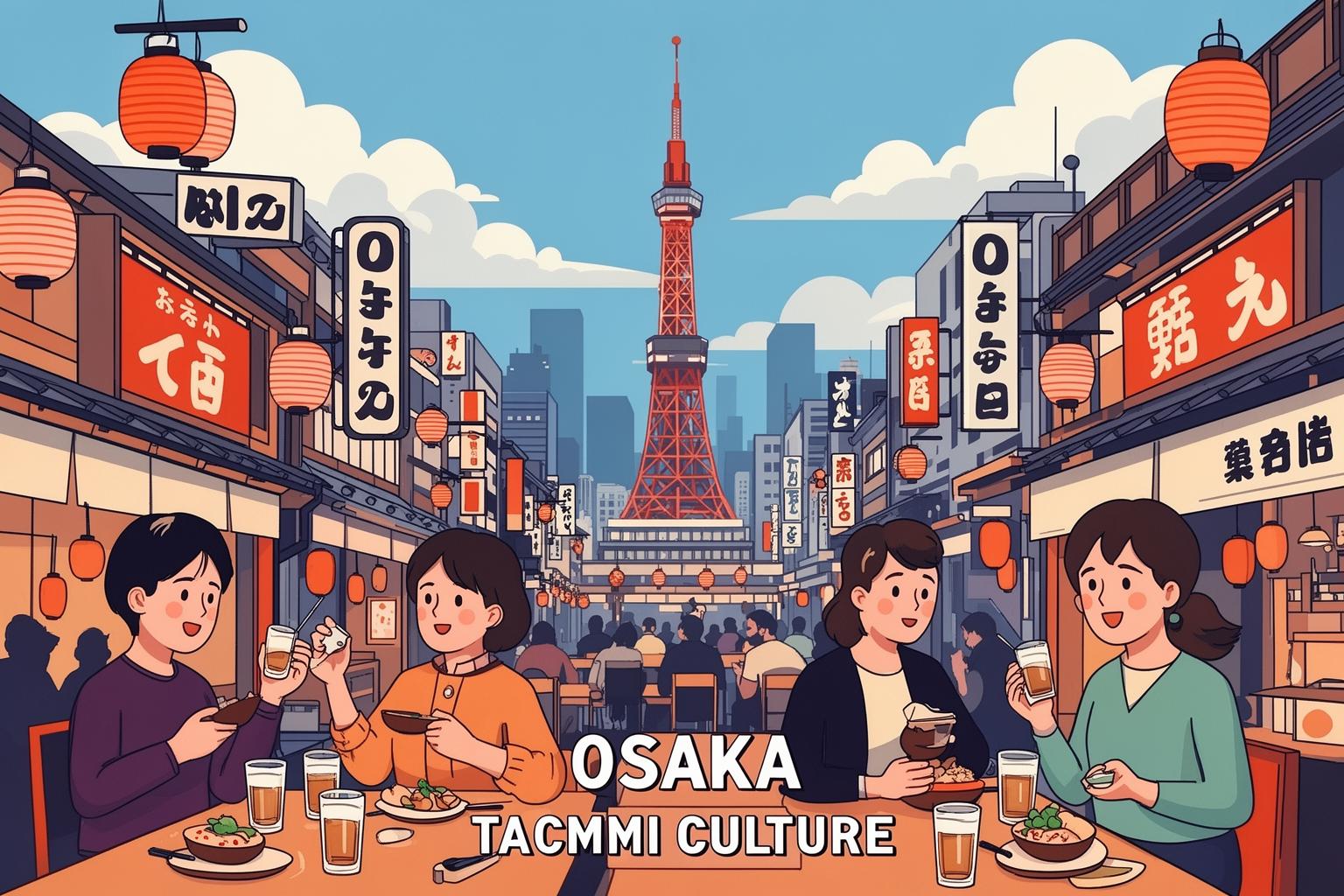
Standing bars can be found throughout Japan, but the experience in Osaka carries a distinct flavor and unique energy that especially differentiates it from Tokyo. The difference goes beyond the menu or decor; it lies in the very atmosphere, expectations, and human connection. The tachinomi serves as an excellent example of the cultural contrasts between Japan’s two largest cities.
Tokyo’s Efficiency vs. Osaka’s Energy
Tokyo boasts a wide range of stylish, modern standing bars focusing on wine, sake, or craft beer. These places are often sleek, quiet, and tend to feel more individualistic. Visitors might stop by for a solitary drink to unwind, earbuds in, engaging with no one. The experience is clean, efficient, and sometimes somewhat sterile. Conversely, the tachinomi in Osaka is fundamentally a communal experience—loud, boisterous, and a collective release of energy. The purpose isn’t just to drink a beer but to immerse yourself in the chaotic, warm, and intensely human atmosphere. Interaction is expected; you become part of the temporary community within those four walls. Silence is rare and often feels unnatural. The air brims with banter, laughter, and the unmistakable rhythm of the Osaka dialect.
The Flavor is in the Banter
In Osaka, conversation is as integral to the experience as doteyaki (slow-cooked beef sinew) or kushikatsu (deep-fried skewers). The staff are not merely servers but performers, conversationalists, and comedians. They tease regulars, ask newcomers about their background, and offer unsolicited yet friendly opinions. This is a key component of the service, what Osakans call sābisu seishin (service spirit). A common misconception among foreigners is to view this directness as intrusive. In truth, it is a gesture of welcome—an invitation to join the group. Striking up a conversation with the person next to you is not unusual; it’s expected. The entire experience rests on casual, unpretentious human connection, a core value at the heart of Osaka’s identity.
A Foreigner’s Field Guide to the 30-Minute Reset
For someone who is not a Japanese resident, tachinomi bars can appear intimidating—a stronghold of local culture that feels hard to penetrate. However, they are actually among the most accessible and rewarding ways to experience the authentic, everyday life of Osaka. It just takes letting go of certain preconceptions and embracing the lively, organized chaos.
Dispelling the “Old Man’s Club” Stereotype
The traditional image of a tachinomi is a smoky room filled with older salarymen, and while such places certainly exist and have their charm, the scene has changed significantly. Nowadays, you’ll find a wide range of standing bars. There are bright, clean venues near department stores popular with women shoppers. There are standing wine bars serving Italian appetizers, craft beer bars, and sake spots run by a younger generation. The core idea of a quick, casual, standing experience has been modernized to suit contemporary tastes. Don’t let outdated stereotypes hold you back; there’s a tachinomi to suit everyone.
How to Place Your First Order at a Tachinomi
Feeling unsure about what to order is common. The best approach is to start simple. Walk in, find a spot, and catch the staff’s attention. The magic phrase is “Nama biiru, hitotsu” (One draft beer, please). It’s universally understood. For food, most dishes are either displayed on the counter or listed on paper strips (tanzaku) taped to the wall. Go for the classics: point at the bubbling pot of doteyaki, try some kushikatsu (and remember the golden rule: no double-dipping in the shared sauce container!). The food is crafted to be simple, inexpensive, and quick to eat—perfectly matching the fast-paced vibe of the bar.
A Word About Language
Fluency in Japanese isn’t necessary to enjoy a tachinomi. In fact, being a foreigner can work to your advantage. People are usually curious and friendly. A smile, some pointing, and a few basic phrases like “kore, kudasai” (This one, please) and “oishii” (delicious) will take you a long way. The atmosphere is forgiving, and sincere efforts to engage are typically met with warmth and encouragement. It’s an excellent, real-world setting to practice your language skills without pressure.
Beyond the Beer: Why the Tachinomi is Pure Osaka
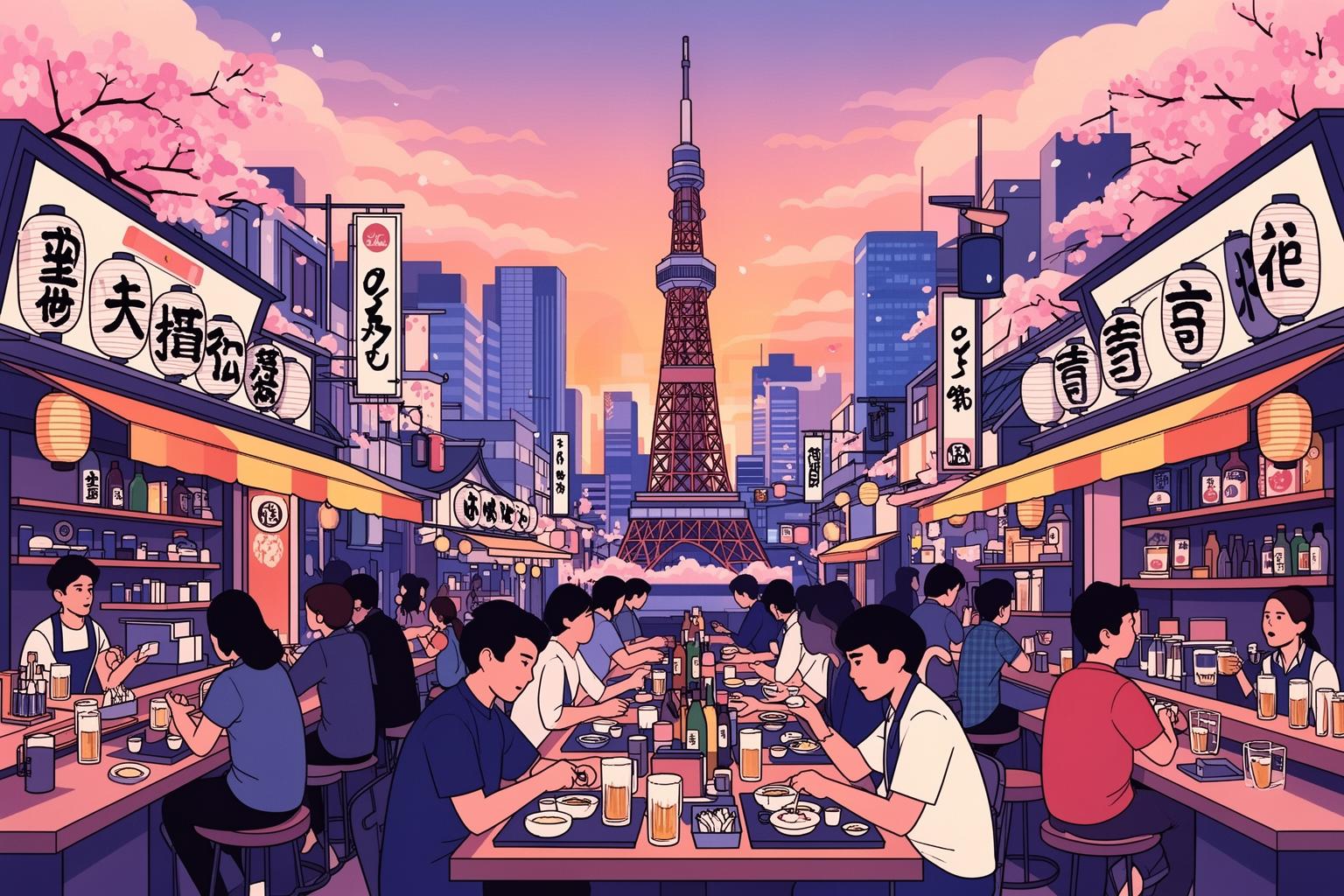
That 30-minute stop, nestled between the train platform and the front door, is more than a simple pause in the day. It captures the essence of Osaka itself. It represents the city’s most treasured values in a way no museum or landmark ever could. It’s the relentless pursuit of cospa—cost-performance—offering maximum social and sensory value for minimal time and money spent. It’s the dismissal of stiff formality in favor of direct, honest, and playful human connection.
It’s a culture grounded in pragmatism. Why sit when standing is more efficient and encourages mingling? Why wait for a bill when you can pay as you go? Why remain silent when you can share a laugh with a stranger? The tachinomi isn’t just a place to drink. It’s the city’s living room, debate hall, and therapy couch, all packed into a few square meters beside the train tracks. It’s where the city unwinds, recharges, and reminds itself what it means to be from Osaka. By stepping inside, even for a single beer, you’re not just witnessing the culture; you’re joining the daily, rhythmic heartbeat of this remarkable city.