Walk into any JR ticket office in Osaka on a Friday afternoon, and you’ll witness a quiet, practiced ritual. You’ll see families, couples, and groups of friends lining up not for the Shinkansen to Tokyo or a slick express to Kyoto, but for the Kuroshio Limited Express. Their destination, spoken with a familiar ease, is almost always the same: Shirahama. To a newcomer in Osaka, this might seem odd, especially outside of summer. Shirahama? Isn’t that just a beach town? You’ve seen the posters in the subway—a perfect crescent of white sand, turquoise water, palm trees. It looks like a postcard from a place much farther away, a slice of Hawaii dropped onto the Kii Peninsula. And you’d be right, but you’d also be missing the entire point. For Osakans, Shirahama is far more than a summer fling with the seaside. It’s the city’s unofficial annex, its collective backyard, its year-round pressure-release valve. Understanding the deep, unwavering affection Osakans have for this Wakayama town is to pull back the curtain on the Osakan psyche itself. It’s a lesson in pragmatism, an appreciation for the unpolished, and a celebration of value that often gets lost in translation. Forget the travel brochures for a moment. This isn’t about the top five things to do in Shirahama. This is about why the people of Osaka go, what they find there, and what this simple two-and-a-half-hour train ride reveals about the heart and soul of Japan’s most misunderstood city.
The hidden charm of a Shirahama weekend getaway mirrors the deeper allure of exploring Osaka’s soulful kissaten culture, which further reveals the city’s multifaceted identity.
The Unspoken Contract: Why Proximity and ‘Kosupa’ Trump Prestige
In Tokyo, weekend getaways often feel like a carefully staged affair. Conversations revolve around mountain retreats in Karuizawa or stylish seaside escapes in Izu. These trips are often framed in terms of aesthetics, being seen in the right spot, or capturing a curated vibe for social media. The planning is thorough, the expenses significant, and the whole experience carries high expectations. The Osakan approach to Shirahama is entirely different. It’s grounded in a concept that lies at the heart of Osaka culture: kosupa. This term, a shorthand for “cost performance,” is frequently misunderstood by outsiders as simply meaning “cheap.” But this overlooks the full meaning. Kosupa isn’t about finding the lowest price; it’s about getting the maximum return on your investment of time, money, and energy. It embodies a philosophy of practical efficiency, and Shirahama exemplifies this perfectly.
The trip itself showcases Osakan efficiency. The Kuroshio Limited Express from Tennoji or Shin-Osaka Station follows a direct route down the coast. There are no tricky transfers or confusing train lines to figure out. You board, settle in with a coffee and a snack, and watch as Osaka’s urban gray fades into the green hills and sparkling shores of Wakayama. For an Osakan, whose daily routine involves constantly calculating the most efficient subway route or the quickest path through a crowded station, this simplicity is a luxury. Why waste half a day navigating a complicated journey to a faraway resort when a perfectly satisfying alternative is so accessible? Saving time is value. Avoiding stress is value. That’s kosupa.
This practical mindset continues once you arrive. Most hotels in Shirahama aren’t the sleek, minimalist boutique inns you might find near Tokyo. Many are large, sprawling buildings from the Showa era, built during Japan’s bubble economy. Their carpets may seem outdated, and the decor might feel like stepping back to 1985, but they check all the boxes for Osakans with ruthless efficiency. Is the room clean? Yes. Is the onsen spacious and hot? Absolutely. Is the breakfast buffet extensive, offering both Japanese and Western options to satisfy the whole family? Definitely. Does it have an ocean view? Of course. For an Osakan family, this is the essential package. They aren’t paying for trendy design; they’re paying for a comfortable bed, a great hot spring, a hearty meal, and a sea breeze. Anything beyond that is unnecessary fluff, an added expense that detracts from core value. A Tokyoite might see a slightly worn hotel and quietly critique its lack of sophistication. An Osakan sees a place that knows exactly what’s needed: deliver the essentials for a relaxing weekend at a sensible price. It’s an unspoken agreement, and Shirahama fulfills it flawlessly.
A Resort Town with a ‘Shotengai’ Soul
Stroll down the main street of Shirahama, away from the pristine beach, and if you live in Osaka, you’ll notice a curious sense of familiarity. The vibe isn’t that of a polished, exclusive resort town. Rather, it resembles a seaside version of a local Osaka shotengai, or shopping arcade. Small shops sell dried fish and local souvenirs, modest ramen eateries, old-fashioned cafes, and the occasional lively izakaya line the street. It’s a bit worn around the edges, completely unpretentious, and profoundly comfortable. This connection is crucial for Osakans. Their urban life is shaped by these vibrant, grounded commercial streets, from the extensive Tenjinbashisuji to the myriad smaller arcades that define each neighborhood’s core. Shirahama feels like a natural extension of that world, just with more sun and salt in the air.
This ‘shotengai spirit’ governs the social norms. In trendier resort spots, there’s often a performative aspect. You dress up for dinner and pick cafes for their Instagram appeal. Shirahama has almost none of that. You see people clearly coming from the onsen, walking to dinner in yukata and slippers provided by their hotel. Families struggle to manage sugar-fueled children outside ice cream shops. The lively, unrestrained Kansai-ben dialect fills the air. There’s no pressure to put on a polished image. The aim isn’t to be noticed; it’s to unwind. This is a deep relief for Osakans who, despite their boisterous reputation, belong to a society that values conformity. Shirahama allows the social mask to slip a little. You can be louder, laugh more freely, and not worry about judgment from the next table. It’s a shared understanding that everyone is here for the same purpose: to escape the city without having to change who they are.
This stands in sharp contrast to visiting Kyoto, Osaka’s much-admired yet sometimes-envied neighbor. In Kyoto, you feel like a guest in a sacred place. You watch your manners, speak softly in temples, and sense the weight of centuries of refined culture. It’s beautiful and inspiring, but not always restful. Shirahama is the opposite. It doesn’t ask anything of you. Its charm lies in its straightforwardness. It’s a town that says, “Come as you are. We’ve got hot water, fresh fish, and a nice view. What else could you need?” This simple, unpretentious style of hospitality is pure Osaka. It’s the same warmth you find in a standing-only bar in Kyobashi or a tiny okonomiyaki spot in Tsuruhashi—a focus on substance over ceremony. For Osakans, a weekend in Shirahama feels less like a vacation and more like returning to a relative’s seaside cottage.
Decoding the Seasons: The Year-Round Osakan Playbook
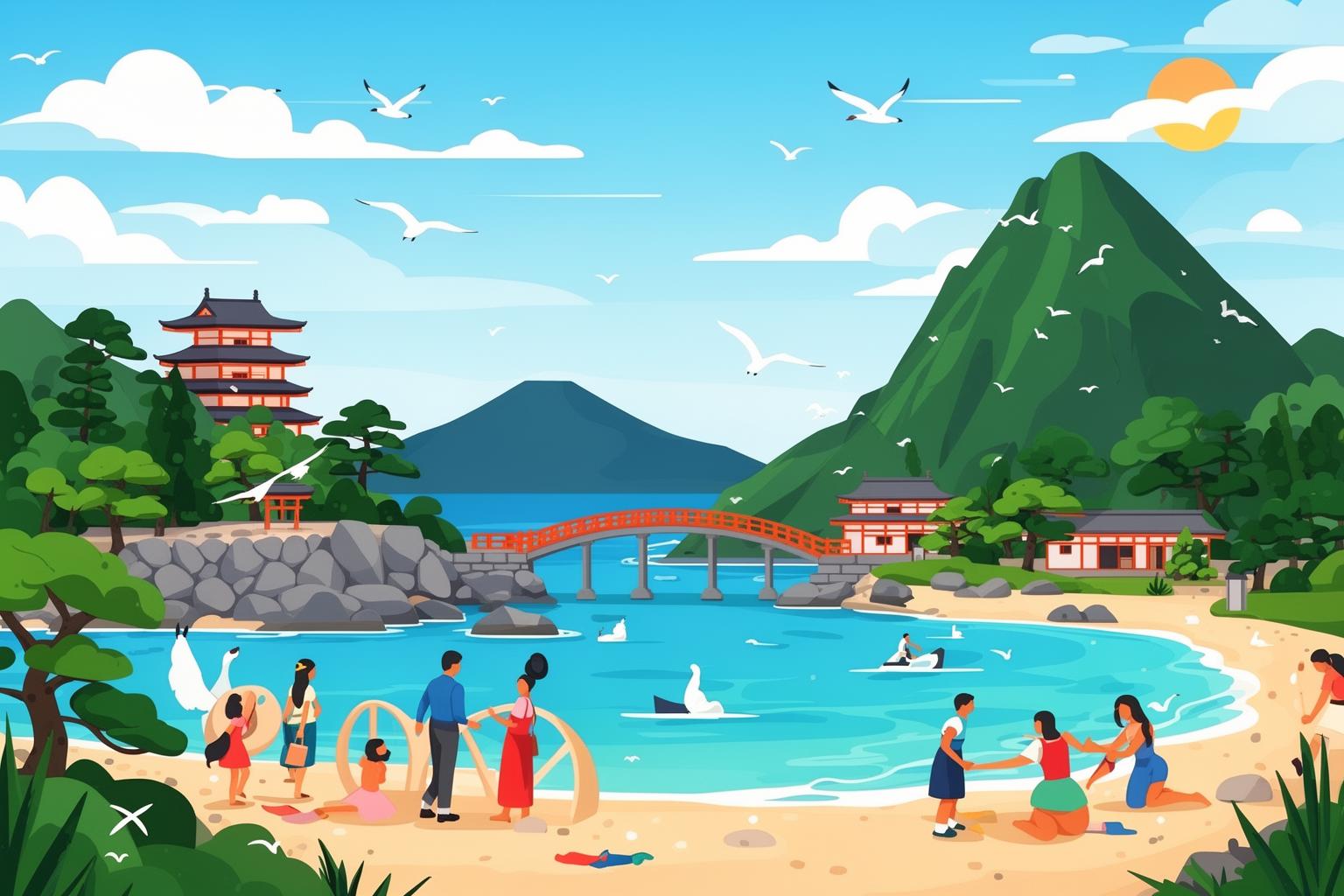
The image of Shirahama is unmistakably linked to its renowned white sand beach in summer. However, for the discerning Osakan, that’s merely one chapter in a four-part narrative. The true brilliance of Shirahama as a getaway lies in its year-round charm, and knowing how to make the most of each season is a sign of a knowledgeable local. It’s a strategic game of dodging crowds, maximizing value, and pursuing the finest seasonal experiences.
Summer: The Essential Chaos
Summer in Shirahama is a spectacular sight. The beach becomes a vibrant mosaic of colorful umbrellas, inflatable toys, and families from across the Kansai region. The air is thick with the scent of sunscreen and grilled squid, accompanied by the constant joyful noise of splashing, laughter, and pop music from beachside speakers. To a visitor seeking peace, it might seem chaotic. But to an Osakan, this lively, nigiyaka atmosphere is exactly why they come. An empty, quiet beach in August would feel wrong, even a bit sad. The crowd is part of the energy. It’s a communal event, a shared celebration of the brief, intense Japanese summer. It’s also where Osaka’s social fabric is on full display. You’ll see groups of young people, university friends creating memories. You’ll see multi-generational families, with grandparents watching toddlers at the water’s edge while parents relax under an umbrella. It’s Osaka, distilled onto the sand. The summer trip to Shirahama is a rite of passage, chaotic but indispensable in the annual cycle.
Autumn and Spring: The Savvy Traveler’s Season
This is when the kosupa-driven mindset truly comes into play. After the summer crowds disperse and hotel prices fall, savvy Osakans make their move. Many consider the autumn and spring months to be the best times to visit Shirahama. The weather is mild, the town calm, and you can enjoy its natural beauty without the throngs of people. This is the perfect season to explore the dramatic coastal attractions. There’s Senjojiki, a vast, terraced rock plateau resembling a thousand tatami mats spread by the sea. In summer, finding a spot to stand is nearly impossible, but in October, you can stroll freely, feeling the sea spray and ancient stone beneath your feet. Then there’s Sandanbeki, a series of towering cliffs with a cave at their base. Visiting these sights off-season feels like being let in on a secret. The trip shifts from a beach party to a quiet, introspective connection with the powerful nature of the Kii Peninsula. This is the Osakan pragmatist’s reward: trading the peak-season buzz for off-season tranquility to enjoy a deeper, more personal experience at a fraction of the cost.
Winter: The Onsen and Seafood Pilgrimage
While Tokyoites may head to the snowy mountains of Nagano for winter retreats, Osakans look south, to the coast. Winter arguably reveals Shirahama’s other distinctive charm. The beach is deserted, swept by cold winds, but the town is alive, fueled by steam and seafood. The main attraction is the onsen. Nothing is more rejuvenating than escaping the damp, bone-chilling cold of an Osaka winter day to soak in a steaming, mineral-rich outdoor bath (rotenburo) overlooking a roiling grey sea. Many hotels offer day-use onsen packages, making it a popular spot for a quick, restorative visit. But the onsen is only half the journey. The other half is the food. Winter brings the best seafood. This is when the famed and highly prized kue, or longtooth grouper, is at its peak. It’s a delicacy that food-obsessed Osakans gladly travel for. Then there’s Tore Tore Market, a sprawling seafood emporium embodying the spirit of Osaka’s Kuromon Market, but by the sea. Inside is a loud, bustling celebration of the ocean’s bounty. You can buy fresh fish, giant crabs, and glistening cuts of tuna. The true highlight is the barbecue area where you can grill your purchases on the spot. This experience is pure Osaka: direct, interactive, and entirely focused on the simple, undeniable joy of incredibly fresh food. A winter trip to Shirahama is a primal act of self-care for the Osakan soul: warming up, eating well, and recharging before returning to the city.
Adventure World: More Than Just Pandas
It’s impossible to discuss Shirahama without mentioning its top attraction: Adventure World. At first glance, it’s a large and impressive theme park that combines a zoo, an aquarium, and a small amusement park. For most visitors, the main highlight is the family of giant pandas, one of the largest breeding groups outside China. But viewing Adventure World through an Osakan perspective reveals it as more than just a zoo—it’s a masterwork of kosupa entertainment. With a single ticket, you get it all: see the pandas in the morning, enjoy a spectacular dolphin show in the afternoon, take a safari ride among free-roaming giraffes and rhinos, and let the kids ride a roller coaster before heading home. It offers a full day of family entertainment, all in one place, with maximum efficiency. An Osakan parent sees this and appreciates its brilliance. Why drag the family to separate zoos, aquariums, and amusement parks over several weekends when you can do it all at once? It’s a practical and logical answer to the perennial question of weekend family activities. The park itself has a relaxed, unpretentious atmosphere that perfectly matches the Shirahama spirit. It’s less about the polished perfection of a Disney park and more about a simple, joyful experience. Watching an Osakan family navigate Adventure World is a lesson in strategic fun, moving seamlessly from the panda enclosure to the sea lion show, making sure every last yen of the ticket price is turned into entertainment and happy memories.
What Shirahama Teaches You About Osaka
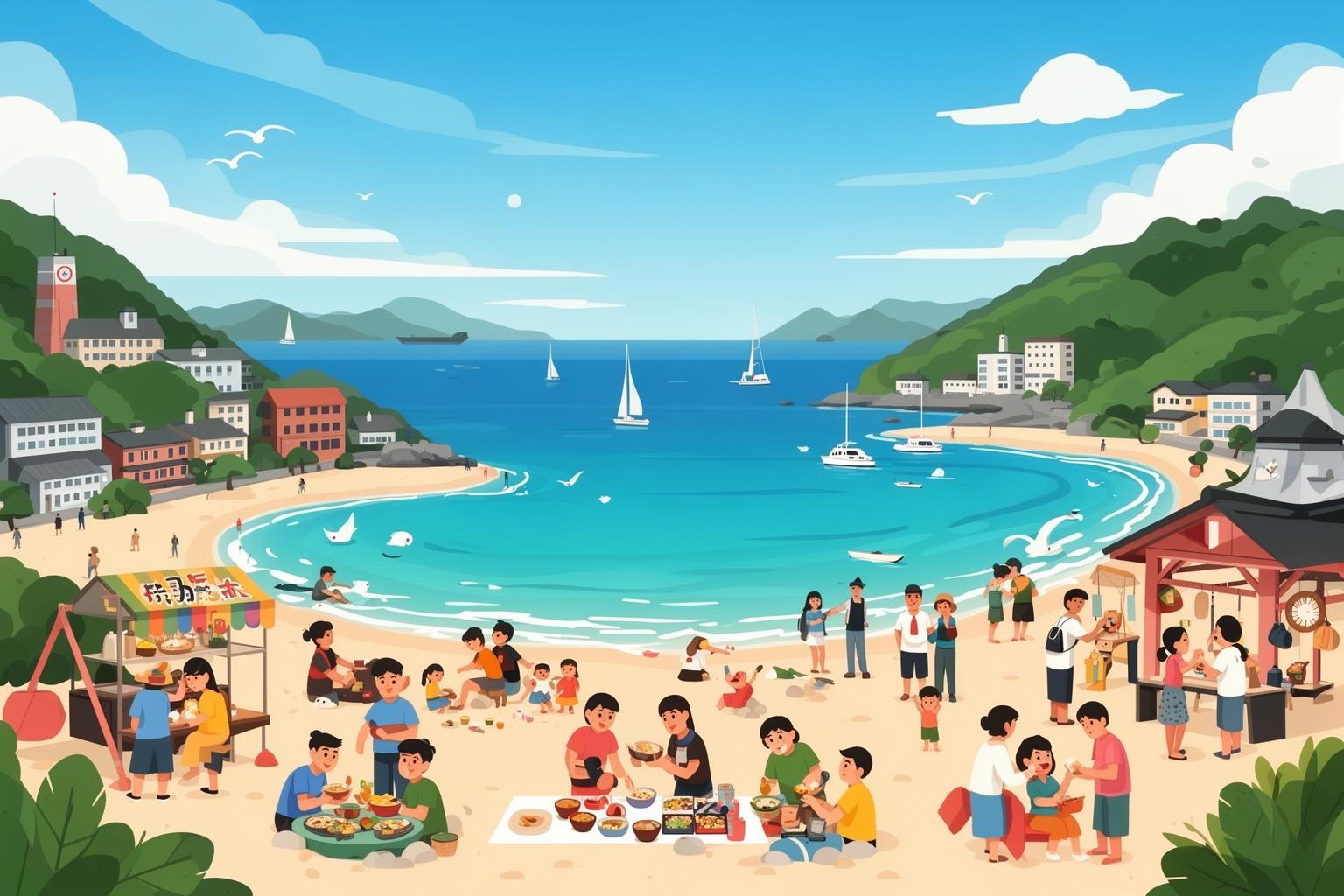
Ultimately, a trip to Shirahama serves as a field guide to the Osakan character. It uncovers a people who are profoundly pragmatic, who prioritize substance over style, and who derive great joy from simple, accessible pleasures. It reveals a culture that values community and shared experience, where a lively, crowded atmosphere signifies success rather than stress. Choosing to return repeatedly to this slightly dated, cozy, and dependable town instead of more glamorous or distant destinations is not a sign of limited imagination. It is a purposeful decision, reflecting a worldview that appreciates beauty in the practical and comfort in the familiar. While Tokyo may boast sleek, aspirational getaways, Osaka has Shirahama, a place that feels less like a destination and more like an extension of home. It’s where the city’s relentless energy can rest, recharge, and be itself, only with a better view. So next time you hear your Osakan colleague say they’re heading to Shirahama for the weekend, especially in mid-February, don’t simply envision a deserted beach. Imagine a steaming onsen, a plate of glistening sashimi, and a deep, collective sigh of contentment. You’ll be one step closer to grasping what truly drives this city.