Walk down any residential street in Osaka, away from the neon glow of Dotonbori or the high-fashion hum of Umeda, and you’ll eventually see it. A temple-like roof, a short curtain flapping in the entrance, and a simple sign with the character for hot water, ゆ (yu). This is the neighborhood sento, the public bathhouse. It’s not an onsen, fed by volcanic springs and promising serene relaxation. It’s not a modern “super sento” with massage chairs and restaurants. This is something older, more fundamental. For many foreigners, the local sento is a curiosity shrouded in mystery, a place with a set of invisible rules that seem both intimidating and alluring. You might wonder if it’s a place for you, if you’ll commit some terrible faux pas, or if you’ll just feel like an outsider. Let me be clear: the Osaka sento is not a tourist attraction. It’s a community living room, a daily ritual, and one of the most unfiltered windows into the city’s soul. This guide isn’t about finding the prettiest bathhouse; it’s about understanding the unspoken social contract that makes these places tick. It’s for those who want to do more than just get clean—it’s for those who want to understand how Osaka works, one steamy, noisy, wonderfully unpretentious bath at a time.
Osaka’s vibrant community scene isn’t limited to quiet bathhouses, as its electric passionate baseball culture offers another authentic glimpse into the city’s spirited daily life.
Before You Even Touch the Water: The Sento Mindset
Before you grab your towel, you should reset your expectations. You’re not entering a sanctuary of silent meditation. Instead, you’re stepping into a piece of living history—a place built on utility and community, and in Osaka, that carries a very distinct character. Grasping this mindset is the first and most crucial step.
It’s Not a Spa, It’s a Utility
A common misconception is to mistake a sento for a luxury experience. Think of it less as a spa day and more as a public utility—a laundromat for the human body. For decades, many Japanese homes, especially in Osaka’s densely packed neighborhoods, lacked private baths. Visiting the sento was a nightly necessity. This history permeates every aspect. The cost is low, usually around 500 yen. The amenities are minimal. The focus is on getting thoroughly, scaldingly clean.
This tradition makes the Osaka sento feel fundamentally different from the sleek, architect-designed bathhouses found in Tokyo. While Tokyo has experienced a wave of “designer sento” catering to a younger, style-conscious crowd, many Osaka sento remain gloriously, stubbornly old-school. They stand as monuments to function over form. The tiles may be cracked, the lockers rickety, and the Mount Fuji murals faded, but the water is hot and the welcome genuine. People are there not to post on Instagram but to wash away the day’s grime and catch up on neighborhood gossip. This practicality is pure Osaka—why spend heavily on fancy décor when a simple, hot bath accomplishes the job just as well?
The “Hadaka no Tsukiai” (Naked Communication) Philosophy, Osaka-Style
There’s a Japanese concept called hadaka no tsukiai, meaning “naked communion” or “naked friendship.” The idea is that by shedding clothes, people also shed social status, titles, and pretensions. In the bathhouse, the company CEO and the construction worker are equals—just two individuals soaking in the same water. It’s a powerful social leveler.
Osaka, however, adds its own twist. Where other regions of Japan may observe a quiet, respectful silence, in Osaka the sento is often anything but. It’s loud. You’ll hear the clatter of plastic washing buckets on tile floors, the hiss of showers, and a constant, friendly chatter. It’s straightforward, unfiltered communication. An elderly man might ask where you’re from. An obachan (auntie) might offer unsolicited but kindly advice on the best way to scrub your back. It’s not rude; it’s inclusive.
A frequent misunderstanding by foreigners is to interpret this lively environment as lacking decorum. Japanese culture is often associated with quiet reverence, so the boisterous atmosphere of an Osaka sento can feel surprising. But here, silence can sometimes be seen as aloof or unfriendly. You’re not expected to start a deep conversation, but a simple nod, a slight bow, or a quiet “Konnichiwa” upon entering shows you acknowledge the shared space. It recognizes the community you’ve just joined.
The Mechanics: A Step-by-Step Guide to Not Sticking Out
Once you adopt the right mindset, the practical steps become straightforward. The rules of the sento revolve around two fundamental principles: hygiene and consideration for others. Follow them, and you’ll blend in seamlessly.
The Genkan and the Bandai: First Impressions
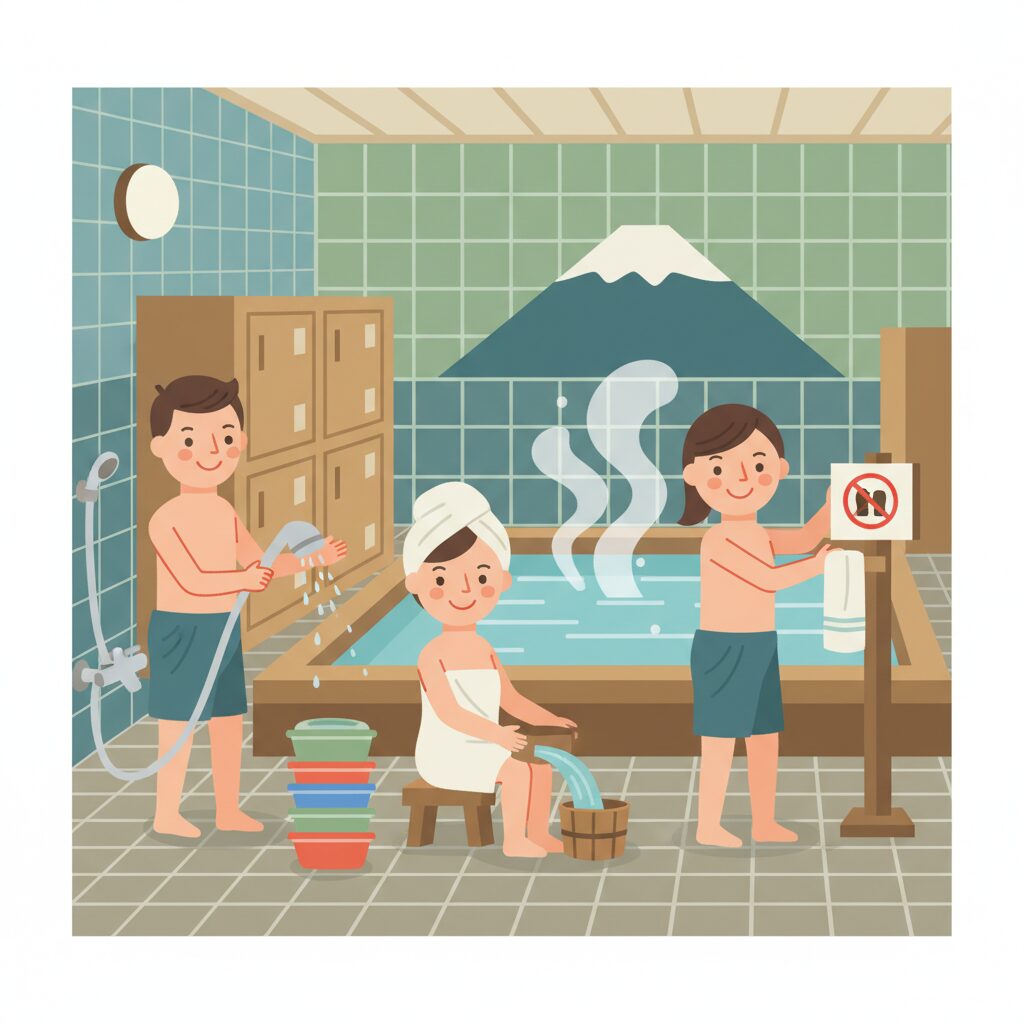
Your experience starts in the genkan, or entranceway. The first rule, as in any Japanese home, is to remove your shoes. You’ll find a wall of small lockers, called the getabako. Slide your shoes inside and take the wooden key. This simple gesture is your first sign of respect for the clean space inside.
Next, you’ll approach the bandai, a raised platform functioning as the reception desk. Often overseen by someone who has witnessed generations of bathers, don’t be intimidated. Simply hand over the entrance fee. If you forgot to bring your own soap or towel, now is the time to ask. A “tebura set,” which means an “empty-handed set,” is usually available for purchase. It typically includes a small bar of soap, possibly a tiny packet of shampoo, and most importantly, the small sento towel.
The Changing Room (Datsuijo): Order Amidst the Chaos
You’ll enter a gender-segregated changing room called the datsuijo. Find an empty locker that matches the key you were given at the bandai or a new one you select. The most important rule here is to be completely undressed—no bathing suits, no shorts, no exceptions. This can be the biggest challenge for people from cultures where public nudity is taboo, but it’s absolutely essential. Keep in mind hadaka no tsukiai—everyone is in the same situation, and nobody is watching or judging.
Your locker key will likely be attached to an elastic wristband. Wear this on your wrist so you don’t lose it. Now you are left with only one item: a small, thin towel. This simple cloth serves several specific purposes, and using it correctly is essential to show that you understand the etiquette.
The Great Towel Debate
The small towel is a versatile tool. Its main purpose is for washing your body in the shower area. Its secondary role is modesty. When walking from the changing room to the bathing area, you can hold it in front of you. While it doesn’t cover much, it’s a polite gesture.
However, there is one place the small towel must never go: inside the bathtub itself. The tub water is for soaking and is shared by everyone. Placing a soapy or even just a used towel in it is considered unhygienic and is the sento’s cardinal sin. So what do you do with it while soaking? You can either leave it on the side of the tub or, as regulars do, fold it neatly and place it on top of your head. It may feel odd at first, but it’s the ultimate sign of an experienced sento-goer. It keeps the towel clean, out of the way, and away from the communal water.
In the Bathroom: The Unspoken Rules of Shared Water
You’ve arrived at the main event. The bathing area is usually a large, steamy, tiled room with two separate zones: the washing stations and the soaking tubs. Moving through this space smoothly depends on following the correct sequence.
Kakeyu and the Washing Area: The Essential Rule
Before you even consider stepping into those warmly inviting tubs, you must thoroughly wash your body. First, grab a small bucket and scoop hot water from a designated basin (or the tub itself) and pour it over yourself. This is known as kakeyu, a preliminary rinse to help your body adjust to the heat and wash away the initial layer of dirt.
Next, locate an available washing station. These typically include a low plastic stool, a faucet with hot and cold taps, and a handheld shower head. The rule here is to sit, never stand. Washing while standing risks splashing soap and water onto others nearby—a major etiquette violation in such a confined space. Take your stool, sit down, and scrub every inch of your body with soap. Lather your hair, wash your face thoroughly, and get completely clean. Once finished, you must rinse off every bit of soap and shampoo. You need to be spotless before entering the communal tubs. This isn’t just a recommendation; it’s the vital principle that allows many people to share the water hygienically.
Soaking in the Tub: For Soaking, Not Swimming
Finally, you may enter the tubs. You’ll typically find a variety of options. There will be a main tub that’s very hot (atsui), sometimes uncomfortably so for newcomers. There might be a jacuzzi-style bath with jets, or even a denki buro—an “electric bath.” This unique tub has low-voltage electric currents running between two plates at opposite ends. Immersing yourself produces a strange, tingling, muscle-contracting sensation. It’s a distinctively peculiar and delightful experience, especially popular in Osaka, a city known for its love of things intense and quirky.
When entering the tub, do so slowly. The water is meant for soaking, not swimming or splashing. Avoid putting your head underwater. You can lean back, relax, and let the heat penetrate your bones. This is where the communal aspect becomes apparent. Friends may chat, strangers might exchange a few words about the weather, or you can simply sit quietly and enjoy the warmth. When you’re ready to leave, don’t rush back to the changing room dripping water behind you. Wring out your small towel and give your body a quick preliminary wipe before re-entering the datsuijo. This small gesture of consideration helps keep the changing room floor from becoming a slippery, wet mess for others.
The Osaka Difference: Where the Rules Get Bendy
While the basic hygiene rules are consistent throughout Japan, Osaka exhibits a pragmatic flexibility that is less common elsewhere. The city’s culture prioritizes practicality over appearance and common sense over strict adherence to outdated regulations that may no longer be relevant.
Tattoos: The Gray Area
Officially, most onsen and many sento in Japan prohibit tattoos due to their historical ties to the yakuza. This often causes concern for tattooed foreigners. However, in Osaka’s neighborhood sento, the atmosphere is generally more relaxed. The rule was never truly aimed at foreigners with decorative tattoos.
In many local establishments, the attendant at the bandai holds ultimate authority. More often than not, if your tattoos are small and you are respectful, you won’t hear any objections. Osaka is a port city with a long tradition of welcoming outsiders and a live-and-let-live attitude. As long as you’re not causing trouble, people usually keep to themselves. While a full-body yakuza-style tattoo might still raise issues, for average tattooed visitors the reality is far less strict than the posted signs imply. This practical approach is a hallmark of the Osaka mindset—the spirit of the rule (keeping troublemakers out) outweighs the literal interpretation of the law.
The Art of Sento Conversation
As noted, the Osaka sento serves as a social gathering place. Don’t be surprised if someone initiates a conversation. It will likely be casual small talk—remarks about the heat of the water, questions about the local baseball team (the Hanshin Tigers), or inquiries about your origins. This contrasts with Tokyo, where sento tend to be more quiet and anonymous. In Osaka, this light interaction is part of the experience and reflects the city’s “friendly” reputation in everyday life. It’s not just an abstract idea; it’s something you can hear and feel while soaking naked in hot water.
If an ojisan (older man) starts chatting, don’t feel obliged to engage deeply. A smile, a nod, and a few simple words in Japanese are usually sufficient. They are seldom trying to interrogate you. More often, they are inviting you into their world briefly, recognizing your presence in their local spot. It’s a gesture of hospitality.
Post-Bath Rituals: The Experience Isn’t Over
The sento experience doesn’t conclude the moment you step out of the water. The rituals that follow hold equal importance in appreciating its role within the community.
Drying Off and the Changing Room Lobby
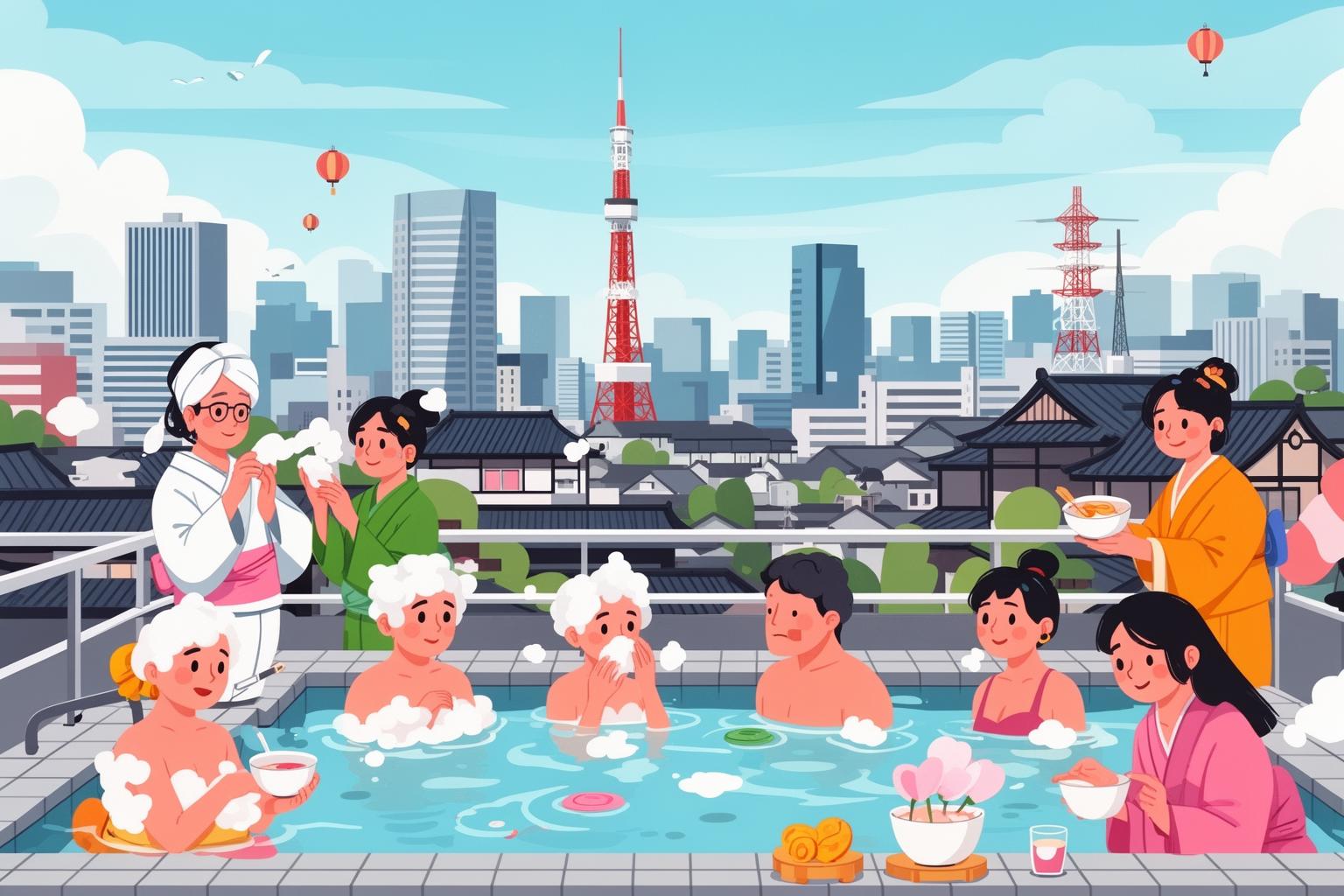
Once back in the changing room, retrieve your large towel from your locker and dry off thoroughly. Just outside the changing rooms, you’ll find a lobby area, often furnished with chairs, a television, and sometimes a vintage, large-dial weight scale. This serves as the sento’s cool-down lounge. Here, regular visitors relax in their yukata (light cotton robes), watch TV, and chat with the owner. It’s a transitional moment back to the outside world, a shared pause before heading home.
The Sacred Glass Bottle of Milk
Arguably the most iconic post-sento ritual is enjoying a cold drink from a classic glass bottle, purchased from a vintage-looking cooler. The cherished options are plain milk, coffee-flavored milk, and fruit-flavored milk. There’s something deeply satisfying about gulping a cold, sweet drink after steaming in the bath. Holding one hand on your hip while drinking is the classic, almost ceremonial stance.
Taking part in this small ritual is more than just quenching your thirst. It’s a shared cultural symbol, a sign that you “get it.” It’s in these moments—sipping your coffee milk while watching a baseball game on a fuzzy TV, surrounded by neighbors—that the sento evolves from a place for washing into a place of genuine belonging.
Why This Matters for Understanding Osaka
Why focus so much on the etiquette of a simple bathhouse? Because the Osaka sento perfectly reflects the city itself. It’s practical, efficient, and deeply embedded in the community. The rules exist for the sensible purpose of shared comfort, not for strict formality. The atmosphere is lively, friendly, and unpretentious—traits commonly associated with Osaka’s people.
In the sento, social status fades away, and you connect with others on the most fundamental human level. This is the truth behind the cliché that “Osaka is friendly.” It’s not about grand gestures but the small, everyday interactions in places like these. It’s about being welcomed into a communal space with a nod, a smile, and maybe some unsolicited advice.
So, if you really want to understand Osaka, visit a local sento. Overcome the initial awkwardness, observe the rules of hygiene and respect, and embrace the bustle. When you step out of that steamy room onto the cool street, you’ll be more than just clean. You’ll have taken part in a ritual at the core of the city’s identity. You’ll have immersed yourself not only in hot water but in the warm, inviting, and genuinely authentic culture of Osaka.