The neon hum of Osaka is a symphony of its own, a vibrant, electric pulse that courses through the veins of Dotonbori and echoes in the crowded halls of Umeda Station. It’s a city that’s alive, buzzing with an energy that is both intoxicating and, at times, utterly exhausting. There are moments when the soul craves a different kind of rhythm, a quieter melody played not on synthesizers and pachinko machines, but on the rustling of ancient cedar leaves and the soft chant of a morning prayer. For those moments, there is a sanctuary floating in the clouds, a sacred plateau just a train and a cable car ride away. This is Koyasan, or Mount Koya, the spiritual heart of Shingon Buddhism and a world away from the urban sprawl. This isn’t just a trip; it’s a pilgrimage into the soul of Japan and, perhaps, into your own. Planning a temple stay, or shukubo, can feel like a momentous task, but it is the key to unlocking the deepest secrets of this mountain retreat. It’s an invitation to trade your apartment for a tatami room, your takeout ramen for mindful vegetarian cuisine, and the city’s frantic pace for the serene, measured cadence of monastic life. From the heart of Osaka, this journey is not just possible, but profoundly transformative, offering a spiritual reset button that echoes long after you’ve descended back to the city below.
If you’re looking for a different kind of Osaka thrill before your tranquil retreat, consider exploring the city’s vibrant nightlife at a place like Super Tamade.
The Call of the Mountain: Why Koyasan Beckons
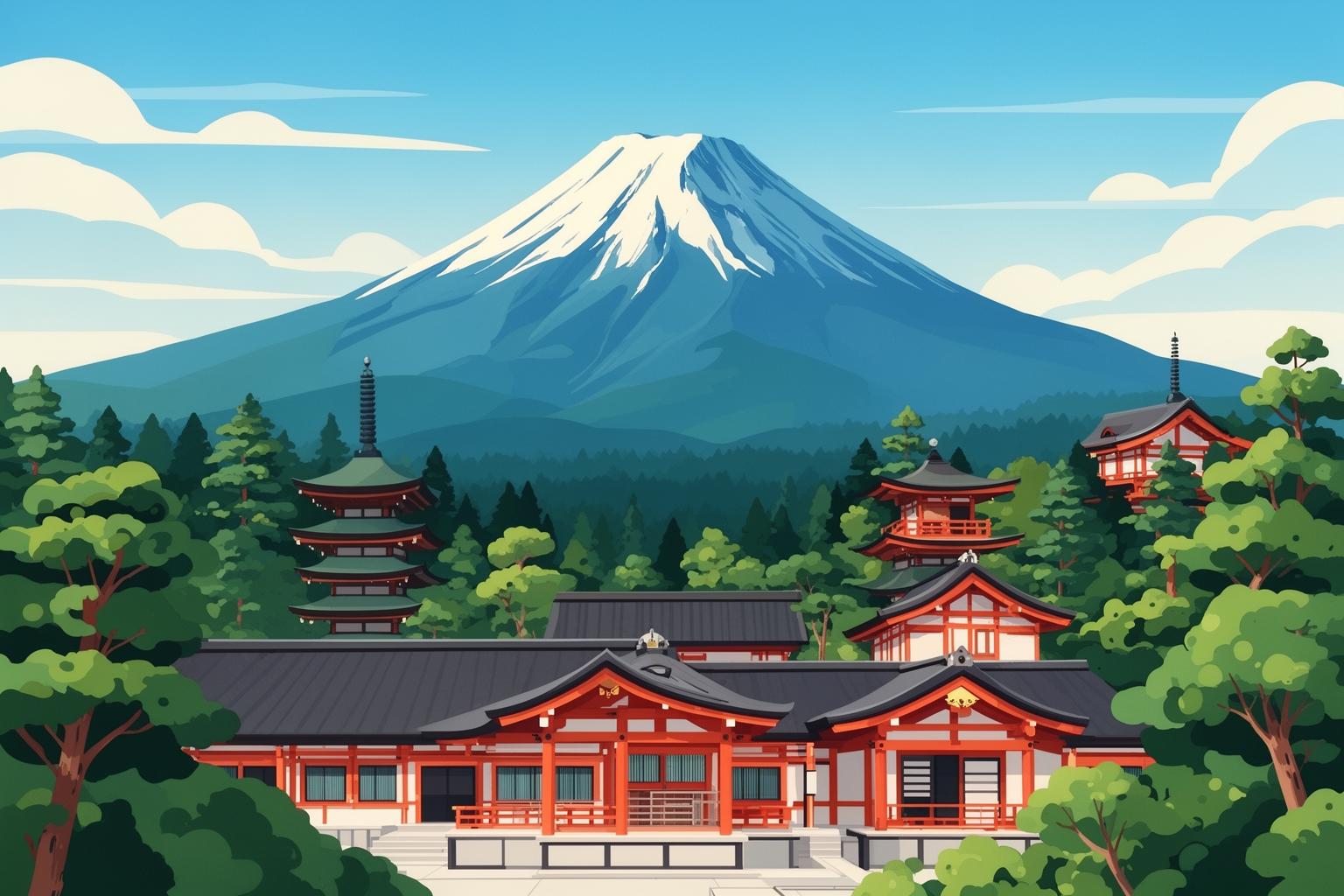
What is it about this particular mountain that has attracted pilgrims, emperors, and seekers for more than 1,200 years? The answer lies in a story, a presence, and an atmosphere you can sense in the very air you breathe. Koyasan is not simply a tourist destination; it is the vibrant, living center of a faith—a vast temple complex established in the 9th century by the monk Kukai, later honored as Kobo Daishi. He was an extraordinary figure in Japanese history—a scholar, poet, artist, and the founder of the Shingon school of esoteric Buddhism. He selected this remote, 800-meter-high mountain basin, encircled by eight peaks resembling lotus petals, as the ideal place for quiet reflection and spiritual training. His legacy remains the magnetic heart of Koyasan. It is believed that Kobo Daishi did not pass away but instead entered eternal meditation within his mausoleum at Okunoin cemetery, where he continues to offer relief and salvation to all beings. This belief fills the entire mountain with a profound sense of sanctity and living history. You are not merely visiting ruins; you are stepping into a continuous, unbroken tradition of devotion.
The atmosphere is an experience unto itself. As you climb into the Kii Mountains, the air becomes cooler, purer, and carries the rich, earthy scent of towering cedar trees and damp moss. The world softens here. A mystical mist often drifts through the valleys, cloaking temple roofs and stone lanterns in a dreamlike veil. The soundscape shifts from the roar of traffic to the crunch of gravel beneath your feet, the deep toll of a temple bell, the rhythmic chanting of monks, and the caw of crows hidden in the ancient forest. This is the very essence of why people come here. It is an opportunity to engage in a digital detox, to disconnect from the endless stream of information, and reconnect with a more fundamental rhythm of life. The designation as a UNESCO World Heritage site, as part of the “Sacred Sites and Pilgrimage Routes in the Kii Mountain Range,” formally recognizes what visitors feel instinctively: this place is a treasure, a sacred landscape that holds a powerful, peaceful energy unlike anywhere else on earth. It is an invitation to slow down, to look inward, and to walk—if only for a weekend—in a world where the spiritual and the natural are one and the same.
The Journey Itself: From Osaka’s Pulse to Mountain Peace
The pilgrimage to Koyasan doesn’t begin at the mountain’s base but rather in the heart of Osaka’s controlled chaos: Nankai Namba Station. This transition plays a crucial role in the experience, serving as a gradual shedding of the urban shell. The journey unfolds like a narrative, with each stage guiding you farther from the familiar and deeper into the sacred. It’s an adventure that invites your active participation, a beautiful prelude to the tranquility that lies ahead.
The Scenic Route: Nankai Koya Line
Tucked within the bustling Nankai Namba terminal are the platforms for the Koya Line—your steel chariot out of the concrete jungle. Securing a Koyasan World Heritage Ticket from the ticket office is a smart first step. This pass offers excellent value, bundling round-trip train fare, the cable car ride, unlimited mountain bus travel, and discounts on key sites like Kongobuji Temple and the Konpon Daito Pagoda. It streamlines the whole process, allowing you to focus on the scenery instead of fumbling for change at each turn.
The train journey itself unfolds in two acts. First, you glide through the dense urban and suburban fabric of Osaka Prefecture, where apartment blocks and pachinko parlors gradually give way to residential neighborhoods, rice paddies, and small towns. Then the landscape begins to tilt—the tracks wind and climb, hugging verdant valley slopes and plunging into short, dark tunnels. Views from the window grow increasingly dramatic, revealing a lush tapestry of green mountains stretching to the horizon. For an especially memorable experience, consider timing your trip to catch the “Tenku” sightseeing train on the steep final stretch from Hashimoto to Gokurakubashi. With wide panoramic windows and tiered seating, it immerses you fully in the breathtaking surroundings. The name “Tenku” means “sky,” which is exactly where you feel like you’re headed.
The final station, Gokurakubashi, meaning “Paradise Bridge,” is named with purpose. Stepping off here feels like crossing a threshold between worlds—the air grows cooler, sounds soften, and a sense of anticipation lingers in the station.
The Final Ascent: The Koyasan Cable Car
From Gokurakubashi Station, the journey continues upward—very steeply. The Koyasan Cable Car is an engineering marvel, a compact funicular car climbing a nearly vertical incline. The five-minute ride is breathtaking. As the car pulls away, the outside world dramatically tilts. You ascend through dense forest canopy, gazing down at the treetops below. This powerful, symbolic ascent lifts you from everyday life to the sacred plateau above. The sensation of elevation is both physical and spiritual—a final, clear transition into Koyasan’s realm. You leave the mundane behind, climbing meter by meter toward the clouds where the sacred lotus of the mountains awaits. Children and adults alike press their faces to the glass, watching the station shrink below as the forest envelops them in its ancient embrace.
Navigating the Sacred Plateau: Buses and Beyond
At the top station, you step out into crisp mountain air. A fleet of buses stands ready to carry you to the main town area. The bus system is efficient and well coordinated with cable car arrivals. With your World Heritage Ticket, simply board and show the driver. The principal bus route runs from the cable car station at one end of town to Okunoin cemetery at the other, passing all major temples and sites along the way. Finding the stop for your temple lodging is usually straightforward, with destination announcements in both Japanese and English. As the bus winds through narrow streets, you catch your first glimpses of Koyasan town—imposing temple gates, stone walls, souvenir shops featuring local crafts, and purposeful monks walking about. While buses are practical, especially with luggage, the best way to truly absorb Koyasan’s spirit is on foot. The main street is easily walkable, and every side alley seems to conceal a new discovery: a hidden garden, a small shrine, or a quiet café. Walking lets you set your own pace, breathe in incense-laden air, and feel the sacred ground beneath your feet. This marks the beginning of your immersion into the mountain’s slower, more mindful rhythm.
Choosing Your Sanctuary: The Art of Selecting a Shukubo

Your choice of accommodation in Koyasan is more than merely a place to rest; it serves as the cornerstone of your entire experience. Staying at a shukubo, or temple lodging, provides a unique chance to fully immerse yourself in the daily rhythms of a Buddhist temple. These are not hotels dressed in traditional attire; they are active, functioning monasteries that welcome guests. This calls for embracing a distinct set of expectations and rewards. As a guest in a sacred space, your experience involves participation rather than just observation. With over 50 temples in Koyasan offering lodging, the options may feel overwhelming, but understanding the subtle differences will help you find the ideal sanctuary for your spiritual retreat.
A Spectrum of Experiences
No two shukubo are exactly the same. They range from grand, historically important temples with stunning gardens to smaller, rustic temples providing a simpler, more ascetic atmosphere. Some have been thoughtfully updated to include modern amenities such as private en-suite bathrooms, Wi-Fi, and improved heating, making them more accessible to international visitors. Others maintain a more traditional feel, featuring shared bathing facilities and an emphasis on simplicity that offers a genuinely monastic experience. The key is to determine the type of experience you are looking for.
Location is crucial. Would you prefer to stay near the entrance of the mystical Okunoin cemetery? Temples like Shojoshin-in and the well-known Eko-in, popular for its English-speaking monks and excellent night tours of the graveyard, are ideally located for this. Or would you rather be in the heart of town, with easy access to the Danjo Garan complex and Kongobuji Temple? Temples such as Fudoin, designated an Important Cultural Property, or Sekishoin, famous for its beautiful garden, offer central convenience. Each temple has its own distinct character and offerings. Some may boast an impressive collection of fusuma (painted sliding doors), while others are known for their intricate Goma fire rituals or opportunities to practice Ajikan meditation. Reading reviews and viewing photos on booking platforms can help you get a sense of the temple’s atmosphere and the style of hospitality provided. Look beyond amenities to discover the true spirit of the place.
How to Book Your Stay
Given Koyasan’s popularity, especially during the breathtaking autumn foliage or spring cherry blossom seasons, securing your shukubo reservation well in advance is absolutely crucial. Waiting until the last minute will almost certainly lead to disappointment. Several reliable ways exist to book your room.
The official Koyasan Shukubo Association website offers a detailed list of member temples and lets you check availability and make reservations, though its interface may feel somewhat traditional. For a more user-friendly experience in English, international booking platforms like Booking.com, Agoda, and Japanese Guest Houses provide a broad selection of temple lodgings. These sites often include detailed descriptions, guest reviews, and numerous photos, all helpful for making your decision. Another approach is to book directly with the temple if they have their own website and reservation system, which can sometimes offer more direct communication.
When booking, be sure to note what is included. Generally, stays come with both dinner and breakfast featuring the exquisite shojin ryori cuisine. Also, verify details about bathing facilities. While many temples now provide rooms with private baths, the traditional experience involves using communal ofuro, which are gender-segregated. Embracing the shared bath is part of the cultural immersion—a place for quiet reflection after a long day of walking. Lastly, be sure to inform the temple of any dietary restrictions when you book. Although shojin ryori is inherently vegetarian and often vegan, they can occasionally accommodate other needs if notified in advance.
A Day in the Life: The Rhythms of Temple Lodging
Staying in a shukubo means surrendering to a different kind of clock—one measured not by hours and minutes, but by chants, meals, and moments of quiet reflection. The experience unfolds in a gentle, structured rhythm that guides you through a day both deeply restful and spiritually enriching. From the moment you slide open the temple gate to your final bow upon departure, you are invited to take part in a timeless routine.
Arrival and Settling In
Your arrival is a quiet, understated event. After removing your shoes at the genkan (entranceway), a monk will greet you and guide you along the polished wooden corridors to your room. The rooms themselves embody beautiful simplicity. The floor is covered with woven tatami mats that emit a faint, sweet scent of dried grass. Furnishings are minimal: a low wooden table accompanied by some cushions (zabuton) for sitting. An alcove, the tokonoma, may showcase a single piece of calligraphy or a simple flower arrangement. The walls are fusuma—light, paper-covered sliding doors that often open onto views of a meticulously raked gravel garden or a mossy courtyard featuring a stone lantern. There is no television or minibar; instead, the space is serene and uncluttered, designed for quiet contemplation. Your monk guide will explain the temple’s schedule—dinner time, hours for the communal bath, and, importantly, the early start time for the morning ceremony. You will be given a yukata (a cotton robe) to wear inside the temple and a fresh pot of green tea, allowing you to settle in and let the mountain’s silence seep into your bones.
The Soul of the Temple: Shojin Ryori
The evening meal, shojin ryori, is one of the highlights of a temple stay and a profound cultural experience. This Buddhist vegetarian devotional cuisine is a refined art form developed over centuries. It is based on the principle of ahimsa (non-violence) and a deep respect for the life inherent in every ingredient. The meal balances flavors, colors, and textures, adhering to the “rule of five”—each meal incorporating five colors (white, black, red, green, yellow) and five flavors (sweet, sour, salty, bitter, umami). The dishes arrive on numerous small plates and bowls, beautifully arranged on a lacquer tray, often served directly in your room. You will encounter dishes both delicious and intriguing. The star of Koyasan cuisine is goma-dofu, a creamy, savory sesame tofu with a panna cotta–like texture, typically served with a dab of wasabi and light soy sauce. Another specialty is Koya-dofu, freeze-dried tofu that is rehydrated and simmered in a savory broth, yielding a unique, spongy texture that soaks up flavor. These may be accompanied by delicate vegetable tempura, a clear soup with seasonal ingredients, simmered mountain vegetables (sansai), and an assortment of pickles. Every dish is prepared with mindful intention to nourish the body and soothe the spirit. Eating shojin ryori is a meditative act—a moment to savor subtle flavors and appreciate the immense care invested in its creation.
The Morning’s Call: Otsutome (Morning Chanting)
The day begins before dawn. You will be gently awakened by the sound of a bell or a soft knock at your door. Making your way through the cold, silent corridors toward the main hall, or hondo, is a magical experience. Inside, candles and lanterns cast a warm, flickering glow across the ornate altar. You will be invited to kneel on a cushion and join the resident monks for otsutome, the morning prayer service. Understanding the words is not necessary to feel the moment’s power. The low, resonant chanting of the Heart Sutra fills the room, creating a vibration that hums through the ancient wooden beams into your very being. The air is thick with the scent of aged wood and purifying incense. In some temples, the morning ritual includes a Goma fire ceremony. This esoteric rite involves the head monk chanting mantras while feeding cedar sticks into a blazing fire, symbolically burning away negative energies and worldly desires. The heat, sounds, and potent energy create an unforgettable, primal experience. This morning service forms the spiritual heartbeat of the temple, and witnessing it is a true privilege.
Temple Activities: Deepening the Experience
Beyond the essential rituals of meals and prayers, many shukubo offer activities that allow for deeper engagement with temple traditions. One common and accessible practice is shakyo, or sutra copying. You receive a brush, ink, and paper bearing faint outlines of the Heart Sutra characters. Your task is to trace rather than write. The focused, deliberate formation of each intricate character serves as a profound form of active meditation. It quiets the busy mind, directing your attention to the simple, repetitive motion of the brush. Another practice available at some temples is ajikan meditation—a Shingon Buddhist practice where you sit before a scroll depicting the Sanskrit letter ‘A,’ symbolizing the cosmic essence of the universe, and focus on your breath. A monk offers gentle guidance on posture and technique. And, of course, one of the greatest joys is exploring the temple grounds—discovering hidden corners of the gardens, admiring centuries-old architecture, and feeling the quiet history that infuses the walls. This slow, mindful exploration of your temporary home is a meaningful activity in itself.
Beyond the Temple Walls: Exploring Sacred Koyasan
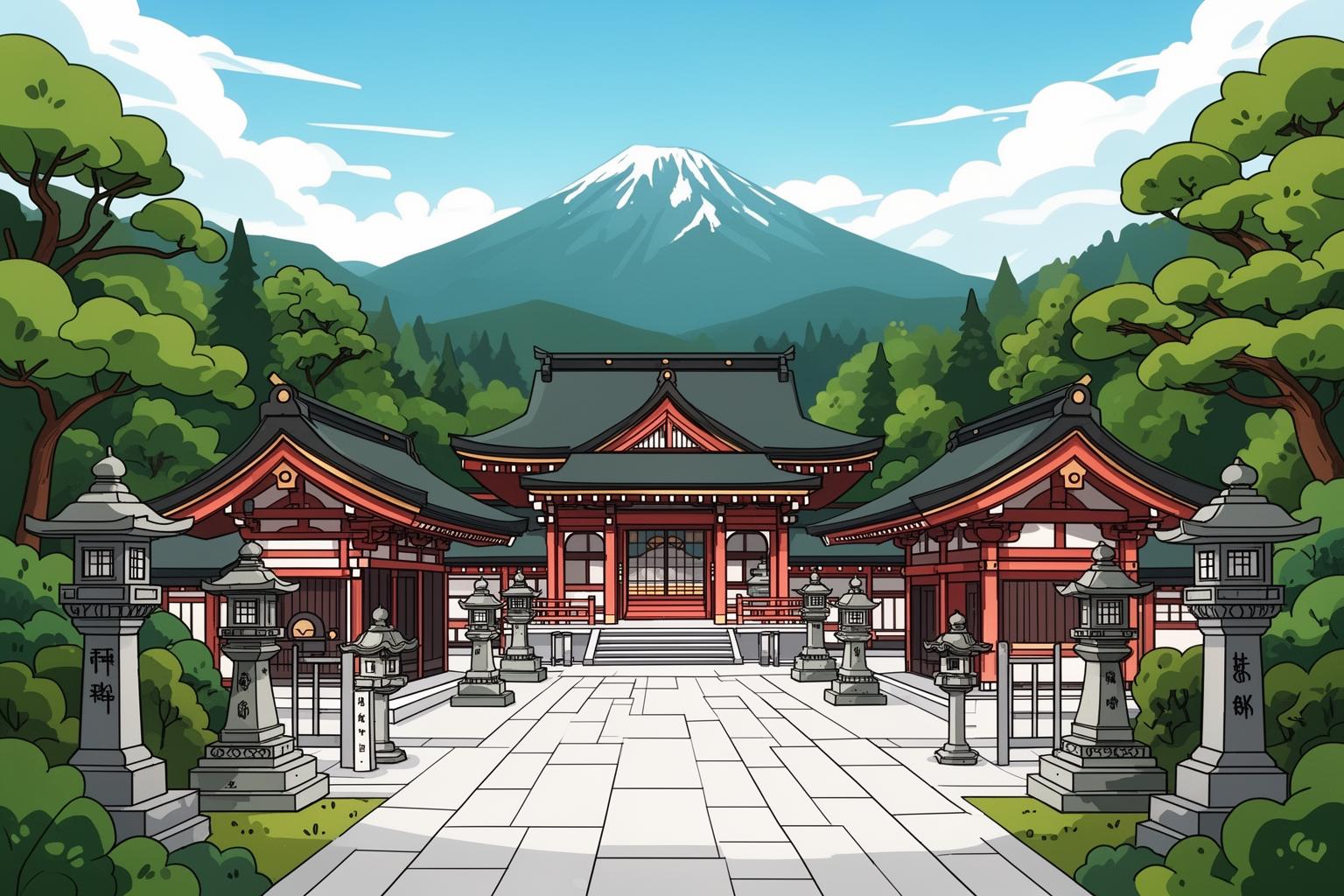
While the shukubo experience forms the heart of a visit to Koyasan, the sacred sites scattered across the mountain plateau embody its soul. These are the places that have attracted pilgrims for centuries, monumental symbols of faith and history set against a backdrop of breathtaking natural beauty. Taking time to walk between these sites is to follow in the footsteps of Kobo Daishi himself, allowing you to sense the spiritual geography of this holy mountain.
Okunoin: The Forest of Eternal Light
No place in Japan compares to Okunoin. It is the country’s largest cemetery, yet that clinical term scarcely does it justice. This vast, mystical forest features a two-kilometer-long path winding through a cathedral of towering cedar trees, some over a thousand years old. More than 200,000 tombstones, monuments, and memorials line the way, representing individuals from every stratum of Japanese history: powerful feudal lords, revered monks, famed samurai, and even modern companies honoring their employees. Over centuries, nature has claimed many stones, covering them with a thick, emerald-green moss that lends the landscape a timeless, otherworldly ambiance. Scattered among the graves are countless small statues of Jizo Bodhisattva, guardian of children and travelers, often adorned with tiny red bibs and hats left by grieving parents. Walking this path during daylight is a beautiful experience, with sunlight filtering through the dense canopy and dappling the mossy stones in shifting patterns of light and shadow. To truly grasp Okunoin’s magic, however, one must return at night. The guided night tour, typically led by a young English-speaking monk from Eko-in Temple, is an essential Koyasan experience. Guided only by the soft glow of stone lanterns flanking the path, the forest undergoes a profound transformation. Darkness deepens, silence is broken only by the crunch of footsteps and the monk’s voice sharing stories, legends, and Buddhist teachings linked to the cemetery. The atmosphere is not eerie but deeply peaceful and reverent. The path culminates at the Gobyonohashi Bridge, marking the entrance to the most sacred inner sanctum. Photography is forbidden beyond this point, and visitors are asked to bow respectfully. Here, the Torodo Hall, or Hall of Lanterns, presents a breathtaking sight with thousands of donated lanterns, including two said to have burned continuously for over 900 years. Behind this hall lies the Gobyō, the mausoleum of Kobo Daishi, where he rests in eternal meditation—a silent, powerful presence that anchors the entire mountain spiritually.
The Grand Head Temple: Kongobuji
As the administrative head temple of the Shingon sect, Kongobuji reveals the more stately and artistic facet of Koyasan. Originally built by the warlord Toyotomi Hideyoshi, the temple is a sprawling complex of beautiful rooms connected by nightingale floors that chirp underfoot as a security measure. The main attraction is the exquisite collection of fusuma-e, paintings on sliding screen doors illustrating elegant nature scenes—cranes, willows, and flowers—by Kano school masters. Visitors can wander the grand halls where important rituals and meetings occur and see the vast traditional kitchen with enormous hearths and rice cookers designed to feed hundreds of monks. The temple’s true masterpiece lies at the back: the Banryutei Rock Garden. Completed in 1984, it is Japan’s largest rock garden. Its vast white sand expanse is meticulously raked, featuring massive granite stones arranged to depict a pair of dragons emerging from a sea of clouds, guarding the inner sanctum. It is a powerful, mesmerizing space for quiet contemplation.
The Sacred Heart: Danjo Garan Complex
If Okunoin is Koyasan’s spiritual destination, Danjo Garan is its birthplace. This was the first complex Kobo Daishi consecrated upon founding his monastic retreat on the mountain. It remains one of Koyasan’s two most sacred areas, a spacious, open compound dotted with halls, pagodas, and temples. The most striking structure is the Konpon Daito, or Great Stupa. This magnificent two-tiered pagoda, nearly 50 meters tall, is painted in a vivid vermilion that sharply contrasts with the green pines and blue sky. Its interior is equally stunning, with intricate statues and pillars painted with bodhisattva images. Kobo Daishi envisioned this pagoda as a three-dimensional mandala, symbolizing the cosmos at the center of his new religious community. Nearby stands the Kondo, or Main Hall, where major ceremonies take place, and the Fudodo, a National Treasure and the oldest existing building on Koyasan, dedicated to the fire deity Fudo Myo-o. Walking through the Garan complex—especially early morning or late afternoon when crowds wane—feels like stepping back in time, connecting you to the very origins of this sacred mountain.
Other Points of Interest
For those with extra time, Koyasan offers additional treasures. The Tokugawa Mausoleum, a lavishly decorated pair of identical buildings erected in the 17th century by the third Tokugawa shogun, showcases ornate lacquerwork and intricate carvings. To explore the mountain’s artistic heritage further, the Reihokan Museum houses thousands of cultural assets, including stunning Buddhist statues, paintings, and mandalas collected from temples throughout Koyasan. And visitors must not miss the Daimon, or Great Gate, the official entrance to Koyasan at the town’s western edge. This enormous two-story gate is guarded by two fierce Kongo Rikishi statues, protectors of the faith, and offers a commanding view down the valley from which visitors ascend.
Practical Tips for a Harmonious Stay
A bit of preparation can greatly enhance your pilgrimage to Koyasan, making it both smooth and respectful. Keeping a few important points in mind will help you handle the practical aspects of the journey and the nuances of temple etiquette, allowing you to fully engage with the experience.
What to Pack
Keep in mind that Koyasan is located in the mountains, where the weather can be much cooler and less predictable than in Osaka, even during summer. Layering your clothing is the best approach. A lightweight waterproof jacket, a warm sweater or fleece, and comfortable, sturdy walking shoes are essential. You will be walking extensively, often on uneven gravel paths and stone steps. Since you’ll frequently need to remove your shoes when entering temples and your shukubo, slip-on footwear is especially practical. Although your shukubo will provide a small towel, bringing a larger one for personal comfort might be a good idea. Also, while credit cards are accepted at larger places, many smaller shops, restaurants, and some temples only take cash, so carrying enough yen is advisable.
When to Go
Koyasan showcases unique beauty throughout all four seasons, each bringing its own charm. In spring (April-May), wild cherry trees blossom across the mountain, though the weather can still be chilly. Summer (June-August) offers a cool escape from the lowlands’ heat and humidity, with vibrant green surroundings. Autumn (late October-November) is arguably the most popular season, with mountainsides ablaze in red, orange, and yellow maple leaves, creating stunning views. This peak season requires booking accommodations and transportation well in advance. Winter (December-February) turns Koyasan into a quiet, snowy wonderland. The snow muffles sound and blankets the landscape, fostering a magical and peaceful atmosphere. While beautiful, be ready for freezing temperatures and possible transport interruptions; some paths may be slippery or closed. However, witnessing temple roofs and Okunoin’s tombstones dusted in snow is a memorable experience for those prepared to brave the chill.
Temple Etiquette
When staying at a shukubo, you are a guest in both a home and a sacred place. A respectful and quiet attitude is always valued. Pay attention to the temple’s rules, which will be explained upon arrival. These often include a curfew (with gates locked at night), specific hours for communal baths, and strict timings for meals and morning services. Remove your shoes at the entrance and switch to the provided indoor slippers. When entering a tatami room, you should take off those slippers as well. Speak softly in worship halls and respect signs prohibiting photography, especially of sacred objects or during ceremonies. While expert knowledge of Buddhist rituals isn’t expected, simple respectful gestures, such as a slight bow when entering a temple hall or crossing the Gobyonohashi Bridge in Okunoin, convey your reverence for the space. Learning a few basic Japanese phrases like “Arigato gozaimasu” (thank you very much), “Sumimasen” (excuse me/sorry), and “Ohayo gozaimasu” (good morning) will be warmly appreciated and help foster a positive connection with your monastic hosts.
The Journey Home: Carrying the Mountain’s Stillness Back to Osaka

The descent from Koyasan is simply the journey retraced, a gradual re-entry into the world you had left behind. The cable car glides down the steep slope, the train meanders out of the mountains, and little by little, the urban landscape begins to reassert itself. Stepping out into the familiar, vibrant chaos of Nankai Namba Station can feel overwhelming. The volume of the world seems to have been turned up, the pace accelerated, the colors intensified. Yet something feels different. You carry the mountain within you.
A weekend in Koyasan is more than just a getaway; it’s a realignment of the spirit. The silence of the cedar forest, the deep resonance of the morning chant, the mindful nourishment of shojin ryori—these experiences leave their mark. You return to life in Osaka with the crisp mountain air still filling your lungs and a refreshed sense of inner calm. The peace of Koyasan is not a fleeting keepsake but a seed of stillness planted deep inside. Amid the city’s relentless energy, you can close your eyes and recall the moss-covered stones of Okunoin, the scent of incense in a temple hall, and the profound serenity of a world ruled by a gentler, older rhythm. That memory, that feeling, is the true gift of the mountain—a sanctuary you bring home with you, ready to revisit whenever the need for quiet arises.