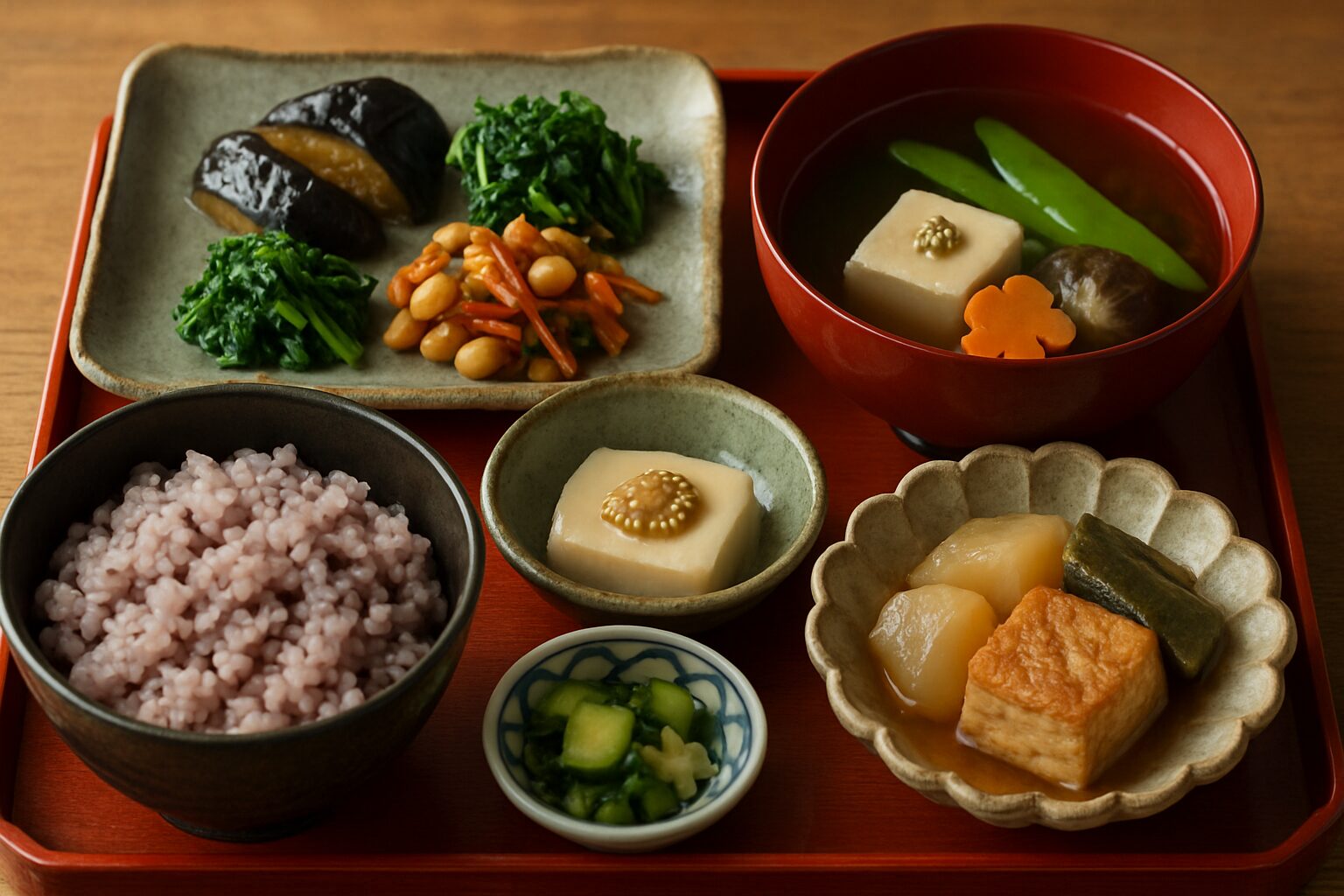
Hey everyone, Sofia here! Let’s talk about a side of Osaka that whispers rather than shouts. Beyond the electric buzz of Dotonbori and the sky-high views from the Umeda Sky Building, there’s a culinary experience that feels like a deep, calming breath. It’s a journey not just for your taste buds, but for your soul. I’m talking about Shojin Ryori, the traditional vegetarian cuisine of Japanese Buddhist monks. This isn’t just a meal; it’s a form of meditation, a story told through seasonal ingredients, and a delicious peek into a philosophy of harmony and gratitude. When you step into the serene world of a restaurant serving this cuisine, you leave the city’s frantic pace at the door. The air stills, the clatter of the streets fades, and you’re invited to simply be present. For me, discovering Shojin Ryori was like finding a secret garden in the heart of this vibrant metropolis. It’s a chance to connect with centuries of tradition and savor flavors that are subtle, pure, and unbelievably complex. It’s a culinary art form that proves plant-based eating is not about restriction, but about celebrating the profound beauty and flavor that nature provides in its simplest forms. It re-calibrated my palate and showed me a new dimension of Japanese food culture, one that feels both ancient and incredibly relevant today. So, come with me, let’s explore this beautiful, mindful way of eating right here in Osaka.
After experiencing the serene art of Shojin Ryori, you might also be intrigued to discover another of Osaka’s unique culinary secrets, like its famous Kasu Udon.
The Soul of Simplicity: What Exactly is Shojin Ryori?

Before you sit down to enjoy your first Shojin Ryori meal, it is meaningful to appreciate the philosophy behind it. This is more than just a set of dietary guidelines; it represents a living philosophy grounded in the fundamental principles of Zen Buddhism. The practice originated in China and traveled to Japan in the 13th century, evolving over centuries into the refined and intentional cuisine we experience today. This culinary tradition aims to nurture a clear mind and a compassionate heart, beginning with the food on your plate. It is founded on respect for all living beings, which is why it is entirely vegetarian—and more precisely, vegan.
A Philosophy on a Plate
At the core of Shojin Ryori is ahimsa, the principle of non-violence. This excludes meat, poultry, and fish. But the philosophy goes beyond that, providing a framework that influences every aspect of the meal from preparation to consumption. One of the most intriguing elements is the Rule of Five. A well-balanced Shojin Ryori meal incorporates five distinct colors (green, yellow, red, black, and white), five flavors (sweet, sour, salty, bitter, and umami), and five cooking methods (simmering, grilling, steaming, frying, and raw). This is not merely for visual appeal or taste—it is designed to create a meal that is nutritionally complete and energetically harmonious, aligning body and mind. Each ingredient is selected for both its flavor and its role in this holistic balance. The final result is a meal that is deeply satisfying and nourishing on a level that transcends simple sustenance. It feels as though you are consuming pure, focused energy.
More Than Just Vegetables: The Stars of the Show
While Shojin Ryori highlights vegetables, its culinary repertoire features many unique and essential ingredients central to Japanese cuisine. Tofu, naturally, is a fundamental element. Yet, you’ll find it in forms you might not expect. There is silky smooth kinugoshi tofu that melts in your mouth, firm momen tofu suitable for grilling, and koya-dofu, freeze-dried tofu that takes on a spongy, meat-like texture when rehydrated and simmered in a savory broth. Another delicacy is yuba, or tofu skin, harvested from the surface of simmering soy milk, served fresh and creamy or dried into delicate sheets. Then there is fu, a wheat gluten product that comes in many shapes with a pleasantly chewy texture, excelling at absorbing flavorful broths. You’ll also encounter konnyaku, a firm jelly derived from the konjac yam, known for its unique, satisfying chewiness. And, of course, the true stars are the seasonal vegetables, especially sansai, or wild mountain vegetables, which emerge in spring, bringing a fresh, slightly bitter taste that evokes the awakening earth.
The Art of Absence: What’s Left Out and Why
Equally important as what is included in Shojin Ryori is what is excluded. Beyond the clear omission of animal products, this cuisine avoids the gokun, or five pungent roots: garlic, onions, scallions, leeks, and chives. According to Buddhist philosophy, these ingredients are thought to be strong stimulants that excite the senses and disrupt the mind’s ability to maintain calm and focus during meditation. By leaving them out, the cuisine retains a clean, pure flavor profile, allowing the subtle, natural tastes of the main ingredients to shine. This approach challenges the chef to extract depth and umami from other sources such as kombu (kelp), shiitake mushrooms, and fermented seasonings like miso and soy sauce. It’s a masterful demonstration of creating rich flavor from simplicity, embodying the belief that true deliciousness does not require overpowering or aggressive seasonings. It reflects quiet confidence in the inherent goodness of the ingredients themselves.
An Osaka Journey Through Taste and Time
Discovering Shojin Ryori in a bustling city like Osaka is an adventure in itself. The experience can vary from a formal, multi-course meal within the sacred halls of a temple to a stylish, contemporary interpretation in a minimalist café. Each setting offers a unique perspective through which to appreciate this ancient culinary tradition. The city’s rich history, especially its ties to early Buddhism in Japan, makes it a captivating place to explore this cuisine.
Finding Serenity in the Urban Jungle
Your search for Shojin Ryori may take you down quiet residential streets, into the tranquil grounds of a temple, or even into the trendy back alleys of the city’s most fashionable districts. The most traditional experiences are often found in restaurants dedicated to this cuisine, some of which have been serving for generations. These places are havens of tranquility. When you slide open the door, you are welcomed by the scent of tatami mats and delicate incense, the gentle shuffle of staff clad in traditional garments, and an overwhelming sense of calm. Here, the meal is typically an intricate, multi-course affair served in a private room overlooking a small, carefully tended garden. It’s an immersive experience meant to engage all your senses and bring you to a state of mindfulness.
A Temple Experience: Shitennoji and its Spiritual Echoes
Although not all temples offer meals daily to the public, the area around Shitennoji Temple—one of Japan’s oldest Buddhist temples—is imbued with the spirit that inspired Shojin Ryori. As you walk through the temple grounds, with its majestic pagoda and serene turtle pond, you sense the weight of centuries of devotion. This setting provides the ideal context for understanding the cuisine. After exploring the temple, seeking out a Shojin Ryori meal at a nearby specialized restaurant feels like a natural extension of that spiritual journey. The meal becomes more than just nourishment; it embodies the tranquility and history you’ve absorbed. It’s about connecting with the deep-rooted Buddhist culture that has shaped much of Osaka’s identity. This area, blending history and everyday life, offers an authentic backdrop for your culinary exploration.
Modern Interpretations in Minami and Kita
Osaka is also a city of innovation, and this spirit extends to its food culture. In vibrant districts like Namba, Shinsaibashi, or the sophisticated Kita area around Umeda, a new generation of chefs is reinventing Shojin Ryori for contemporary tastes. You might discover a chic café serving a Shojin-inspired lunch set that is both visually appealing and approachable, or a high-end restaurant using Shojin Ryori principles as the foundation for creative, modern plant-based tasting menus. These establishments often combine the traditional respect for ingredients and harmony with innovative cooking techniques and artistic plating. It’s a wonderful way for newcomers to experience the cuisine in a setting that feels more familiar, bridging the ancient traditions with the lively, cosmopolitan Osaka of today. These modern adaptations demonstrate that the philosophy of Shojin Ryori is timeless and can be celebrated in fresh and exciting forms.
Decoding Your Shojin Ryori Meal: A Course-by-Course Guide

A formal Shojin Ryori meal is a beautifully choreographed sequence of small, exquisite dishes. The most basic framework is known as ichiju-sansai, meaning “one soup, three sides,” served alongside rice and pickles. However, more elaborate meals may include a dozen or more courses, each showcasing a distinct ingredient and cooking method. Let’s explore some of the components you might encounter, so you can fully appreciate the craftsmanship and intention behind each one.
The Foundation: Gohan and Shiru (Rice and Soup)
The meal almost always begins and concludes with the simple perfection of rice and soup. The rice, gohan, is typically plain, perfectly steamed white rice, symbolizing purity and simplicity. Its clean taste provides an ideal backdrop for the dishes that follow. The soup, shiru, is often a delicate miso soup or a clear broth called suimono. The miso soup in Shojin Ryori is prepared with a dashi base of kombu and shiitake mushrooms, delivering a deep, earthy umami flavor without any fish products. A suimono is even more subtle—a clear, savory broth often garnished with a seasonal vegetable, a knot of yuba, or a delicate slice of fu. These two elements serve as the comforting, grounding pillars of the meal.
The Main Players: A Symphony of Side Dishes
This is where the chef’s creativity and skill shine brightest. The side dishes celebrate the Rule of Five, displaying a dazzling variety of textures, colors, and flavors.
- Nimono (Simmered Dishes): Often the centerpiece of the meal, a selection of seasonal vegetables, koya-dofu, and fu are gently simmered in a seasoned broth of soy sauce, mirin, and kombu dashi. The slow cooking allows each ingredient to absorb the flavors fully while maintaining its unique character. The result is a deeply comforting and savory dish with a mild sweetness. You might find tender daikon radish, sweet kabocha squash, or earthy burdock root harmoniously combined.
- Goma-ae (Sesame Dressed Dishes): This classic preparation involves tossing blanched vegetables, such as green beans or spinach, in a rich, nutty dressing made from ground sesame seeds, soy sauce, and a hint of sugar. The creamy, fragrant sesame paste elevates the simple vegetables into something truly special. The texture of the dressing contrasts beautifully with the crispness of the greens.
- Yakimono (Grilled Dishes): This course introduces a lovely smoky element to the meal. A popular dish is dengaku, where firm tofu or slices of eggplant are skewered, brushed with a sweet and savory miso glaze, and grilled until fragrant and lightly caramelized. The contrast between the soft interior and the toasted, savory exterior is incredibly delicious.
- Agemono (Fried Dishes): Shojin Ryori tempura is a revelation—exceptionally light and delicate. Seasonal vegetables, wild mountain greens, or mushrooms are coated in a thin batter and fried to crispy perfection. The emphasis is on capturing the essence of the vegetable within its crunchy shell. It’s served with a light dipping sauce or a pinch of seasoned salt, allowing the natural sweetness of the ingredients to shine.
- Sunomono (Vinegared Dishes): Often presented as a palate cleanser, sunomono consists of thinly sliced vegetables, like cucumber and wakame seaweed, dressed in a light rice vinegar marinade. Its bright, refreshing acidity cuts through the richness of other dishes and refreshes the palate, preparing you for the next course.
- Tsukemono (Pickled Dishes): No Japanese meal is complete without pickles. These small, intensely flavorful morsels provide a sharp, salty contrast to the rice and other dishes. They can be made from a variety of vegetables such as daikon, cucumber, or cabbage, and their crisp texture and tangy flavor add another dimension to the overall experience.
The Art of Presentation
Part of Shojin Ryori’s enchantment lies in its visual appeal. The meal is a feast for the eyes even before it reaches your lips. Each dish is thoughtfully arranged on beautiful ceramics that complement the food and reflect the season. A bright red maple leaf might garnish a dish in autumn, while a delicate cherry blossom may appear in spring. The placement of each element, the use of negative space on the plate, the choice of bowl—everything contributes to the mindful experience. This meticulous attention to detail transforms the meal from mere nourishment into a work of art, inviting you to slow down and savor the beauty before you.
Practical Tips for Your Culinary Pilgrimage
Embarking on a Shojin Ryori experience is simple and incredibly fulfilling. With a bit of preparation, you can ensure a seamless and memorable occasion. Here are some tips to guide you along the way.
Making Reservations and Etiquette
For most dedicated Shojin Ryori restaurants, particularly the traditional and upscale ones, reservations are necessary. These meals are crafted with great care and planning, often tailored to the number of guests that day. You can usually ask your hotel concierge to assist with booking a table. When dining, the atmosphere is generally quiet and reflective. It’s a setting to be fully present, so it’s best to speak softly and avoid loud conversations. Before eating, it is customary to say itadakimasu, a beautiful expression of gratitude for the food, those who prepared it, and the life that provides the ingredients. After finishing, you can say gochisosama deshita, which means thank you for the delicious meal. These small gestures show deep respect for the culture and the chef’s dedication.
Navigating the Seasons
The menu at a Shojin Ryori restaurant directly reflects the finest ingredients available in nature at that moment. This seasonal aspect is one of its greatest charms. Embracing it will greatly enhance your experience.
- Spring: Anticipate the fresh, slightly bitter tastes of sansai (mountain vegetables) like fukinoto (butterbur scape) and tender bamboo shoots (takenoko). The meal feels lively and invigorating, echoing the season’s energy.
- Summer: The focus turns to cooling and refreshing ingredients. You’ll find dishes featuring juicy eggplant, crisp cucumber, and cold silken tofu. These light, hydrating flavors are designed to combat the heat and humidity of the Japanese summer.
- Autumn: This season offers abundance and rich, earthy flavors. The menu includes various mushrooms, sweet chestnuts, kabocha squash, and sweet potatoes. The colors often reflect the stunning red and gold hues of the autumn leaves.
- Winter: The cuisine becomes hearty and warming. Expect dishes made with robust root vegetables like daikon radish, carrots, and burdock root. Hot pots (nabemono) and thick, nourishing soups are common, offering comfort and warmth during the cold months.
Language and Dietary Notes
One of the beauties of Shojin Ryori is that it’s naturally vegan, so there’s no need to worry about hidden animal products. Simply requesting “Shojin Ryori” is usually sufficient. Most establishments are welcoming to international guests, and many have staff who can explain the dishes in simple English. It’s wise to mention any allergies when making a reservation, just to be cautious. However, for the most part, you can relax and trust that you’re about to enjoy one of the purest and most carefully prepared plant-based meals in the world.
Beyond the Plate: The Lasting Impression

A Shojin Ryori meal lingers with you long after you’ve left the restaurant. It’s an experience that subtly transforms your view of food and the act of eating itself. It serves as a reminder of our deep connection to nature and the changing seasons.
A Mindful Moment
In today’s fast-paced world, we often eat while distracted—scrolling on phones or rushing between appointments. Shojin Ryori invites you—or rather, asks you—to do the opposite. The intricate presentation, delicate flavors, and tranquil setting encourage you to slow down. You begin to notice every bite: the texture of simmered radish, the nutty scent of sesame, the clean flavor of fresh yuba. It becomes a form of mindfulness, a quiet meditation focused solely on the beautiful meal before you. This mindful eating practice is a powerful way to reduce stress and deepen appreciation for life’s simple pleasures.
Taking the Spirit Home
The principles of Shojin Ryori aren’t just reserved for special occasions or upscale restaurants. You can bring its spirit into your own kitchen and everyday life. It’s about learning to savor the natural flavors of ingredients without overpowering them. It’s about minimizing waste by using every part of a vegetable—a practice called mottainai. It’s about creating harmony on your plate and in your diet. Maybe it inspires you to visit a local farmer’s market and cook with seasonal produce, or to experiment with tofu in new ways. The philosophy of gratitude, balance, and simplicity is a wonderful gift you can carry with you, making each meal a little more meaningful.
So, on your next trip to Osaka, I truly hope you’ll step off the beaten path to discover this remarkable culinary tradition. It’s an opportunity to nourish your body, soothe your mind, and connect with a facet of Japanese culture that is as profound as it is delicious. It’s a quiet dialogue with nature, history, and yourself—an experience you won’t soon forget.