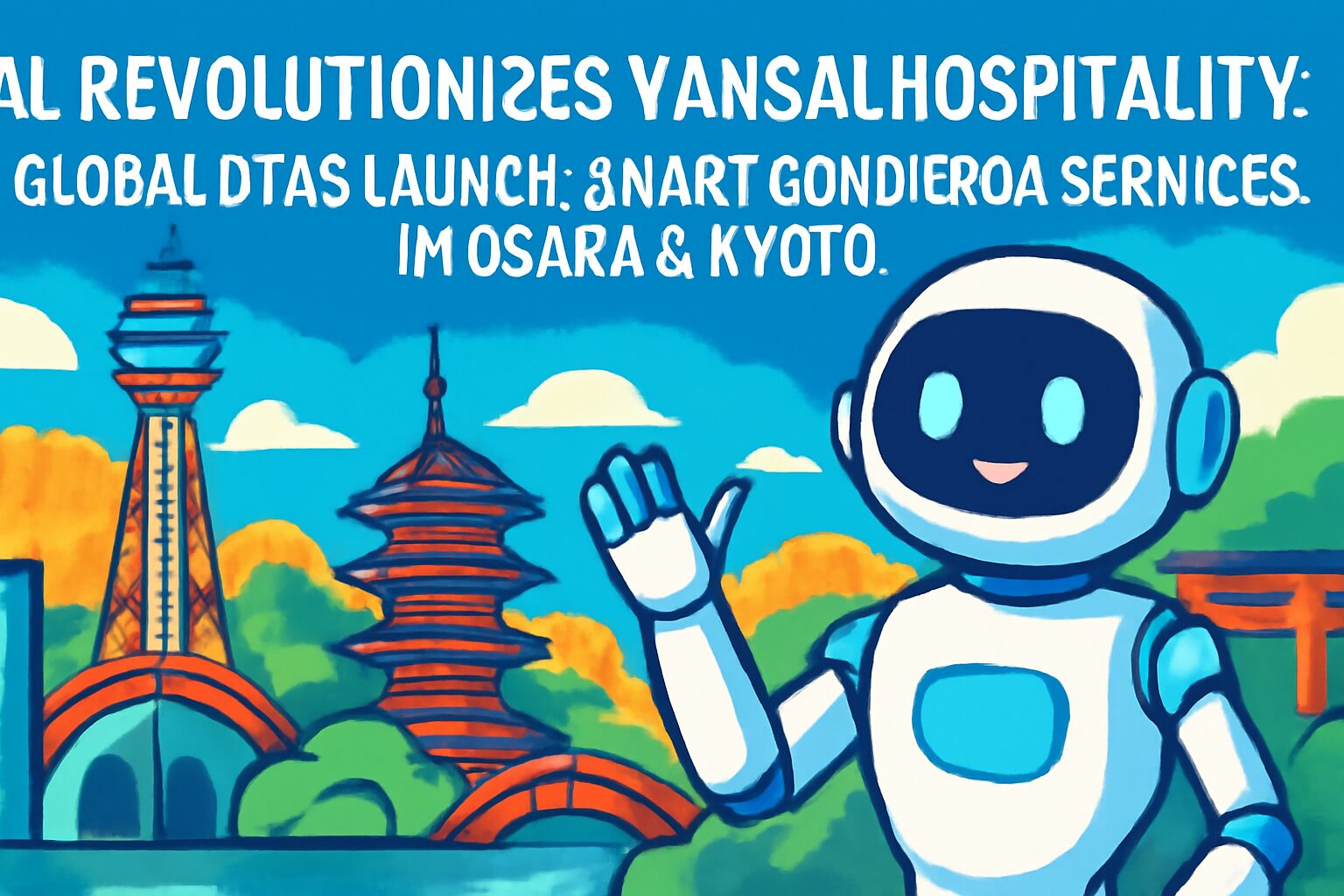
A new wave of technological innovation is sweeping through the Kansai region’s hotel industry. Major international Online Travel Agencies (OTAs) are significantly increasing their investment in AI-powered virtual concierge services, specifically targeting hotels in Osaka and Kyoto. This strategic move aims to enhance the travel experience for the growing number of tech-savvy international visitors, offering them a seamless, personalized, and connected stay.
The Driving Force Behind the AI Push
This trend is not happening in a vacuum. It is fueled by a combination of a powerful resurgence in tourism, evolving traveler expectations, and persistent challenges within the hospitality sector.
A Resurgence of Inbound Tourism
Post-pandemic, Japan has seen a remarkable recovery in tourism, with the Kansai region being a primary destination. The Japan National Tourism Organization (JNTO) reported that the total spending by international visitors in 2023 reached a record-breaking ¥5.3 trillion. This surge, particularly of visitors accustomed to digital convenience, has created immense demand for more sophisticated and responsive guest services.
The Shift to Hyper-Personalization
Today’s travelers expect more than just a room; they seek unique, curated experiences. AI concierge services are the perfect tool to meet this demand. By analyzing user data and preferences, these platforms can move beyond generic suggestions and offer hyper-personalized recommendations for everything from hidden ramen shops in Namba to serene, lesser-known temples in Kyoto.
Addressing Industry Challenges
The Japanese hospitality industry, like many others globally, is facing a significant labor shortage. AI-powered tools provide a powerful solution by automating routine inquiries and tasks. This frees up hotel staff to focus on higher-value, human-to-human interactions, improving both operational efficiency and the quality of guest service.
What AI Concierges Offer Travelers
For visitors staying in Osaka and Kyoto, these new services promise to transform their trip into a smoother and more immersive experience.
Key Features Include:
- 24/7 Multilingual Support: AI chatbots can instantly answer questions in multiple languages, breaking down communication barriers and providing assistance at any hour.
- Personalized Itineraries: Get recommendations for attractions, restaurants, and events tailored to your interests, budget, and even the current weather.
- Instant Bookings: Secure a reservation at a popular restaurant, book a local cooking class, or purchase tickets for a cultural performance directly through the service without leaving your hotel’s app or messaging platform.
- Real-Time Information: Access up-to-the-minute information on transportation, opening hours for attractions, and local events.
The Future of Hospitality in Kansai
The integration of AI is set to redefine the standards of hospitality in the Kansai region. We can expect this trend to accelerate, leading to several key developments.
The competition among OTAs will likely drive further innovation, with AI becoming more predictive and proactive. Imagine an AI concierge that not only suggests a restaurant but also anticipates your need for a taxi and arranges it automatically based on your dinner reservation time.
This technological advancement will also empower smaller, independent hotels. By leveraging the platforms provided by major OTAs, these hotels can offer a level of sophisticated digital service that was once only possible for large luxury chains, helping them compete on a more level playing field.
For travelers heading to Osaka, Kyoto, and the wider Kansai area, this means a future of more connected, effortless, and deeply personal journeys. The fusion of Japan’s timeless cultural appeal with cutting-edge technology is creating a new and exciting chapter for tourism in the region.