So you’ve moved to Osaka. You’ve got your apartment, you’ve figured out the Midosuji Line, and you’ve even learned to stand on the right side of the escalator. You’re settling in. Your apartment, likely a modern, compact marvel of Japanese engineering, has a bathroom. It’s small, sure, a plastic-molded unit bath, but it’s clean, functional, and entirely private. You have a shower, a tub, and a steady supply of hot water. So why, you might ask, would you ever leave the comfort of your own home, walk ten minutes down a narrow side street, pay five hundred yen, and take all your clothes off in front of a room full of complete strangers just to take a bath? It’s a perfectly logical question. It’s the kind of question a Tokyo native like me would ask. In Tokyo, privacy is a currency, a commodity you protect. The idea of communal bathing as a daily routine feels like a relic from a bygone era, something you do for novelty at a hot spring resort, not as part of your Tuesday night. But this isn’t Tokyo. This is Osaka. And in Osaka, the neighborhood public bath, the sento, is not just a place to get clean. It’s a social arena, a cultural classroom, and a window into the city’s raw, unfiltered soul. It’s where the unspoken rules of Osaka life are played out in plain sight, stripped of all pretension. Forget the serene, moss-covered rotenburo you’ve seen in travel brochures. The Osaka sento is a loud, steaming, chaotic, and intensely human experience. It’s the city in microcosm, and understanding it is key to understanding what it really means to live here.
To truly understand the daily rhythms of Osaka life, you might also want to explore the unique culture of its local supermarkets.
The Allure of the Neighborhood Sento: Why Osakans Still Go
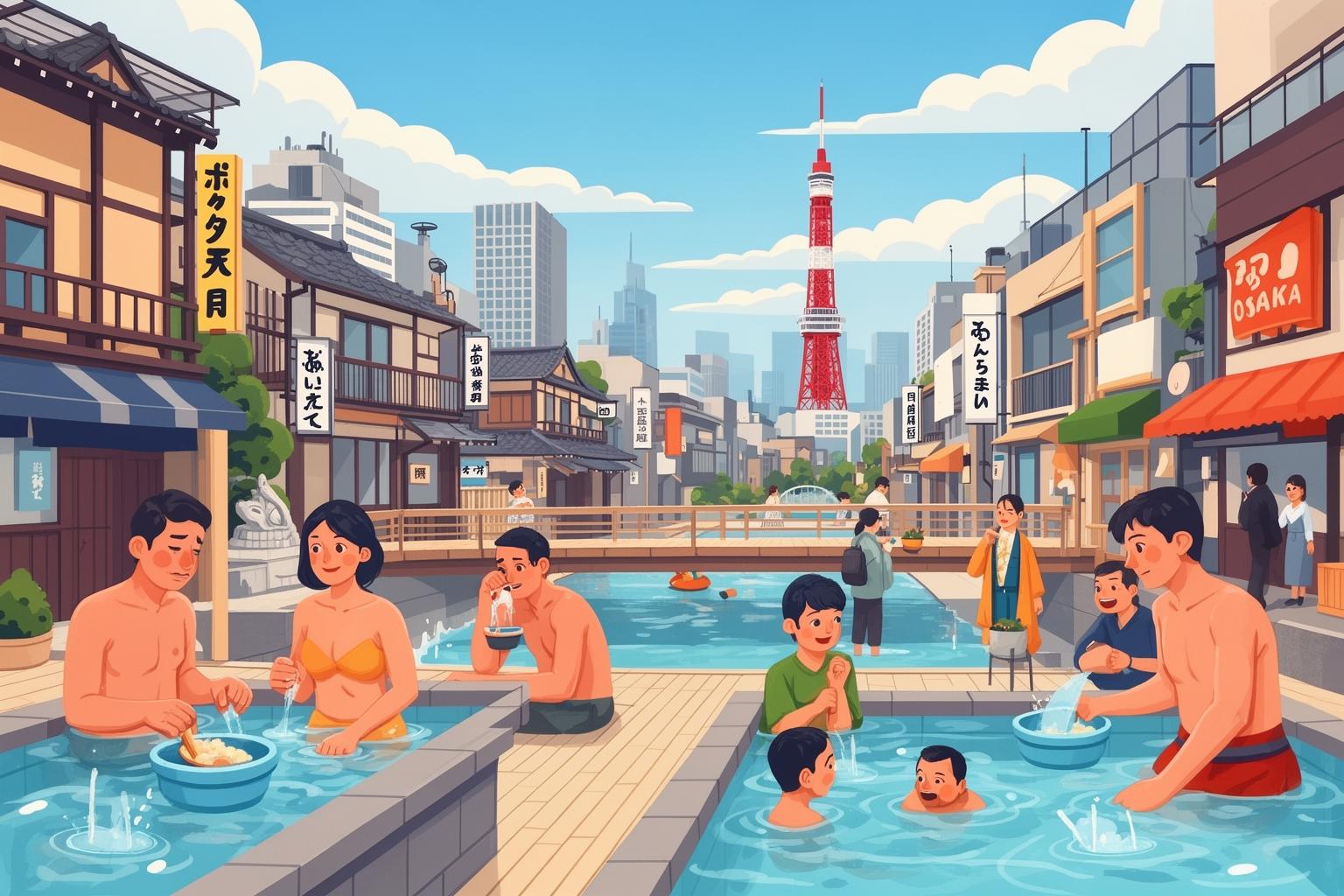
You might assume the sento is a fading tradition, like a black-and-white photo from the Showa Era. And in some regions of Japan, you’d be correct. But in Osaka, it remains vibrant. The parking lots at the larger “super sento” are crowded on a weeknight, and the old-fashioned bathhouses hidden behind shopping arcades continue to attract a steady flow of regulars. The sento’s endurance isn’t merely about nostalgia; it’s deeply connected to the fundamental values of Osaka culture: community, practicality, and an unrelenting pursuit of a good deal. It fulfills a role that a private bathroom, no matter how convenient, simply can’t replace. It’s an essential part of the city’s social framework, as crucial as a train station or a local clinic.
It’s Not Just About Getting Clean, It’s About Getting Connected
There’s a Japanese phrase, hadaka no tsukiai, which means “naked communion” or “naked friendship.” It conveys the idea that when you shed your clothes, you also shed titles, status, and social pretenses. While this concept exists throughout Japan, Osaka transforms it from a gentle philosophy into a full-contact affair. Here, hadaka no tsukiai isn’t a quiet, respectful sharing of space—it’s an active, vocal, and often intrusive interaction with those around you. It’s about forging connections in the most unexpected places.
My first solo visit to a sento in the Tennoji area was a baptism by fire. As I quietly scrubbed at my station, trying to stay under the radar, the woman beside me, a formidable obachan with tightly permed hair, leaned over without warning. “That’s a fancy shampoo,” she declared, not asked. “Is that the one from the commercial with the famous actress? Must have cost you quite a bit.” In Tokyo, this would be seen as a near-impossible violation of personal space and privacy. I would have mumbled an apology and tried to disappear into the tiles. But here, I realized it wasn’t meant as an accusation—it was an opening, an invitation to talk. Before I knew it, I was being grilled about my life. Where was I from? “Ah, Tokyo! Must be tough living there, so uptight.” What was my job? “Event planning? Sounds stressful. You should relax more.” Was I married? “No? Well, you’re not getting any younger!” The questions came in a rapid-fire market-vendor style. Yet oddly, it didn’t feel hostile. It was a form of social vetting. She wasn’t being rude; she was fitting me into her social map. By the time I was ready to enter the tub, she’d offered me a slice of fruit she’d brought from home for after her bath and given me unsolicited but genuinely helpful advice on where to find cheap vegetables. This is the heart of the Osaka sento. It’s a place where the thin facade of urban anonymity dissolves into the steam. You are not a stranger; you are a temporary neighbor, and your business is everyone’s business. This reflects a city built on trade and commerce, where relationships, even fleeting ones, are the currency of everyday life. You talk, you share, you connect. It’s networking with less clothing and more honesty.
The Unbeatable Economics of a Good Soak
Beyond the social side, a powerful aspect of Osaka culture comes into play: hardcore pragmatism. Osakans are famously budget-conscious—a trait often mischaracterized as kechi (stingy), but more accurately seen as an aversion to waste and a deep appreciation for good value. The sento, from this perspective, is a brilliant financial choice. For about 500 yen, you gain access to a huge tub of steaming hot water, a robust sauna, and sometimes even options like various jet baths or an outdoor pool. Heating that volume of water at home would skyrocket your gas bill. For residents of older, more traditional homes with smaller, less-insulated bathrooms, the sento isn’t a luxury; it’s a practical improvement. It offers a truly relaxing, bone-deep soak without the stress of a soaring utility meter.
This mindset is quintessential Osaka. It’s the same logic behind bargaining at electronics shops or lining up for restaurants offering the largest portions for the lowest prices. Why pay more for less? The sento provides maximum return on minimal investment. You’re not paying just for a bath; you’re paying for warmth, relaxation, and a brief escape from the confines of a small apartment. It’s an act of affordable, efficient self-care. This emphasis on value explains why the sento persists despite the rise of modern apartments with private baths. For many, a daily or weekly visit to the sento is a non-negotiable household expense—a small cost that yields huge comfort and well-being dividends.
A Showcase of Osaka Pragmatism: The “Super Sento” vs. The Old-School Bath
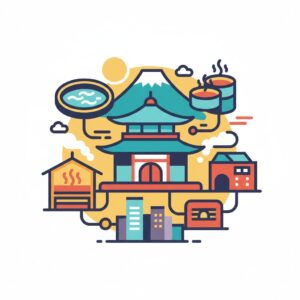
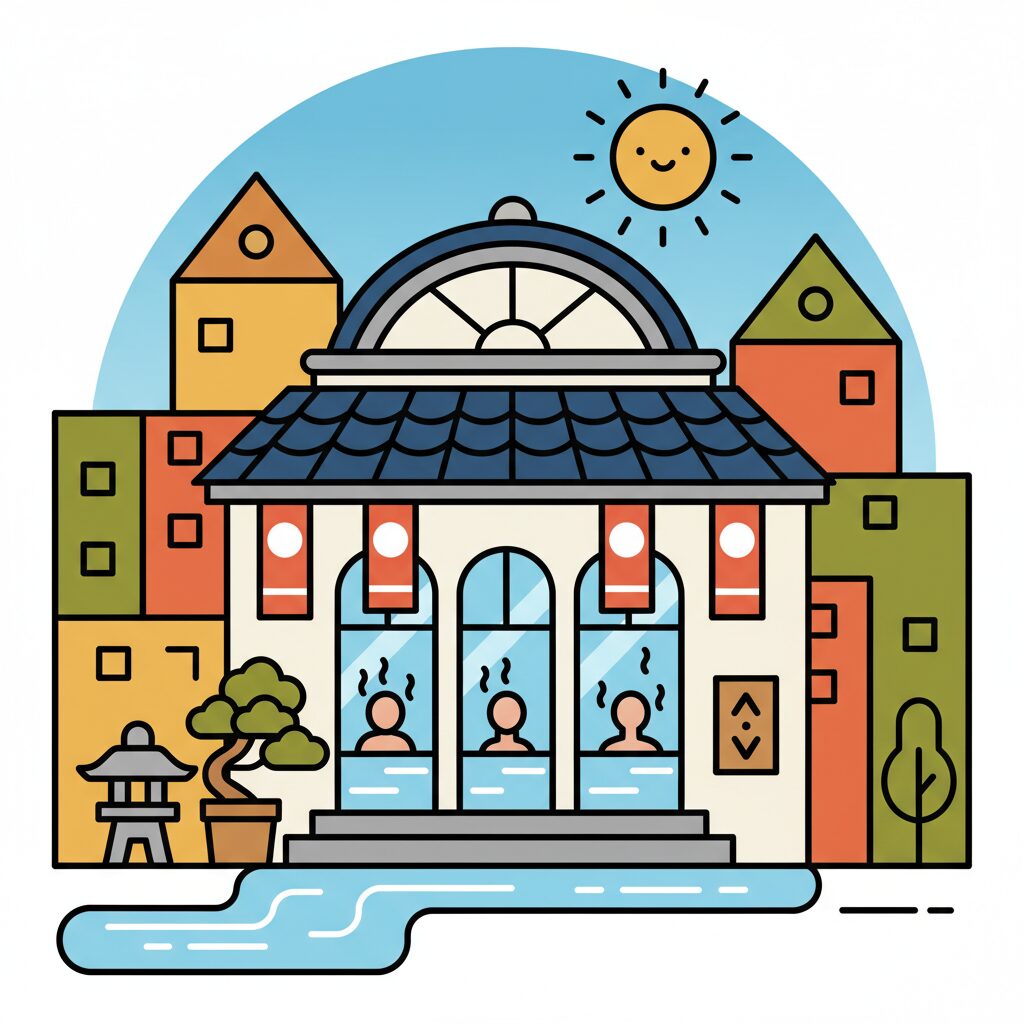
This love of value has also driven the sento’s evolution, creating a clear distinction between two types of establishments. On one side are the classic, old-school sento, often family-run, tucked away on residential streets. Their architecture can be stunning, with traditional temple-style roofs (karahafu), intricate tile murals of Mount Fuji or koi fish, and classic wooden lockers in the changing area. The experience here is simple: pay, wash, soak, leave. It’s a slice of history, a connection to the city’s past.
Opposite this is the “super sento”—large, modern complexes designed for a full evening of entertainment rather than a quick bath. For a slightly higher fee—typically between 800 and 1500 yen—you get access to sprawling facilities featuring a dozen or more types of baths: carbonated, herbal, electric (denki-buro), cold plunges; multiple saunas at varying temperatures; relaxation rooms stocked with manga and reclining chairs; and even full-service restaurants, massage parlors, and barbershops. The super sento epitomizes the Osaka value-driven mindset. It’s a one-stop destination for relaxation and leisure, where you can easily spend hours, making it a viable alternative to movies or bars. This perfectly blends practicality with fun and entertainment. The existence and massive popularity of super sento in Osaka—more than in other cities—demonstrates the local desire to maximize every yen spent. It’s not just a bath; it’s an experience, and Osakans will always queue up for a good experience at a fair price.
The Cold Plunge: Disadvantages and Unspoken Rules You MUST Know
Despite all its charms, the Osaka sento presents certain challenges, especially for newcomers. The very elements that make it a vibrant cultural hub—the absence of personal boundaries, strict adherence to tradition, and raw, unfiltered humanity—can also feel intimidating and uncomfortable. This is not a curated tourist experience tailored for your comfort. It’s a living, breathing local institution, and you are expected to adapt to it, not the other way around. Entering a sento unprepared is like stepping onto a stage without knowing your lines. You will stand out, and you will be corrected. Understanding the unspoken rules and potential discomforts is essential to navigating the experience successfully.
The Gauntlet of Naked Scrutiny
Let’s tackle the most obvious hurdle first: nudity. For many from Western cultures, being completely naked in a room full of strangers is a significant barrier, an intense vulnerability that can feel deeply uncomfortable. But in the sento, the issue goes beyond mere nudity. It’s about the scrutiny that accompanies it. In a neighborhood sento, you’re not an anonymous figure—you are the new person, the outsider, the foreigner. And you will be observed. These aren’t furtive glances; they can be long, direct, and unabashed stares. The first few times, it can feel incredibly jarring, even hostile.
This staring stems from deep-seated curiosity and a social pattern-recognition instinct. Regulars in a sento form a close-knit, though informal, community. They know each other and know who belongs. You, as a new face, disrupt that pattern. The stares are a way of figuring you out: “Who is this person? Why are they here?” It’s rarely intended to be aggressive, but it certainly doesn’t feel welcoming at first.
This scrutiny intensifies if you have tattoos. While younger generations in Japan grow more accepting of tattoos as a fashion statement, for the older generation frequenting the sento, tattoos remain strongly associated with the yakuza, or Japanese mafia. Many sento display signs explicitly banning those with tattoos. Although some are becoming more lenient, particularly with smaller, non-traditional designs, the reality is that you will be judged. An elderly patron might not just stare; they could move to a different bath or even complain to the staff. This is not necessarily a personal attack but a reaction rooted in decades of cultural association. The sento is a place of communal peace, and anything threatening that—even symbolically—is met with suspicion. For a foreigner, this is a stark reminder that you are a guest in a deeply traditional space and that your body itself can be a source of social friction.
Mastering the Art of “Kake-yu”: The Cardinal Sins of the Sento
The freewheeling, anything-goes social atmosphere of Osaka grinds to a halt at the bathhouse door. Inside, strict, non-negotiable etiquette is enforced with zero tolerance. These rules aren’t about mere politeness; they ensure hygiene and respect for the shared space. Breaking them quickly transforms a friendly, curious obachan into a scolding drill sergeant. The rules are simple yet absolute.
The primary rule: you must wash your body thoroughly before entering any communal tubs. The baths are for soaking and relaxing, not cleaning. Near the entrance to the bathing area are rows of individual washing stations, each equipped with a stool, faucet, and shower head. You are expected to sit on the stool (never stand, as you’ll splash your neighbors) and scrub every inch of your body with soap and shampoo. Only after rinsing completely are you allowed to enter the baths. This rule is the foundation of the system. The water is shared, and this ensures it remains clean for everyone. I once witnessed a young man dip his toes into the main bath before washing. Within seconds, an elderly man sharply barked, “Oi, saki ni arae!” (“Hey, wash first!”) from across the room. There was no suggestion or polite request—just a direct, public correction. This is Osaka’s directness in its purest form. In Tokyo, you might get a withering glare; in Osaka, you’ll be told—loudly and clearly—that you are wrong.
Next is the towel dilemma. You’ll receive a large bath towel for drying off in the changing room and a small, thin washcloth-sized towel to take into the bathing area. The small towel is used for scrubbing at the washing station and for modesty while walking around. Its most important rule is that it must never touch the bathwater. The towel is considered unclean, even after rinsing. People often fold it and place it on their head or set it aside by the tub. Letting your towel dip into the water is a major faux pas, signaling that you don’t grasp the basic principles of hygiene and respect. It will earn you instant glares and, very likely, another direct correction.
Finally, the separation of zones is absolute. Washing stations are for washing, tubs are for soaking. Do not bring soap into the tubs. Do not wash your hair in the tubs. Don’t splash, swim, or be overly loud or disruptive. Though the sento is a social space, the baths themselves are for quiet contemplation and relaxation. Learning and respecting these fundamental rules is the price of admission to the community. Your adherence signals respect for the culture, and once established, social barriers begin to dissolve.
The Noise, The Kids, The Chaos: This Isn’t a Zen Retreat
If you’re seeking a silent, meditative escape, the sento is not the place. The serene image of a Japanese bath, with the gentle trickle of water and rustling bamboo leaves, is best found in a high-end ryokan in Hakone—not a neighborhood sento in Namba. Osaka sento are often cacophonous, lively, fundamentally noisy environments.
On any evening, you’ll hear women catching up on the week’s gossip, their voices bouncing off tiled walls. Old men in the sauna will loudly debate the latest Hanshin Tigers game, punctuated by grunts and groans. Children, liberated from cramped apartments, will splash and shout in the shallow baths, while parents try, often unsuccessfully, to keep them in check. The clatter of plastic stools on stone floors, the hiss of showers, the rumble of jet baths—all combine into a soundscape anything but peaceful. This is not disruption but the natural sound of a community at ease. The sento serves as an extension of the living room, filled with the sounds of life, mirroring Osaka itself—a city that hums with energy, from street vendors in Kuromon Market to the rumble of trains and boisterous laughter spilling from countless izakaya. Expecting silence in an Osaka sento misunderstands the city’s nature. It embraces joyful noise and finds comfort in the sounds of human connection. If you learn to view the chaos not as disturbance but as the community’s soundtrack, you’ll be one step closer to grasping the heart of Osaka.
Osaka vs. Tokyo: A Tale of Two Tubs
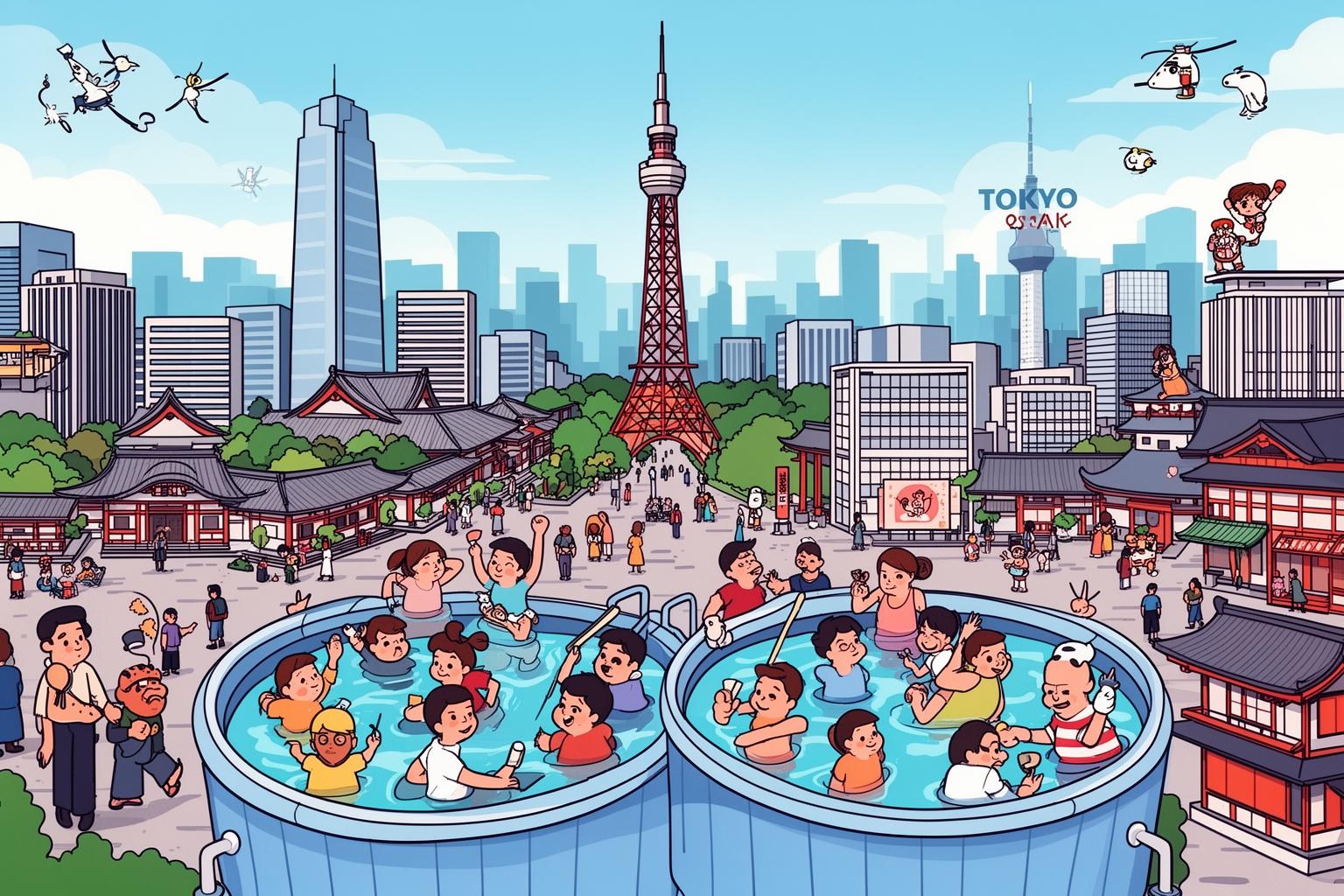
To fully understand the distinctive nature of the Osaka sento, it’s helpful to compare it with its Tokyo counterpart. At first glance, they appear identical: both feature lockers, washing stations, and hot baths. However, the social dynamics—the subtle layer of human interaction—are strikingly different. Bathing in these two cities exposes the deep cultural divide between them. It’s a story of two tubs that reflects a broader tale of two unique urban identities. One serves as a private retreat within a public space; the other functions as a communal forum where connection takes precedence over privacy.
The Social Temperature: Warm and Lively vs. Cool and Reserved
Entering a Tokyo sento is akin to stepping into a library. There is a clear shared purpose—everyone is there to bathe—but it is an intensely individual experience. People keep to themselves, find their washing station, clean efficiently and quietly, soak in the tub with a calm, distant demeanor, and then depart. Conversations are rare and hushed. Eye contact is deliberately avoided. There is an invisible but impenetrable barrier around each person. Though the space is public, the experience feels deeply private. It offers an escape from the city’s social pressures—a place to be alone together. The silence embodies mutual respect, an unspoken agreement not to intrude on one another’s personal space.
In contrast, an Osaka sento resembles a neighborhood bar at happy hour. The social atmosphere is warmer, bubbling with energy and interaction. The invisible walls of Tokyo are absent here. As observed, strangers freely strike up conversations. People share shampoo, ask for help scrubbing their backs, and comment on anything and everything. The mood is relaxed, informal, and profoundly communal. This is not a refuge from the city but a concentrated microcosm of it. The aim is not solitude but togetherness, reinforcing community ties. The nakedness here feels less like vulnerability and more like a unifying uniform. If a Tokyo sento gathers individuals, an Osaka sento functions as a collective organism. Participation is expected—engagement is part of the experience. Remaining silent and distant in an Osaka sento would feel odd, even rude—socially akin to attending a party and standing alone, glued to your phone.
The Water Itself: A Nuanced Difference in Attitude
Even the physical sensation of the water reflects the contrasting spirits of the two cities. There is a long-standing stereotype that Osakans prefer their bathwater searing hot, or atsui. Although it’s difficult to confirm scientifically across all locations, this perception largely holds. The water in many Osaka sento tends to be just a bit more intense, somewhat more challenging. It mirrors a personality marked by a love for strength, directness, and invigoration. It’s a straightforward heat that doesn’t beat around the bush.
Moreover, Osaka sento frequently display a fondness for novelty and strong sensations in their baths. The denki-buro, or electric bath, exemplifies this. These small tubs have low-voltage electric currents running between two plates, producing a tingling, buzzing, and mildly painful sensation in the muscles. This unusual and intense experience is far more common and popular in Osaka than in Tokyo. It reflects a bold, “try anything once” outlook typical of the city. Osakans embrace things that are somewhat strange or extravagant. The denki-buro is the sento equivalent of Osaka’s flamboyant fashion or daring street food. It may not appeal to everyone, but its existence reveals a culture unafraid of a little shock to the system.
Decoding the Sento: What It Tells You About Osaka
The sento is much more than a place to bathe; it’s a living museum reflecting Osaka’s culture and history. Every interaction, every unspoken rule, and every architectural feature tells a story about the city and its people. By observing what unfolds within these steamy, tiled walls, you can begin to understand the core values of Osaka society. It’s a space where the city’s merchant past, its focus on community, and its straightforward communication style are all clearly on display. If you want to grasp what truly drives Osaka, spend an evening at a local sento.
The Importance of Community in a City of Merchants
Osaka has long been Japan’s kitchen, its commercial powerhouse. It was a city shaped by merchants, not samurai. Unlike the rigid, hierarchical society of Edo (old Tokyo), Osaka’s social structure was more fluid, built on relationships, trust, and reputation. Business and life unfolded openly, in marketplaces and on the streets. The sento is a direct legacy of this communal, merchant-class culture. In the bath, all social ranks are equalized. The president of a small company and the factory line worker, for that half-hour, become simply two men sharing the same hot water, complaining about the economy or celebrating a Hanshin Tigers win. It’s a great equalizer. This is where neighborhood bonds are created and strengthened. In a city where your network and reputation mean everything, the sento serves as an informal community center—a place where information flows and social cohesion is preserved. It’s a remnant of a time when the neighborhood was the most important social unit, and that spirit remains stronger here than in many other Japanese cities.
“Ame-chan” Culture in the Nude
You’ve probably heard of ame-chan, the hard candies Osaka obachan are known for carrying in their purses, handing out to friends, acquaintances, and even strangers. It’s a small gesture, but it symbolizes a broader cultural impulse: the desire to share, to connect, and to bridge the gap between oneself and others through a small act of kindness. This “ame-chan culture” thrives in the sento. It may not always involve actual candy, but the spirit is the same. It’s the woman who notices you’ve forgotten your shampoo and offers you some from her own bottle without being asked. It’s the elderly man who takes it upon himself to give you a detailed, unsolicited lesson on how to use the cold plunge after the sauna for maximum health benefits. It’s the offer to scrub someone’s back, a gesture of trust and intimacy between strangers. These small acts of giving and sharing form the social glue of the sento. They turn a room full of individuals into a temporary collective, all looking out for one another. It’s a culture of mutual support that expects nothing in return, except perhaps your participation in the circuit.
The Honest, Unvarnished Truth
Perhaps the most important lesson the sento imparts about Osaka is that this city isn’t afraid of the truth, even when it’s a bit rough. The sento is a place of raw, unfiltered reality. There are no pretenses here. You see people as they are: aged bodies, scarred bodies, tired bodies. You hear opinions that are direct, candid, and sometimes contradictory. You experience a slice of daily life untouched by polishing or packaging for tourists. It is authentic in a way that gleaming shopping malls or carefully curated attractions never can be. Living in Osaka requires embracing this kind of rawness. It’s a city that wears its heart on its sleeve, flaws and all. If you can become comfortable in the sento—with its lack of privacy, its strict rules, its noise, and its intense humanity—you’re well on your way to feeling at home in Osaka itself. The sento is the ultimate litmus test. It challenges your assumptions, forces you to adapt, and ultimately rewards you with a genuine sense of belonging.
Practical Advice for Your First Osaka Sento Trip
Feeling ready to take the plunge? A little preparation can turn what might seem like an intimidating ordeal into an incredibly rewarding cultural experience. Going in equipped with the right tools, expectations, and attitude will help you navigate your first visit with confidence and ease. Here are some practical tips to get you started.
What to Bring and What to Expect
Most sento expect you to bring your own supplies. A standard kit includes a small towel for washing, a large towel for drying, soap, and shampoo. If you don’t have these, don’t worry—you can almost always rent or purchase them at the front desk. For first-timers, the tebura setto, or “empty-handed set,” which includes everything you need for a small fee, is the simplest option. All you really need to bring is yourself and enough cash to cover the entrance fee and any extras.
Once inside, you’ll find two separate entrances marked by curtains (noren), typically blue for men (男) and red for women (女). Inside is the changing room (datsuijo), equipped with lockers for your clothes and belongings. Select an empty locker, get undressed, and store all your clothes along with your large towel inside. You only bring your small towel and washing supplies with you into the bathing area.
After your bath, don’t miss the classic post-sento ritual: a cold drink. In the changing room, you’ll almost certainly find a vintage-style refrigerator stocked with milk in small glass bottles. The traditional choices are plain milk, coffee-flavored milk, or fruit-flavored milk. Enjoying one of these ice-cold drinks after a hot soak is a time-honored tradition and a nostalgic nod to the Showa era, providing the perfect finishing touch to the experience. You’ll also likely find old-fashioned, coin-operated massage chairs and a large, analog weighing scale—remnants of a simpler time that remain an integral part of the sento atmosphere.
A Foreigner’s Survival Guide
If you’re nervous, consider going with a Japanese friend or colleague for your first visit. They can guide you through the process and help with any translation. If you go alone, simply observe what the locals do and follow their example. Most people are forgiving of honest mistakes, especially from a foreigner who is clearly trying their best.
As mentioned, if you have tattoos, it’s a good idea to research ahead of time. Searching online for “tattoo friendly sento Osaka” will provide a list of more progressive establishments. When in doubt, it’s safer to choose a larger “super sento,” which tend to be more lenient, rather than a small, traditional neighborhood bathhouse.
Don’t be intimidated by the language barrier. Most essential communication is non-verbal. A smile and a nod go a long way. If you appear unsure about how to use a faucet or where to get a locker key, someone will almost certainly notice and offer help, often using gestures and simple Japanese. Learning a few basic phrases can show respect and make the experience smoother. Phrases like “Sumimasen” (Excuse me/Sorry), “Arigatou gozaimasu” (Thank you), and “Kore wa dou tsukaimasu ka?” (How do I use this?) will cover most situations.
The most important advice is to relax and embrace the experience. The key to being accepted in an Osaka sento is not to be perfect but to be respectful. Follow the basic rules—wash first, keep your towel out of the water—and you’ll be fine. Once the locals see that you understand and respect their customs, the initial scrutiny will fade, replaced by warm and welcoming curiosity. You might find yourself sharing a laugh with a new friend in a cloud of steam, feeling, for the first time, not just like you’re living in Osaka, but that you’re truly a part of it.