You found it. The perfect apartment. It’s tucked away on a quiet street in a neighborhood like Tennoji or Showa-cho, the rent is a dream, and there’s a killer ramen shop just around the corner. You’re ready to sign the papers, but then your real estate agent mentions a small, recurring monthly fee, maybe a thousand yen or so. It’s not for the landlord, not for utilities. It’s the “chonaikai-hi,” the neighborhood association fee. It sounds trivial, almost like a rounding error in your budget. You might be tempted to just nod and agree, another piece of Japanese bureaucracy to file away. But hold on. That small fee isn’t just a fee. It’s an invisible thread connecting you to a complex, powerful, and deeply ingrained social system that governs daily life in Osaka. This is the chonaikai, and understanding it is the key to unlocking the real, ground-level experience of living here. It’s the difference between being a resident and being a neighbor. In the anonymous sprawl of many global cities, you pay rent for space. In many parts of Osaka, you’re also paying dues for a place in the community, with all the unwritten rules, expectations, and benefits that come with it. This isn’t just about keeping the streets clean; it’s about a social contract written in customs, not ink. Before you sign that lease, let’s pull back the curtain on one of the most misunderstood aspects of life in Osaka.
To truly grasp the social dynamics at play, it’s also worth understanding the influential Obachan network in Osaka.
What Exactly is a ‘Chonaikai’ and Why Does It Exist?
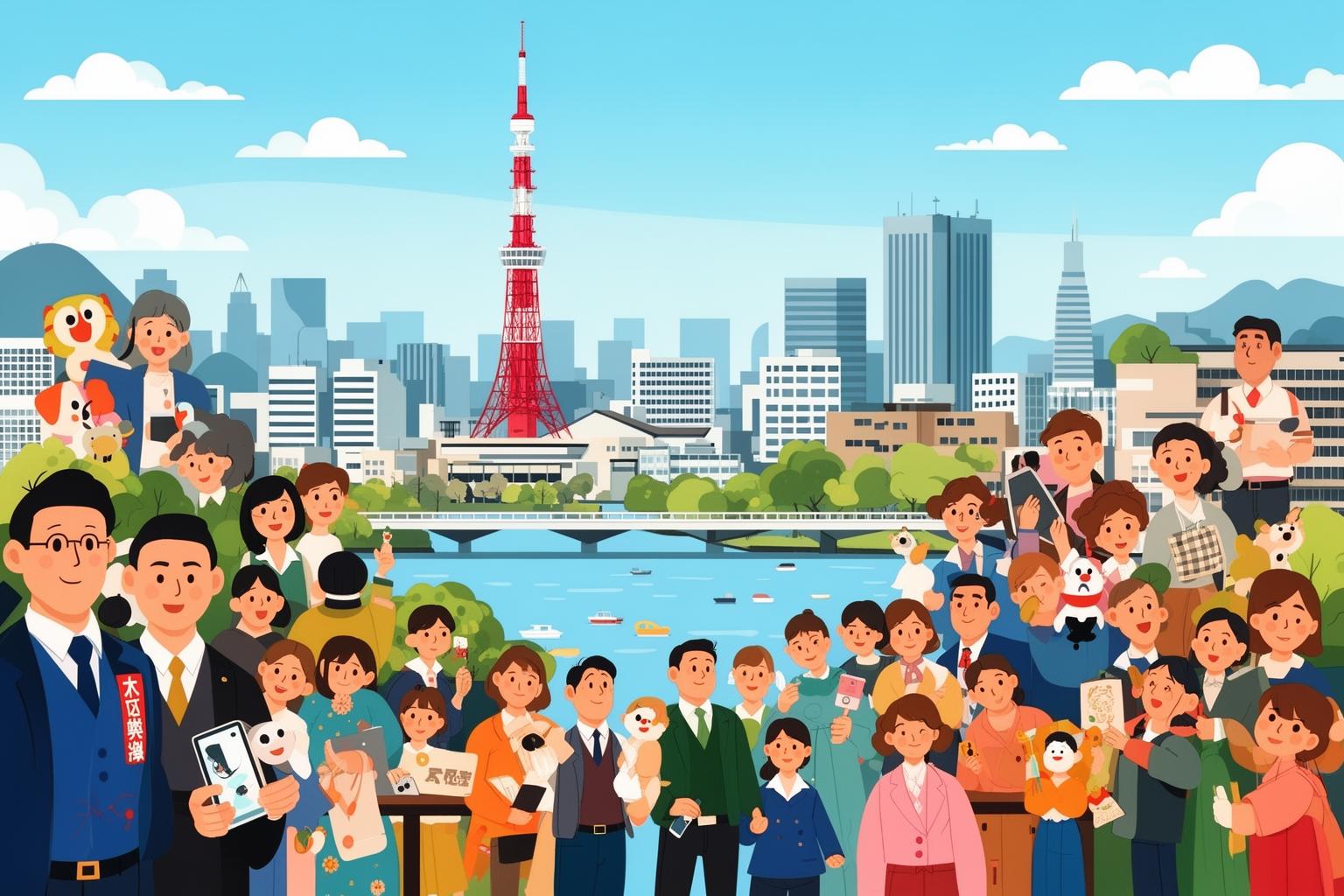
So, what exactly is this organization you’ve suddenly joined? A chonaikai, or neighborhood association, is a hyper-local, self-governing group. We’re not talking about city-level or even ward-level governance—think much smaller. Much, much smaller. It covers just a few blocks around your apartment, a community of perhaps a hundred households forming a tiny, self-sufficient social ecosystem. This isn’t the city government, nor is it your building management company, although they often cooperate. This is a grassroots collective of your actual neighbors, deeply rooted in Japan’s history.
More Than Just a Landlord’s Fee
While the chonaikai concept was formalized in the early 20th century, its spirit originates from a much older tradition of village life. Before modern infrastructure and emergency services existed, communities depended on themselves. Neighbors united for fire prevention, organizing bucket brigades. They worked together to maintain local roads and shrines. They held festivals to pray for good harvests and strengthen community bonds. This spirit of mutual aid and shared responsibility for the immediate environment forms the foundation of the chonaikai. It’s a system based on the idea that a safe, clean, and pleasant neighborhood doesn’t occur by chance; it results from collective, organized effort. Although its functions have modernized today, its core principle endures. The chonaikai drives local life, managing tasks too small for city government yet too communal for any single individual. They oversee local garbage collection points, organize safety patrols for children walking home, maintain the small neighborhood park, replace bulbs in community streetlights, and coordinate the annual summer festival that brings everyone together.
The Osaka Flavor: Community Over Anonymity
These associations exist throughout Japan, including Tokyo, but the intensity and significance of the chonaikai often feel different in Osaka. In many newer, more transient parts of central Tokyo, dominated by massive apartment towers, the chonaikai tends to be a background presence—mostly a formality managed by building administration with residents only responsible for paying a fee. The city’s vast scale and anonymity can weaken the sense of local connection. In Osaka, especially in its sprawling residential neighborhoods filled with single-family homes and low-rise apartments, the chonaikai is front and center. It’s the city’s social heartbeat. Osaka’s culture has always valued a strong local identity and a pragmatic “we’re all in this together” spirit. There’s genuine pride in one’s neighborhood and a clear sense of belonging to this particular cluster of streets. This isn’t merely about being friendly and outgoing, though Osaka residents certainly are. It’s a friendliness born from shared space and shared responsibilities. Your neighbor isn’t just someone who accidentally receives your mail; they’re the person you coordinate with about your turn to clean the gomi station or who might drop by with the community newsletter. This expectation of participation weaves a tighter social fabric, for better or worse. Anonymity is a luxury neither always afforded nor desired in a traditional Osaka neighborhood.
The ‘Chonaikai-hi’: Breaking Down the Neighborhood Association Fee
Let’s get practical. You notice a charge of a few hundred or a couple thousand yen on your monthly expenses. Where does that money actually go? It doesn’t disappear into some bureaucratic void. The chonaikai-hi is essentially a hyper-local community tax with visible daily results. It’s crowdfunding the micro-services that make your immediate environment livable and pleasant.
What Are You Actually Paying For?
Think of the chonaikai budget as a collection of small but vital expenses. Part of your fee might cover the electricity bill for the dozen or so streetlights on your block—lights the city doesn’t pay for but that make you feel safer walking home at night. It funds a new net for the garbage collection point to keep clever Osaka crows from tearing open the bags. It pays for drinks and snacks for the kids at the annual summer matsuri and helps rent the taiko drums. When an elderly resident who has lived on the street for sixty years passes away, a small portion goes toward condolence money as a sign of community solidarity. It covers printing costs for the neighborhood newsletter and the paper for notices posted on the local bulletin board. It may also be used to buy supplies for the annual neighborhood cleanup day—things like trash bags, work gloves, and tea for volunteers. Essentially, you’re paying for the upkeep of the shared social and physical space right outside your door. It’s a subscription for a functioning micro-community.
Is It Mandatory? The Unspoken Rule.
This is where things get complicated, and cultural understanding is key. Legally, in most cases, joining the chonaikai and paying the fee is voluntary. You have the right to refuse. But the social reality is much more nuanced. Opting out is not just a financial choice; it’s a social statement. From the perspective of neighbors who have likely contributed their whole lives, refusing to pay can be seen as selfish. The logic is straightforward and, in its own way, brutally fair: you enjoy clean streets, a safe environment, and community events, so why shouldn’t you help fund them? Choosing not to pay can label you as someone who isn’t a team player, someone who wants community benefits without sharing responsibility. This can lead to a subtle social isolation. No one will be openly hostile, but you may find yourself excluded. Greetings from neighbors may become less warm. You might miss out on important local news. There are stories—perhaps exaggerated but telling—of people who refused to pay having difficulty with proper garbage collection, as the chonaikai members overseeing the station might not “recognize” the bags from non-contributing households. While legally you can decline, the unspoken rule in most Osaka neighborhoods is that you say yes. It’s the price of admission for a harmonious life.
Beyond the Fee: The Labyrinth of Community-Specific Rules
Paying the fee is only the beginning. True immersion in the chonaikai world comes from navigating the intricate web of unwritten rules and shared responsibilities that shape daily life. These customs and practices won’t be found in any rental contract but are essential for getting along. It is in these small details of everyday routines that the genuine character of neighborhood living in Osaka is revealed.
The Gospel of Garbage: The Gomi Station Rules
In Osaka, garbage is not a private affair but a public performance, with the chonaikai as its director. The rules governing the ‘gomi station’—the designated corner spot with nets and cages—are sacred. This goes well beyond simply separating plastics from burnables. Timing is crucial. Although burnable garbage days might be Monday and Thursday, bags cannot be put out the night before. They must be placed between, say, 7:00 AM and 8:30 AM on the designated morning. Too early is an eyesore; too late means missing the truck and having to take your trash back home in embarrassment. Presentation matters, too. Garbage must be placed in city-approved semi-transparent bags, so your sorting efforts (or oversights) are visible to all. Bags must be neatly tied and carefully set within the designated area. Then there is the ‘gomi toban’ system—a rotating duty managed by the chonaikai assigning one household each week to oversee the gomi station. Their role is to unlock the cage in the morning, keep the area tidy, and courteously point out any sorting errors to neighbors. Bags sorted incorrectly may be left behind by collectors with a bright red “sticker of shame” detailing the offense. In some traditional neighborhoods, a particularly serious violation may lead to the gomi toban opening the bag to identify the offending item and returning it to the doorstep of the culprit. This is a powerful, non-confrontational, and highly effective way to maintain communal standards. This system sharply contrasts with the convenience of modern high-rises in Umeda or central Tokyo, where residents dispose of trash anonymously any time in a 24/7 garbage room. In a typical Osaka neighborhood, you are not merely a consumer of a service but an active—and judged—participant in a community ritual.
The Sound of Silence (and Children): Noise and Neighborhood Norms
Living in close quarters, common in Osaka, means sound travels easily. The chonaikai and its unwritten rules act as the community’s volume control. While there are no official laws about laundry times, there is a strong shared understanding that running a noisy washing machine at 6 AM or 11 PM is a serious breach of etiquette. Similarly, children playing outside are seen as a sign of a healthy neighborhood, but there’s an unspoken curfew around sundown when loud games are expected to move indoors. If hosting a party, the polite thing to do is to inform your immediate neighbors beforehand, perhaps even bringing a small gift as an apology in advance for potential noise. These aren’t rules you’ll be fined for breaking, but ignoring them erodes your social capital. The community depends on this mutual consideration to maintain peace. When disputes arise, the chonaikai leader often acts as the initial informal mediator—a respected elder who helps smooth things over before issues escalate into formal complaints.
The ‘Kairanban’: Your Analog Neighborhood Newsfeed
Despite the age of instant digital communication, many Osaka neighborhoods still use a decidedly analog tool: the ‘kairanban’. This is a clipboard, often protected in a plastic sleeve, passed from house to house containing community notices—information about upcoming festival schedules, police warnings about recent bicycle thefts, dates for neighborhood cleanups, or pest control spraying in the local park. Each household reads the notices, stamps their ‘hanko’ (personal seal) or signs a designated box as proof of having seen them, and then delivers it to the next house on the list. The kairanban is a physical symbol of the community network. Receiving it is a reminder that you are part of a chain. Forgetting to pass it on or letting it sit for a week is a serious social faux pas, disrupting the flow of information for everyone. For a foreigner, successfully participating in the kairanban circuit is a small but meaningful rite of passage, signaling understanding and respect for local customs.
Festivals, Fire Drills, and Forced Fun
Your chonaikai fee helps fund community events, but often your physical presence is expected. Participation matters. This might mean helping set up food stalls and paper lanterns for the summer festival, attending the mandatory annual disaster preparedness drill where you practice using a fire extinguisher and check evacuation routes, or showing up for the ‘chiiki seiso’, the annual or semi-annual neighborhood cleanup day. Usually held on a Sunday morning, residents come out with brooms and dustpans for an hour or two to sweep streets, pull weeds from gutters, and tidy the local park. Skipping this without a good reason is noticed. The act is less about actual cleaning—the streets are generally already clean—and more about the performance of community. It’s about showing your face, demonstrating care for the shared space, and reinforcing bonds with neighbors. This spirit of shared duty and collective effort is at the heart of Osaka’s famed friendliness.
Navigating the Chonaikai as a Foreigner: A Survival Guide
For a non-Japanese resident, the world of the chonaikai can seem intimidating. It’s a system rooted in unspoken assumptions and long-established traditions. However, with the right attitude, it can become an amazing way to connect with your local community and experience a side of Japan that most tourists and short-term visitors rarely encounter.
To Join or Not to Join? Making the Right Decision.
Before signing a lease, your first step should be to gain a clear understanding of the situation. The role of the chonaikai varies greatly depending on the type of building and neighborhood. If you’re considering a sleek, new high-rise tower apartment in Kita or Chuo ward, the chonaikai might be insignificant, with an optional fee managed impersonally by the building management. On the other hand, if you’re renting a single-family house (‘ikkodate’) or an apartment in a low-rise building in a traditional residential area like Abeno, Sumiyoshi, or anywhere in the eastern suburbs, joining is usually strongly expected. Ask your real estate agent directly and specifically: “What is the chonaikai fee? Is participation mandatory? What are the typical responsibilities, such as gomi toban?” A well-informed, local agent will recognize the importance of this question and provide a straightforward answer. This information is just as essential as the rent and proximity to the station when deciding if an apartment suits you.
The Importance of ‘Aisatsu’ (Greetings)
If you decide to live in a neighborhood with a strong chonaikai, your most powerful tool is ‘aisatsu,’ or greetings. This cannot be emphasized enough. Regularly offering a cheerful “Ohayo gozaimasu” (Good morning) to the elderly man sweeping his store, a “Konnichiwa” (Good afternoon) to the mother walking her children home, or simply nodding and smiling at anyone you make eye contact with is more than just basic politeness. It acts as social glue and a kind of social currency. In a close-knit community where everyone knows one another, being the foreigner who actively greets others shows respect and a desire to be part of the local fabric. It makes you a familiar, friendly face. This simple habit can generate a large reservoir of goodwill, which can be invaluable if you ever make a mistake, like putting out the wrong garbage on the wrong day. A neighbor is much more likely to gently correct a friendly foreigner who always says hello than an anonymous stranger who stays distant.
When in Doubt, Participate (But Just a Little)
You don’t need to become the chonaikai president to be a good neighbor. The key is to participate visibly, but occasionally. You don’t have to spend all your weekends volunteering, but making an effort to show up at important events makes a big difference. Join the neighborhood cleanup day, even if only for 30 minutes. Attend the summer festival for an hour and purchase some takoyaki from the chonaikai-run stall. If there’s a community meeting, drop in briefly just to show your face. These small actions signal that you care about the community. They are noticed and highly valued. In Western cultures that often emphasize privacy and independence, such communal expectations can feel intrusive. But in residential Osaka, visible involvement, even in small amounts, is appreciated much more than quiet, flawless, and invisible rule-following. It demonstrates that you are part of the team.
The Chonaikai is Osaka in a Nutshell
Ultimately, the chonaikai system serves as a microcosm of Osaka itself. It is pragmatic, deeply rooted in the local community, somewhat nosy, and founded on an unwavering sense of mutual responsibility. It represents the continuous, delicate balance between individual needs and group harmony, a drama unfolding in daily life—whether at the garbage station, along the kairanban route, or beneath the paper lanterns of the summer festival. This system helps to explain the paradox of Osaka: a sprawling, modern metropolis that often feels like a network of small, interconnected villages. It is why the city can seem so warmly inclusive once you are accepted, because community is not just an abstract idea; it is a collective endeavor. However, it also clarifies why the city can feel demanding and enigmatic if you are unprepared for the social obligations tied to your address. So, when you’re considering that apartment, look beyond the four walls. Think about the unspoken rules and invisible ties of the chonaikai. Understanding this system is not merely about avoiding fines or disapproving glances from neighbors; it is about grasping the real social contract of living in Osaka—a city where your neighborhood is your world, and your neighbors are the people who keep it thriving.