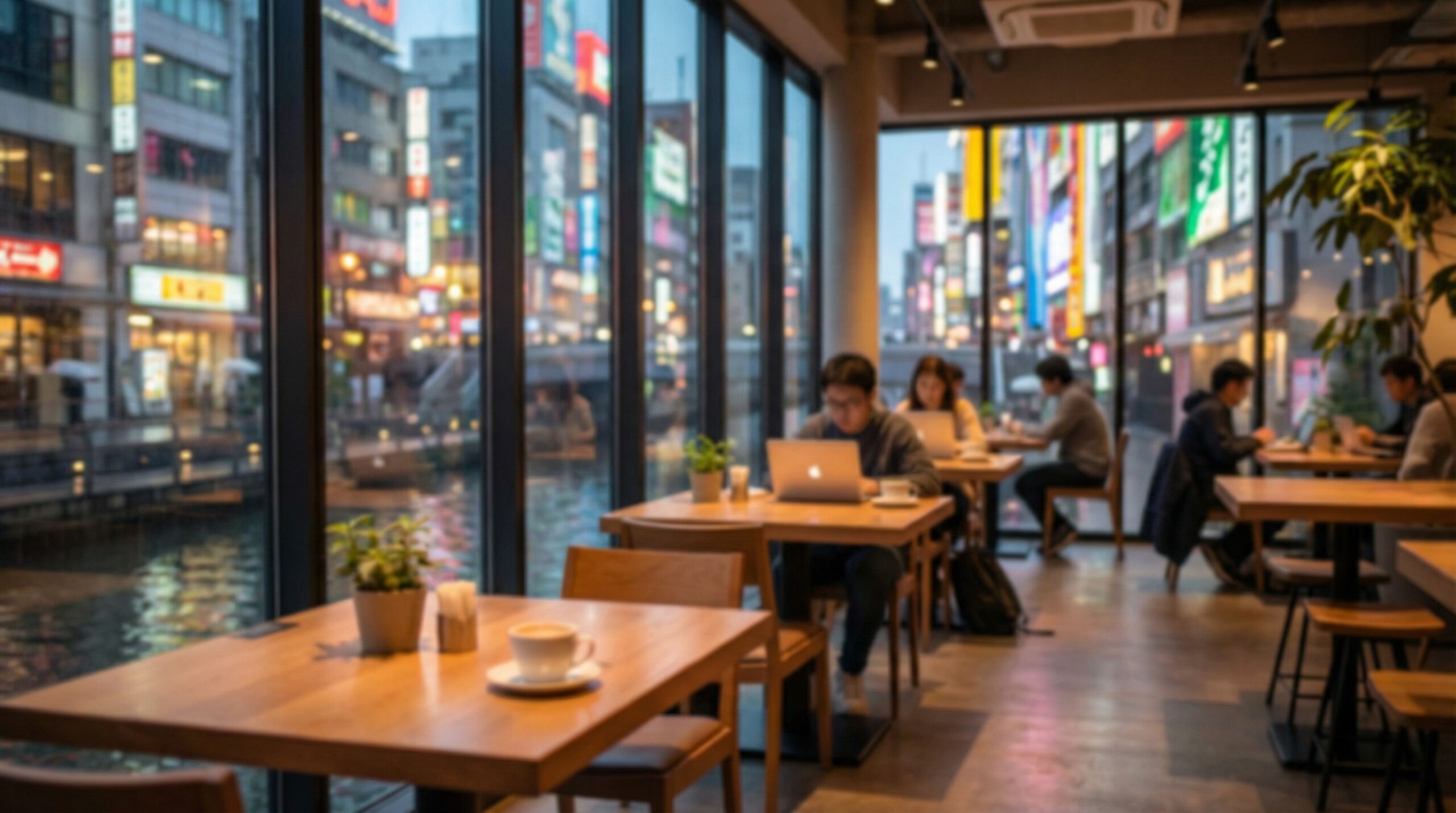
Osaka’s Dotonbori district is a symphony of sensory overload, a place where neon dragons curl around building facades and the scent of grilled takoyaki hangs heavy in the air. It’s the vibrant, beating heart of a city that has always prided itself on its exuberance, its commerce, and its unyielding appetite for life. The iconic Glico Running Man sprints endlessly across his digital finish line, a silent testament to Osaka’s forward momentum, while below, the canal reflects a dizzying kaleidoscope of light and motion. As a researcher, I often find myself drawn to this kinetic energy, a modern echo of the merchant culture that has defined this city for centuries. Yet, in this age of digital connection and remote work, there exists a fundamental paradox: how does one find a moment of productive tranquility amidst such glorious, beautiful chaos? The modern professional, the student, the creative soul—we all need a sanctuary, a place to plug in, focus, and channel the city’s energy into our own projects. This is a guide for those of you seeking that very thing. We will journey together through the electric laneways and towering buildings surrounding Dotonbori to uncover the best havens for work and wonder, cafes that offer not just the essential trinity of Wi-Fi, power, and excellent coffee, but also a unique atmosphere that can only be found here, in the soul of Osaka.
To fully immerse yourself in the district’s vibrant energy before finding your quiet corner, consider exploring the legendary street food and neon-lit nights of Dotonbori.
The Modern Forum: Starbucks Coffee at Tsutaya Ebisubashi
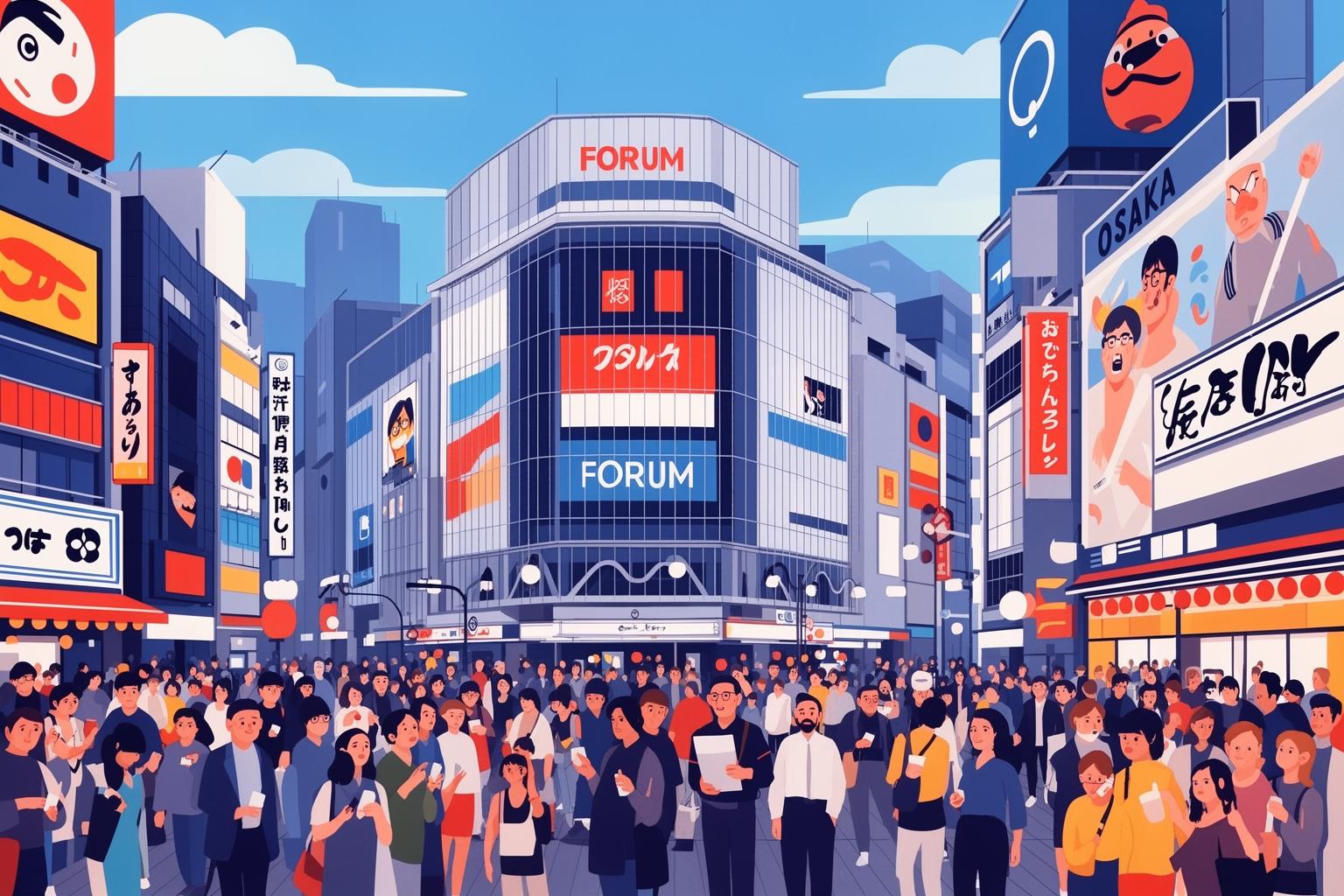
Dominating the iconic Ebisubashi bridge—the bustling crossing that serves as Dotonbori’s main stage—is a familiar green siren logo; yet, this is no ordinary Starbucks. The Tsutaya Ebisubashi branch stands as an institution, a multi-story cathedral devoted to books, music, and coffee culture. Entering here means ascending from the vibrant street-level hustle into a different kind of energy—the quiet hum of focused minds, turning pages, and the steady hiss of espresso machines. The ambiance is one of dynamic concentration. Tourists, students, and local professionals all converge here, forming a microcosm of modern urban Japan. While the ground floor buzzes with activity, the mood shifts as you ascend the escalators. The higher you go, the more tranquil the setting becomes, with floors dedicated to various book genres and media, each offering unique, cozy corners to settle into.
What makes this Starbucks a premier choice for remote work is its unrivaled view. Securing a seat at the long counter overlooking the Dotonbori canal feels like striking gold. From this vantage, you get a front-row view of the city’s grand performance: tourist boats glide by with passengers waving, and the ever-changing Glico sign facade shifts from day to night. This visual link to the city’s heartbeat is deeply inspiring, serving as a reminder of the vibrant world beyond your laptop. It wards off the isolation that can accompany intense focus, instead cultivating a sense of connection to something greater. Inside, the design is smart and practical, featuring a blend of solo counters, cozy armchairs, and small tables. The aroma is a comforting mix of roasted coffee and the crisp, clean scent of new books—a fragrance that, for many, symbolizes concentration and creativity.
From a practical perspective, this Starbucks is exceptionally well-equipped. Power outlets abound, especially along the window-facing counters and designated work areas on the upper levels, so outlet hunting is rarely an issue. The Wi-Fi is reliable and free, as is standard for the chain, easily supporting video calls and heavy data use. Thanks to its prime location, the café is almost always busy. To snag one of those prized window seats, it’s best to arrive early in the morning when the city awakens or later in the evening after the dinner rush. The generous opening hours often extend late into the night, making it ideal for night owls or those working across time zones. To truly savor the experience, don’t stay glued to your screen. Take a break to stroll through the Tsutaya aisles. Pick up a magazine on Japanese design, a novel by a classic author, or a manga. This blend of bookstore and café echoes an older Japanese tradition—the kissaten, classic coffee shops that once served as hubs of intellectual and artistic life. While Starbucks symbolizes global coffee culture, this particular branch, through its partnership with Tsutaya, creates a distinctively Japanese space for public thought and private work.
The Subterranean Retreat: Ueshima Coffee Lounge in Namba Walk
To reach our next destination, we must leave behind the neon-lit sky and descend into the vast underground city known as Namba Walk. This subterranean maze of shops and eateries is a world unto itself, serving as a crucial link between the main train and subway stations in the Namba district. Amid the bright, modern storefronts and the steady stream of commuters lies a tranquil haven that feels like stepping back in time: the Ueshima Coffee Lounge. Discovering it is part of the journey—a purposeful detour from the obvious into the refined. The moment you step inside, the arcade’s ambient noise fades away, replaced by the gentle clinking of ceramic cups and the rich, deep aroma ofネルドリップ, or flannel drip coffee.
The interior exudes mature sophistication. Dark wood paneling, polished brass fixtures, and plush seating in deep red and brown tones create a warm, inviting atmosphere. It sharply contrasts with the minimalist, brightly lit style common to many modern cafés. Ueshima feels more like an intimate lounge or a classic hotel lobby bar from the Showa era. It attracts a somewhat older, discerning crowd—those who come not merely for caffeine and Wi-Fi, but for the ritual and quality of the coffee itself. This fosters a quiet, respectful space highly conducive to focused work. Loud conversations or jarring pop music are absent, leaving only a soft murmur and the delicate sounds of coffee being carefully prepared. It is a place for deep reading, writing, and thoughtful reflection.
Ueshima Coffee’s commitment to craftsmanship stands as its hallmark. Their signature flannel drip method is a slow, meticulous process producing coffee that is remarkably smooth, full-bodied, and low in acidity. Watching the baristas at work offers a lesson in Japanese precision and dedication. For first-time visitors, I highly recommend their famed 黒糖ミルク珈琲 (Kokuto Milk Coffee), a sublime blend of rich coffee with brown sugar and milk, served in a beautifully chilled copper mug that feels substantial in your hands. It is an experience as much as a drink. Regarding amenities for remote workers, Ueshima is well-equipped. Power outlets are available at many counter seats and along the walls, and the Wi-Fi is stable enough for most work tasks. However, an unspoken rule of respect applies here: while long stays are generally tolerated, it is good etiquette to order more than just a single coffee if you plan to occupy a seat for several hours, perhaps a slice of their delicious cake or a sandwich. This café embodies the spirit of kodawari, the Japanese concept of a relentless, almost obsessive pursuit of perfection in one’s craft. Ueshima doesn’t just serve coffee; it represents a philosophy of how coffee should be made and savored. For the digital nomad seeking a space that values quality and tranquility over speed and volume, this underground lounge offers the perfect sanctuary.
The Industrial Sanctuary: Brooklyn Roasting Company Namba
Just a short, invigorating walk south from the main Dotonbori strip, situated on the edge of the stylish Namba Parks complex, you’ll discover a slice of New York’s creative spirit flourishing in the heart of Osaka. The Brooklyn Roasting Company exemplifies the city’s growing global palate and its embrace of third-wave coffee culture. The first thing that stands out is the expansive sense of space. In a city where real estate is scarce and cafes often feel cramped, this venue is a spacious, industrial-chic sanctuary. Soaring ceilings, exposed concrete walls, and large windows that flood the interior with natural light create an atmosphere that is both energizing and relaxed. The air is rich with the amazing aroma of coffee beans roasted on-site, a constant, delightful reminder of the freshness and quality of their product.
The layout is crafted for both socializing and solo work. Large, communal wooden tables serve as the room’s centerpiece, encouraging collaboration and providing plenty of space to spread out with a laptop, notebooks, and reference materials. This is a definite advantage for anyone working on projects that need more than just a screen. Smaller tables and counter seats offer more private seating options. The clientele is a lively mix of local creatives, international residents, and coffee lovers attracted by the roastery’s reputation. The background music is often a carefully chosen blend of indie or jazz, loud enough to create a buzz but not intrusive. It feels less like a traditional Japanese cafe and more like a creative studio or community hub, a place where ideas are brewed alongside the coffee.
Brooklyn Roasting Company’s focus is firmly on the bean itself. Their menu frequently features a rotating selection of single-origin coffees, and the staff are knowledgeable and passionate, eager to discuss the flavor profiles and origins of their brews. This is a place to broaden your coffee experience beyond the usual latte or cappuccino. From a practical perspective, it’s a remote worker’s paradise. Power outlets are thoughtfully placed throughout, with power strips running down the center of the large communal tables, ensuring you’re always close to a plug. The Wi-Fi is reliable and free, easily supporting a full house of connected customers. While it can get busy, especially on weekends, the generous size usually makes finding a spot manageable. Its location, just a bit removed from the central tourist rush of Dotonbori, means the foot traffic is largely local and less chaotic. This café embodies the modern face of Osaka—a city confidently absorbing global trends and reinterpreting them with its own unique style. It’s the ideal workspace for those who thrive in a dynamic, creative, and spacious environment, offering a direct connection to the global pulse of contemporary urban culture while being firmly rooted in the vibrant Namba district.
The Neighborhood Nook: Millwood Cafe in Shinsaibashi
Heading just north of the Dotonbori canal, we enter the expansive, covered shopping arcade of Shinsaibashi-suji. While this main street bustles with shoppers, the true charm of the area lies in the quieter side alleys that extend from it. Nestled in one of these less-frequented lanes is Millwood Cafe, a perfect example of an independent, neighborhood treasure that provides a refreshing escape from the overwhelming commercialism nearby. This is not a place you happen upon by chance; it’s a spot you seek out for its distinctive character and cozy ambiance. Millwood Cafe is smaller, more intimate, and imbued with the personality of its owners. The decor is eclectic and inviting, featuring wooden furniture, soft lighting, and perhaps some quirky artwork on the walls. It feels less like a business and more like an extension of someone’s living room.
The atmosphere here exudes genuine, unpretentious hospitality. The staff are welcoming and the service feels personal. It’s the kind of place where, after a few visits, you might be greeted by name. This fosters a comforting and stable environment for working, sharply contrasting with the impersonal vibe of larger chain cafes. The clientele mainly consists of local residents and area workers, contributing to a quiet, focused ambiance during weekdays. It’s a place where you can truly connect to the local community, observing the neighborhood’s daily rhythms from the comfort of your seat. The sounds here are softer—the gentle murmur of conversation, the careful preparation of food and drinks, and a thoughtfully selected, unobtrusive soundtrack.
While independent cafes can sometimes be uncertain in terms of remote work facilities, Millwood Cafe is well-regarded for being laptop-friendly. They provide reliable free Wi-Fi and offer a good number of seats equipped with power outlets. As with any smaller venue, it’s wise to be a considerate customer. Plan to order more than just coffee—perhaps one of their excellent homemade cakes or a light lunch if you intend to stay for a while. This simple gesture supports a local business and helps ensure these valuable community spaces continue to thrive. Discovering a place like Millwood is about more than just finding a place to work for the day. It’s about engaging with the city on a more personal level. In Japanese culture, there is a deep respect for the small, dedicated businesses that form the heart of a neighborhood. These spots are not merely commercial enterprises; they are social hubs, places of comfort, and expressions of their owners’ passion. For the remote worker wanting to escape the tourist crowds and find a quiet, soulful corner to be productive, Millwood Cafe offers a truly authentic Osaka experience.
Beyond the Bean: Alternative Workspaces in the Dotonbori Area
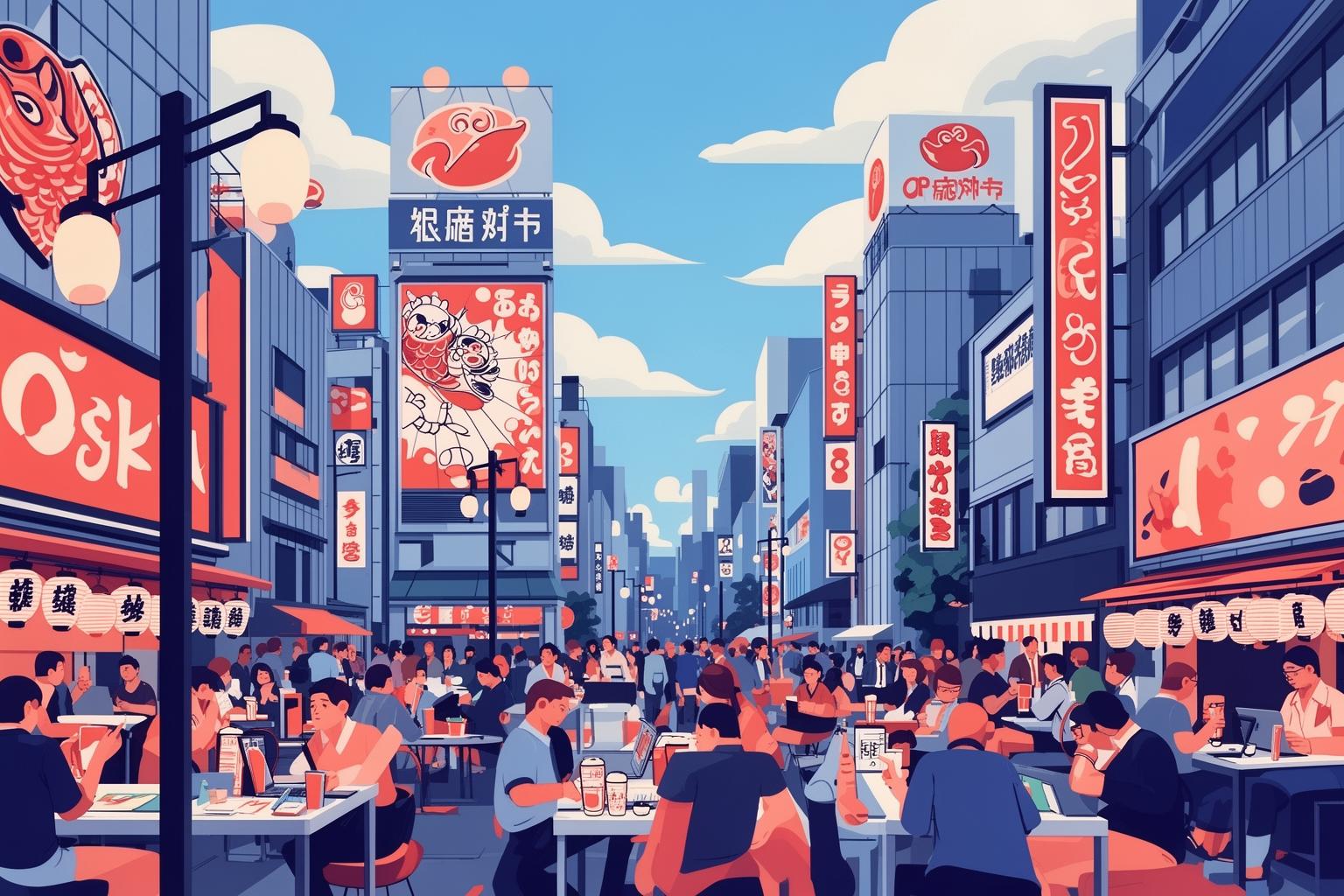
While cafes remain the classic choice for remote work sessions, Osaka’s diverse urban landscape presents several other excellent options, especially for those with different needs or seeking a change of environment. Exploring these alternatives can enhance productivity and provide a richer understanding of everyday life in Japan.
First, consider the Japanese family restaurant, or famiresu. Chains like Gusto, Saizeriya, and Jonathan’s are found throughout the city, many operating 24 hours a day. Although they may lack the artisanal coffee and curated ambiance of specialty cafes, they offer a remarkable blend of convenience and practicality. For the price of a meal, or better yet, the popular “drink bar”—a self-serve, all-you-can-drink station offering coffee, tea, and soft drinks for a low flat fee—you can secure a comfortable booth for several hours. Most famiresu provide free Wi-Fi, and many booths have power outlets. The key to working effectively in a famiresu is etiquette: avoid peak lunch (12:00-14:00) and dinner (18:00-20:00) times when families and groups are queuing for tables. During the quieter mid-afternoon or late-night hours, students and professionals often make the most of these spaces for studying and work. This represents a uniquely Japanese answer to the need for an affordable, comfortable third space.
A more professional, dedicated option is a co-working space. Areas around Namba and Dotonbori have seen growth in such facilities, catering to freelancers, entrepreneurs, and remote workers. Locations like The DECK in Sakai-suji Hommachi or On the in Shinsaibashi offer day passes that include high-speed internet, guaranteed power outlets, ergonomic seating, quiet zones, and often complimentary drinks. While more expensive than a cup of coffee, these spaces provide a structured, business-focused environment ideal for intense focus, important video calls, or networking opportunities. They are a worthwhile investment when a project demands your full, uninterrupted attention.
Lastly, for a truly unique and effective work session, consider the manga cafe or internet cafe. These 24-hour venues, such as Media Cafe Popeye or Kaikatsu Club, are a distinctive part of Japanese urban culture. For an hourly fee, you gain access to a private or semi-private booth typically equipped with a high-performance computer, a comfortable reclining chair, fast internet, and power. Many also offer drink bars and extensive manga libraries. Although primarily designed for entertainment, these spaces are exceptionally suited for focused, distraction-free work. The privacy of a booth is perfect for tasks requiring deep concentration or for taking calls without disturbing others. They provide a level of isolation and utility that traditional cafes can’t match, making them an excellent, albeit unconventional, choice for serious digital nomads.
A Concluding Thought
The vibrant, electrifying energy of Dotonbori doesn’t have to be a distraction. It can instead serve as the very pulse that drives your work, providing a dynamic backdrop to your daily routine. Osaka is a city shaped by the harmonious blend of old and new, the lively and the tranquil. Within this remarkable urban mosaic, there is an ideal space for every kind of worker and every type of task. Whether you find your flow while gazing over the canal from a global coffee hub, in the quiet elegance of a subterranean lounge, amidst the creative buzz of an industrial roastery, or nestled in a cozy neighborhood corner, you are part of the city’s ongoing story. The quest for a great workspace is, in itself, an adventure. So go forth, with your laptop in your bag and curiosity in your heart. Let the rhythm of Osaka lead you, and you will surely discover your perfect digital oasis—a place where you can not only work but genuinely connect with the soul of this extraordinary city.