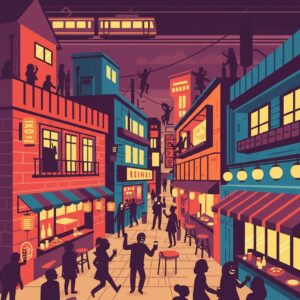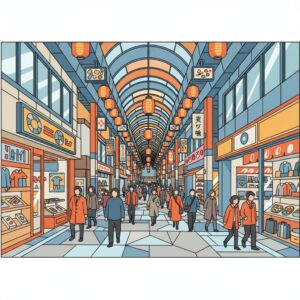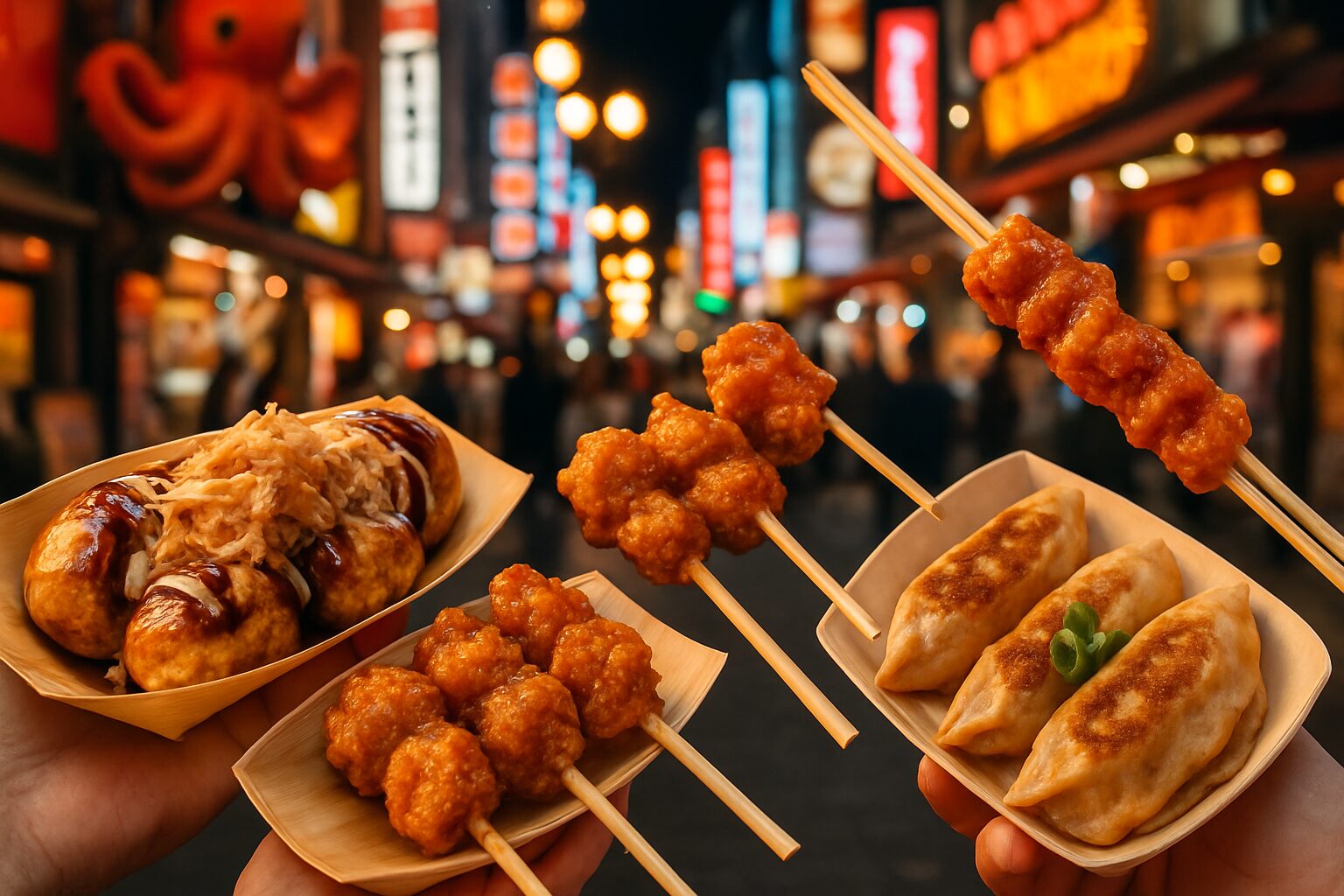
Welcome, friend, to the electric, chaotic, and unbelievably delicious heart of Osaka. You’re standing on the precipice of Dotonbori, a place that isn’t just a tourist destination; it’s a living, breathing testament to a city’s love affair with food. Imagine a canal flanked by towering buildings, each one plastered with gargantuan, pulsating neon signs. A giant mechanical crab waves its claws, a super-sized octopus glares down from a storefront, and the legendary Glico Running Man perpetually sprints towards a finish line he never reaches. The air is thick with a symphony of smells—the savory scent of grilling meat, the sweet aroma of baking batter, the rich, complex fragrance of soy and dashi broth. This is the sensory overload you came for. In Osaka, there’s a sacred philosophy known as kuidaore, which translates, with glorious abandon, to ‘eat until you drop.’ It’s not about gluttony; it’s about a passionate, joyful pursuit of culinary excellence, spending your last yen on a perfect bite. And Dotonbori is the grand cathedral of this delicious religion. This guide is your key, your map, your invitation to unlock the flavors that define Osaka and to truly understand what it means to dive headfirst into the culture of kuidaore. Prepare your senses, bring an empty stomach, and let’s begin our journey down the rabbit hole of flavor that is Dotonbori.
After indulging in Dotonbori’s street food, you might want to find a quieter spot to work, which you can discover in our guide to trendy work-friendly cafes in Osaka’s Horie district.
The Electric Heartbeat of Osaka: What is Dotonbori?

To truly grasp Dotonbori’s cuisine, you must first grasp its spirit. This district is the vibrant, unapologetically loud, and endlessly entertaining heart of Osaka’s Minami (South) area. It comes alive when the sun sets, shifting from a busy shopping and entertainment zone into a dazzling neon spectacle. The colossal signs reflect and shimmer on the Dotonbori Canal’s surface, creating a scene reminiscent of a futuristic movie. The energy is palpable, a steady pulse fueled by thousands—locals seeking fun and tourists from around the world—all drawn by the same magnetic allure. Its history is as rich as its flavors. Developed in the early 1600s by local entrepreneur Yasui Doton, who aimed to expand the Umezu River into a new commercial waterway, the project was completed by his cousins after he fell in battle. The canal was named Dotonbori—Doton’s Canal—in his honor. Later, the local government designated Dotonbori as the city’s official entertainment district. Theaters for kabuki and bunraku puppet shows sprang up along its banks, and with entertainment came the demand for food. Teahouses and small eateries appeared, catering to theatergoers and planting the culinary seeds that flourish today. That theatrical spirit remains. The giant three-dimensional signs, called kanban, are a modern extension of that showmanship. The enormous Kani Doraku crab, with its mechanical moving legs, has been a landmark since the 1960s. The Zuboraya fugu lantern (pufferfish) and the giant gyoza of Osaka Ohsho are all part of the spectacle. Towering above them is the Glico Running Man, an ad for a candy company that has become Osaka’s iconic symbol—a meeting spot and backdrop for countless victory celebrations and selfies. Walking through Dotonbori is like entering a festival that never ends. The soundscape combines J-pop blasting from storefronts, the sizzle of hot griddles, the rhythmic clatter of spatulas, and cheerful shouts from vendors tempting you with promises of the city’s best takoyaki. It is a place of pure, unfiltered joy, where every corner holds a new discovery and every bite tells a story.
Kuidaore Culture: The Soul of Osaka’s Cuisine
Before exploring the specific dishes, it is crucial to understand the philosophy at the heart of every food stall and restaurant in Dotonbori: kuidaore. This is more than just a catchy slogan; it represents a way of life. While Tokyo is celebrated for its refined, Michelin-starred cuisine, Osaka prides itself as Japan’s kitchen (tenka no daidokoro), a place where food is plentiful, accessible, and enjoyed with lively enthusiasm. The term kuidaore originated in the Edo period and reflects the character of Osaka’s people—historically defined by their merchant class. Whereas the samurai of Edo (now Tokyo) might have spent their wealth on kimonos and weaponry, Osaka’s merchants invested their riches in culinary indulgence. They were discerning patrons who demanded quality ingredients and delicious flavors at fair prices, creating a competitive food culture where only the best endured. This tradition lives on today. Kuidaore is about more than quantity; it embodies a profound appreciation for food, a spirit of culinary adventure, and the social connection forged when people share a great meal. It is the quest for the ultimate flavor, whether from a humble street vendor or a long-established restaurant. In Dotonbori, kuidaore comes alive everywhere—from office workers enjoying a quick kushikatsu and beer after work, to families sharing okonomiyaki, to wide-eyed tourists deciding which of the many tempting choices to try next. Osaka’s food, especially its street food, is often classified as konamon—flour-based dishes. This group includes the city’s most famous culinary exports: takoyaki, okonomiyaki, and kushikatsu (with batter as the flour element). These hearty, savory, and affordable dishes provide perfect sustenance for a city always on the move. They form the foundation of Dotonbori’s food culture, the sacred trio every visitor must experience to truly grasp Osaka’s soul.
The Holy Trinity of Osaka Street Food: Takoyaki, Okonomiyaki, and Kushikatsu
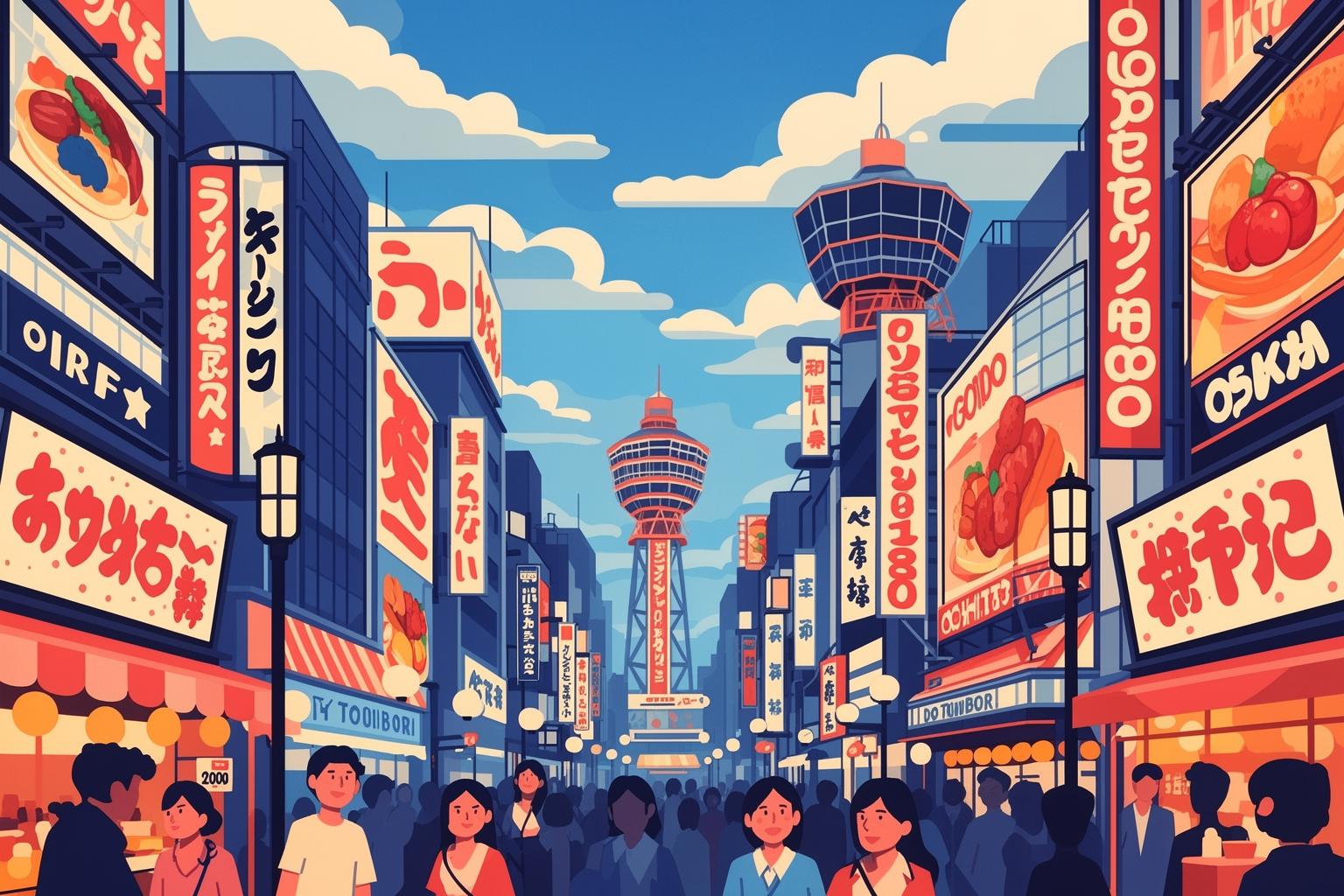
While Dotonbori presents an endless culinary landscape, your journey must start with these three giants. They are not just food; they are cultural landmarks, each with its own traditions, history, and devoted followers. Tasting them here, at their birthplace, is to connect with the very soul of Osaka.
Takoyaki: The Iconic Osaka Street Snack
If Osaka has a signature flavor, it is takoyaki. These charming, golf-ball-sized dumplings are the city’s favorite snack, and Dotonbori is a fierce battleground of takoyaki artisans competing for the crown. The name is straightforward: tako means octopus, and yaki means grilled or fried. But the end result is a masterpiece of texture and flavor. Watching the creation process is a captivating spectacle. Behind a glass window, rows of vendors stand over cast-iron pans embedded with hemispherical molds. With astonishing speed and skill, they pour a savory batter made from wheat flour and a rich dashi stock into each mold. Then, a piece of boiled octopus (tako), along with small bits of pickled red ginger (beni shoga), green onions, and crunchy tempura scraps (tenkasu), is dropped into the center. The real artistry comes next. Using two long metal picks, the vendor skillfully and rhythmically flips the half-cooked spheres, folding in the edges to create perfect balls. They spin and turn them continuously, ensuring a beautifully browned, slightly crisp exterior while the inside stays molten and creamy. The tapping sound of picks on the iron griddle is a distinctive rhythm of Dotonbori’s streets.
Once done, the takoyaki are served in paper trays shaped like boats, typically in portions of six or eight. But the journey doesn’t end there. Now for the toppings. A generous layer of sweet and savory dark takoyaki sauce—similar to Worcestershire sauce—is brushed on top. Next comes a crisscross drizzle of creamy Japanese mayonnaise. A sprinkle of green seaweed powder (aonori) adds a hint of oceanic flavor, and the finishing touch is a mound of delicate, paper-thin shavings of dried, smoked bonito fish (katsuobushi). The heat rising from the takoyaki makes these flakes twist and dance as if alive, adding a final theatrical touch. A word to first-timers: takoyaki is dangerously hot inside. Resist the urge to pop one whole in your mouth. The local method is to poke a hole at the top with your toothpick to let steam escape, then take a small, cautious bite. The experience is a textural delight: a slightly crisp outer shell yields to a molten, savory, lava-hot center, with the chewy octopus providing a delightful contrast.
In Dotonbori, the choices are plentiful. One of the most celebrated spots is Acchichi Honpo, situated right on the riverbank, just steps from the Glico Man sign. Their name means “Piping Hot Main Shop,” and they live up to it. Watching the masters work from the street is mesmerizing, and the small seating area lets you enjoy takoyaki while watching boats drift by. Their takoyaki is famed for its intensely flavorful dashi batter, making the inside almost soup-like. Another big name is Kukuru, marked by its giant winking octopus sign. Kukuru is well known for its bikkuri takoyaki or “surprise takoyaki,” featuring a large octopus tentacle poking out of the ball. Their batter is light and fluffy, and the octopus is top quality. For those seeking modern variations, Creo-ru is a must-see. Alongside traditional takoyaki, they offer inventive versions topped with soft-boiled egg and truffle oil, or negi-ponzu (green onions and citrus-soy sauce) for a fresher, tangier taste. Lines can be long, but waiting is part of the Dotonbori ritual—building anticipation as you watch the mesmerizing preparation and soak in the lively atmosphere.
Okonomiyaki: The Must-Try Savory Pancake
Next in this holy trinity is okonomiyaki, a dish whose name perfectly captures its essence: okonomi means “what you like,” and yaki means “grilled.” Often called a “Japanese savory pancake” or “Japanese pizza,” neither term fully conveys its uniqueness. It is a distinctly Osakan creation—hearty, comforting, and endlessly customizable. The base is a batter of flour, grated nagaimo (a mountain yam that adds incredible fluffiness), dashi, and eggs, mixed with loads of shredded cabbage. Into this base, you add your preferred ingredients—the “what you like” element. The classic choice is thin slices of pork belly, but popular alternatives include squid, shrimp, beef, or a combination called modan-yaki. Some venues even offer indulgent add-ons like cheese, mochi (rice cake), or kimchi. Enjoying okonomiyaki in Dotonbori varies—you can grab a quick slice from a street vendor, but for a full experience, visit a dedicated restaurant. Many feature tables with a large flat iron griddle, or teppan, built in. In some places, staff cook the okonomiyaki for you in a captivating performance with flashing spatulas and sizzling sounds. Elsewhere, you receive a bowl of raw ingredients to cook yourself, offering a fun and interactive experience, especially in groups. Once cooked, the pancake is slathered with thick, sweet-tangy okonomiyaki sauce, drizzled with Japanese mayo in a crisscross pattern, and finished with a sprinkle of aonori and a handful of dancing katsuobushi flakes, just like takoyaki.
Dotonbori houses some of Japan’s most legendary okonomiyaki spots. Perhaps the best known is Mizuno, a family-run institution since 1945, honored with a Michelin Bib Gourmand award. There’s almost always a line stretching down the street, proof of their excellence. Mizuno stands out by using yam flour instead of wheat flour in their signature yamaimo-yaki, producing an incredibly light, fluffy, and airy texture that melts in your mouth. Their fillings are premium grade, and sitting at the counter watching chefs work their magic on a massive griddle is an unforgettable experience. Another pillar of Dotonbori is Chibo, a larger, multi-story restaurant offering an extensive menu and a slightly more polished atmosphere. It’s known for its creative okonomiyaki, such as Dotonbori-yaki, loaded with pork, beef, squid, shrimp, and cheese. They also serve a fantastic modan-yaki variation, where fried noodles are pressed into the pancake, adding extra texture and flavor. Eating okonomiyaki is a deeply gratifying experience—a complete meal bursting with flavor and texture—and it perfectly reflects Osaka’s generous, down-to-earth spirit.
Kushikatsu: Deep-Fried Delights on a Stick
Completing the trio is kushikatsu, the ultimate Japanese bar food. The concept is elegantly simple: various ingredients—meats, seafood, and vegetables—are skewered on bamboo sticks (kushi), coated in a light panko crust (katsu), and deep-fried to golden perfection. Although Shinsekai district is often regarded as kushikatsu’s spiritual home, Dotonbori also boasts some of the most famous and accessible shops, making it a must-visit on your culinary tour. The joy of kushikatsu lies in its variety and the communal eating ritual. Seating yourself at the counter, you face a large stainless-steel communal tub filled with thin, dark, savory dipping sauce. This sauce is vital to the experience, governed by one inviolable rule: NO DOUBLE-DIPPING. You dip your skewer once, and only once, before taking your first bite. If you want more sauce, use the complimentary raw cabbage wedges at the counter to scoop it up and drizzle over your skewer. The cabbage also refreshes the palate between fried bites. This rule is rooted in hygiene and taken very seriously—breaking it is a grave faux pas. The menu can be overwhelming at first, featuring classics like pork (buta), beef (gyu), and chicken (tori), alongside adventurous options like quail eggs (uzura), lotus root (renkon), shiitake mushrooms, asparagus, cheese, shrimp (ebi), and even dessert items like fried bananas. Orders come in rounds, a few skewers at a time, served piping hot. The panko coating is exceptionally light and crispy, never greasy, while the ingredients inside are perfectly cooked.
In Dotonbori, the iconic kushikatsu chain is Kushikatsu Daruma. Its mascot—a stern chef glaring disapprovingly at any hint of double-dipping—is unmistakable. The original Daruma opened in Shinsekai in 1929, and its Dotonbori locations embody that same lively, no-frills vibe. You’ll sit shoulder to shoulder with locals and tourists, shouting orders to busy staff. The skewers are exceptional, the sauce legendary, and the atmosphere infectious. It’s an ideal spot for a casual meal paired with a cold beer. Ordering is easy: just point at the menu or tell staff your choice. The bill is tallied by counting skewers on your plate. Kushikatsu is more than fried food—it’s a communal, joyous, and quintessentially Osakan dining tradition. It’s about savoring simple, delicious fare in a vibrant setting, perfectly representing the city’s welcoming culinary spirit.
Beyond the Big Three: Exploring Dotonbori’s Deeper Flavors
While takoyaki, okonomiyaki, and kushikatsu are essential rites of passage, Dotonbori’s culinary delights extend far beyond these staples. To fully embrace kuidaore, you need to venture past this holy trinity and discover the other flavors that make the district so special. The streets are brimming with noodle shops, dessert stalls, and specialty vendors, each offering a unique piece of Osaka’s gastronomic puzzle.
Ramen Wars: A Battle of Broths
Dotonbori is a fierce battleground for ramen supremacy, with numerous legendary shops attracting large crowds day and night. Though styles differ, you’re assured a world-class bowl of noodles. One of the most visually striking ramen spots is Kinryu Ramen (Golden Dragon Ramen). Several branches in the area are easily recognized by a giant, three-dimensional green dragon bursting from the storefront. Kinryu is a Dotonbori institution, known for its 24-hour service and straightforward, delicious ramen. Their menu offers only two options: standard ramen and char-siu ramen (with extra roasted pork). The broth is a lighter-style tonkotsu (pork bone) that’s rich but not overwhelming. The noodles are thin and straight, and seating is unique—you dine at traditional tatami-mat platforms. One of Kinryu’s best features is the unlimited free toppings bar, where you can load your bowl with fresh garlic, spicy kimchi, and chopped chives, creating a flavor profile tailored to your taste. It’s a reliable, comforting, and quintessentially Dotonbori experience—ideal for a late-night meal after exploring the area.
For a completely different yet equally iconic ramen experience, visit Ichiran. Though a nationwide chain, its Dotonbori location is particularly popular and offers a unique experience. Ichiran specializes in classic tonkotsu ramen and has perfected a system designed for a deeply personal and customizable ramen journey. The first thing you’ll notice is the line, but it moves efficiently. At the front, you order from a vending machine and receive a ticket for your meal. Then you’re guided to a seating area reminiscent of library carrels. Each diner sits in an individual “flavor concentration booth,” with partitions on both sides to minimize distractions and help you focus solely on the bowl before you. Before your ramen arrives, you fill out a form customizing every detail: broth richness, garlic amount, noodle tenderness, spiciness from their signature red sauce, and inclusion of green onions and sliced pork. After submitting the form by pressing a button, a staff member—whom you never see—lifts a small bamboo curtain to collect your form and ticket. Minutes later, the curtain raises again as a perfect, steaming bowl of ramen is placed before you, and the curtain lowers. This solo dining setup is fantastic for solo travelers and beloved by locals who want to savor their ramen without social distraction. The ramen is exceptional—a creamy, deeply flavorful pork broth refined over years. Ichiran offers a unique, meditative, and delicious contrast to the lively energy of Dotonbori’s streets.
Sweet Treats and Desserts
After indulging in savory delights, you’ll want something to satisfy your sweet tooth, and Dotonbori won’t disappoint. The area is dotted with dessert shops and stalls offering both traditional Japanese sweets and modern creations. One of the most popular street desserts is Melon-pan Ice Cream. A melon-pan is a classic Japanese sweet bun with a thin, crisp cookie-dough-like crust patterned like a cantaloupe (though it’s not melon-flavored). Vendors slice a freshly baked, warm melon-pan in half and fill it with a generous scoop of ice cream, typically vanilla or matcha green tea. The contrast between the warm, slightly crunchy bun and cold, creamy ice cream is simply divine—a brilliantly executed, simple concept.
For a more traditional option, look for a Taiyaki stall. Taiyaki are fish-shaped cakes made from pancake-like batter poured into a fish-shaped mold and cooked until golden brown. The name comes from tai, or sea bream, a fish considered lucky in Japan. The classic filling is anko, a sweet paste made from boiled and mashed adzuki red beans, though many stalls offer alternatives like custard cream, chocolate, or even savory fillings such as cheese. Holding a warm taiyaki on a cool evening and breaking it open to reveal its steaming filling is a comforting, classic Japanese treat. A major player in the Dotonbori dessert scene is Pablo Cheese Tart. The sweet, buttery aroma wafting from their shop draws you in. Pablo became famous for revolutionizing cheese tarts, offering two textures: “rare,” with a gooey, lava-like cheese filling, and “medium,” firmer but still incredibly creamy. Watching the staff prepare these tarts is part of the experience. They are baked to a beautiful golden brown, then branded with the Pablo logo. You can buy a whole tart to take home or a smaller individual-sized tart to enjoy on the spot. The crust is flaky and buttery, and the cheese filling is light, airy, and not overly sweet, with a tangy hint of apricot jam glazed on top.
Gyoza, Horumon, and Other Savory Bites
Beyond the main attractions, Dotonbori’s side streets and alleys are filled with smaller vendors offering a wide range of delicious snacks. You’ll find stalls grilling fresh seafood on the half shell, slathered in butter and soy sauce. The massive Kani Doraku restaurant, famous for its giant mechanical crab, also runs a small stall outside selling grilled crab legs and crab shumai, providing a street-food taste of their upscale fare. For dumpling fans, Osaka Ohsho is a legendary name. Their Dotonbori storefront features a massive gyoza sign, and they are true masters of the craft. Their gyoza are pan-fried to perfection with a juicy, flavorful pork and cabbage filling, a tender steamed top, and a crispy, golden-brown bottom. They make for an ideal snack to share while strolling. For the adventurous eater, Dotonbori offers the chance to try horumon-yaki. Horumon refers to beef or pork offal (internal organs), grilled over charcoal or on a teppan. Though it may sound intimidating to some, it’s a beloved part of Osaka’s food culture. The various cuts provide a range of textures and deep, rich flavors enhanced by smoky grill char and a savory dipping sauce. It’s a true local delicacy and exemplifies the Japanese philosophy of using every part of the animal.
Practical Navigation for Your Culinary Quest
Navigating Dotonbori is fairly simple, but a few tips can make your culinary journey much smoother and more enjoyable. It’s a compact area best explored on foot, allowing you to follow your nose from one tempting aroma to the next.
Getting There
Dotonbori is situated in the Minami district and is easily reachable from several major train stations. The closest and most convenient is Namba Station. This large transportation hub is served by the Midosuji, Sennichimae, and Yotsubashi subway lines, as well as the Nankai and Kintetsu-Nara private railway lines. From any exit at Namba Station, Dotonbori is just a 5-10 minute walk north. It is also easily accessible from Shinsaibashi Station on the Midosuji and Nagahori Tsurumi-ryokuchi subway lines, located just north of Dotonbori, across the Ebisu Bridge where the Glico Man stands.
Best Time to Visit
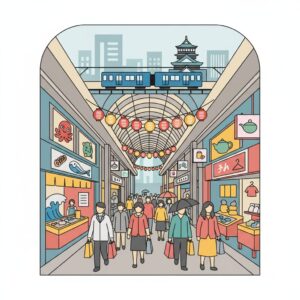
Dotonbori reveals two distinct sides. During the daytime, it’s a lively commercial district with more manageable crowds, making it a great time to explore the shops in the nearby Shinsaibashi-suji shopping arcade. Most restaurants remain open for lunch, so food options are still abundant. However, the true Dotonbori experience unfolds at night when the district comes alive. Neon signs ignite, bathing the area in a vibrant, otherworldly glow. The energy surges, streets fill with people, and every food stall bustles with activity. The atmosphere is electric and intoxicating. For the best experience, plan to arrive late afternoon, around 4 or 5 PM, allowing you to enjoy the area by daylight and then watch the enchanting transformation as dusk falls and the lights gradually illuminate the scene.
Local Tips & Etiquette
- Cash Is Still Important: Although Japan is becoming more credit card-friendly, many smaller street food stalls and ticket-machine restaurants in Dotonbori still accept cash only. Carry a reasonable amount of yen to avoid inconvenience.
- Stand and Eat: Unlike some Western cultures, eating while walking is generally considered impolite in Japan, seen as messy and disrespectful. When purchasing street food, look for designated standing areas next to the stall and finish your food there before continuing your walk. This also helps keep the busy streets cleaner.
- Trash Cans Are Rare: Public trash bins are scarce in Japan. Do not litter. Proper etiquette is to carry your empty food containers and trash back to the vendor who sold them; they will gladly dispose of it for you. Alternatively, bring a small plastic bag to store your trash until you return to your hotel or find a bin at a convenience store or train station.
- Follow the Lines: In Dotonbori, a long line, especially one filled with locals, is the best sign of a great food stall. Don’t be discouraged by queues. They usually mean something delicious is waiting for you, and the wait is part of the authentic experience. Lines tend to move quickly.
- Embrace the Crowds: On weekend nights, Dotonbori can become extremely crowded, with the main promenade turning into a slow-moving river of people. The best strategy is to stay relaxed, be patient, and go with the flow. The crowd’s energy is part of what makes the area so thrilling.
Dotonbori Beyond the Food: Sights and Sounds
While food is undoubtedly the highlight, Dotonbori offers much more to explore. Take a break between snacks to enjoy some of the other attractions that make this area so iconic. The giant billboards themselves are sights to behold. Spend some time on the Ebisu Bridge to capture the perfect photo of the Glico Running Man. First installed in 1935, this sign has become a symbol of Osaka’s resilience and energy. Just down the canal, the Kani Doraku crab sign and the enormous Don Quijote store, featuring its oval-shaped Ferris wheel, contribute to the whimsical skyline. For a fresh perspective, consider taking the Tonbori River Cruise. These short boat rides travel up and down the canal, providing an excellent view of the neon signs from the water. It’s a relaxing way to take in the sights and appreciate the scale of the area’s architecture and advertising. If the sensory overload of the main street becomes overwhelming, find refuge in Hozenji Yokocho. A short walk from the main street, this narrow, stone-paved alleyway feels like stepping back in time. It’s lined with traditional restaurants and izakayas, illuminated by hanging paper lanterns. At its center is Hozenji Temple, home to a famous statue of the deity Fudo Myoo, which is entirely covered in a thick green moss from worshippers pouring water over it as they pray. The peaceful, spiritual ambiance of this small alley offers a beautiful, tranquil contrast to the vibrant chaos of Dotonbori.
A Final Taste: Embracing the Spirit of Kuidaore
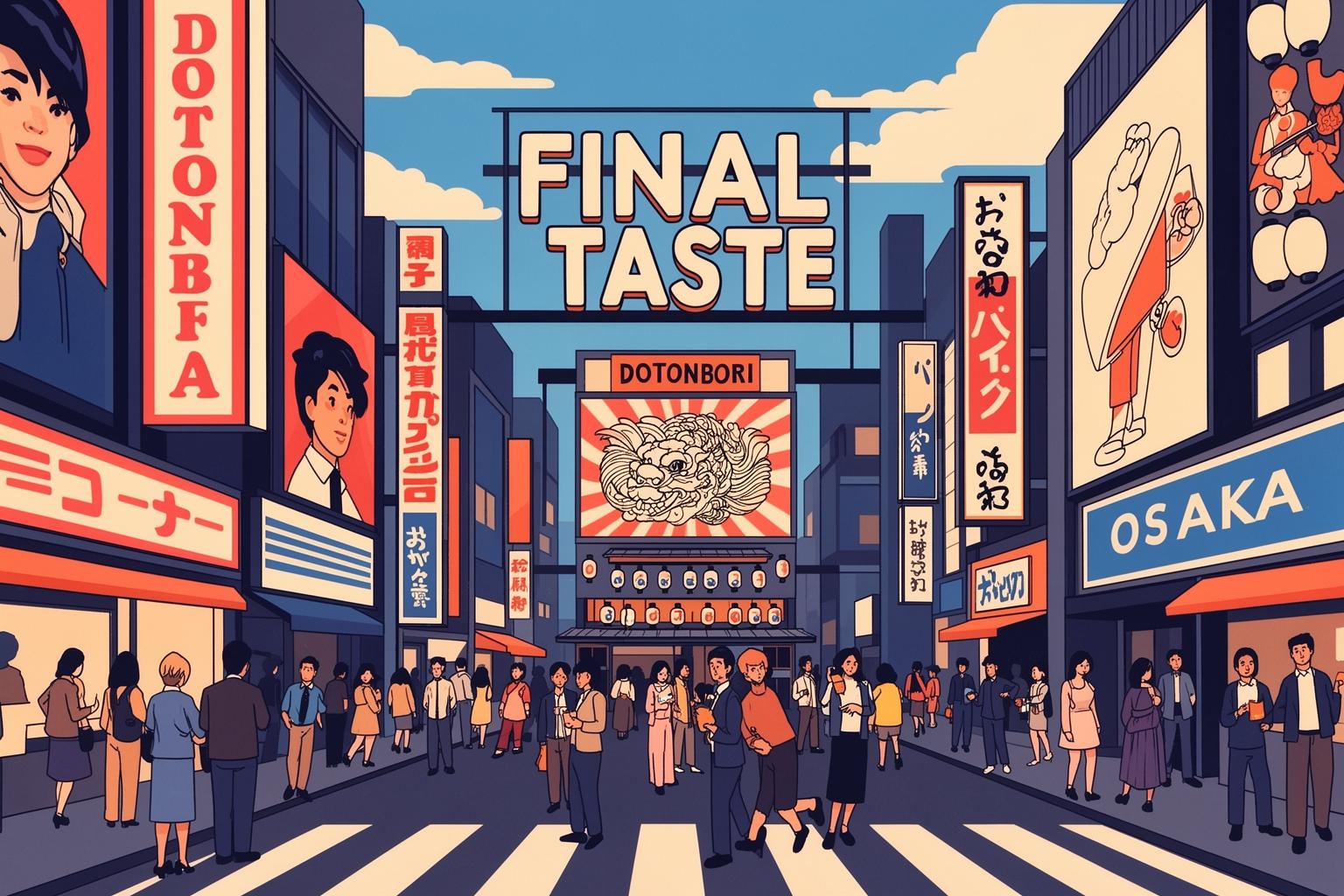
Dotonbori is more than just a collection of streets and restaurants. It is an experience—a full immersion into the essence of a city that lives and breathes for its next great meal. It’s a place where the pursuit of flavor is a celebration: loud, joyful, and communal. To walk these streets is to grasp the heart of Osaka’s kuidaore culture—a philosophy that finds deep joy in the simple act of eating well. So come with an open mind and an empty stomach. Be adventurous. Try the dish you can’t pronounce. Brave the line that stretches around the corner. Engage with the vendors, watch their craft with admiration, and savor every bite. Let the neon lights dazzle you, let the lively sounds become your soundtrack, and let the incredible flavors tell the story of this amazing city. In Dotonbori, you are invited not just to eat, but to feast, explore, and participate in a culinary tradition as vibrant and enduring as the Glico Man himself. Go ahead, eat until you drop. You’re in Osaka now.