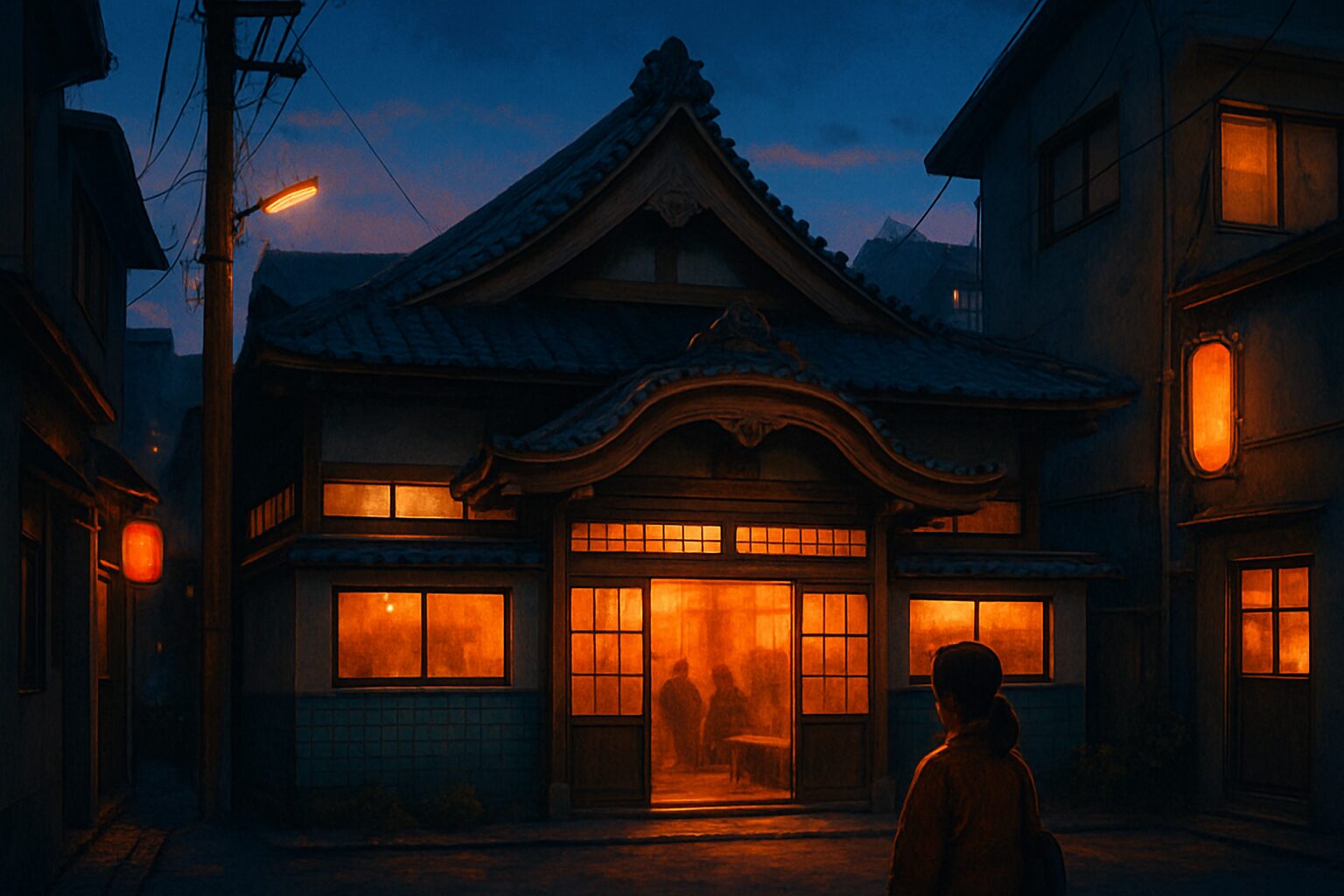
As the neon glow of Osaka begins its nightly crescendo, painting the sky in hues of electric blue, fiery orange, and soft magenta, a different kind of ritual unfolds in the city’s quieter corners. Away from the thrumming energy of Dotonbori and the towering commerce of Umeda, down labyrinthine residential streets and tucked behind bustling shōtengai shopping arcades, the warm, steamy breath of the neighborhood sentō beckons. This is not a tourist attraction; it is a living, breathing institution, a sanctuary where the city’s inhabitants come to shed the armor of the day. The public bathhouse is where Osaka exhales. It’s a place to wash away not just the grime of the metropolis but the mental clutter of a demanding life, to reconnect with a slower, more deliberate rhythm that has echoed through these neighborhoods for generations. Stepping through the cloth noren curtain at the entrance is like crossing a threshold into another time—a world of tiled walls, rising steam, and the gentle murmur of communal relaxation. This nightly pilgrimage is more than a routine; it is a fundamental thread in the social fabric of the city, a practice that reveals the warm, unpretentious, and deeply human heart of Osaka.
This nightly pilgrimage is more than a routine; it is a fundamental thread in the social fabric of the city, a practice that reveals the warm, unpretentious, and deeply human heart of Osaka, a resilience that stands in stark contrast to the recent turmoil faced by the Kansai hospitality sector.
The Rhythm of the Bathhouse: More Than Just a Tub
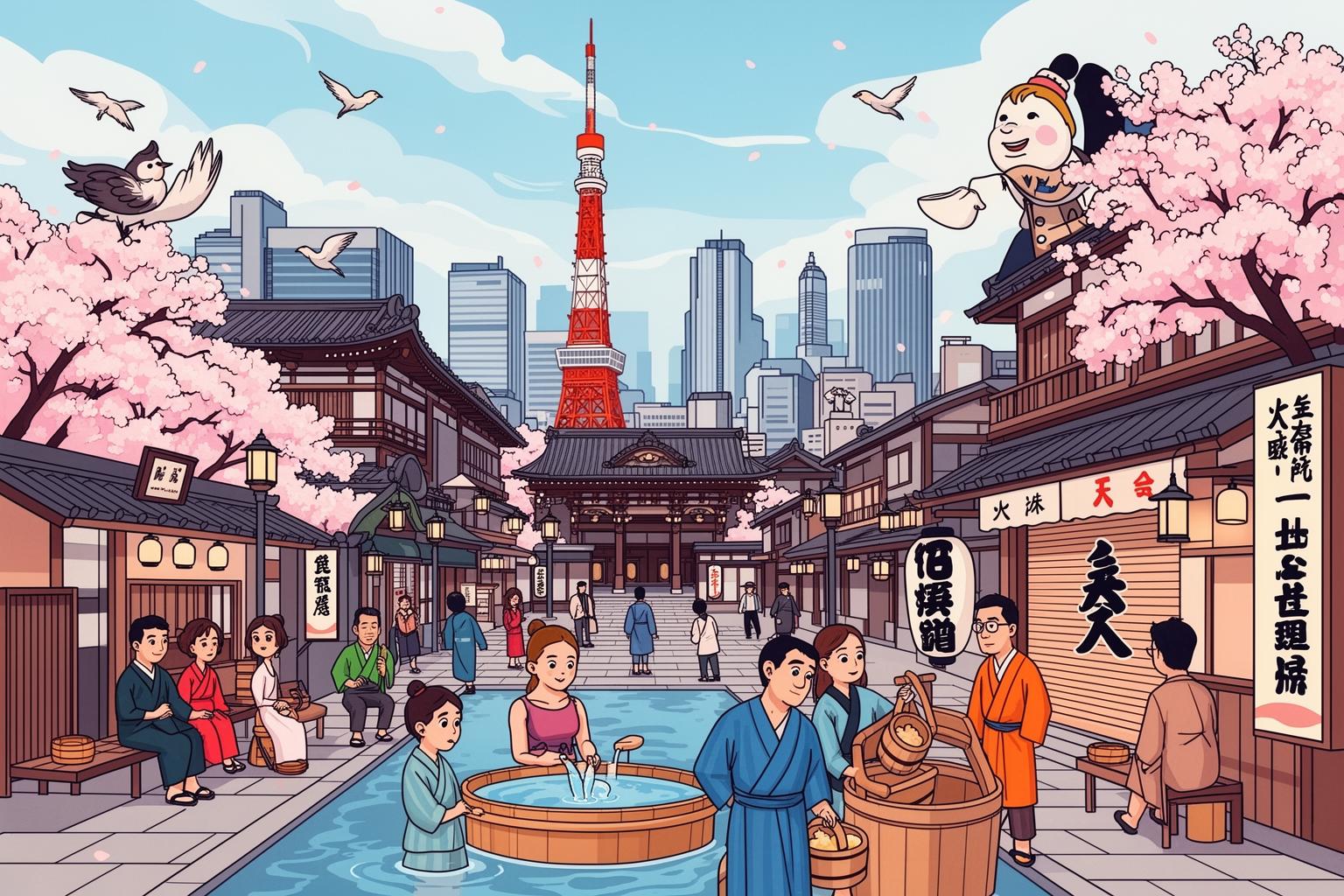
The journey into this communal sanctuary begins at the entrance. The first thing you notice is the distinctive architecture of many traditional sentō, featuring their grand, temple-like entrance called karahafu, a gracefully curved gable that marks this as no ordinary building. You slide open a wooden door, and the sounds of the street fade away, replaced by the gentle clatter of wooden geta, the distant splash of water, and the warm greeting of the proprietor. You step into the genkan, a small entryway where you perform the initial ritual of leaving the outside world behind: removing your shoes. To one side is a wall of small wooden lockers, the getabako, each secured with a long, narrow wooden slat serving as its key. Finding an empty slot, you slip your shoes inside, take the wooden key, and feel its smooth, worn surface in your palm. It’s a tangible link to the countless others who have shared this same simple act for decades.
Next, you approach the bandai, or front counter — a raised platform where the owner, often an elderly person who has managed the bathhouse throughout their life, collects the modest entrance fee. In Osaka, this is usually a set price, a few hundred yen for a ticket to tranquility. Here you can also buy any forgotten supplies—a small bar of soap, a packet of shampoo, or even rent towels. With a friendly nod and ticket in hand, you move on to the next stage: the two distinct noren curtains. One, typically blue or dark purple, bears the kanji for man (男), while the other, usually red or a lighter color, displays the kanji for woman (女). This is where the paths separate.
Beyond the curtain lies the datsuijo, the changing room, where the atmosphere truly envelops you. The air is warm and humid, carrying the faint, clean scent of soap and steamed wood. The room is a blend of practicality and nostalgia. Rows of simple lockers, some still secured with old-fashioned key locks, line the walls. More traditional places might have open wicker baskets, relying on a foundation of communal trust. An old, heavy-duty scale with a large, round dial might stand in a corner, silently witnessing the daily lives of patrons. The walls often bear vintage advertisements for classic Japanese drinks like Calpis or various milk brands, their colors faded by time and steam. In summer, a large industrial-style fan hums rhythmically from the ceiling, its breeze a welcome relief. This is not a sterile, modern locker room; it’s a social space. Neighbors greet each other here, grandmothers help grandchildren undress, and friends catch up on the day’s news, their voices softly echoing against the wooden surfaces. You find an empty locker or basket, completely undress, and fold your clothes. This act of baring oneself is the great equalizer of the sentō. Stripped of the clothes that denote status, profession, or wealth, everyone returns to a state of simple humanity. With your small wash towel and toiletries in hand, you slide open the final door into the bathing area, where a wall of warm, dense steam welcomes you like an embrace.
A Symphony of Water: Exploring the Baths
Entering the main bathing area is a fully immersive sensory experience. The space is vast and cavernous, featuring a high ceiling designed to allow steam to escape. The acoustics are distinctive; the sound of water flowing from dozens of faucets, the strong rush of a jet bath, and the gentle lapping of the main tubs blend into a continuous, soothing white noise. The walls and floors are tiled, often adorned with intricate patterns or murals. The focal point of many older sentō is a grand mural painted above the main tubs, most famously depicting the majestic Mount Fuji, its snow-capped peak symbolizing purity and serenity, even here in the heart of urban Osaka. Other common themes include tranquil landscapes, images of carp (koi), or auspicious scenes from Japanese folklore.
Before you even consider sinking into the inviting waters, you must perform the essential part of the sentō ritual: washing. Along the walls are rows of individual washing stations, each equipped with a low plastic or wooden stool, a faucet with hot and cold taps, and a handheld shower head. This is where the real cleansing takes place. The etiquette is strict and non-negotiable: you must be thoroughly clean before entering the communal tubs. You take a stool and a plastic basin, find an open station, and sit down. The water pressure is often surprisingly strong. You lather with soap, scrub your entire body, and wash your hair, taking care not to splash your neighbors. This process is unhurried—a time for personal cleansing and methodical preparation for the communal soak ahead. After you are completely free of suds and have rinsed thoroughly, you also rinse your stool and basin, leaving the station clean for the next person. Only then, with your body clean and tingling, are you ready to enjoy the true pleasure of the baths.
The main tub, or atsuyu (hot bath), is usually the largest and the first one you’ll encounter. The water is kept at a consistently high temperature, often hotter than what most Westerners are used to. The initial entry delivers a sharp, breath-taking sensation. You dip a toe in, then slowly lower yourself into the water, allowing your body to adjust to the intense heat. A collective, unspoken sigh of relief is the shared language here. As you submerge up to your neck, you feel tension melting away from every muscle. The heat penetrates deep into your bones, easing the aches from a long day of walking, standing, or sitting at a desk. Steam rises around your face, blurring the edges of the room and creating a dreamlike atmosphere.
But the main tub is just the start. Most sentō take pride in offering a variety of bathing experiences. One of the most uniquely Japanese is the denki buro, or electric bath. This small, often separate tub has low-level electric currents passing through the water between two plates. The sensation is strange yet oddly compelling—a persistent, tingling vibration pulsing through your muscles. It’s believed to be therapeutic for stiff shoulders and back pain. First-timers often face it with a mix of curiosity and hesitation, but for many regulars, a session in the denki buro is an essential part of their routine.
For a more conventional form of hydrotherapy, there are the jet baths. These range from powerful, targeted streams of water that feel like a deep-tissue massage on your lower back, to the bubbling, effervescent waters of a jacuzzi-style bath, often called a “body massage” or “dream bath.” You can sit back and let the strong currents work their magic, feeling knots of stress being kneaded away. These are especially popular with salarymen and manual laborers seeking relief after a strenuous day.
Many sentō also feature a yakuyu, or medicinal bath. The water in this tub is infused with various herbs, minerals, or seasonal ingredients, turning the water a different color and imparting a distinct, aromatic scent. Depending on the day or season, you might find a bath infused with fragrant lavender, calming chamomile, revitalizing ginseng, or warming ginger. In winter, nothing beats a yuzuyu, a bath filled with whole, floating yuzu citrus fruits that release fragrant oils and are believed to ward off colds. These baths offer physical relaxation along with an element of aromatherapy, engaging another sense in the ritual of unwinding.
To complete the cycle of hot and cold therapy, there is the mizuburo, the cold plunge pool. Located next to the sauna or hot tubs, this small, deep tub is filled with unheated water. The shock of plunging into cold water after a hot bath is intense but deeply invigorating. It causes your pores to close, tightens your skin, and sends a surge of energy through your body. The practice of alternating hot and cold is believed to improve circulation, boost the immune system, and leave you feeling alert and refreshed. For many, the sauna is also an integral part of this routine. A small, wood-paneled room with dry heat, the sauna offers a place for quiet reflection and a deep sweat. Regulars can often be seen sitting in stoic silence, towels wrapped around their heads, enduring the heat before making a triumphant sprint to the cold plunge.
Finally, if you are fortunate, the sentō may have a rotenburo, an open-air bath. Even in a densely packed urban setting like Osaka, this can be a magical experience. It might be a small tub in a high-walled courtyard, open to the sky. Soaking in the hot water while the cool night air brushes your face, gazing up at the moon or the stars visible between the silhouettes of nearby buildings, is a moment of pure bliss. It serves as a powerful reminder that even in the heart of the concrete jungle, moments of natural connection and profound peace can still be found.
The Sentō as a Social Stage: Eavesdropping on Osaka Life
While the therapeutic benefits of the water are unquestionable, the true and lasting charm of the sentō lies in its function as a community gathering place. It physically represents the Japanese concept of hadaka no tsukiai, meaning “naked communion” or “naked friendship.” The idea is that once clothing—and the social status it symbolizes—are removed, people can connect on a more basic, equal, and sincere level. In the bath, a company CEO soaks beside a construction worker, a university professor chats with a ramen shop owner, and an elderly retiree shares a laugh with a young student. Social barriers melt away in the steam.
This is a place where community is built, one conversation at a time. The changing rooms and baths buzz with the sounds of local life spoken in the rich, warm, and often playful Osaka-ben dialect. You’ll hear grandmothers bargaining over the best price for daikon radish at the market, fathers patiently teaching their sons proper washing techniques, and groups of friends planning their weekends. It’s a living, unscripted performance of everyday life. For foreigners learning Japanese, the sentō is an unmatched classroom, a place to absorb the natural rhythm and vocabulary of daily conversation in ways no textbook can provide.
The cast of characters is as varied as the city itself. There are the elderly regulars who have visited the same sentō daily for fifty years. They know the owner by name, have favorite spots at the washing stations, and treat it like an extension of their own home. They serve as the custodians of the sentō’s unwritten rules and traditions. Then there are the salarymen who stop by on their way home from work. For them, the sentō serves as a crucial buffer between the demanding work environment and the calm of home. It’s a place to unwind, soaking away the day’s stress before returning to their families. You’ll also see young fathers with their children, turning bath time into a treasured bonding ritual. The father-son or mother-daughter visits to the sentō are rites of passage, where life lessons and family stories are handed down through generations.
Communication in the sentō is often subtle and unspoken. It happens in the shared nod of greeting, the slight bow of apology if someone is accidentally splashed, or the act of making room for a newcomer in a crowded tub. This space is governed by mutual respect and a shared understanding of the need for peace and relaxation. You learn to read the atmosphere, to sense when conversation is welcome and when silence is preferred. This shared environment fosters a unique feeling of intimacy and belonging. In a world that is increasingly digital and often isolating, the sentō offers an essential, tangible connection to neighbors and community. It is a place where you are not just a city resident but a true member of a neighborhood.
Post-Bath Bliss: The Final Act of Relaxation
The ritual of the sentō does not conclude the moment you step out of the final bath. The transition back to the outside world is equally intentional and significant as the bathing itself. Moving from the hot, humid bathing area into the relatively cooler, drier air of the changing room is an experience in its own right. Your skin feels tingling and soft, your muscles relaxed and supple, and your mind clear and calm. This post-bath glow is a state of deep physical and mental rejuvenation.
You take your time drying off, gently patting your skin with a soft towel. There is no hurry. The pace of the sentō is always unhurried. After dressing, the last part of the ritual begins: rehydration. Almost every sentō has a vintage-style refrigerator, often with a glass door, stocked with a charming selection of post-bath drinks. The classic choice is milk, served in an old-fashioned glass bottle with a paper cap. Coffee-flavored milk and fruit-flavored milk are especially popular, their sweet, creamy coolness a perfect contrast to the bath’s warmth. For many Japanese people, the taste of a cold bottle of milk after a hot bath triggers powerful nostalgia, recalling childhood memories. Other favored options include sports drinks, fruit juices, or even a cold beer for those wishing to extend their relaxation.
With a cold beverage in hand, many linger in the sentō’s small lobby or lounge area. This space often resembles a communal living room. There might be a few comfortable chairs or a raised tatami mat area to sit on. An old television usually plays, broadcasting a baseball game or an energetic variety show, providing a familiar background sound. Stacks of well-worn manga and newspapers are available for reading. This is where the final conversations of the evening unfold. Patrons chat with the owner, exchange a few words with neighbors, or simply sit in comfortable silence, savoring the last moments of calm before heading back into the night. It is a gentle, gradual return to the world, allowing the deep sense of well-being to settle before stepping outside.
Walking home from the sentō is a distinct pleasure. Your body is warm from within, a feeling that lingers long after you’ve left. The cool night air feels refreshing against your skin. The familiar streets of your neighborhood seem softer, the world moving at a slightly slower pace. You carry the bathhouse’s tranquility with you, a warm shield against the city’s hustle. You arrive home not only clean but renewed, ready for a deep, restful sleep.
A Practical Guide for the First-Timer
For those new to the sentō experience, the idea might feel a bit intimidating. However, with a basic understanding of how it works and the proper etiquette, you’ll discover it is a warm and rewarding experience. Here’s a simple guide to help you through your first visit.
So, what should you bring? Many locals carry a “sentō set” in a small basket or waterproof bag. This usually includes a small towel for washing and modesty, a larger towel for drying, soap or body wash, shampoo, and conditioner. But if you don’t have these items, don’t worry. Nearly every sentō offers a “tebura set,” meaning “empty-handed set.” For a small additional fee, you can rent towels and purchase single-use packets of soap and shampoo. That means you can arrive with just a few hundred yen and be perfectly fine.
The step-by-step process is simple:
- Pay: Enter and pay the fee at the front counter, either by buying a ticket from a vending machine or paying the owner directly.
- Shoes: Remove your shoes and place them in a shoe locker (getabako).
- Enter: Go through the appropriate noren curtain for your gender.
- Undress: In the changing room, find an available locker or basket and undress completely. The only things you bring into the bathing area are your small wash towel and toiletries.
- Wash: Before entering the tubs, wash your entire body thoroughly at a washing station. Sit on the stool and use the faucet and shower to scrub and rinse from head to toe.
- Soak: Once fully clean, you may enter the baths. Ease in slowly and enjoy your soak.
Keep these key etiquette points in mind to ensure a pleasant visit for everyone:
- The Small Towel Rule: Never put your small wash towel into the bathwater. Most people place it on their head (which also helps prevent lightheadedness from the heat) or set it aside by the tub.
- No Splashing: The sentō is a place for quiet relaxation. Avoid splashing, swimming, or loud talking.
- Rinse Your Station: After washing, use the basin or shower to rinse off your stool and the surrounding area for the next person.
- Dry Off Before Re-entry: Before returning to the changing room from the wet bathing area, wring out your small towel and give your body a quick preliminary dry. This helps keep the changing room floor from becoming wet and slippery.
- A Note on Tattoos: This is often a concern for foreign visitors. Historically, tattoos in Japan have been linked to the yakuza (organized crime), so many bathing facilities, especially large onsen resorts, have strict bans. However, neighborhood sentōs in cities like Osaka tend to be more relaxed. As community-focused spots, many owners won’t refuse customers with tattoos, particularly if there’s no indication of criminal affiliation. The best approach is to be respectful and discreet. If you have extensive tattoos and are worried, you can politely ask at the front desk, but in most local sentō, it’s unlikely to be an issue. Following the other etiquette rules will generally ensure you are welcomed.
The Enduring Soul of the Sentō
In the post-war period, when many Japanese homes lacked private bathing facilities, the sentō was an absolute necessity. It served as the neighborhood’s communal bath, a vital part of daily life. Over the ensuing decades, as modern apartments and houses with private baths became commonplace, the number of sentō throughout Japan sharply declined. Yet, they have not vanished. The sentō that remain endure not out of hygienic necessity, but because they satisfy a deeper, lasting human need: the need for community and connection.
In today’s digital age, marked by screens and social isolation, the sentō provides a compelling counterbalance. It is a designated analog space. Phones are forbidden in the bathing area. There are no distractions, no notifications, and no emails to check. It offers a welcome, enforced break from the relentless speed of modern life. It’s a place that invites presence, encouraging you to focus on the simple, tactile sensations of warm water and steam, and to engage in face-to-face interaction with your community.
Some sentō are evolving with the times to attract a new generation. Younger owners are taking over family businesses, renovating the facilities while maintaining their classic charm. They might add modern features like a craft beer tap in the lobby, host small concerts or art exhibits, or adopt a more stylish, designer look. These efforts breathe new life into the tradition, ensuring that the culture of the public bath endures for years to come. These revitalized sentō prove that this institution is not merely a relic of the past, but a timeless and adaptable space that remains deeply relevant.
So, when you find yourself in Osaka after a day spent exploring temples, shopping in crowded markets, and savoring the city’s incredible culinary delights, consider seeking out this simple, authentic experience. Ask a local for a recommendation, or wander through a residential neighborhood until you spot the distinctive tall chimney of a bathhouse. Step through the noren, leave the 21st century behind for an hour, and partake in this evening ritual. In the warm waters of a neighborhood sentō, you will discover a quieter, restorative, and deeply connected side of Osaka. You won’t just be washing your body; you’ll be bathing in the very soul of the city.