A significant shift is underway in the global travel industry, and it could soon change how you book your next trip to Osaka. Hotels worldwide are increasingly advocating for stricter regulations on Online Travel Agencies (OTAs) like Booking.com, Expedia, and Agoda. This push for reform, centered on transparency and fair competition, has profound implications for travelers heading to Japan’s vibrant Kansai region.
The Story Behind the Standoff: Why Hotels Are Demanding Change
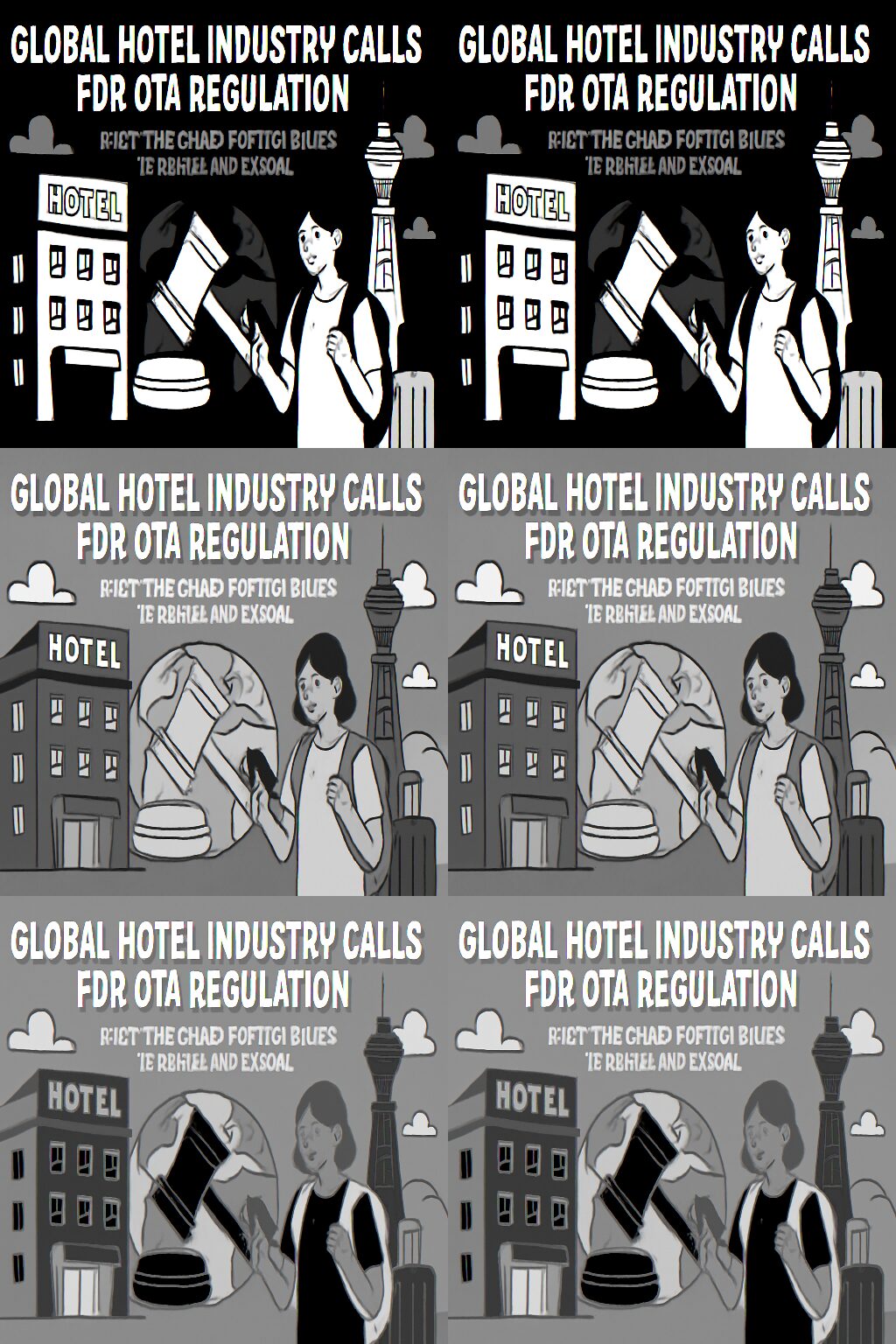
For years, OTAs have been a double-edged sword for hotels. While they provide immense visibility and a steady stream of bookings, they come at a significant cost. The core issues driving this global call for regulation are twofold: high commissions and restrictive contract terms.
The High Price of Visibility
Hotels typically pay commissions to OTAs ranging from 15% to as high as 30% for every booking made through their platforms. For a hotel in a competitive market like Namba or Umeda, this represents a substantial portion of their revenue. This financial pressure can indirectly impact guests, as hotels may have less capital to invest in property improvements or guest services.
The “Rate Parity” Dilemma
A more contentious issue is the widespread use of “rate parity clauses.” These contractual obligations often prevent hotels from offering a lower price on their own website than what is listed on the OTA. This practice effectively stifles direct competition and limits a hotel’s ability to offer better deals to customers who book directly. By controlling pricing, OTAs ensure that travelers have little incentive to look beyond their platforms, consolidating their market dominance.
How This Could Reshape Your Kansai Travel Plans
Osaka and the wider Kansai region are at the heart of Japan’s tourism boom. In 2019, before the pandemic, Osaka Prefecture welcomed over 12.3 million international visitors. With tourism rapidly rebounding, the relationship between hotels and OTAs in this key market is more critical than ever. So, what could new regulations mean for you, the traveler?
A Future of Greater Transparency and Choice
If regulators step in, one of the most significant changes could be the end of restrictive rate parity clauses. This would empower hotels to take control of their pricing. For travelers, this could lead to several positive outcomes:
- More Attractive Direct Booking Perks: Hotels would be free to offer exclusive discounts, complimentary breakfasts, room upgrades, or flexible check-out times on their official websites to entice direct bookings. Your loyalty could be rewarded more directly by the hotel itself.
- Clearer Pricing Structures: Increased competition could lead to more transparent pricing across all platforms. The final price you see might more accurately reflect the room’s cost without hidden fees sometimes bundled into OTA packages.
- Enhanced Customer Relationships: Booking directly often means a better line of communication with the hotel. Special requests may be handled more efficiently, and you build a direct relationship with the accommodation provider, leading to a more personalized stay.
What to Expect Next
This movement is not just theoretical. Regulatory bodies in Europe have already taken steps to curb anti-competitive practices by OTAs, particularly regarding rate parity. While Japan’s Fair Trade Commission has investigated the practices of OTAs in the past, the global momentum could spur further action.
For now, the landscape remains unchanged, and OTAs continue to offer valuable convenience for comparing options in a dense market like Osaka. However, savvy travelers should start preparing for this potential shift.
When planning your next Kansai adventure, make it a habit to check the hotel’s official website after finding a promising option on an OTA. You may discover a better deal or a special package not available anywhere else. This simple extra step could unlock significant savings and a better travel experience, allowing you to enjoy everything from the street food of Dotonbori to the historic temples of Kyoto with a little extra in your pocket.