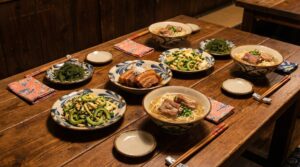
Welcome to the electric hum of Osaka, a city where ancient traditions dance with futuristic skylines. As a traveler, and particularly as a parent trying to navigate the beautiful chaos with little ones in tow, I’ve learned that the most memorable journeys are often mapped out one meal at a time. And for Muslim families, that map has one very important legend: finding delicious, authentic, and Halal food. Our adventure today lands us at Nishikujo Station, a place that might not top the tourist brochures but serves as an absolutely vital artery in the city’s transit network. It’s the bustling gateway to the magic of Universal Studios Japan, a critical junction on the JR Loop Line, and for many, the first and last taste of Osaka each day. But beyond its role as a transfer point, Nishikujo is a neighborhood with its own quiet rhythm, a slice of real, unfiltered Osaka life. The challenge, and the joy, is peeling back its layers to find the culinary treasures that cater to a Halal diet. It’s a quest that promises not just nourishment for the body, but a deeper connection to the city’s diverse and welcoming spirit. So, let’s embark on this flavorful exploration together, discovering how this unassuming station area can become a cornerstone of your Halal food journey in Japan.
For those looking to explore more of Osaka’s unique and creative neighborhoods beyond Nishikujo, consider venturing into the nearby Kitakagaya district.
The Vibe of Nishikujo: More Than Just a Stopover
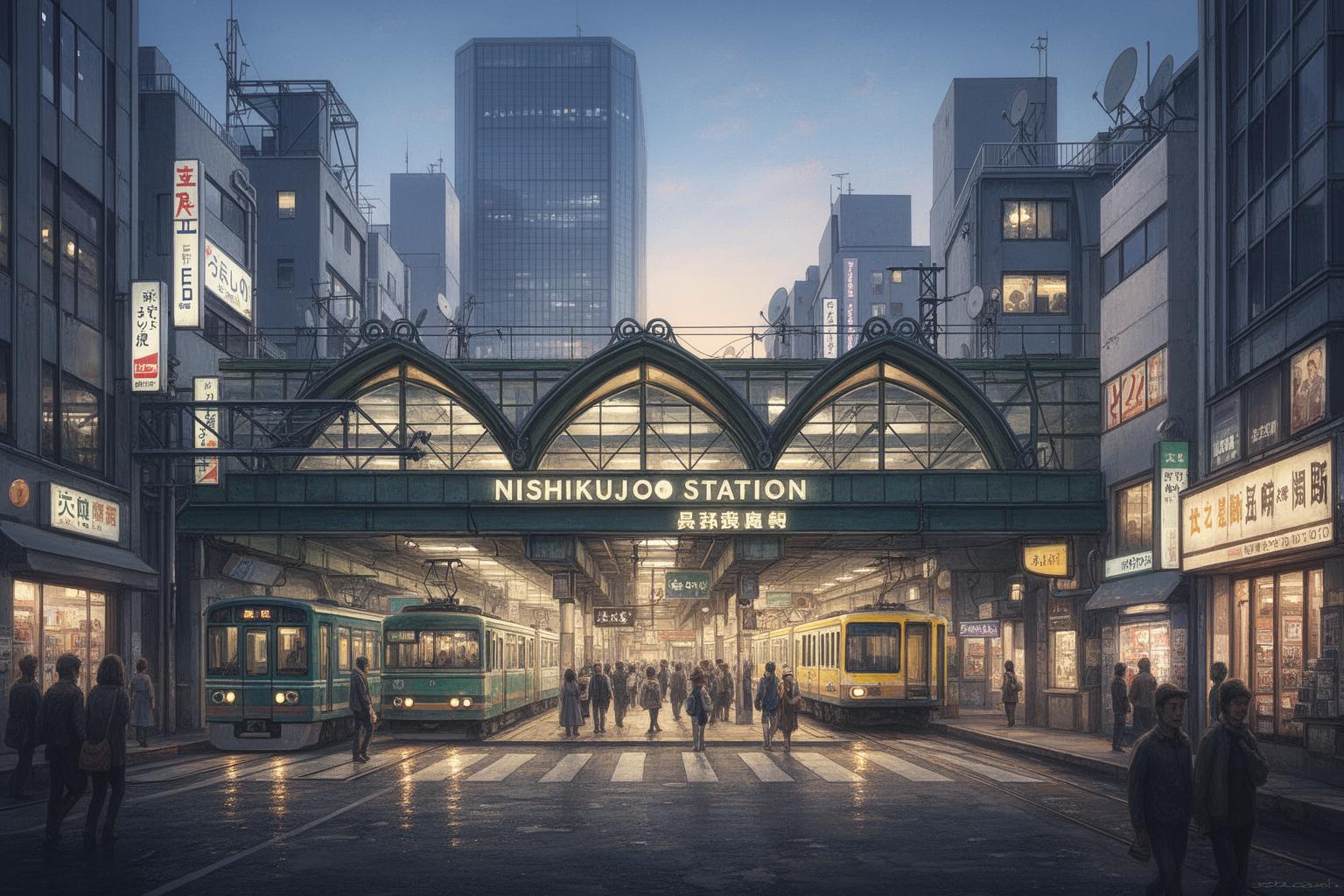
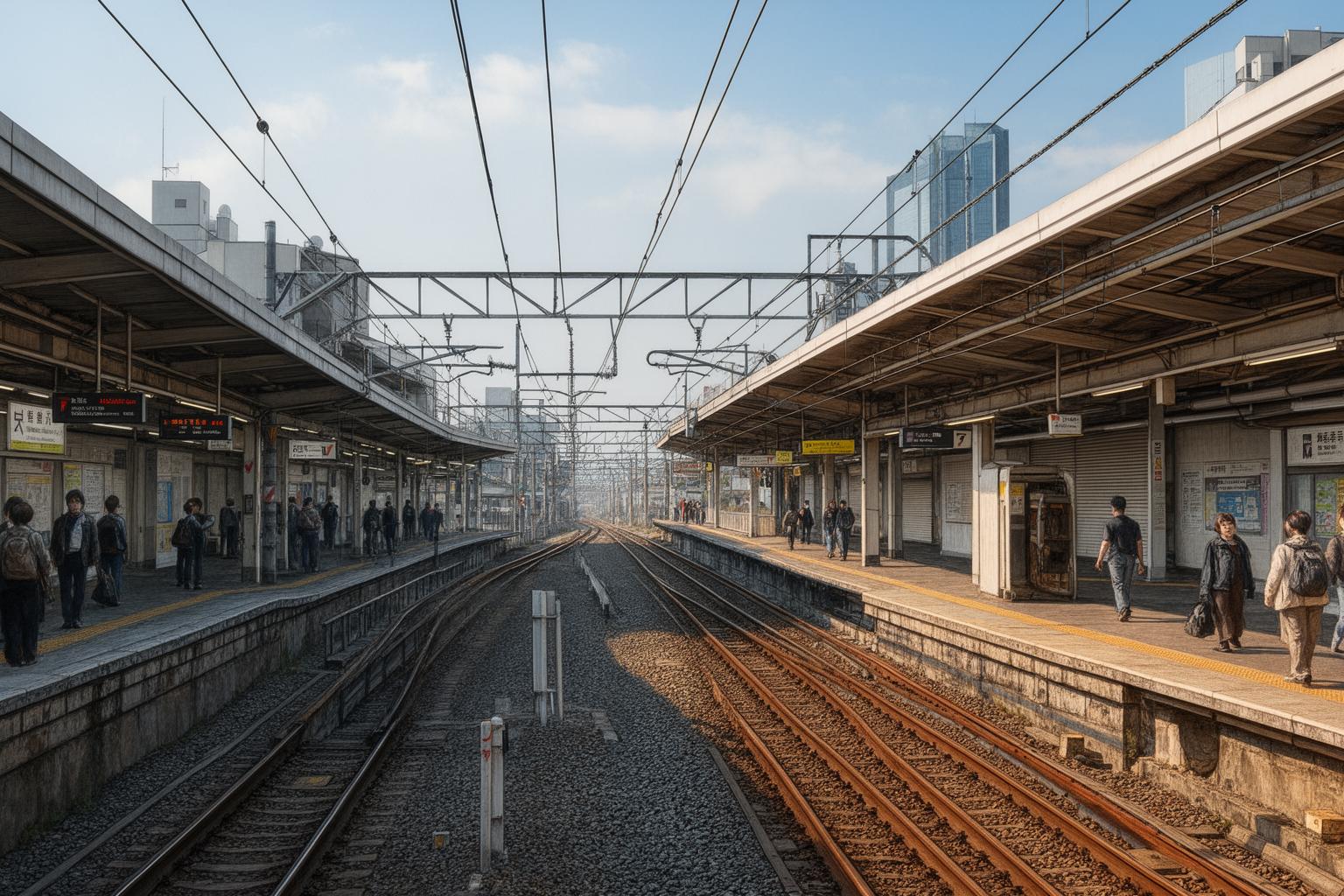
Step off the train at Nishikujo, and you’re immediately carried into a stream of purposeful activity. Excited families sporting character-themed gear fill the scene, their energy contagious as they make the short final train hop to Universal Studios Japan. You’ll notice students in crisp uniforms and office workers in sharp suits, all part of the daily metropolitan rhythm. But take a moment to pause. Look beyond the main streets, and you’ll discover the true spirit of Nishikujo. It’s a neighborhood that feels lived-in and comfortable in its own identity. It isn’t polished for tourists; it’s authentic. The air carries a blend of scents: the sweet aroma from a local bakery, the savory steam rising from a ramen shop, and the clean, metallic tang of the railway tracks. The architecture is an eclectic mix of eras—modern, sleek apartment buildings stand side-by-side with weathered, two-story houses adorned with carefully tended potted plants. This is where Osaka residents live, work, and eat. The local shotengai, or covered shopping arcade, serves as the neighborhood’s heart. It’s not a flashy tourist spot but a charming, practical corridor of small businesses. Here, you’ll find shops selling everything from fresh produce and tofu to stationery and traditional Japanese footwear. The pace is slower, the interactions more personal. It’s this genuine atmosphere that makes searching for food here so fulfilling. You’re not just a consumer; you become a temporary resident, taking part in the city’s daily life. It’s a place that reminds you travel isn’t only about seeing major attractions but about experiencing the small, everyday moments that truly define a culture.
The Halal Hunt Begins: Uncovering Culinary Gems
Embarking on a quest for Halal food in Japan is an adventure in itself. While awareness and availability are rapidly increasing, especially in major cities like Tokyo and Osaka, certified options are not yet found on every corner. This is especially true in residential areas such as Nishikujo. However, this is not a reason for disappointment; rather, it serves as an invitation to explore more deeply. The search encourages you to look beyond the most obvious options and connect with the international communities that have made Osaka their home. It often leads to family-run establishments where passion for authentic cuisine is palpable. The journey from Nishikujo Station to a Halal-certified restaurant may involve a short walk or a single train stop, but this small effort is more than rewarded by the flavors and hospitality. It turns a simple meal into a memorable discovery, a story worth sharing. You learn to read menus more thoughtfully, appreciate the effort restaurateurs invest in obtaining certification, and savor every bite of a meal prepared with care and respect for your dietary needs. This hunt is not an inconvenience; it is an integral and enriching part of the travel experience, encouraging deeper engagement with the city.
Ali’s Kitchen: A Taste of Pakistan in the Heart of Osaka
Just a short hop from Nishikujo, in the neighboring area of Noda, lies a haven for Halal food seekers: Ali’s Kitchen. This is more than just a restaurant; it’s an institution. From the moment you enter, the intoxicating aroma of toasted spices—cumin, coriander, cardamom—transports you from the streets of Osaka to a bustling Lahore kitchen. The atmosphere is warm and unpretentious, often filled with a diverse mix of locals, expatriates, and tourists, all drawn by authentic Pakistani cuisine. The staff welcomes you as warmly as the freshly baked naan they bring to your table. As a mother, I can attest that a true test of a restaurant is how it cares for a hungry family, and Ali’s Kitchen excels in this regard. The menu is a celebration of flavor. The Mutton Biryani is a masterpiece of fragrant, long-grain basmati rice, each grain separate and infused with saffron, layered with tender, slow-cooked mutton that falls off the bone. It is both celebratory and deeply comforting. Their curries are rich and complex. The Chicken Karahi, cooked in a traditional wok-like pan, bursts with the flavors of tomato, ginger, and green chilies. And the naan—oh, the naan!—arrives puffed up and steaming, with the perfect balance of chewiness and crispy, charred spots. Tearing off a piece and dipping it into creamy Haleem or spicy Chana Masala is pure bliss. For families, the generous portions are a blessing, and the staff gladly recommends milder dishes for young palates. Ali’s Kitchen also caters thoughtfully to its Muslim patrons beyond the food; a designated prayer space is often available, providing immense peace of mind. Getting there from Nishikujo is easy—a pleasant 15-minute walk or a quick stop on the JR Loop Line to Noda Station. This short journey is the perfect prelude to the feast, a culinary pilgrimage that every visitor to Osaka seeking authentic Halal dining should undertake.
Exploring Beyond the Obvious: Indian and Turkish Delights
While Pakistani cuisine offers a fantastic and reliable Halal choice, the culinary scene around Nishikujo extends beyond a single restaurant. Osaka’s international fabric means other cuisines with strong Halal traditions are also easily accessible. Broadening your search to include Indian and Turkish restaurants opens up a whole new world of flavors. A short train ride from Nishikujo can take you to places like Shama, an Indian restaurant showcasing a different yet equally enchanting aspect of South Asian cooking. The ambiance is lively, perhaps brightened by vibrant Rajasthani colors and the cheerful sounds of Bollywood music. Here, the focus often shifts to the smoky, complex flavors of the tandoor. Imagine succulent Tandoori Chicken pieces marinated in yogurt and a secret spice blend, perfectly cooked until tender and slightly charred. Vegetarian options are plentiful and impressive, too: creamy Palak Paneer with soft cubes of Indian cheese in a luscious spinach sauce, or hearty Dal Makhani, a slow-cooked black lentil stew, can be a revelation. The variety of breads is a highlight as well, from fluffy naan to flaky parathas and wholesome whole-wheat roti. When visiting such restaurants, it’s wise to confirm their Halal status directly. A simple, polite question like “Halal desu ka?” (Is this Halal?) is always appreciated. Most owners who have gone through certification take pride in it and will gladly reassure you. Sometimes, they may specify that although all meat is Halal, the restaurant itself is not fully certified, allowing you to make an informed choice based on your comfort level. This open communication is key to a stress-free dining experience and often leads to wonderful conversations with the passionate people behind the food.
Navigating Convenience Stores and Supermarkets

There are moments during any trip, especially when traveling with children, when a full restaurant meal isn’t feasible. You might be rushing to catch a train to USJ, or perhaps the kids are simply too tired for a sit-down dinner. This is where the often overlooked heroes of everyday Japanese life come into play: the convenience store (konbini) and the local supermarket. For Muslim travelers, navigating these places can initially feel overwhelming, with a sea of brightly colored packages and ingredient lists that are hard to decipher. However, with some knowledge, they become invaluable resources. At the konbini, the onigiri (rice ball) section is a great place to start. Look for fillings that are generally safe, such as ume (pickled plum), kombu (seasoned seaweed), or shio (plain salt). It’s best to avoid meat or fish fillings unless you can verify the ingredients, as they often contain non-Halal seasonings. For snacks, plain rice crackers (senbei), certain brands of potato chips, fruit jellies, and fresh fruits like bananas and apples are excellent choices. The main challenge lies in hidden ingredients. Pork-derived gelatin can be present in many sweets and jellies, while animal-based shortenings may be used in baked goods. Alcohol, in the form of mirin or cooking sake, is a common component in many savory sauces and marinades. A translation app with image-to-text functionality can be invaluable in scanning and interpreting ingredient lists. For a more substantial and often safer alternative, visit a local supermarket such as the LIFE store near Nishikujo Station. Here, your options expand greatly. You can purchase fresh fruits and vegetables, yogurt, milk, eggs, and plain bread to make your own sandwiches. This not only allows you to control your ingredients but also helps save money and experience Japan like a local. Strolling through the aisles of a Japanese supermarket is a cultural experience itself—discovering unfamiliar vegetables, admiring the variety of tofu, and observing the beautifully cut (non-Halal) meats, which deepens your appreciation of the local diet. Stocking up on these basics at your hotel or Airbnb provides a reliable foundation for breakfasts and snacks, granting you the freedom and flexibility to explore Osaka without worrying about where your next meal will come from.
A Sweet Interlude: Halal-Friendly Desserts and Cafes
No culinary adventure is complete without indulging a sweet tooth, but locating Halal-certified desserts in Japan can be one of the most challenging aspects of the food journey. Many Western-style cakes, pastries, and ice creams include gelatin, alcohol, or animal-derived emulsifiers. However, don’t lose hope! Japan’s rich tradition of sweets, known as wagashi, provides a delightful and often naturally Halal-friendly alternative. Wagashi are traditional Japanese confections typically enjoyed with tea, celebrated for their artistry, subtle flavors, and strong seasonal ties. The best part for Muslim travelers is that many are made from simple, plant-based ingredients: rice flour (especially in the form of mochi), sweet red bean paste (anko), sugar, and agar-agar (a seaweed-derived gelling agent). A stroll through a local shotengai near Nishikujo may lead you to a small, family-run wagashi shop. Inside, you’ll discover beautiful, edible masterpieces. There’s daifuku, a soft, chewy mochi cake filled with sweet bean paste, sometimes with a whole strawberry inside (ichigo daifuku). There’s dango, small, round rice dumplings skewered on sticks and often coated with a sweet soy glaze or bean paste. While it’s always prudent to inquire about alcohol (arukōru) or animal ingredients, the overwhelming majority of these traditional sweets are entirely safe. Another straightforward and universally delightful choice is enjoying Japan’s remarkable fresh fruit. Fruit parlors offer exquisitely prepared fruit sandwiches (furutsu sando), parfaits, and freshly squeezed juices. The quality of fruit in Japan is outstanding, and even a simple bowl of seasonal strawberries or a perfectly ripe melon can be a dessert experience unto itself. If you’re craving something like a crepe, a popular street food, you can customize your order. Stick to basic fillings like fresh fruit, whipped cream, and chocolate sauce, and politely request that any liquor-based flavorings be omitted. This way, you can enjoy the excitement of modern Japanese snack culture while staying true to your dietary guidelines.
Practical Tips for a Worry-Free Culinary Journey
Preparation is essential for a smooth and enjoyable Halal food experience in Osaka. A bit of planning can turn potential stress into confident exploration. Before leaving your hotel, take advantage of technology by downloading apps like Halal Gourmet Japan or Halal Navi. These platforms offer user-reviewed restaurant listings, including menus, photos, and directions, which remove much of the guesswork from your search. Learning a few key Japanese phrases can also be very helpful. Although many people in the Osaka service industry speak some English, making an effort to communicate in Japanese is always appreciated and can help ensure your needs are clearly understood.
Here are some useful phrases:
- “Kore wa Halal desu ka?” (これはハラルですか?) – Is this Halal?
- “Butaniku wa haitte imasu ka?” (豚肉は入っていますか?) – Does this contain pork?
- “Arコール wa haitte imasu ka?” (アルコールは入っていますか?) – Does this contain alcohol?
- “Niku nashi de onegaishimasu.” (肉なしでお願いします。) – Without meat, please.
Keep in mind the important USJ factor: Nishikujo is your last chance to find a wide range of affordable, certified Halal food before entering the theme park. Halal options inside Universal Studios Japan are very limited and tend to be expensive. A smart plan is to enjoy a hearty Halal breakfast or early lunch near Nishikujo. Consider dining at Ali’s Kitchen or another trusted venue for a satisfying meal that will keep you energized throughout your day. You can also bring Halal-friendly snacks and drinks bought from a local supermarket into the park (just be sure to check USJ’s current policy on outside food). Taking this proactive approach will help ensure your magical day goes uninterrupted by frustrating food searches, allowing you and your family to focus on making memories.
Beyond the Plate: Soaking in the Nishikujo Atmosphere
While the search for Halal food offers an excellent framework for your adventure, be sure to also take time to simply be in Nishikujo. The flavors are richer when you appreciate the place they originate from. Take a leisurely walk away from the station’s main exit and explore the local shotengai. Here, the neighborhood’s heartbeat is most palpable. Observe an elderly shopkeeper carefully arranging vegetables, listen to neighbors exchanging friendly conversation, and watch children heading home from school. These covered arcades are a small-scale reflection of Japanese community life, a timeless aspect of the urban environment. Another tranquil retreat is the nearby Ajigawa River. A brief walk from the station leads to its banks, presenting a different view of the city. You can watch boats drift by and enjoy a peaceful moment away from the busy railway. This spot is perfect for savoring a konbini-bought onigiri or a sweet wagashi. Connecting with the neighborhood in this way deepens the entire experience and adds context to your meals. The biryani from Ali’s Kitchen is not just a dish; it reflects the international community thriving within this traditional Japanese neighborhood. The onigiri from the local supermarket is not merely a snack; it’s the same sustenance that fuels the office workers and students you see daily. Food becomes a bridge, a delicious and tangible connection between your role as a visitor and the genuine, everyday life of Osaka.
A Final Thought: Your Osaka Adventure Awaits
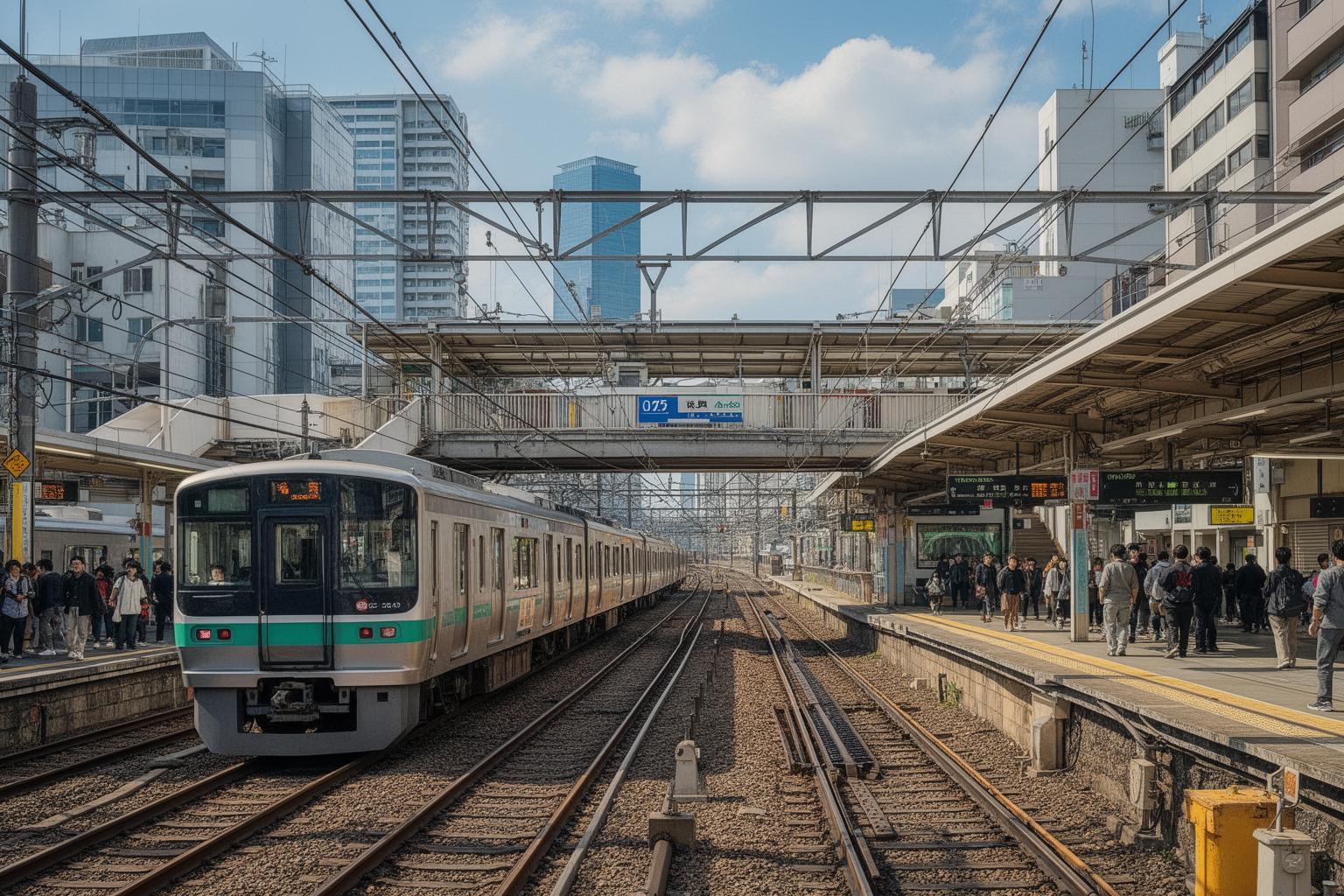
Nishikujo Station, at first glance, appears to be merely a transit point, a means to an end. However, as we have discovered, it is much more than that. It serves as a gateway not only to theme parks but also to a deeper appreciation of Osaka. For the Muslim traveler, it stands as proof that with a bit of curiosity and planning, Japan’s remarkable culinary scene can be accessible, welcoming, and immensely satisfying. The search for Halal food transforms you from a passive tourist into an engaged explorer. It fosters interaction, rewards research, and ultimately leads to some of the most genuine and memorable experiences of your trip. The flavors you encounter—the rich spices of Pakistani curry, the subtle sweetness of a red bean-filled mochi, the simple perfection of a salted rice ball—become the soundtrack of your journey through Osaka. So embrace the pursuit. Let your appetite lead you through charming backstreets and lively arcades. The journey is truly as delightful as the destination. Go ahead, explore confidently, and savor every bite. The vibrant, welcoming, and flavorful city of Osaka awaits you.