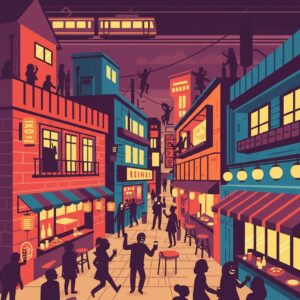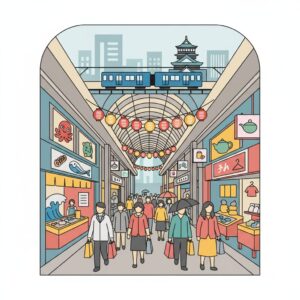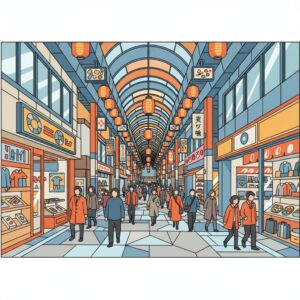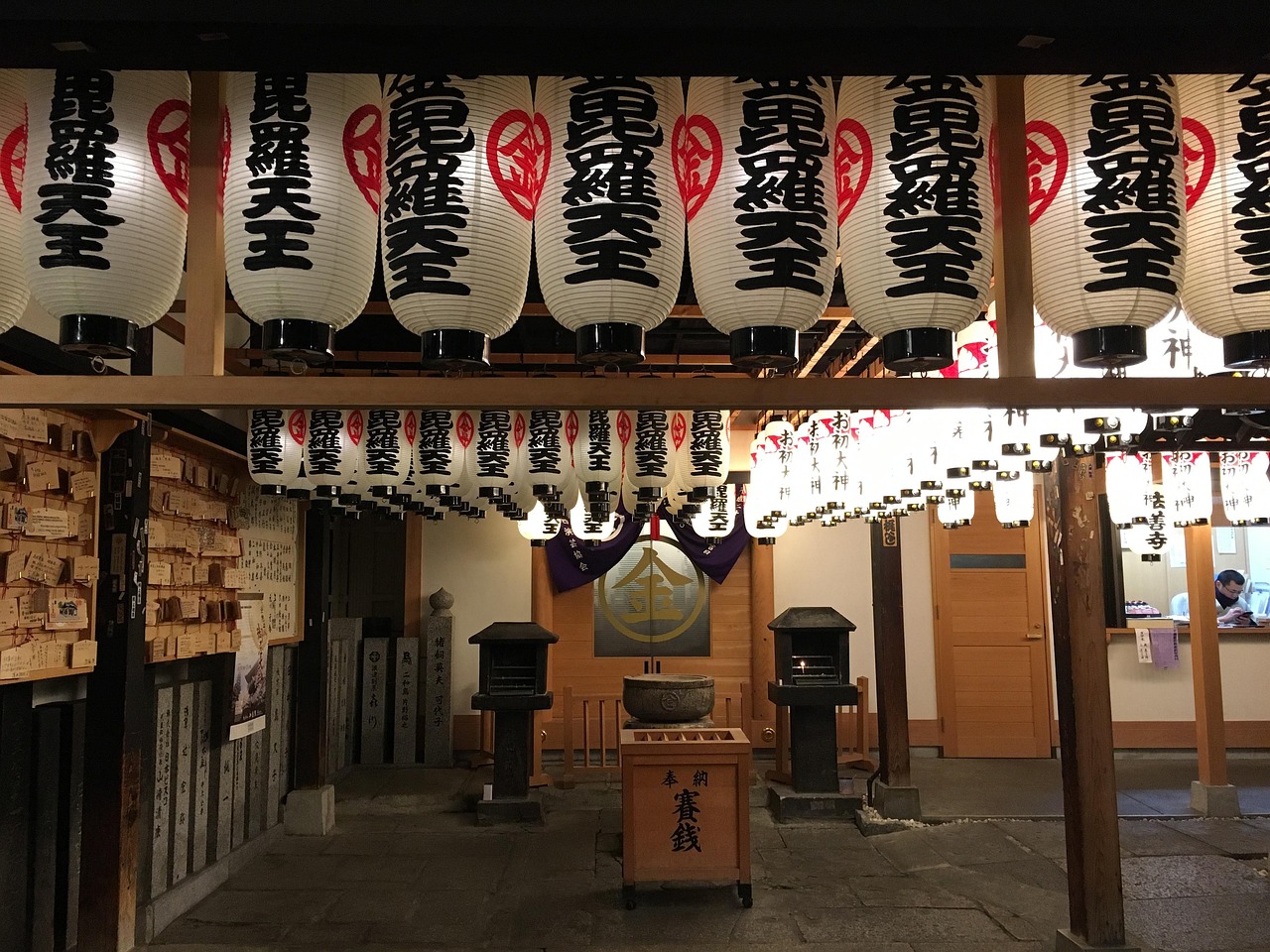
Step away from the dazzling, electric river of humanity that is Dotonbori, just for a moment. Duck under a simple curtain, turn a corner you might otherwise miss, and suddenly, the world changes. The neon glare softens into the warm, flickering glow of paper lanterns. The roar of the city recedes, replaced by the gentle clatter of footsteps on stone and the low murmur of conversation drifting from behind dark wooden lattices. You have found it. You have stepped into Hozenji Yokocho, a place where the soul of old Osaka, the spirit of the Edo period, is not just preserved but is alive and breathing. This is not a museum or a theme park; it is a living, working artery of culture, a narrow, stone-paved alleyway that holds centuries of stories, flavors, and prayers within its modest bounds. It is a testament to the city’s ability to cradle its history with gentle hands, even amidst the relentless march of modernity. For anyone seeking to understand the true heart of Namba, to feel the city’s pulse beyond the spectacle, a journey into this enchanting labyrinth is an absolute necessity. It is here, in the quiet shadows and the lantern light, that you will find a version of Osaka that touches the soul, a place that whispers of a time when tradition, faith, and community were the cornerstones of daily life.
After immersing yourself in the historic atmosphere of Hozenji Yokocho, continue your culinary exploration of Namba by discovering a hidden gem for standing kushikatsu lunch in Kuromon Market.
The Atmosphere: A Symphony for the Senses
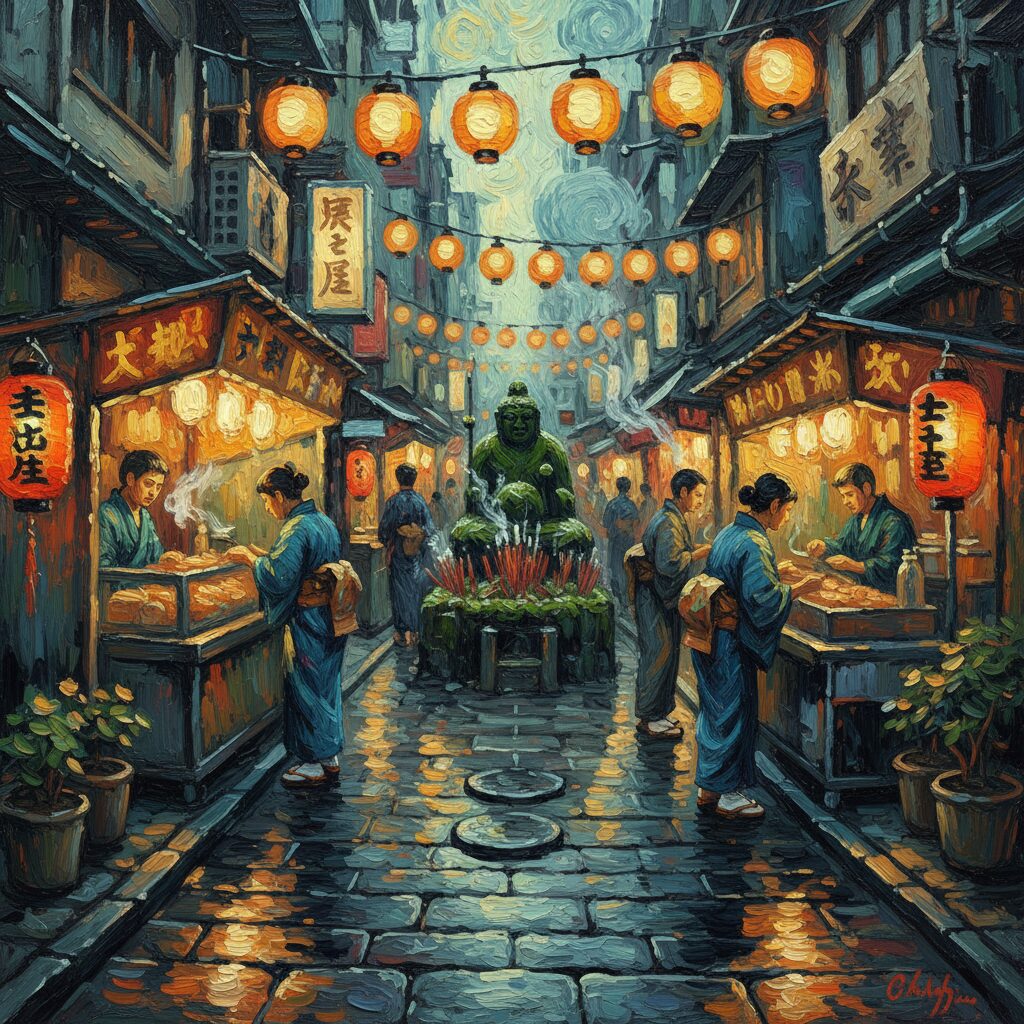
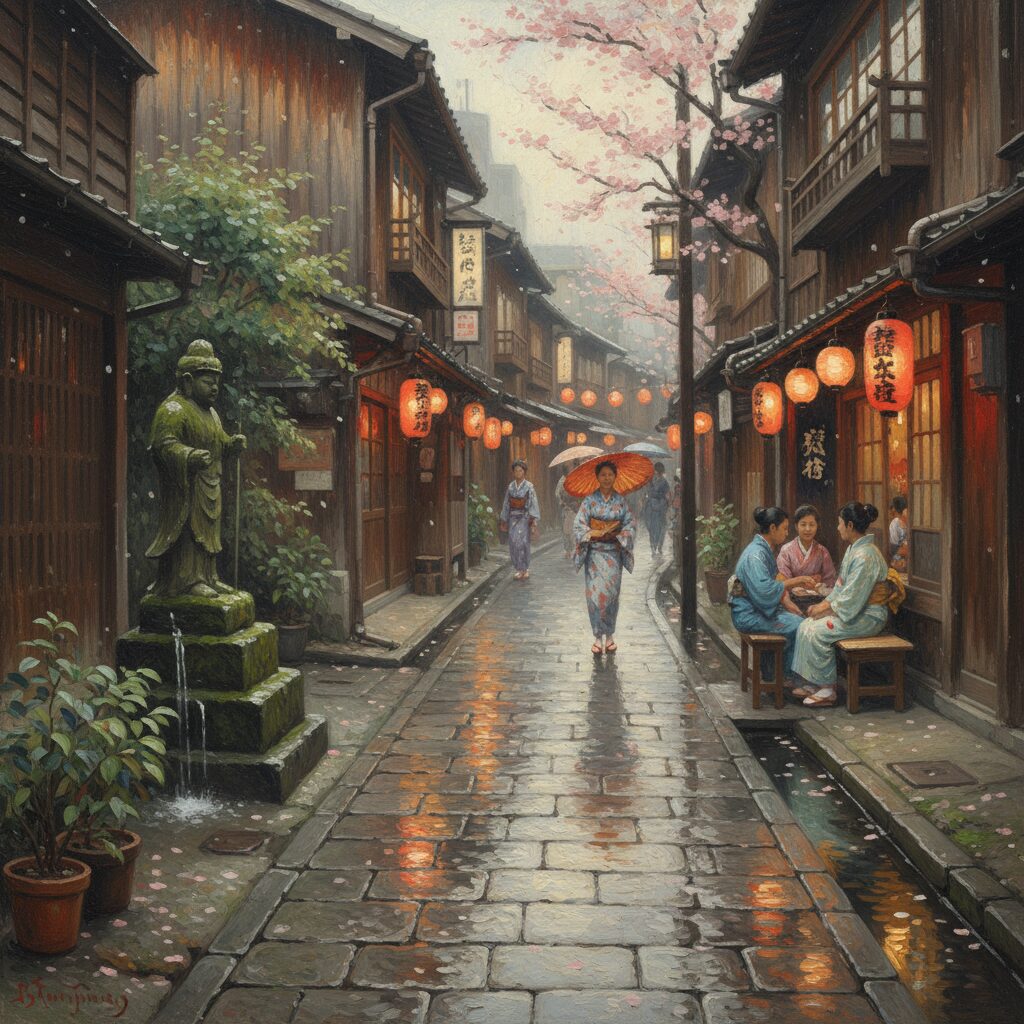
Strolling through Hozenji Yokocho is like engaging in a sensory dialogue with the past. The first thing that captures your attention is the ground beneath your feet—not asphalt or concrete, but ishidatami—beautifully uneven, water-smoothed stones polished by countless generations of footsteps. When wet from rain, they mirror the golden glow of the overhead chochin lanterns like a scattered constellation, creating an atmosphere both romantic and deeply nostalgic. Your gaze is then drawn to the buildings lining the two narrow alleys that form a distinct ‘L’ shape. These traditional machiya-style structures feature dark, weathered wood, delicate latticework called koshi, and heavy tiled roofs that seem to lean inward, as if whispering secrets. Hanging in the doorways of numerous restaurants and izakayas are noren, traditional fabric curtains that serve as both signage and a gentle invitation. Each one is a work of art, inscribed with the establishment’s name or crest in elegant calligraphy, and passing through them means crossing into another world—one of warm hospitality and exquisite flavors. The air itself is thick with a unique fragrance, a complex blend of scents that narrates the alley’s story. From the heart of the yokocho, the faint, sweet aroma of purifying incense, or senko, drifts from Hozenji Temple. This sacred scent mingles with worldly, irresistible smells emanating from the kitchens—the savory char of yakitori, the rich sweetness of unagi eel glazed over hot coals, and the comforting aroma of dashi broth simmering gently. The soundscape is equally enchanting. The overwhelming noise of Namba is softened, leaving a delicate tapestry of sounds: the sizzle of a teppan grill, the cheerful clinking of glasses, soft laughter from patrons, and the quiet, rhythmic chant of a prayer. This is a place that invites you to slow down, listen carefully, observe intently, and breathe deeply. Its profound contrast with the surrounding area is central to its magic. From one end of the alley, you can see the frantic, futuristic glow of Dotonbori, yet within a few steps, you are wrapped in a tranquil embrace of history—a sanctuary of stillness in the heart of a city that never sleeps.
The Heart of the Alley: Hozenji Temple and the Moss-Covered Fudo-myoo
At the spiritual and geographical heart of this historic alley stands Hozenji Temple, the very reason the yokocho exists. The temple grounds are neither grand nor expansive; rather, they are intimate and intricately woven into the fabric of the alley. Originally part of the much larger Tenryu-zan Hozenji, which featured extensive grounds in the 17th century, what remains today is a concentrated pocket of profound spiritual power and local affection. The temple and its famous resident deity survived the devastating air raids of World War II that destroyed much of the surrounding area. Although the main temple buildings were lost, the statue of Fudo-myoo endured, becoming a potent symbol of resilience and hope for the people of Osaka. This statue, affectionately known as Mizukake Fudo, or the “Water-Splashing Fudo,” is the alley’s most iconic and moving sight. Fudo-myoo is one of the Five Wisdom Kings in Buddhism, a fierce and powerful protector deity, often portrayed with a wrathful expression, a sword to cut through illusion, and a rope to bind evil. Yet here at Hozenji, the interaction with this formidable figure is surprisingly gentle and deeply devotional. Visitors approach the statue, take a wooden ladle, or hishaku, from the stone basin, and pour water over the deity before offering a quiet prayer. This ritual has been carried out for centuries. A local woman, seeking a blessing, once splashed the statue with water as an offering, and her wish was granted. The tradition took root, and since then, a steady stream of worshippers—shopkeepers praying for prosperity, young people hoping for love, and visitors seeking blessings—has kept the water flowing. The result of these countless liquid prayers is breathtaking. The entire statue, from its fierce face to its commanding stance, is fully covered in a thick, vibrant, emerald-green carpet of moss. It appears less like a stone carving and more like a living forest creature, a spirit of nature thriving within an urban canyon. The moss is a physical embodiment of accumulated faith, a soft, living cloak woven from millions of whispered hopes and dreams. To stand before it, to see steam rising from its mossy surface on a cold day, and to participate in the simple, meditative act of pouring water is to connect with a flow of human history and devotion that is both humbling and profoundly beautiful. It is the undeniable soul of Hozenji Yokocho, a place of quiet power that anchors the entire experience in something ancient and deeply meaningful.
A Culinary Journey Through Old Osaka
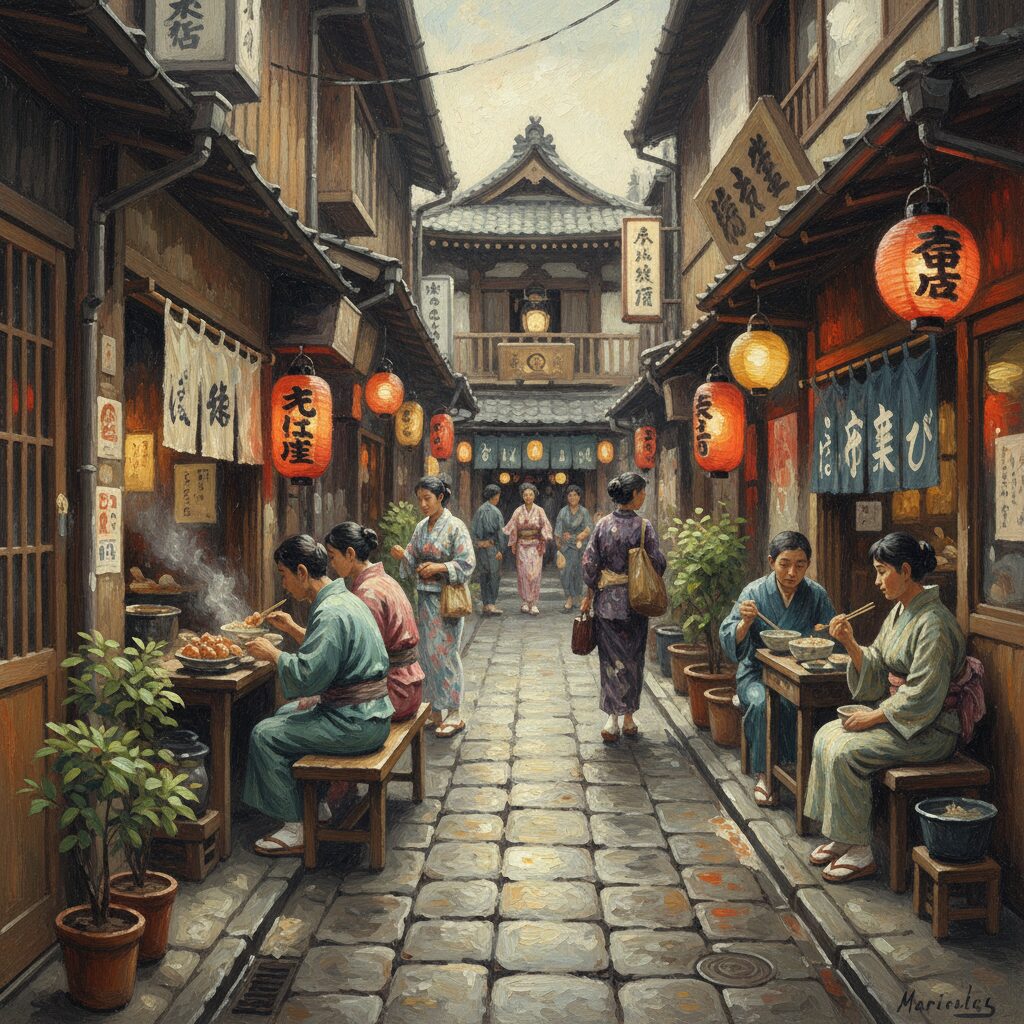
While the temple offers spiritual nourishment, the yokocho’s sixty or so restaurants, bars, and teahouses provide another, equally vital form of sustenance. This alley is a gastronomic haven, a carefully curated collection of culinary experiences that highlight the richness and diversity of Osaka’s famed food culture, often called kuidaore, or eating until you drop. The selections here are not trendy fusion dishes but rather a tribute to traditional Japanese cuisine, crafted using time-honored techniques and the finest ingredients.
The Art of Kappo Cuisine
Hozenji Yokocho is especially famous for its upscale kappo restaurants. The term kappo literally means “to cut and to cook,” describing a dining style that is more intimate and interactive than the formal kaiseki. In a kappo restaurant, diners sit at a long counter, facing the chefs, or itamae, as they skillfully prepare each dish. It’s a form of culinary theater. You watch as they expertly slice sashimi from a pristine block of fish, artfully plate simmered vegetables, or perfectly grill seasonal seafood. The experience creates a dialogue, both verbal and non-verbal, between chef and guest. You can inquire about the ingredients, which are always hyper-seasonal, celebrating the peak flavor of that moment—a concept known as shun. The menu is often flexible, changing daily based on the freshest market offerings. A meal may begin with a delicate appetizer, proceed to a selection of pristine raw fish, followed by a warm simmered dish, a grilled course, and conclude with rice and soup. Dining at a kappo restaurant in Hozenji Yokocho is an investment that yields rich rewards: an unforgettable meal and a profound appreciation for the artistry of Japanese cuisine.
Soul Food: Okonomiyaki and Teppanyaki
For a taste of Osaka’s more famous and approachable soul food, the alley delivers without fail. Nestled within its narrow lanes are legendary spots devoted to cooking on a teppan, or iron griddle. Here you’ll find exquisite okonomiyaki, the savory pancake that stands as Osaka’s most renowned culinary export. Forget the dense, heavy versions you might have encountered elsewhere. The okonomiyaki here tends to be light and fluffy, packed with cabbage and your choice of meat or seafood, cooked expertly on the griddle right before your eyes. The finishing touch is a masterpiece: a lattice of sweet and savory okonomiyaki sauce, a swirl of Japanese mayonnaise, a dusting of green aonori seaweed, and a generous sprinkle of paper-thin katsuobushi, or dried bonito flakes, which seem to dance and ripple with the heat rising from the pancake. The sizzle and irresistible aroma form an essential part of the experience—a multi-sensory delight capturing the hearty, unpretentious spirit of Osaka’s food scene.
A Sweet Story of Togetherness: Meoto Zenzai
No culinary exploration of Hozenji Yokocho would be complete without stopping at Meoto Zenzai, a tiny, historic sweet shop that has become an institution. The name itself is endearing; meoto means “married couple.” They serve only one item: zenzai, a warm, sweet soup made from adzuki red beans, accompanied by a toasted mochi rice cake. What sets this place apart is the way it’s served: a single order arrives in two separate, smaller bowls. This custom is rooted in the belief that sharing zenzai in this manner brings happiness and longevity to couples, or good fortune to those seeking a partner. The story, immortalized in a famous Japanese novel, has made the shop a beloved destination for couples and romantic pilgrims alike. Stepping inside is like entering a time capsule, with its simple wooden interior and nostalgic charm. The zenzai itself is a comforting treat—the perfect balance of sweetness from the beans and the subtle, toasty flavor of the chewy mochi. It is more than just a dessert; it is a taste of tradition, a sweet, edible story passed down through generations.
The Cultural Tapestry: Where Art and Life Converge
Hozenji Yokocho is not a cultural island detached from its surroundings; rather, it is intricately connected to the rich artistic heritage of the Minami district, which has served as Osaka’s leading entertainment center since the Edo period. For centuries, this area stood as the heart of Japanese theater, hosting bustling Kabuki stages and the world-famous Bunraku puppet theaters. Positioned just behind the main streets, the alley acted as the district’s unofficial backstage and green room. After performances, the city’s most renowned actors, esteemed playwrights such as the legendary Chikamatsu Monzaemon (often referred to as Japan’s Shakespeare), musicians, and wealthy patrons would gather in Hozenji Yokocho’s cozy restaurants and tea houses. Over sake and exquisite cuisine, deals were struck, reviews exchanged, and the vibrant creative spirit of the stage spilled into the lantern-lit night. This legacy remains palpable today. The alley preserves an artistic and bohemian atmosphere, honoring craftsmanship—be it that of a master chef, a calligrapher, or a temple keeper. Its close proximity to the National Bunraku Theatre and the Namba Grand Kagetsu theater, the home of modern Japanese comedy, ensures it continues to be a favored retreat for artists and performers after the curtain falls. Walking these stones means following in the footsteps of countless artists who shaped Japan’s cultural landscape. This historical background lifts the yokocho beyond a quaint old street to a site of profound cultural significance, a living tribute to Osaka’s enduring passion for the performing arts.
A Practical Guide for Your Visit
Exploring Hozenji Yokocho is straightforward, but a few tips can enhance your experience of this charming place. Its allure is found in the finer details, and approaching your visit with curiosity will bring the greatest rewards.
Getting There
Though often called a hidden gem, the alley is surprisingly easy to reach. It’s situated in the heart of Namba, just a short distance from the main Dotonbori canal. The easiest way to locate it is by walking along the main Dotonbori street and spotting the small lantern-adorned entrance near the Tazaemon-bashi bridge. It’s only a 5-to-10-minute walk from several major train stations, including Namba Station (serving the Midosuji, Yotsubashi, and Sennichimae subway lines), Osaka-Namba Station (for the Kintetsu and Hanshin lines), and JR Namba Station. The stark contrast upon arrival makes the short walk from the bustling station an essential part of the experience.
Best Time to Visit
Hozenji Yokocho reveals different moods depending on the time of day. A visit during daylight offers a quieter, more reflective atmosphere. With fewer crowds, you can admire the architecture, the texture of the stone, and the exquisite details of the storefronts in bright natural light. This is an ideal time for a tranquil visit to the temple, to observe the curling incense smoke and appreciate the moss-covered Fudo-myoo in its lush green splendor. However, it is in the evening that the yokocho truly comes alive. As dusk falls, paper lanterns are lit, casting a warm, golden glow over the stone pathways. The noren curtains glow from within, and the alleys fill with delightful cooking aromas and the gentle hum of conversation. At this time, the alley feels like a scene from the past, vibrant and full of atmosphere. An evening visit is a must for anyone wishing to enjoy the alley’s celebrated dining and nightlife.
Tips for First-Time Visitors
To fully absorb the ambiance, here are a few suggestions. First, take your time and walk slowly. This is not a place to rush through. Let your eyes explore the subtle details—a carved wooden sign, a carefully arranged flower in a window, the design of roof tiles. Second, don’t hesitate to join in the Mizukake Fudo ritual, which is open to all regardless of faith. It’s simple: offer a small coin donation, bow respectfully, use the ladle provided to pour water over the mossy statue while silently making a wish or prayer. This is a meaningful way to connect with the spirit of the place. When selecting a restaurant, be adventurous. Some may have English menus, but many intimate, traditional spots might not. A friendly smile and some pointing usually work well. Be aware that many eateries are small with limited counter seats, so waiting may be necessary. For upscale kappo restaurants, advance reservations are strongly advised. Lastly, remember that while this is a lively commercial street, it is also a place of worship. Be considerate and respectful, especially near the temple grounds. Speak softly, move calmly, and soak in the serene, sacred atmosphere that makes this alley truly special.
Beyond the Neon Glow
In a city as vibrant and forward-thinking as Osaka, places like Hozenji Yokocho serve as more than just tourist spots; they are invaluable links to the past, reservoirs of cultural heritage. This small network of stone-paved alleys offers a compelling contrast to the neon-lit spectacle of modern Namba. It reminds us that beneath the surface of the contemporary city, the heart of old Naniwa—with its passion for food, love for the arts, and strong community spirit—continues to beat powerfully. Visiting here is not merely about seeing a charming old street; it’s about experiencing a different rhythm, a slower, more intentional pace of life. It invites you to step away from the rush, engage your senses, and discover the quiet magic found only in places where history is not just remembered, but lovingly preserved and lived every day. So, when you find yourself amid Osaka’s lively chaos, listen for the whispers of the past. Follow the scent of incense and the glow of lanterns, and let the stones of Hozenji Yokocho guide you on a journey to the enduring soul of this remarkable city.