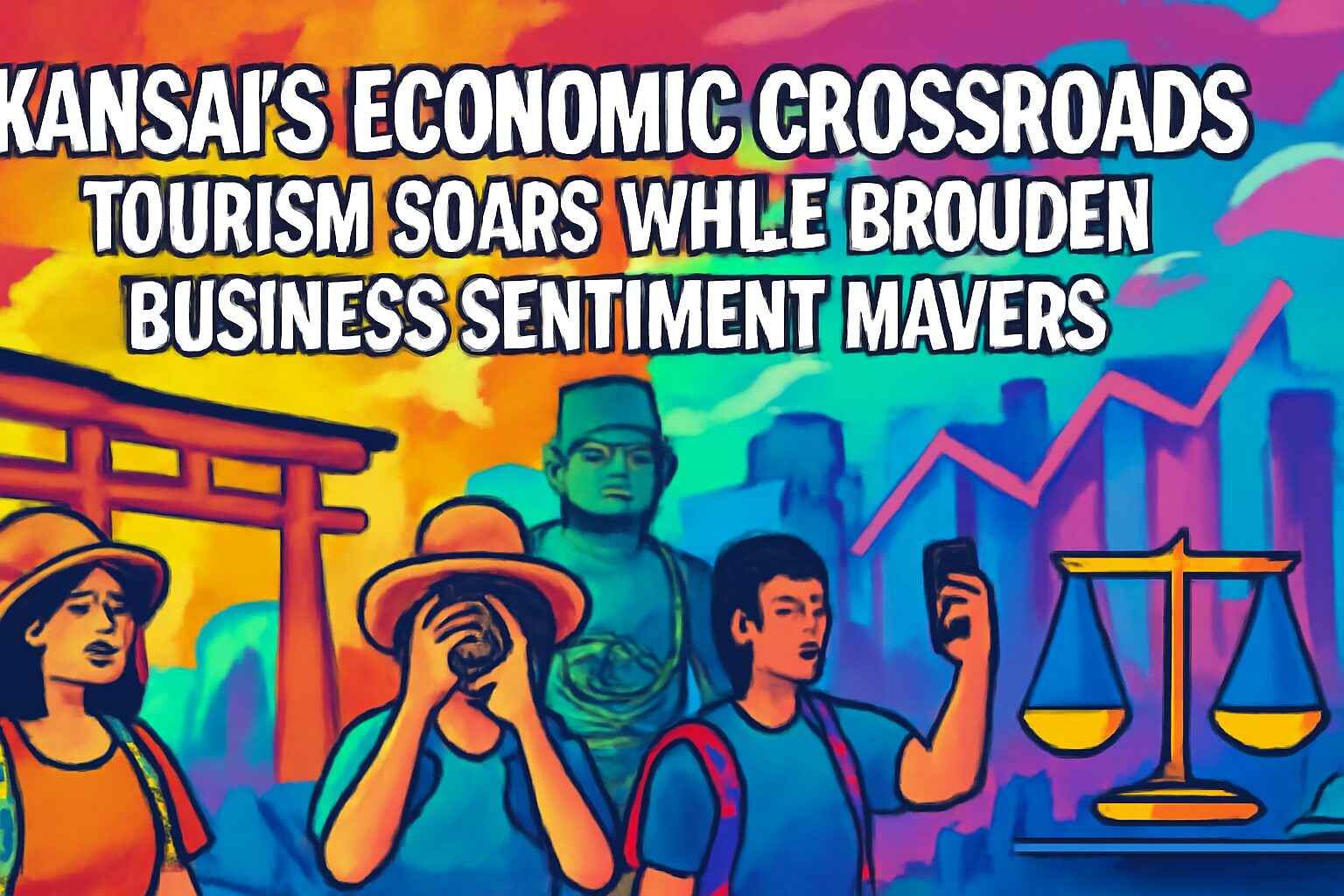
The Kansai region, home to iconic cities like Osaka, Kyoto, and Kobe, is currently experiencing an unprecedented boom in inbound tourism. Streets in Dotonbori are bustling, hotels are seeing high occupancy rates, and the energy is palpable. However, a recent report from the Bank of Japan’s Osaka Branch paints a more complex picture, revealing a cautious business sentiment that contrasts with the vibrant tourism scene. This divergence highlights a critical moment for the region’s economy as it navigates the opportunities and challenges of a post-pandemic world.
The Inbound Juggernaut: A Story in Numbers
The driving force behind Kansai’s current economic vibrancy is clear: international visitors. Fueled by a significantly weaker yen, which makes Japan an incredibly affordable destination, and the full reopening of borders, tourists are flocking to the region in record numbers.
According to the Japan National Tourism Organization (JNTO), Japan welcomed over 3.08 million international visitors in March 2024, a record high for a single month. A substantial portion of these visitors made their way to the Kansai region, drawn by its unique blend of modern cityscapes, rich cultural heritage, and world-renowned cuisine. This influx has been a massive boon for the service sector. Hotels, restaurants, retailers, and tour operators are reporting robust performance, directly benefiting from the surge in tourist spending.
A Tale of Two Economies: Service vs. Manufacturing
Despite the positive momentum in tourism, the latest business sentiment index reveals a significant split within the Kansai economy. While the service sector thrives, the manufacturing sector, a traditional pillar of the region’s economy, is facing headwinds.
Manufacturers have expressed growing concerns over several key issues:
- Rising Raw Material Costs: The weak yen, a blessing for tourists, is a double-edged sword. It significantly increases the cost of importing raw materials and energy, squeezing profit margins for manufacturers.
- Slowing Global Demand: Uncertainty in the global economy, particularly in key markets like China and Europe, has led to a slowdown in demand for Japanese exports.
This contrast creates a “two-speed” economy. While tourism-related businesses are expanding and hiring, manufacturers are adopting a more cautious stance, hesitating on new investments and capital expenditure.
Future Outlook: The Path to Sustainable Growth
This economic divide presents both an opportunity and a challenge for the Kansai region. The immediate future for tourism looks incredibly bright, especially with the highly anticipated 2025 Osaka-Kansai Expo on the horizon. The Expo is expected to draw millions of additional visitors and inject billions of dollars into the local economy, further accelerating the growth of the service and hospitality sectors.
However, the key challenge is to leverage this transient boom for long-term, sustainable growth that benefits the entire regional economy. Over-reliance on tourism carries risks, as the industry is susceptible to global events and currency fluctuations. The real test will be whether the prosperity from tourism can create a ripple effect, stimulating growth in other sectors and supporting local communities beyond the main tourist hubs.
For travelers, this dynamic economic situation will shape their experience. While the region is more vibrant and exciting than ever, the popularity has led to challenges like hotel price hikes and “overtourism” in popular spots. Yet, it also means new hotels, enhanced transportation, and a wider array of attractions are being developed. Visitors in the coming years will witness a region in transition, one that is actively working to balance a historic tourism boom with the need for a stable and diversified economic future.