A New Era for Tourism in Osaka and Beyond
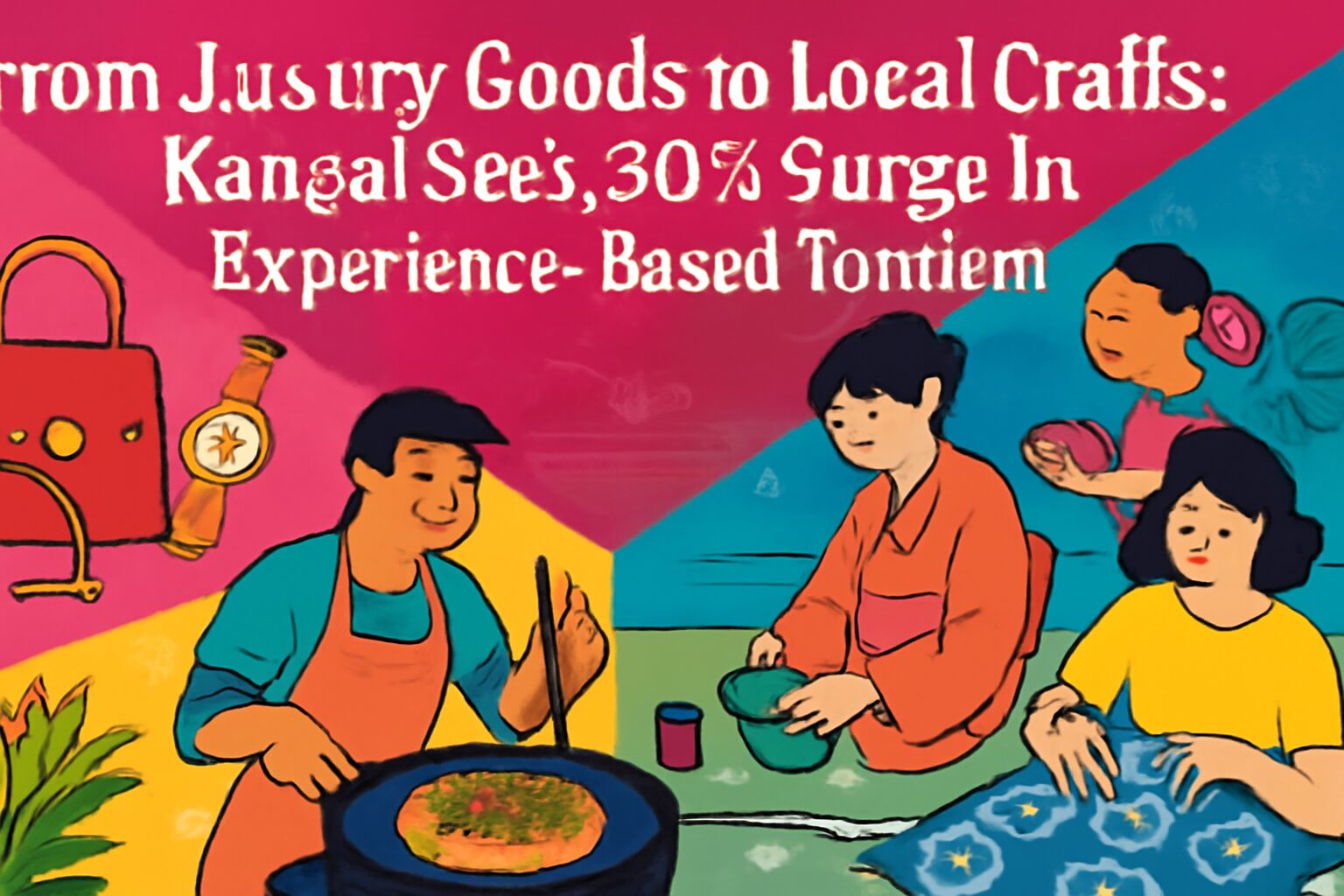
A fundamental shift is underway in how international visitors experience the Kansai region. While the allure of Japan’s world-class shopping remains, a new trend is taking center stage: travelers are increasingly choosing to spend their money on immersive cultural experiences rather than material goods. A recent analysis by the Kansai Economic Federation reveals a striking statistic: spending on “experience-based” activities has surged by an impressive 30% year-on-year, a growth rate that now outpaces that of luxury retail sales.
This move from “mono-shohi” (consumption of things) to “koto-shohi” (consumption of experiences) signals a deeper desire among tourists for authentic connections and lasting memories. Activities like private cooking classes to master the art of takoyaki, hands-on workshops with traditional artisans in Sakai, and guided nature excursions in the serene outskirts of the metropolis are no longer niche interests but a driving force in the region’s tourism economy.
Behind the Trend: Why Experiences are Winning
Several factors are fueling this significant shift in tourist spending habits.
The Power of the Weak Yen and Evolving Priorities
The current weakness of the Japanese yen makes Japan a highly attractive destination, effectively giving travelers more purchasing power. While this has historically boosted retail, many visitors are now leveraging their increased budget to invest in unique activities that were once considered a splurge. Furthermore, post-pandemic travel sentiment has evolved. Modern travelers, particularly millennials and Gen Z, often prioritize creating shareable, story-worthy moments over acquiring physical souvenirs. The quest for authenticity and personal enrichment has become a key motivation for travel.
The Rise of the Repeat Visitor
Kansai, and Osaka in particular, boasts a high number of repeat visitors. These seasoned travelers have often already explored the main shopping districts like Shinsaibashi and department stores in Umeda on previous trips. On their return, they seek to dive deeper into the local culture, venturing off the beaten path to discover experiences that offer a genuine glimpse into Japanese life. This growing demographic is crucial in driving demand for specialized tours, workshops, and community-based activities.
The Economic and Cultural Impact on Kansai
This trend is not just changing travel itineraries; it’s reshaping the very fabric of Kansai’s tourism industry.
A Boost for Local and Small Businesses
Unlike luxury retail, which is dominated by large international brands and department stores, experience-based tourism funnels money directly into the hands of local entrepreneurs, artists, and small-to-medium-sized enterprises. Local guides, craftspeople, chefs, and family-run businesses are the direct beneficiaries. This diversifies the regional economy, making it more resilient and ensuring that the benefits of tourism are distributed more widely throughout the community.
Reshaping Regional Tourism Strategy
In response, local businesses and tourism boards are pivoting their strategies. We are seeing a notable increase in investment in developing and marketing unique, high-quality tourism products. Hotels are beginning to offer curated local experiences as part of their accommodation packages, and new platforms are emerging to connect tourists with hyper-local guides and workshops. This focus on experiences also helps to alleviate pressure on overcrowded city centers, encouraging visitors to explore lesser-known neighborhoods and rural areas within the Kansai region.
What This Means for Your Next Trip to Osaka
For travelers planning a trip to Osaka and the surrounding Kansai area, this trend is overwhelmingly positive. You can expect to find a richer, more diverse array of activities available than ever before.
- Deeper Cultural Immersion: Opportunities to learn directly from local experts, whether it’s a tea ceremony in Kyoto, a knife-making workshop in Sakai, or a street food tour through Osaka’s hidden alleys.
- Greater Authenticity: A chance to move beyond the typical tourist trail and engage with the culture in a more meaningful and personal way.
- More Personalized Options: A growing market means more competition and innovation, leading to a wider variety of tours and workshops tailored to different interests and budgets.
The message from the data is clear: the future of tourism in Kansai is experiential. While the thrill of shopping in Osaka will always be a draw, the region’s true treasure lies in its rich culture and the people who share it. On your next visit, consider trading a shopping bag for a new skill, a unique story, and a memory that will truly last a lifetime.