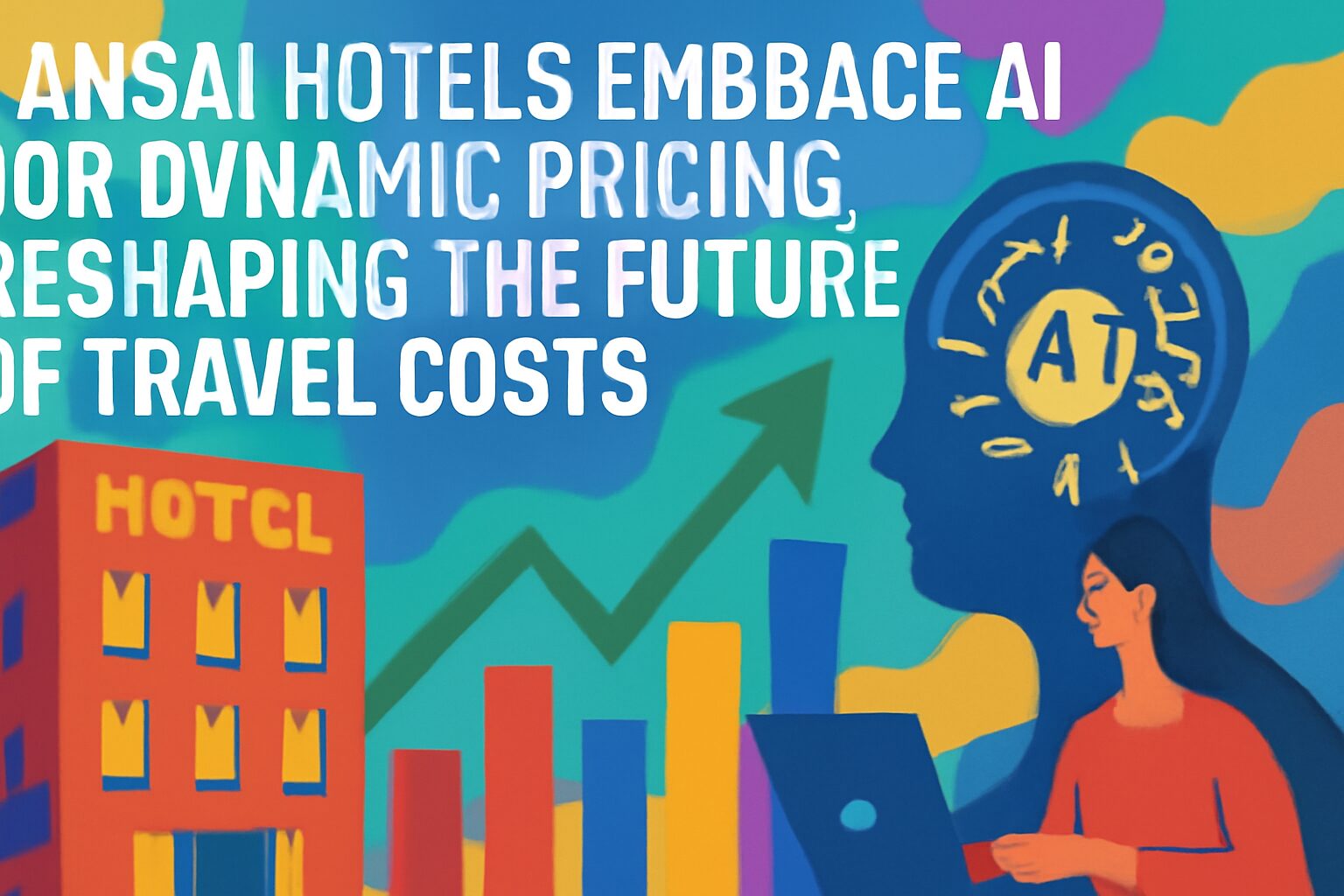
A technological revolution is quietly reshaping how much you’ll pay for your next hotel stay in Osaka and Kyoto. Major international hotel chains across the Kansai region are rapidly adopting sophisticated dynamic pricing systems powered by Artificial Intelligence (AI), moving away from static seasonal rates to a model where prices can fluctuate minute by minute. This shift, driven by a surge in tourism and fierce competition, promises to maximize hotel revenues but also presents new challenges and opportunities for travelers.
The New Reality of Hotel Pricing in Osaka and Kyoto
Gone are the days of predictable hotel pricing. Leading hospitality groups in Kansai are now leveraging AI platforms that act like automated revenue managers, working 24/7. These systems analyze a vast array of real-time data to pinpoint the perfect price for a room at any given moment. The goal is to optimize both occupancy rates and the average daily rate (ADR), ultimately maximizing a key industry metric: Revenue Per Available Room (RevPAR). While this strategy is proving highly effective for hotels, it’s creating a more fluid and sometimes unpredictable market for consumers.
Why Now? The Perfect Storm of Tourism, Tech, and Competition
Several key factors are accelerating the adoption of AI-driven pricing in the Kansai region.
A Post-Pandemic Tourism Boom
Kansai is at the forefront of Japan’s remarkable tourism recovery. In 2023, Japan welcomed over 25 million international visitors, recovering to approximately 80% of pre-pandemic levels. Kansai International Airport (KIX) has been a major gateway, handling a significant portion of this influx. With the highly anticipated World Expo 2025 set to take place in Osaka, demand for accommodation is projected to skyrocket, making intelligent, responsive pricing essential for hotels to manage the unprecedented surge.
Intense Market Competition
The skyline of Osaka and Kyoto is continuously evolving with the opening of new hotels, from luxury international brands to stylish boutique inns. This heightened competition means that simply having high occupancy is no longer enough. Hotels must be smarter about how they fill their rooms, ensuring they capture the maximum possible revenue from each booking. AI provides a critical edge in this competitive landscape.
The AI Advantage
Advances in machine learning and data processing have made it possible to analyze complex datasets in ways that were previously unimaginable. While hotels have used forms of dynamic pricing for years, today’s AI-powered systems are far more sophisticated, capable of processing more variables with greater speed and accuracy than any human team.
How AI Decides Your Room Rate
The “brain” behind your hotel price is an algorithm that constantly learns and adjusts. It processes a wide range of data points to forecast demand and set the optimal rate, including:
- Airline Booking Data: A surge in flight bookings to KIX from a specific country can signal an impending increase in demand.
- Local Events: Concerts at Kyocera Dome, festivals like Gion Matsuri in Kyoto, or major conferences can cause prices to soar.
- Competitor Pricing: The AI constantly monitors the rates of nearby hotels, adjusting its own pricing to stay competitive.
- Booking Pace and History: It analyzes how quickly rooms are being booked for a specific date compared to historical trends.
- Weather Forecasts: A forecast for a perfect cherry blossom weekend can trigger a price increase.
- Online Search Trends: An increase in online searches for “hotels in Osaka” signals growing interest and potential for higher rates.
By synthesizing this information, the system can, for example, slightly lower the price to attract a last-minute booking for a Tuesday night or significantly raise it for a Saturday during peak autumn foliage season.
Impact on Travelers: Opportunities and Challenges
For visitors to Kansai, this new pricing model is a double-edged sword.
On one hand, savvy and flexible travelers might find unexpected bargains. By booking during periods of low demand or monitoring prices for last-minute drops, it’s possible to secure a room at a lower-than-average rate.
On the other hand, the lack of predictability can make budgeting for a trip more difficult. Prices for popular dates can escalate quickly, and the reasons for a sudden price hike are not always clear, leading to concerns about transparency. This has drawn the attention of consumer groups and Online Travel Agencies (OTAs), who are grappling with how to best present these fluctuating rates to their customers.
The Future Outlook: A Glimpse into 2025 and Beyond
The trend of AI-powered pricing is just beginning. As we look toward the World Expo 2025 and beyond, we can expect this technology to become even more ingrained in Kansai’s hospitality industry.
- Hyper-Personalization: In the near future, AI may not just set a general price, but a personalized one. Based on your booking history and preferences, a hotel might offer you a unique rate or package to secure your loyalty.
- Wider Adoption: While currently led by large international chains, the technology will likely become more accessible, allowing smaller independent hotels to adopt similar strategies to compete.
- A New Standard: The success of these systems in a high-demand market like Kansai will serve as a global case study, likely accelerating the adoption of AI in revenue management across the world.
For travelers planning a trip to Osaka, Kyoto, or the wider Kansai region, the key takeaway is to be strategic. Booking well in advance for peak periods remains a wise choice, but staying flexible and using price monitoring tools could unlock significant savings. Welcome to the new era of travel, where your hotel price is as dynamic as the cities you’ve come to explore.