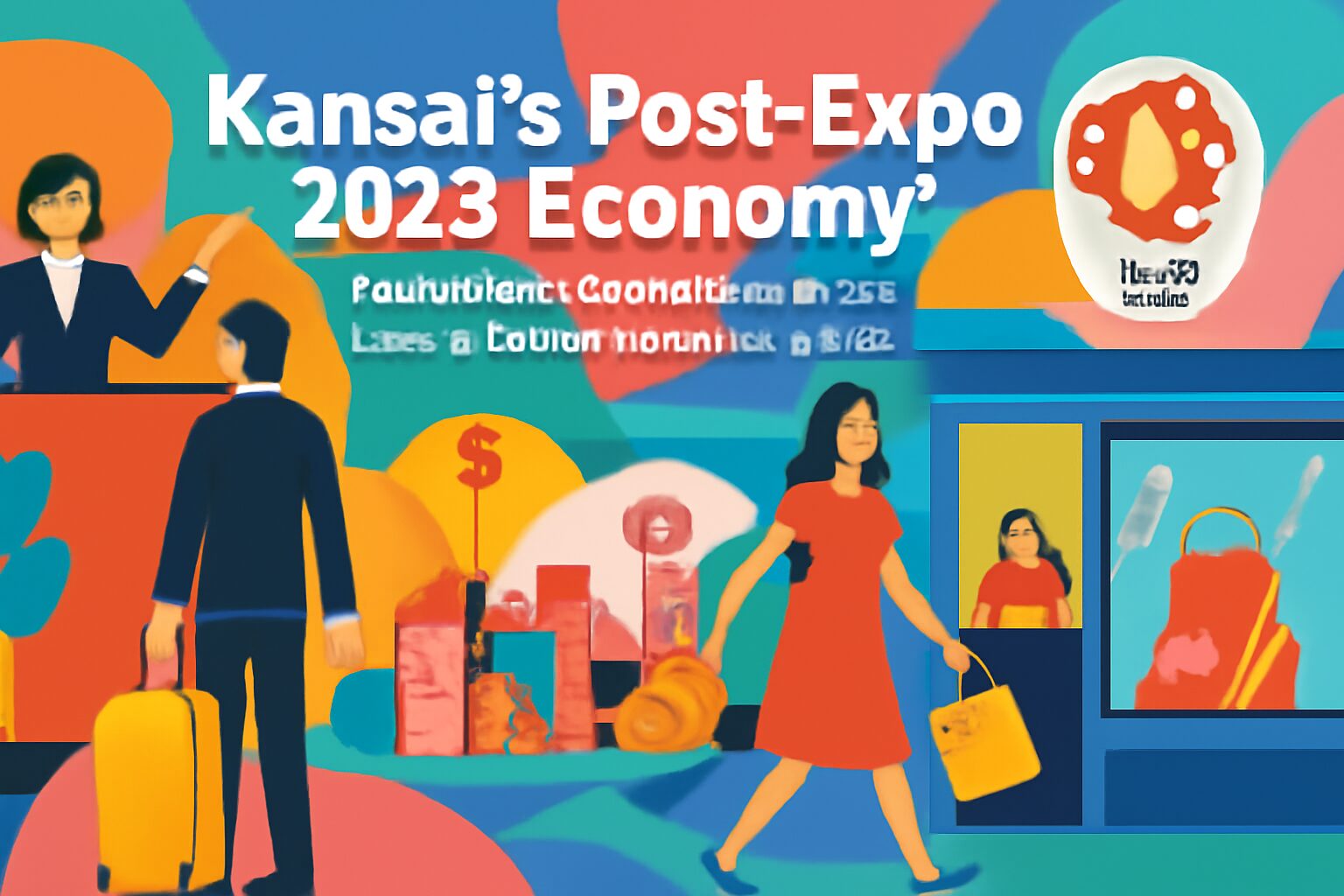
The conclusion of the landmark 2025 World Expo has triggered a significant economic recalibration across the Kansai region, creating a new landscape for both its job market and tourism-related industries. A recent analysis reveals a dual reality: the hospitality sector is finding a new equilibrium after a period of intense demand, while luxury retail is grappling with a noticeable slowdown.
The Expo’s Aftermath: A Shift in the Hospitality Job Market
For years leading up to the Expo, Kansai’s hospitality industry faced a chronic labor shortage. However, the event’s end has provided an unexpected solution. Many of the approximately 20,000 temporary workers employed for the Expo have transitioned into permanent roles within hotels, restaurants, and other tourism services.
This influx of experienced staff has effectively filled long-standing vacancies, leading to a stabilization of the labor market. As a result, analysts predict a slowdown in new hiring for 2026 as the supply of labor now meets demand.
What This Means for Travelers
For visitors to Osaka and the wider Kansai region, this stabilization could be a positive development. With more stable and experienced staffing, hotels and restaurants may be better equipped to provide consistent, high-quality service. The intense competition for workers has eased, potentially allowing businesses to focus more on training and guest experience rather than recruitment.
Luxury Retail Confronts a Cooling Market
In stark contrast to the hospitality sector, luxury retail is experiencing significant headwinds. High-end department stores and boutiques in areas like Shinsaibashi and Umeda have reported a decline in both foot traffic and sales. This trend is attributed to two primary factors.
First, domestic consumers are tightening their belts. Amidst economic uncertainty and rising living costs, discretionary spending on luxury goods has decreased.
Second, the profile of international visitors is changing. The once-dominant trend of high-spending Chinese tourists making large-scale luxury purchases has diminished. While tourism from China is recovering, current visitors are showing a preference for unique experiences, cultural activities, and more affordable goods over high-ticket luxury items. This shift in spending patterns is forcing brands to rethink their strategies in the region.
The Future Outlook: Navigating a New Economic Reality
Kansai is entering a post-Expo adjustment period. The region’s economy, heavily reliant on tourism, must now adapt to these new dynamics.
- For the Hospitality Sector: The immediate future looks stable. The challenge will be to retain this new workforce and maintain high service standards to encourage repeat tourism, moving beyond event-driven demand.
- For the Retail Sector: Luxury brands and retailers will need to innovate. This could mean creating more exclusive in-store experiences, focusing on “Made in Japan” craftsmanship, or tailoring marketing to appeal to the evolving tastes of international and domestic shoppers.
For travelers, Kansai remains a world-class destination. While the economic currents are shifting behind the scenes, the region’s vibrant culture, culinary excellence, and historical treasures are unchanged. This period of economic transition may even give rise to new, innovative experiences as businesses adapt to a new era of tourism.