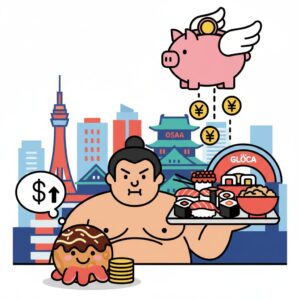
A Sudden Chill in a Thriving Tourism Hub
Osaka and the wider Kansai region, long a favorite destination for international travelers, are grappling with a sudden and significant downturn in tourism from China. The recent cooling of diplomatic relations between Japan and China has led to a sharp decrease in Chinese visitors, causing widespread flight cancellations and forcing the local tourism industry to navigate a challenging new landscape.
The Bigger Picture: Political Tensions and Economic Realities
The primary driver behind this decline is the political friction following Japan’s release of treated water from the Fukushima Daiichi nuclear power plant. This event has fueled anti-Japanese sentiment and safety concerns among the Chinese public, leading to a de facto boycott of travel to Japan.
To understand the magnitude of this shift, it’s crucial to look at pre-pandemic figures. In 2019, visitors from mainland China constituted the largest group of inbound tourists to Japan, accounting for approximately 30% of all international arrivals and a staggering 36.8% of total tourist spending. Their absence creates a massive economic void that is now being felt across Kansai’s service sector.
The Impact on Kansai and Osaka
A Sharp Drop in Air Traffic
Kansai International Airport (KIX), the main gateway to the region, is at the epicenter of the disruption. Airlines have reported a dramatic 55-65% drop in winter and spring bookings from China compared to previous projections. This has resulted in a wave of flight cancellations, leaving airport schedules and revenue forecasts in disarray. The once-bustling arrival halls that welcomed numerous flights from cities like Shanghai, Beijing, and Guangzhou are now noticeably quieter.
Economic Ripples Across the Region
The economic fallout extends far beyond the airport.
- Retail and Hospitality: Osaka’s famous shopping districts, such as Shinsaibashi and Dotonbori, which once thrived on the spending power of Chinese tour groups, are experiencing a significant drop in foot traffic. Hotels that catered heavily to the Chinese market are facing lower occupancy rates, and restaurants and souvenir shops are reporting a sharp decline in sales.
- Tour Operators: Local tour companies and bus operators that designed itineraries specifically for Chinese tourists have been forced to cancel or drastically scale back their operations. The entire travel supply chain, from guides to transportation providers, is feeling the strain.
Looking Ahead: A Push for Diversification
The immediate future remains uncertain and is heavily dependent on the diplomatic climate between the two nations. A swift recovery is not anticipated, forcing the Kansai tourism industry to adapt quickly to survive.
This crisis has served as a stark reminder of the risks of over-reliance on a single market. In response, tourism boards and local businesses are accelerating efforts to diversify their visitor base. The focus is now shifting towards other markets:
- Southeast Asia and the Middle East: Aggressive marketing campaigns are being launched to attract visitors from countries like Thailand, Singapore, Taiwan, and the United Arab Emirates. The current weakness of the Japanese Yen makes Japan an incredibly affordable destination for these travelers.
- Europe and North America: There is a renewed push to attract long-haul travelers from Western countries, who tend to stay longer and explore a wider range of cultural experiences beyond just shopping.
For travelers planning a trip to Osaka, this situation may translate to fewer crowds at popular attractions. It also presents a unique opportunity to support local businesses as they navigate this challenging period of transition, ensuring that the vibrant culture and hospitality of Kansai continue to thrive.