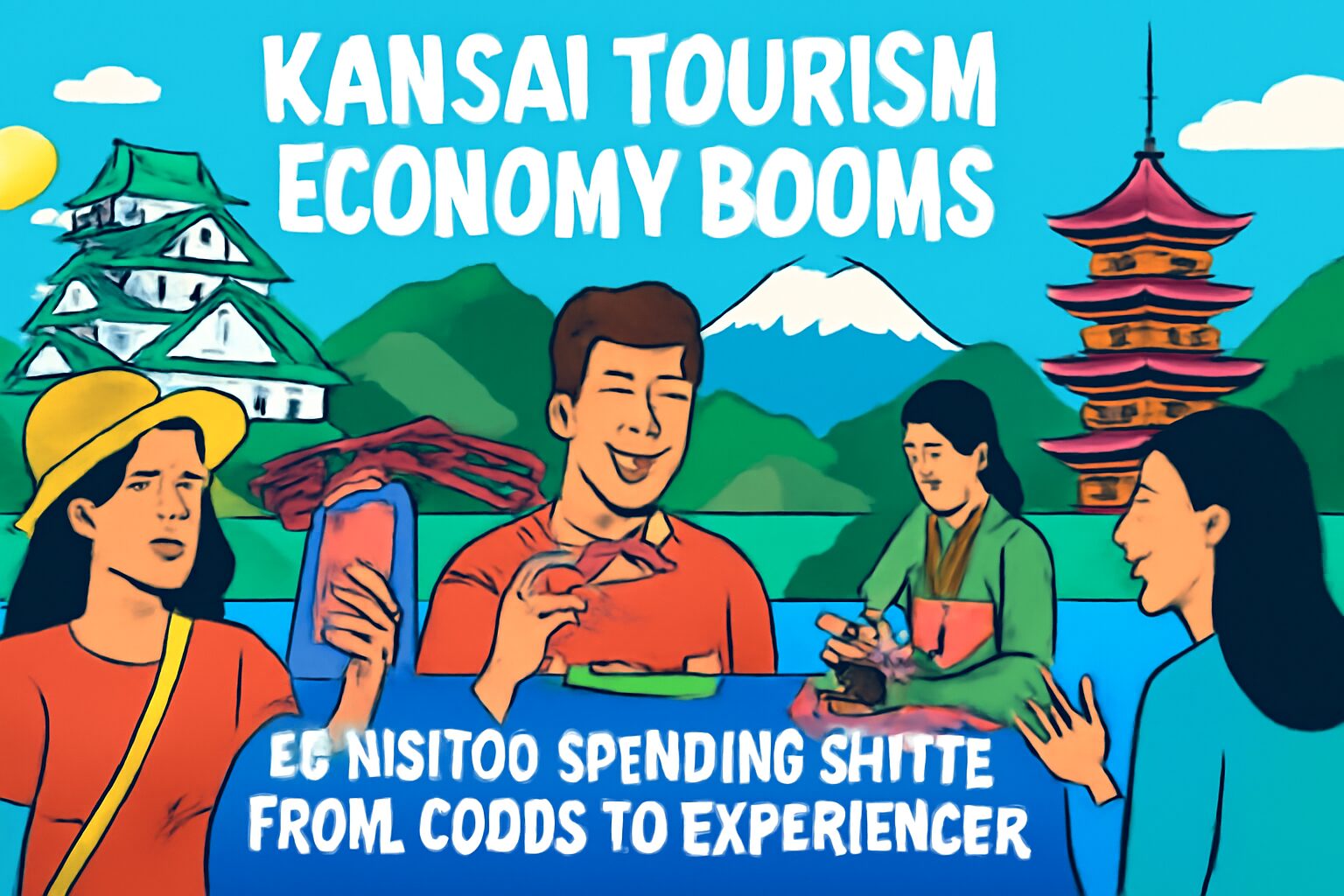
The Osaka-Kansai region is experiencing a profound tourism-driven economic upswing as we navigate through the latter half of 2026. Rather than relying on traditional retail shopping, the local economy is now being fueled by a rapidly expanding market for high-value, experience-based consumption. This fundamental shift in tourist behavior is reshaping the regional tourism landscape, bringing immense benefits to local communities and cultural practitioners across western Japan.
The Rise of ‘Koto-Shohi’ in Osaka and Beyond
For decades, inbound tourism in Japan was heavily associated with “mono-shohi,” or the mass consumption of physical goods. Visitors historically flocked to Osaka’s vibrant districts primarily to purchase electronics, cosmetics, and luxury fashion. Today, however, international travelers are pivoting toward “koto-shohi”—the consumption of experiences.
Travelers visiting Kansai in 2026 are highly motivated to seek authenticity and personal enrichment. Instead of dedicating their budgets strictly to major shopping avenues, they are investing in unique cultural immersions. Exclusive culinary tours through Osaka’s hidden food alleys, private traditional craft workshops in neighboring artisan towns, and premium guided historical excursions are seeing unprecedented booking rates. Visitors are demonstrating a clear willingness to pay a premium for memorable, one-of-a-kind activities that foster a genuine connection to the region’s heritage.
The Numbers Behind the Economic Surge
This strategic shift toward quality over quantity is reflecting highly positive numbers across the board for the regional economy. According to recent economic data from this summer, overall tourist spending in the Kansai region has officially surpassed pre-pandemic levels by a remarkable 15%.
The recovery phase has fully evolved into a period of aggressive, sustained growth, with inbound tourist expenditure surging by 14.6% year-over-year compared to 2025. By investing in specialized services and premium experiences, tourists are driving this revenue directly into the hands of local communities. Small business owners, boutique tour operators, and traditional artisans are currently thriving in this new economic climate.
Background: The Lasting Legacy of Expo 2025 and Evolving Preferences
This dramatic shift in consumer behavior and the resulting economic surge is deeply connected to the legacy of the 2025 Osaka-Kansai World Expo. The highly successful mega-event, which concluded late last year, served as a major catalyst for the region. It prompted massive upgrades in hospitality infrastructure, transportation, and multilingual services, while firmly cementing Osaka’s profile on the global stage.
The global exposure from the Expo successfully transformed first-time visitors into the repeat travelers we see returning to Japan this year. These returning visitors desire to explore the culture on a deeper level. Combined with a broader global travel trend that prioritizes personal enrichment following the travel disruptions earlier this decade, modern visitors are arriving in Kansai ready to actively engage with the local culture rather than simply consume its commercial products.
Future Outlook: Sustainable Growth and Local Impact
The transition toward koto-shohi paints a highly optimistic picture for the future of Kansai’s tourism industry. Because experience-based tourism often takes place outside of central retail hubs, this trend naturally promotes regional dispersion. Visitors traveling to suburban and rural artisan towns for hands-on workshops or agricultural tours help distribute wealth more evenly across the Kansai prefectures, directly supporting independent businesses and ensuring regional economic resilience.
Looking ahead, this diversification of tourist activities is expected to serve as a natural buffer against overtourism in densely packed urban centers like Dotonbori or Kyoto’s core districts. As the region continues to leverage the momentum from the 2025 Expo, the focus on cultural preservation and authentic experiences will likely cement Osaka and the wider Kansai area as a premier, sustainable destination for high-value international travelers well into the next decade.