Hello, fellow explorers of flavor! Sofia here, ready to whisk you away on another culinary adventure deep into the heart of authentic Osaka. Forget what you think you know about udon for a moment. We’re venturing beyond the well-trodden paths of Dotonbori, past the gleaming towers of Umeda, and into the southern suburbs where a local legend simmers in unassuming pots, waiting to be discovered. I’m talking about Kasu Udon, a dish that isn’t just a meal—it’s a story, a testament to the ingenuity and hearty spirit of the region. It’s a noodle soup with a secret ingredient, one that transforms a simple bowl into an umami-packed explosion of flavor that will redefine your understanding of Japanese comfort food. For me, the first encounter was a revelation. Drawn in by the incredible aroma wafting from a tiny, steam-filled shop on a cool evening, I found myself face-to-face with a bowl that was both rustic and profound. It’s a taste that stays with you, a memory that warms you from the inside out. This is the real, everyday Osaka, and Kasu Udon is its soulful, savory anthem. So, grab your chopsticks, bring your appetite, and let’s dive into the deep, delicious world of South Osaka’s most treasured noodle soup.
After savoring the deep flavors of South Osaka, you might feel inspired to explore the region’s spiritual heritage, starting with a visit to the ancient Sumiyoshi Taisha.
The Secret Ingredient: Unveiling the Magic of Abura-Kasu

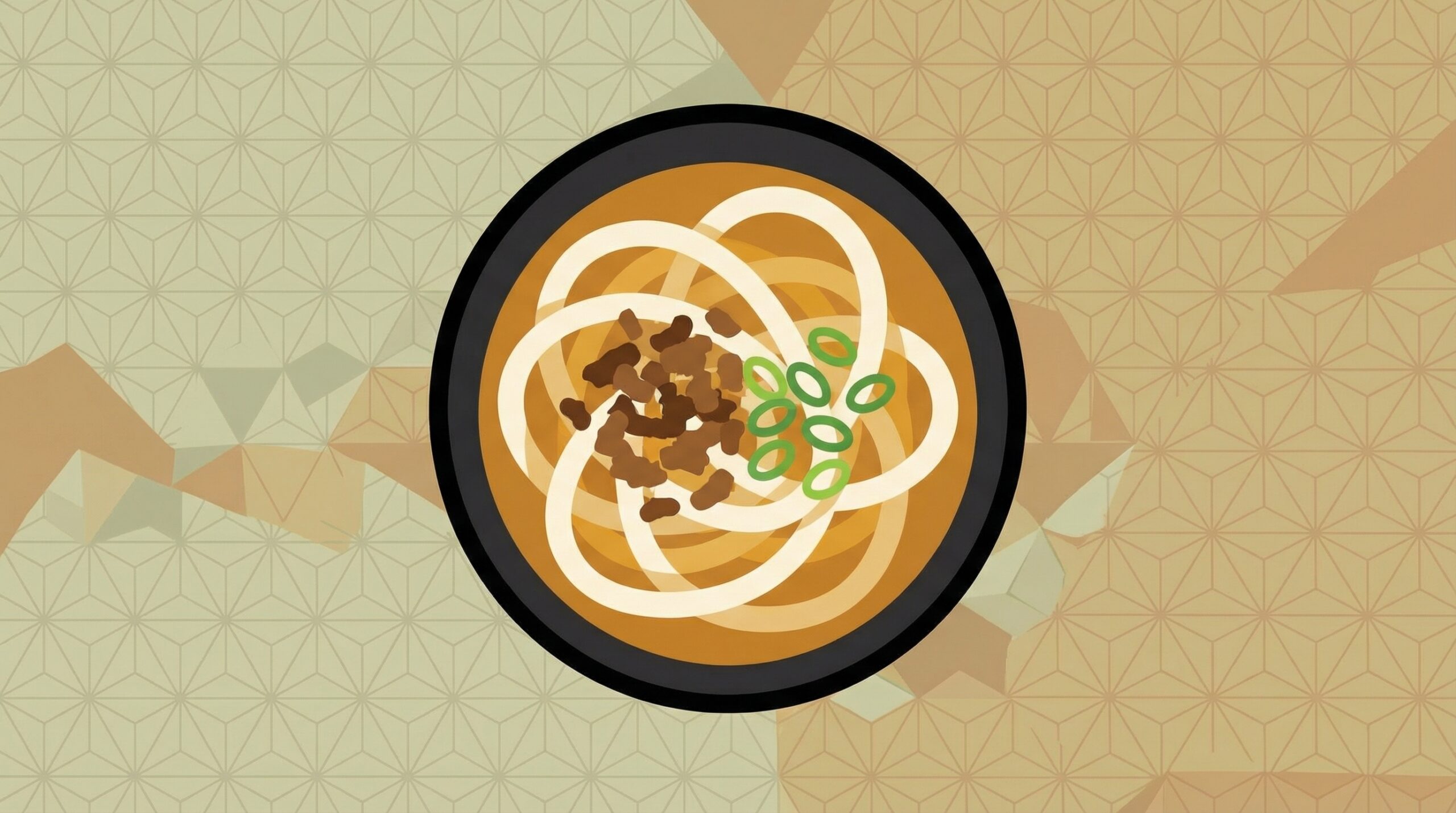
Before we can truly savor the symphony of flavors in a bowl of Kasu Udon, we must first become familiar with its star ingredient: abura-kasu. The name itself, loosely translating to “oil dregs” or “fried scraps,” greatly underrepresents the culinary gem it actually is. This is no mere leftover; it is the result of a meticulous, time-honored process that embodies the Japanese philosophy of mottainai—the art of wasting nothing. Abura-kasu is made from beef intestines, specifically the small intestine, known in the realm of offal as horumon. The preparation is one of patient transformation. The intestines are thoroughly cleaned and then slow-fried over low heat for an extended period. This is not a quick deep-fry but a gradual rendering process. As the fat slowly melts away, the tissue contracts and dehydrates, concentrating flavor and transforming texture. What remains are small, knobby, golden-brown nuggets. They are incredibly light, almost porous, and offer a satisfyingly crisp crunch when dry. The aroma is intensely savory, with a deep, roasted beefiness that is utterly captivating. At first glance, they might not seem remarkable, but these little morsels are packed with a remarkable amount of protein and, most importantly, collagen. The long, slow cooking renders out nearly all the fat, leaving behind pure, unadulterated essence of beef. Think of it as a super-condensed flavor bomb, a savory secret weapon that unlocks the entire dish. When these crispy nuggets of abura-kasu are added to the hot udon broth, magic ensues. It’s a multi-sensory experience. You hear a faint sizzle as they meet the liquid. You watch them soften and plump up, rehydrating like sponges. But unlike a sponge soaking up water, the kasu absorbs the flavorful dashi while simultaneously releasing its own profound, beefy umami back into the soup. The texture becomes a delightful paradox. Some parts of the kasu grow wonderfully chewy and gelatinous, melting in your mouth with bursts of rich, collagen-infused goodness. Other bits, especially those protruding above the broth, retain a hint of their original crispness, providing a fantastic textural contrast to the soft udon noodles. This dual texture is a hallmark of an exceptional bowl of Kasu Udon. It is this transformative quality that elevates the dish. The abura-kasu does not merely sit in the soup; it becomes one with it, fundamentally altering its character from a standard, light Kansai-style dashi to something much deeper, richer, and more complex. It adds subtle sweetness, profound savoriness, and a velvety mouthfeel that coats the tongue. It is, without question, one of the most unique and delicious ingredients in Osaka’s vast culinary tradition.
The Foundation: Kansai Dashi and Osaka’s Gentle Udon
While abura-kasu is undoubtedly the star, the supporting elements in this culinary drama are equally vital to its success. A perfect bowl of Kasu Udon is a delicate harmony of three key components: the kasu, the broth, and the noodles. The broth, or dashi, is the soul of any Japanese noodle soup, and here it beautifully embodies Kansai’s culinary philosophy. Unlike the dark, robust, soy-sauce-forward broths commonly found in the Kanto region near Tokyo, Kansai-style dashi emphasizes subtlety, clarity, and pure umami. It usually begins with high-quality kombu (dried kelp), gently steeped in water to extract its delicate, oceanic essence. Next comes the addition of katsuobushi (dried, smoked bonito flakes), briefly simmered to impart a smoky, savory depth. The resulting dashi is a lovely pale golden liquid—light on the palate yet richly flavorful. It is seasoned with light soy sauce (usukuchi shoyu), mirin, and a touch of salt, all carefully balanced to avoid overpowering the natural flavors of the kombu and katsuobushi. This refined, elegant dashi serves as the perfect canvas for the abura-kasu. Its clean flavor profile allows the rich, beefy character of the kasu to take center stage without competition. When the kasu is added, the broth undergoes a remarkable transformation. The clear, golden dashi becomes slightly opaque and takes on a deeper amber tone. The fats and collagen from the kasu emulsify into the soup, enriching its body and giving it a silky texture that clings gracefully to the noodles. The aroma evolves, shifting from a clean, marine scent to a complex bouquet of smoky fish, savory kelp, and the deep, roasted fragrance of beef. It becomes a broth that comforts and satisfies on a profound level. Then there are the noodles. Osaka’s udon is a marvel in itself, providing a delightful contrast to the firm, chewy Sanuki-style udon popular throughout Japan. Osaka udon is celebrated for its distinctive mochi-mochi texture. The noodles are thick, plump, and wonderfully soft, with a gentle, yielding bite and a pillowy quality. They are not mushy but instead possess a tender elasticity that is intensely comforting. This softness is a feature, not a flaw, making them an ideal vessel for a soup like Kasu Udon. They absorb the complex, kasu-infused broth perfectly. Each mouthful delivers not only the noodle but also a burst of that rich, savory soup. The smooth surface of the udon offers a perfect contrast to the chewy, sometimes crispy texture of the abura-kasu, creating a harmonious and utterly satisfying eating experience. The combination is pure magic: the deep umami of the kasu, the elegant complexity of the Kansai dashi, and the soft, comforting embrace of the Osaka-style udon noodles. Together, they form a bowl that is far greater than the sum of its parts—a true masterpiece of regional cuisine.
Roots of Flavor: The History and Culture of Minami-Kawachi

To truly appreciate Kasu Udon, you need to visit its birthplace: the Minami-Kawachi region of Osaka Prefecture. This area, which includes cities like Habikino, Fujiidera, and Matsubara, lies southeast of central Osaka. It is a land of ancient burial mounds (kofun), historic temples, and expansive vineyards, but also a region with a rich industrial and agricultural heritage. For generations, this part of Osaka was a major hub for meat processing. This background is essential to the origin of abura-kasu. In the busy meatpacking industry, butchers and workers faced the challenge of utilizing less conventional parts of the animal, such as the offal. The spirit of mottainai, a strong cultural aversion to waste, meant every part of the animal had to be used. Thus, a method was developed to preserve and use the intestines. By slowly rendering and frying them, they created abura-kasu, a shelf-stable product that concentrated flavor and could be stored for future use. It was a clever, resourceful solution born out of necessity. Initially, abura-kasu was a local secret, a humble ingredient used in home cooking and sold at neighborhood butcher shops. It was often added to simple soups or stir-fries to enhance flavor and nutrition. Considered hearty, working-class fare, it was perfect for recharging after a long day of physical labor. The stroke of genius came when someone decided to add it to a basic bowl of udon. The combination was ideal. The rich, savory kasu transformed the light, everyday noodle soup into something exceptional. It was inexpensive, filling, and incredibly delicious. The dish quickly earned a devoted following among the local community. The first Kasu Udon restaurants that appeared in the Minami-Kawachi area were not upscale venues. They were, and many still are, small, no-frills establishments often located near train stations or along old highways. The atmosphere inside plays a major role in the experience. Imagine a compact space, filled with the warm, humid aroma of simmering broth. A simple wooden counter usually dominates the room, offering a front-row view of the action. You hear the rhythmic sounds of noodles boiling and straining, cheerful greetings from the staff, and the satisfied slurping of fellow diners. The decor is practical, unpretentious, and focused entirely on the food. It feels lived-in and authentic, a world apart from sleek, modern restaurants. Eating Kasu Udon in its home setting feels like being let in on a local secret. You’re surrounded by people from all walks of life—factory workers on lunch break, families enjoying casual dinners, friends wrapping up a night out. The dish is a great equalizer, a source of shared comfort and local pride. It embodies the unpretentious, down-to-earth spirit of South Osaka, a region that values substance over style and flavor above all else. Kasu Udon is a dish with soul, deeply tied to the land and the people who created it—a delicious legacy of their resourcefulness and culinary wisdom.
Crafting Your Perfect Bowl: A Guide to Toppings and Variations
One of the greatest pleasures of the Kasu Udon experience is the ability to customize your bowl, turning it from a simple classic into a personalized masterpiece. While a standard bowl of Kasu Udon—with its rich broth, tender noodles, generous portions of kasu, and a sprinkle of vibrant green onions—serves as a perfect foundation, the topping menu at most shops is where the real excitement begins. Exploring these additions is like unlocking new dimensions of flavor and texture, and local regulars often have their own signature combinations. Let’s explore some of the most popular and delicious ways to enhance your Kasu Udon.
A fantastic and traditional addition is tororo kombu. This isn’t the thick, leafy kelp you might expect, but kelp shaved into incredibly thin, fluffy, web-like strands. When it meets the hot broth, it melts almost instantly, slightly thickening the soup and imparting a deep, savory, and slightly viscous quality. It adds another layer of profound umami that beautifully complements both the dashi and the kasu, enriching the broth’s complexity and satisfaction.
Another popular topping from the sea is wakame, a type of tender seaweed. Adding wakame brings a fresh, subtly briny flavor and a soft, silky texture that contrasts nicely with the chewy kasu. It also adds a lovely dark green hue to the bowl, making it more visually appealing.
For meat lovers who believe you can never have too much beef, ordering Niku Kasu Udon is a must. This version features thinly sliced, sweet-savory simmered beef—similar to what you’d find in a gyudon bowl—heaped over the noodles. The result is a double dose of beefy goodness. The sweetness of the simmered beef pairs wonderfully with the deep, roasted flavor of the kasu, creating an incredibly rich and indulgent experience. It’s a hearty, robust bowl guaranteed to satisfy even the biggest appetites.
If you’re craving a bit of heat, adding kimchi is an increasingly popular choice. The spicy, tangy, and funky flavors of fermented cabbage cut through the richness of the broth beautifully, adding a vibrant, palate-cleansing element. The fusion of Korean spice and Japanese umami is a match made in heaven, crafting a dynamic and exciting flavor profile, especially delightful on a cold day.
Naturally, no udon topping list would be complete without tempura. A large, crispy prawn tempura (ebi-ten) arching gracefully over the bowl is a classic sight. The magic happens as the light, airy batter on the lower half of the prawn soaks up the kasu-infused broth, becoming soft and infused with flavor, while the top half remains satisfyingly crispy. Other choices like kakiage (a mixed vegetable and seafood tempura fritter) or chikuwa-ten (fried fish cake tempura) are excellent as well.
For a touch of creamy richness, a raw egg (tamago) is a superb addition, transforming your bowl into Tsukimi Kasu Udon or “moon-viewing” udon. You simply crack the fresh egg into the center of the hot soup; the whites gently poach while the yolk stays liquid. Breaking the golden yolk and stirring it in creates a velvety, carbonara-like texture, enriching and smoothing the broth in an absolutely divine way.
Don’t forget the condiments on the counter. A dash of shichimi togarashi, the classic Japanese seven-spice blend, adds gentle heat and complex aromatic notes. For a different kind of spice, a sprinkle of sansho pepper provides a unique citrusy tingle that brightens the rich flavors. Experimentation is highly encouraged—start with the classic, then on your next visit, be adventurous. Combine toppings—why not Niku Udon with a raw egg and a side of tempura? The staff won’t bat an eye. Crafting your perfect bowl is part of the tradition and a delicious journey of discovery.
Your First Slurp: Navigating the Kasu Udon Experience

Stepping into a traditional Kasu Udon shop for the first time can be both exciting and slightly intimidating. The atmosphere is usually lively and fast-paced, but once you understand the basics, the process is quite simple and foreigner-friendly. Here’s a brief guide to make your first visit smooth, delicious, and unforgettable. First, finding a shop. While the dish’s heartland is in Minami-Kawachi, its popularity has given rise to chains like the widespread “Kasu-ya,” with locations scattered throughout Osaka city, offering a convenient introduction. For the adventurous, taking the Kintetsu line toward Fujiidera or Habikino will lead you to smaller, independent shops that have served their communities for decades. Look for the distinctive characters かすうどん on red lanterns or simple banners (noren) at the entrance. Upon entering, you’ll often encounter a ticket vending machine, or kenbaiki, which is common in many casual Japanese eateries and makes ordering easy even without speaking Japanese. The buttons typically feature pictures of the dishes and are labeled in Japanese, but are straightforward to understand. Look for the button marked かすうどん for the standard bowl, or options like 肉かすうどん (Niku Kasu Udon) and 天ぷらかすうどん (Tempura Kasu Udon), usually identifiable by their photos. Simply insert your cash, select your dish and any extras (such as rice or an onigiri), and the machine will print tickets for each item. With your tickets in hand, find a seat at the counter or a small table and give them to the staff. They may ask a simple question about your noodles, such as whether you want them hot (atatakai) or cold (tsumetai), though Kasu Udon is almost always served hot. If there’s no vending machine, don’t worry—just sit down and a staff member will come by to take your order. You can simply point to what you want on the menu, which often includes pictures for easy navigation. While waiting, take a moment to absorb the atmosphere: watch the chefs prepare the bowls with practiced skill, listen to the lively conversation around you, and enjoy the enticing aroma filling the air. Your bowl will arrive shortly, steaming hot and looking fantastic. Now, about eating etiquette. The key rule is to enjoy it while it’s hot. Don’t hesitate to slurp your noodles! In Japan, slurping is not rude; it’s a sign that you’re savoring your meal. It also helps cool the noodles and enhances the flavor by aerating the broth. Use your chopsticks to lift noodles to your mouth and your spoon for the broth and the tasty pieces of kasu. Take time to appreciate the various textures—the softness of the noodles, the chewiness of the kasu, and the crispness of the green onions. As you near the end, it’s perfectly acceptable to lift the bowl with both hands and drink the remaining broth directly. Trust me, you won’t want to waste a drop of that liquid gold. Kasu Udon is generally very affordable, making it a great value. A standard bowl usually costs well under 1,000 yen, with toppings adding a little more. It’s a truly satisfying meal that won’t strain your budget. So go ahead with confidence! The experience is about simple, unpretentious, delicious food. The staff in these local shops are accustomed to a steady flow of customers and focus on serving great food quickly. Be polite, be enthusiastic, and prepare for one of the best noodle experiences Osaka has to offer.
Beyond the Bowl: The Versatile Charm of Abura-Kasu
The story of abura-kasu doesn’t stop at a bowl of udon. This remarkably flavorful ingredient is so cherished in its native region that it has been incorporated into a diverse range of other dishes, imparting its distinctive savory depth wherever it appears. Exploring these alternative uses is an excellent way to appreciate the versatility and significance of kasu in the local culinary culture. Once you’re hooked, you’ll begin noticing it on menus in numerous delightful and unexpected places, especially in restaurants and izakayas throughout South Osaka. One of the most natural variations is Kasu-don. This classic donburi, or rice bowl, features abura-kasu as the centerpiece instead of the typical chicken and egg (oyakodon) or pork cutlet (katsudon). The kasu is usually simmered in a sweet and savory dashi-based sauce with onions and lightly beaten egg, then served over steaming hot rice. The kasu rehydrates in the sauce, becoming tender and juicy, while infusing the entire dish with its rich, beefy flavor. It’s a comforting and hearty meal, perfect for a quick and satisfying lunch. Abura-kasu also shines as an addition to Osaka’s other iconic soul foods: okonomiyaki and yakisoba. When folded into okonomiyaki batter, crispy kasu pieces create delightful bursts of flavor and a pleasant crunchy texture that contrasts with the soft pancake. In yakisoba, kasu is often stir-fried with noodles, cabbage, and meat. As it cooks, it releases its flavor into the sauce and develops a chewy texture, elevating this simple fried noodle dish to a savory delight. Some inventive chefs even use it as a ramen topping, where its robust taste complements the rich pork-based tonkotsu broth. You might also come across kasu-jiru, a hearty soup where kasu is the main flavoring, commonly simmered with root vegetables like daikon radish and carrots. This rustic and nourishing dish is especially favored during colder months. The best part for those of us living here is that the magic of abura-kasu can easily be brought into your home kitchen. Many local butcher shops (o-niku-san) and some larger supermarkets in South Osaka sell bags of dried abura-kasu for home use. This opens up a world of culinary possibilities and represents an incredible secret weapon for your pantry. You can toss a handful into any soup or stew to instantly deepen the flavor. Try crumbling it over a salad for a savory, crunchy topping—a fantastic alternative to bacon bits. It can be stir-fried with vegetables, mixed into fried rice, or even serve as the base for a rich pasta sauce. Its intense, concentrated flavor means a little goes a long way. Having abura-kasu on hand is like keeping a jar of pure umami at your disposal. It allows you to easily replicate the taste of South Osaka at home and experiment with exciting new flavor combinations. This highlights the ingredient’s remarkable ability to enhance a wide variety of dishes, proving it is far more than just an udon topping—it is a true cornerstone of the regional cuisine.
A Taste of True Osaka

In a city as vibrant and gastronomically rich as Osaka, it’s easy to be captivated by the bright lights and iconic dishes that dominate the global stage. Takoyaki, okonomiyaki, kushikatsu—these are the celebrated symbols of Osaka’s culinary scene, and rightly so. However, to truly connect with the city’s essence, to savor its history and appreciate its humble spirit, you must explore its heartlands. Seek out the dishes that locals hold dear, meals that have sustained generations—not for spectacle, but for nourishment and pure, unfiltered enjoyment. Kasu Udon is one such dish. It perfectly embodies Osaka’s character. It’s inventive, born from a practical need to waste nothing, yet yields something remarkably delicious. It’s bold and flavorful, proudly rooted in its deep, savory offal base. It’s comforting and generous, a meal that warms you from within and feels like a gentle embrace in a bowl. Above all, it’s authentic. Eating Kasu Udon is more than a culinary experience; it’s a cultural immersion. It means finding a small, steamy shop tucked away on a quiet street, sitting shoulder-to-shoulder with locals, and sharing a simple, perfect pleasure. It’s about realizing that the most profound flavors often arise from the humblest ingredients. So, I invite you to step off the well-worn path. Take that train ride south. Look for the red lantern marked かすうどん. Be adventurous, try the toppings, and slurp your noodles with enthusiasm. In that rich, amber broth, you’ll discover more than just noodles and kasu. You’ll uncover a piece of Osaka’s history, a taste of its working-class pride, and a flavor that will linger with you long after the last drop is gone. This is the true taste of Osaka, waiting for you to find it.