Life in Osaka is a full-body experience. It’s a city that never whispers when it can shout, a place where the air itself seems to buzz with a relentless, chaotic energy. You feel it in the rumble of the Midosuji line under your feet, you hear it in the cacophony of pachinko parlors bleeding out onto the shotengai, you taste it in the smoky, savory bliss of a late-night okonomiyaki. I live for this energy. It’s the engine of the city, the beautiful, messy, human current that powers everything. But let’s be honest. It’s also completely exhausting. There comes a point, usually on a packed Friday evening train with someone’s elbow digging into your ribs, when your soul starts screaming for silence. Not just quiet, but a deep, resonant silence that can recalibrate a nervous system fried by urban living. For many of us living in Osaka, that silence has a name: Koyasan.
Now, you’ve probably seen the tourist brochures. The serene monks, the misty forests, the promise of spiritual awakening in a temple lodging, or `shukubo`. And that’s all there, it’s true. But for the Osaka resident, a weekend trip to Koyasan is less about a pilgrimage and more about a strategic retreat. It’s a practical, necessary system restore. It’s not about escaping Osaka forever; it’s about recharging so you can dive back into its glorious madness with renewed vigor. This isn’t a story about finding enlightenment through ancient rituals. This is a story about finding stillness, your own way, so you can continue to thrive in the loudest, most vibrant city in Japan. It’s about leveraging this sacred mountain as a tool for modern urban survival, an approach that feels deeply, fundamentally Osakan in its pragmatism. Forget the idealized travel guide. This is how you use Koyasan to keep your mind and body intact while living the Osaka life.
After replenishing your soul in Koyasan, reentering Osaka’s dynamic pace becomes even more invigorating when you delve into its wild supermarket culture.
The Osaka Send-Off: Getting There is Half the Story
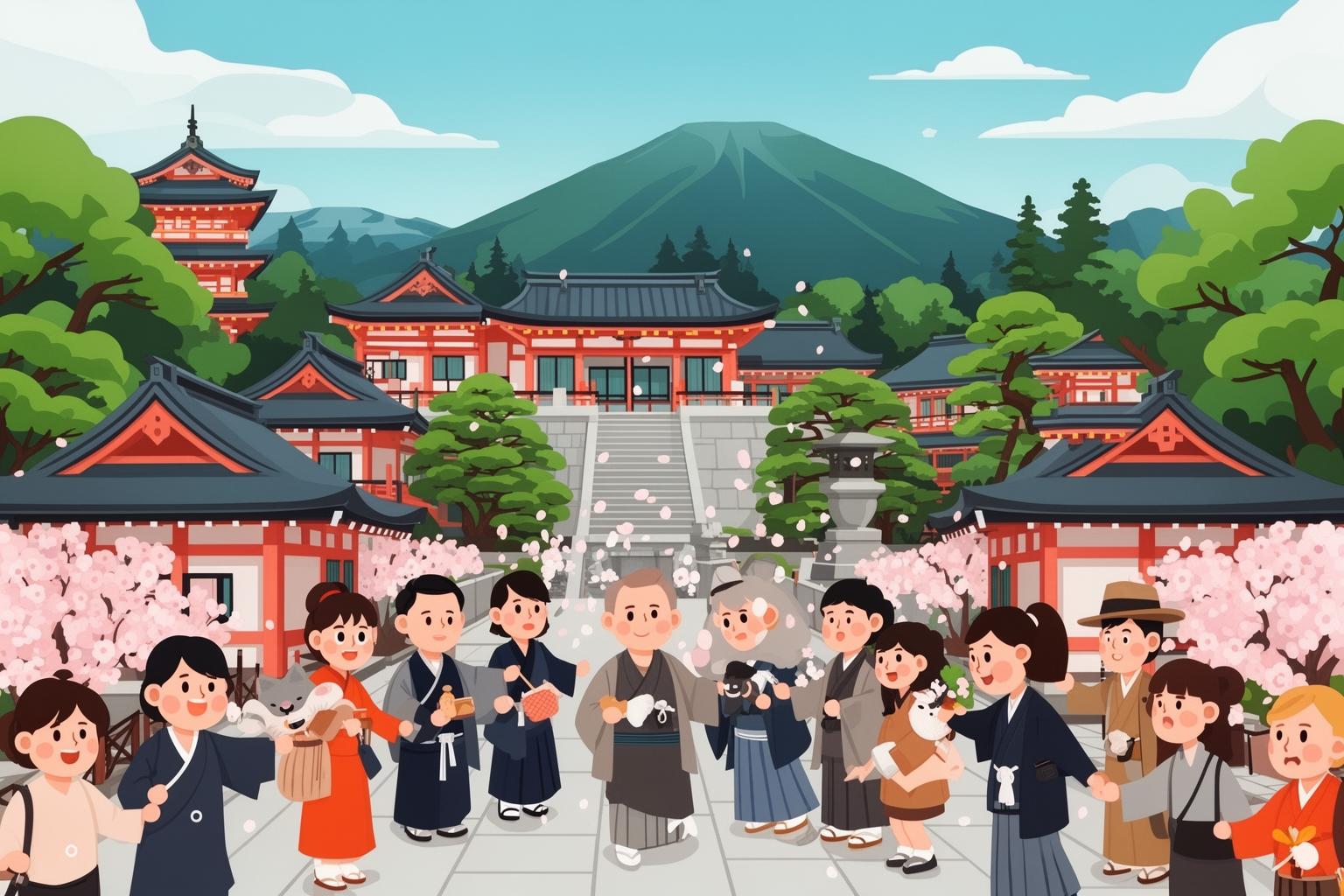
Your journey to calm begins in the most chaotic place imaginable: Nankai Namba Station. Forget the serene, almost sterile efficiency of Tokyo Station. Namba pulses like a living, breathing entity. It’s a noisy symphony of hurried footsteps, booming vendor announcements selling pork buns, and the constant, cheerful jingle of the station melody. The air is thick with the scent of train brakes and takoyaki batter. This is the heart of Minami, Osaka’s southern hub, a sensory onslaught. People here don’t walk in straight, orderly lines—they weave, surge, and flow like a river, skillfully dodging tourists and each other with daily-honed instinct. This is your starting point. It perfectly embodies what you’re seeking to escape.
Here, you witness the Osaka mindset in full force. Folks grab a quick kushikatsu before boarding the train, laughing loudly as their Kansai-ben dialect fills the air with its distinctive melodic rhythm. There’s an earthiness here, an unpolished authenticity you don’t always find in Tokyo’s more refined public spaces. The journey to a sacred mountain doesn’t begin with quiet reflection; it begins with the vibrant, messy reality of city life.
Right here, too, you’ll encounter a core Osaka value: the obsession with ‘otoku’ — getting the best deal. No one buys just a simple ticket. Everyone, and I mean everyone, lines up for the Koyasan World Heritage Ticket. It’s a smart bundle that includes the round-trip train, the steep cable car up the mountain, and unlimited bus travel once there. To a Tokyoite, it might seem just convenient. To an Osakan, it’s principle. Why pay separately for each leg when you can save a few hundred yen with a package? It’s not about being cheap—it’s about being smart, about recognizing a good deal and enjoying the small victory of financial savvy. This practical, no-nonsense approach is woven into the city’s DNA, a legacy of its merchant-town roots. So, armed with your ‘otoku’ ticket, you board the Nankai Koya Line, your passport out of the urban jungle.
The train ride itself is a gradual unwinding. The carriages pull away from Namba’s concrete maze, past the gritty, industrial outskirts of southern Osaka, and begin the ascent. Tightly packed houses give way to bamboo groves; urban gray shifts to a thousand shades of green. The change is striking. With every kilometer, city noise fades, replaced by the gentle clatter of the train on the tracks. Watching the world transform outside your window, you feel something inside you start to shift, too. The final stretch, a near-vertical cable car ascent, feels like a lift into another realm. Stepping out at the top, the air is different—clean, cool, scented with cedar. You have arrived.
Beyond the Temple Stay: Finding Your Own Silence
The common recommendation for visiting Koyasan is to book a `shukubo`, a temple lodging. It’s undoubtedly an incredible experience. You get to enjoy `shojin ryori`, the intricate vegetarian cuisine prepared by the monks, and take part in morning prayers. But here’s a little insight from someone who’s lived there long-term: sometimes, the structure of a temple stay can feel like just another set of obligations. Waking up at 5 a.m. for a ceremony, eating at specific times, adhering to house rules. When you’re truly exhausted from the stresses of work, deadlines, and social pressures in Osaka, what you crave most isn’t scheduled spirituality. It’s freedom.
This is why I often skip the `shukubo`. Instead, I choose a small, family-run guesthouse or a simple hotel. This decision reflects a certain Osaka pragmatism. The aim is to recharge, and you have to be honest about what that entails. For me, it means autonomy. The freedom to sleep until I wake naturally. The freedom to wander without any agenda. The freedom to decide on coffee and a pastry for breakfast instead of rice and pickles. It’s about customizing the experience to your real needs, not to an idealized version of a “spiritual retreat.” Osaka people excel at this. They honor tradition but don’t feel bound by it when it lacks practical value. The mountain doesn’t mind where you sleep. Its silence welcomes everyone.
The Art of Doing Nothing, Osaka Style
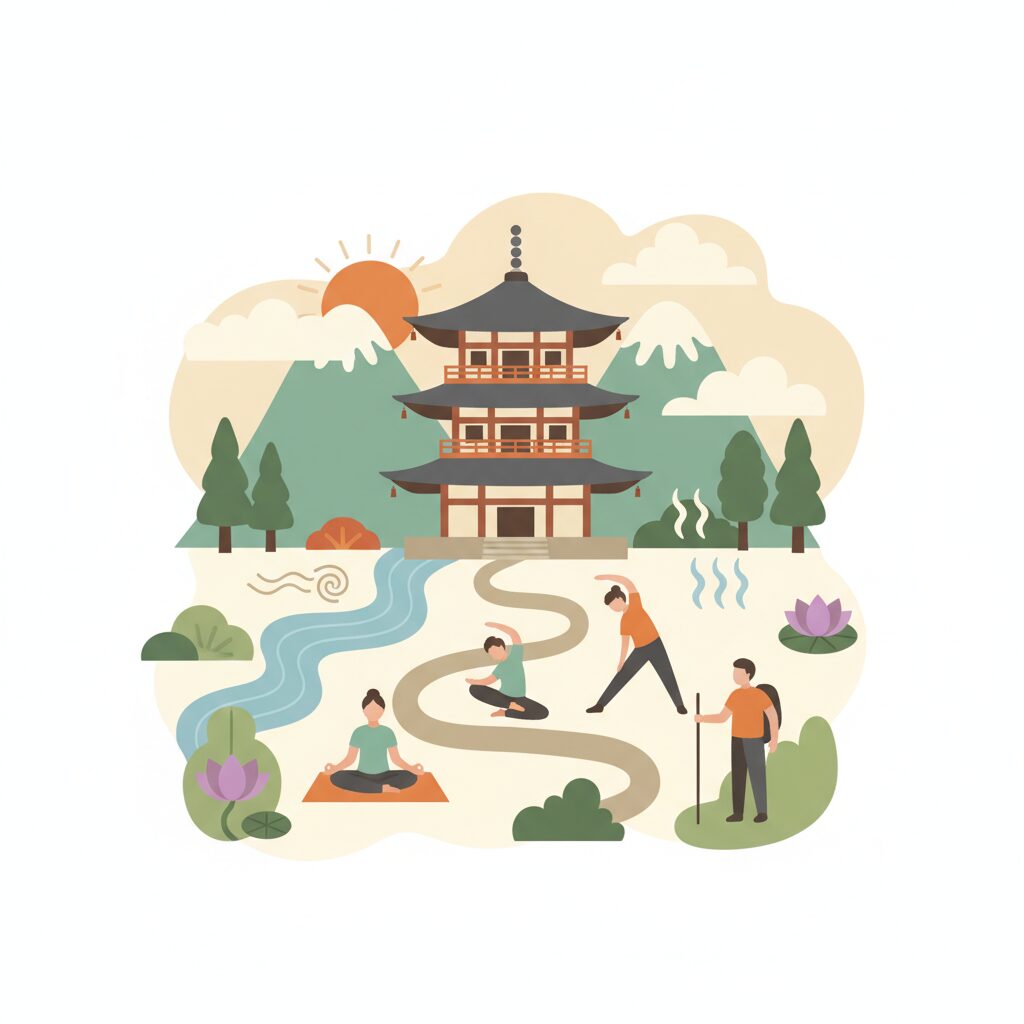
Once you free yourself from a rigid schedule, Koyasan reveals itself. The true magic isn’t only in famous sites like Kongobuji or the Garan complex. It’s in the quiet spaces between them. The real healing is in walking without a destination. Put your phone away. Just walk.
In Osaka, your senses are constantly overwhelmed. The neon glow of Dotonbori’s signs, the roar of traffic on the Hanshin Expressway, the nonstop flood of ads and announcements. Your brain is always on, always filtering and reacting. On Koyasan, all that stops. The main sound is your footsteps crunching on gravel. The main sight is sunlight dappling through ancient cedar trees. The air smells not of grilled meat and exhaust, but of damp earth, wood, and moss.
This isn’t laziness. For an Osakan, it’s intentional rest. A strategic pause. You allow your mind to empty, releasing the mental clutter built up over the week. You walk, breathe, and let the forest’s deep quiet work on you. It’s like slowly lowering the world’s volume until you finally hear your own thoughts. You return to the city not just refreshed, but with a clarity that helps you navigate its chaos more skillfully. It’s a mental reset more powerful than any vacation.
Goma Tofu and Coffee: Nourishing the Soul, Practically
Food plays a key role in the Koyasan experience, with `shojin ryori` as the centerpiece. The famous `goma dofu`, or sesame tofu, is a revelation—creamy, nutty, and uniquely delicious. You should definitely try it. But you don’t have to rely on it exclusively. One delightful surprise in Koyasan is the rise of charming, modern cafes tucked away on quiet streets. Finding a spot with expertly brewed pour-over coffee and homemade cake feels like a little treasure.
This blend of ancient and modern is where contemporary Japan exists. It speaks volumes about the local mindset. There’s a recognition that respecting the past doesn’t mean rejecting present comforts. An Osaka person would see no contradiction in visiting a sacred temple and then enjoying a great latte. Both nourish in their way. One feeds the soul, the other offers a familiar, comforting ritual that helps you unwind. It’s about balance. It’s about embracing life’s complexity—seeking ancient wisdom while still craving a good espresso. This is the unpretentious, grounded spirituality of everyday people. It’s not about ascetic denial; it’s about discovering what truly restores you and pursuing it without judgment.
Okunoin Cemetery: Where Osaka’s Ghosts Tell Their Stories
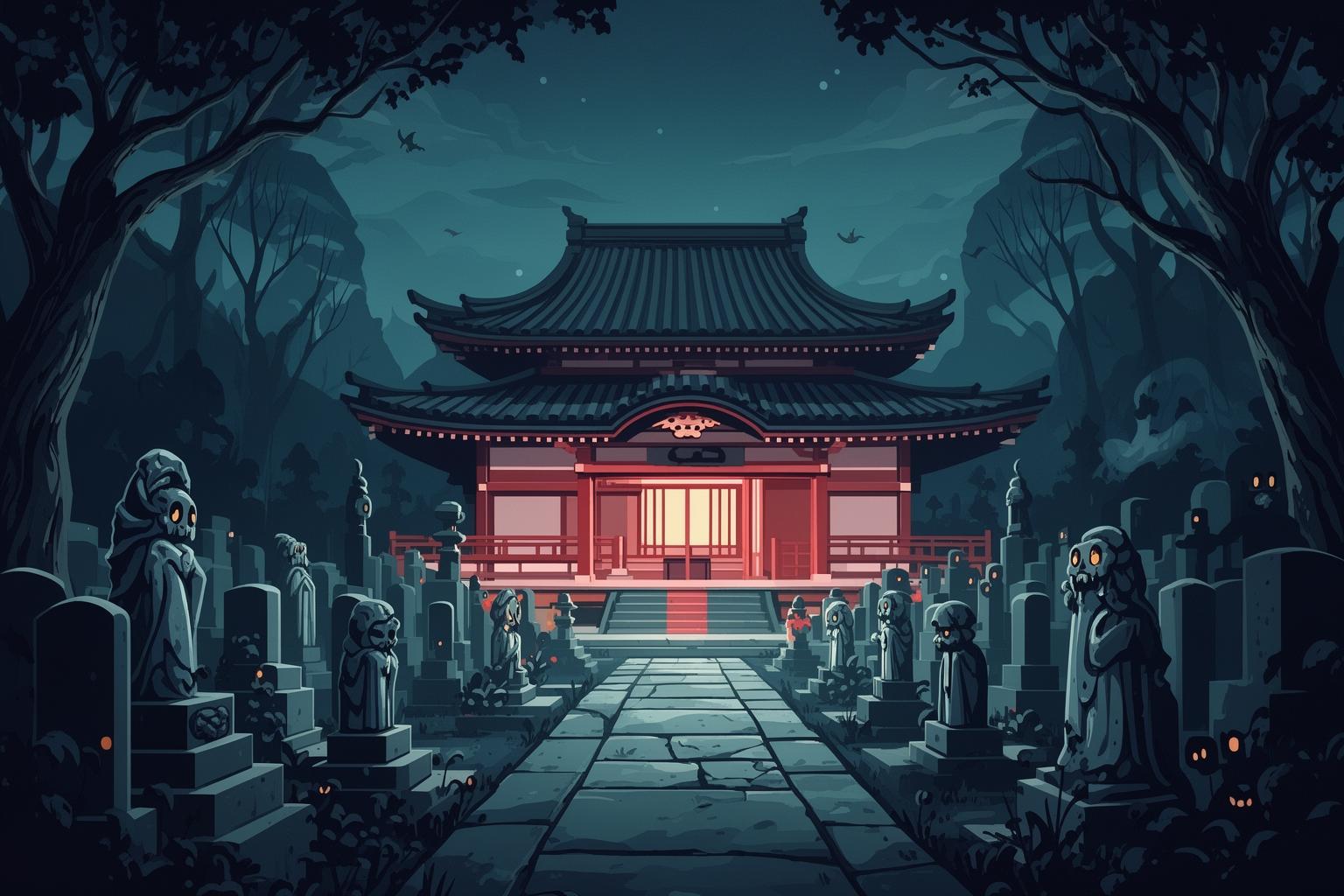
No visit to Koyasan is truly complete without stopping by Okunoin, Japan’s largest cemetery. The path extends for two kilometers, weaving through a forest of towering cedar trees and bordered by over 200,000 tombstones and memorials. It culminates at the mausoleum of Kobo Daishi, the founder of Shingon Buddhism. Calling it merely a cemetery feels insufficient. It is a sacred place, a repository of history, and a site of profound, humbling beauty. Yet, when viewed through the perspective of an Osaka resident, it also reveals intriguing insights into the city’s character.
More Than Just Monks and Samurai
As you stroll along the path, you’ll encounter the tombs of feudal lords and renowned samurai, their resting places cloaked in thick moss, appearing as ancient as the surrounding trees. But look closer. Nestled among these historic monuments are strikingly modern corporate memorials. There’s a monument for Panasonic, the Osaka-born electronics giant, shaped like its iconic products. Another for Glico features its famous running man logo that brightens Dotonbori. Even a coffee cup-shaped memorial honors UCC Ueshima Coffee Co.
At first glance, it seems unusual. Why would a coffee company have a tombstone in one of Japan’s most sacred sites? Yet, this reveals something essential about Osaka’s soul. Tokyo’s identity is linked to political power and global finance, embodied by the sleek, impersonal skyscrapers of Marunouchi. Osaka’s identity has always been rooted in commerce, shaped by the merchants and artisans who built the city. For these companies, many based in Kansai, business is more than just a job; it’s a legacy. Erecting a memorial in Okunoin signifies that their life’s work—their societal contribution through their products—holds a significance beyond the material world. It’s an effort to connect their commercial enterprise with something eternal. This blending of the sacred and the corporate, the spiritual and the practical, feels distinctly Osakan.
The Night Walk: A Different Kind of Neon
Daytime visits to Okunoin are breathtaking; experiencing it at night is transformative. Several temples offer guided night tours, which come highly recommended. As darkness descends, the forest is lit solely by the soft, warm glow of stone lanterns lining the path. The daytime crowds have vanished. The world contracts to the circle of light surrounding you.
The experience is the complete opposite of a typical night out in Osaka. In Namba or Umeda, the night bursts with artificial light—a dazzling, overwhelming spectacle of neon and LED screens. The soundscape is a constant hum of music, conversation, and traffic. Okunoin at night is quite the reverse. The silence is so profound it feels almost tangible. The darkness is gentle, not threatening. Your guide, often a young monk, speaks in quiet tones, sharing stories about those buried here and the beliefs that give life to this place.
Walking this path, a deep sense of peace settles over you. It acts as a sensory reset. It makes you realize just how much stimulation you endure in daily urban life. This isn’t a spooky ghost tour; it’s a walking meditation. For anyone living under the constant glow of a major city, this experience offers a powerful reminder of a different, more natural rhythm of life. It’s a darkness that brings light.
The Return Trip: Re-entry into the Urban Jungle
All good things must come to an end. The journey back down the mountain is always tinged with bittersweet feelings. As the train starts its descent, you feel the serenity of Koyasan wrapping around you like a cozy blanket. You remain quiet and thoughtful, scrolling through photos on your phone, trying to hold on to the sense of calm.
But as you approach the flat plains of the Osaka basin, the atmosphere begins to change. You begin to hear the lively, familiar tones of Kansai-ben as more passengers board at local stops. A group of teenagers laugh about their weekend plans, while two older women passionately discuss the latest Hanshin Tigers game. The quiet car of reflection gradually transforms into a lively public space buzzing with activity. The spell is lifting.
Stepping off the train at Nankai Namba hits you like a shock to the system. The wall of sound, the crush of people, the thick humid air—it all assaults you at once. For a moment, it’s overwhelming. But then something unexpected happens. It no longer feels as stressful as it did two days ago. The chaos seems less like an attack and more like a familiar, vibrant dance. It feels like coming home.
This is the ultimate takeaway from a Koyasan weekend for an Osaka resident. You don’t go there to escape your life; you go there to gather the strength to live it more fully. Koyasan offers balance, the crucial counterpoint to the city’s intensity. Living in Osaka is a high-energy pursuit; it demands your participation and engagement. The city gives you so much, but it also takes a lot from you. Having a place like Koyasan, so accessible and deeply restorative, is the key to making life here sustainable. It is the sacred silence that makes Osaka’s beautiful noise not just bearable, but a joy to return to. You re-enter the urban jungle not drained, but refreshed and ready for what’s next, carrying a small piece of the mountain’s peace inside you.