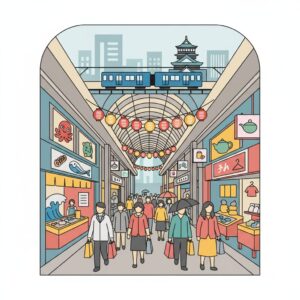
Step off the train in Osaka’s Namba Station, and you’re plunged into a symphony of electric dreams. The air thrums with the bass of a thousand pachinko parlors, the sizzle of takoyaki on hot griddles, and the neon glow that paints the night sky in hues of magenta and cyan. It’s a city that moves at the speed of light, a place of relentless energy and dazzling modernity. But just a couple of hours away, a world of profound silence awaits. A world where the only rhythm is the chanting of sutras, the only light is the flicker of a thousand lanterns, and the only spectacle is the ancient dance of moss and cedar. This is Koyasan, the sacred mountain heart of Shingon Buddhism, and your spiritual antidote to the beautiful chaos of urban life. A weekend trip here isn’t just a change of scenery; it’s a journey into the very soul of Japan, an experience that resonates long after you’ve descended back to the city below. Planning a shukubo, or temple stay, from Osaka is your gateway to this transformation, an opportunity to not just see a sacred place, but to live within its rhythm, even if just for a night. It’s a pilgrimage that begins the moment you board the train, leaving the concrete jungle behind for a sanctuary in the clouds.
After experiencing the profound silence of Koyasan, you can return to explore the vibrant nightlife of Osaka, starting with its secret speakeasies and themed bars.
The Journey Itself is a Pilgrimage: Getting to Koyasan from Osaka

The magic of Koyasan doesn’t begin upon arrival but rather during the ascent. The journey from the bustling heart of Osaka is a gradual shedding of urban life, a transition just as integral to the experience as the temple stay itself. Your pilgrimage starts at Nankai Namba Station, a sprawling hub of activity deep beneath the city. Here, you board the Nankai Koya Line, a train that feels like a time machine in reverse, pulling you away from the future and into a deep, forested past.
The initial part of the trip winds through Osaka’s dense suburbs, a familiar scene of apartment blocks and commercial streets. Soon, however, the concrete gives way to green. The train windows reveal a constantly changing landscape of rolling hills, terraced rice paddies, and quaint villages nestled in valleys. The farther you travel, the more the modern world fades away. The train itself becomes a vessel of anticipation. Choosing the Limited Express Koya train is a worthwhile splurge. Its wide, scenic windows provide uninterrupted views of the transformation, and the journey is quicker, giving you more time on the mountain. On the other hand, the regular express trains offer a slower, more local experience, with each stop offering another glimpse of life in the Wakayama countryside.
The true shift occurs at Gokurakubashi Station, the line’s terminus. The name, which means “Paradise Bridge,” feels deeply fitting. Stepping onto the platform, you notice a distinct change in the air—it’s cooler, fresher, with a faint, sweet scent of pine and damp earth. This isn’t just a station; it’s a threshold. From here, the final ascent is made via the Koyasan Cable Car, an impressive engineering marvel and the true gateway to the sacred precinct.
The bright red funicular car waits patiently to carry you up the mountainside at an astonishingly steep angle. As it begins its five-minute climb, the world outside tilts dramatically. You glide above a thick canopy of trees, the valley floor dropping away beneath you. Through the large windows, you see the winding road far below and the vast expanse of the Kii Peninsula stretching to the horizon. It’s a moment suspended between two worlds—the mundane one left behind and the sacred realm you are about to enter. The rhythmic clack of the cable car on its tracks is the sole sound, a mechanical heartbeat drawing you closer to the clouds.
At the summit, you step into the cool mountain air at Koyasan Station. From here, a short bus ride is needed to reach the central town area. The buses are timed to meet cable car arrivals, making transfers seamless. As the bus winds its way along the mountain roads, you catch your first glimpses of what lies ahead: towering temple gates, moss-covered stone lanterns, and the dark, majestic silhouettes of ancient cedar trees. This final section through the town itself confirms the feeling that you’ve arrived somewhere truly special—a place where the veil between the physical and spiritual worlds is beautifully thin. For the utmost convenience and value, consider purchasing the Koyasan World Heritage Ticket at Nankai Namba Station before you depart. This all-in-one pass covers your round-trip train fare, the cable car, and unlimited bus travel around Koyasan, often including discounts on entrance fees to key sites. It streamlines the entire journey, allowing you to focus on the pilgrimage rather than logistics.
Choosing Your Sanctuary: The Art of Selecting a Shukubo
In Koyasan, your accommodation is more than just a place to rest; it serves as the heart of your experience. A shukubo, or temple lodging, provides a rare and deeply meaningful chance to immerse yourself in the daily life of Japanese Buddhism. With over fifty temples in Koyasan welcoming overnight guests, each possesses its own distinct character, history, and ambiance. Selecting the right one is less about amenities and more about discovering the sanctuary that resonates with your soul.
Forget everything you know about hotels. A shukubo is primarily a functioning temple, with lodging as a secondary purpose. You become a guest in a sacred space, home to resident monks devoted to their spiritual practices. The experience emphasizes simplicity, tranquility, and reflection. Your room will most likely be a traditional Japanese tatami room with fusuma (sliding paper doors) and a modest, low table. There will be no television, minibar, and often no private bathroom. You will be provided with a yukata, a light cotton robe to wear within the temple, and a comfortable futon bed, which you will lay out yourself on the tatami floor. Facilities such as baths and restrooms are usually communal, although some temples offer rooms with private en-suites at a higher price. This shared experience, this deliberate removal of modern comforts, encourages a sense of community and mindfulness, drawing your attention inward.
The variety of shukubo is extensive. Some, like the well-known Eko-in, are large, well-equipped, and experienced in hosting international guests, offering excellent English guidance, captivating fire ceremonies, and the famous Okunoin night tour led by their own monks. Its accessibility makes it an excellent starting point for first-time visitors. Others, such as Shojoshin-in, situated at the very entrance of the sacred Okunoin cemetery, provide an unmatched sense of history and location. Staying there feels like sleeping at the threshold of eternity itself. For those seeking aesthetic beauty, Fudoin features gardens crafted by the master landscape architect Mirei Shigemori, presenting a sublime setting for contemplation. Temples like Rengejoin are famed for their exquisitely refined shojin ryori (Buddhist vegetarian cuisine) and peaceful, intimate atmosphere.
Booking your shukubo is an essential step that should be done well ahead of time, especially if you plan to visit during peak seasons such as autumn for the vibrant foliage or spring for the cherry blossoms. Several online platforms cater to international visitors, including the official Koyasan Shukubo Association website, Japanese Guest Houses, and major booking sites. When you reserve, you are not merely securing a room; you are committing to an experience. Consider the temple’s unique offerings. Does it have a beautiful garden? Does it host a morning fire ritual? Is it known for its art collection? Reading reviews and examining photos can help you appreciate the subtle differences in atmosphere. Do you prefer a grand, historic temple with many other guests, or a smaller, quieter sanctuary offering a more personal experience? The choice you make will fundamentally shape your time on the mountain.
A Day in the Life of a Pilgrim: The Rhythm of a Temple Stay
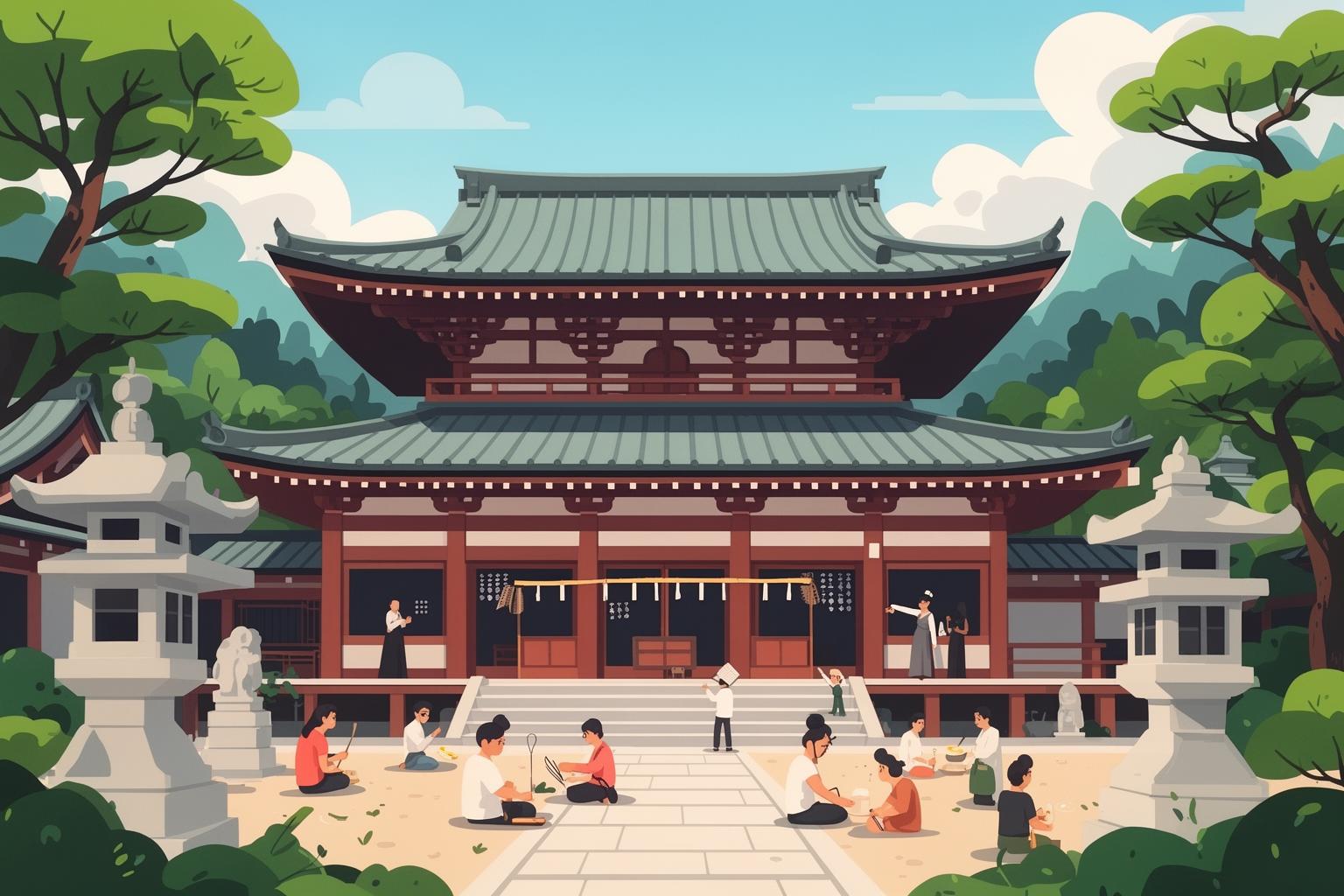
Life in a shukubo unfolds to an ancient, unhurried rhythm, shaped by ritual and the rising and setting of the sun. Staying in one means stepping into this rhythm and allowing it to guide you. Your experience begins upon arrival, typically in the mid-afternoon. As you slide open the heavy wooden temple doors, you are not met by a concierge but by a young monk who will escort you through quiet, incense-scented corridors. After removing your shoes at the entrance, you are led to your tatami room, where the monk explains the temple’s layout, the schedule for meals and morning prayers, and the times for the communal bath. This initial orientation serves as a gentle introduction to a different way of living.
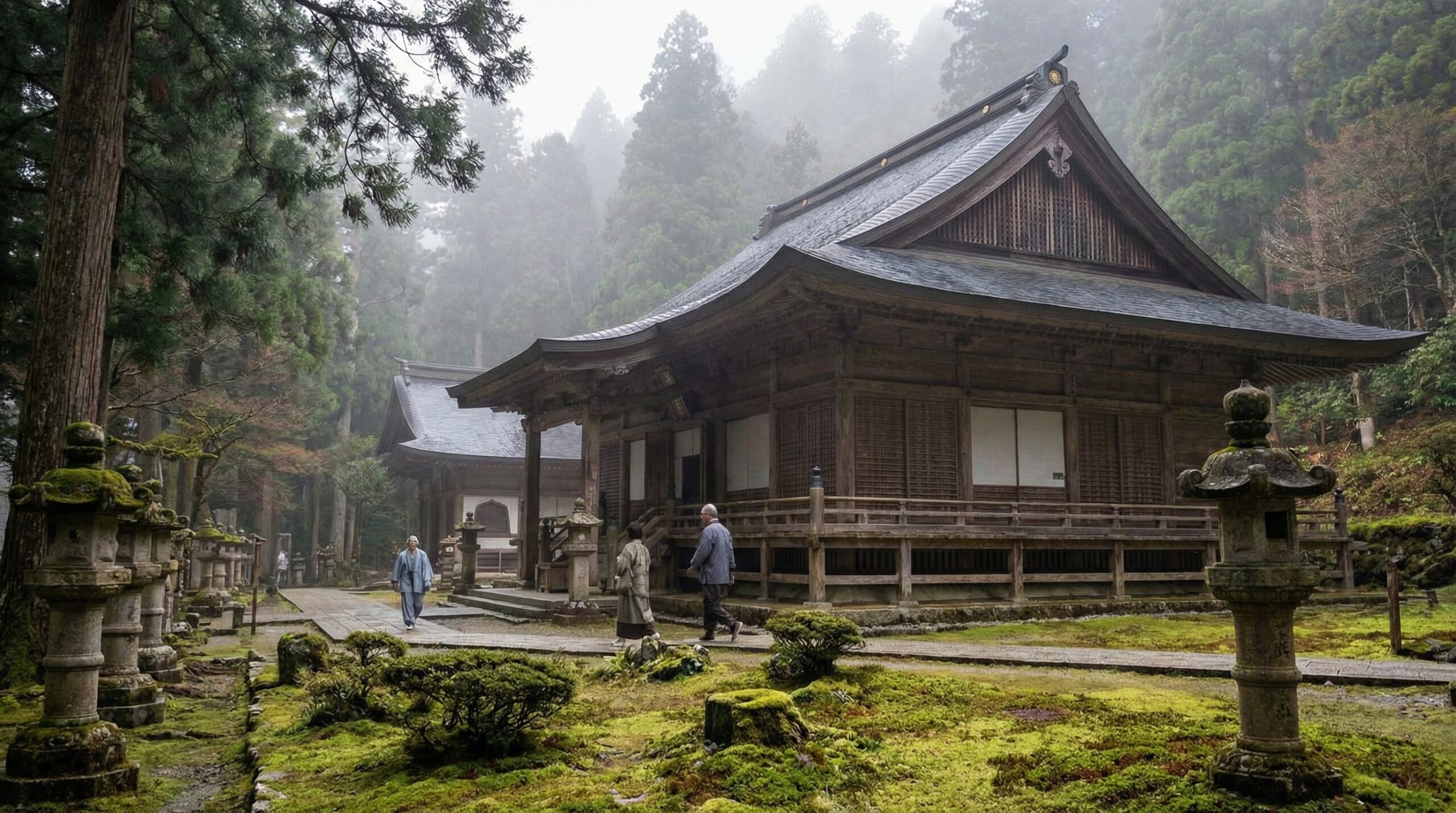
Once your belongings are settled, the late afternoon offers an ideal time for quiet exploration of your temporary home. Stroll along polished wooden hallways, your stockinged feet silent on the floorboards. Discover the temple’s main prayer hall, with its intricate altar and solemn statues. Many temples boast exquisite gardens—perhaps a meticulously raked Zen rock garden or a lush landscape of moss, maples, and stone lanterns. You may encounter beautifully painted screens depicting scenes from nature or mythology. This is a moment for stillness, allowing the profound peace of your surroundings to seep into your awareness.
As evening draws near, you will be called for dinner, arguably one of the most sublime parts of a temple stay: shojin ryori. This Buddhist vegetarian cuisine is an art form rooted in a philosophy of compassion and balance. Served in your room or a communal dining hall, the meal is a feast for the senses. It consists of small, exquisite dishes, each highlighting the natural flavors of seasonal and local ingredients. Central to this cuisine are foods like goma-dofu, a creamy, savory pudding made from sesame seeds, and Koya-dofu, freeze-dried tofu that is rehydrated and simmered in a delicate broth, a regional specialty. You will also enjoy a variety of mountain vegetables (sansai), delicate tempura, savory pickles, nourishing miso soup, and perfectly cooked rice. The cuisine avoids meat, fish, and pungent flavors like onion and garlic, focusing instead on harmony and a deep respect for the life of the ingredients. Each bite is a meditation, a lesson in appreciating subtlety and purity of flavor.
After dinner, the mountain falls silent in deep, profound stillness. With no city lights to diminish the view, the stars shine with incredible brilliance. Some temples, such as Eko-in, offer a guided night tour of Okunoin Cemetery, an unforgettable experience. Otherwise, the evening is yours to read, meditate, or simply be. Preparing your own futon for sleep is a simple, grounding ritual. As you lie down on the tatami floor, enveloped in the temple’s quiet and crisp mountain air, you will discover a restfulness that is deep and restorative.
The most essential part of the shukubo experience begins before dawn. You will be awakened, perhaps by a soft bell or gentle knock on your door, while the world outside remains cloaked in darkness. This is the call to otsutome, the morning prayer service. You will join the monks in the temple’s main hall, a space sanctified by centuries of devotion. The air is cold and heavy with the scent of aged wood and morning incense. In the dim glow of candles and lanterns, the monks begin chanting the sutras. Understanding the words is not necessary. The power lies in the sound itself—a deep, resonant vibration that seems to rise from the very earth beneath you. The rhythmic striking of gongs, bells, and wooden blocks creates a mesmerizing soundscape that calms the mind and awakens the spirit. You are not merely a spectator; you are a participant in a ritual performed here day after day for hundreds of years. Some temples also conduct a goma fire ritual, a powerful esoteric ceremony where prayer-inscribed wooden sticks are burned in a consecrated fire, symbolizing the destruction of negative energies and worldly desires. The heat of the flames, the powerful drumming, and the intense chanting together create a truly primal and awe-inspiring experience.
After the service, a simple yet nourishing breakfast is served—another beautiful shojin ryori meal, often centered around rice porridge (okayu). As you eat, feeling the lingering resonance of the morning chants, you feel purified, centered, and ready to explore the sacred mountain with renewed clarity and purpose.
Whispers of Eternity: Exploring the Sacred Sites of Koyasan
While the shukubo sets the pace for your stay, the sacred sites of Koyasan form the verses of its epic poem. The entire mountaintop is an expansive temple complex, a living museum of faith, art, and history. At its core lie two deeply spiritual areas: the mystical Okunoin Cemetery and the magnificent Danjo Garan complex.
Undoubtedly, Okunoin is the heart and soul of Koyasan. As the largest cemetery in Japan, it feels less like a place of death and more like a domain of eternal, peaceful slumber. Your journey into this sacred forest begins at Ichinohashi Bridge, the formal entrance. It is customary to bow in respect before crossing, as you enter the realm of Kobo Daishi, the founder of Shingon Buddhism. The path ahead is a two-kilometer stone-paved walkway winding through a forest of towering, ancient cedar trees. Their thick, gnarled trunks rise like the columns of a vast natural cathedral, with their canopy filtering sunlight into ethereal, shifting beams. On either side of the path, as far as the eye can see, lie over 200,000 tombstones, stupas, and memorials, all covered in a lush, velvety carpet of moss. These mark the final resting places of emperors, shoguns, samurai warriors, feudal lords, poets, and commoners alike. Walking this path is a humbling journey through a millennium of Japanese history. Quirky, modern memorials also appear, such as a monument shaped like a coffee cup from a coffee company and another featuring a tiny rocket from an aerospace firm—poignant reminders that faith and devotion endure into the present day.
The path ends at Gobyonohashi Bridge, which separates the outer cemetery from the innermost sanctuary. Beyond this point, photography, food, and drink are prohibited. This is the final approach to Kobo Daishi’s mausoleum. Here, you first see the Torodo Hall, or Hall of Lanterns. The sight is breathtaking. Inside this magnificent hall, thousands of bronze and brass lanterns hang from the ceiling, their flames burning eternally. Two are said to have remained lit continuously for over 900 years. Their collective glow casts a warm, golden light that seems to defy darkness, creating an atmosphere of profound peace and devotion. Just behind this hall is the Gobyō, the mausoleum itself. Kobo Daishi is believed not to be dead but in a state of eternal meditation, awaiting the arrival of Miroku, the Future Buddha. Devotees believe he continues to offer salvation to all who seek it. Monks can be seen carrying his ritual morning and midday meals to the mausoleum in a solemn procession, a practice unbroken for over twelve centuries. The spiritual energy here is palpable, a silent, powerful presence that touches everyone who visits.
To experience the other side of Okunoin, return at night. Many temples offer guided tours after dark, a rare opportunity not to be missed. With the path lit only by the soft glow of ancient stone lanterns, the forest transforms. The familiar becomes mysterious. Your guide, often a young English-speaking monk, shares folklore, explains Buddhist symbolism, and points out details unseen in daylight. The focus shifts from sight to sound and feeling—the hoot of an owl, the rustling of a creature in the underbrush, the deep, enveloping silence of the great cedars.
In contrast to Okunoin’s ancient, organic wilderness, Danjo Garan embodies planned spiritual order. It was the first temple complex established on Koyasan by Kobo Daishi and remains a central worship site. The most striking building is the Konpon Daito, a stunning 48-meter-tall vermilion pagoda. It represents a three-dimensional mandala, with an interior resplendent in color, featuring intricate paintings and statues of deities from the esoteric Buddhist pantheon. Nearby stand the Kondo, or Main Hall, where major ceremonies are held, and the Miedo, a hall dedicated to the image of Kobo Daishi. Strolling through Garan’s broad, open grounds of raked gravel, surrounded by these iconic structures, you sense harmony, balance, and grand design.
Your visit should also include Kongobuji, the head temple of Shingon Buddhism. As the administrative center, it is a grand and stately complex. Its rooms showcase stunning fusuma screens painted by masters of the Kano school, depicting elegant cranes, weeping willows, and seasonal flowers. The highlight, however, is the Banryutei Rock Garden. Completed in 1984, it is Japan’s largest rock garden. Its vast expanse of white sand symbolizes a sea of clouds, from which two powerful dragons, crafted from 140 granite stones, seem to emerge, guarding the temple. This modern masterpiece of Zen design offers a perfect spot to sit on the veranda and enjoy quiet contemplation. You can also view the temple’s vast historic kitchen, with giant hearths and cauldrons built to feed thousands of visiting monks and pilgrims—a testament to the enduring scale of devotion inspired by Koyasan across the centuries.
Practical Wisdom for the Mountain Path
A journey to a place as distinctive as Koyasan is made easier with a bit of preparation. Thoughtful packing and planning will enable you to fully engage in the experience without distractions. First and foremost, keep in mind that you are heading into the mountains. The weather in Koyasan often lags a full season behind Osaka. Even in summer, evenings can be unexpectedly cool, and winter transforms it into a snowy, icy wonderland. The key is to dress in layers. A fleece or light jacket is recommended year-round, while a proper winter coat, gloves, and hat are necessary from December through March. The most crucial item to bring is a pair of comfortable, sturdy walking shoes, as you will spend much time on foot exploring stone paths and temple grounds, making comfort essential.
Although Japan is technologically advanced, it is wise to carry enough cash when visiting Koyasan. While most shukubo and larger shops accept credit cards, many smaller vendors, vending machines, and entrance fee counters may not. Having yen available will prevent inconvenience. A small, quick-drying towel is also handy for use in the communal baths at your temple lodging.
The season of your visit can greatly influence your experience. Autumn, from late October to November, is breathtaking as the mountain’s maple and ginkgo trees burst into vibrant reds and golds. This is also a peak time, so booking accommodations and transportation well in advance is crucial. Spring, especially late April to early May, is another busy season when the mountain cherries bloom, blanketing the area in soft pink and white. Summer brings lush greenery and fewer crowds, though June and July’s tsuyu (rainy season) can be humid and wet. For those seeking solitude and stark serenity, winter offers a magical setting. The snow-covered landscape is otherworldly, and silence is most profound, but be prepared for freezing temperatures and icy paths.
Respectful behavior reflects your regard for the sacredness of the site and its resident monks. On temple grounds, maintain a quiet and respectful attitude. When checking into your shukubo, carefully observe rules about curfew, meal times, and bath hours, as these form part of the temple’s disciplined routine. During morning prayers, silence is especially important; your role is to respectfully observe and absorb the atmosphere. Remember to remove your shoes before stepping onto tatami mats, a standard practice throughout Japan. Finally, embrace the chance to disconnect. Although many temples now provide Wi-Fi, the connection can be unreliable. View this not as a drawback but as a gift—an opportunity to step away from the digital world and connect more deeply with your surroundings and inner self. Following these simple guidelines will help ensure your pilgrimage is a harmonious one.
The Resonance That Lingers
Descending from Koyasan back into the electric embrace of Osaka is a surreal experience. The transition is striking, with the contrast between the two worlds becoming more vivid than ever. Yet, you carry with you a fragment of the mountain’s silence. It’s a resonance that lingers in your mind, a quiet refuge you can revisit long after the journey has ended. A weekend on this sacred mountain is more than just a simple getaway; it is a recalibration of the spirit, a deep, cleansing breath for the soul.
What remains are not only the images—the towering cedars of Okunoin, the golden glow of the Torodo Hall, the austere beauty of a rock garden—but also the sensory memories. It is the lingering scent of sandalwood incense clinging to your clothes, the intricate, pure taste of goma-dofu on your tongue. It is the recollection of the pre-dawn chill on your skin as you walked to the prayer hall, and the deep, resonant chant of the sutras that seemed to align with your own heartbeat. It is the sensation of moss beneath your fingertips and the profound quiet of a forest that has witnessed a thousand years of devotion.
Living in a city like Osaka, with its boundless energy and constant forward motion, is an exhilarating experience. But having a sanctuary like Koyasan nearby is a rare blessing. It serves as a reminder that just beyond the neon horizon lies a world of stillness, history, and deep spiritual peace. The journey between the two is more than a trip on a map; it is a pilgrimage within. It beckons you to step outside of time, to listen to the whispers of eternity, and to return to your daily life with a renewed sense of clarity, tranquility, and wonder. That is the true gift of Koyasan, a gift waiting for anyone willing to make the ascent.