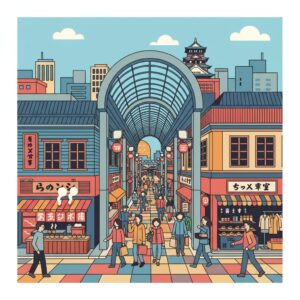
Osaka hits you like a shot of strong espresso. It’s a jolt to the system, a city that runs on high-octane energy, fueled by sizzling pans of takoyaki, the roar of the Hanshin Tigers fans, and the relentless patter of merchants in the Shotengai. It’s a place that wears its heart on its sleeve, loud and proud. Life here is a constant performance, a vibrant, chaotic, and utterly intoxicating dance. You work hard, you play harder, and you’re always, always on. The air itself seems to crackle with a kind of kinetic energy that you just don’t feel in the more reserved, orderly streets of Tokyo. Down here in Kansai, the vibe is different. It’s more direct, more human, more in-your-face. And honestly? It can be exhausting.
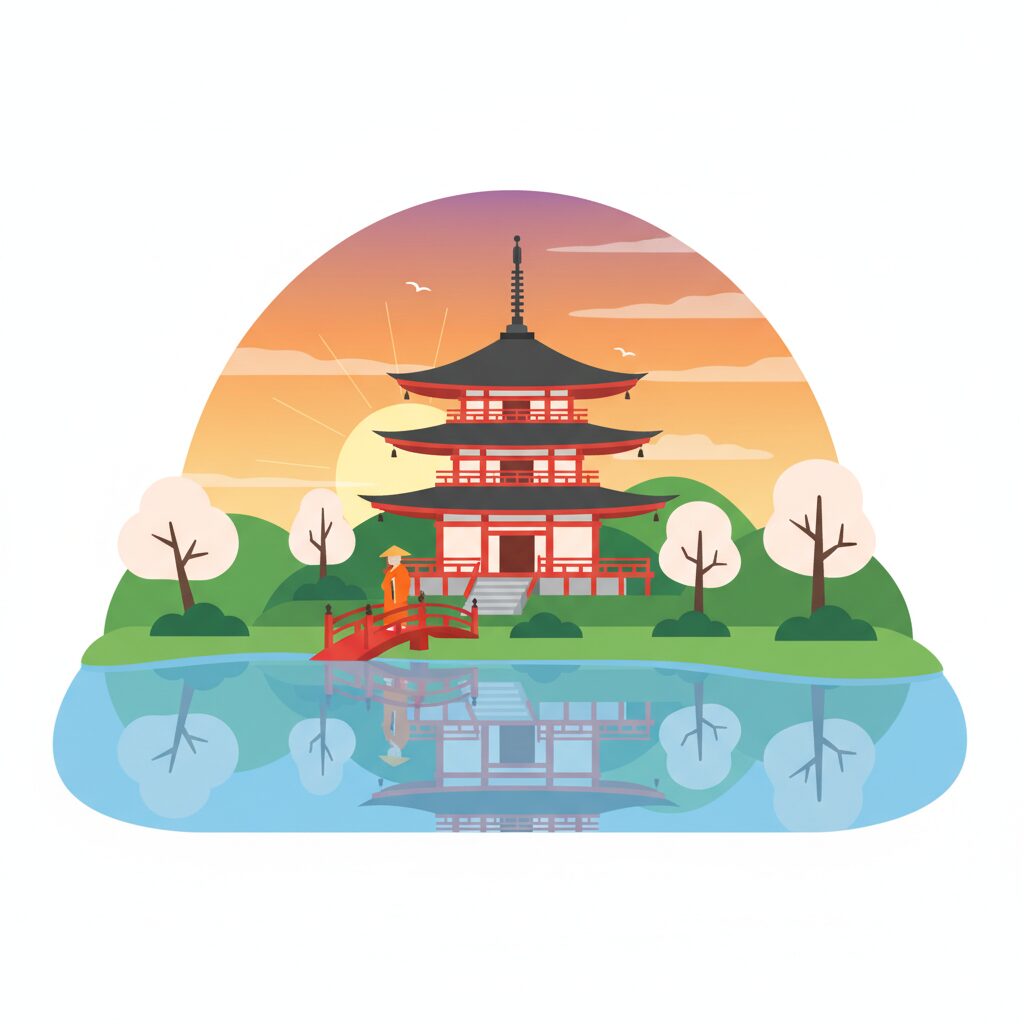
That’s where Koyasan comes in. For many people living in Osaka, this sacred mountain complex isn’t just a weekend getaway or a dot on a tourist map. It’s a pressure-release valve. It’s the deep, cleansing breath you take after holding it for too long. It’s the spiritual antidote to the glorious madness of urban life. Getting out of the city isn’t just about seeing something new; it’s about recalibrating your soul. It’s a pilgrimage away from the noise and back to yourself. And the journey from the neon-drenched belly of Namba to the misty, cedar-scented air of a thousand-year-old monastery is a quintessential Osaka experience that most travel guides completely miss. They’ll tell you what to see, but not why it matters, especially to the people who call this concrete jungle home. This isn’t about ticking boxes on a UNESCO World Heritage site list. This is about understanding the rhythm of life in Osaka—the balance between the sacred and the profane, the hustle and the hush.
To truly understand the rhythm of life in Osaka—the balance between the sacred and the profane, the hustle and the hush—it helps to explore other facets of its local culture, such as the unique social codes found in Osaka’s sento.
The Osaka Hustle and the Koyasan Hush
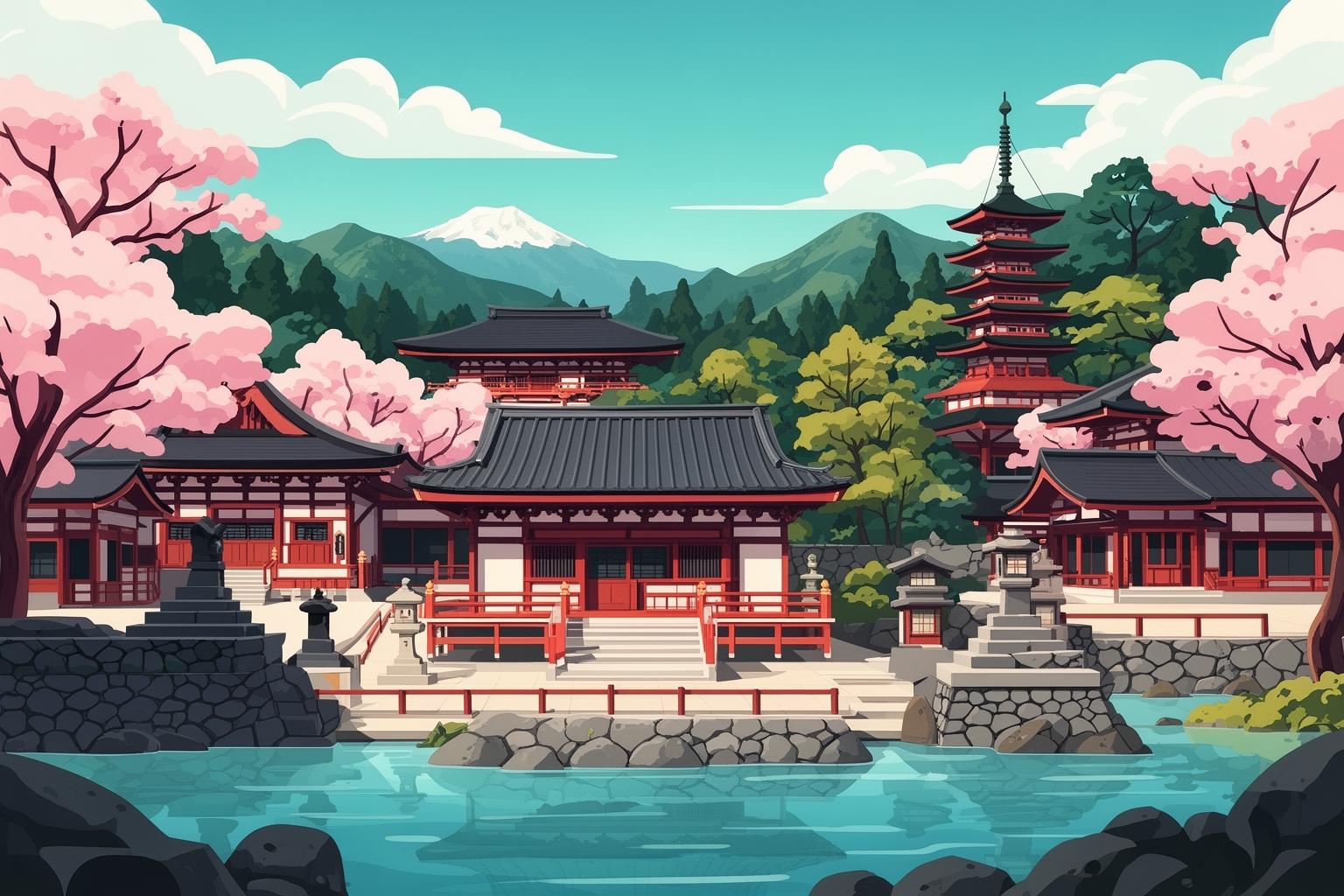
To truly understand why Koyasan is so vital, you first need to appreciate the texture of daily life in Osaka. This city was built by merchants, not samurai. Its identity is shaped in the marketplace, not the castle court. The local dialect, Osaka-ben, is fast, direct, and famously expressive. Business here is conducted with a handshake and a laugh, and the ultimate virtue isn’t quiet dignity, but sharp-witted, value-conscious practicality. The city’s unofficial motto is “moukarimakka?” which means “making a profit?” It’s a greeting, a philosophy, and a way of life. This commercial spirit permeates everything. The subways are crowded, the streets burst with sounds and smells, and social interactions are often loud, energetic, and theatrical. There’s a constant pressure to be “genki”—full of life, alert, and ready with a quick comeback.
Living here means navigating this nonstop flow of stimulation. It’s exciting, but it leaves little space for quiet reflection. Unlike Tokyo, where public anonymity and reserve create invisible walls of personal space, Osaka is more communal and open. Strangers will strike up conversations at a ramen counter. The lady at the vegetable stand will ask about your day. It’s a city of extroverts, and for an introvert, or even someone seeking a quiet moment, it can feel like you’re shouting to be heard when you want to whisper. This is often misunderstood by foreigners. They hear “Osaka is friendly” and expect a warm, gentle welcome. And it is friendly, but it’s an active, demanding friendliness. It pulls you in. It expects engagement. It’s not the passive, polite friendliness found elsewhere.
This is why the silence of Koyasan feels so profound. It’s not just the absence of noise; it’s a presence. A thick, heavy blanket of quiet that envelops you the moment you step off the cable car. The journey itself is a decompression. As the train from Nankai Namba station climbs out of the urban basin, towering apartment buildings give way to bamboo groves, and the city’s frantic energy gradually drains away. For an Osakan, this isn’t just a change of scenery. It’s a shift in state. The mountain embodies different values: slowness over speed, introspection over expression, spiritual wealth over material gain. It is the necessary exhale. It’s where you go to find the part of yourself drowned out by the noise of millions all trying to make a living, have a laugh, and strike a good deal on lunch. It’s the cultural counterbalance that sustains the Osaka hustle.
Planning Your Escape, the Osaka Way
When an Osakan plans a trip to Koyasan, their approach is fundamentally different from that of a typical tourist organizing a sightseeing visit. It stems from a deep-rooted pragmatism that characterizes the local spirit. Osakans are famously, almost devoutly, value-conscious. This isn’t about being cheap; it’s about being smart. It’s about securing the best possible experience for your hard-earned yen. Wastefulness is a cardinal sin. Efficiency and good value are supreme virtues. This mindset, cultivated over centuries in the bustling markets of Tenma and the wholesale districts of Semba, applies to everything, including a spiritual retreat. The goal is maximum spiritual rejuvenation at a reasonable, well-planned cost.
Getting There: Not a Tourist Journey, But a Commute to Serenity
The trip begins at Nankai Namba Station, a bustling hub of commerce and transit in Osaka’s Minami district. For locals, this isn’t the start of an exciting adventure; it’s a familiar departure point, a well-used route. The key to the journey, and the first thing any Osakan will mention, is the Koyasan World Heritage Ticket. This isn’t a tourist gimmick; it’s simply the most sensible way to travel. The ticket includes your round-trip train fare, the cable car ride up the mountain, unlimited bus travel within Koyasan, plus some discounts for admission to select sites. Why pay for each segment separately? That would be inefficient, pricier, and frankly, somewhat foolish from a local viewpoint. It perfectly embodies the Osaka mindset: bundle it, get the discount, and avoid wasting time or money buying individual tickets. It’s the savvy choice.
The train journey itself is an essential part of the experience. The first leg on the Nankai Koya Line is a typical commuter train, rattling through the dense southern Osaka suburbs. You’re surrounded by the everyday: students heading to school, salarymen off to appointments. Then, at Hashimoto station, many switch to a smaller, more scenic train for the final climb. The windows frame a different world. The tracks cling to mountainsides, winding through deep valleys and shadowy tunnels. The atmosphere inside the car shifts. Conversations quiet. Passengers gaze out as the cityscape recedes beneath them. This isn’t just transit; it’s transformation. A slow, deliberate shedding of urban layers—a physical and mental preparation for the sacred space ahead. The last stretch, the cable car, ascends nearly vertically through towering cedar forests. It’s a powerful, symbolic lift, drawing you away from the mundane and into a spiritual realm. Every Osakan who takes this trip knows this feeling—the quiet anticipation, the sense of leaving one world behind and entering another.
Choosing a Shukubo: More Than a Hotel, It’s an Experience
Your accommodation on Koyasan is a shukubo, or temple lodging. This is perhaps the most commonly misunderstood element of the Koyasan experience for foreigners. A shukubo is not a ryokan with monks at reception. It is not a hotel with a Buddhist theme. You are staying in an active monastery. You’re a guest in a sacred space, and your stay is an opportunity—however brief—to engage with monastic life. This distinction is vital. There are over fifty temples on Koyasan that offer lodging, and choosing one is a very personal decision, often influenced by word-of-mouth and that hallmark Osaka pragmatism.
A typical tourist might seek the highest online-rated temple or the most picturesque gardens. An Osakan’s priorities are usually more practical. They’ll ask friends, “How was the food? Was the futon comfortable? Were the monks friendly or a bit formal?” The quality of the shojin ryori (vegetarian Buddhist cuisine) is crucial. Remember, this is Osaka, the city famous for “kuidaore” (eat until you drop). Even on a spiritual retreat, the quality of the meal matters deeply. They also consider the atmosphere. Some temples, like Ekoin or Henjoko-in, are large, well-known, and accustomed to international visitors, offering more amenities and English-speaking staff. But many locals favor smaller, quieter, family-run temples. These may have less polished facilities but offer a more intimate, authentic experience. It feels less like a commercial transaction and more like a warm invitation into a home. There’s a comfort, an “at-home” feeling that Osakans, with their strong community spirit, highly value. The price, typically including dinner and breakfast, is viewed as an excellent value package. You get a room, two meals, and a unique cultural and spiritual experience all bundled into one cost. For the value-conscious Osakan, it’s the perfect arrangement.
The Shukubo Experience: Unspoken Rules for the Uninitiated
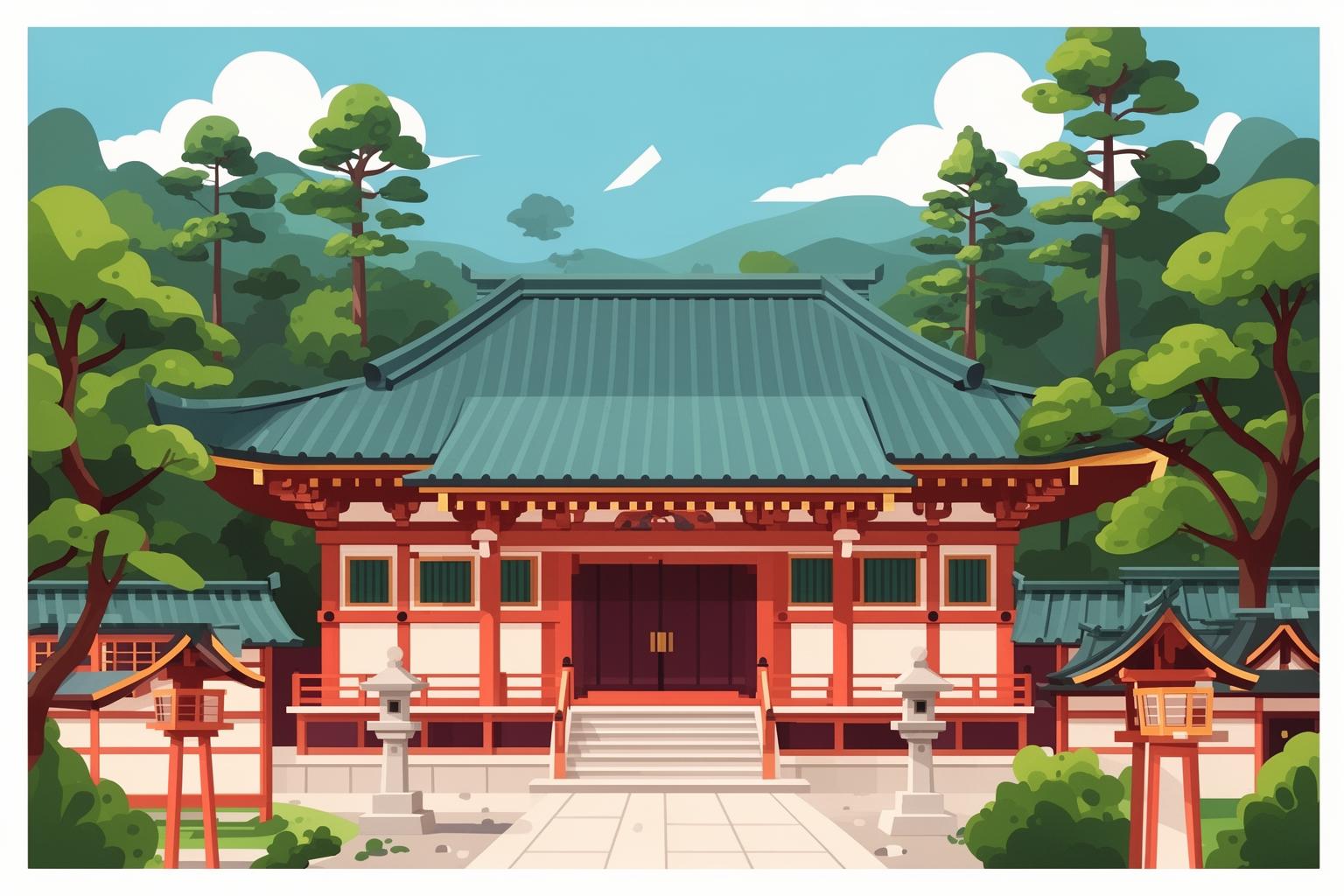
Stepping into a shukubo feels like entering another era. The air is cool, carrying the scent of aged wood and incense. At the genkan, your shoes are exchanged for slippers. Sounds from the outside world are muted by thick walls and sliding fusuma paper doors. This marks the true beginning of cultural immersion, where visitors must be mindful of the unspoken customs and rhythms of monastic life. For those used to the lively, anything-goes atmosphere of an Osaka izakaya, the temple’s disciplined quiet can come as a shock. Yet, embracing this contrast is the essence of the experience.
Shojin Ryori: Beyond Simple “Monk Food”
Dinner arrives early, often around 6:00 PM, served in your room on a low lacquered table. This is shojin ryori, the traditional vegetarian fare of Buddhist monks. To someone accustomed to the bold, intense flavors of Osaka—the savory tang of okonomiyaki sauce, the rich saltiness of ramen broth, the smoky char of yakitori—shojin ryori may seem surprisingly delicate. It is built on principles of balance and mindfulness. Each small dish is a carefully crafted work of art, showcasing seasonal vegetables, tofu in various forms (from creamy goma-dofu, or sesame tofu, to firm koya-dofu, or freeze-dried tofu), pickles, and simple broths. There is no meat, fish, onion, or garlic. The flavors are clean and pure, intended to soothe the senses rather than stimulate them.
For an Osakan, whose cultural identity is deeply intertwined with food, this presents a profound experience. It challenges their usual understanding of what makes a meal satisfying, yet it is welcomed. It acts as a detox for both palate and soul. After weeks of fried dishes, rich sauces, and late-night ramen, a meal of shojin ryori feels restorative. It encourages you to slow down, to notice the subtle texture of a mountain vegetable, the gentle sweetness of simmered daikon. You begin to value a different kind of deliciousness—one that nourishes rather than merely fills. The unspoken rule is straightforward: eat what is offered, do so mindfully, and arrive on time. The monks follow their own schedule of prayers and duties, with meals integrated into that rhythm. As a guest, you are expected to honor it. This disciplined dining experience contrasts sharply with Osaka’s spontaneous, chaotic food culture, and that very difference makes it especially meaningful.
The Morning Chants (Otsutome): Not to Be Missed
The wake-up call is early, sometimes as early as 5:30 AM. A soft knock on your fusuma door, or perhaps the distant toll of a bell, signals the time. You are expected to get dressed and make your way to the temple’s main hall, the hondo, for the morning prayer service known as otsutome. For many, especially those unaccustomed to early mornings, this can be the most demanding part of the shukubo experience. An Osakan might groan—”Go-ji han? Uso ya ro!” (5:30? You’ve gotta be kidding!)—but they will still rise and attend. Why? Because it’s part of the full experience they’ve paid for. Skipping the morning service would be like buying a concert ticket and leaving before the main act; it just doesn’t make sense.
The experience itself is captivating. You kneel on the cool tatami floor in the dimly lit hall, the air thick with the sweet, woody aroma of incense. The monks enter, their robes rustling, and take positions before the altar. Then the chanting begins—a deep, resonant, guttural sound that seems to vibrate through your very bones. Understanding the sutras is unnecessary to feel their impact. The rhythmic, hypnotic drone calms the mind and sharpens the spirit. It acts as a sound meditation that washes away the mental clutter and anxieties brought from the city. In that moment, concerns about work, bills, and crowded trains simply fade away. You become fully present. This is the heart of the shukubo experience: a cultivated mindfulness, a disciplined peace that is nearly impossible to find amid Osaka’s nonstop hustle.
Shared Spaces and Quiet Times: A Social Understanding
Life in a shukubo is governed by a social contract of shared tranquility. The walls are literally paper-thin. Your room stands divided from your neighbor’s by a single sliding fusuma. Every cough or whisper can be heard. Bathrooms and sinks are often communal, though many temples now offer rooms with private facilities. An implicit agreement exists that everyone is there for the same reason: to seek peace and quiet. This demands a level of consideration that differs markedly from Osaka’s social norms.
Osaka is a city of noise—people talk on phones on the train, laugh loudly in restaurants, and call to one another across streets. Public spaces serve as stages for interaction. In a shukubo, the opposite holds true. You learn to walk softly along long wooden corridors, speak in hushed tones, and close doors gently. This adjustment can be significant, even for city-dwelling Japanese. It is a practical lesson in the Japanese concept of “wa,” or harmony: personal comfort and freedom take a backseat to group harmony. You lessen your presence to avoid disturbing others’ peace. This offers a profound cultural insight, reminding us there are diverse ways of existing in the world. The loud, individualistic energy celebrated so much in Osaka is just one valid mode of being. Learning to be quiet, small, and considerate in this ancient space is as much a part of the spiritual practice as participating in the morning prayers.
Exploring Koyasan: Seeing Through Local Eyes
Once you’ve settled into the rhythm of the shukubo, you can begin to explore the mountain itself. A tourist might approach it with a checklist: see the Garan, visit Kongobuji, take a photo at the Daimon Gate. But to experience Koyasan like a local means viewing it not as a collection of sights, but as a unified, living, spiritual landscape. It’s about sensing the atmosphere, not merely seeing the attractions.
Okunoin Cemetery: A Walk Through Time, Not a Ghost Tour
At the core of Koyasan lies Okunoin, Japan’s largest cemetery and the final resting place of Kobo Daishi, the founder of Shingon Buddhism. A winding stone path, two kilometers long, takes you through a forest of magnificent, ancient cedar trees, some more than a thousand years old. Along the path are over 200,000 tombstones and memorials, belonging to everyone from feudal lords and famous samurai to modern business leaders and ordinary families. The stones are covered in moss, worn smooth by centuries of wind and rain. The air is cool and still, with sunlight filtering through the high canopy in dappled rays.
A foreigner might view this place and think “spooky cemetery,” focusing on ghost stories or its eerie ambiance. But that’s a complete misunderstanding of what Okunoin truly represents. For a Japanese person, especially an Osakan living in a city constantly torn down and rebuilt, Okunoin symbolizes continuity and history. It offers a tangible connection to the past. Walking this path is like walking through Japanese history itself. You encounter the tombs of warlords studied in school, like Oda Nobunaga and Takeda Shingen, alongside memorials for modern corporations—a giant coffee cup for a coffee company, a rocket for an aerospace firm. This isn’t regarded as tacky; it’s seen as a continuation of the tradition of honoring the deceased, whether samurai warriors or dedicated salarymen. For an Osakan, whose identity is often fiercely regional, a visit to Okunoin links them to a broader, national narrative. It’s a humbling reminder that their own busy lives are just a small part of a much longer story.
Many temples offer guided night tours of Okunoin, which are absolutely essential. These are not ghost tours meant to frighten. The guide, usually a young monk, lights the way with a lantern and shares the stories and symbolism behind the tombs and the teachings of Kobo Daishi. In the darkness, with stone lanterns casting long shadows, the forest feels different—alive. The silence deepens, the air grows colder. You focus on the sound of your footsteps on the stones, the scent of cedar trees, and the calm voice of the monk. It is a deeply meditative and moving experience—the complete opposite of a flashy night out in Osaka’s Dotonbori district. It is a journey into stillness, leaving a lasting impression long after you have left the mountain.
Garan and Kongobuji: The Heart of the Mountain
While Okunoin is the spiritual heart of Koyasan, the Garan complex and Kongobuji Temple serve as its administrative and doctrinal centers. The Danjo Garan is a sacred temple complex, one of the first areas developed by Kobo Daishi. Its most striking feature is the Konpon Daito, a massive, vibrant vermilion pagoda housing statues of cosmic Buddhas. Kongobuji is the head temple of Shingon Buddhism, the headquarters for thousands of temples across Japan and worldwide. It boasts beautifully painted screen doors (fusuma-e), a vast kitchen equipped with a traditional kamado stove, and Japan’s largest rock garden, Banryutei, where great stone dragons emerge from a sea of clouds crafted from white sand.
For visitors, these are stunning historical sites, but for those with deeper knowledge, they represent the living institution of Shingon Buddhism. Visiting Kongobuji isn’t like visiting a museum; it’s akin to visiting the Vatican for Catholics or the headquarters of a massive, ancient corporation. There is a profound sense of gravity here. You realize Koyasan is not a historical theme park—it is the active center of a major religious tradition. The monks you see are not performers; they are scholars, administrators, and spiritual leaders. For an Osakan living in a world driven by modern commerce and relentless change, seeing an institution continuously operating for 1,200 years is profoundly grounding. It embodies a kind of stability and permanence almost unimaginable in the business world, inspiring deep respect not only for the beautiful buildings but for the enduring power of faith and tradition.
The Return Trip: Bringing the Mountain Back to the Metropolis
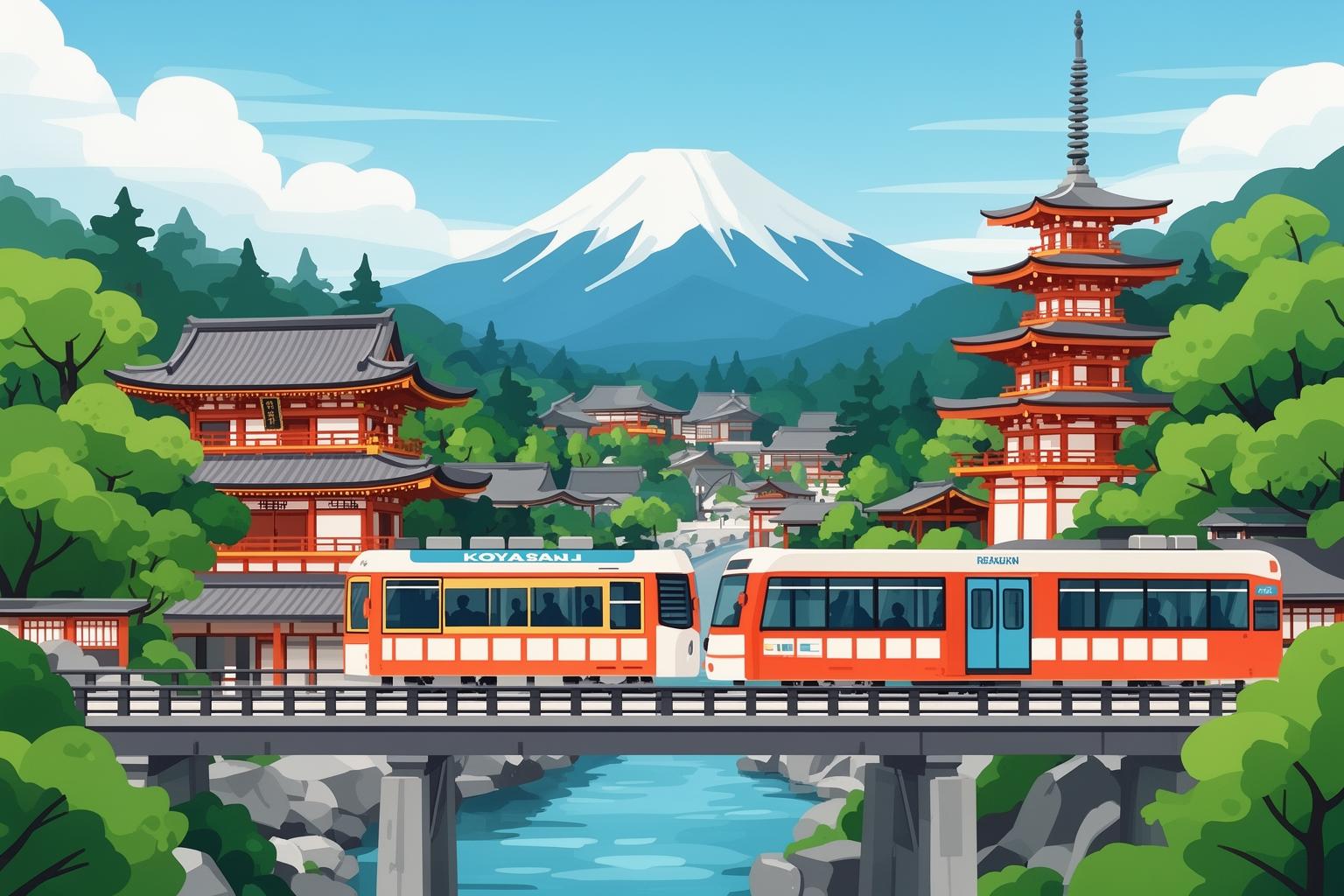
All too soon, it’s time to depart. You retrace your steps: the bus ride to the cable car station, the steep descent down the mountainside, the scenic train journey back toward the flatlands. The return trip is the reverse of the arrival; a slow, deliberate process of re-pressurization. As the train moves further from the mountains, the landscape begins to shift. The lush greenery gives way to the grey of rooftops and concrete. The number of passengers increases at each stop. The quiet hum of the country line is replaced by the familiar clatter and announcements of a city commuter train.
Arriving finally at Nankai Namba Station can be an overwhelming shock. You step off the train and are instantly met by a wall of sound, light, and people. The frantic pace, the crowded crush, the cacophony of advertisements and announcements—it’s a full-on sensory bombardment. After a weekend of monastic silence, the usual energy of Osaka feels magnified tenfold. It feels raw, chaotic, and overwhelming. This is the moment of re-entry, and it can be disorienting.
Yet something remarkable occurs. You take a deep breath and discover a newfound ability to handle it. The purpose of the trip was never to escape Osaka permanently. Rather, it was to build an inner reserve of quiet, a spiritual buffer that enables you to face the city’s intensity without being overwhelmed. You carry the silence of the mountain with you. You might find yourself less troubled by the crowded subway. You might notice the beauty in a small street-side shrine you’ve passed by countless times. You have brought home a piece of Koyasan’s peace and perspective.
This is why Osakans make the pilgrimage. It is a crucial part of the rhythm of their lives: hustle and retreat, sound and silence, engagement and introspection. They dive back into their routines—returning to the office, the factory, or their favorite takoyaki stand in Tennoji—but come back renewed. The trip to Koyasan reveals a side of the Osaka character often hidden from outsiders. Beneath the loud, humorous, money-savvy, and occasionally brash exterior of the typical Osakan, there lies a deep and enduring need for spiritual grounding. They understand that to survive and thrive in one of the world’s most vibrant cities, sometimes you need to escape and listen to the silence of a thousand-year-old tree. It’s this balance, this practical spirituality, that truly defines what it means to live a full life in Osaka.