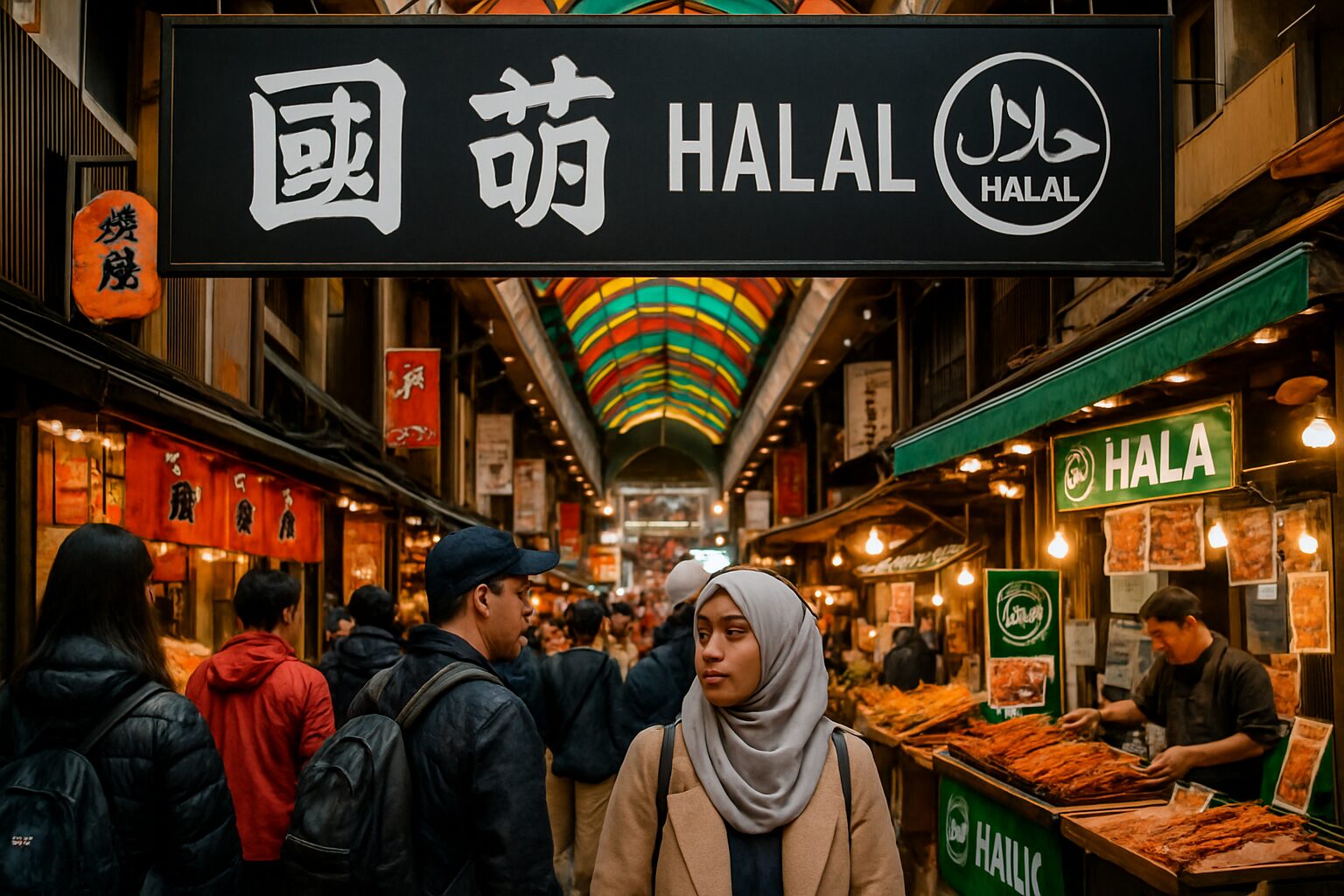
Step off the clean, quiet hum of the Osaka Metro at Nippombashi station, and you walk into another world. A world where the air itself is a thick, savory tapestry woven from the steam of grilled scallops, the sweet perfume of ripe strawberries, and the deep, oceanic brine of freshly caught fish. This is the entrance to Kuromon Ichiba Market, the sprawling, covered arcade affectionately known for nearly two centuries as ‘Osaka’s Kitchen’—the Daidokoro of Naniwa. It’s a place of beautiful, delicious chaos, a river of humanity flowing past stalls piled high with a dizzying array of Japan’s finest culinary treasures. For any food lover, it’s a pilgrimage. But for the traveler or resident navigating Japan with a Halal diet, a visit can feel like standing at the edge of a magnificent feast, unsure of where to begin or what is permissible. This guide is your invitation to step into that river with confidence. It’s a map to help you chart a course through the vibrant stalls, to understand the rhythm of the market, and to discover how you, too, can partake in the spirit of kuidaore—eating until you drop—in a way that is joyful, respectful, and absolutely delicious. Kuromon is not a place to be seen from the sidelines; it’s an experience to be tasted, and with a little knowledge, you can craft a culinary journey that is uniquely and wonderfully yours.
After immersing yourself in the authentic flavors of Kuromon Ichiba, you might also be interested in exploring other vibrant facets of Osaka, such as the dynamic youth culture found at Triangle Park in Amerikamura.
The Heartbeat of Naniwa: Understanding Kuromon’s Soul
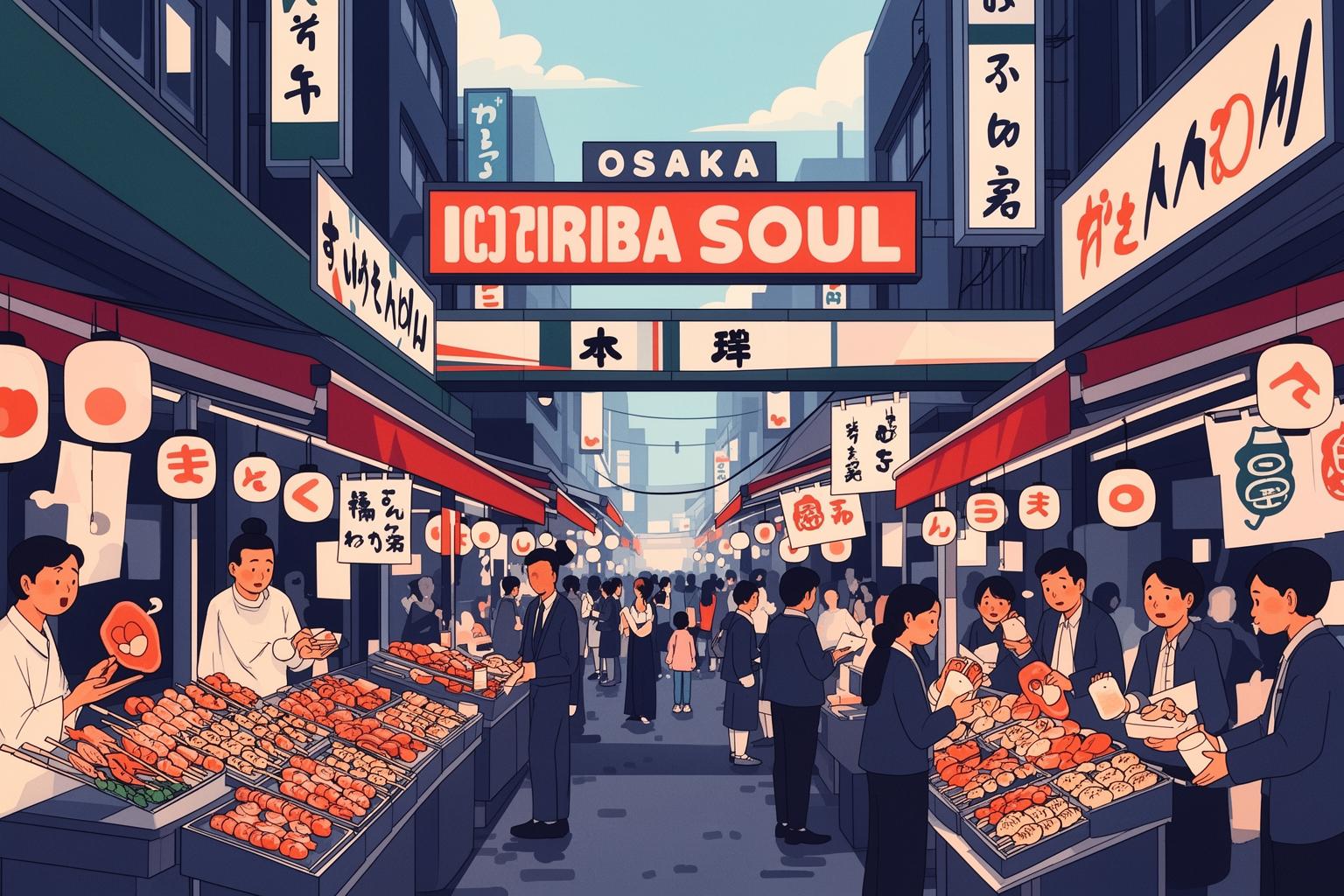
To truly appreciate Kuromon, you must first grasp its heartbeat. This is more than just a tourist spot; it’s a vibrant, living institution intricately woven into the very soul of Osaka. Its origins trace back to the late Edo period, beginning as a modest fish market near the black gate (kuromon) of the nearby Enmyoji Temple, from which it takes its name. Over time, it expanded stall by stall, broadening its range from fish to include produce, pickles, sweets, and meats, ultimately becoming the main source of fresh ingredients for the city’s top chefs and discerning home cooks. That legacy remains alive today. Although the crowds have grown with international visitors, Kuromon’s essence endures: a deep, almost sacred commitment to quality.
The atmosphere here is electric, a sensory symphony that starts the moment you step beneath its covered roof. The soundscape is a continuous, lively hum. You hear the rhythmic chopping of a fishmonger’s knife expertly slicing through a massive bluefin tuna. The cheerful, booming calls of vendors—Irasshaimase! Oishii yo! (Welcome! It’s delicious!)—ring out with a warmth and pride that is distinctly Osakan. There’s the sizzle and pop of seafood hitting hot grills, the animated chatter of friends deciding what to try next, and the shuffle of countless feet on the worn pavement. It’s a sound both overwhelming and warmly inviting.
Visually, Kuromon is a kaleidoscope. Your eyes move from the perfectly arranged rows of huge white strawberries, each a gem, to the deep ruby-red flesh of tuna sashimi displayed on ice. You see tanks of live prawns, their long antennae twitching, and pyramids of sea urchin (uni) in their spiky shells, their golden interiors promising a rich, creamy taste of the sea. The vibrant green of freshly grated wasabi, the shiny black seaweed, and the bright orange persimmons in autumn—all combine to create a feast for the eyes before you take your first bite. The aromas tell their own story. One moment you’re wrapped in the savory, smoky scent of grilled unagi, then you catch the sweet, delicate fragrance of a mochi shop, followed by the crisp, sharp smell of citrus from a juice stand. This sensory experience captures the essence of Kuromon. It is a place that embodies the Osakan philosophy of kuidaore—a passionate, life-embracing celebration of food in all its forms. To understand this spirit is the first step to finding your place within it.
Your Halal Compass: Navigating the Culinary Maze
Embarking on a culinary journey through Kuromon Ichiba Market while following a Halal diet is an exercise in mindful eating. It demands a mix of curiosity, clear communication, and a solid understanding of what to seek out and what to politely avoid. As Japan is not traditionally a Muslim country, Halal certification is uncommon, especially in a historic market like this. Yet, the abundance of fresh, natural ingredients offers countless opportunities for remarkable Halal-friendly discoveries. The key is to view the market not as a minefield of restrictions but as a treasure hunt for pure, unadulterated flavors.
Your most valuable tools will be your eyes, your nose, and a few essential phrases. The basic principle is to choose foods in their most natural form. The more processing or sauces involved, the greater the chance of non-Halal ingredients such as mirin (sweet cooking wine), sake (rice wine), or pork-derived gelatin. Cross-contamination is another consideration; a grill used for both pork skewers and seafood, or a knife shared between different meats, can be problematic for stricter observers. Fortunately, much of the cooking at Kuromon happens right before your eyes, allowing you to watch the process closely.
The Ocean’s Bounty: Your Safest Refuge
Seafood is undoubtedly the king of Kuromon Market and your greatest ally. The fish and shellfish themselves are inherently Halal, making this area your primary playground. The variety is stunning, ranging from familiar favorites to exotic treats.
Fresh Sashimi and Oysters
For purists, nothing beats fresh, raw seafood. Vendors offer trays of pre-sliced sashimi, featuring glistening cuts of tuna (maguro), fatty salmon (sake), and delicate sea bream (tai). This is generally a safe choice. You can purchase a tray accompanied by a small packet of soy sauce and wasabi. One caution is that soy sauce can sometimes contain a small amount of alcohol as a preservative. Many travelers carry their own small bottle of Halal-certified soy sauce for this reason. Another excellent option is freshly shucked oysters, where a vendor will expertly open a large, rugged oyster from a bed of ice and serve it with a lemon wedge. It’s a pure, unadulterated taste of the ocean—cold, briny, and utterly refreshing.
The Glory of the Grill: Navigating Grilled Seafood
One of the most iconic Kuromon experiences is enjoying seafood grilled to order. The sight and aroma of vendors fanning flames beneath skewers of prawns, whole squid, and giant scallops is irresistible. Here, a small amount of communication goes a long way. Many grilled items are coated with a sweet and savory tare or teriyaki sauce, which almost always contains mirin and sake, making them non-Halal. However, a simple, delicious alternative is shioyaki, or salt grilling.
Approach a vendor with a friendly smile, point to the seafood you want—perhaps a large king prawn (ebi) or a scallop still in its shell (hotate)—and say: “Shio dake de, onegaishimasu” (With salt only, please). Most vendors are very accommodating and will understand your request, grilling your selection perfectly with just a sprinkle of sea salt, allowing the natural sweetness of the seafood to shine. Seeing them prepare it just for you is part of the magic. The result is a simple, smoky, deeply satisfying treat that is perfectly Halal-friendly. Scallops are often a highlight, grilled with a small knob of butter that melts into the tender meat. Butter is generally safe, but if you’re unsure, simply ask for salt only.
Fruits and Produce: A Realm of Pure Delight
Beyond seafood, the fruit and vegetable stalls are your safest and most vibrant havens. Japanese produce is renowned for its exceptional quality, and Kuromon features the best of each season. This is your chance to indulge in flavors you might never have experienced before. In winter and early spring, the market overflows with exquisite strawberries, including large pale pink or pure white varieties that are shockingly sweet with low acidity. Summer brings juicy peaches and the legendary, eye-wateringly expensive musk melons, which are often sold by the slice. In autumn, look out for sweet persimmons and crisp Fuji apples.
These stalls also offer freshly squeezed juices and smoothies. A cup of pure orange or grapefruit juice is the perfect palate cleanser after a savory piece of grilled fish. You’ll find stands selling fresh produce on skewers, like grilled corn on the cob (ensure it’s just butter and salt) or sweet, sticky roasted sweet potatoes. Pickled vegetables, or tsukemono, are ubiquitous and displayed in large barrels. While beautiful, caution is advised here, as pickling brines often include mirin, sake, or other seasonings that may not be Halal. It’s best to admire them from a distance and stick to fresh items.
Navigating Meats, Sweets, and Prepared Foods: A Guide to Caution
This area requires the most vigilance. The sight of marbled Wagyu and Kobe beef skewers sizzling on grills is highly tempting, but unless a stall has clear, verified Halal certification (which is very rare in Kuromon), assume the meat is not Halal.
Prepared hot dishes like oden—a winter stew with various fish cakes, tofu, and eggs simmered in a large pot of broth—should also be avoided. The broth, or dashi, is central to the dish and almost always contains mirin and sake to enhance its flavor. Many fish cakes and processed ingredients used in oden might also include non-Halal elements.
In terms of sweets, the picture is mixed. Traditional Japanese sweets, or wagashi, can be good options. Mochi, a soft, chewy rice cake, is often safe, especially daifuku—mochi filled with sweet red bean paste (anko) and fresh strawberry. These simple preparations are usually Halal. However, caution is needed regarding gelatin, often labeled ゼラチン (zerachin), which can be pork-derived and used in jellies or modern sweets. Some glazes or flavored fillings may contain alcohol-based essences. It’s best to stick to the simplest forms from vendors who specialize in traditional methods. Plain rice crackers (senbei) are generally safe, but be wary of those glazed with soy sauce because this glaze may contain mirin.
Your best ally in this category is the humble soybean. Kuromon boasts some legendary tofu shops, such as the renowned Takahashi Tofu. Here, you can find some of the freshest and most delicious soy products you’ll ever taste. A cup of rich, creamy, unsweetened soy milk (tonyu) makes a fantastic, nourishing drink. You might also try fresh yuba (tofu skin) or simple blocks of silken tofu that locals purchase for their evening meals. These offer a taste of authentic, everyday Japanese food culture that is both healthy and Halal.
A Sensory Walkthrough: Your Halal-Friendly Kuromon Itinerary
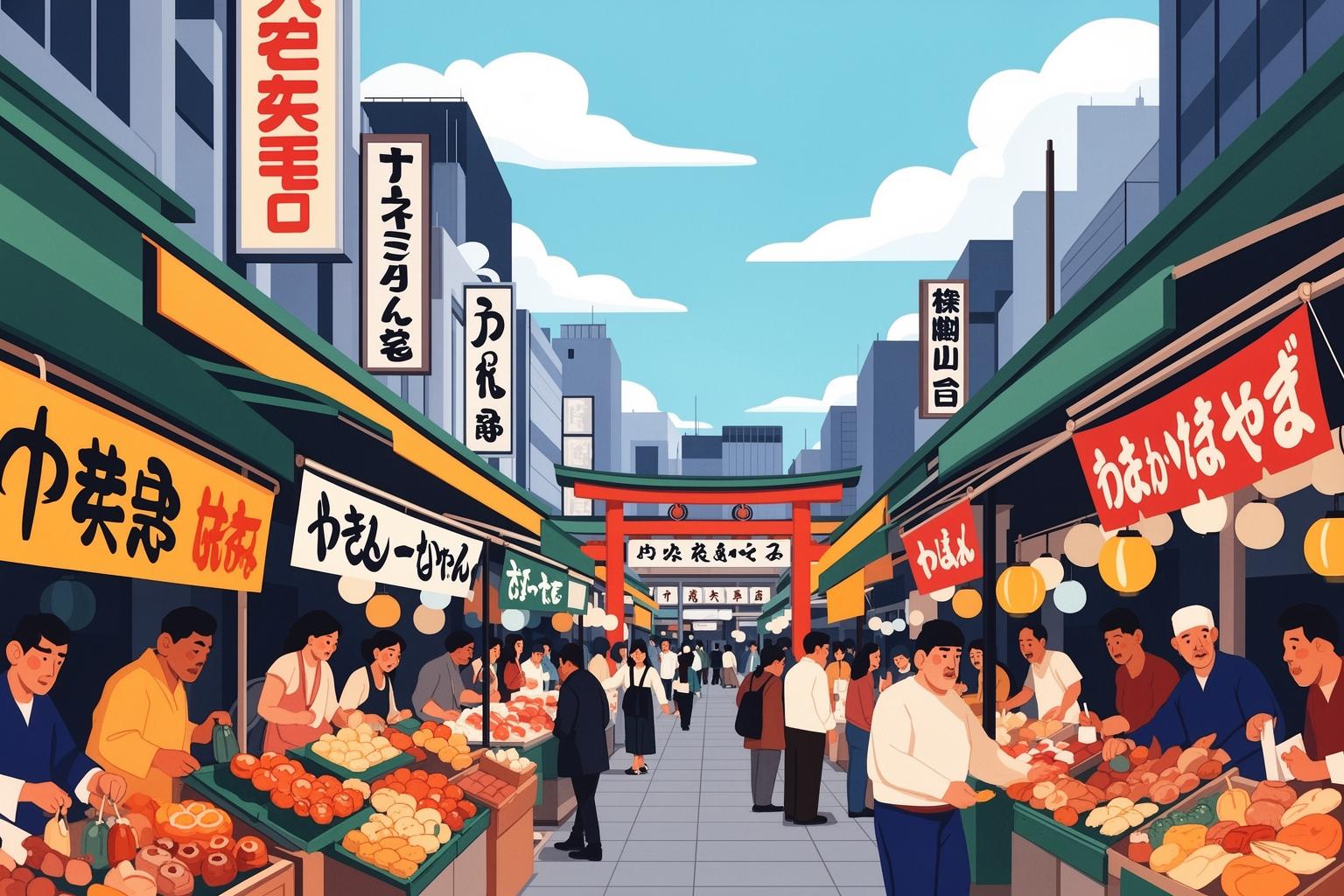
Imagine arriving at Kuromon Ichiba Market around 10:00 AM. The morning rush of local chefs has tapered off, but the midday surge of tourists has yet to peak. The atmosphere feels just right. The air is cool beneath the long arcade roof, while the warmth from the grills and the lively crowds adds a cozy balance. Let’s stroll through the market together, crafting a perfect Halal-friendly tasting tour.
Our journey starts near the entrance, where the strong scent of the sea immediately welcomes you. Your first stop is a large seafood vendor, a sprawling stall displaying massive tuna loins. Skip the pre-made sushi for now and head straight to the grilling section. There, a man with a weathered face and skilled hands places giant prawns, squid, and scallops on a wire rack over glowing charcoal. Catching his eye, you point to a beautiful, fan-shaped scallop nestled in its deep shell and say with a smile, “Kore, onegaishimasu. Shio dake de!” (This one, please. With salt only!). He nods in understanding and places your scallop on the grill. You watch as it begins to sizzle, its translucent flesh turning opaque. He adds nothing but a few coarse grains of sea salt. Within minutes, he hands it to you, piping hot, in a small tray. You find a little spot to stand and take your first bite. The scallop is incredibly tender, with a sweetness perfectly enhanced by the salt and subtle smokiness from the charcoal. It’s pure, simple, and unforgettable.
Feeling encouraged, you venture deeper into the market. The narrow lane is busy, with a gentle jostling of people from around the world. Your gaze is drawn to a stall that seems to glow—a fruit stand, where the neatly arranged produce resembles edible art. A single, perfect white strawberry, the size of a plum, rests in its own special case. You decide to treat yourself. The vendor carefully places it in a small paper cup for you. The first bite is a revelation. It’s not tart like a regular strawberry; it tastes almost like a different fruit altogether, with a complex, floral sweetness and a creamy texture. It’s a moment of pure, unadulterated luxury.
Next, you crave a drink. You spot a sign for fresh soy milk at an old tofu shop. An elderly woman ladles thick, steaming soy milk from a large vat into cups. You order one. It’s warm, incredibly creamy, and has a nutty, savory flavor that’s deeply comforting. It’s nothing like the sweetened, watered-down versions you might be used to; this is the genuine article, a protein-rich drink that has been a staple in Japan for centuries.
Your final savory stop is a stall specializing in sea urchin, or uni. They crack open the spiky shells right there, revealing the bright, golden lobes of roe inside. This is as fresh as it gets. You order a half-shell. The vendor hands it to you with a tiny spoon. You scoop up a piece. It melts on your tongue in a wave of creamy, briny flavor that is both intensely oceanic and delicately sweet. For many, it’s the ultimate taste of the sea, and here in Kuromon, you can savor it in its purest form.
As you head toward the exit, you pass by shops selling dried goods. This is the perfect spot to pick up souvenirs. You find bags of high-quality kombu (kelp) and bonito flakes (katsuobushi)—essential for making authentic dashi broth at home, free from any additives. You also discover a tea shop, where you buy a small tin of fragrant, premium matcha. Your shopping bag is now filled not only with food but with memories of flavors, sights, and sounds. You may not have sampled everything, but you have experienced the very best that Kuromon offers, all while respecting your dietary needs. You leave the market feeling enriched, not deprived, having successfully explored Osaka’s Kitchen on your own terms.
Beyond the Plate: Essential Tips and Etiquette
Successfully exploring Kuromon Ichiba Market involves more than just knowing what to eat. Having some practical knowledge about logistics, communication, and local customs will make your visit smoother, more respectful, and significantly more enjoyable. Consider this your toolkit for a seamless adventure.
Communication is Key
Although many vendors at Kuromon are used to foreign visitors and may understand some basic English, politeness and a few key Japanese phrases will be highly appreciated and help you get exactly what you want. Don’t hesitate to use a translation app on your phone, but beginning with a few simple words can make a big difference.
Here are some essential phrases to remember (written in Romaji for easy pronunciation):
- “Kore wa hararu desu ka?” (Is this Halal?) – A straightforward question, though many might not be familiar with the term; it’s a good starting point.
- “Arukoru wa haitte imasu ka?” (Does it contain alcohol?)
- “Mirin ya sake wa haitte imasu ka?” (Does it contain mirin or sake?) – This is often more specific and useful than asking about alcohol in general.
- “Butaniku wa haitte imasu ka?” (Does it contain pork?)
- “Shio dake de onegaishimasu.” (With salt only, please.) – Your go-to phrase for grilled items.
- “Arigatou gozaimasu.” (Thank you very much.) – Use this frequently and with a smile!
A friendly attitude and patience are your greatest assets. If a vendor appears unsure, it’s better to thank them and move on rather than press for answers. They want to help but may hesitate to provide incorrect information.
Practical Logistics
- Access: Kuromon Ichiba Market is very easy to reach. The nearest station is Nippombashi Station, served by both the Sennichimae (Pink) and Sakaisuji (Brown) subway lines. Take Exit 10, and you’ll be just steps from the market’s entrance.
- Best Time to Visit: The market generally operates from around 9:00 AM to 6:00 PM, though individual stall hours vary. For the best experience, aim to arrive between 9:30 AM and 2:00 PM. Early morning offers an authentic glimpse as local restaurateurs shop; by late morning, most food stalls are bustling with the lunch crowd. Visiting after 4:00 PM is not recommended, as many fresh food stalls will be sold out or closing for the day.
- Cash is Still King: While digital payments are common worldwide, Japan and especially traditional markets continue to rely heavily on cash. Many smaller family-run stalls in Kuromon accept cash only. Larger shops may take credit cards, but it’s essential to carry enough Japanese Yen to avoid disappointment.
- Eating Etiquette: This is an important local custom. In Japan, walking while eating (aruki-gui) is generally considered poor manners. Although Kuromon has a more relaxed vibe due to its food stalls, it’s best to follow this rule. Most vendors selling ready-to-eat items provide small standing or seating areas nearby. Eat there and dispose of your trash properly. This keeps walkways clean and shows respect for the market and other visitors.
- Trash Disposal: Public trash bins are scarce in Japan, which can be challenging when accumulating items like skewers, trays, and cups. Most vendors will gladly take back trash from the food you purchased. Hold onto your waste until you find a suitable bin or return it to the vendor. Do not leave it on counters or the ground.
Kuromon’s Neighborhood: Extending Your Adventure
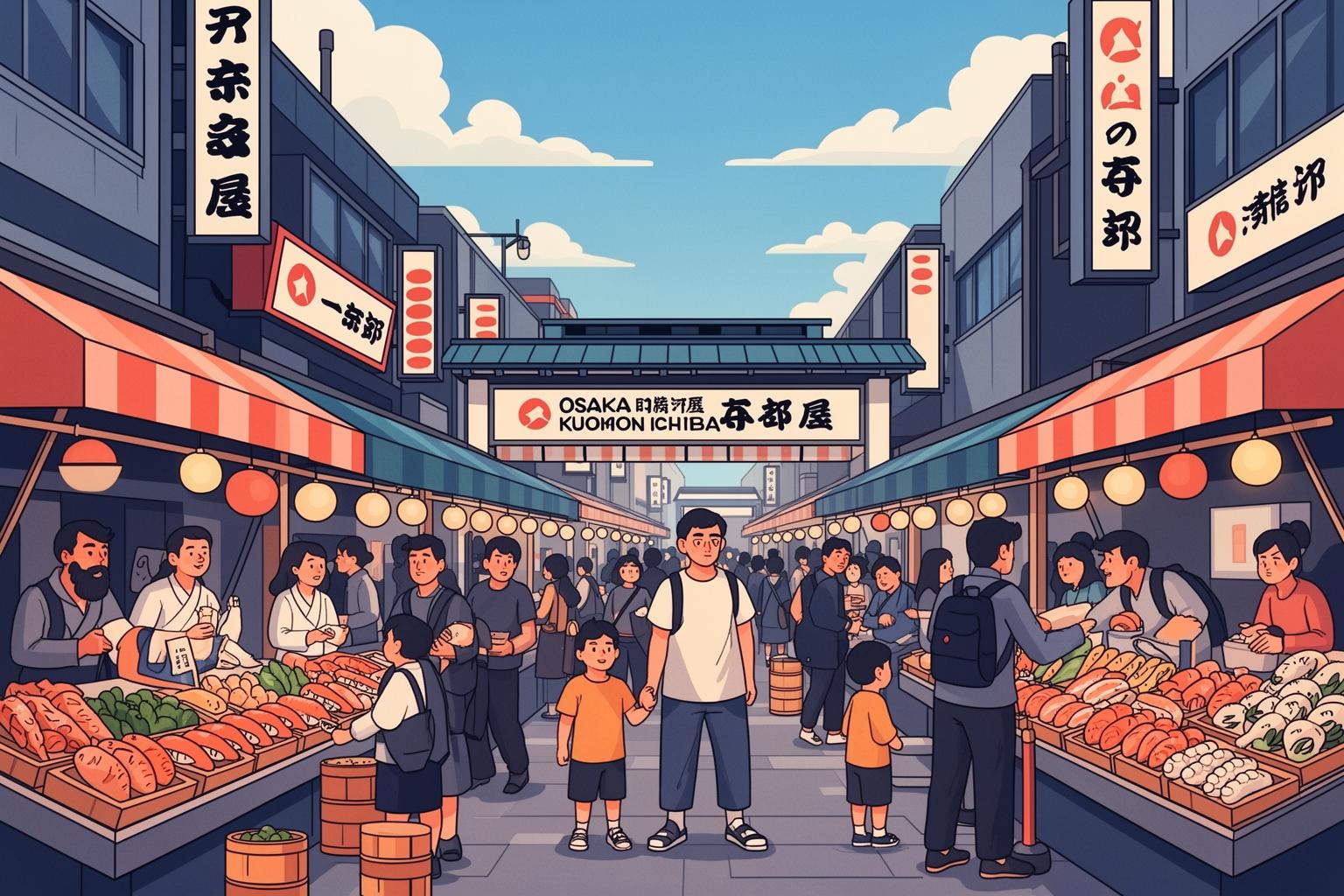
One of the greatest highlights of Kuromon Ichiba Market is its prime location, situated among several of Osaka’s other captivating districts. After indulging in fresh seafood and fruit, your adventure doesn’t have to stop there. The surrounding neighborhood offers a rich variety of experiences that can perfectly complete your day.
Just a five-minute stroll from the market is Sennichimae Doguyasuji Shotengai, also known as Kitchenware Street. This covered arcade is a dream destination for cooking enthusiasts. It’s where both professional chefs and home cooks shop for everything from renowned Japanese kitchen knives and elegant ceramic bowls to takoyaki pans and hyper-realistic plastic food models (sampuru). Even if you’re not looking to buy a new knife, it’s a fascinating place to explore and an excellent spot to find unique, high-quality souvenirs beyond the usual trinkets.
In the opposite direction lies Nippombashi Den Den Town, Osaka’s counterpart to Tokyo’s Akihabara. This area is the city’s center for electronics, anime, manga, and gaming culture. The streets are lined with multi-story shops offering everything from the latest cameras and computer parts to rare collectible figurines and vintage video games. It provides a lively, modern contrast to the traditional vibe of Kuromon and offers an immersive experience into Japan’s pop culture.
Naturally, no visit to this area is complete without mentioning its closeness to Namba and the iconic Dotonbori canal. Just a 10-15 minute walk will take you from the relative calm of Kuromon to the dazzling neon spectacle of Dotonbori, famous for its giant moving crab signs and the iconic Glico Running Man. Although street food options in Dotonbori may be limited from a Halal perspective, the vibrant atmosphere is an essential part of the Osaka experience. Moreover, the greater Namba district is among the best places in the city to find dedicated Halal restaurants offering full, satisfying meals after your market snacks. A quick search will reveal certified Halal ramen spots, Kobe beef restaurants, as well as various Indian, Turkish, and Malaysian eateries that provide worry-free and delicious dining.
By seeing Kuromon not simply as a destination but as the heart of a lively neighborhood, you can easily plan a full day of exploration that blends food, culture, shopping, and entertainment seamlessly.
Kuromon Ichiba Market is more than just a place to eat; it’s a vibrant, living part of Osaka’s soul. It reflects a culture that deeply values ingredient quality, artisan skill, and the joy of sharing a delicious meal. For the Halal traveler, it presents a unique chance to connect with this culture on a profound level. It encourages you to look closer, ask questions, and enjoy the simple, pure flavors of a perfectly grilled scallop or a sun-ripened piece of fruit. Navigating its bustling lanes requires some preparation, but the rewards are immense. You’ll leave not only with a satisfied appetite but also with a greater appreciation for the passion and dedication that have earned this market the title of ‘Osaka’s Kitchen.’ So come with an open mind and an empty stomach. The beautiful chaos of Kuromon awaits, ready to share its treasures with you.